
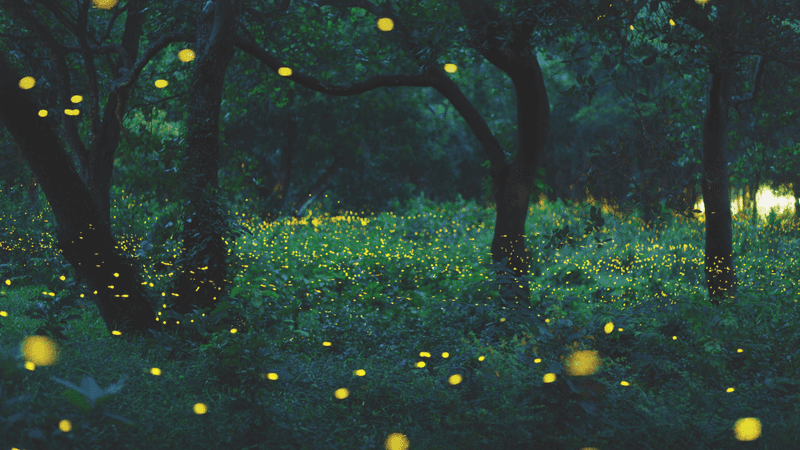
Fireflies need more than a pretty yard. They need damp soil, leaf litter, shelter, and places where their young can hunt tiny pests. Fall is a smart time in Florida to plant natives because rain may still help roots settle before the dry season. Add the right plants now, and your yard can become a safer glow-up spot by next year.
1. Muhly Grass
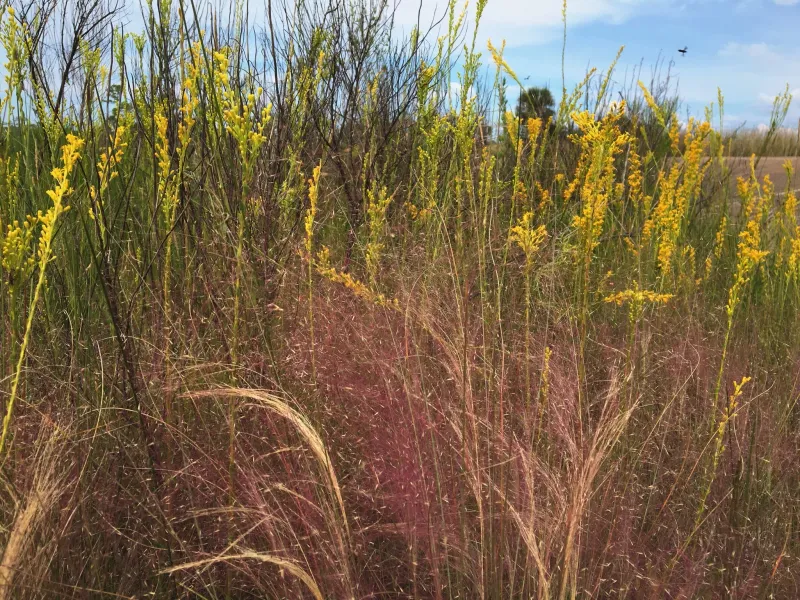
When muhly grass blooms in fall, it looks like someone brushed the yard with pink smoke. That airy show is the eye-catcher, but the real firefly value sits lower, where the clumps make a cool, protected base.
Fireflies spend much of their lives as larvae near the ground, often in damp leaf litter or loose soil where they feed on small soft-bodied creatures. Muhly grass helps by slowing foot traffic, shading the soil, and giving ground-level wildlife a place to hide from birds, mowers, and harsh sun.
Florida gardeners also get a practical win. Muhly grass handles sandy, fast-draining soil better than many fussier ornamentals, and once established, it needs little pampering in full sun.
Use it along a path edge, around a rain garden, or in a mixed native bed where fallen leaves can stay tucked underneath. Avoid cutting it too low in fall, since those grassy bases are exactly the kind of quiet cover firefly larvae need.
2. Fakahatchee Grass
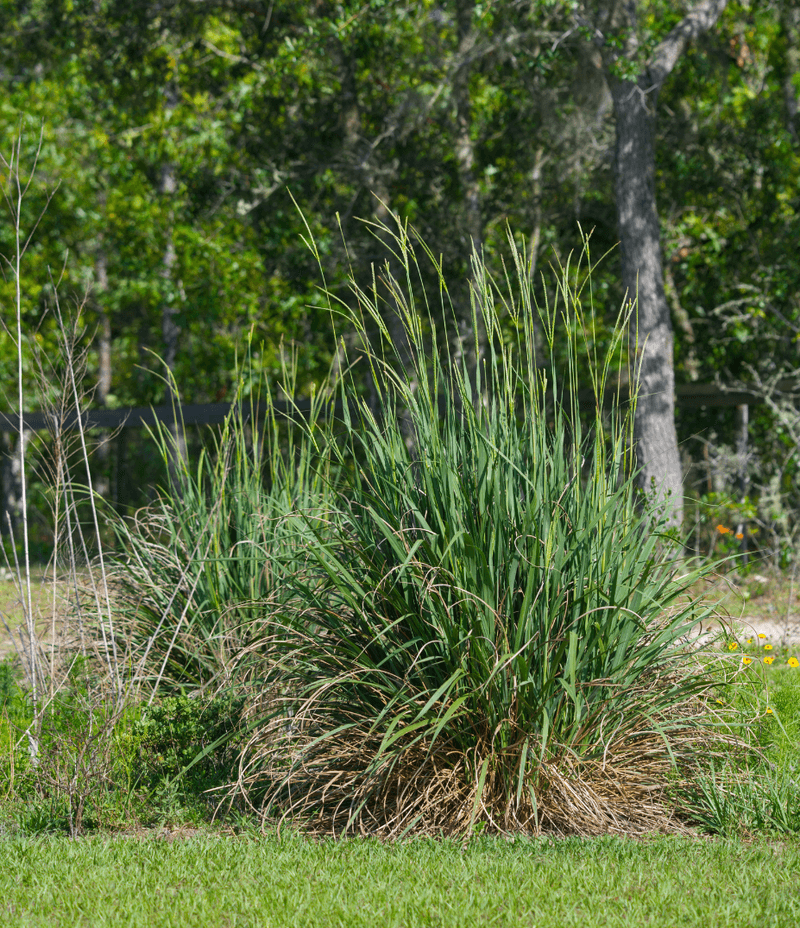
A low, damp corner of the yard can feel like a problem until Fakahatchee grass turns it into habitat. Big, bold, and a little wild-looking, this Florida native is excellent for places that stay moist after storms or collect runoff from a roofline.
That matters because many fireflies are drawn to yards with humidity and protected ground. Fakahatchee grass forms dense clumps that hold leaf litter, reduce soil splash, and create a shaded pocket where tiny insects and snails can live.
Unlike delicate bedding plants, it has the sturdy attitude Florida yards often require. It can handle wet spells, heat, and a more natural look, especially along pond edges, drainage areas, or the back of a wildlife border.
Give it room, because mature clumps can become large. If you have a soggy strip where turf struggles, replacing grass with Fakahatchee grass can cut mowing, support wildlife, and make the area feel intentional instead of messy.
3. Buttonbush
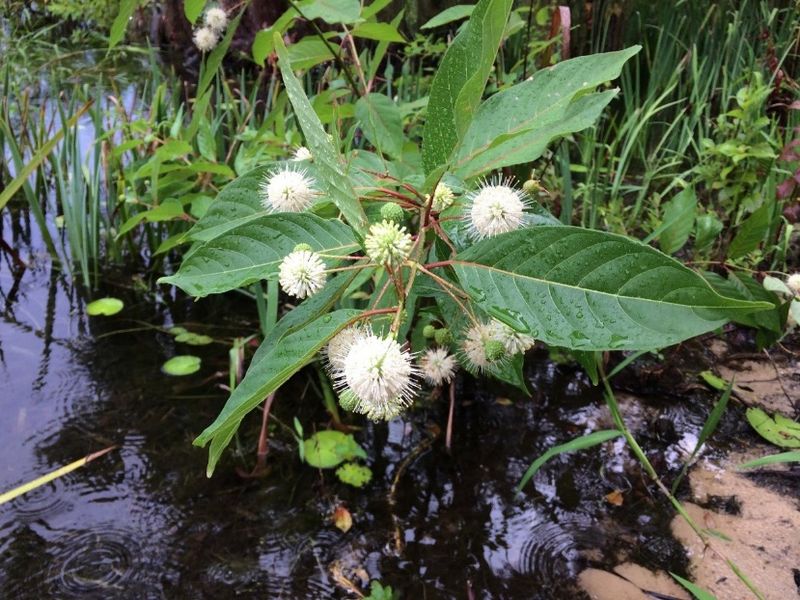
Those round white buttonbush blooms look almost like tiny ornaments, and pollinators treat them like a neighborhood diner. For a firefly comeback yard, buttonbush earns its spot because it loves the wet edges that fireflies often favor.
Plant it near a pond, rain garden, ditch edge, or low area that holds moisture after a Florida downpour. The shrub’s roots help stabilize damp soil, while its branches create shade and cover near the ground.
Adult fireflies need dark, calm spaces to flash and find mates. A buttonbush planted away from bright porch lights can help build that softer edge habitat, especially when paired with grasses and leaf litter below.
Birds may also visit for seeds, and butterflies are often drawn to the blooms, so it does more than serve one insect. Keep in mind that buttonbush is happiest with moisture, so it is not the best choice for the driest, sandiest high spot in the yard unless irrigation or runoff supports it.
4. Swamp Milkweed
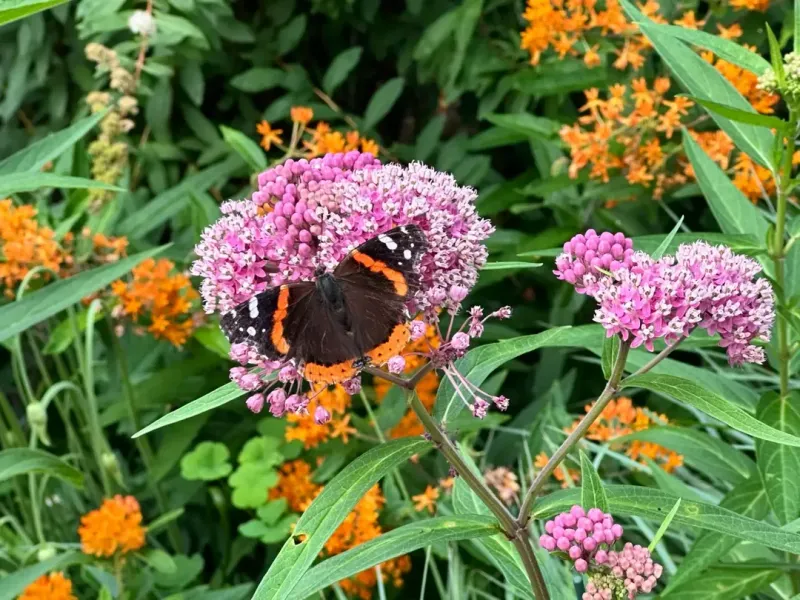
Swamp milkweed brings a bit of butterfly drama to the same damp spaces fireflies appreciate. Most gardeners know milkweed for monarchs, but this native also helps build a richer insect community around wet soil and soft plant growth.
Fireflies do not use milkweed the way monarch caterpillars do. Still, a yard with native flowering plants tends to support more small insects, spiders, and soil life, which helps create the food web firefly larvae depend on.
In Florida, swamp milkweed fits best in rain gardens, moist borders, and areas that do not dry out too quickly. It offers pink blooms, upright stems, and a cleaner look than some wilder wetland plants, which makes it easier to tuck into a front-yard native bed.
Skip pesticides around it, even if aphids show up. Those little outbreaks often feed lady beetles, lacewings, and other beneficial insects, and spraying can harm the very nighttime beetles you are trying to welcome back.
5. Walter’s Viburnum
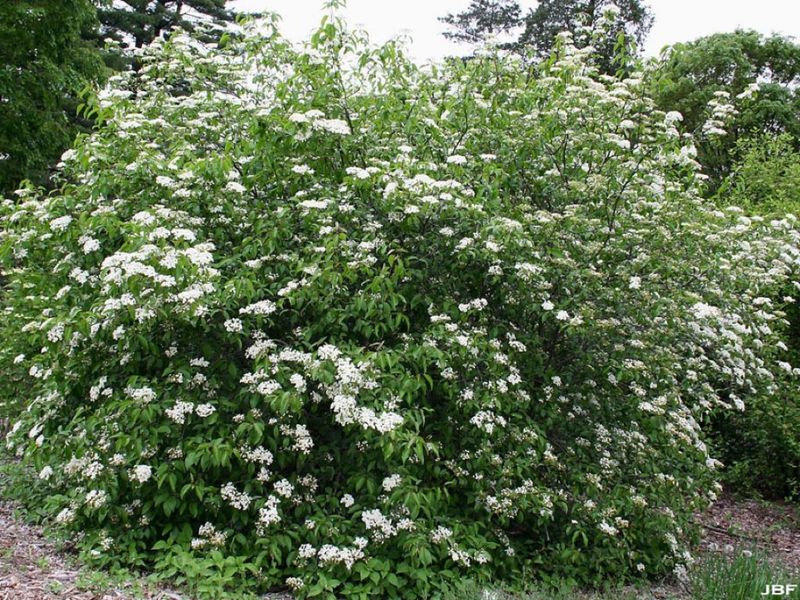
Need a plant that looks neat enough for the neighbors but still works hard for wildlife? Walter’s viburnum is the polished native shrub that can quietly turn a plain property line into cover, shade, and seasonal food.
Its dense branching gives adult fireflies a sheltered backdrop for evening activity, especially when planted in a darker part of the yard. The leaf litter beneath the shrub is just as valuable, since it keeps soil cooler and gives larvae a safer place to move and hunt.
Florida gardeners often use Walter’s viburnum as a hedge, screen, or foundation plant. It can take pruning, but a looser shape is better for habitat because it leaves more nooks for insects and small wildlife.
White spring flowers feed pollinators, and the berries can attract birds later in the season. For fall planting, water it well while roots establish, then let it settle into a lower-care role in sun to part shade, depending on your site and local conditions.
6. Southern Blue Flag Iris
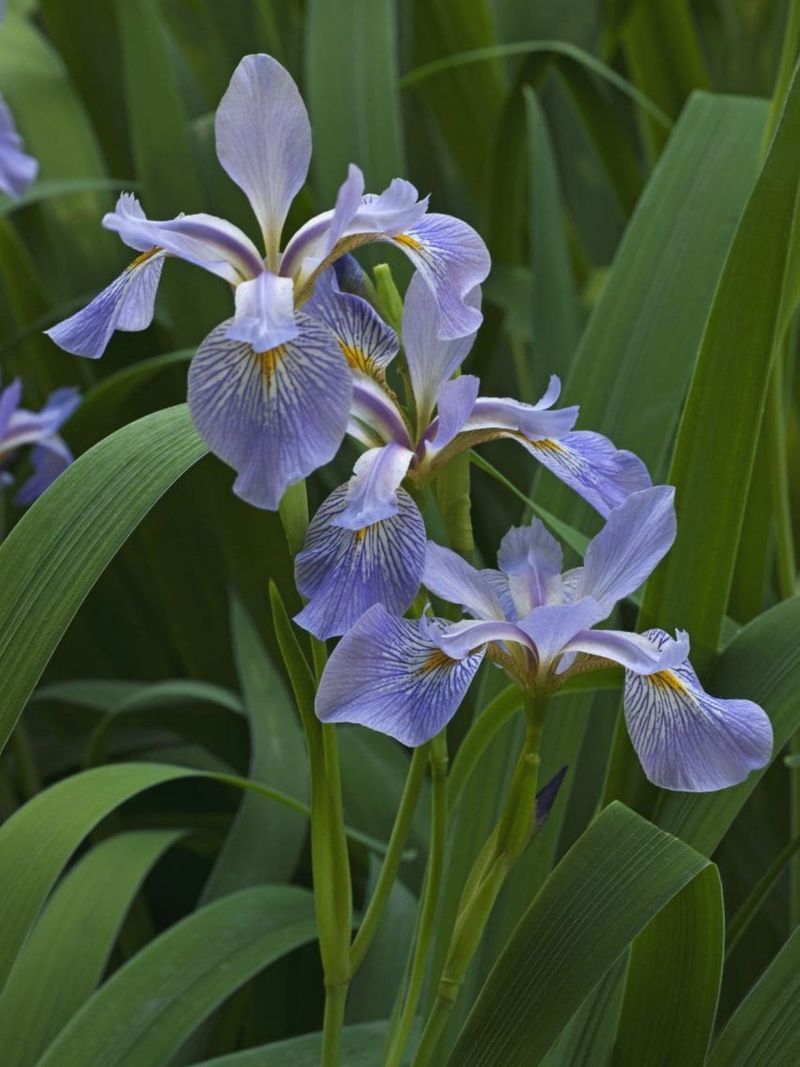
A rain garden gets a jewel-like upgrade when Southern blue flag iris sends up its purple-blue blooms. Even when flowers are gone, the upright leaves keep a wet planting area from looking bare or forgotten.
Fireflies often do better where moisture lingers, and this iris is built for those soggy Florida pockets. Place it near a downspout garden, pond margin, swale, or low bed that catches stormwater instead of fighting that spot with turf.
The plant’s leaves create vertical cover close to the ground, while damp soil nearby supports the tiny creatures firefly larvae may hunt. A few clumps can also slow runoff, which is useful in yards that go from bone-dry sand to puddles after heavy rain.
Southern blue flag is not a cactus-style survivor, so match it with moisture rather than forcing it into a hot, dry strip by the driveway. In the right place, it feels graceful, useful, and very Florida.
7. Frogfruit
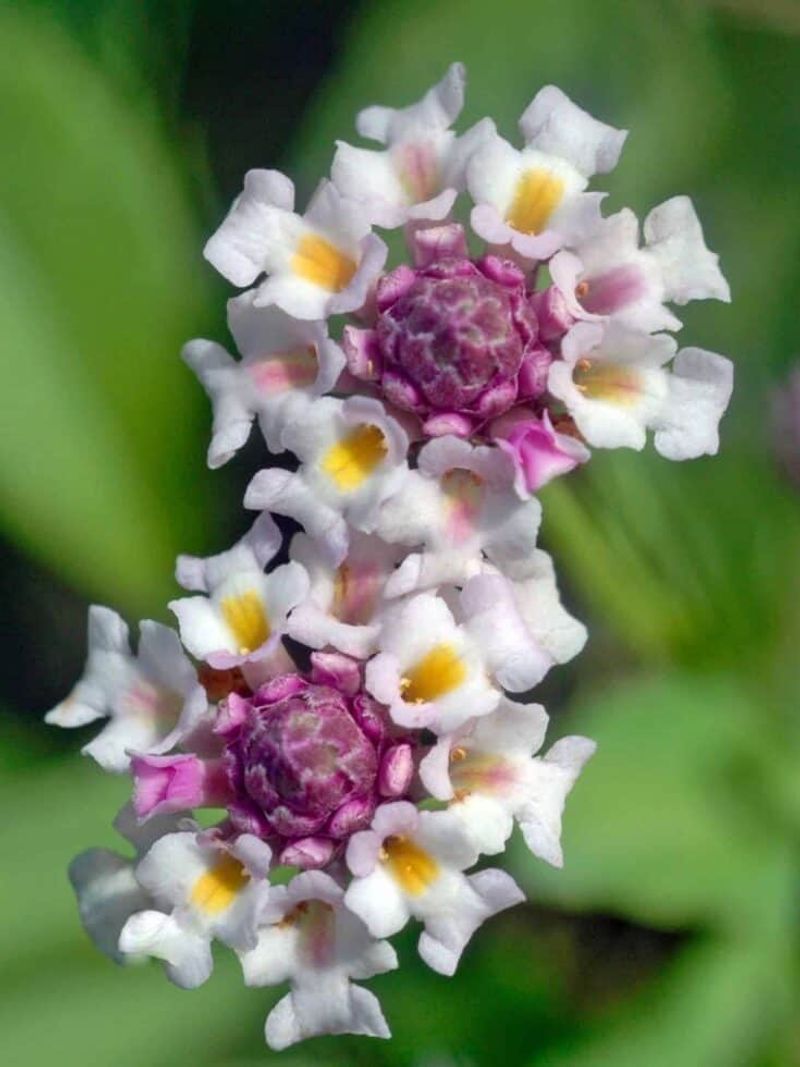
Frogfruit may be small, but it has a scrappy charm that makes a lawn feel alive. Instead of a flat green carpet that needs constant mowing, it creates a low native groundcover with tiny flowers that draw small pollinators.
For fireflies, the biggest gift is what frogfruit can replace. Less turf usually means less mowing, fewer chemicals, and more uneven, living ground where leaf bits, moisture, and tiny insects can collect.
Florida’s sandy soil can be tough on groundcovers, yet frogfruit often performs well once established in sunny to partly sunny spots. It can spread, handle some foot traffic, and soften the edges of paths, beds, and open patches.
Try using it as a transition between a rain garden and a sitting area, or let it weave around stepping stones. Keep the mower higher and avoid broad insect sprays, because a firefly-friendly yard is less about perfection and more about giving night life a safe place to return.