
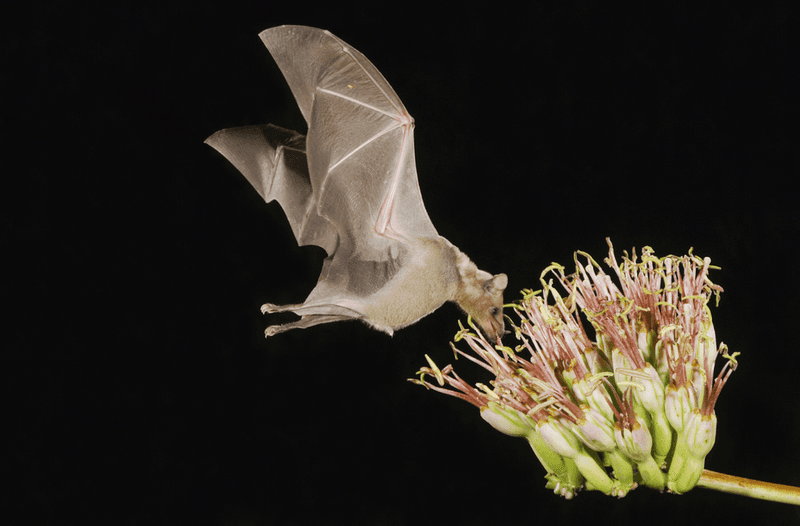
Bats are quiet night workers, and a Florida yard can make their job easier. The right native plants bring in moths, beetles, and other night-flying insects that bats love to hunt. That can mean fewer mosquitoes buzzing around your patio, without turning your garden into a chemical zone. Plant a few of these, and your yard starts to feel more like a safe travel lane for bats after sunset.
1. Simpson’s Stopper
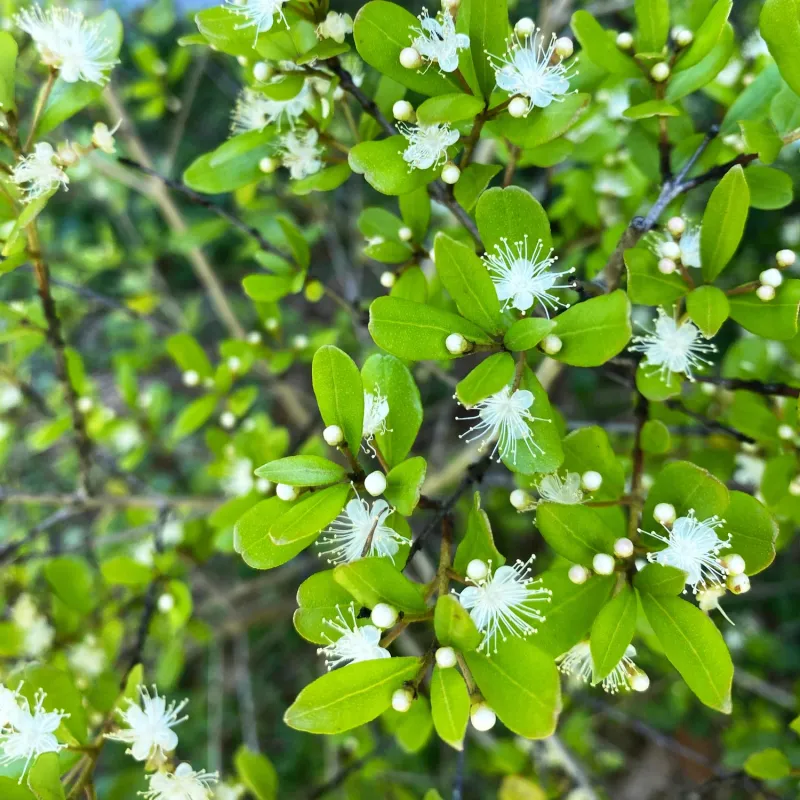
A hedge that feeds birds by day and helps bats by night earns its keep twice. Simpson’s stopper is one of those Florida natives that looks neat enough for the front yard but still works like a small wildlife station.
Its white, fragrant blooms draw tiny insects, especially when the air is warm and still. Those insects become part of the evening buffet for bats cruising along fence lines, hedges, and tree edges. The plant also produces red berries that birds use, so it is not a one-trick shrub.
Florida gardeners like Simpson’s stopper because it handles sandy soil, salt air in some coastal areas, and regular pruning. It can be shaped into a loose screen, a privacy hedge, or a small specimen tree. That structure matters for bats because they often follow edges as they hunt, almost like using a road map in the dark.
Give it sun to part shade and water it while it gets established. After that, it is fairly low-fuss in much of Florida. Plant several in a row near a side yard or back fence, and you create a leafy corridor that invites insects in and gives bats a predictable hunting route.
2. Night-Blooming Wild Petunia
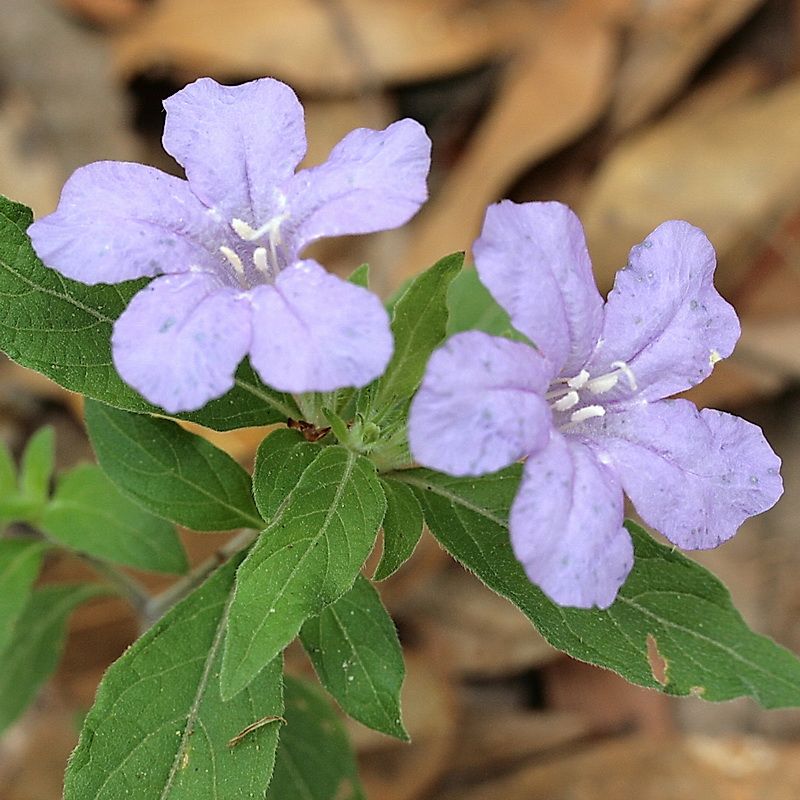
Small flowers can punch above their weight when they keep a garden busy with insect life. Native wild petunia, often seen with soft purple blooms, is a smart pick for gardeners who want a low plant that fills gaps without demanding much attention.
Unlike the invasive Mexican petunia that causes trouble in Florida landscapes, native wild petunias are better behaved choices for a wildlife-minded yard. They support pollinators and other small insects, which helps build the kind of food web bats depend on after dark. More insect activity near the ground can bring moths and midges into the open, where hunting bats can pick them off.
Use wild petunia along path edges, mailbox beds, or sunny patches where turf struggles in sandy soil. It can handle heat once established and brings color without the constant fuss of many bedding plants. In a bat-friendly design, it works best near taller plants, shrubs, or a tree line, so insects have layers of cover and bats have a clear flight edge.
One helpful tip: buy by scientific name or from a trusted native nursery when possible. Florida has look-alike plants in the nursery trade, and choosing the native type keeps your mosquito-control plan from becoming an invasive-plant problem.
3. Firebush
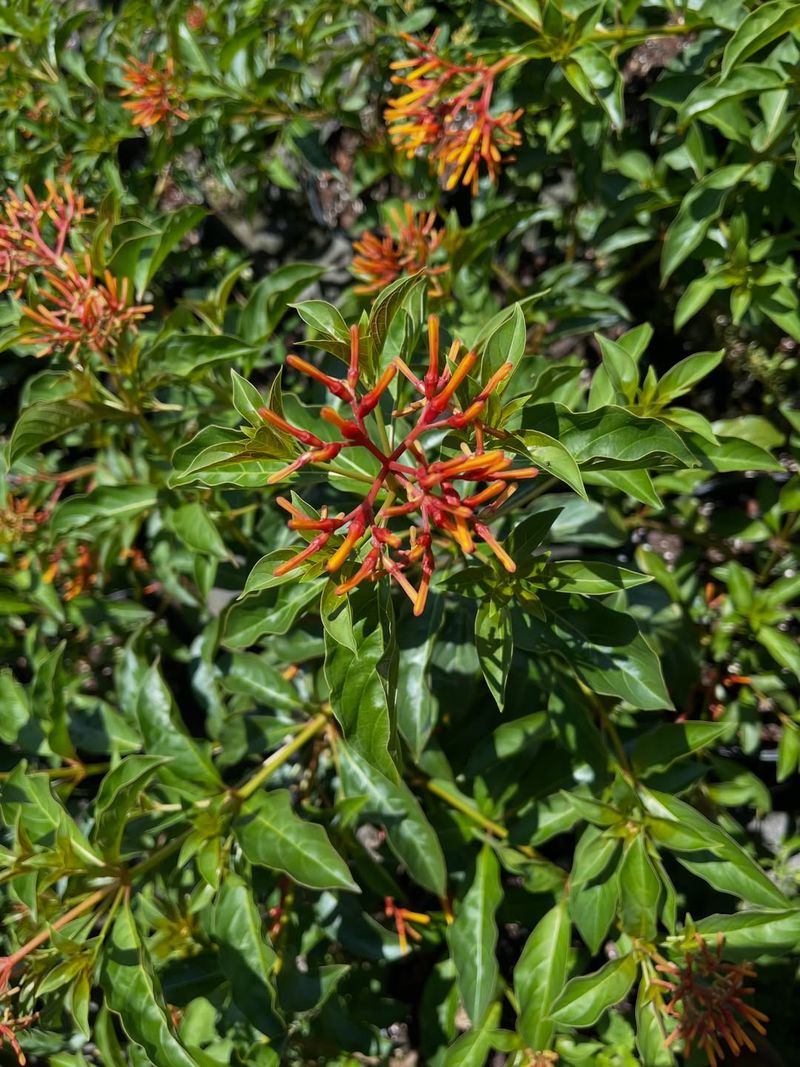
Firebush has the energy of a garden plant that refuses to sulk through Florida heat. While many ornamentals look tired by late summer, this native shrub keeps pushing out red-orange tubular flowers that bring motion to the yard.
During the day, hummingbirds and butterflies visit the blooms. As evening comes on, the plant’s busy insect traffic can help draw night-flying prey into the same zone. Bats do not come for the flowers themselves in the usual backyard sense, but they do benefit from the insects a healthy native planting supports.
Firebush is especially useful because it adds height without turning into a stiff wall. Plant it near a patio corner, along a sunny fence, or at the back of a mixed native bed. The loose shape creates a soft edge, and bats often hunt along those edges where insects gather and flight paths stay open.
In South Florida it may stay evergreen and grow large. In colder parts of North or Central Florida, it can freeze back and return from the roots, depending on the winter. Give it room, skip heavy fertilizer, and let it develop into a bright, low-maintenance anchor for your bat highway.
4. Coral Honeysuckle
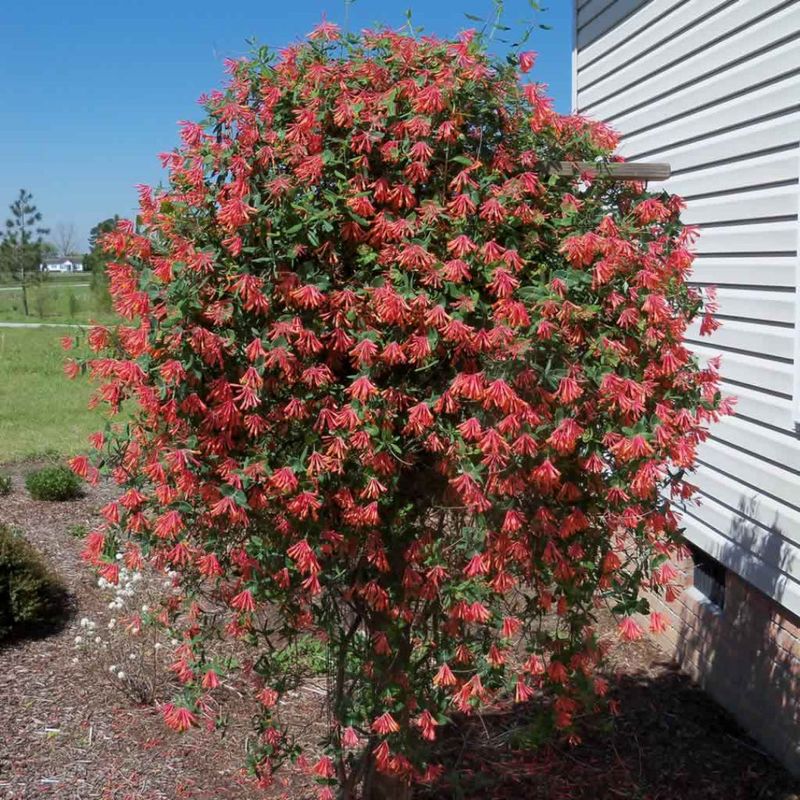
A plain fence can become a living runway when coral honeysuckle climbs across it. This Florida native vine is tidy compared with many aggressive vines, and its coral-red flowers give a fence, arbor, or trellis a soft wild look.
The blooms are famous for attracting hummingbirds, but the bigger bat value comes from adding vertical habitat. Vines create sheltered spots where insects rest, feed, and move. At dusk, those insects can spill into open air right where bats like to patrol.
Coral honeysuckle works well in smaller yards because it lets you build habitat upward instead of using a lot of ground space. Train it on a sturdy trellis near a native shrub border or along the edge of a patio, leaving enough open space for bats to fly through. A narrow, clutter-free flight lane is far more useful than a packed thicket.
Florida’s sandy soil usually drains fast, so water the vine during establishment and mulch lightly to protect roots. Once settled, it is not needy. It also avoids the headaches of invasive Japanese honeysuckle, making it a better fit for gardeners who want wildlife benefits without creating tomorrow’s removal project.
5. Wax Myrtle
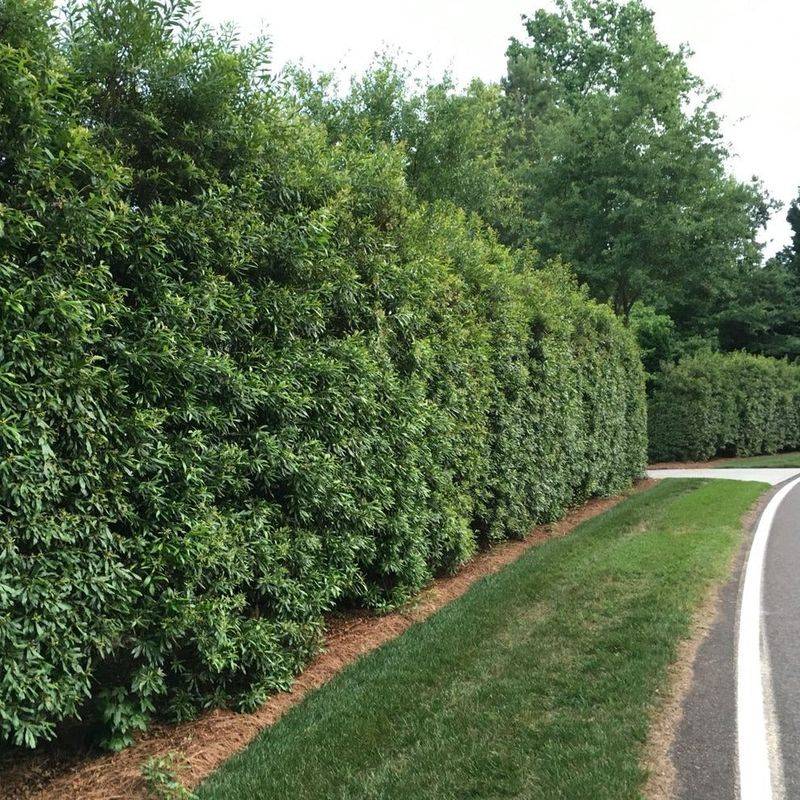
When a yard needs privacy, wind buffering, and wildlife value all at once, wax myrtle belongs on the shortlist. It grows quickly, stays evergreen in much of Florida, and has a casual, natural shape that fits both coastal and inland landscapes.
For bats, wax myrtle’s strength is structure. A line of shrubs creates an edge, and edges are prime bat hunting zones because insects collect there and bats can fly beside them with fewer obstacles. If your backyard is just open lawn, bats may pass over it. Add a layered border, and you give them a reason to slow down.
Wax myrtle also supports small insects and provides cover for birds. Female plants can produce waxy berries, which have a long history of use in bayberry-style candles, though most gardeners simply enjoy the wildlife value. The foliage has a clean, resin-like scent when crushed, which adds a pleasant surprise during pruning.
Plant wax myrtle where it has space, because it can become large. It tolerates sandy soil and wet spells better than many ornamental shrubs, a useful trait in Florida yards that swing from droughty to flooded after storms. Trim lightly rather than shearing hard, and it will form a softer, more useful bat corridor.
6. Buttonbush
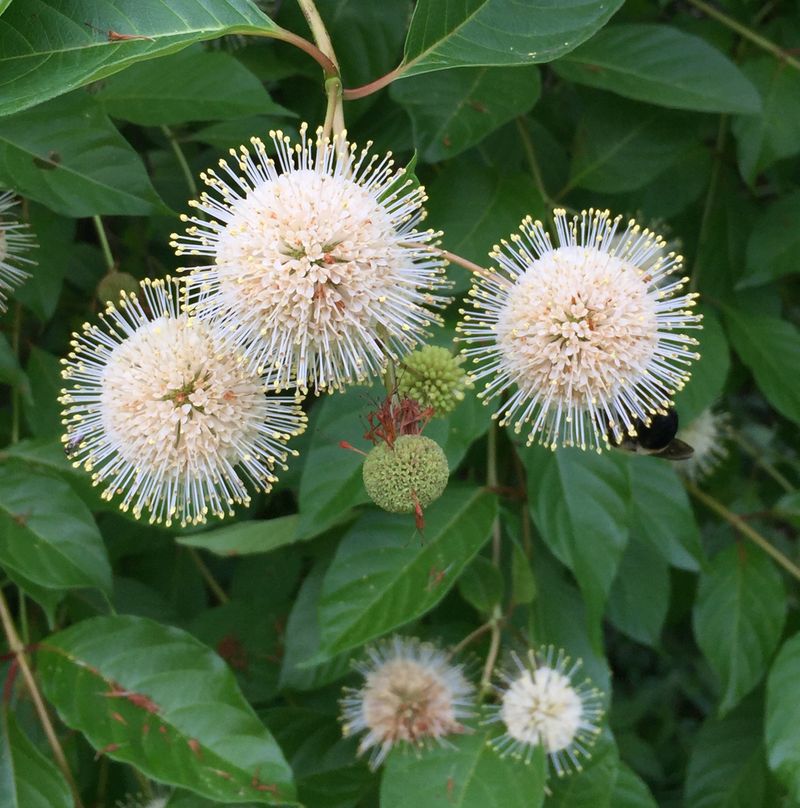
Got a soggy corner that turns into soup after a summer storm? Buttonbush can turn that problem spot into one of the most active wildlife areas in the yard.
This Florida native shrub loves moist soil and even tolerates periodic flooding, which makes it valuable for rain gardens, pond edges, and low areas that defeat fussier plants. Its round, white, pincushion-like flowers attract butterflies, bees, and plenty of other insects. After sunset, some of that insect activity helps feed bats working the wet edge.
Water features and damp soil can be tricky because mosquitoes breed in standing water. Buttonbush does not remove the need to dump containers or manage stagnant water, but it can help build a healthier habitat around wet areas. Pair it with moving water, mosquito-eating fish where appropriate, or proper drainage, and you create a better balance.
The plant has a bold look, so give it room instead of squeezing it against the house. It can be pruned, but it looks best when allowed to keep a rounded, natural form. In a Florida bat-friendly yard, buttonbush is the specialist for wet ground, where many other natives simply do not want to live.
7. Southern Magnolia
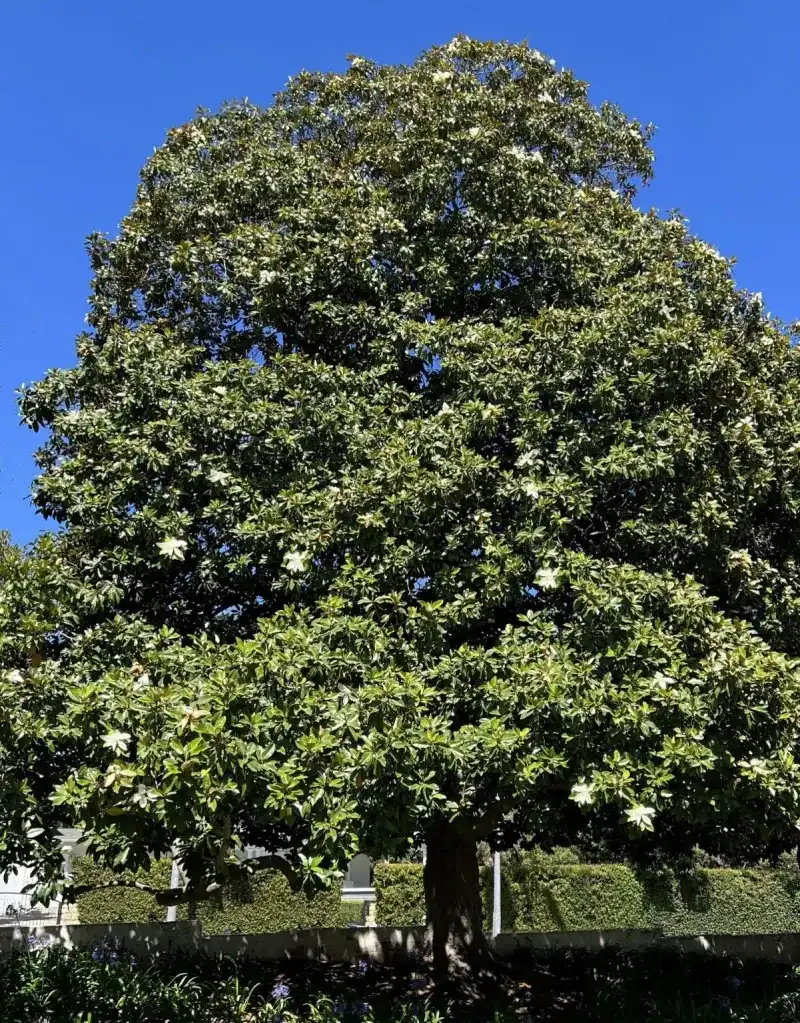
Few trees feel more Southern than a magnolia in bloom, but the beauty is only part of the story. Southern magnolia adds height, shade, flowers, leaf litter, and insect habitat in one long-lived package.
Large white blooms can attract beetles and other insects, while the tree’s layered canopy creates a strong vertical edge. Bats often use tree lines as travel guides, especially when moving between feeding areas. A mature magnolia can act like a landmark in that nighttime route.
This is not the plant for a tiny bed by the front door. Southern magnolia needs space for roots, branches, and fallen leaves. In the right Florida yard, though, it becomes a set-and-forget anchor that handles heat, supports wildlife, and gives the garden a cooler feel during brutal warm months.
Place it where leaf drop will not bother you, such as a lawn edge, large backyard, or naturalized area. Avoid piling mulch against the trunk, and water young trees until established. If your goal is a true bat highway, a magnolia can serve as the tall overstory piece that connects lower shrubs, vines, and flower beds into one useful hunting corridor.