
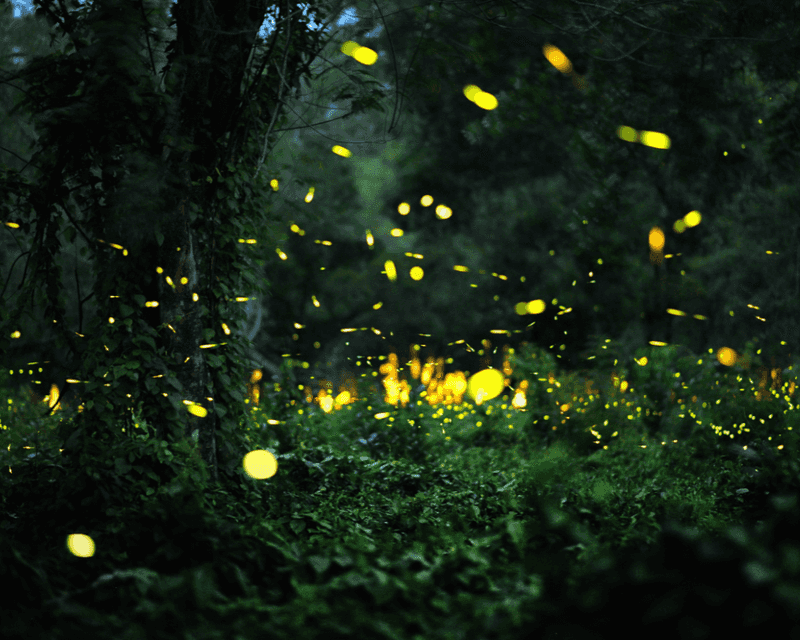
A yard can go quiet at night without you noticing at first. Then one summer evening, you realize the tiny flashes you saw as a kid are almost gone. Fireflies need more than luck to return, especially in Florida yards with sandy soil, bright lights, and too much bare ground. The right native plants can help rebuild the damp, leafy, low-chemical habitat they need.
1. Frogfruit
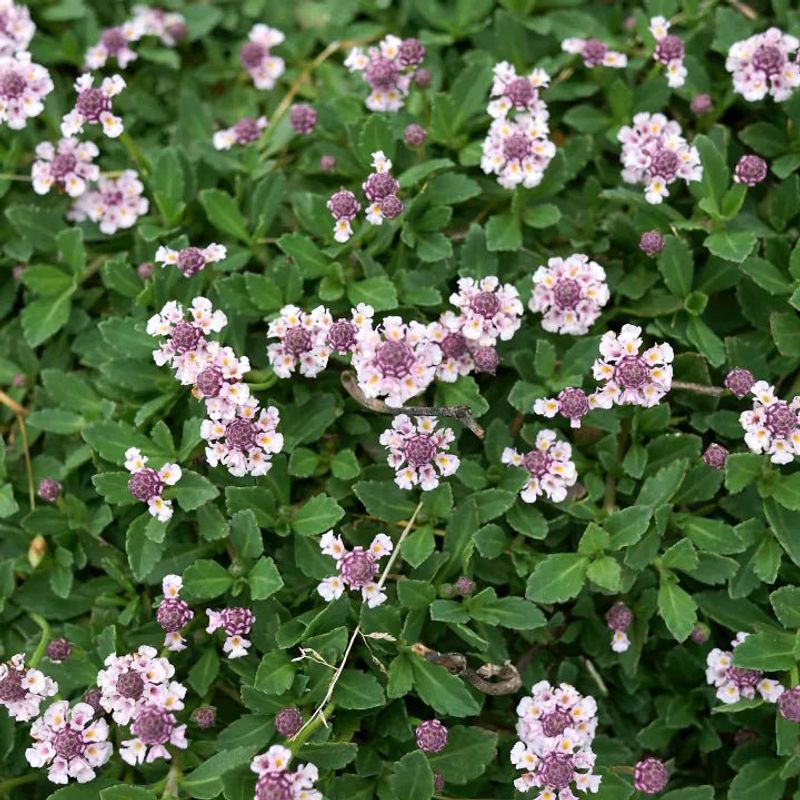
Low to the ground and tougher than it looks, frogfruit is the kind of plant that quietly fixes several yard problems at once. It spreads into a living mat, handles Florida heat, and gives bare sandy patches something useful to do besides bake in the sun.
For fireflies, the real value is near the soil. Many firefly larvae spend their early lives close to damp leaf litter and low vegetation, where they hunt tiny soft-bodied creatures like snails, slugs, and worms. A short native groundcover like frogfruit helps create that cooler, more sheltered layer without needing the heavy watering that many turf lawns demand.
Frogfruit also brings in small pollinators, including native bees and butterflies, so it turns a plain strip beside a walkway or patio into a little wildlife lane. In much of Florida, it can take foot traffic better than many delicate wildflowers, though it still appreciates a break from constant trampling.
Plant it where you want a lawn alternative, a path edge, or a soft green filler under taller natives. Skip broad insecticide sprays around it, keep a little leaf litter nearby, and you give fireflies a safer place to start their comeback.
2. Blue Mistflower
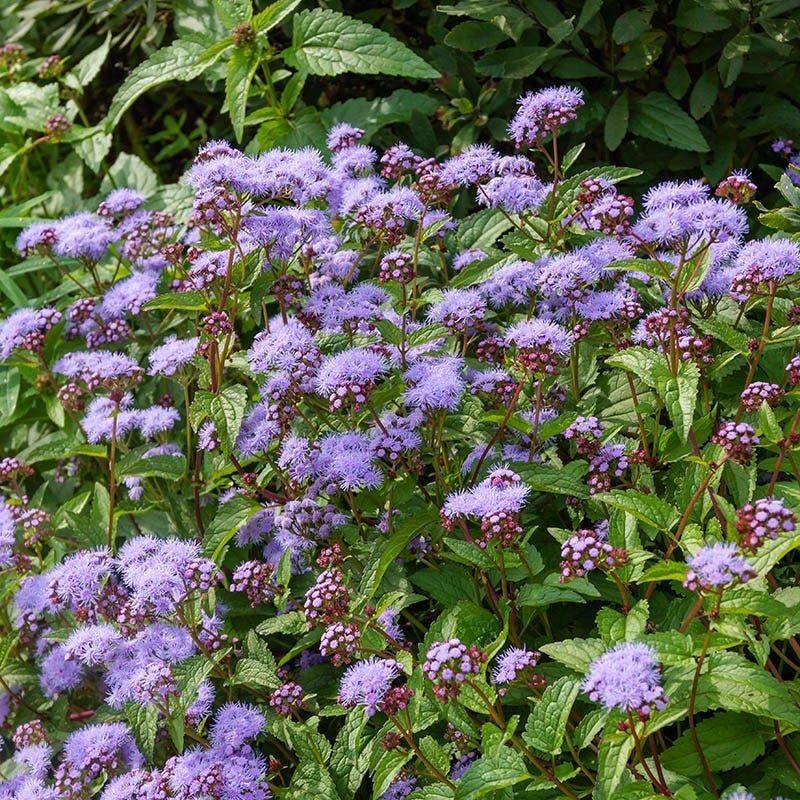
A patch of blue mistflower can look like a soft lavender cloud landed in the corner of the yard. That airy bloom is more than pretty, because it belongs in the slightly moist, wilder spaces where firefly-friendly yards often begin to work again.
Florida gardeners who fight fast-draining sand may appreciate blue mistflower most in spots that hold a little extra moisture, such as near a rain garden, swale, downspout area, or pond edge. Fireflies are strongly tied to humidity, and their larvae do best where the ground does not dry into a hard, hot crust every afternoon.
Unlike a single showy shrub, blue mistflower forms colonies when happy. That spreading habit can be useful if you have a bare back fence line or an awkward low area that stays damp after storms. It can look casual, even a bit wild, so place it where a natural meadow feel makes sense.
Butterflies love the fuzzy flowers, which adds daytime movement before the evening show begins. Cut it back when it gets too rangy, avoid spraying for every tiny insect you see, and let the plant build the kind of moist, busy mini-habitat fireflies remember.
3. Swamp Milkweed
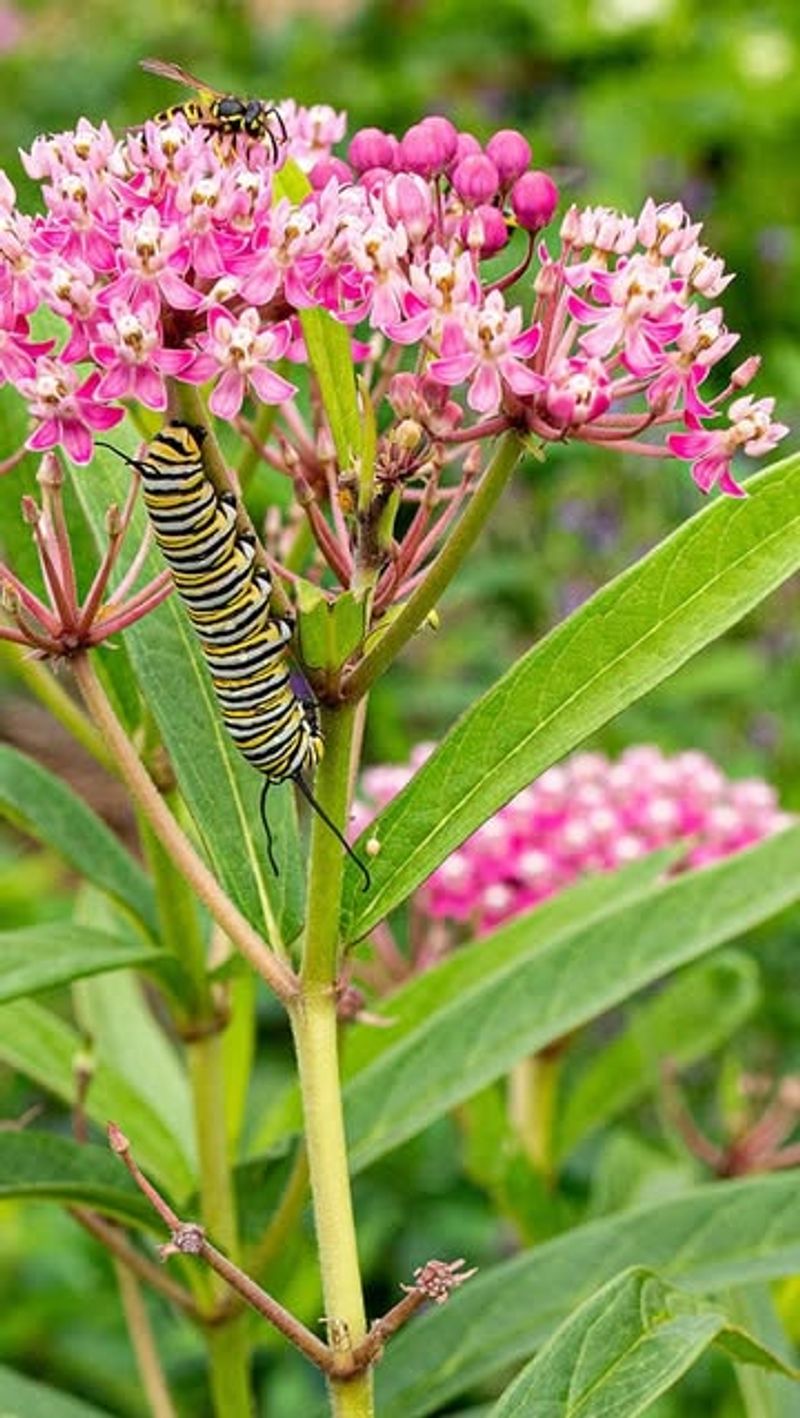
Rainy-season puddles do not have to be wasted space. Swamp milkweed turns damp Florida corners into pollinator stops, and it does it while helping shape the moist edge habitat fireflies often favor.
Many people know milkweed because of monarch butterflies, but swamp milkweed has another backyard strength. It grows well in wetter soils than many common landscape plants, which makes it useful near rain gardens, drainage dips, pond margins, and areas that stay soggy after a summer storm. Those places can be gold for fireflies if they are not mowed flat or treated like mosquito-control spray zones.
Fireflies do not feed on milkweed the way monarch caterpillars do, but they benefit from the habitat around it. Taller stems, shaded soil, fallen leaves, and damp organic matter help protect larvae from drying out. Add mulch made from leaves or pine straw nearby rather than sealing the ground with rock, and the area becomes more alive below the surface.
In Florida, choose native swamp milkweed over tropical milkweed when possible, since native choices better fit local wildlife cycles. Give it sun, moisture, and breathing room, then let the wet corner become a nighttime nursery instead of a mowing headache.
4. Buttonbush
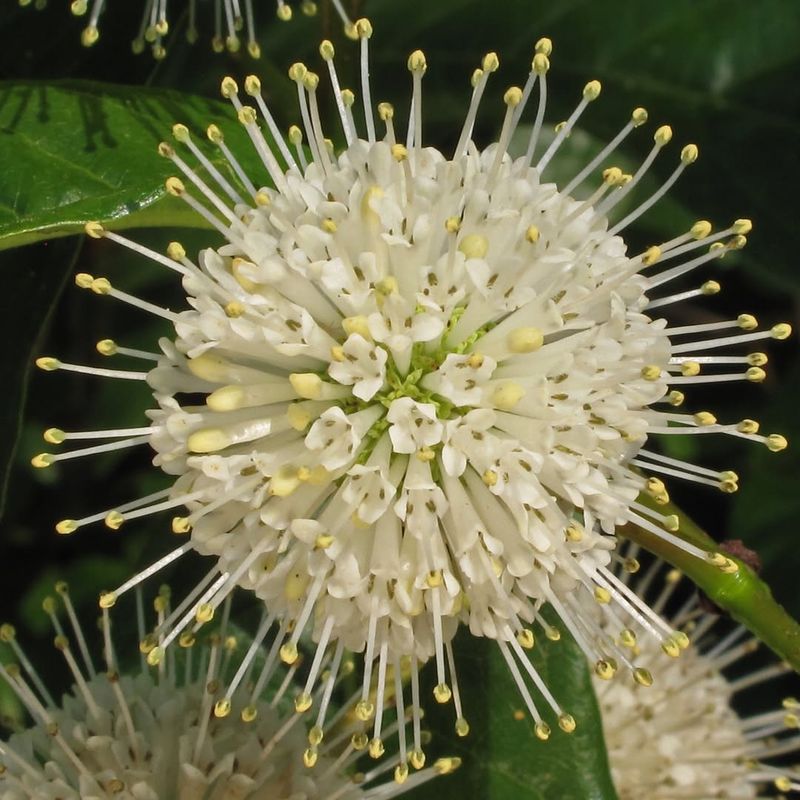
Those round white blooms look almost like tiny ornaments, which makes buttonbush feel playful even before the wildlife arrives. In a Florida yard with a wet spot, it can become one of the strongest anchors for a firefly-friendly planting area.
Buttonbush naturally grows around ponds, marsh edges, ditches, and wet woods. That matters because fireflies need moisture far more than most people realize. A dry, closely shaved lawn with bright security lights is a tough place for them, while a shrubby wet edge gives adults cover and larvae a better chance near the soil.
This native shrub is especially useful for homeowners dealing with periodic flooding or hurricane-season downpours. Instead of fighting every soggy patch, you can plant something built for that rhythm. Buttonbush also attracts butterflies, bees, and other insects during the day, adding food-web activity that supports a healthier yard overall.
Give it room, because it can become a substantial shrub. It works beautifully near retention ponds, drainage swales, pond banks, and low back corners where turf struggles. Keep the base mulched with natural materials, leave some fallen leaves in place, and reduce nighttime lighting nearby so adult fireflies can find each other.
5. Muhly Grass
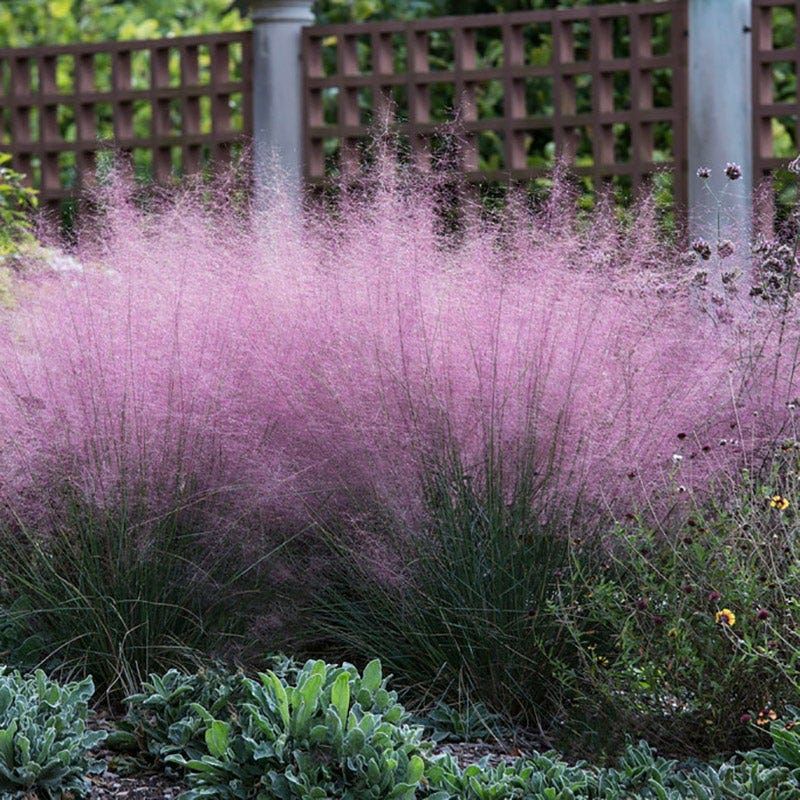
When muhly grass turns pink in fall, it looks like the yard is blushing. That seasonal color gets attention, but the real firefly value sits lower, inside the clumps and around the base.
Florida yards often have too much open, exposed ground. Muhly grass helps break that up with fine-textured native cover that tolerates sandy soil, salt air in many coastal areas, and dry spells once established. Fireflies need places to rest and hide, and clumping grasses can soften a landscape that is otherwise all turf, concrete, and clipped hedges.
Compared with moisture-loving plants, muhly is the pick for the drier, sunnier parts of the yard. It will not turn a dry lot into a firefly haven by itself, but it creates shelter and structure between wetter habitat pockets. Pair it with frogfruit, coontie, or leaf-mulched beds so the yard offers layers instead of one flat surface.
Maintenance is refreshingly simple. Cut old growth back once a year before new spring growth, avoid piling mulch into the crown, and resist the urge to overwater. Its wind movement, storm toughness, and low-care habit make it a practical Florida native for gardeners who want beauty without constant fuss.
6. Coontie
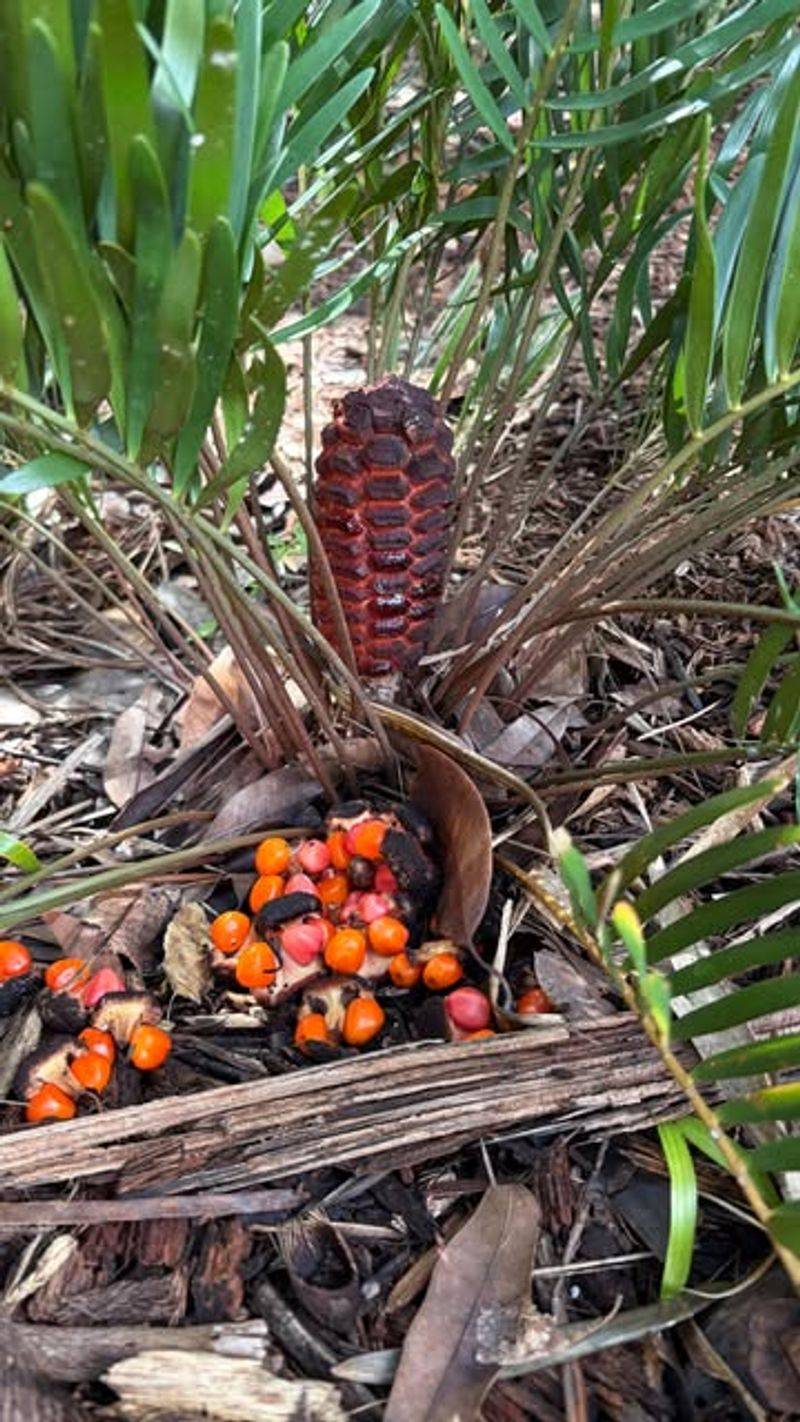
Shady side yards can feel like forgotten hallways, but coontie gives them a reason to matter. Its glossy, fern-like leaves stay tidy, handle tough Florida conditions, and create low cover where a bare mulch strip once sat.
Coontie is a Florida native cycad, not a true fern, and it has deep ties to the state’s natural and cultural history. It is also the host plant for the atala butterfly, a conservation success story many Florida gardeners love. For fireflies, coontie’s biggest gift is dependable structure close to the ground, especially in partly shaded beds where moisture lasts longer.
Firefly larvae need protection from heat, dryness, and disturbance. A coontie planting under oaks, pines, or palms can help make a cooler understory when combined with leaf litter and other native plants. Since coontie is slow-growing and neat, it suits front-yard beds, foundation plantings, and HOA-sensitive spaces better than many wild-looking natives.
Use pine straw or fallen leaves around it instead of bare sand or stone. Stone mulch can heat the soil, which works against the damp microclimate fireflies need. Coontie asks for little once established, and that set-and-forget habit makes it an easy win for busy Florida homeowners.
7. Walter’s Viburnum
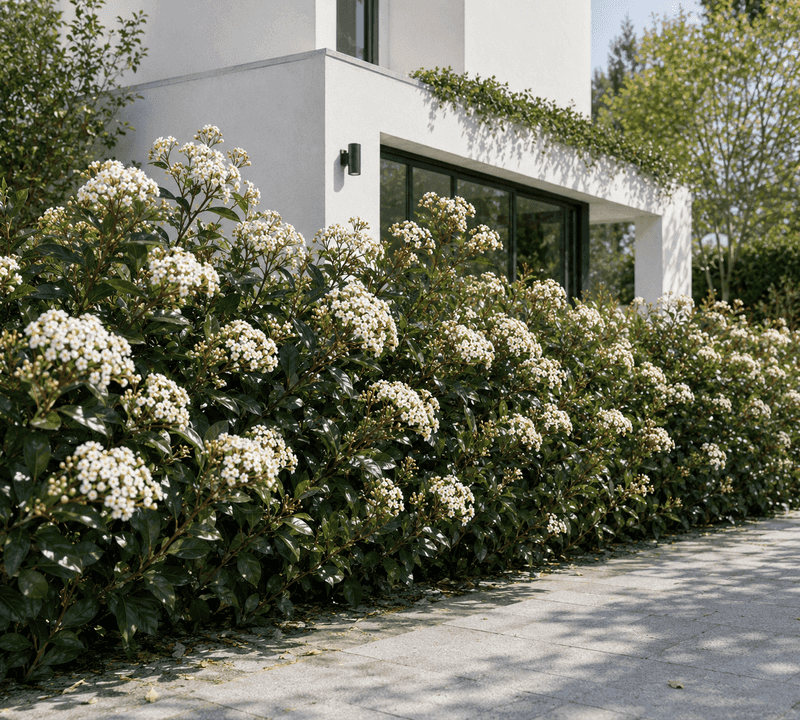
A firefly yard needs a soft edge, not just flowers in the middle. Walter’s viburnum is excellent for that job because it can form a native hedge, privacy screen, or loose shrub border that feels alive from top to bottom.
In spring, its white blooms feed pollinators, and later its berries can support birds. The dense branching gives small wildlife cover, while the shaded soil beneath the shrub can stay cooler than the open lawn. That protected edge is useful for fireflies, especially when it connects to leaf litter, damp planting beds, or a nearby rain garden.
Walter’s viburnum is also practical for Florida landscapes. It tolerates pruning, works in sun to part shade, and fits both tidy neighborhoods and more natural yards. Depending on the variety and pruning style, it can be kept compact or allowed to grow into a fuller screen.
Plant it where you want to reduce harsh light and wind across the yard, such as along a fence or property line. Leave a modest layer of leaves beneath it, avoid routine insecticide use, and aim outdoor lights downward or turn them off when possible. Fireflies communicate with flashes, so a darker native hedge can become more than a border. It can become part of the signal zone.