
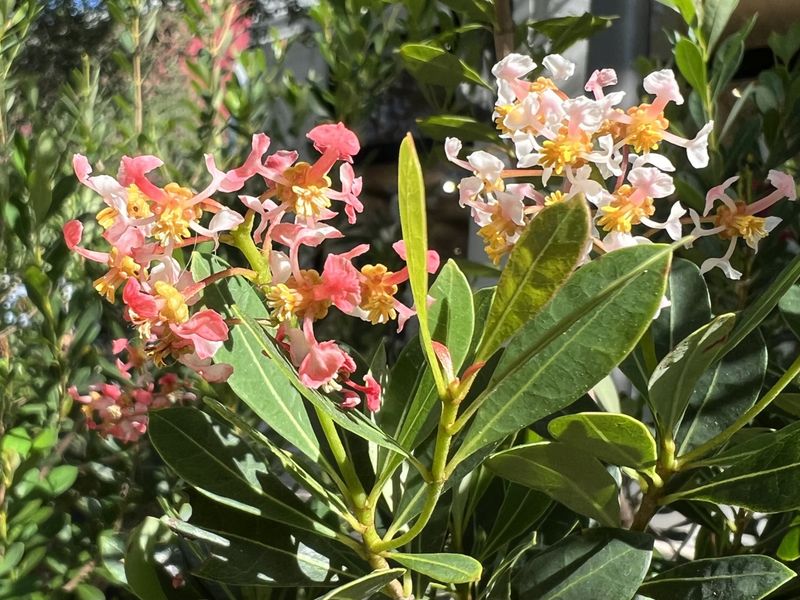
Oleander looks tough and colorful, but every part of it is highly poisonous. That is a scary fit for yards with kids, pets, or curious neighbors trimming the hedge. The good news is Florida has native shrubs that can handle heat, sandy soil, storms, and still bring flowers, berries, birds, or privacy. Here are seven safer swaps that earn their space without the toxic baggage.
1. Firebush
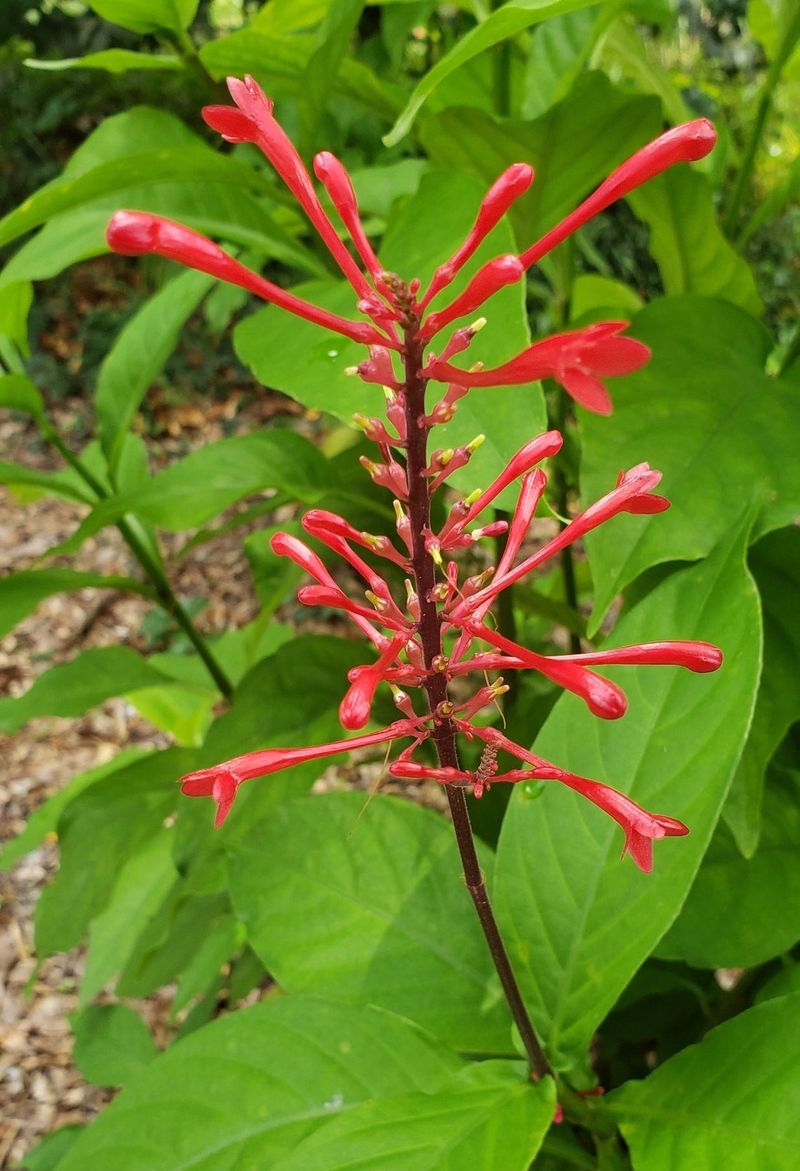
Hummingbirds seem to find firebush before people do. One week it looks like a neat green shrub, and the next it is glowing with orange-red blooms that make the whole corner feel alive.
Firebush is one of the easiest oleander replacements for gardeners who want color without fuss. In much of Florida, this native shrub handles full sun, sandy soil, and hot afternoons with very little drama once established. It can grow into a loose screen, sit at the back of a pollinator bed, or soften a fence line where oleander might have been used for height.
Its biggest difference is movement. Oleander gives you flowers, but firebush brings hummingbirds, butterflies, and small songbirds that feed on the dark berries. For a Florida yard that feels a little too still, that wildlife value is a major upgrade.
Give it room, because firebush can get large in frost-free areas. In North Florida it may die back after a hard freeze, then return from the roots when warm weather comes back. A light trim in early spring keeps it full without turning maintenance into a weekend project.
2. Simpson’s Stopper
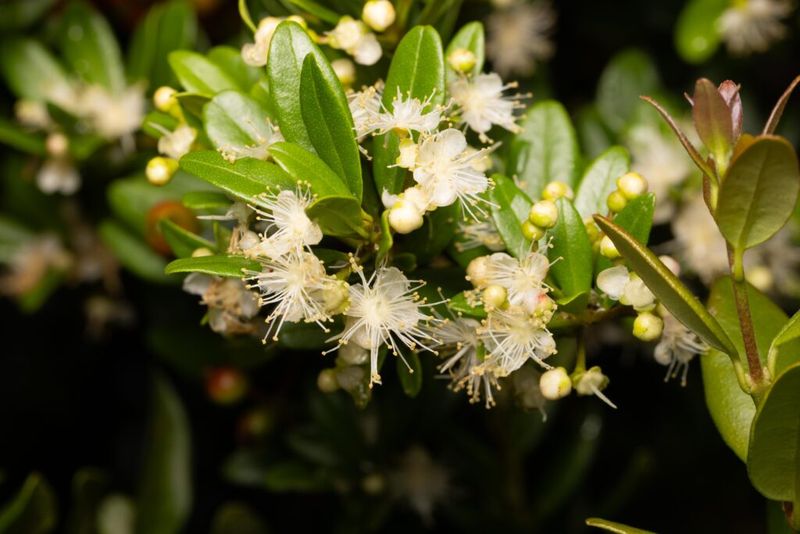
For the gardener who wants a tidy hedge that does not scream for attention, Simpson’s stopper is a quiet workhorse. It has that clean, evergreen look people often want from oleander, but it behaves with more grace in a Florida landscape.
Small white flowers appear in warm weather, followed by red to orange berries that birds notice quickly. The leaves are glossy and neat, so the shrub looks polished even when it is not in bloom. That makes it useful near patios, walkways, side yards, and property lines where you want year-round structure.
Compared with oleander, Simpson’s stopper brings a softer, more natural style. It can be clipped into a formal hedge, but it also looks good with a looser shape, which is helpful if you are aiming for lower maintenance. Established plants tolerate drought, salt air, and Florida’s quick-draining soils better than many fussy ornamentals.
One fun detail is the spicy scent released when the leaves are crushed. Birds appreciate the berries, and homeowners appreciate that it does not need constant watering once settled. Plant several together for screening, or use one as a small specimen near an entry where its tidy habit can shine.
3. Walter’s Viburnum
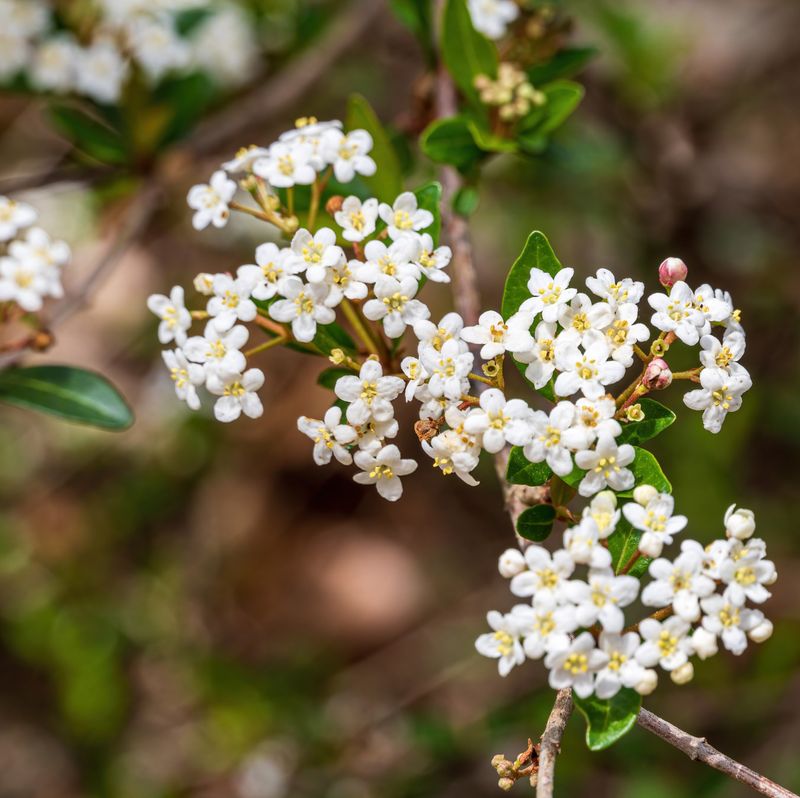
Some shrubs feel like they were made for people who want privacy yesterday. Walter’s viburnum is one of those practical Florida natives that can fill out into a dense screen while still offering real wildlife value.
In spring, clusters of tiny white flowers cover the plant and draw pollinators. Later, small fruits can feed birds, adding another layer of life to the hedge. The plant works especially well where oleander might have been chosen for a tall, leafy barrier along a fence or driveway.
Walter’s viburnum stands out because it can be shaped many ways. Left alone, it becomes a natural, rounded shrub or small tree. Pruned regularly, it forms a tighter hedge that gives the same sense of enclosure as oleander without the same poison concern.
Florida gardeners should match the plant to the space, because size varies by selection. Some forms stay compact, while others can reach small-tree proportions. It performs best in sun to part shade and appreciates moisture, but once established it can handle normal dry spells better than many non-native hedge plants.
If hurricanes are on your mind, a mixed native hedge with Walter’s viburnum is often smarter than a single stiff wall of shrubs. It bends the look of the yard toward habitat instead of just blocking a view.
4. Cocoplum
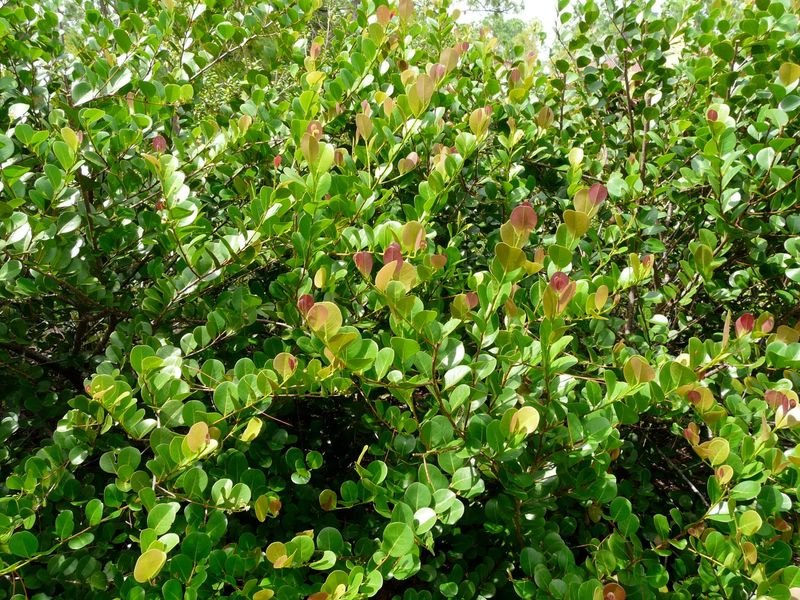
A South Florida hedge can be handsome without looking stiff, and cocoplum proves it. Its round, shiny leaves bring a tropical feel that fits coastal yards, pool areas, and sunny front landscapes.
Cocoplum is a strong choice for gardeners who liked oleander’s bulk but want a native shrub with edible-looking wildlife fruit and a softer personality. White flowers are followed by plum-like fruits that birds and other wildlife use. Some people make jelly from the fruit, but for most yards, the bigger win is the way it supports local habitat.
Salt tolerance is where cocoplum earns special respect. Near the coast, many shrubs burn, sulk, or demand extra care, but cocoplum is comfortable in sandy, exposed spots once established. It can be kept as a clipped hedge or allowed to grow into a more relaxed screen.
Use it mainly in Central and South Florida, especially in warmer zones where freezes are not a regular problem. The green-leaved form is usually tougher than the red-tipped ornamental selections, though both can be attractive. Give it sun for the densest growth, and water well while it is getting established.
Oleander often looks harsh in tropical settings. Cocoplum gives the same screening job a more Florida-native, coastal-garden feel.
5. Florida Privet
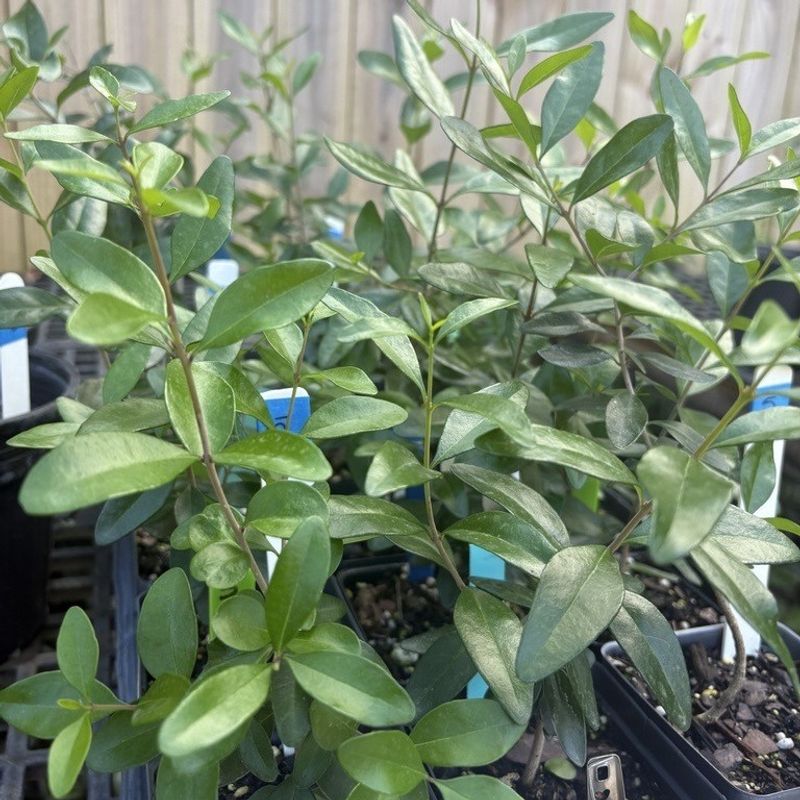
Do not let the name fool you into thinking of invasive privets from old hedgerows. Florida privet is a native shrub with a useful, neighbor-friendly shape and the kind of durability many Florida gardeners need.
Its narrow leaves and dense branching make it a smart substitute where oleander was being used for screening. Small flowers may not steal the show, but they support pollinators, and the fruits are valuable to birds. That gives it a practical edge over a purely decorative hedge.
Florida privet feels especially at home in coastal and inland sites with sun to part shade. Once established, it tolerates drought and sandy soil, which matters when irrigation restrictions or a busy week make perfect watering impossible. It also handles pruning well, so you can keep it formal or let it settle into a breezier, natural outline.
The personality here is simple: dependable, green, and not dramatic. That may sound modest, but in a Florida yard, a shrub that stays useful through heat, storms, and dry spells is worth a lot. Plant it where you need a medium screen, a wildlife-friendly boundary, or a safer replacement for a poisonous ornamental.
6. Wild Coffee
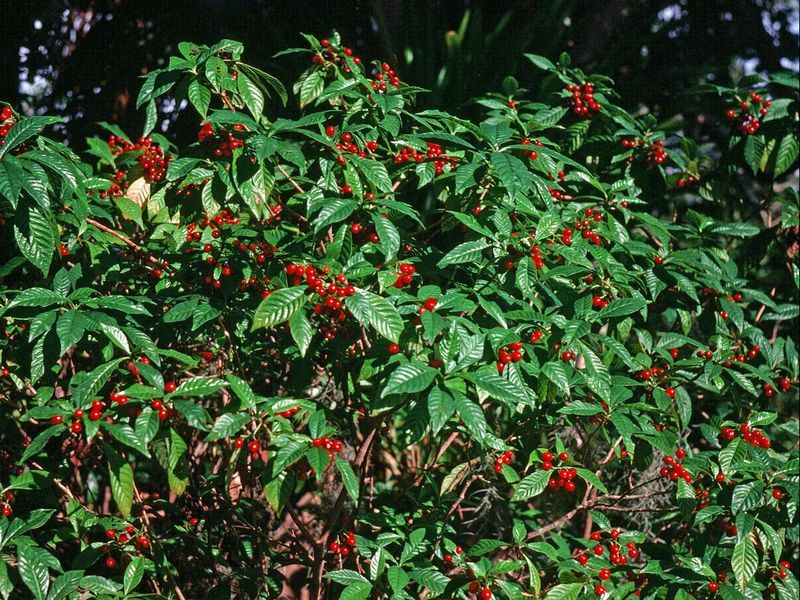
Under oaks, near a porch, or along the shady side of a house, many flowering shrubs simply give up. Wild coffee steps into those tricky part-shade spaces with glossy leaves, red berries, and an easy woodland charm.
Oleander usually wants sun and heat, but not every oleander-sized gap sits in full sun. Wild coffee fills the lower, softer version of that role, especially where you need a foundation shrub or layered screen beneath taller trees. Its small white flowers attract pollinators, while bright red berries feed birds.
The plant has a fun name because it is related to true coffee, but it is not the coffee you drink. That little bit of trivia makes it a good conversation plant near patios or walkways. More importantly, it looks lush without needing the heavy feeding and pampering that some tropical ornamentals demand.
Wild coffee prefers part shade and moisture but can handle typical Florida sandy soil when mulched and watered during establishment. It is best in Central and South Florida, with protection from hard freezes in cooler areas. Use it in groups for a natural understory hedge, or mix it with coontie and beautyberry for a bird-friendly native planting.
For a safer swap in a shadier corner, wild coffee brings polish without the poison problem.
7. American Beautyberry
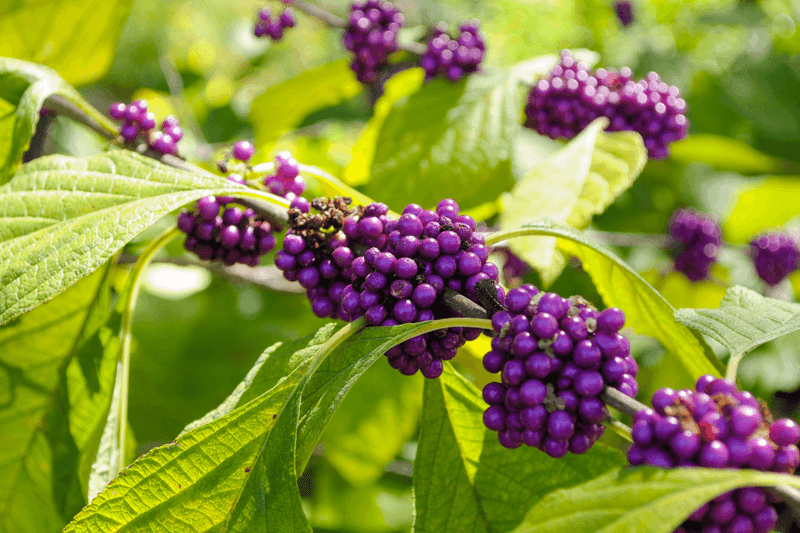
Bright purple berries wrapped around arching stems look almost too bold to be real. American beautyberry is the shrub that turns a plain back corner into the place guests point at in late summer and fall.
While oleander leans on flowers for impact, beautyberry saves its big performance for berry season. Clusters of vivid purple fruit line the stems and feed birds when many yards are starting to look tired. For Florida gardeners shifting from summer survival into fall interest, that timing is a gift.
Beautyberry is not the tightest privacy hedge on this list, and that is exactly why it belongs here. It fills a more relaxed spot, such as the edge of a fence, the back of a pollinator bed, or a natural area where you want color and wildlife instead of a clipped wall. Its loose shape looks right with pines, oaks, muhly grass, and other Florida natives.
Give it sun to part shade and average sandy soil. Once established, it is fairly low maintenance, though a late winter pruning can refresh the shape and encourage strong new growth. Birds love the berries, and many gardeners enjoy using cut stems in simple fall arrangements.
If oleander felt too rigid or risky, beautyberry offers a playful, bird-friendly replacement with a very Florida sense of timing.