
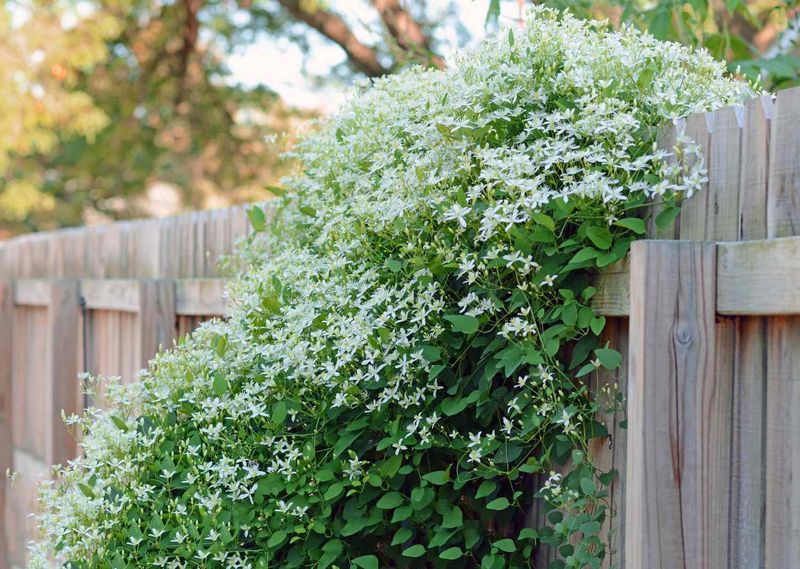
A chain-link fence can feel cold and bare, but Florida native vines can soften it fast. The right vine adds shade, flowers, wildlife, and privacy without building a new wall. These plants are made for Florida weather, from sandy soil to steamy afternoons. Pick the one that fits your space, and your fence can become part of the garden.
1. Coral Honeysuckle
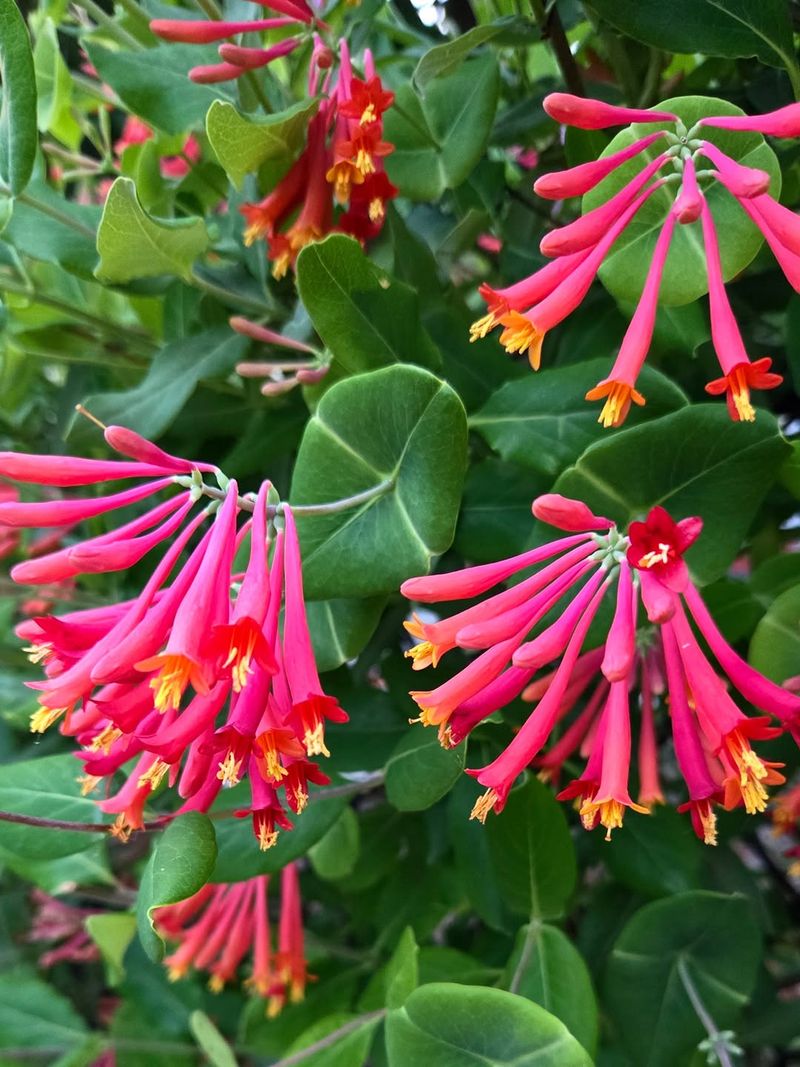
Hummingbirds notice coral honeysuckle before many people do, which is part of its charm. Its red, trumpet-shaped flowers look bright against a chain-link fence, and they bring motion to the garden when birds stop by for nectar.
Unlike the invasive Japanese honeysuckle, Florida native coral honeysuckle is a better-behaved choice for home landscapes. It twines through fencing without needing heavy support, and it can create a light, leafy screen that still feels airy instead of bulky.
Plant it in sun to part shade for the best flowering. In much of Florida, it handles heat well once established, though young plants appreciate regular water while their roots settle into sandy soil.
Coral honeysuckle is especially useful for gardeners who want privacy without turning the fence into a jungle. A little pruning after bloom keeps it tidy, and the vine can be guided along the top rail or woven through the openings as it grows.
2. Passionflower Vine
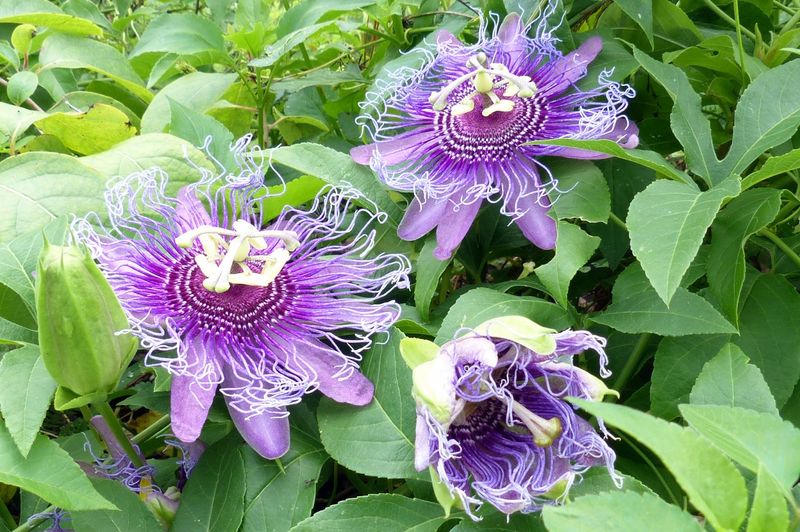
Few fence plants look as strange and beautiful as passionflower vine. The blooms seem almost handmade, with purple filaments, pale petals, and a dramatic center that stops visitors in their tracks.
For Florida gardeners, the real bonus is butterfly value. Native passionflowers, including purple passionflower and corkystem passionflower, are host plants for Gulf fritillary and zebra longwing butterflies, so the leaves may get chewed. That is not failure, it is the plant doing one of its best jobs.
On a chain-link fence, passionflower uses tendrils to grab and climb with little help. It can fill space quickly during warm weather, making it a smart pick when you want a living screen that feels lively, not formal.
Give it sun for stronger flowering and expect some seasonal ups and downs. In sandy soil, mulch around the base and water during dry spells while it gets established, then prune as needed to keep it from wandering into shrubs or gates.
3. Carolina Jessamine
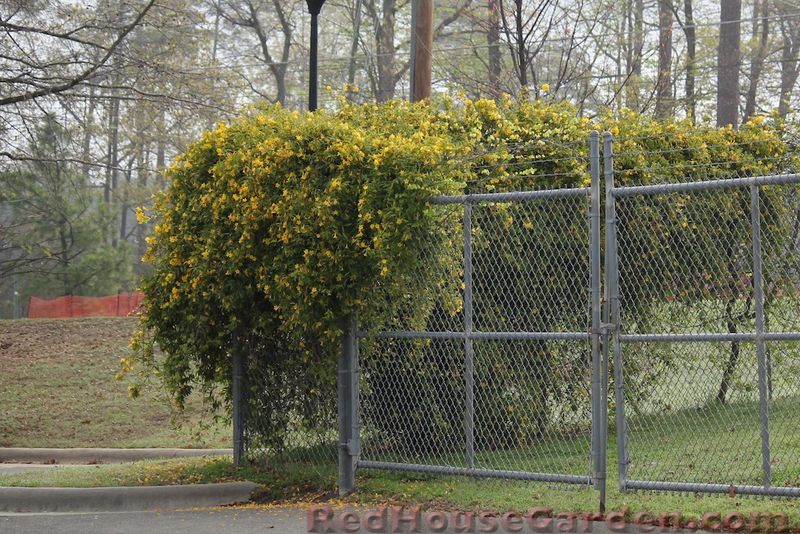
A fence covered in yellow flowers can change the mood of a whole yard, and Carolina jessamine is famous for that sunny show. Its bright blooms often appear in late winter to spring, bringing color before many other vines have woken up.
Glossy leaves give the vine a neat look, which makes it a good choice near front yards, side fences, and areas seen from the street. It climbs by twining, so a chain-link fence gives it plenty of places to wrap and spread.
Florida gardeners should give Carolina jessamine room and remember one key safety point: all parts of the plant are toxic if eaten. That makes placement important, especially where curious pets or children may nibble plants.
Once established, it is usually fairly low-maintenance in well-drained soil. It can handle sun to part shade, though fuller sun tends to bring the heaviest bloom, and light pruning after flowering helps shape the screen without cutting off the next big display.
4. Crossvine
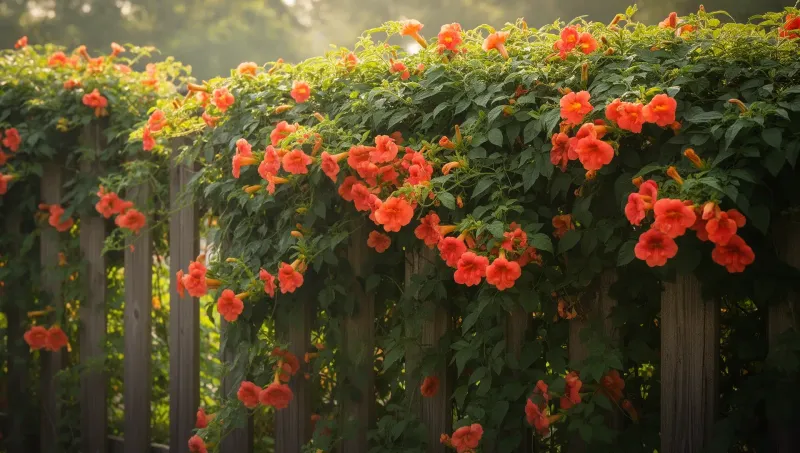
When a fence needs faster coverage and bold flowers, crossvine earns a close look. Its orange, red-orange, or yellow-throated trumpet blooms bring a strong splash of color, and the vine has enough muscle to cover long fence runs.
Crossvine climbs with tendrils that end in little adhesive pads, but chain-link fencing still makes the job easier. The vine can weave, cling, and stretch across metal panels, forming a denser screen than some lighter native vines.
In Florida landscapes, it fits best where there is space for growth and a gardener who does not mind occasional pruning. It is not the vine for a tiny gate that must stay perfectly clear, but it shines on side yards, utility areas, and back fences that need softening.
Full sun encourages the most flowers, while part shade can still support good leafy cover. Give new plants water during establishment, then let the vine settle into a tougher routine that can handle Florida heat better than many fussy ornamentals.
5. Railroad Vine
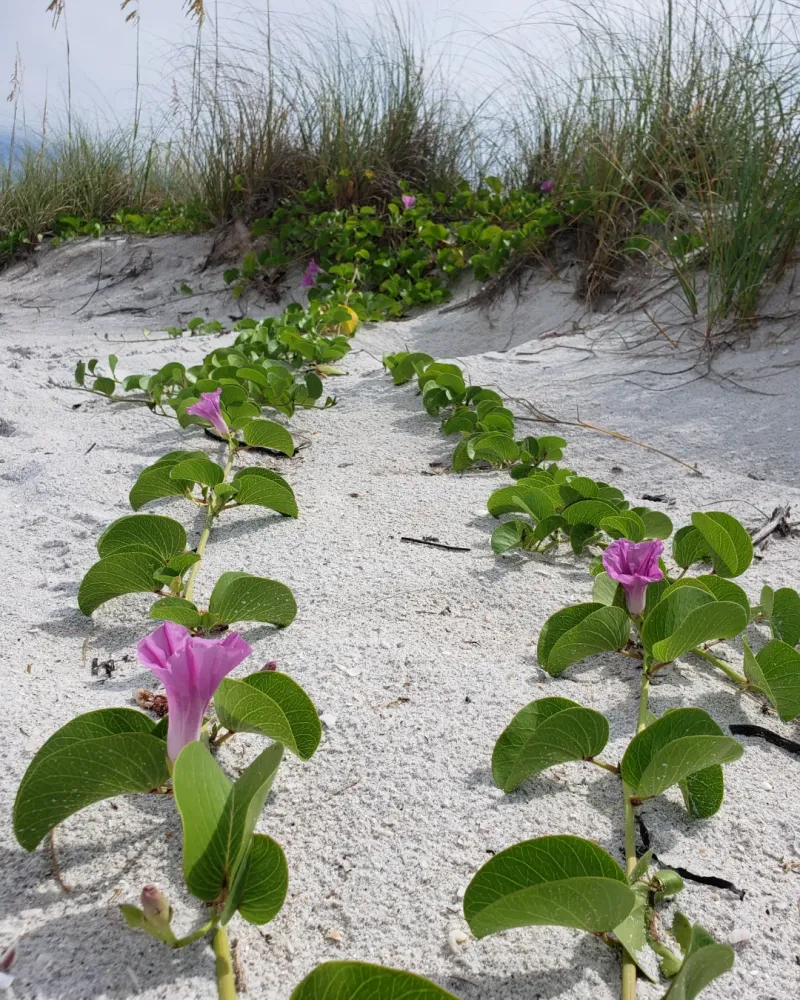
Coastal yards have their own rules, and railroad vine knows them well. Salt spray, sandy soil, and blazing sun can punish many plants, but this beach native is built for those tough edges.
Railroad vine is best known for sprawling across dunes, yet it can be trained along a low chain-link fence where a relaxed, seaside look is welcome. Its purple, morning-glory-like flowers open with a cheerful pop, while thick rounded leaves help protect the soil below.
Because it naturally runs more than it climbs, it needs a little guidance at first. Weave young stems through the lower fence openings, or let it cover the base of the fence while other natives provide height above.
This is a strong choice for Florida gardeners near the coast who struggle with dry, salty conditions. Avoid planting it where a very formal hedge-like screen is the goal, but consider it for beach cottages, sandy strips, and sunny fences that need erosion-friendly greenery.
6. Virginia Creeper
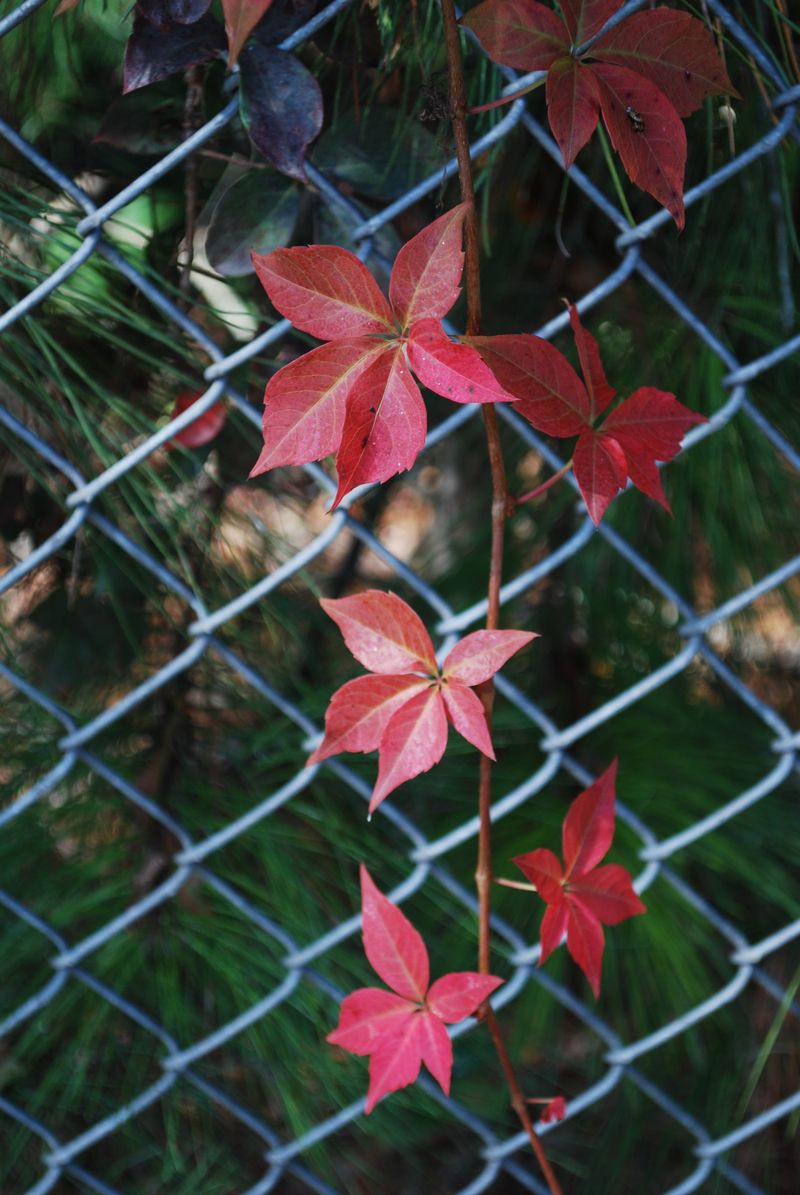
Not every living screen needs showy flowers. Virginia creeper wins with handsome five-leaflet foliage and the kind of coverage that can make a bare fence disappear behind green.
This native vine is adaptable, which helps in Florida yards where one stretch of fence may get sun while another sits in shade. It can climb, trail, and thread through chain-link with little fuss, giving gardeners a flexible option for awkward property lines.
Wildlife value adds another reason to use it thoughtfully. Birds may feed on the berries, while the foliage helps create shelter and texture along the fence, making the space feel less exposed.
Virginia creeper can grow vigorously, so it is best for gardeners willing to prune it away from siding, rooflines, and small ornamentals. Also, some people get skin irritation from handling it, so gloves are a smart habit when trimming or training the vine.
Use it where leafy privacy matters more than flowers. In the right spot, it turns chain-link into a woodland-style backdrop that looks cooler and calmer than plain metal.
7. American Wisteria
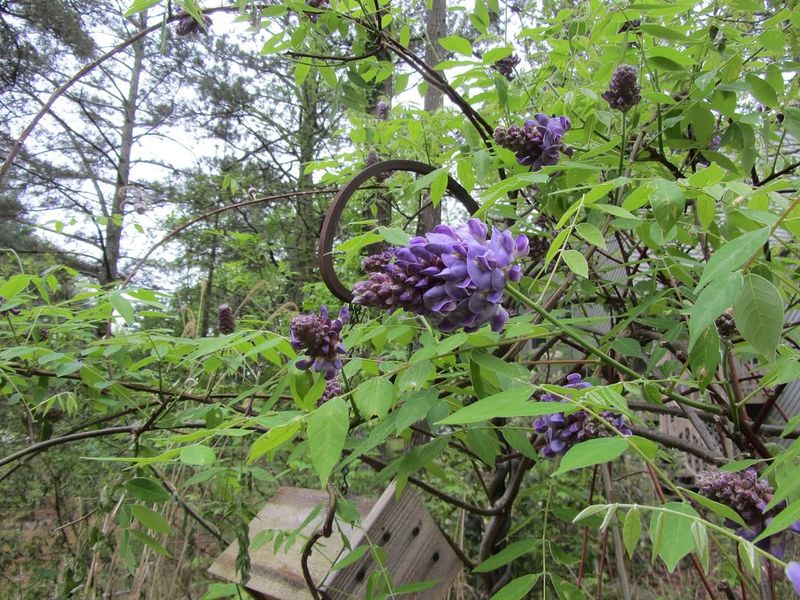
Gardeners who love wisteria but worry about aggressive exotic types should look at American wisteria. It offers the romantic purple flower clusters people want, while being a better native option for Florida landscapes than Chinese or Japanese wisteria.
On a chain-link fence, American wisteria can become a dramatic screen, but it needs respect. The stems get woody and strong with age, so the fence should be sturdy, well-set, and not already leaning from storms or rust.
Sun is the secret to better blooming. Too much shade may give you leaves with fewer flowers, while a bright location helps the vine put on its spring and occasional summer show.
Regular pruning is part of the deal, not a punishment. Train a few main stems along the fence, remove wild shoots, and keep growth away from gutters, small trees, and gates that need to swing freely.
American wisteria is the pick for someone who wants a native vine with a polished, garden-room feeling. It is less set-and-forget than coral honeysuckle, but the flower display can make the extra attention feel worthwhile.