
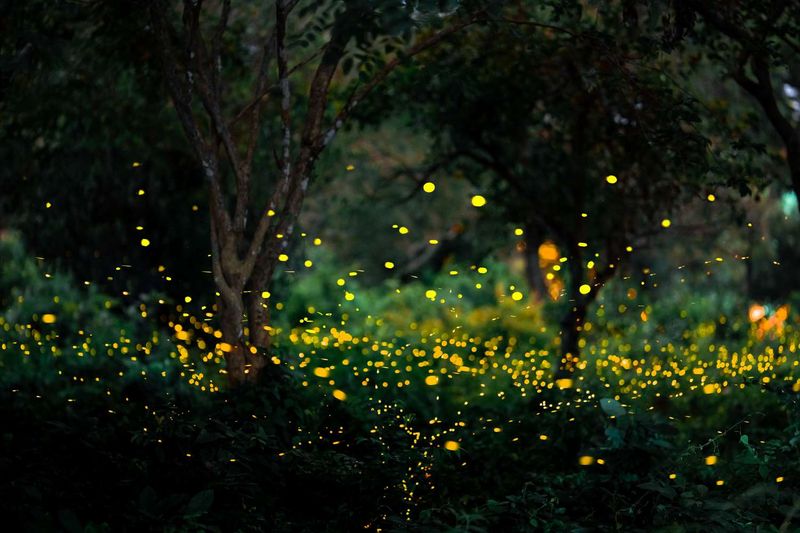
Remember when summer nights in Florida flickered with tiny living lanterns? Fireflies are fading from many backyards because of bright lights, heavy pesticides, and tidy lawns that leave them nowhere to live. The good news is that small changes in how you garden can coax these glowing beetles back to your yard. Here are seven simple habits that give fireflies the dark, damp, and safe spaces they need to shine again.
1. Turn Off or Shield Your Outdoor Lights
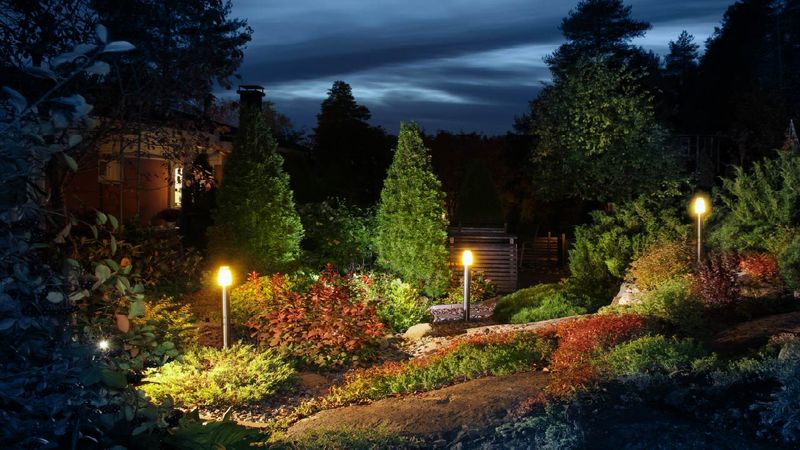
Fireflies talk to each other with light. Those blinking patterns are actually love letters, and porch lamps, floodlights, and landscape spotlights drown out the whole conversation.
In Florida, where so many yards glow with security lighting and pool-deck fixtures, that constant brightness confuses males and females trying to find each other. Fewer successful matches means fewer fireflies next season.
You do not have to sit in total darkness to help. Swap glaring white bulbs for warm amber or red-toned LEDs, which fireflies barely notice. Put outdoor lights on motion sensors or timers so they click off during peak glow time, roughly 8 to 11 p.m. in late spring and summer.
Aim any remaining fixtures downward and shield them so light hits the ground instead of spilling across the yard. Even leaving one dark corner near shrubs or a tree line gives fireflies a stage to perform. Give it a few weeks of darker nights and watch that corner start to twinkle.
2. Let a Patch of Lawn Grow Wild
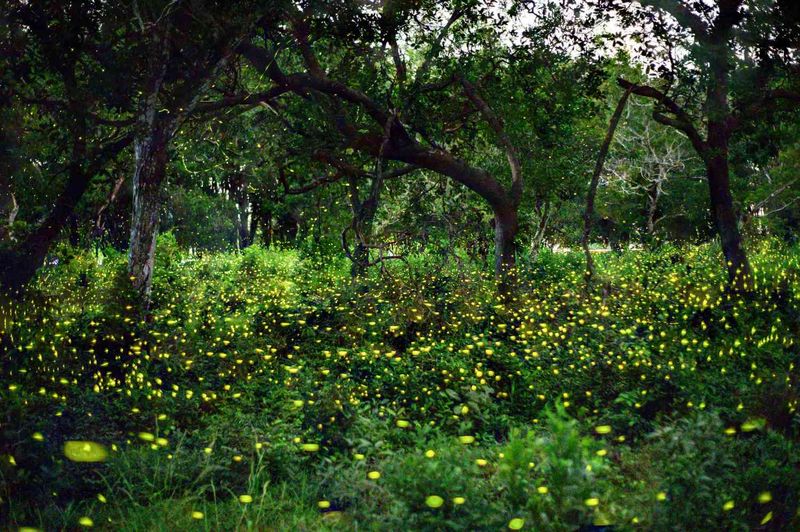
Here is a habit that rewards laziness: stop mowing part of your yard. Firefly larvae and the females of many species live low in tall grass and leaf litter, and a buzz-cut lawn leaves them exposed with nowhere to hide.
Set aside a strip along a fence or a back corner and let the grass, wildflowers, and native groundcovers grow tall. In Florida’s sandy soil, this unmowed zone also holds moisture longer, which the soft-bodied larvae desperately need.
Tall grass gives adult females a perch to flash back at flying males, completing the mating signal. It also shelters the tiny snails and slugs that larvae hunt for food.
Skip the weekly trim on that patch through the warm months and only cut it back lightly in fall. You will save gas, save time, and hand fireflies a whole neighborhood in the process.
3. Ditch the Broad-Spectrum Pesticides
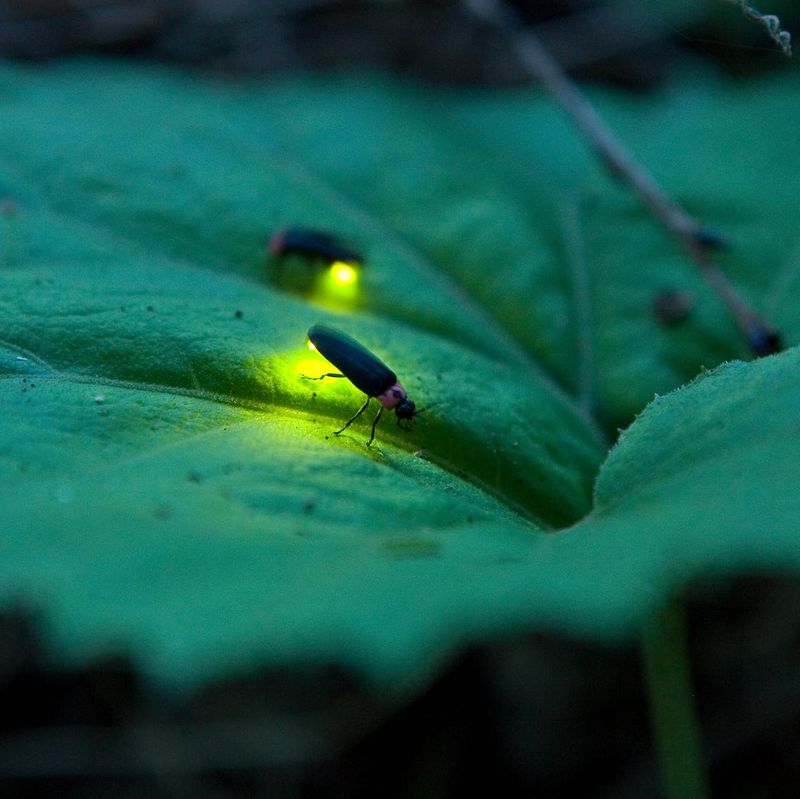
Spray a lawn to kill mosquitoes or grubs, and you often wipe out fireflies too. The same chemicals that knock down pests also poison firefly larvae living in the soil, plus the earthworms, snails, and slugs they eat.
Mosquito-fogging services are hugely popular across Florida, and while nobody loves being bitten, that regular fogging can leave a yard glow-free for years. Larvae spend most of their lives underground, so they take direct hits from anything sprayed on grass and mulch.
Try leaning on UF-IFAS integrated pest management instead. Knock out mosquito breeding by dumping standing water weekly, add larvae-eating fish to ponds, and spot-treat problem plants rather than blanketing the whole yard.
Cutting back on chemicals may also invite frogs, lizards, and birds that keep pests in check naturally. A little tolerance for imperfect grass can pay off in a yard full of light.
4. Build a Damp, Shady Corner
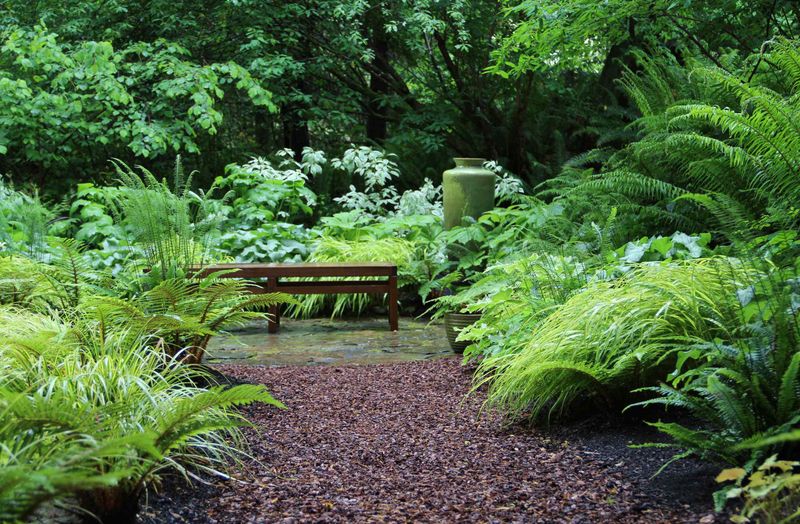
Moisture is a firefly’s secret ingredient. Their larvae need consistently damp ground to survive, and Florida’s fast-draining sandy soil can dry out fast under the summer sun, leaving them stranded.
Pick a low or shaded spot, maybe under an oak or beside a downspout, and turn it into a moisture haven. Mound up leaf litter, add a rain garden, or let a shallow depression collect runoff during our afternoon storms.
Mixing compost into sandy soil helps it hold water longer without turning into a swamp. The goal is soft, cool, moist earth where larvae can burrow and hunt through the dry stretches between rains.
Keep this corner shaded to slow evaporation, and resist the urge to rake it clean. A messy, damp pocket like this becomes a nursery that feeds fireflies for years.
5. Plant Florida Native Trees and Shrubs
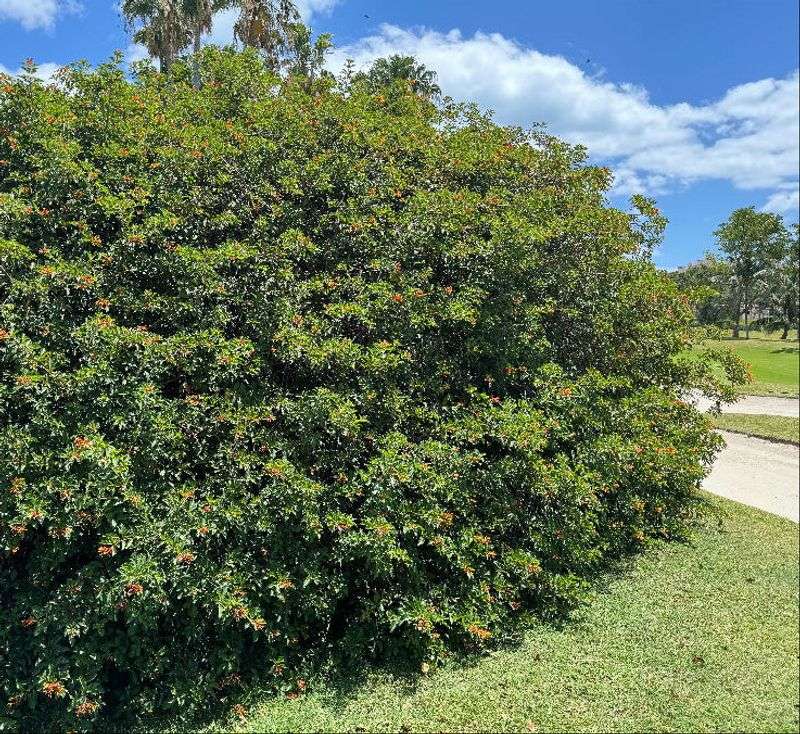
Fireflies did not evolve alongside manicured turf and imported palms. They thrive near the native plants that once covered Florida, which offer shade, moisture, and the layered structure their whole life cycle depends on.
Fill your yard with UF-IFAS-recommended natives like live oak, red maple, saw palmetto, beautyberry, and wax myrtle. These plants cast the cool shade larvae love and shed leaf litter that keeps soil damp and full of the small prey they eat.
Natives are also a low-maintenance win. Once established, they shrug off Florida heat, tolerate sandy ground, and stand up to hurricane winds far better than fussy exotics.
Layer your planting with tall trees, mid-height shrubs, and groundcover so fireflies have perches at every level for their evening light shows. You get a storm-tough landscape, and the fireflies get a home that feels familiar.
6. Leave the Leaves and Skip the Rake
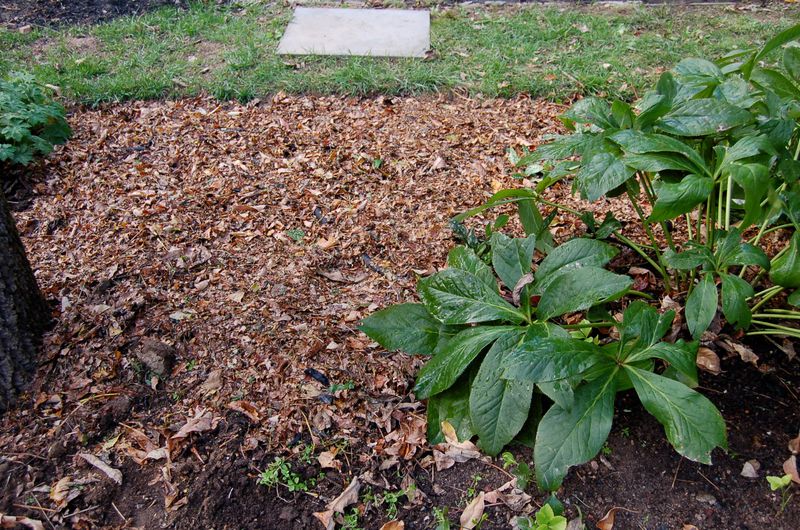
That instinct to rake every leaf and bag every clipping? It is quietly starving your fireflies. Leaf litter is where larvae live, feed, and overwinter, and a spotless yard offers them nothing but bare, baking sand.
Let fallen leaves stay put under trees and in garden beds. The layer traps humidity, cools the soil, and hides the snails, slugs, and worms that larvae munch on for months before they ever glow.
Instead of raking down to dirt, rake leaves into beds or a back corner where they can pile up and slowly break down. As a bonus, that natural mulch feeds Florida’s hungry sandy soil and cuts your watering.
Hold off on the leaf blower until larvae have matured, ideally waiting until late fall or skipping cleanup in wilder zones entirely. A little untidiness now means a glowing yard later.
7. Add a Water Feature or Keep Ponds Natural
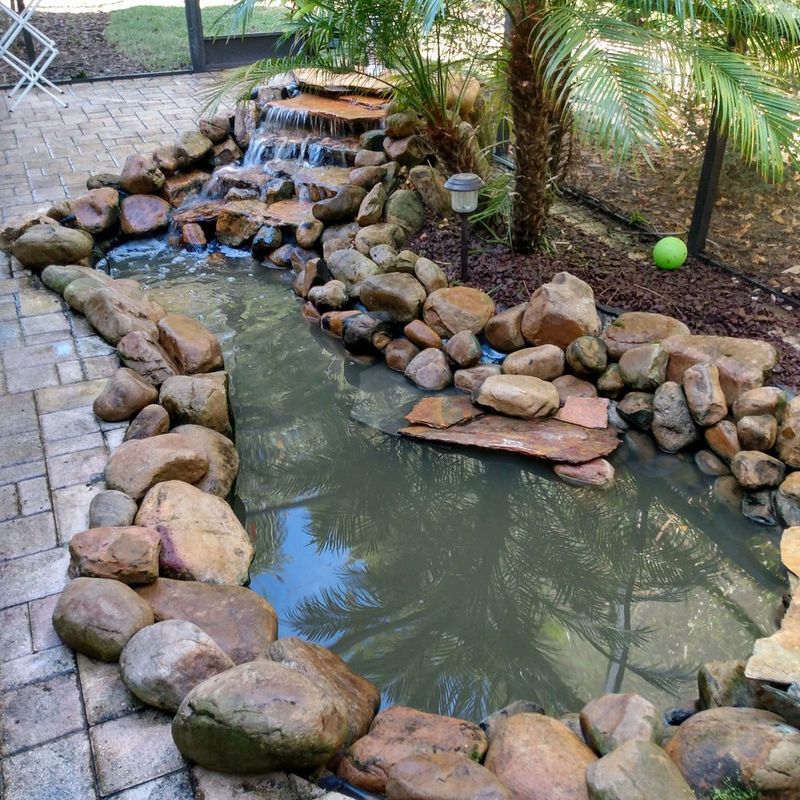
Many firefly species love the edges of water. Some Florida species even lay eggs in soggy ground near ponds, ditches, and slow streams, so a little water goes a long way toward drawing them in.
A small backyard pond, a bog garden, or even a rain-fed low spot creates the humid, plant-fringed margins fireflies favor. Ring the edges with native sedges, rushes, and groundcover to give larvae cover and adults a place to perch and flash.
Keep it natural rather than sterile. Skip harsh pond chemicals, and add mosquito-eating fish like Gambusia if you worry about biting insects breeding there.
Just be smart about placement so the feature drains during heavy hurricane-season rains instead of flooding your foundation. Done right, a damp, planted water edge becomes one of the busiest firefly spots in the whole yard.