
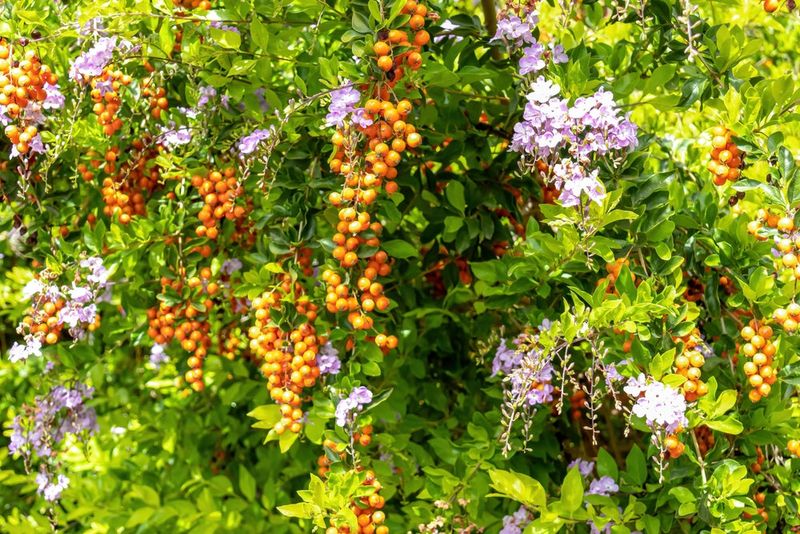
A pretty shrub with purple flowers and bright orange-yellow berries sounds like a welcome addition to any Florida yard, but golden dewdrop (Duranta erecta) carries real hazards that most homeowners never hear about. Its sap may irritate skin, its thorns can cause puncture wounds, and its leaves and fruits are poisonous enough that UF/IFAS has documented fatal cases in dogs and cats. Knowing what you are actually growing, and how to handle it safely, is one of the more practical things a Florida gardener can do.
The strongest match is golden dewdrop—not a verified native HOA shrub
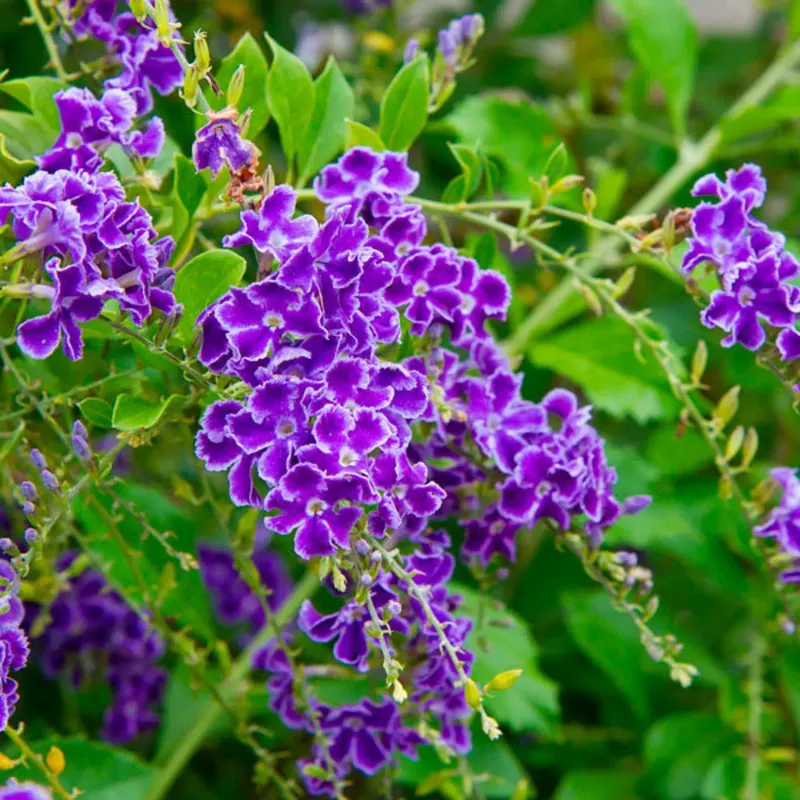
Golden dewdrop, known botanically as Duranta erecta, is the strongest evidence-backed answer to the question of which Florida landscape shrub combines potentially irritating sap with genuinely poisonous leaves and fruits. Before going further, two corrections matter. First, the commonly cultivated form of golden dewdrop is not considered native to Florida by UF/IFAS, even though older herbarium records suggest an earlier South Florida form may have existed. Second, Florida bitterbush (Picramnia pentandra) is not the answer here.
UF/IFAS describes Florida bitterbush as a rare small tree found only in Miami-Dade County hammocks. Authoritative sources do not establish that it commonly burns skin or poses documented pet-poisoning risk, so it does not match the premise of a widely planted, hazardous landscape shrub. Repeating that claim without support would mislead readers.
Golden dewdrop, by contrast, is a documented Florida landscape plant used in residential yards across much of the state. UF/IFAS guidance places it on the toxic-landscape list, noting that its sap may irritate skin and that its leaves and fruits are poisonous to people and pets. That combination of landscape presence and verified hazard makes it the plant Florida gardeners most need to recognize, even though it would be an overstatement to say that every HOA or builder plants it statewide.
How to identify golden dewdrop in a Florida landscape
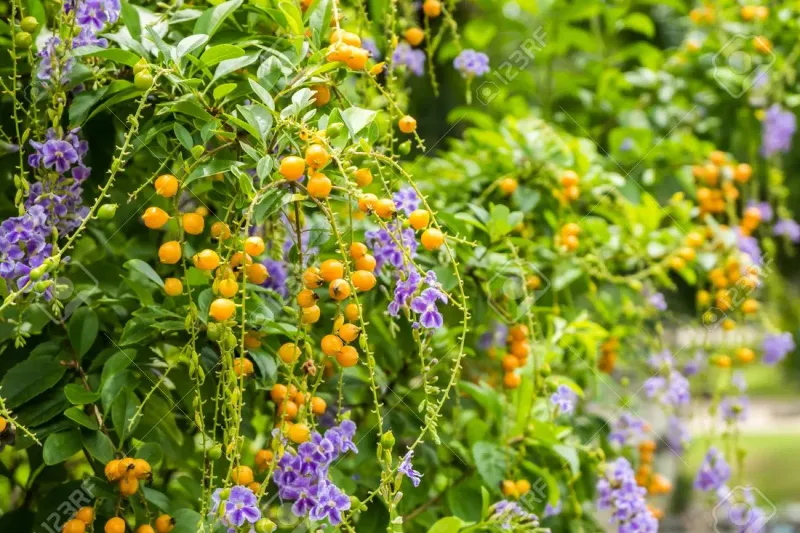
Spotting golden dewdrop in a yard takes a moment of deliberate looking because the plant earns its place through sheer ornamental appeal. UF/IFAS describes it as an evergreen shrub or small tree that can reach roughly 18 feet under favorable Florida conditions, though most landscape specimens are kept much smaller through pruning. Its arching or drooping branches give it a soft, almost weeping silhouette that fits naturally into foundation plantings, screen hedges, backdrops, and feature spots in residential yards.
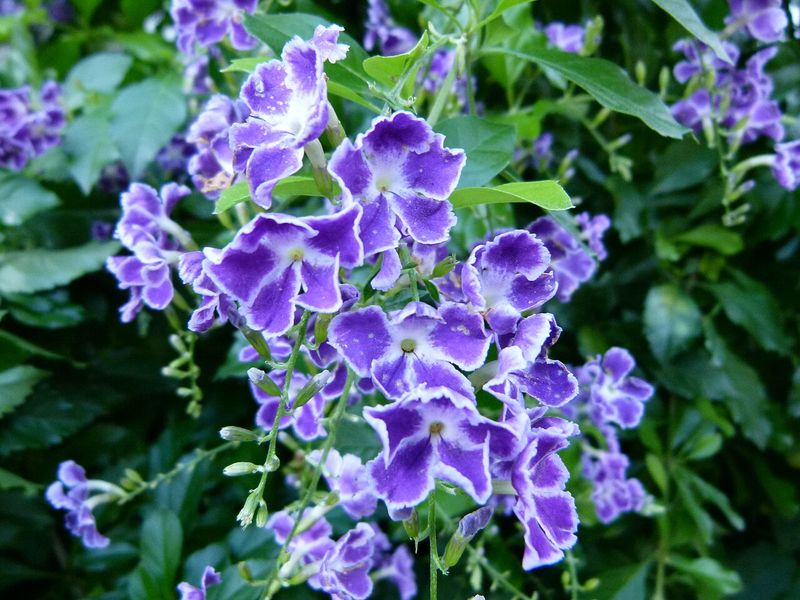
The flowers range from pale lavender to deeper purple, sometimes approaching white in certain cultivars, and they appear in elongated clusters. The fruits that follow are small, round, and a warm orange-yellow, hanging in chains that look almost decorative enough to be artificial. Those berries are a key identification feature and also the part of the plant most likely to attract curious children and pets who associate bright color with something edible.
Thorns are present on many golden dewdrop plants, emerging along the stems and near the leaves. They are not always obvious from a distance, which means someone reaching in to prune or shape the plant can get a puncture wound before noticing them. The combination of thorns and sap means that handling the plant without gloves and long sleeves carries two separate physical risks, even before ingestion enters the picture.
One important caution: a text description or a single photograph is not enough to confirm a plant identity with certainty. If you are unsure whether a shrub in your yard is golden dewdrop, contact your local UF/IFAS Extension office for in-person or photo-assisted identification before pruning or removing it.
“Burns skin” hides several different kinds of plant injury
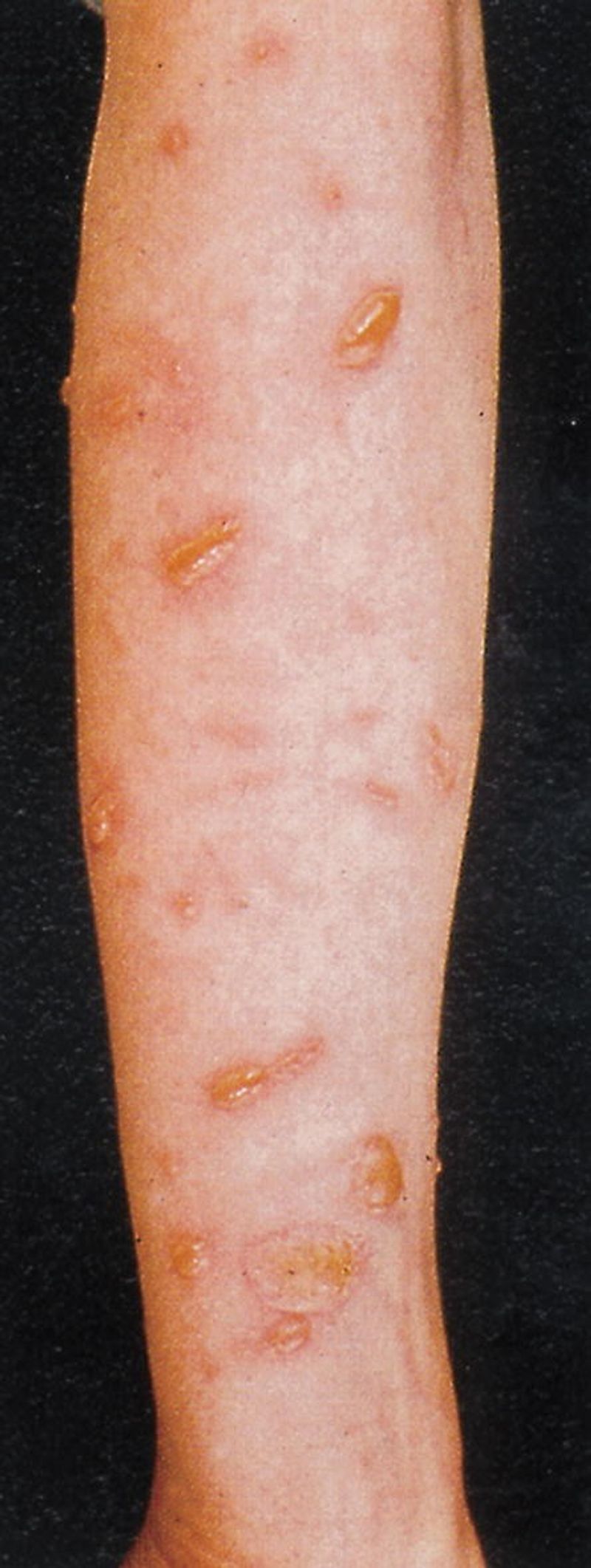
The phrase “burns skin” sounds straightforward, but it actually collapses several very different physical reactions into one misleading shorthand. Plant-related skin problems fall into at least three distinct categories, and mixing them up leads to both over-reaction and under-reaction depending on the situation.
Thorn punctures are purely mechanical. A golden dewdrop thorn pushes through skin the same way any sharp object would, creating a wound that can become infected if not cleaned properly but that does not involve any chemical reaction from the plant. Sap irritation is a separate matter. UF/IFAS recommends wearing gloves when pruning golden dewdrop because its sap may irritate skin, but that is a different hazard from a thorn wound, and the word “may” is doing real work in that sentence.
Not every contact with golden dewdrop sap produces a visible reaction.
Urushiol dermatitis is a third category entirely. Poisonwood and its relatives, including poison ivy, produce urushiol oil, which triggers an allergic immune response that causes itching, redness, swelling, and fluid-filled blisters. UF/IFAS notes that urushiol symptoms can begin 8 to 48 hours after exposure and last for weeks. That timeline and mechanism are completely different from what golden dewdrop’s sap produces, so describing both plants as ones that “burn skin” obscures information that actually matters when someone is trying to figure out what happened to them.
Poison Control explains that a rash description alone cannot identify a plant or diagnose a condition. If you develop a skin reaction after working in the yard, the specific appearance, timeline, and which plant you touched all matter for getting the right help. Treating every outdoor rash as a chemical burn, or assuming every Florida shrub works the same way, will lead you in the wrong direction.
Pets face the main danger when they chew or swallow plant material
Ordinary contact with a toxic shrub, such as brushing against it during a walk or sniffing the leaves, does not automatically poison a dog or cat. For golden dewdrop, the documented hazard centers on ingestion. When a pet actually chews or swallows the leaves or fruits, the risk becomes serious.
UF/IFAS lists golden dewdrop on its toxic landscape plant guidance and reports that its fruits and leaves are poisonous to humans and animals, with symptoms that can include drowsiness, fever, nausea, vomiting, and seizures. The same guidance notes fatal cases involving dogs and cats. Those are not hypothetical risks invented for precaution; they are outcomes reported in the published record. However, “fatal cases have occurred” does not mean that every exposure leads to death.
The severity depends on which part of the plant was eaten, how much, how quickly the animal is treated, and the size and health of the animal.
The orange-yellow fruits are the most likely attractant because they look like food. Dogs that forage in the yard and cats that chew on decorative plants are the animals most at risk. The Florida Museum’s poisonous-plant guidance reinforces that the route of exposure, specifically eating rather than touching, drives the most serious outcomes with plants like golden dewdrop.
If you see a pet chewing on golden dewdrop leaves or fruits, or find evidence that they may have eaten any part of the plant, contact a veterinarian or the ASPCA Animal Poison Control Center immediately. Do not wait for symptoms to appear. Early intervention gives a veterinarian more options, and the window for effective treatment can be narrow. Have the plant name ready, and if you can safely collect a sample or photograph the plant without touching it barehanded, do so before you leave for the clinic.
Other Florida plants create different identification and hazard questions
Several other Florida plants get mentioned in the same breath as golden dewdrop, sometimes as lookalikes, sometimes as equally dangerous. They are not the same plant, and their risks work through different mechanisms. Treating them as interchangeable creates real identification and safety problems.
Poisonwood (Metopium toxiferum) is a Florida native, but UF/IFAS describes it as a plant of South Florida hammocks, pinelands, and coastal areas, not a routine foundation shrub. Its urushiol oil causes severe contact dermatitis after skin exposure, which is a completely different mechanism from golden dewdrop’s sap irritation. Poisonwood is worth knowing about if you spend time in South Florida natural areas, but it is not the shrub your neighbor planted along the fence line.
Coontie (Zamia integrifolia) is a Florida-native cycad that is genuinely poisonous, especially its seeds. UF/IFAS includes it on the toxic landscape plant list, but coontie is a low-growing cycad with feathery fronds, not a shrub with berries and flowers. Its structure and hazard profile are distinct from golden dewdrop’s.
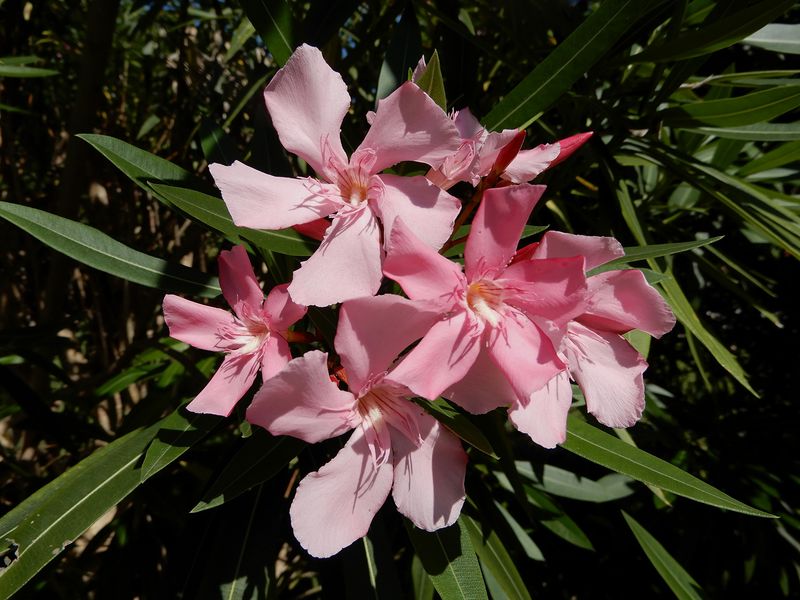
Oleander (Nerium oleander) is genuinely common in Florida landscapes and is toxic throughout the entire plant. The ASPCA lists oleander as toxic to dogs, cats, and horses, with possible drooling, abdominal pain, diarrhea, depression, and death. It is native to the Mediterranean region and Asia, not Florida, so it does not satisfy a “Florida native” premise either.
Florida bitterbush (Picramnia pentandra) rounds out the list. UF/IFAS identifies it as a rare small tree restricted to Miami-Dade County hammocks. The sources reviewed do not support claims that it commonly causes skin injury or pet poisoning, so it should not be presented as the hazardous landscape shrub described in this article’s premise.
How to respond to sap, thorn, or eye exposure
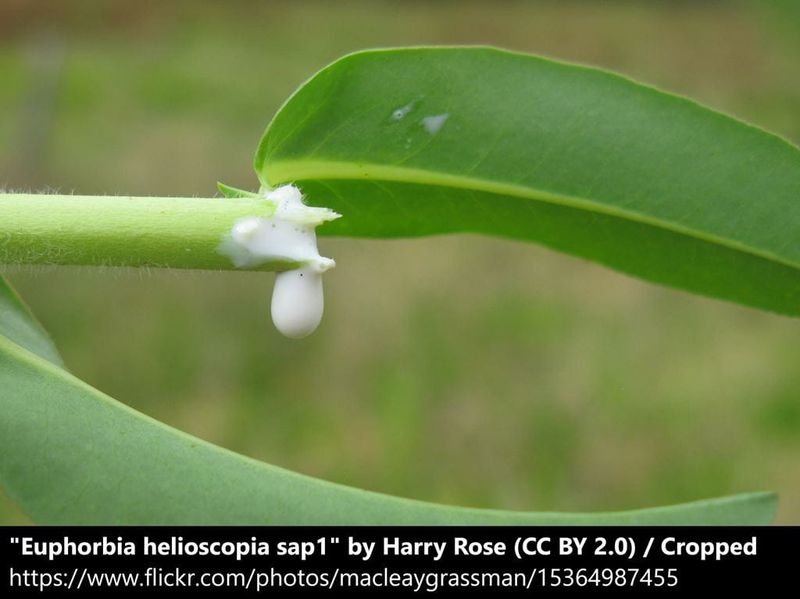
The right response to a plant exposure depends on what happened, but the first steps are consistent regardless of which plant was involved. Stop handling the plant as soon as you realize something may have gotten on your skin. Resist the reflex to touch your face, rub your eyes, or adjust your clothing with contaminated hands, because moving sap from your hands to more sensitive areas is how minor exposures become worse ones.
For skin contact, Poison Control advises washing exposed skin promptly and thoroughly with soap and running water. Water alone may not remove some milky or resinous plant saps, so soap matters. Remove any contaminated clothing before washing so you are not re-exposing clean skin. After washing, watch the area for redness, swelling, or blistering over the next several hours.
Some plant reactions are delayed and may not appear immediately.
Eye exposure needs a different response. If sap or plant material gets into an eye, begin flushing with comfortable-temperature water right away. Poison Control guidance for irritating plant sap recommends irrigating the eye for 15 to 20 minutes with clean water, holding the eyelid open if needed to let the water reach the full surface. Do not put soap in the eye.
That guidance applies generally to irritating plant sap exposure and is not specific to golden dewdrop, but it represents the standard first-response approach from a reliable poison-control source.
Seek medical evaluation for any of the following: severe pain that does not ease after washing, vision changes of any kind, major swelling around the eye or face, trouble swallowing, or any difficulty breathing. Those symptoms go beyond ordinary irritation and warrant prompt professional attention. When in doubt, call Poison Control at 1-800-222-1222 before deciding whether a trip to urgent care is necessary.
What to do if a dog or cat may have eaten it
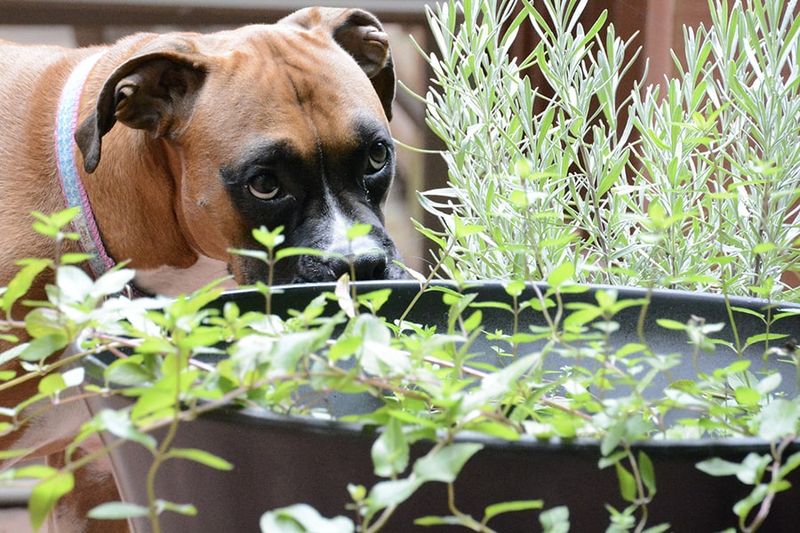
Speed matters more than anything else after a pet may have swallowed part of a toxic plant. Call a veterinarian or the ASPCA Animal Poison Control Center (888-426-4435) right away, before symptoms appear. Waiting to see whether the animal “seems fine” loses the treatment window that veterinary professionals need to intervene most effectively.
When you call, be ready to provide the plant’s name, the plant part you think was eaten (leaf, fruit, stem, or unknown), an estimate of how much was consumed, and when the exposure may have happened. A photograph of the plant helps if you can take one safely without touching it barehanded. If a physical sample is possible to collect with gloves, bring it to the clinic. UF/IFAS recommends having the plant’s name or a photograph available when contacting help after a suspected plant poisoning.
Do not induce vomiting unless a veterinary professional specifically instructs you to do so. Do not give milk, oils, activated charcoal, bleach, solvents, or any other home remedy on the assumption that it will neutralize the toxin. The Merck Veterinary Manual notes that toxicosis treatment in animals depends on the specific plant, the dose, the timing of exposure, the species, and the animal’s condition. What works for one scenario can cause additional harm in another.
Veterinary professionals have that information; a general internet search does not.
Symptoms to watch for while you are getting help include vomiting, excessive drooling, lethargy, trembling, seizures, or any sudden change in behavior. Report everything you observe to the veterinarian or poison-control specialist, even if it seems minor. The full picture helps them assess risk and decide on the right course of treatment.
The safe takeaway for Florida gardeners
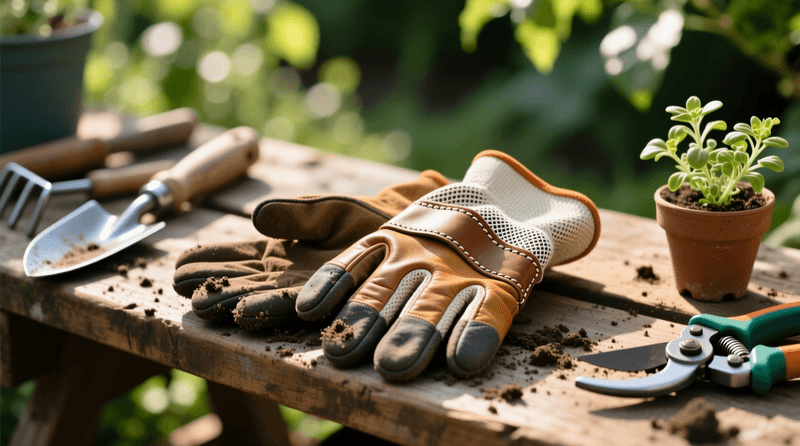
One practical rule covers most of the risk: know what you are growing before you prune, shape, or remove it. If you cannot identify a shrub with confidence, contact your local UF/IFAS Extension office for help before putting your hands on it. UF/IFAS specifically recommends gloves when handling golden dewdrop because of its thorns and potentially irritating sap, and that advice extends logically to any shrub you have not positively identified.
Wear gloves and long sleeves for all pruning work, keep pets away from the area while you work, and dispose of clippings in sealed bags rather than leaving them on the ground where a dog or cat can investigate them later. Never burn an unidentified plant or any plant known to be toxic. Burning oleander, for example, releases toxins into the air and can cause respiratory distress in anyone nearby. The same caution applies to other toxic shrubs.
UF/IFAS toxic landscape plant guidance is a free, Florida-specific resource that covers golden dewdrop alongside oleander, coontie, and other plants commonly found in residential yards. Bookmarking it takes thirty seconds and gives you a reliable reference the next time you are unsure about something growing in your yard or a neighbor’s.
Golden dewdrop is the closest verified match for a Florida landscape shrub with irritating sap, mechanical thorn hazard, and poisonous leaves and fruits, but it is not a confirmed Florida native, and those three hazards work through completely separate routes. A yard that includes this plant is manageable with the right protective habits; the risk comes from not knowing it is there.