
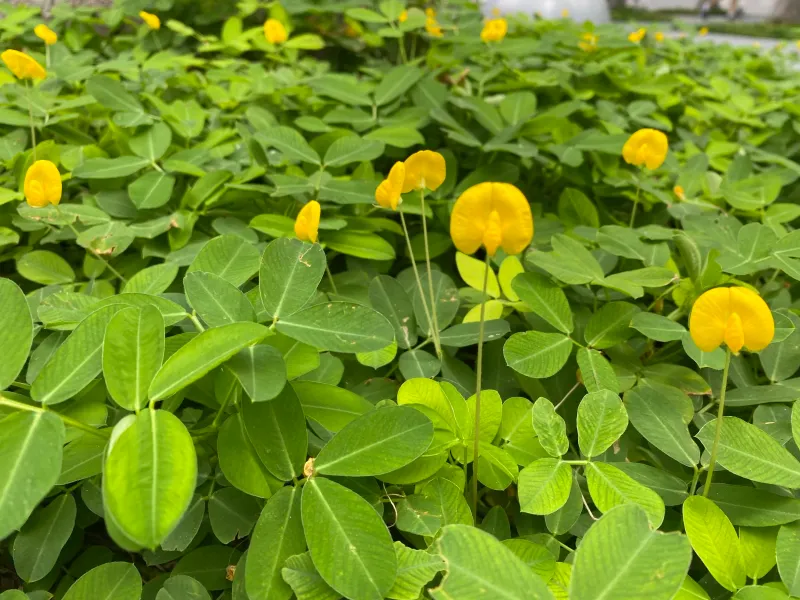
A Florida lawn can be a lot of work, especially when sandy soil, heavy rain, and long hot seasons keep grass stressed. Native ground covers offer a smarter way to fill bare spots, protect soil, and make your yard easier to manage. Many also feed pollinators, handle Florida weather, and need far less mowing once they settle in. Here are seven native choices that can help turn high-maintenance turf into a living carpet.
1. Sunshine Mimosa
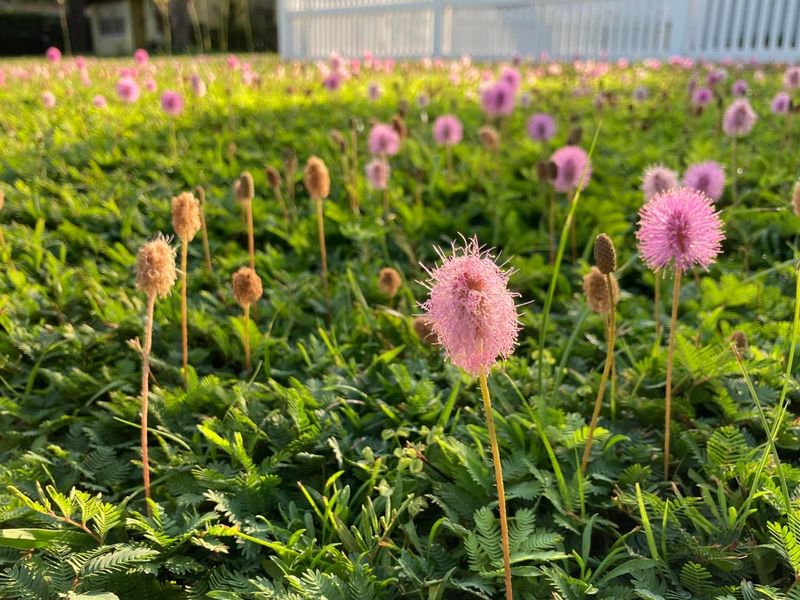
Touch the leaves and they fold like tiny green hands, which makes sunshine mimosa one of the most charming lawn replacements in Florida. Kids notice it, pollinators visit it, and tired homeowners appreciate that it stays low without constant trimming.
Sunshine mimosa is native to Florida and works especially well in sunny yards where turf struggles in sandy soil. It spreads by runners, forming a soft mat that can weave through open lawn areas and slowly reduce the amount of grass you need to mow. In many Florida-Friendly landscapes, it is used as a living ground cover rather than a fussy flower bed plant.
The pink powder-puff blooms are more than pretty. They attract bees and butterflies, giving your yard a wildlife boost while still keeping a neat, low profile. Once established, sunshine mimosa can handle dry spells better than many traditional lawn grasses, though it looks best with some moisture during long rain-free stretches.
Give it full sun to light shade and avoid heavy foot traffic while it fills in. A light trim now and then may help guide its spread, but compared with mowing a thirsty lawn every week, it feels like a major break.
2. Frogfruit
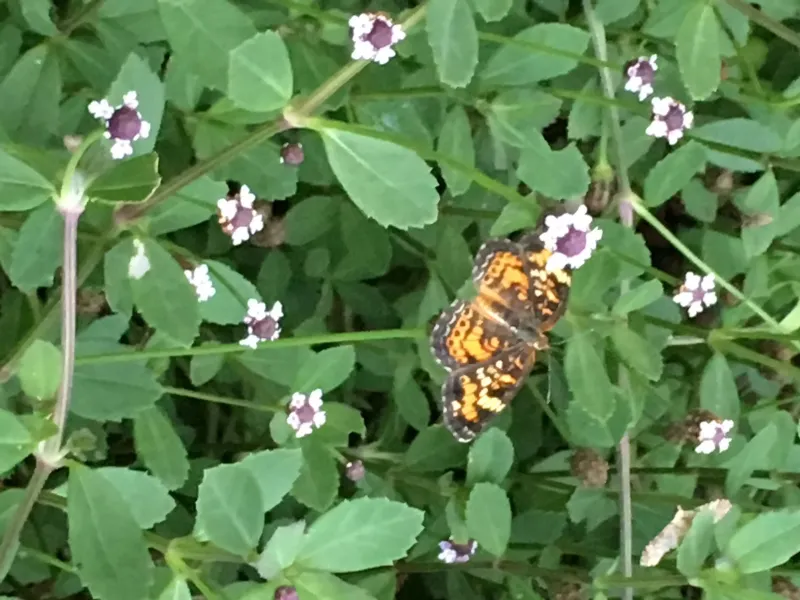
Butterflies seem to find frogfruit before people do. One week it looks like a modest green creeper, and the next it is dotted with tiny flower clusters that act like snack stations for native pollinators.
Frogfruit, also called turkey tangle fogfruit, is a Florida native that thrives in a wide range of conditions. It can grow in sun or part shade, tolerates moist soil, and also handles the quick-drying sandy ground many Florida homeowners deal with. That flexibility makes it a useful choice for those odd yard zones where turf looks thin but weeds keep showing up.
Its biggest lawn-cutting trick is its ability to spread low and dense. Frogfruit can be mowed occasionally if you want a tidier look, but it does not demand the weekly schedule that St. Augustinegrass often does. In a relaxed Florida yard, it can form a casual green carpet with flowers held just above the foliage.
Wildlife value is a major reason to plant it. Frogfruit is a host plant for several butterfly species, including phaon crescent and white peacock. If your goal is less mowing plus more life in the yard, this one brings both without acting like a high-drama diva.
3. Dune Sunflower
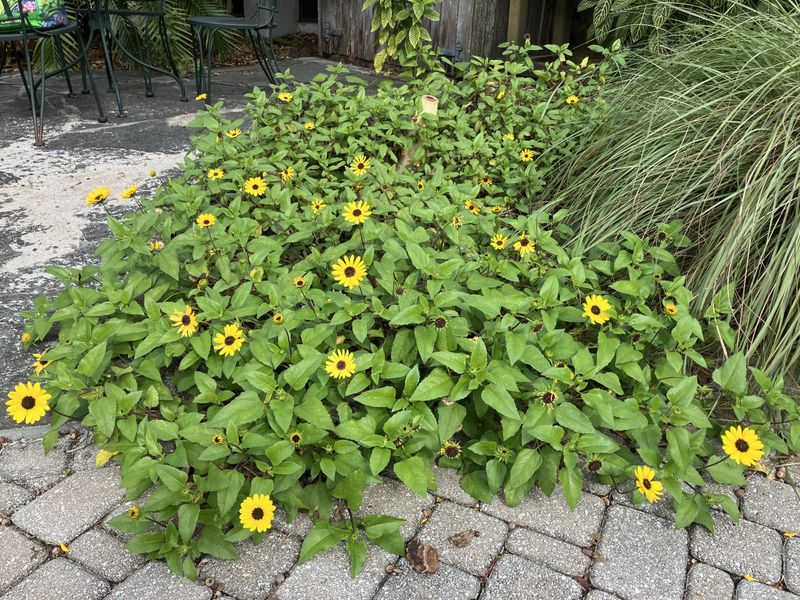
A bare, blazing-hot patch near the driveway can feel impossible until dune sunflower shows up. This cheerful native looks almost too sunny to be tough, but it is built for Florida sand, salt, and heat.
Dune sunflower is a natural fit for coastal areas, but inland gardeners can use it too where drainage is good and sunlight is strong. It forms a spreading, low mound with golden daisy-like flowers that bloom on and off through much of the year in warm parts of the state. In places where grass burns out or irrigation feels wasteful, it can cover ground with color instead of constant mowing.
Unlike flatter ground covers, dune sunflower has a looser, wilder look. That makes it great for the edges of lawns, mailbox beds, slopes, and sunny strips that do not need to look like a putting green. It may not be the best choice for a formal front path, but for a Florida yard that leans natural, it earns its space fast.
Pollinators love the flowers, and birds may pick through spent blooms and nearby cover. Cut it back when it gets leggy to keep it fresh and compact. Think of it as a bright, low-care bridge between lawn and wildflower patch.
4. Twinflower
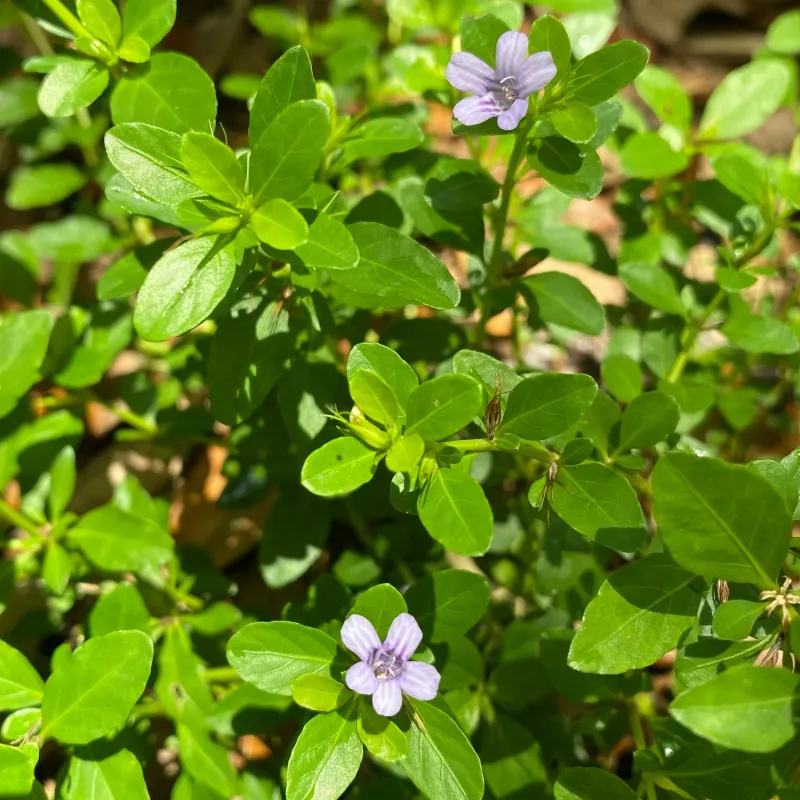
Small flowers can do big work, and twinflower proves it without making a scene. Its paired lavender blooms look delicate, but the plant itself is a practical spreader for Florida yards that need soft coverage.
Twinflower is native to Florida and often appears in pinelands, hammocks, and open disturbed sites. In home landscapes, it can be used as a low ground cover in sunny to partly shaded spots, especially where you want a natural look rather than a clipped lawn surface. It grows close to the ground and can gradually fill open spaces between shrubs, stepping stones, or lawn edges.
The plant’s quiet beauty is part of its appeal. While dune sunflower shouts from across the yard, twinflower rewards a closer look with tiny paired blossoms that attract small pollinators. It can help soften hard edges around walkways and reduce the weedy bare spots that turn into mowing headaches later.
Florida gardeners should give it well-drained soil and some room to creep. It may need light edging if it wanders into beds where you do not want it, but that is usually easier than mowing, watering, and feeding weak turf. For a softer, more meadow-like yard, twinflower is a gentle but useful choice.
5. Lyreleaf Sage
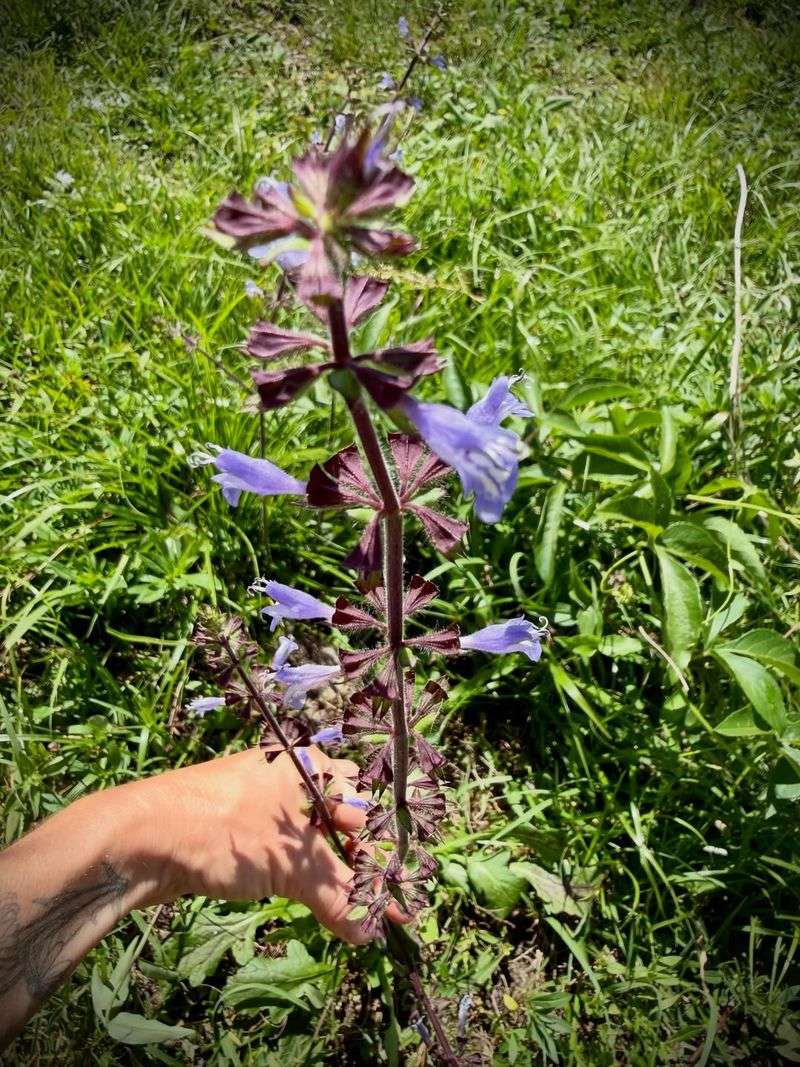
Under trees, turf often gives up first. Lyreleaf sage steps into that tricky space with leafy rosettes, spring flower spikes, and a stubborn ability to handle conditions that make grass sulk.
Lyreleaf sage is a Florida native wildflower that can behave like a ground cover when planted in groups. It is especially helpful in part shade, including under open-canopy oaks or along woodland edges where mowing around roots is annoying. The leaves stay low, while the blue to lavender flower stalks rise above them during bloom season.
For homeowners who want a more natural lawn, lyreleaf sage can be part of a low-mow mix. It may reseed in friendly spots, slowly creating a colony that fills bare soil and supports pollinators. Compared with thirsty turf in shade, it asks for less fuss once established.
Its look is not a carpet in the strict, flat sense. Instead, it gives a soft, living layer with seasonal flowers, perfect for gardeners who like a slightly wild cottage feel. Mow high after flowering if you want to tidy the area and spread seed, or leave patches alone for bees and visual texture.
A bonus for Florida yards is that it can handle ordinary sandy soil as long as the site is not bone-dry all the time. Use it where a traditional lawn has become more frustration than beauty.
6. Beach Verbena
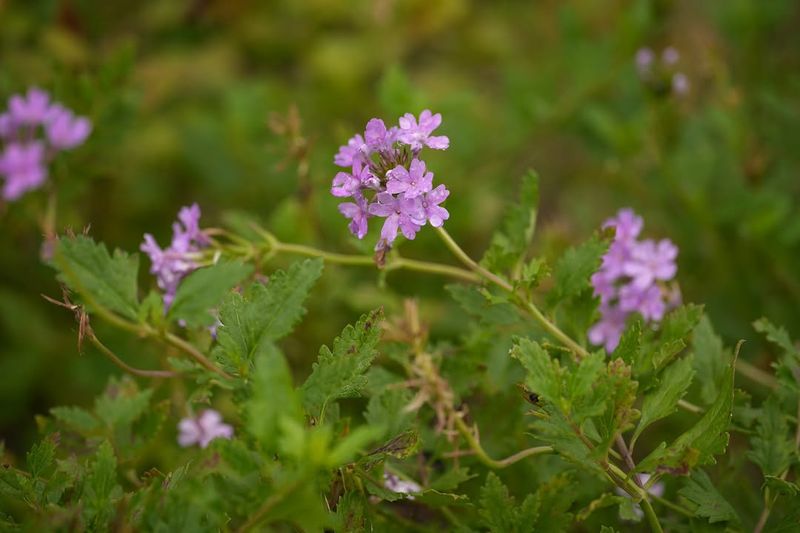
Salty breeze, sandy soil, and full sun do not scare beach verbena. In fact, those are the conditions where this native ground cover often looks right at home.
Beach verbena is a Florida native suited to coastal landscapes and other hot, well-drained spots. It spreads low across the ground and produces clusters of purple flowers that stand out beautifully against pale sand or shell mulch. For homeowners near the coast, it can replace struggling lawn edges that get blasted by salt spray and sun.
This plant is different from many lawn substitutes because it brings a distinctly beachy feel. It fits relaxed Florida landscapes, pollinator gardens, dune-style plantings, and sunny strips where mowing is more trouble than it is worth. Once established, it generally prefers lean, fast-draining soil instead of rich, wet ground.
Bees and butterflies visit the blooms, so beach verbena can turn a dull strip of turf into a lively feeding zone. Keep foot traffic light, since it is better for covering soil than serving as a play surface. Occasional trimming can refresh growth and keep it from wandering too far.
If your yard sits near the coast or simply behaves like a beach because the soil drains in minutes, beach verbena is worth a serious look. It gives you color, coverage, and fewer reasons to drag out the mower.
7. Wild Petunia
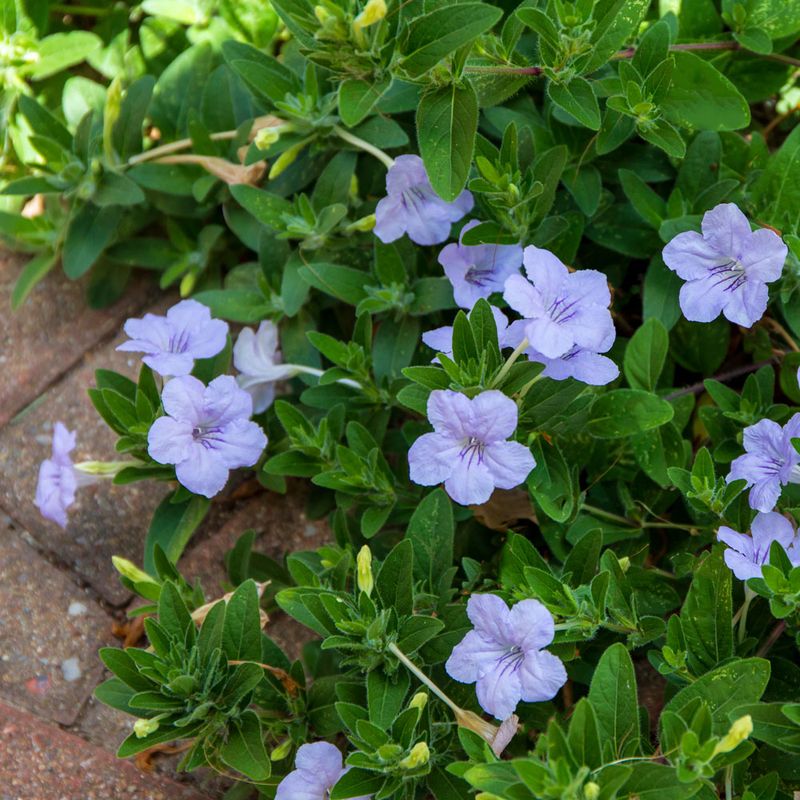
Not every purple petunia-like flower in Florida is a good neighbor, so wild petunia deserves attention for the right reason. Native wild petunias offer that charming purple bloom without steering gardeners toward invasive Mexican petunia, which UF-IFAS warns can spread aggressively in natural areas.
Florida native wild petunia species, often found under the Ruellia name, can work as low, spreading perennials in sunny to partly shaded landscapes. They are useful in informal lawn replacement zones, especially where you want flowers mixed into a living ground layer. The trumpet-shaped blooms bring a pop of color while the plants help cover open soil.
The key is choosing native species from a reliable nursery, not the invasive Mexican petunia commonly sold or shared from older landscapes. Ask for Florida native wild petunia and confirm the botanical name before planting. That small step protects nearby wetlands, ditches, and natural spaces from an avoidable problem.
In the yard, wild petunia can reduce mowing by filling small sunny patches, bed edges, and low-traffic turf gaps. It may spread or reseed where happy, which is helpful if your goal is more coverage and less grass. Give it decent drainage, watch its boundaries, and pair it with other natives for a lawn that feels alive rather than over-managed.
For gardeners who like color but want to stay on the right side of Florida ecology, this is the purple-flowered pick to research carefully.