
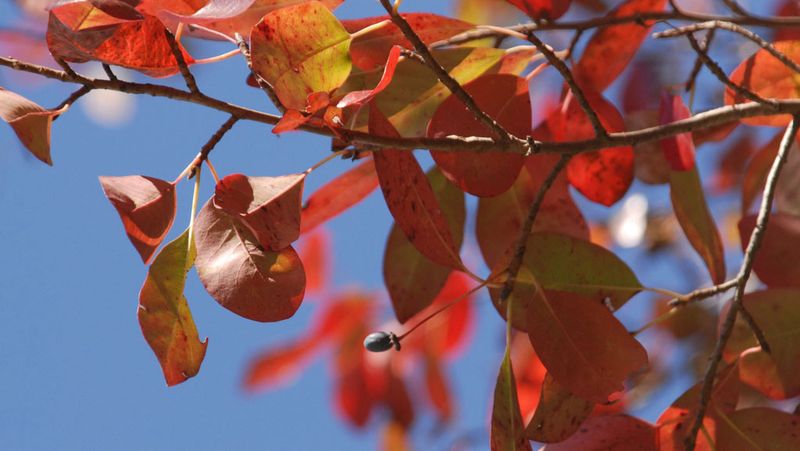
Crape myrtles show up in almost every North Carolina yard, but they came here from Asia and do little to feed our local bees, butterflies, and birds. The good news is that our state is packed with native trees that put on just as much color while pulling double duty for wildlife. Swapping in a native tree can mean more pollinators buzzing around your flowers and more songbirds nesting near the house, all with less fuss than you might expect. Here are seven North Carolina natives that outshine the crape myrtle when it comes to both beauty and backyard critters.
1. Eastern Redbud (Cercis canadensis)
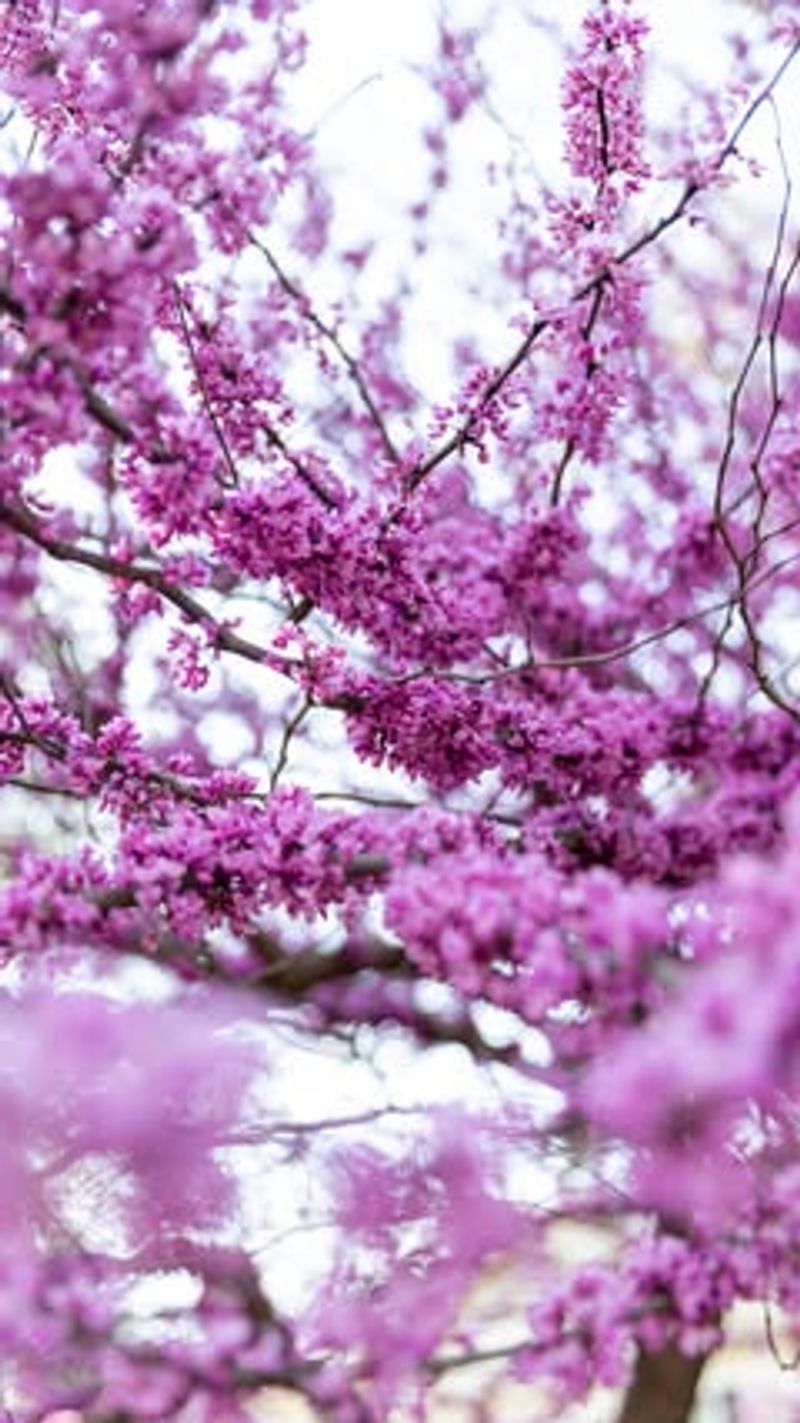
Before most trees have even thought about leafing out, the eastern redbud explodes with hot-pink and lavender blossoms that cling right to its branches and trunk. Drive through the Piedmont in early spring and you will spot these purple clouds glowing along fence rows and forest edges.
The timing is what makes this tree such a champion. Its flowers open when native bees are just waking up and desperate for food, so redbuds can support early-season pollinators like blueberry bees and carpenter bees when little else is blooming.
Redbuds stay small, usually topping out around 20 to 30 feet, which makes them a comfortable fit for a front yard or a spot near the patio. In fall the heart-shaped leaves turn a soft yellow. Fun fact: those spring blossoms are edible and taste faintly of green peas, so a few sprinkled on a salad make a fun conversation starter at dinner.
2. Flowering Dogwood (Cornus florida)
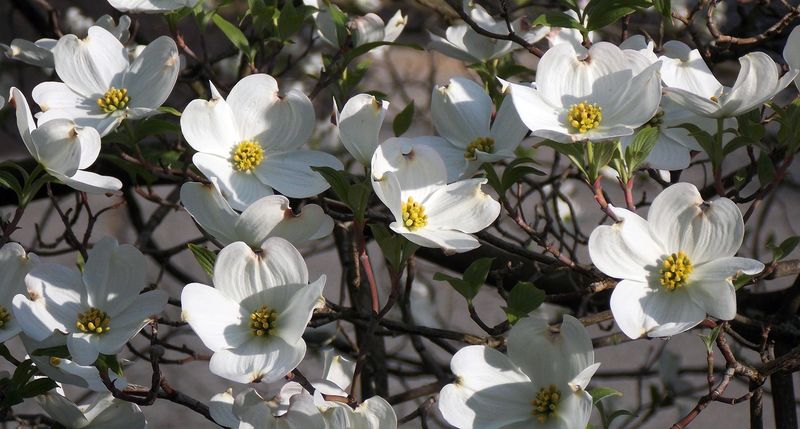
North Carolina loved this tree so much it named the dogwood its official state flower, and one look in April tells you why. The showy white or pink bracts float across the understory like a scatter of butterflies, giving woodland edges a lacy, layered look.
Pollinators find plenty to love here too. The tiny true flowers in the center of each bloom draw in native bees and beetles, and by fall the bright red berries become fast food for robins, cardinals, and cedar waxwings fattening up for winter.
Dogwoods thrive in the dappled shade at the edge of a yard, mimicking the forest understory where they naturally grow. That makes them a smart pick if you have a spot that gets morning sun and afternoon protection. Their horizontal branching gives the tree a graceful, tiered shape that looks good in every season, and the fall foliage turns a deep burgundy that rivals any imported ornamental.
3. Sourwood (Oxydendrum arboreum)
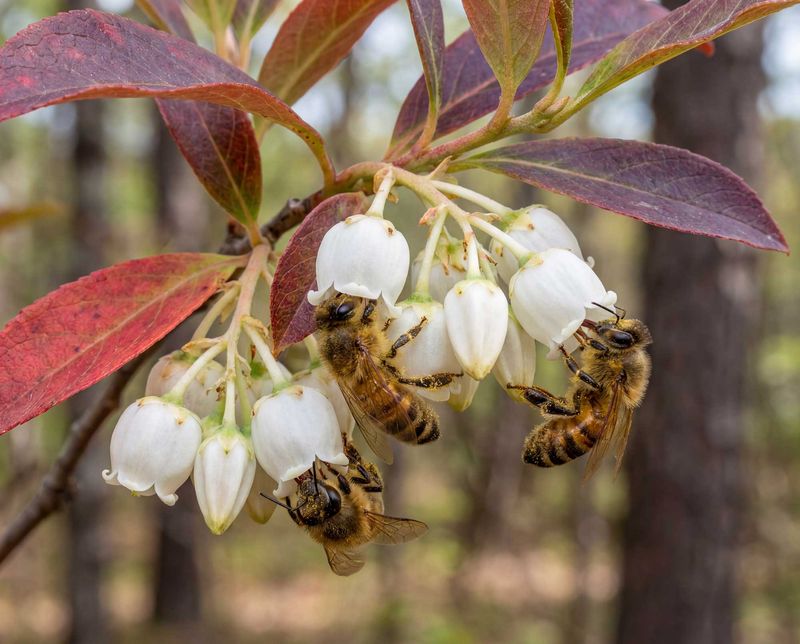
Ask any beekeeper in the North Carolina mountains about their favorite tree and sourwood will come up fast. Its droopy chains of creamy white bell flowers appear in mid to late summer, right when many other trees have finished flowering, and honeybees swarm them to make the prized sourwood honey.
That summer bloom time is the reason sourwood earns a place on this list. It fills a gap in the season when pollinators can run short on nectar, so it may help support bees and other insects through the hot, dry stretch of July and August.
Come autumn, sourwood pulls off a second act. Its leaves shift to a fiery crimson and scarlet that many folks consider the best red of any native tree in the state. Slow-growing and neat, it settles in nicely at the corner of a yard where you can watch it change through the seasons.
4. Fringe Tree (Chionanthus virginicus)
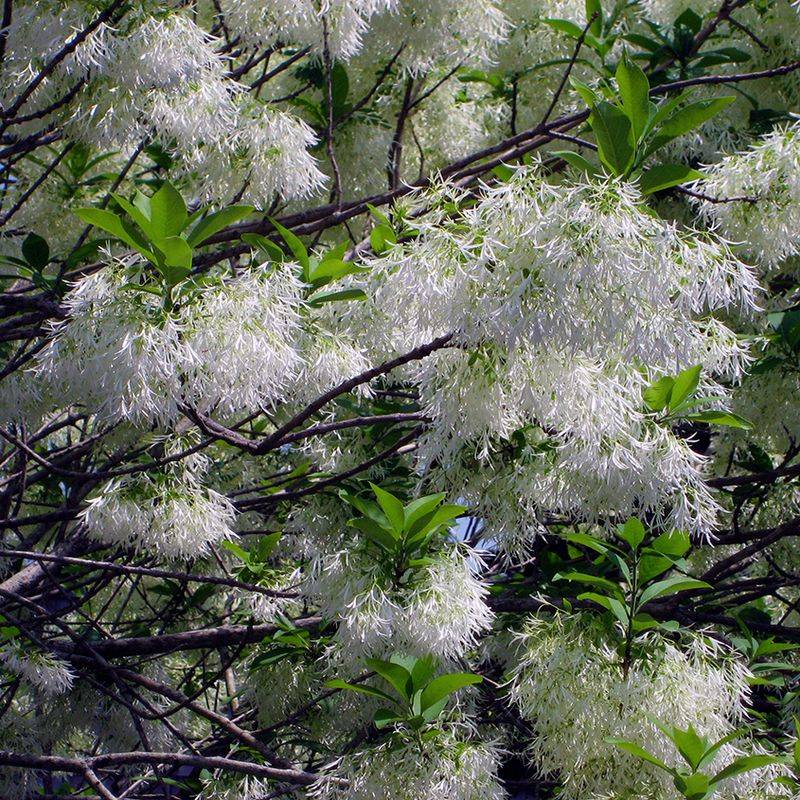
Nicknamed “grancy graybeard” and “old man’s beard” across the South, the fringe tree drapes itself in wispy clouds of white, ribbon-like petals every May. Up close the blooms look almost feathery, and on a warm evening they give off a light, sweet fragrance that carries across the yard.
Those fragrant flowers are a magnet for native bees and other early-summer pollinators. Female trees follow up with dark blue, olive-shaped fruits in late summer that bluebirds, mockingbirds, and other songbirds happily gobble up.
Staying compact at around 12 to 20 feet, the fringe tree works well tucked beside a porch or planted where its blooms can be seen from a window. It handles both the sandy soils of the coastal plain and heavier Piedmont clay without complaint. If you want something a little unusual that still earns its keep for wildlife, this underused native deserves a serious look.
5. Serviceberry (Amelanchier arborea)
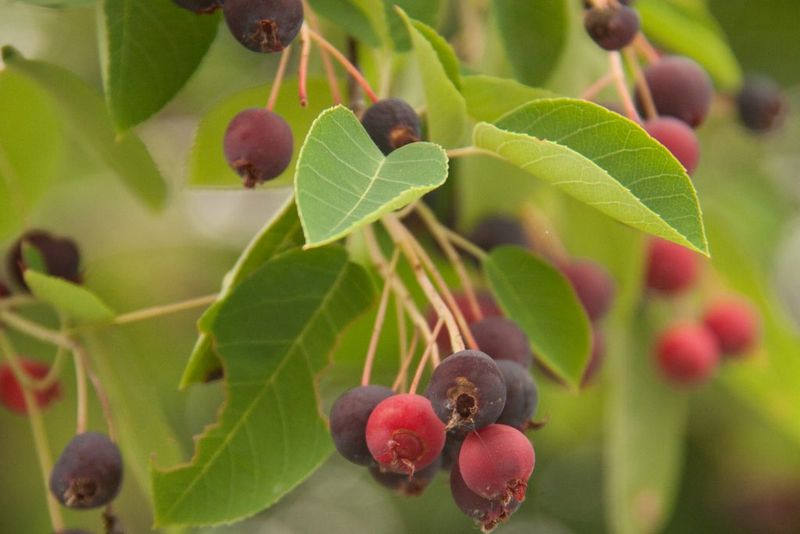
Serviceberry does a little bit of everything, which is exactly why it belongs here. In early spring it opens with a flurry of delicate white flowers, and those blossoms bring in native bees hunting for some of the first nectar of the year.
Then comes the real bonus: sweet, blueberry-like fruits ripen in June and turn the tree into a bird buffet. Robins, cardinals, catbirds, and cedar waxwings flock to it, and any berries you get to first taste great in muffins or straight off the branch.
The show does not stop there. Fall brings warm shades of orange and red, and the smooth gray bark adds quiet interest through winter. Adaptable and modestly sized, serviceberry fits into yards across the Piedmont and mountains, giving you four full seasons of interest plus food for pollinators in spring and birds in summer. Old-timers say it earned its name because it bloomed when mountain roads thawed enough for traveling preachers to hold spring services.
6. Red Buckeye (Aesculus pavia)
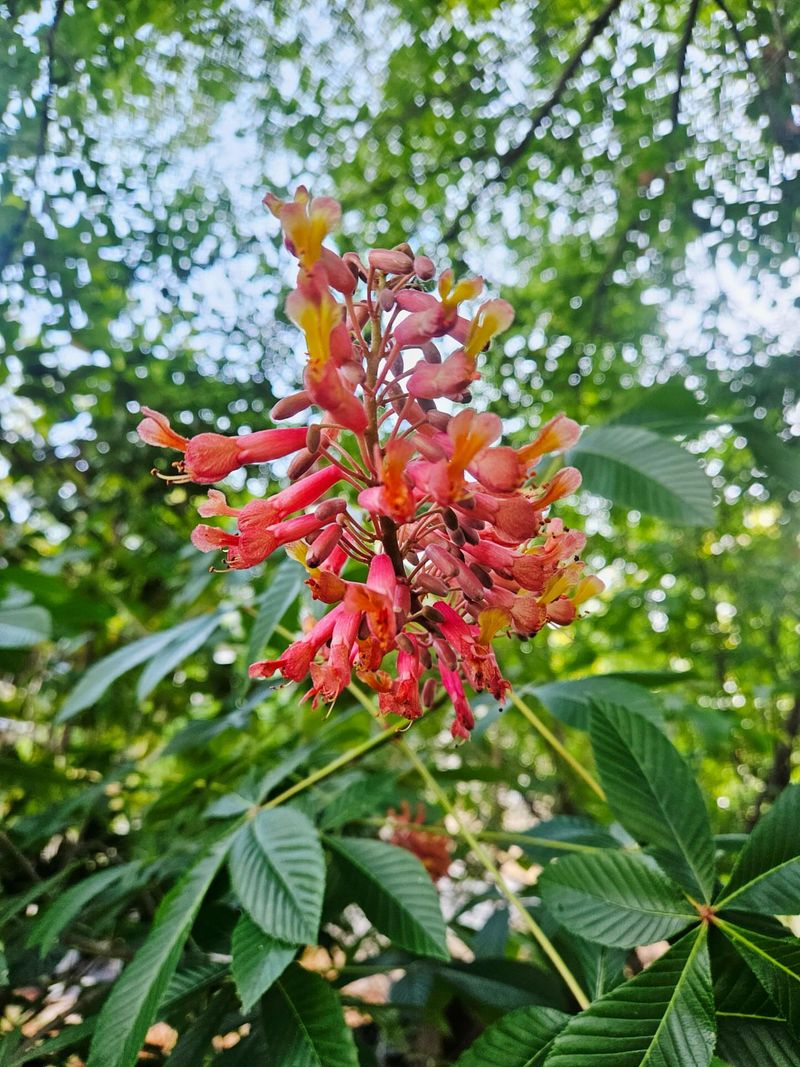
Hummingbirds and red buckeye have a standing appointment every spring. This small tree sends up showy spikes of tubular red flowers just as ruby-throated hummingbirds arrive back in North Carolina from their long migration, and the timing is no accident.
Those crimson blooms are built for hummingbird beaks, but native bees drop by too, making the red buckeye a lively hub of activity in April. Few native trees offer such bold red color this early in the year.
It stays small, often growing more like a large shrub at 10 to 20 feet, so it slides easily into a corner of the yard or a woodland border. A word for families: the shiny seeds are toxic if eaten, so plant it where curious little ones and pets are not likely to snack. Give it some afternoon shade and moist soil, and this understory gem will reward you with a front-row seat to the hummingbird show year after year.
7. American Basswood (Tilia americana)
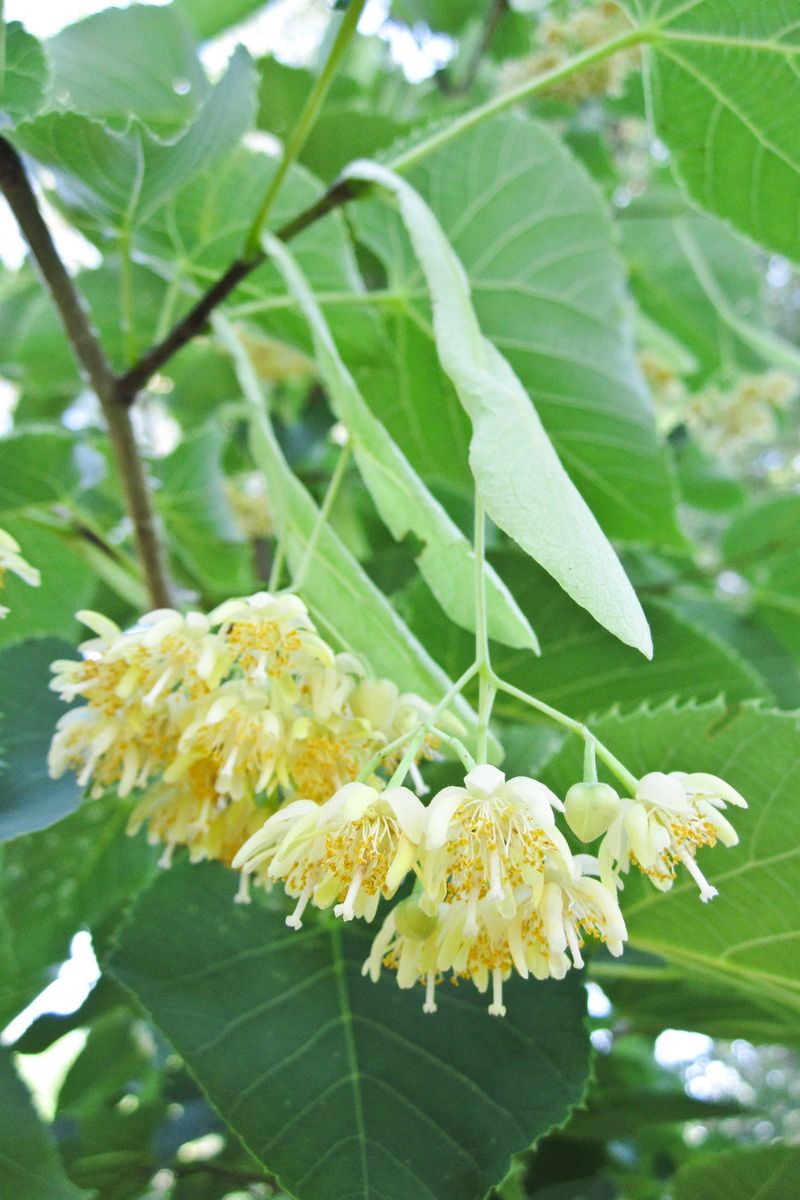
If you want a tree that practically hums, plant an American basswood. In early summer its clusters of pale yellow, deeply fragrant flowers draw so many bees that you can often hear the whole canopy buzzing from the ground.
Beekeepers call it a “bee tree” for good reason, and it can support enormous numbers of honeybees and native pollinators during a short but intense bloom. The nectar flow is famous enough that basswood honey has its own devoted following.
Unlike the smaller trees on this list, basswood grows into a big, stately shade tree, reaching 60 to 80 feet with a broad, leafy crown and large heart-shaped leaves. That makes it a fine choice for a spacious yard where you want cooling shade and a summer pollinator party rolled into one. It also serves as a host plant for several native moth caterpillars, which in turn feed the baby songbirds nesting nearby.