
When that first blue norther blows through and the temperature drops thirty degrees by supper, something fun happens in your backyard. Birds that spent the summer up north start dropping in at Central Texas feeders, hungry and ready to stay a while.
Knowing who to expect helps you stock the right seed and spot the visitors you might otherwise miss. Here are seven winter guests worth watching for from your kitchen window.
1. American Goldfinch
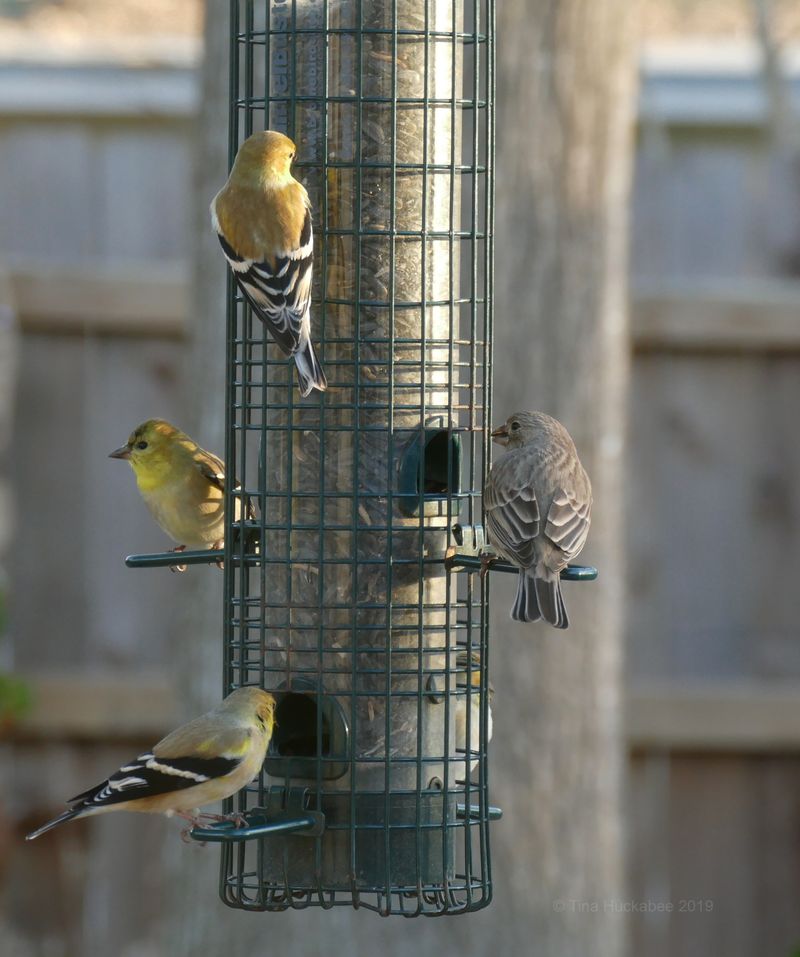
Forget the bright lemon-yellow birds in field guides. The goldfinches that pile onto Texas feeders in winter wear a dull olive-tan coat, so plenty of folks never realize who they are.
They usually arrive in chatty flocks of a dozen or more, often in December, and they can empty a thistle sock in a day. A tube feeder filled with nyjer seed or fine sunflower chips is the easiest way to bring them in.
Stick around until March and you may catch the males molting into patchy gold before they head north. It looks like they are getting dressed for a party they plan to attend somewhere else.
2. White-crowned Sparrow
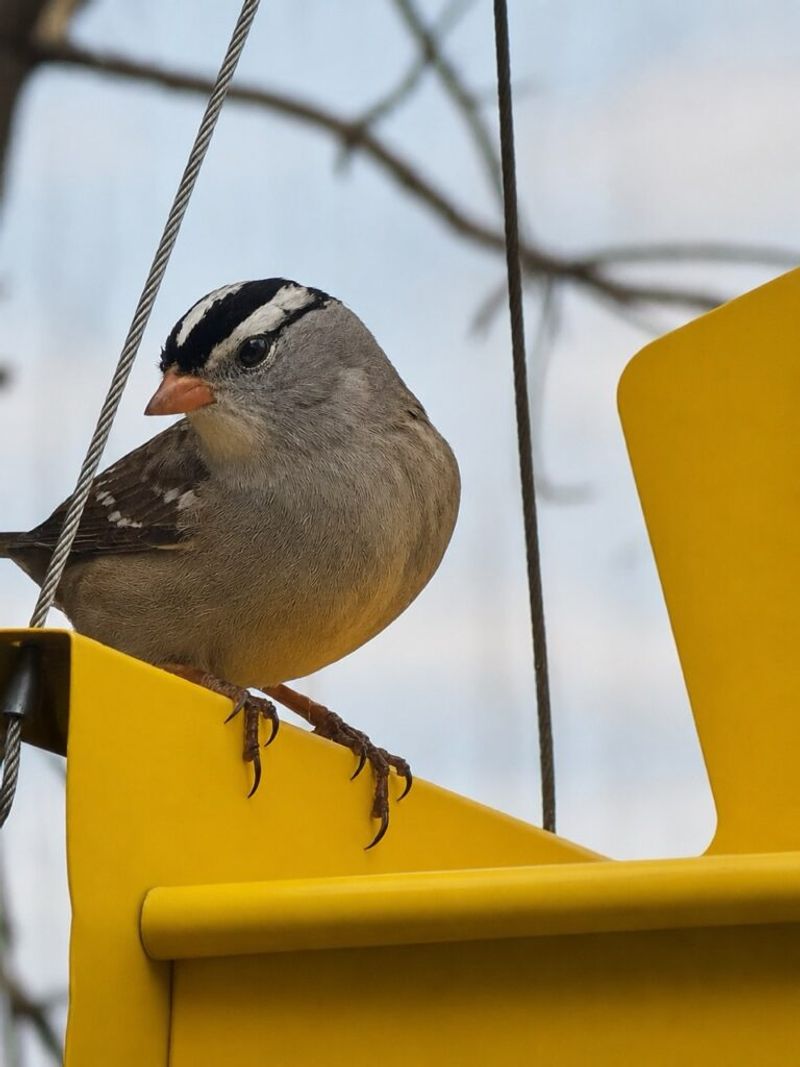
Picture a little brown bird wearing a referee’s cap. Those crisp black-and-white head stripes make the white-crowned sparrow one of the easiest winter sparrows to name, even for beginners.
You will rarely see one clinging to a hanging feeder. They prefer to scratch on the ground underneath, picking up millet and spilled seed, and they love having a brushy hedge nearby to dash into.
Young birds show brown and tan stripes instead of black and white, so do not be fooled if the flock looks mixed. Listen for their sweet, wheezy whistle on cold mornings, a song that sounds a bit like a lazy question.
3. Yellow-rumped Warbler
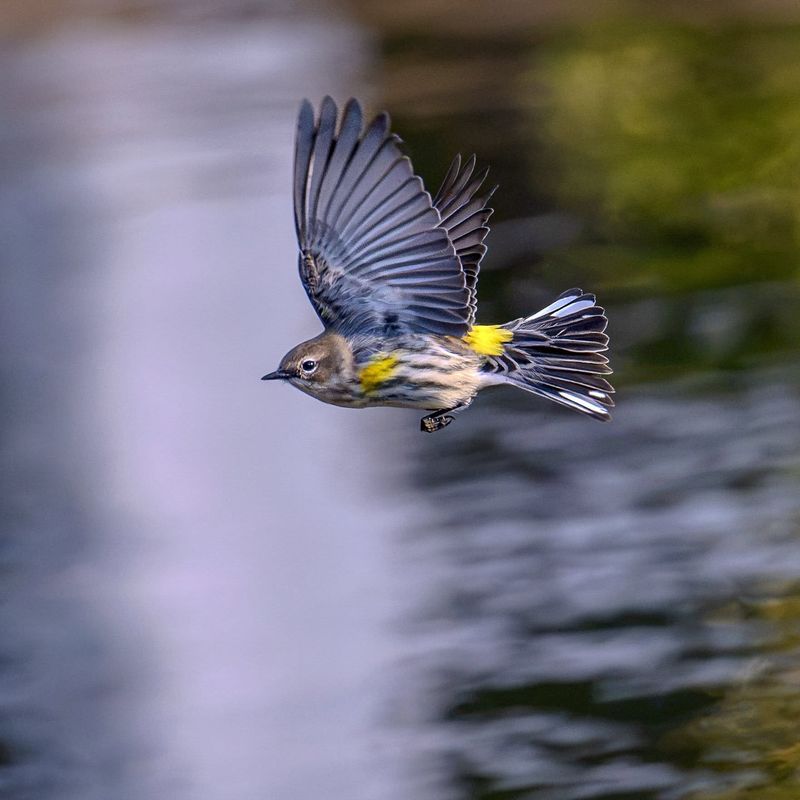
Birders call them butter-butts, and once you see that bright yellow patch flash as one flies off, the nickname sticks forever.
Most warblers skip Texas in winter, but yellow-rumps are tough little birds. They can digest the waxy berries of wax myrtle and poison ivy, which lets them hang around when insects get scarce.
At the feeder, they go straight for suet, peanut butter mixes, and mealworms. Hang a suet cake near a tree and you may see one hover like a tiny helicopter before grabbing a bite.
4. Ruby-crowned Kinglet
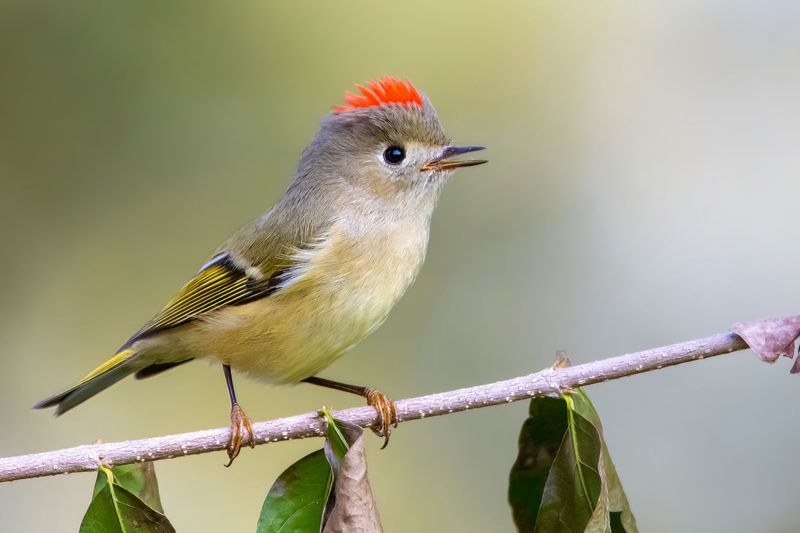
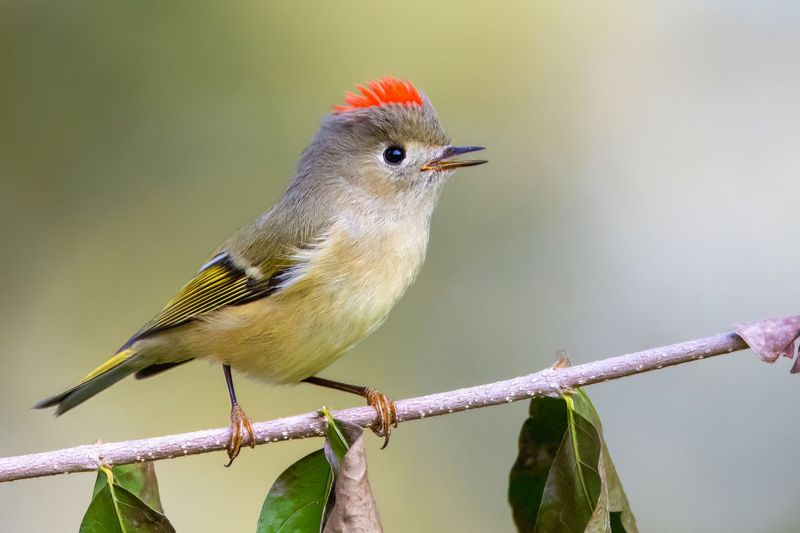
Blink and it is gone. The ruby-crowned kinglet weighs about as much as two pennies, and it almost never sits still.
Watch for a tiny greenish bird with a white eye ring that nervously flicks its wings over and over. That twitchy habit is the best clue, since the red crown patch only pops up when a male gets excited or annoyed.
Kinglets mostly hunt bugs in shrubs and live oaks, but they will nibble suet on chilly days. If you hear a scolding chatter coming from a bush, look closely.
A loud song from such a small bird surprises almost everyone. In late winter, males practice it before leaving for northern forests.
5. Dark-eyed Junco
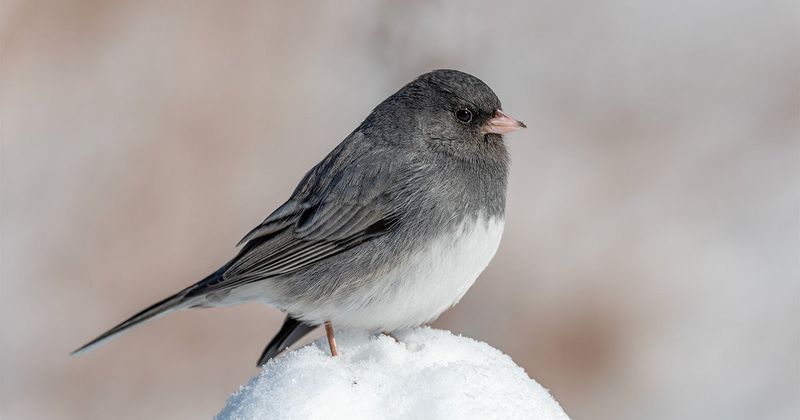
Old-timers called them snowbirds, and in Central Texas they really do seem to ride in on the coldest fronts. Some years you get lots, and some years only a handful.
Look for a slate-gray bird with a clean white belly and a pale pink bill. When one takes off, it flashes white outer tail feathers, almost like a little signal flag.
Juncos are ground feeders, so scatter white millet or cracked corn on open ground near cover. Spotting one is a small treat that makes a gray January morning feel lucky.
6. Pine Siskin
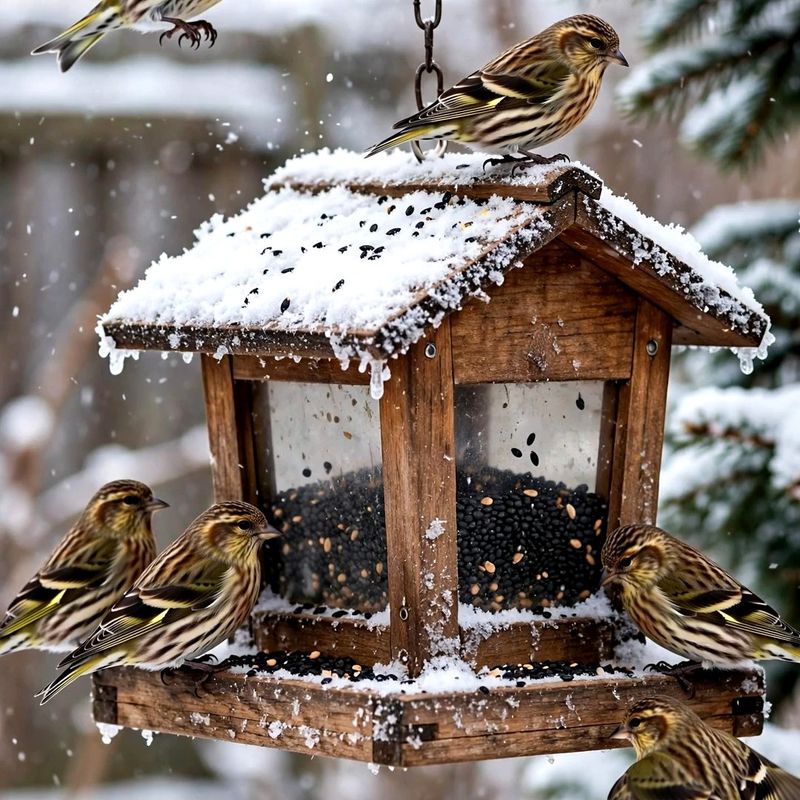
Some winters you will never see one. Other winters, dozens of streaky brown pine siskins mob your feeders like they own the place.
Scientists call these sudden waves irruptions, and they happen when seed crops fail up north. A flash of yellow in the wings and a buzzy, rising zreeee call give them away among the goldfinches.
Since they gather in tight crowds, clean your feeders every week or two with a mild bleach rinse. Siskins can spread salmonella easily, and a little scrubbing keeps the flock healthy.
7. Spotted Towhee
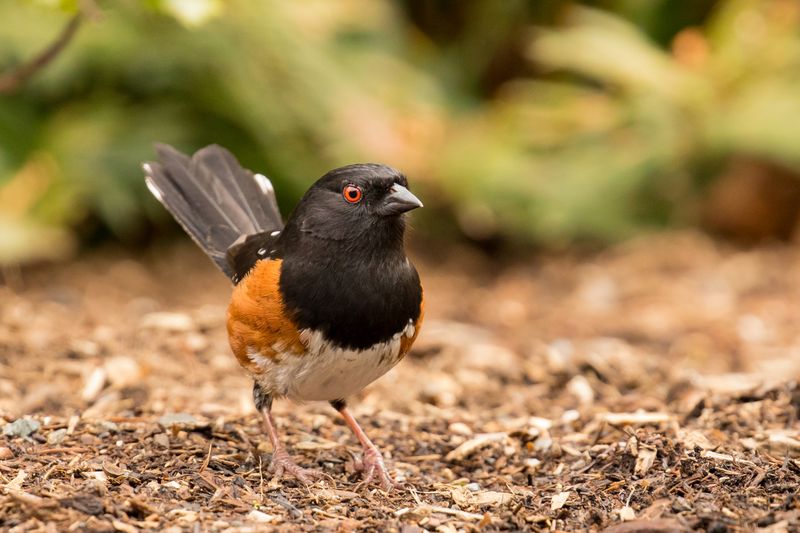
Hear loud rustling under the shrubs and assume it is an armadillo? Check again, because it might be a spotted towhee doing its famous two-footed hop-and-kick in the leaves.
This bird is a looker, with a black hood, rusty orange sides, white belly, and white spots sprinkled across its wings. Its red eye gives it a slightly fierce expression.
Towhees like messy yards, so leave a leaf pile or brush corner in place this winter. Toss some seed nearby and you might get a front-row seat to the kicking show.