
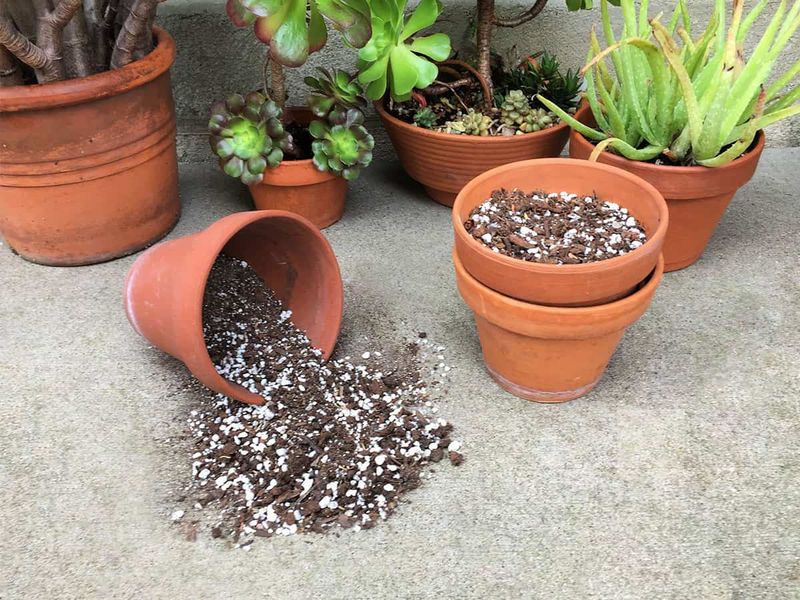
A jade plant can live for decades, but many of them end up tall, skinny, and flopping over the edge of the pot. The good news is that a stretched-out jade is not a lost cause.
With a few smart changes to light, water, soil, and pruning, you can coax it into a thick-trunked little tree that looks like it belongs in a bonsai shop. Here are nine simple fixes that really work.
1. Give It Way More Light
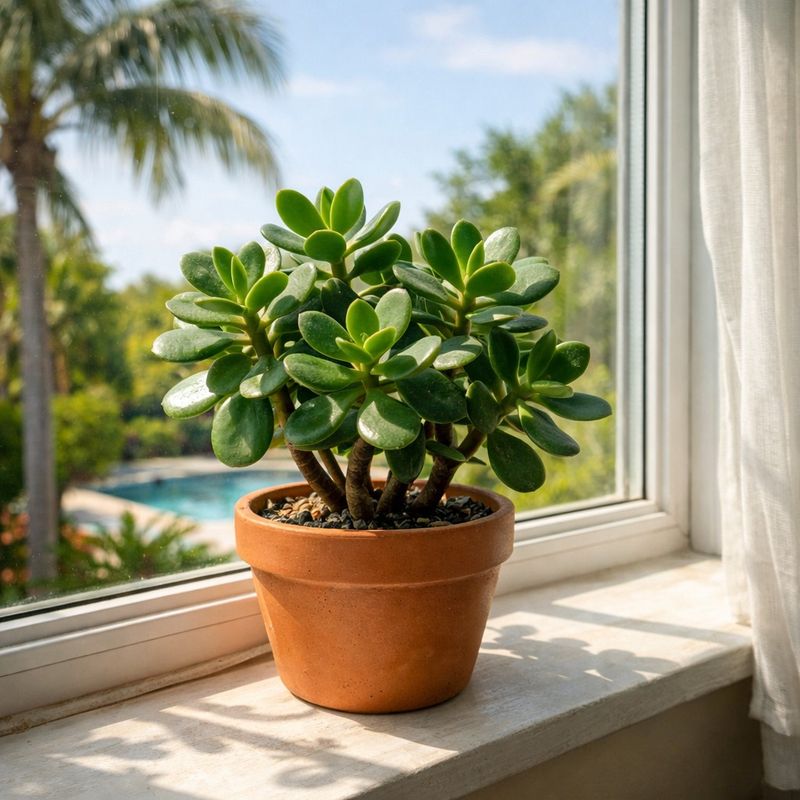
Leggy stems are a jade plant’s way of shouting that it can’t find the sun. When light is weak, the plant stretches its stems longer and longer, leaving big gaps between leaves as it reaches for a brighter spot.
Jades crave at least four to six hours of bright light every day. A south-facing or west-facing window is usually the best seat in the house.
If your home is dim, a simple LED grow light placed about a foot above the plant can make a huge difference, especially during short winter days.
Here’s a fun clue you’re on the right track. Leaves often develop pretty red or pink edges when they get plenty of sun, a kind of natural sunscreen the plant makes on its own.
That blush is a sign of a happy, well-fed jade.
Move it slowly, though. A plant used to a dark corner can scorch if you shove it straight into blazing afternoon rays.
Shift it a little closer to the window every few days over two weeks so the leaves can toughen up. Once it settles in, new growth should come in tighter, thicker, and much more compact.
2. Prune Above a Leaf Node
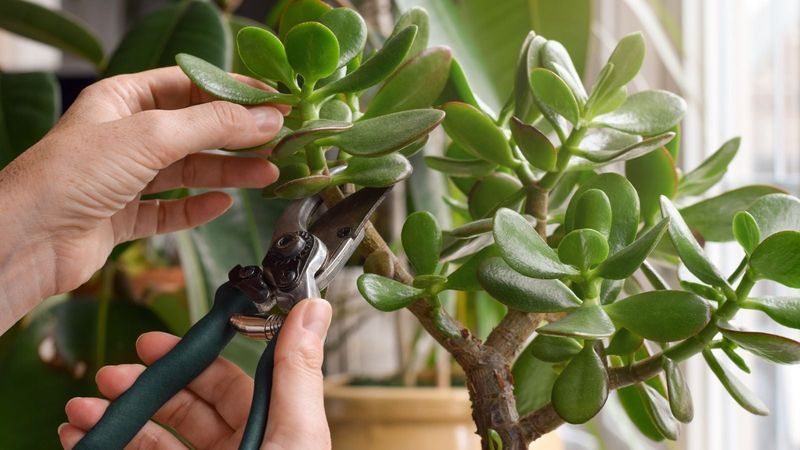
Snip, wait, and watch the magic happen. Cutting back a long jade stem feels scary at first, but it is the single fastest way to make the plant bushier.
Each spot where a pair of leaves meets the stem is called a node. When you cut just above one, the plant usually sends out two new branches right below the cut instead of one.
Do that on several stems and your skinny plant starts filling out like a tiny shrub.
Use clean, sharp snips or a knife so the stem doesn’t crush or tear. Spring and early summer are the best times to prune because the plant is actively growing and heals quickly.
Avoid heavy cutting in winter when growth slows way down.
Don’t be shy about how much you take off. You can remove up to about a third of the plant at once without hurting it.
Look at the overall shape and trim the tallest, floppiest stems first, aiming for a rounded crown.
Within a few weeks, tiny green buds will pop out near your cuts. It’s honestly one of the most satisfying things to see on a houseplant.
3. Water Deeply, Then Let It Dry
Picture the dry hills of South Africa, where jade plants grow wild. Rain comes in heavy bursts, then the soil bakes dry for weeks.
Your indoor jade wants that same rhythm.
Droopy, wrinkled leaves often mean the plant is thirsty. Soft, mushy, or yellow leaves usually mean the opposite, too much water.
Both can make a jade look tired and floppy, so getting watering right is a big deal.
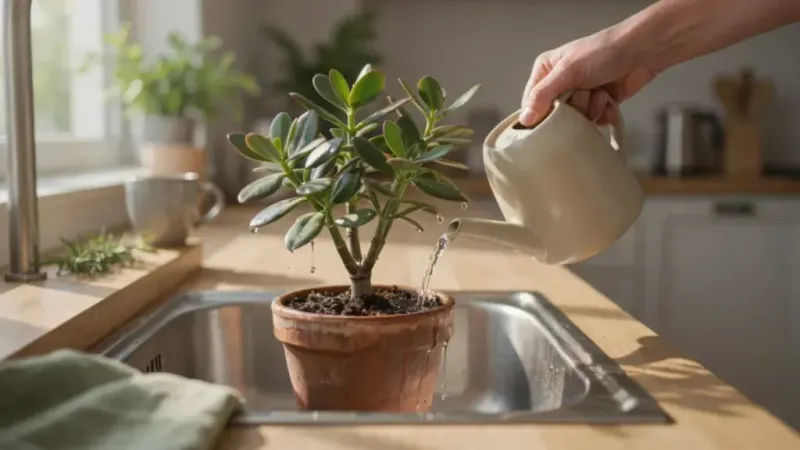
The best method is simple. Water slowly until it runs out the drainage holes, then wait until the soil is completely dry before watering again.
Poke your finger two inches into the soil to check. If you feel any moisture, hold off.
In spring and summer, that might mean watering every two to three weeks. In winter, once a month is often plenty.
Never let the pot sit in a saucer full of water, because soggy roots rot fast.
A good test is to gently squeeze a leaf. Firm and plump means it’s fine.
Slightly soft or puckered means it’s ready for a drink. After a deep soak, those wrinkled leaves often perk up within a day or two.
4. Switch to Gritty Succulent Soil
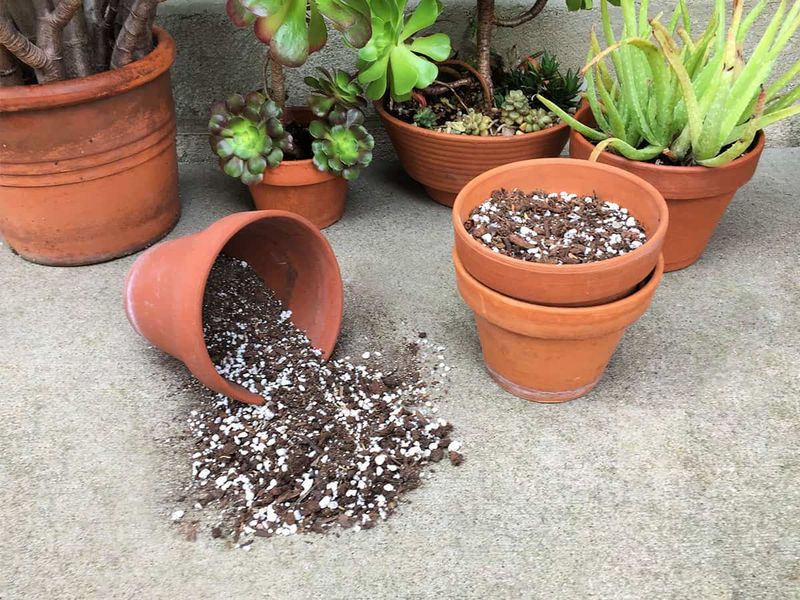
Regular potting soil is a bit like a wet sponge. It holds moisture for days, which is great for ferns but tough on a jade plant’s roots.
Jades need soil that drains fast and lets air reach the roots. A bagged cactus and succulent mix is a solid start.
For even better results, blend it with extra perlite, pumice, or coarse sand so roughly half the mix is gritty material.
Why does this matter for a sturdy plant? Healthy roots grow stronger and spread wider when they aren’t sitting in mush.
Strong roots support thicker stems, and thicker stems hold up heavy leaves without bending over.
When you repot, gently shake off the old soil and check the roots. White or light tan roots are healthy.
Brown, smelly, or squishy ones should be trimmed away with clean scissors before you plant it again.
After repotting, wait about a week before watering. That gives any small root injuries time to seal up and lowers the chance of rot.
It might feel odd to leave a fresh plant dry, but your jade is built for it and will thank you with steady, firm growth.
5. Pick a Heavy, Shallow Pot
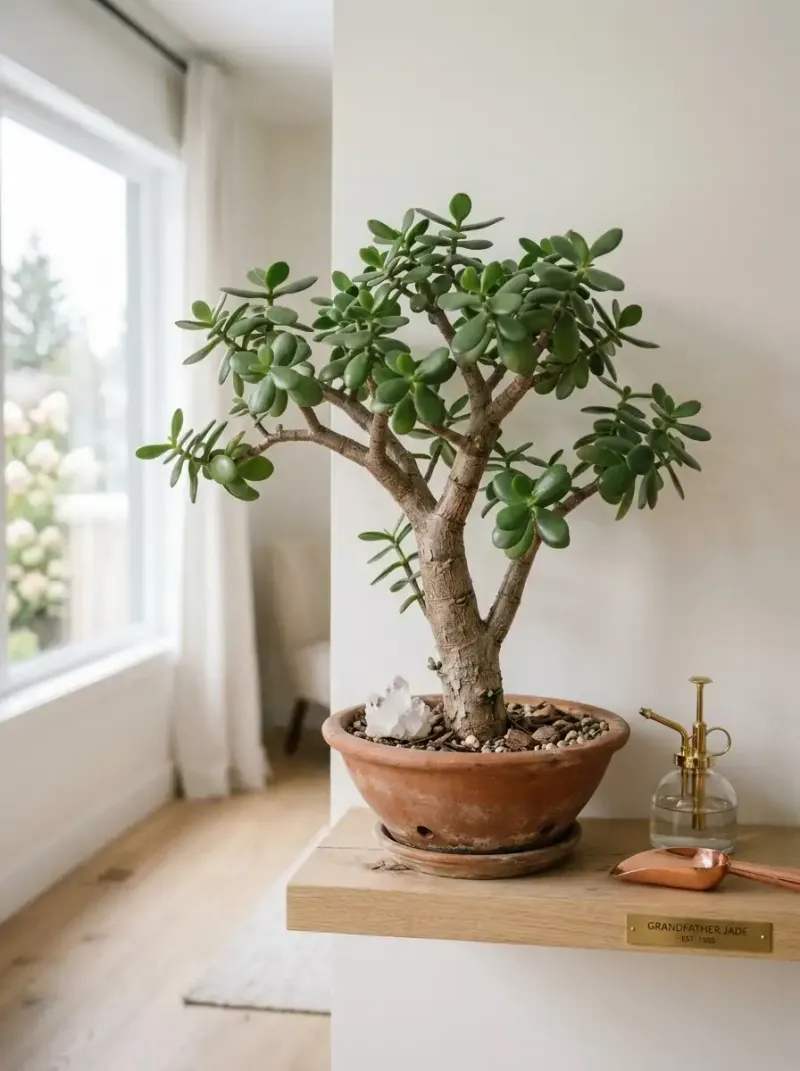
Ever had a jade plant tip over and spill dirt everywhere? Top-heavy jades are notorious for it, and the pot you choose can stop that from happening.
Terracotta or ceramic pots add weight at the base, which helps balance a plant with a heavy crown of leaves. Unglazed clay has another bonus.
It’s porous, so it pulls extra moisture out of the soil and helps the roots dry faster between waterings.
Shape matters too. Jade plants have fairly shallow roots, so a wide, shallow pot suits them better than a deep, narrow one.
Deep pots hold lots of soil that stays wet near the bottom, right where roots can rot.
Size up slowly. Go only one or two inches wider than the current pot when repotting.
A pot that’s way too big holds too much moisture and can slow down top growth while the plant focuses on roots.
And yes, drainage holes are a must. A pretty pot without a hole is a trap for water.
If you love a decorative container, slip a plain nursery pot inside it and remove it to water. Your jade will stand taller and steadier in no time.
6. Rotate the Pot Every Week
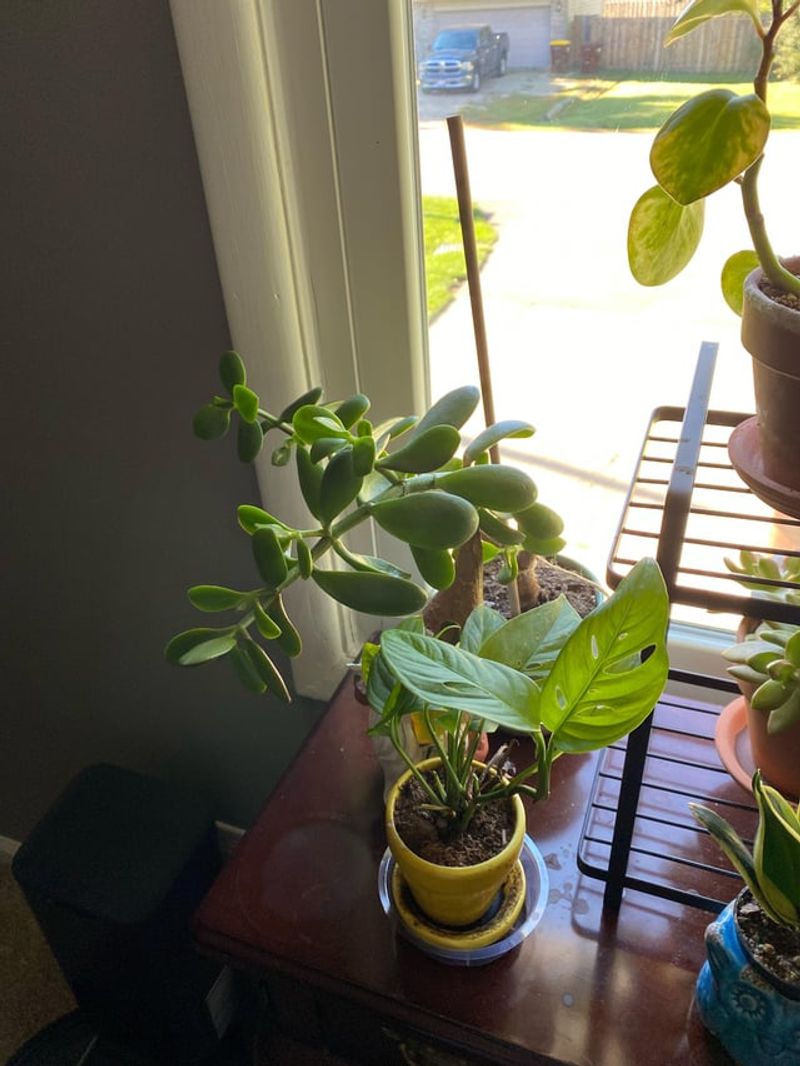
Plants are sneaky little sun-chasers. Leave a jade facing the same direction for months and it will slowly lean toward the window like it’s trying to peek outside.
That lean might look charming at first, but it causes problems. One side grows thick and full while the other side stays thin.
Over time, the plant becomes lopsided and more likely to tip or snap under its own weight.
The fix takes about two seconds. Give the pot a quarter turn once a week, always in the same direction.
Some gardeners do it every Sunday so they never forget. Others put a small sticker on the pot rim to keep track.
Rotation encourages the plant to grow evenly on all sides. Instead of one long arm stretching toward the light, you get balanced branches that form a round, tree-like canopy.
It also helps the trunk grow straight, which is key if you want that classic mini-tree look.
If your jade already leans badly, rotation alone won’t fully straighten it. Pair this habit with some pruning on the heavy side, and you’ll see a much more even shape after a single growing season.
7. Let It Summer Outdoors
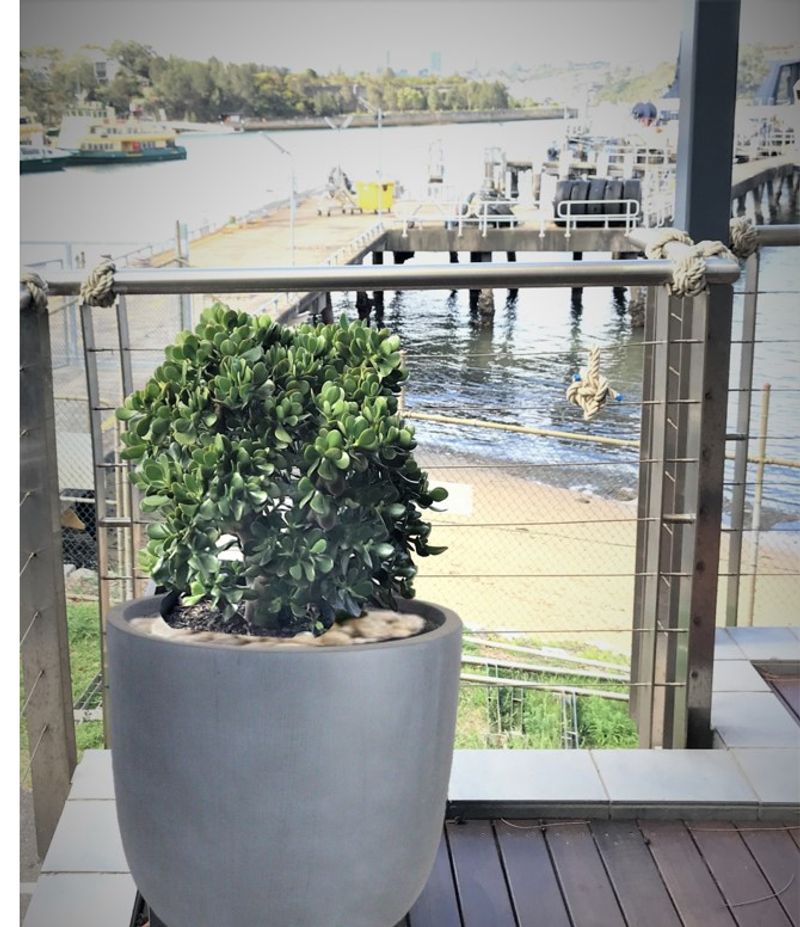
Some of the chunkiest jade plants you’ll ever see spent their summers on a porch or patio. Outdoor light is far stronger than anything coming through a window, and jades soak it up.
Once nighttime temperatures stay above 50 degrees, it’s safe to move your plant outside. Start in a shady spot for a week, then slide it into morning sun and afternoon shade.
Jumping straight into hot midday sun can leave white or brown burn marks on the leaves.
Fresh breezes help too. Gentle wind makes stems flex, and that motion actually signals the plant to build thicker, tougher tissue.
It’s a bit like exercise for your jade.
Keep an eye on the weather. Heavy rain for days in a row can waterlog the pot, so tuck it under an overhang during stormy stretches.
Check leaf undersides now and then for mealybugs, which look like tiny bits of cotton.
Bring it back inside before temperatures dip toward 40 degrees in fall. Jades can’t handle frost at all.
Many gardeners are amazed at how much sturdier and more compact their plant looks after just one summer vacation outdoors.
8. Feed Lightly in the Growing Season
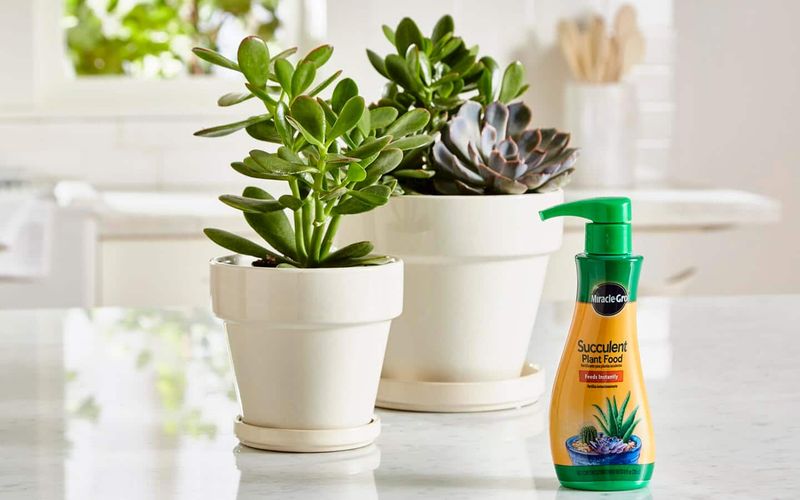
Less is more when it comes to feeding a jade. These tough succulents evolved in poor, rocky ground, so they don’t need a buffet.
Too much fertilizer actually works against you. It pushes fast, soft, floppy growth that can’t hold its own weight.
That’s the exact opposite of the sturdy little tree you’re after.
A balanced liquid fertilizer mixed at half or even quarter strength works well. Some growers prefer a formula made for cacti and succulents, which is lower in nitrogen.
Feed about once a month from spring through late summer, and only when the soil is already slightly damp so the roots don’t burn.
Skip feeding entirely in fall and winter. The plant is resting then, and extra nutrients just build up in the soil as salts.
You might spot a white crust on the soil or pot rim if that happens.
If you see that crust, flush the pot by running plain water through it for a minute or two, then let it drain fully. A light, steady diet during the warm months helps your jade grow slow, dense, and strong, the way it was meant to.
9. Root the Cuttings to Fill Gaps
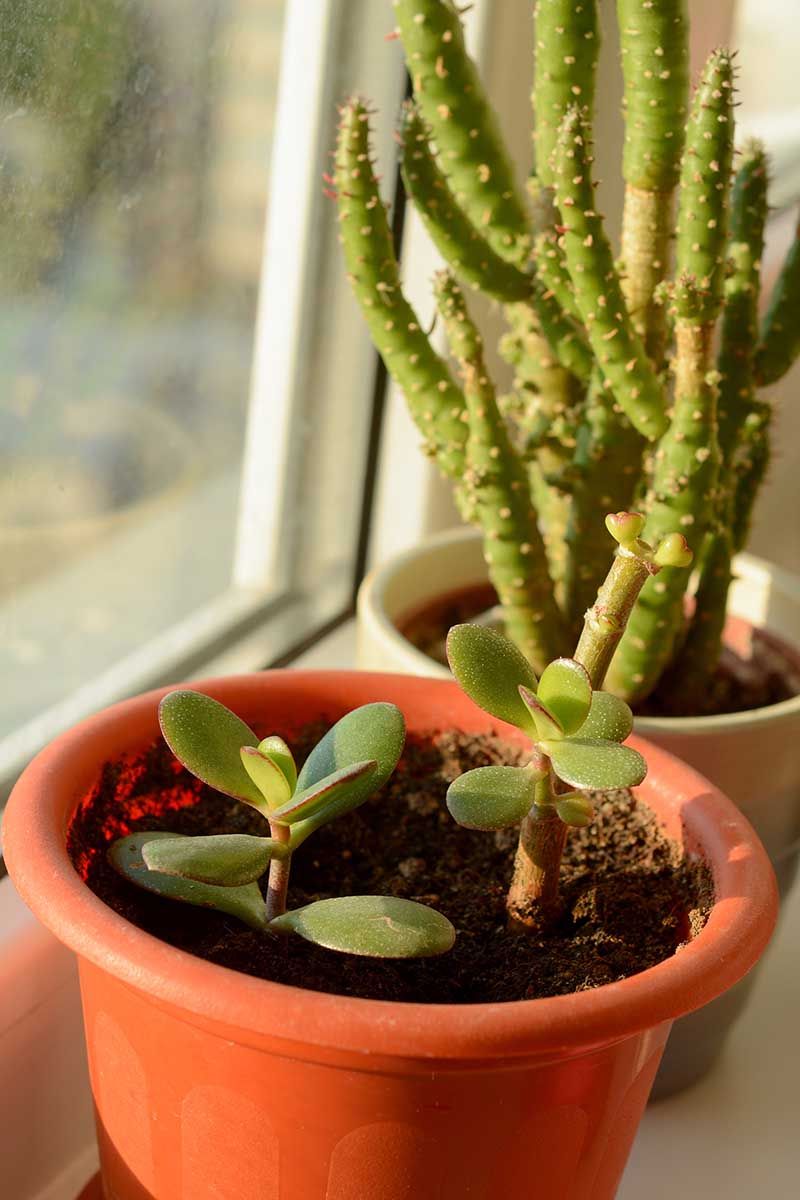
Don’t toss those pruned stems. Every piece you trim off is a free baby jade waiting to happen, and you can use them to make the original plant look fuller.
Jade plants are among the easiest succulents to propagate. Let each cutting sit on a paper towel for three to five days until the cut end dries and forms a callus.
That seal keeps rot away once it hits the soil.
Next comes the clever part. Tuck a few cuttings right into the same pot, around the base of the bare, leggy trunk.
Push them about an inch into dry gritty soil and wait a week before giving a light drink.
Roots usually form in two to four weeks. Give a gentle tug, and if you feel resistance, they’ve taken hold.
Soon those new stems grow up and fill in empty spaces, turning a single scraggly stalk into a lush cluster.
Fun fact, jade plants are often called money plants and are given as good luck gifts. Extra cuttings make great presents for friends and neighbors.
Pass them along with a few of these tips, and you might start a whole jade-loving streak in your circle.