
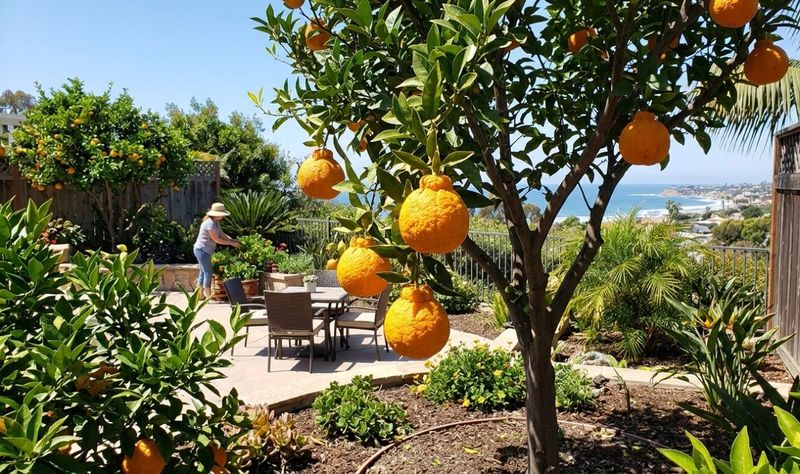
Yes, a satsuma orange tree can grow outdoors in coastal North Carolina, and the best place for it is a sunny, well-drained spot beside the south or southeast side of your house. A wall or windbreak there holds a little extra warmth and blocks cold wind.
Winter still decides how it all turns out, so a few smart choices matter. Here is how to pick the spot, plant the tree, and get it through the freezes.
A sheltered yard can support a satsuma
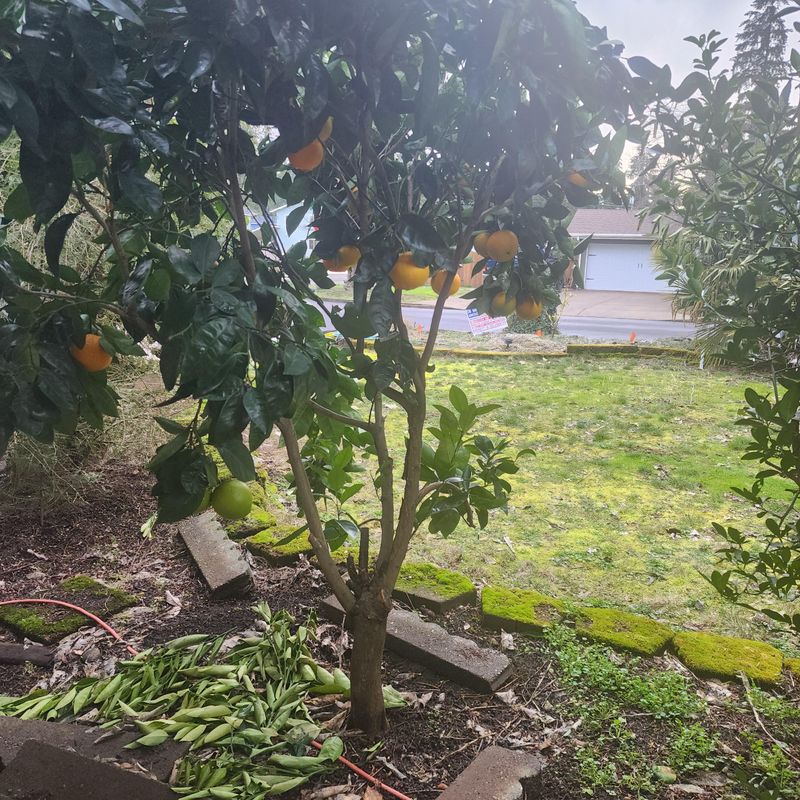
A satsuma can live outdoors in a favorable coastal North Carolina yard. The best odds go to a tree with shelter, plenty of sun, and a site that does not collect cold air.
Living near the water helps some yards, but it does not make every yard a good one.
The official advice is more careful than backyard success stories. NC State Extension’s tree fruit guidance notes that winter temperatures in eastern North Carolina can reach 20°F, and citrus is not on its recommended list of eastern fruit crops.
A Wayne County Extension article on fruit trees takes a similar practical view. So a satsuma is a gamble you can improve, not a standard recommendation.
Hardiness zone maps can make this feel simpler than it is. USDA explains how to use its maps, and the zones are built from the average yearly extreme minimum temperature.
Your yard can still see a colder night than that average suggests, especially in a dip or an open, windy spot.
Coastal North Carolina is not one single climate. A yard near the sound, a yard on the open beach side, and a yard farther inland can behave very differently on the same January night.
That is why walking your own property matters more than a zone number.
Look at where the sun lands in winter, where water pools after rain, and where frost shows up first on the grass. Those clues tell you far more than a map does.
Why satsumas handle cold better than many citrus
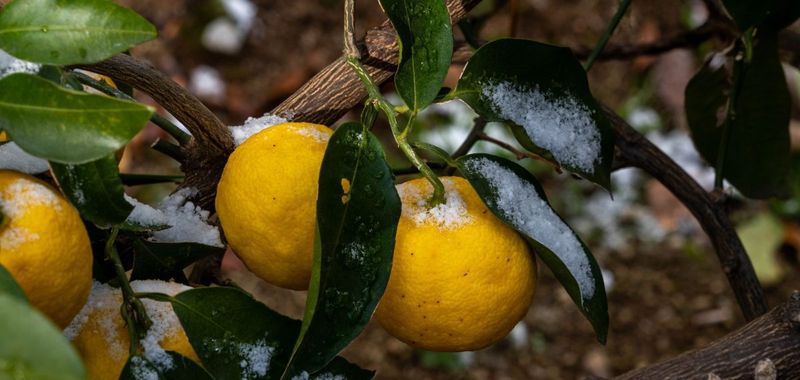
Picking the right kind of citrus is half the battle. Satsuma is a mandarin, and UF/IFAS lists cold-hardy citrus where mandarins like satsuma rank among the tougher edible choices.
Lemons and limes are far more sensitive to cold, so they are poor bets for a freeze-prone yard.
You will often see a number attached to satsuma hardiness. Mississippi State Extension lists roughly 18°F for a fully dormant satsuma tree without damage.
Treat that as a reference point for a tree in ideal condition, not a promise that your tree will be fine at 18°F.
Several things move that line up or down. A tree that has had cool weather to prepare, called acclimation, handles a freeze better than one hit by a sudden drop after a warm spell.
Young trees are more vulnerable than older, established ones, and varieties differ in how they cope.
Time matters too. A brief dip to a low temperature is very different from many hours below freezing, a point Texas A&M AgriLife’s citrus guide stresses.
A tree heavy with fruit can also fare worse than a lightly loaded one.
The takeaway is that satsuma gives you a head start over other citrus. It does not give you a free pass.
Choose a sunny spot away from frost pockets
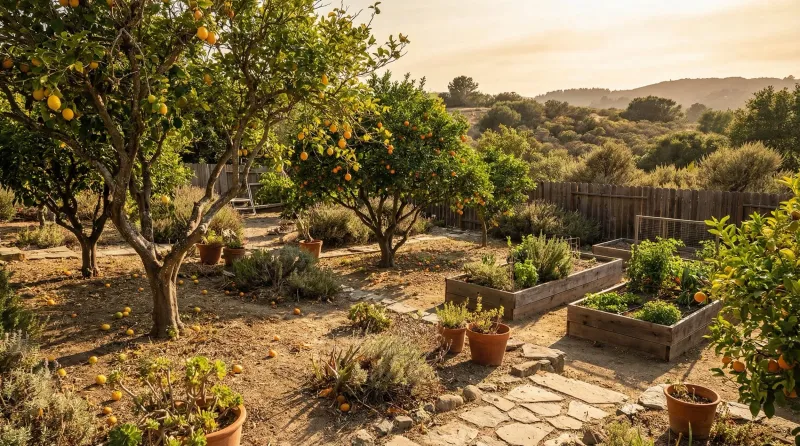
Where the tree goes may matter more than anything else you decide. Aim for a sunny, well-drained place on the south or southeast side of your house, or beside another good windbreak.
Higher ground is better than a low corner of the yard.
A wall works like a heat battery. UF/IFAS Okaloosa County Extension notes that the south side of a house can offer a warmer microclimate, and it advises avoiding low areas where cold air settles.
Cold air is heavy and flows downhill like water, pooling in dips, ditches, and the bottom of slopes.
A windbreak helps in another way. Cold wind strips warmth from leaves, so a fence, wall, or dense planting on the north and west side can soften a bitter night.
UF/IFAS cold-hardy citrus advice also points toward sheltered placement.
A simple test is to notice where frost lingers on your lawn after a cold morning. Skip those patches.
Choose a spot that thaws early and gets winter sun.
Even the best site only lowers your risk. A warm wall will not save the tree from a hard freeze on its own, so plan on protection anyway.
Plant in spring and make sure the soil drains
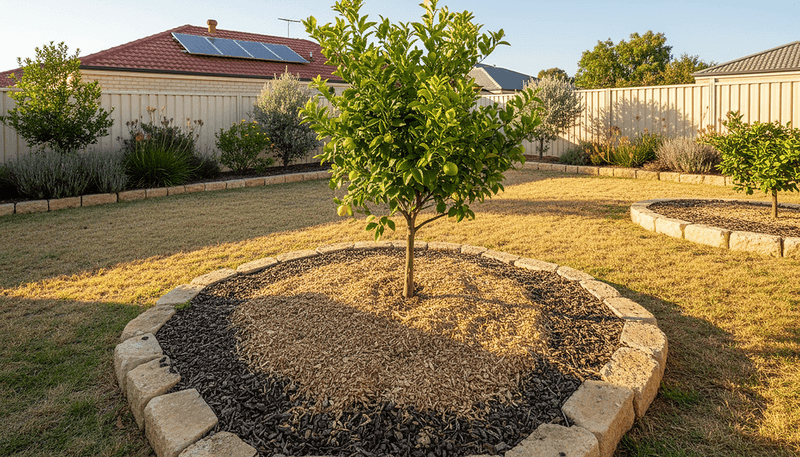
Sun and drainage go together. Citrus wants full sun and soil that sheds water, and Mississippi State Extension notes that it does poorly in standing water.
A toasty corner means little if roots sit in a soggy hole.
Coastal soils vary a lot. Some yards are sandy and drain quickly, while others hold water after storms.
Dig a test hole, fill it with water, and see how long it takes to empty before you commit to the spot.
If water lingers, plant the tree on a gentle mound so the roots sit above the wet zone. Keep the graft union well above the soil line, and avoid piling mulch against the trunk.
Timing counts as much as soil. UF/IFAS recommends planting new citrus early in spring, which gives the tree a full growing season to build roots and strength before its first winter.
Water the new tree regularly while it settles in, but let the soil surface dry a bit between drinks. A tree that goes into its first cold season well rooted is in a far better position than one planted in late fall.
Protect young trees when freezes threaten
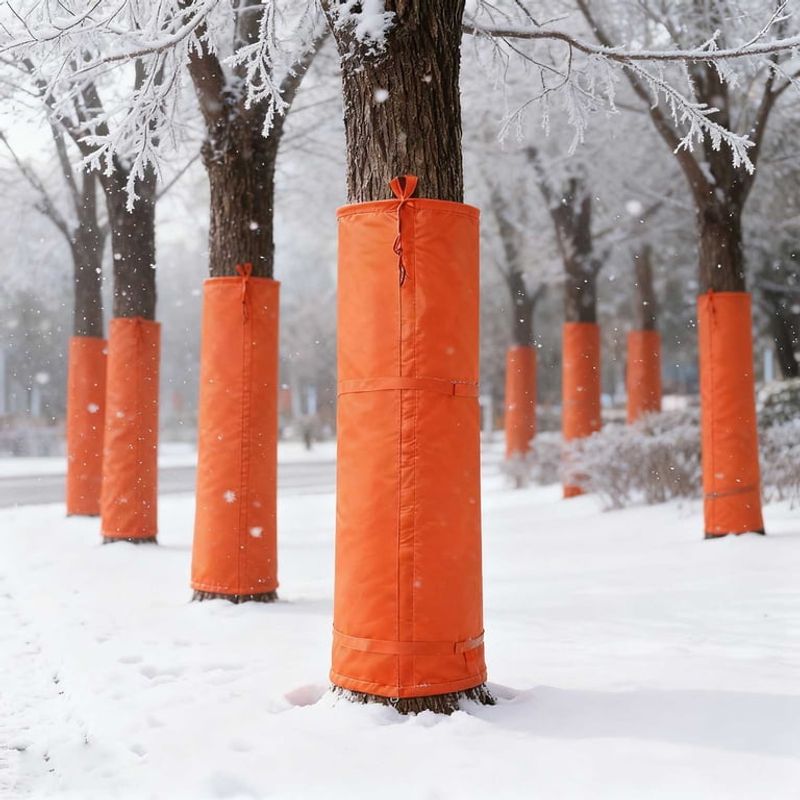
Young satsumas need the most help. Their bark is thin and their roots are small, so a freeze that an older tree shrugs off can do real harm.
Plan to protect new trees every winter until they are established.
Two moves are widely recommended. University of California Cooperative Extension advises insulating young trunks, and other citrus guidance suggests covering trees during cold events.
A frost cloth or blanket draped to the ground traps some ground heat, and you should remove it when temperatures climb.
Watch your fertilizer calendar as well. Mississippi State Extension warns that nitrogen applied late in the season can push tender new growth that cold easily damages.
Feed in spring and early summer, then stop.
You may hear about running sprinklers over trees. It is not a simple homeowner fix.
Texas A&M AgriLife explains that it must start before the critical temperature and run without a break until thawing conditions return. If it is interrupted or done wrong, it can raise injury, and ice can load up and snap limbs.
A sheltered spot is a good start, but it does not replace these steps. Keep covers, trunk wraps, and a weather app ready before the first cold snap arrives.
The tree may survive while the fruit does not
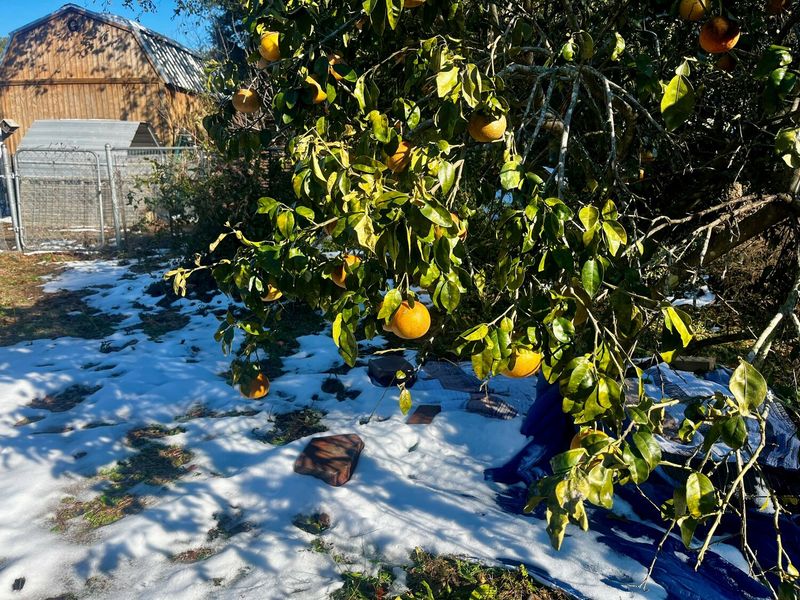
Picture a morning after a hard freeze. The tree is standing, but the fruit is mushy or dry inside.
That is a common outcome, because Mississippi State Extension notes that fruit is injured at warmer temperatures than the tree itself.
So survival and harvest are two different goals. A satsuma may lose its crop, drop leaves, or suffer damage to the upper branches and still recover.
Treat any year with fruit as a bonus rather than something to count on.
How long the cold lasts matters, along with how the weather behaved beforehand. A short dip is gentler than a long stretch below freezing, and a sudden plunge after mild days hits harder.
Check a few fruits by cutting them open to see whether the segments look dry or watery.
Resist the urge to grab the pruners right away. Texas A&M AgriLife advises waiting until spring dieback is evident.
Leaves that look dead may hide living wood, and cutting early can remove branches that would have leafed out.
When new growth finally starts, trim back to healthy green wood. Patience here saves branches and gives you a clear picture of what the tree really lost.
Decide whether your yard is worth the effort
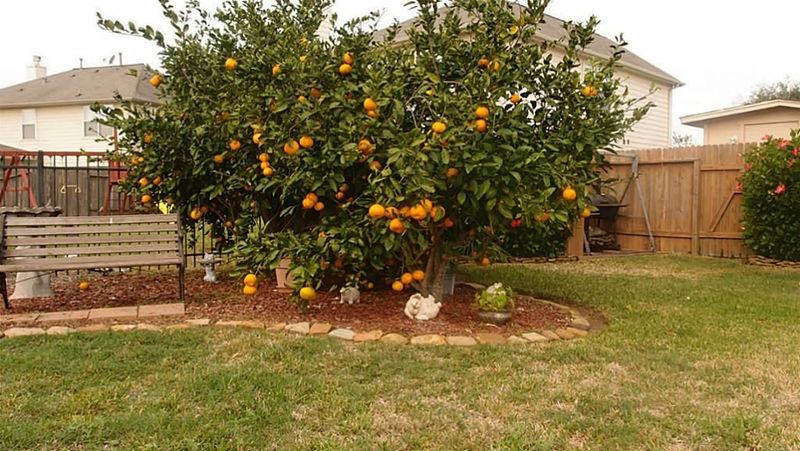
Walk your yard and score it honestly. Look for full sun, soil that drains, higher ground, and shelter from a wall or windbreak, the kind of setup UF/IFAS Okaloosa County Extension describes.
If it passes, a satsuma is the sensible citrus to try, and you should be ready to cover it when a freeze is forecast.
A good spot improves your odds, but it cannot promise survival through every severe freeze or a dependable harvest, as Mississippi State Extension makes clear. Some winters you will be rewarded, and some you will be wrapping branches in the dark.
If that sounds like a fair trade, the sunny corner by the house may be ready for its tree.