
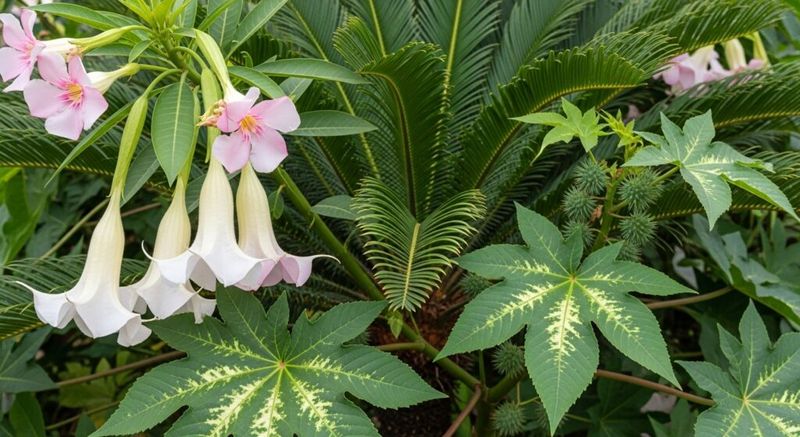
Some of the prettiest plants in Florida yards can be risky for kids, pets, or curious visitors. A shrub by the driveway, a vine on the fence, or a bright flower near the patio may be more dangerous than it looks. The good news is that Florida has beautiful native plants that can do the same garden job with less worry. Here are seven common toxic plants to rethink, plus safer native swaps that still handle our sandy soil, heat, storms, and wildlife needs.
1. Oleander swapped for Simpson’s stopper
Few plants look as calm and tidy as oleander along a sunny Florida fence, which is exactly why it can slip under the radar. Its flowers can be pink, white, red, or yellow, and the shrub shrugs off heat, salt spray, and sandy soil like a seasoned local.
The problem is that every part of oleander is highly toxic if eaten, including leaves, stems, flowers, and even dried clippings. That matters in yards where dogs chew sticks, children pick pretend bouquets, or storm cleanup leaves broken branches scattered across the lawn.
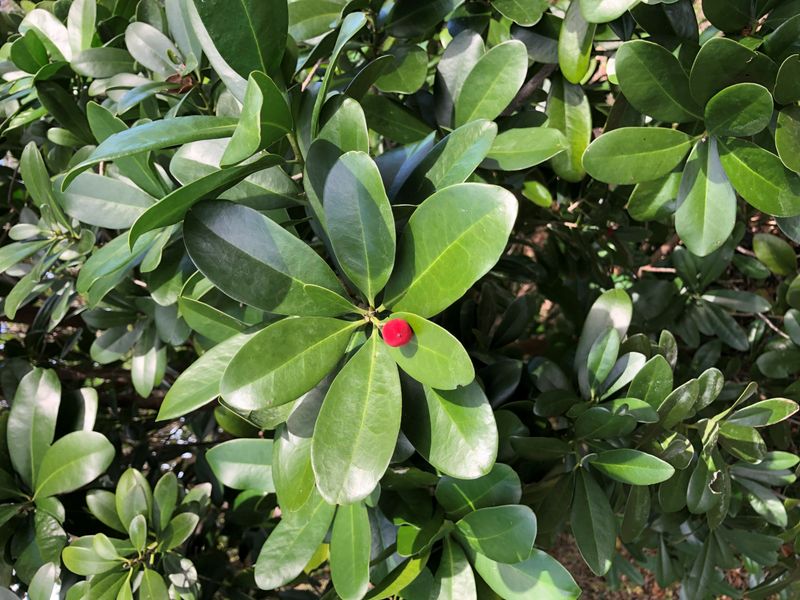
For the same evergreen screen or foundation-plant role, Simpson’s stopper is a much safer Florida native choice. It forms a handsome shrub or small tree, has fragrant white flowers, and produces orange-red berries that birds appreciate.
In many Florida yards, Simpson’s stopper feels less stiff than oleander but still looks polished near patios, walkways, and property lines. Once established, it handles drought reasonably well, tolerates pruning, and fits the low-maintenance style many homeowners want.
2. Sago palm swapped for coontie
A sago palm can make a yard look instantly tropical, even though it is not a true palm. Those stiff, glossy fronds are common beside mailboxes, pool cages, and front entries across Florida.
Hidden in that neat shape is a serious pet hazard. Sago palm is highly toxic, especially the seeds, and dogs are often drawn to them when they drop into a landscape bed.
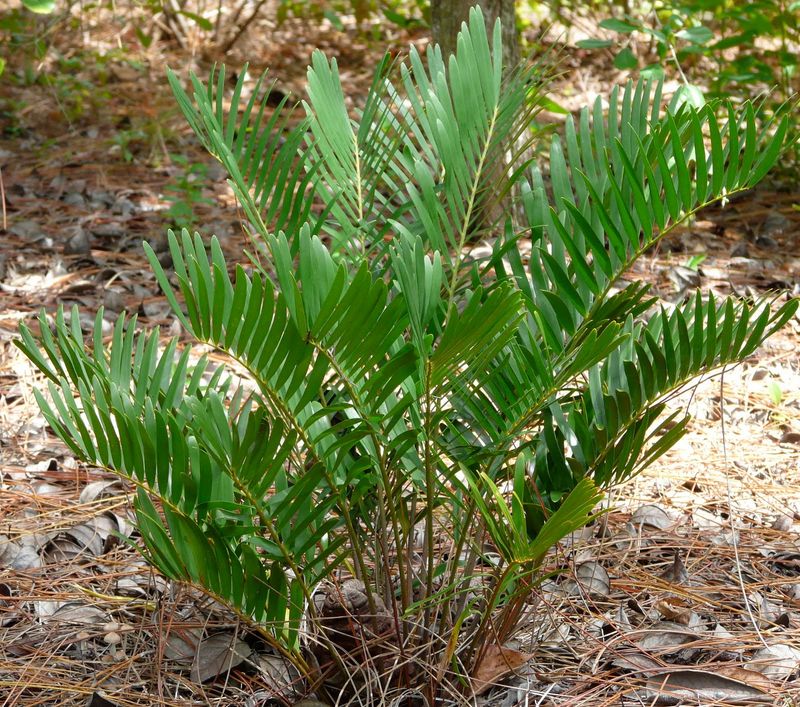
Coontie fills a very similar low, sculptural spot without the same worry. This Florida native cycad has feathery, deep green foliage that looks right at home in a tropical or coastal planting, and it stays compact enough for walkways and small yards.
There is a bonus that makes coontie more than just a safer swap. It is the larval host plant for the atala butterfly, a striking black butterfly with bright blue and orange markings that has made a comeback in South Florida landscapes.
Plant coontie in well-drained soil and give it room to spread slowly. It works especially well where you want texture without constant trimming, such as under palms, along a porch, or in a low native border.
3. Angel’s trumpet swapped for coral honeysuckle
At dusk, angel’s trumpet can feel almost magical, with huge hanging blooms and a sweet evening scent. That drama is the reason many gardeners plant it near porches, gates, or backyard sitting areas.
Beauty aside, angel’s trumpet is a risky choice for family spaces because all parts of the plant contain powerful toxic compounds. Seeds, leaves, and flowers can be dangerous if ingested, and the plant’s unusual blooms can tempt curious hands.
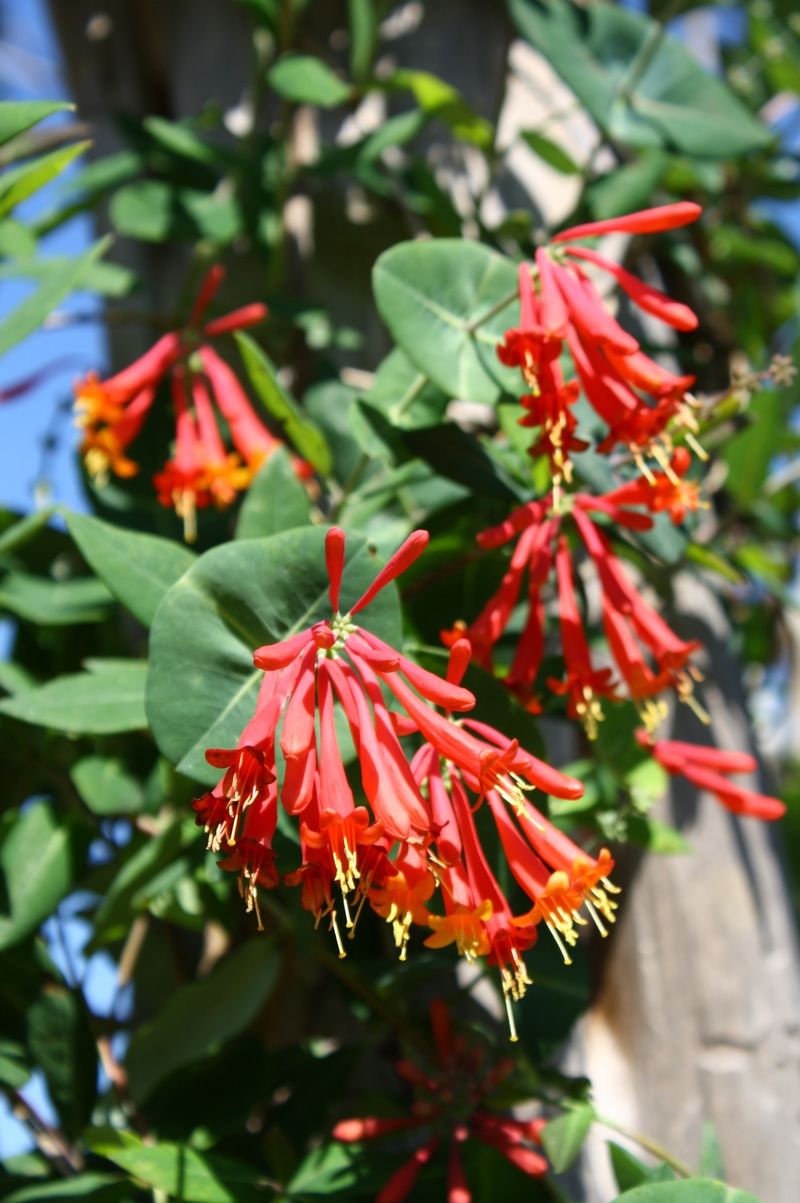
Coral honeysuckle is the native vine to reach for when you want color on a fence or trellis without inviting the same level of concern. Its red to coral tubular flowers bring hummingbirds, butterflies, and native bees into the yard, especially when planted in sun to part shade.
Unlike some aggressive ornamental vines, coral honeysuckle is easier to manage in a Florida home landscape. It can be trained on an arbor, mailbox post, or chain-link fence, and it offers a softer, more wildlife-friendly look than a wall of heavy growth.
For sandy soil, add compost at planting and water well until the vine is established. After that, coral honeysuckle becomes a cheerful, useful climber that earns its keep without the eerie downside of angel’s trumpet.
4. Lantana camara swapped for firebush
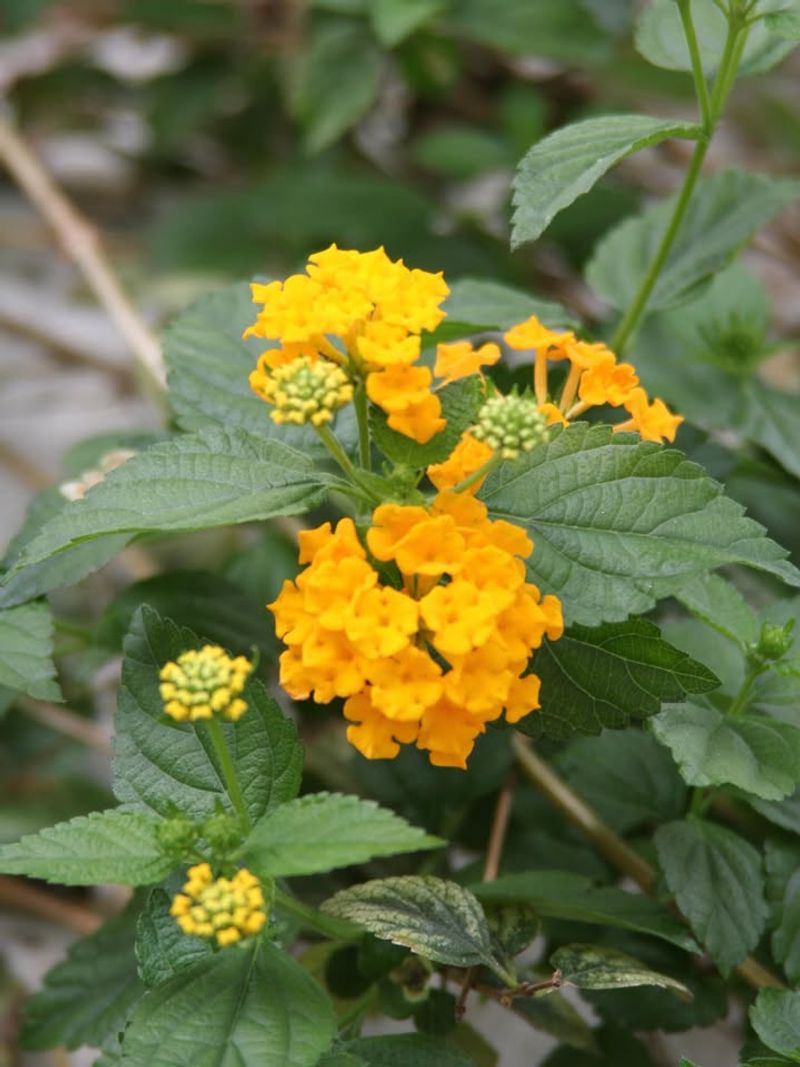
Butterflies mob lantana, and that is where the confusion starts. Many Florida gardeners remember seeing clouds of pollinators on the colorful flower clusters and assume it must be a harmless backyard hero.
The commonly sold nonnative Lantana camara can be toxic to pets and livestock if eaten, and it has also caused invasive problems in Florida. Some varieties spread by bird-dropped seeds, popping up in natural areas where they can crowd native plants.
Firebush gives you the bright, pollinator-packed effect without the same baggage. This Florida native shrub produces red-orange tubular blooms that attract hummingbirds, butterflies, and bees, and it looks especially lively during warm months.
In South and Central Florida, firebush can become a full, colorful shrub for a sunny corner or mixed hedge. In colder parts of North Florida, it may freeze back and return from the roots, which makes it useful as a dieback perennial in protected spots.
If you are replacing lantana, remove seedlings too, not just the parent plant. Then give firebush sun, space, and a little patience, and it can become the low-fuss wildlife station your yard was trying to have all along.
5. Castor bean swapped for beautyberry
There is no denying the boldness of castor bean. With giant leaves and spiky seed pods, it can turn an empty corner into something that looks like a mini jungle by the end of a Florida growing season.
That quick drama comes with a serious warning. Castor bean seeds contain ricin, a highly poisonous compound, and the plant is a poor fit for yards where children play, pets roam, or storm debris may scatter seed pods.
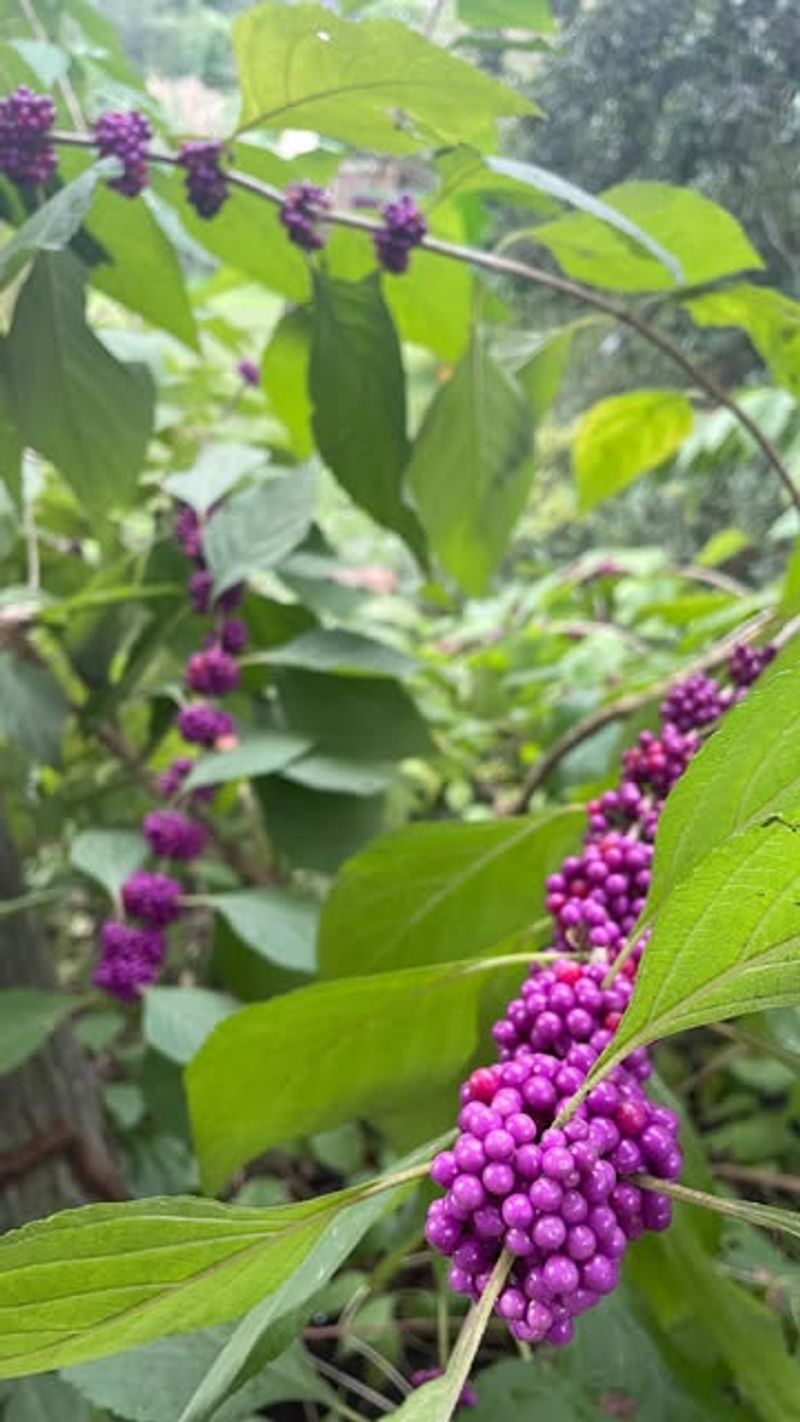
American beautyberry is the safer native for gardeners who want a big, eye-catching shrub with personality. Instead of oversized tropical leaves, it delivers arching branches lined with bright purple berries that look almost unreal in late summer and fall.
Birds love those berries, and the plant fits naturally along fence lines, woodland edges, and informal borders. It also tolerates Florida’s sandy soils better than many fussy ornamentals, especially after it has had time to settle in.
Beautyberry can be pruned in late winter if you want a denser shape, or left loose for a more relaxed, wildlife-garden feel. Either way, it gives a plain yard corner a memorable focal point without bringing castor bean’s dangerous seed problem into the picture.
6. Dieffenbachia swapped for wild coffee
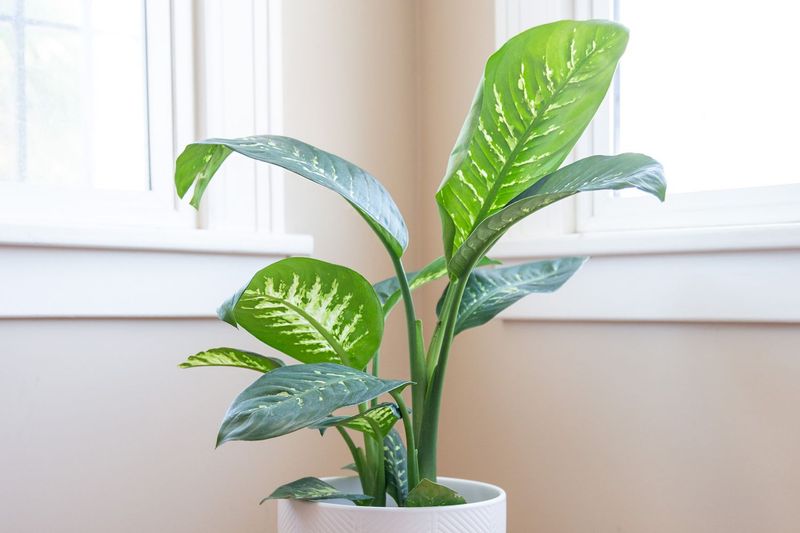
Shady Florida patios often collect leafy plants, and dieffenbachia is one of the old standbys. Its large variegated leaves brighten dark corners, so it often ends up by lanais, entryways, and covered pool areas.
Dieffenbachia contains calcium oxalate crystals that can irritate the mouth and throat if chewed. The old common name, dumb cane, came from the swelling and speech trouble it could cause, which is a clue that it does not belong where pets or kids nibble plants.
Wild coffee is a Florida native that brings the same lush, shade-loving feel in a more landscape-friendly way. It has glossy leaves, small white flowers, and red berries that can feed birds, making it useful as an understory shrub beneath oaks, palms, or taller natives.
Despite the name, wild coffee is not the coffee you drink, which makes for a handy conversation starter. Its real strength is filling dry to moderately moist shade, a tough spot in many Florida yards with tree roots and fast-draining soil.
Use wild coffee near porches, along shaded paths, or under a high canopy where you want greenery without a houseplant look. Water during establishment, mulch lightly, and it becomes a calm, native backbone for shade beds.
7. Caladium swapped for blue-eyed grass
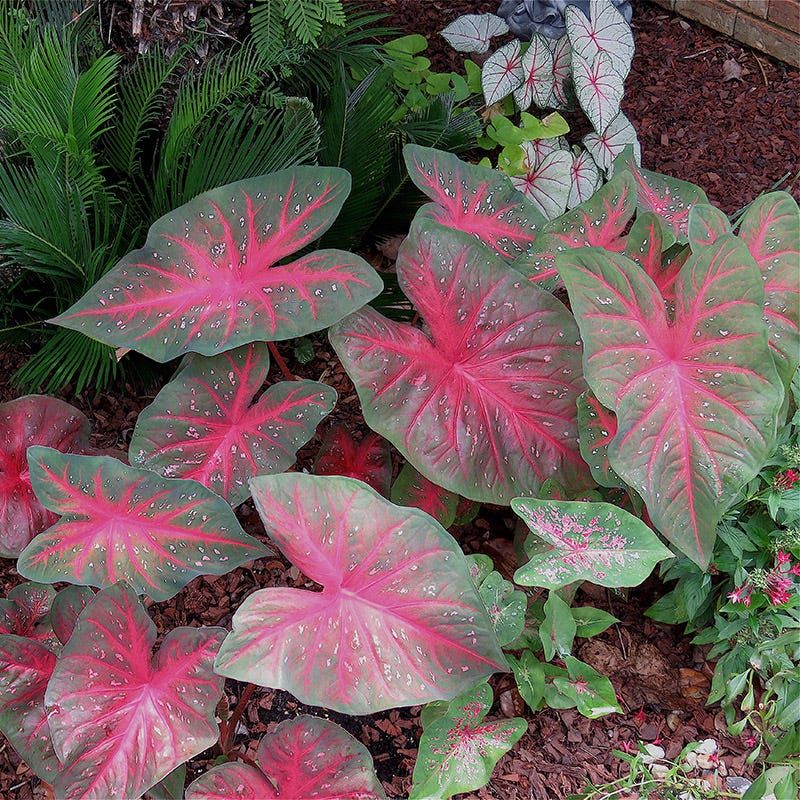
Caladiums are Florida eye candy, especially in older neighborhoods where their pink, red, and white leaves glow under oaks. They are often treated like harmless seasonal color, tucked into beds near doors, sidewalks, and patios.
The catch is that caladium leaves and tubers contain irritating oxalate crystals. Chewing them can bother the mouth and stomach of pets or children, and the hidden tubers can be easy to miss when reworking a bed.
Blue-eyed grass offers a native way to get a small, colorful edge without relying on toxic foliage plants. It is actually a small iris relative, not a true grass, and it produces charming blue to violet flowers with yellow centers.
For the same front-of-border role, blue-eyed grass works best in sun to part sun and well-drained soil. That makes it a natural match for many Florida yards where sandy soil can punish thirstier bedding plants.
The mood is different from caladium, more meadow-like than tropical, but that can be a strength. Pair it with native groundcovers, muhly grass, or blanketflower for a low, pollinator-friendly planting that feels light, seasonal, and much easier to trust near everyday foot traffic.