
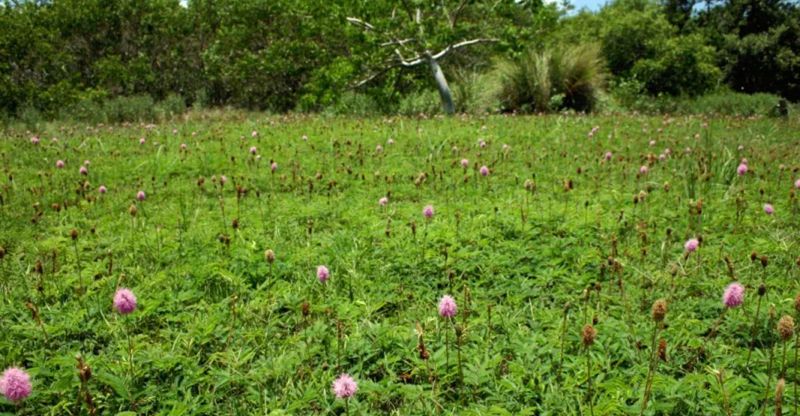
Mulch looks neat for a while, but Florida rain, heat, and sandy soil can make it disappear fast. Native ground covers can do the same job while adding flowers, wildlife value, and living roots that hold soil in place. The right plants spread across bare beds, cool the ground, and cut down on weeds without constant re-buying. Here are eight Florida natives that can turn empty spaces into living mulch.
1. Sunshine Mimosa
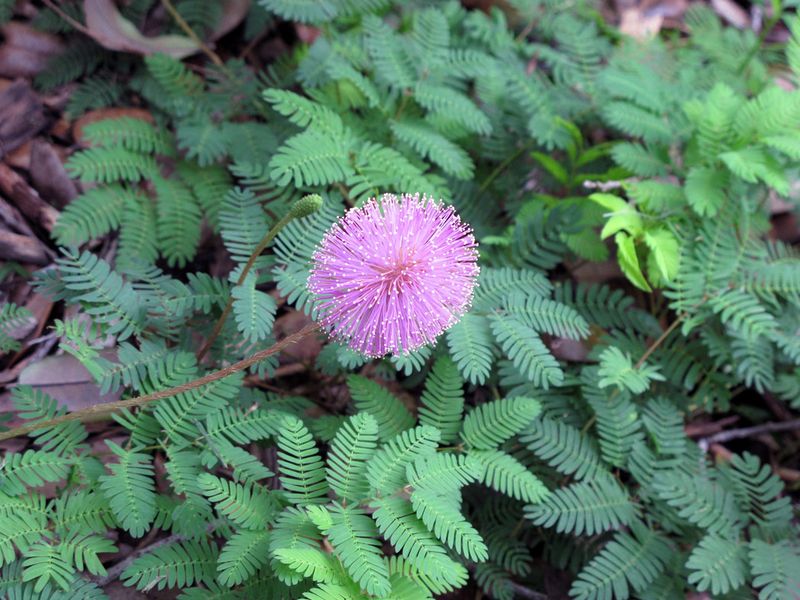
One little pink puff can stop people in their tracks, and Sunshine Mimosa delivers those cotton-candy blooms right at ankle height. In a sunny Florida bed, it acts like a cheerful green carpet that can knit bare soil together faster than many gardeners expect.
Sunshine Mimosa, also called powderpuff, is especially useful where turf struggles or mulch washes away during summer storms. It spreads by runners, handles sandy soil, and stays low enough to keep the bed looking tidy instead of overgrown. Once established, it usually needs far less fuss than annual flowers or repeated mulch top-offs.
Its best trick is toughness with charm. The leaves fold when touched, which makes it a fun plant for kids, while the flowers draw bees and other small pollinators. Give it full sun to part sun, water it while it settles in, and then let it do the slow, steady work of covering ground.
Use it along walkways, around palms, or in open sunny beds where you want a soft look. It can spread with enthusiasm, so edge it if you prefer clean borders.
2. Frogfruit
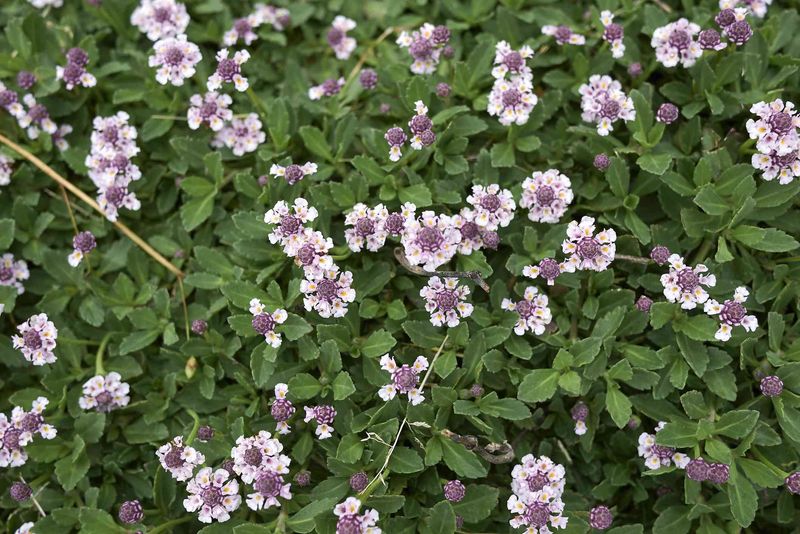
If your yard has a spot that gets stepped on, ignored, and still needs to look alive, Frogfruit deserves a serious look. This low native has a scrappy, practical personality, almost like it was built for real Florida yards instead of perfect garden catalogs.
Frogfruit forms a mat of small leaves and button-like flowers that butterflies love. It is a host plant for several butterfly species, including the Phaon crescent, so it does more than cover soil. It turns a plain bed edge into a tiny wildlife stop.
For gardeners tired of mulch drifting into the lawn after heavy rain, Frogfruit can be a smart living replacement. It tolerates sandy soil, sun, part shade, and occasional wet spells, which makes it useful in many parts of the state. It can also handle light foot traffic, though it is not a full substitute for a sports-field lawn.
Plant plugs close together if you want faster coverage, especially before the fall growing window. Once the stems begin rooting along the ground, weeds have less open space to claim. Keep the area watered during establishment, then trim lightly if it wanders beyond its assigned bed.
3. Twinflower
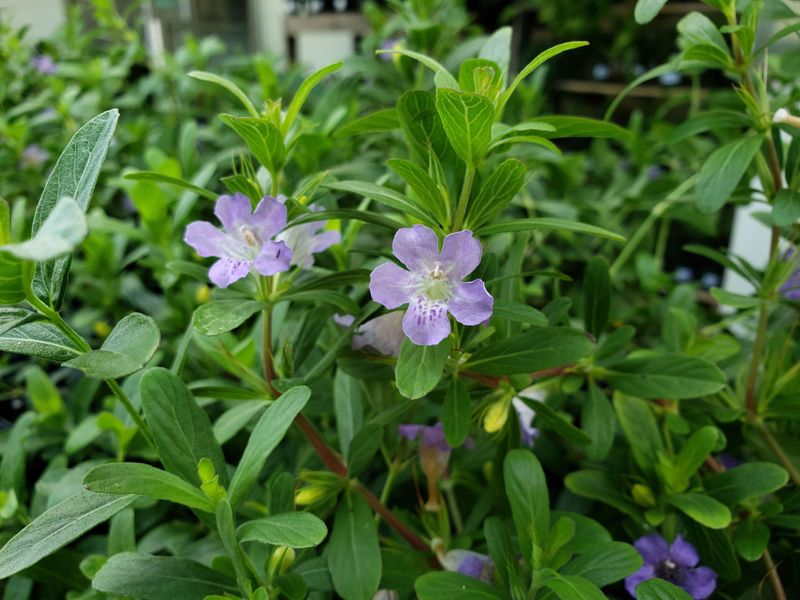
Under oaks and pines, many ground covers either sulk or stretch into a thin mess. Twinflower brings a quieter kind of beauty to those half-shaded Florida beds, with small purple blooms that appear like little surprises in the foliage.
This native is a good choice when you want coverage without a wild, bulky look. It stays relatively low, spreads gradually, and fits nicely near shrubs, foundation beds, and natural woodland edges. In the right spot, it can soften bare soil while keeping a calm, finished appearance.
Twinflower is especially helpful for gardeners dealing with the classic Florida mix of dry shade and sandy ground. While it appreciates moisture during establishment, it can handle periods of dryness once its roots are settled. That makes it a better long-term bet than many thirsty nonnative bedding plants.
Its flowers support small pollinators, and the plant blends well with coontie, beautyberry, wild coffee, and other native landscape favorites. Use it where full-sun ground covers would fry or where mulch always looks thin under tree roots. Give it room, patience, and a little leaf litter, and it can become the understated green layer your shady bed was missing.
4. Beach Sunflower
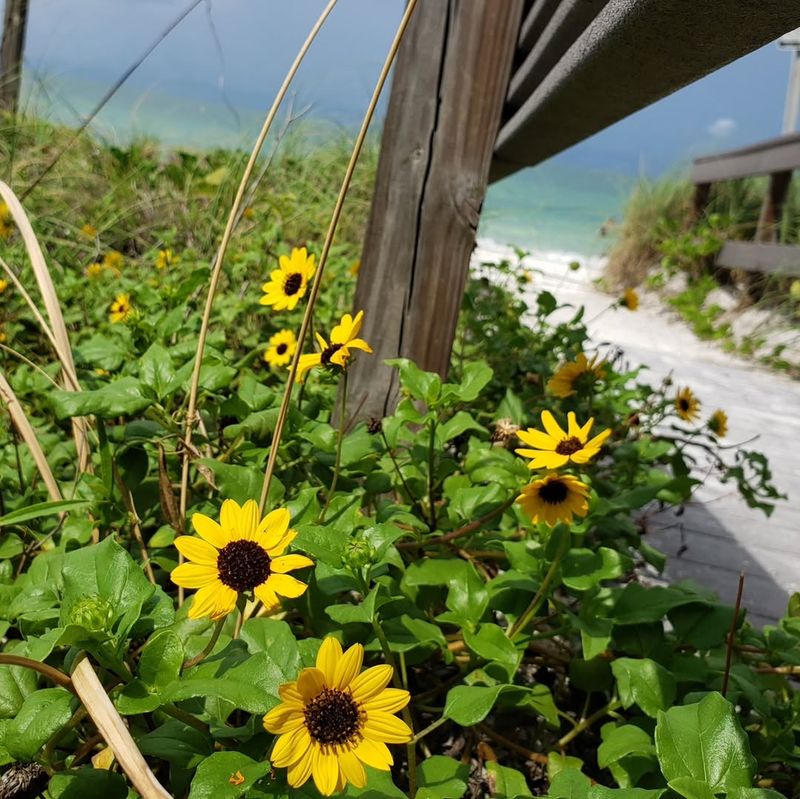
Bright yellow flowers in a hot, sandy bed can feel like a small miracle by late summer. Beach Sunflower makes that look almost effortless, especially in coastal and central Florida landscapes where sun and drainage are never in short supply.
This native ground cover spreads wide, blooms generously, and brings a relaxed beach-town mood to the garden. It is not a shy plant, so it works best where you actually want fast coverage. Think driveway islands, mailbox beds, sunny slopes, and open areas where mulch bakes and weeds move in quickly.
Beach Sunflower is a favorite for pollinators, and birds may visit for the seeds. It also handles salt spray better than many ornamental choices, making it valuable near the coast. In sandy soil, its spreading habit helps cover exposed ground that would otherwise need repeated mulching.
A trim now and then keeps it from looking rangy and encourages fresh growth. Plant it in full sun for the strongest flowering, and avoid soggy spots where roots stay wet too long. When placed well, it feels less like a plant you maintain and more like a sunny blanket that keeps renewing itself.
5. Railroad Vine
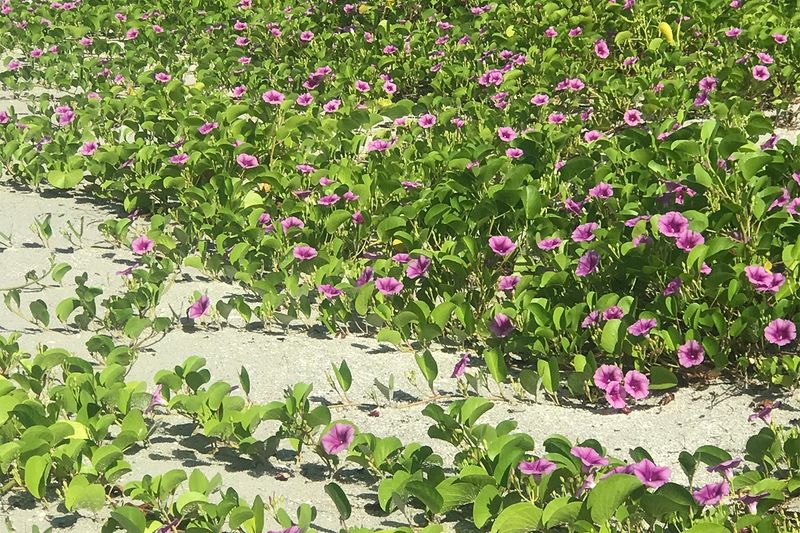
Few plants say Florida coast quite like Railroad Vine crawling over hot sand with purple flowers open to the morning light. It is bold, fast, and built for places where ordinary garden plants would give up before lunch.
Railroad Vine is best for large sunny spaces, coastal properties, dune edges, and sandy banks that need erosion help. Its long runners can stretch far, which is exactly the point in the right setting. If you have a tiny formal bed, choose something tidier. If you have a broad, harsh strip where mulch vanishes and soil blows around, this native can be a workhorse.
The thick leaves help shade the soil, while the vines root along the way and create living coverage. It tolerates salt, wind, and drought once established, making it one of the toughest native ground covers for beachfront conditions. The flowers are a bonus, opening like small morning glories.
Give Railroad Vine room and use it with intention. It can overwhelm delicate neighbors, so pair it with other strong coastal natives or let it claim a problem area by itself. For storm-prone sandy sites, that vigorous habit can be more solution than nuisance.
6. Lyreleaf Sage
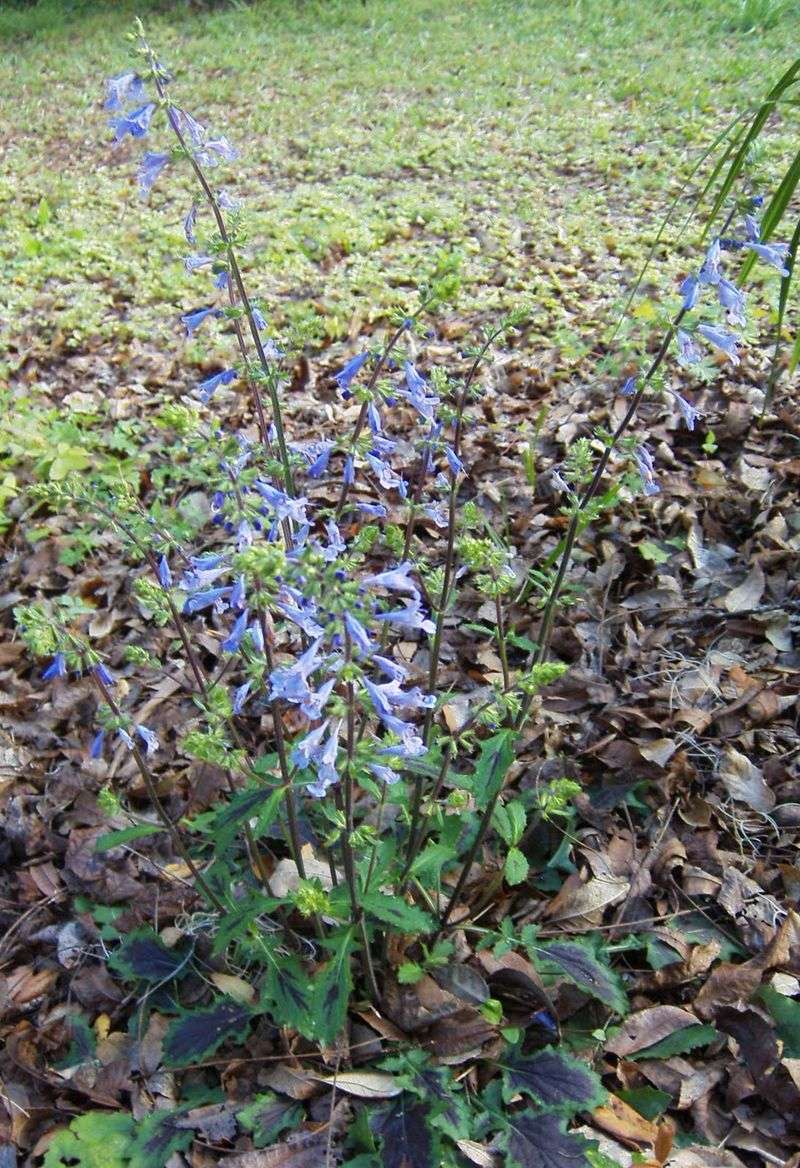
A plant can be useful before it ever blooms, and Lyreleaf Sage proves it with handsome leafy rosettes that sit close to the ground. Then the flower spikes rise up in soft purple-blue tones, giving the bed a seasonal lift without demanding much from you.
Lyreleaf Sage fits nicely into Florida yards that mix sun and shade. It can work beneath high tree canopies, along bed fronts, and in naturalistic pollinator plantings where a little looseness feels welcome. Compared with faster runners, it has a more layered look, spreading by seed and clumps rather than racing across the yard.
Pollinators appreciate the blooms, and the foliage can fill gaps between larger natives. In sandy soil, adding compost at planting time can help young plants settle, but avoid pampering them too much once they are established. Overly rich, wet conditions may make them less sturdy.
For a no-mulch strategy, use Lyreleaf Sage in repeated drifts instead of single plants. Several grouped together create a living patchwork that shades soil and reduces weed openings. Let some flower stalks go to seed if you want a fuller, more meadow-like bed over time.
7. Wild Petunia
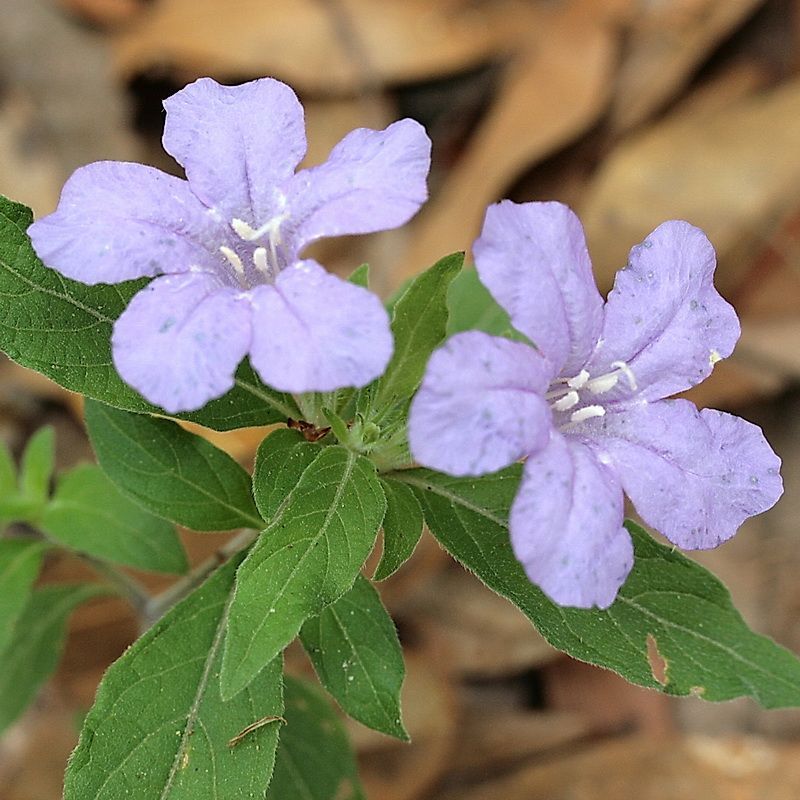
Gardeners who regret planting invasive Mexican petunia often want the same purple-flower energy without the takeover headache. Wild Petunia offers a native option with a softer footprint and plenty of charm for Florida beds.
Ruellia caroliniensis, commonly called Wild Petunia, is not the aggressive Mexican petunia that UF-IFAS and many Florida gardeners warn about. That difference matters. Choosing the native species lets you support local insects and avoid adding to a known landscape problem.
Wild Petunia grows as a low, spreading perennial with lavender-purple blooms that look cheerful along edges and between shrubs. It handles part sun well and can manage sandy soil once established, though it benefits from watering during dry spells. In a living-mulch plan, it is especially useful where you want flowers but do not want a thick, woody ground cover.
Its relaxed habit works beautifully in cottage-style native beds, rain garden edges, and pollinator patches. Give plants space to seed around lightly, or trim them after flowering if you prefer more control. The big win is simple: you get color, ground coverage, and a Florida-friendly alternative to a plant many yards are trying to remove.
8. Coontie
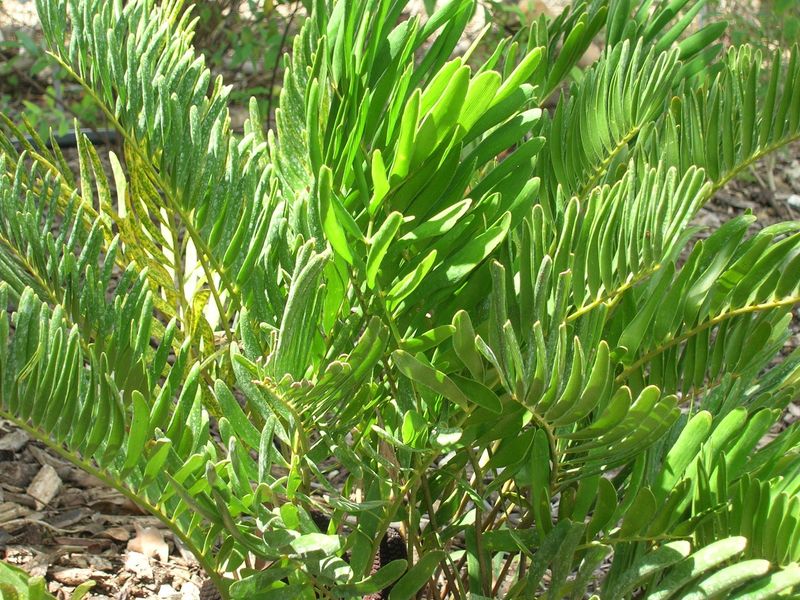
Not every ground cover has to creep like a carpet. Coontie fills beds with sculptural, palm-like leaves, creating a dense native layer that looks polished around entries, patios, and under light tree shade.
This ancient-looking cycad is one of Florida’s most dependable native landscape plants. It tolerates sandy soil, drought after establishment, and both sun and partial shade, though leaf color and fullness can vary by exposure. Massed together, Coontie can cover ground so well that weeds have fewer places to land.
Coontie also brings a wildlife story worth sharing. It is the host plant for the atala butterfly, a once-rare species that has rebounded in parts of Florida thanks in part to more Coontie in home landscapes. That gives your mulch-free bed a purpose beyond curb appeal.
Because Coontie grows slowly compared with runners like Frogfruit or Sunshine Mimosa, start with enough plants to make an impact. Space them based on mature width, then use temporary light mulch between plants until the foliage fills in. After that, fallen leaves and Coontie’s own shade can help create a lower-maintenance bed that feels neat year-round.