
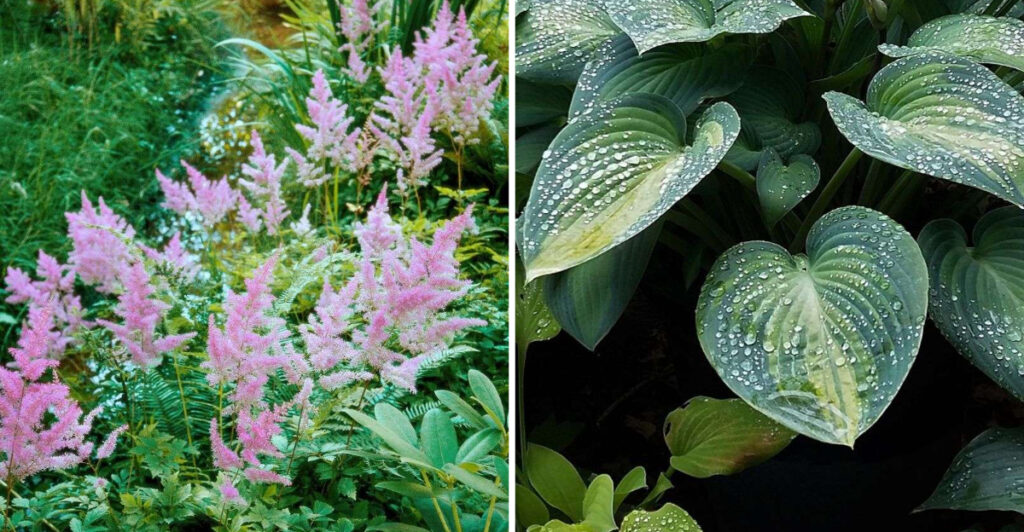
Rainy summers can be both a blessing and a challenge for gardeners. While some plants thrive in the wet and humid conditions, others may struggle or even perish. This guide explores 15 plants that revel in rainy weather and 5 that falter under the same conditions. Whether you’re looking to enrich your garden with water-loving flora or need to avoid those that can’t withstand the deluge, this list provides valuable insights. Embrace the rain with confidence by choosing the right plants for your garden’s unique needs.
1. Hosta
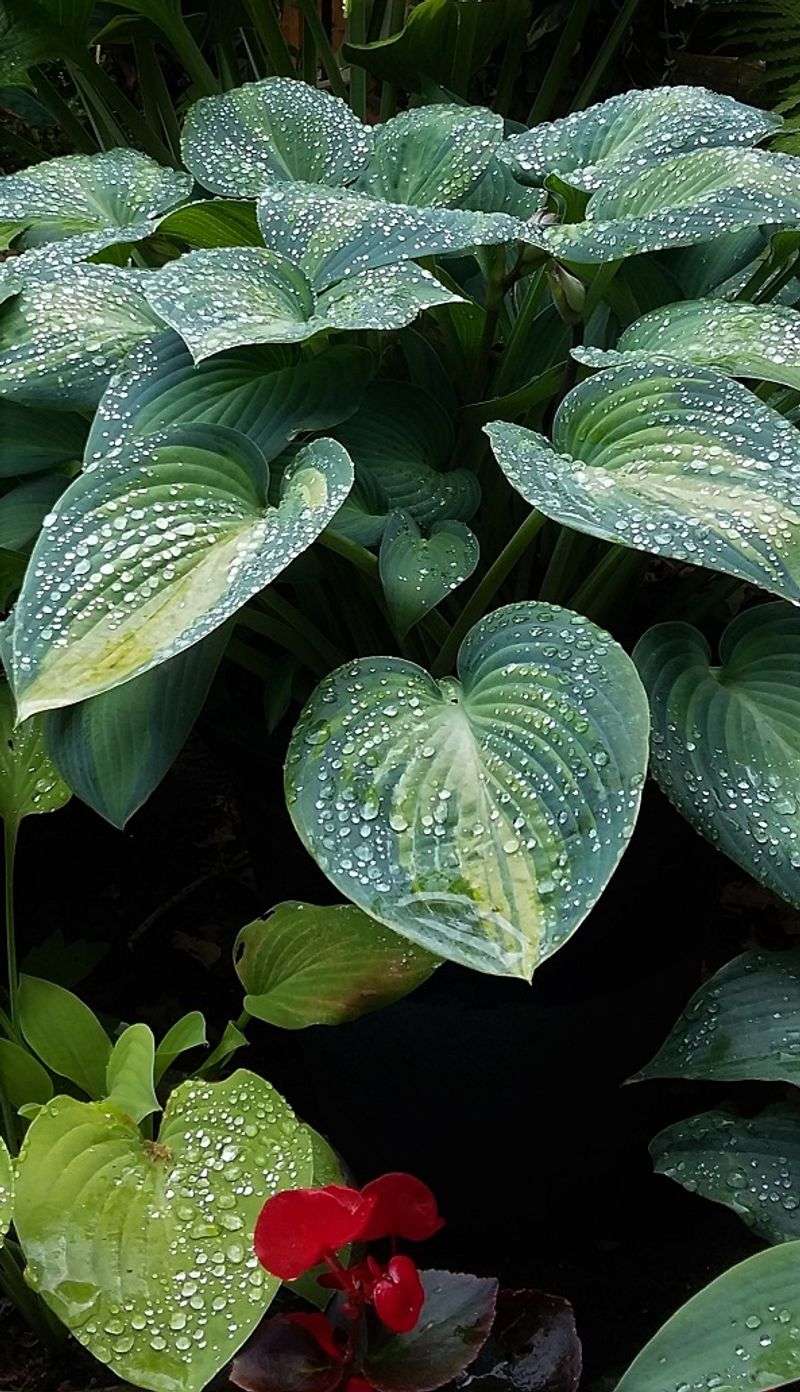
Hostas are renowned for their adaptability and lush foliage. They thrive in shaded areas where sunlight is scarce. Their broad leaves are perfect for catching raindrops, turning them into beautiful green spectacles. Hostas can add a touch of elegance to any garden. With their varied leaf colors and shapes, they offer a versatile option for gardeners. Their ability to withstand both drought and excessive rain makes them a favorite for many. Easy to maintain, they require minimal care, making them ideal for beginner gardeners.
2. Japanese Iris
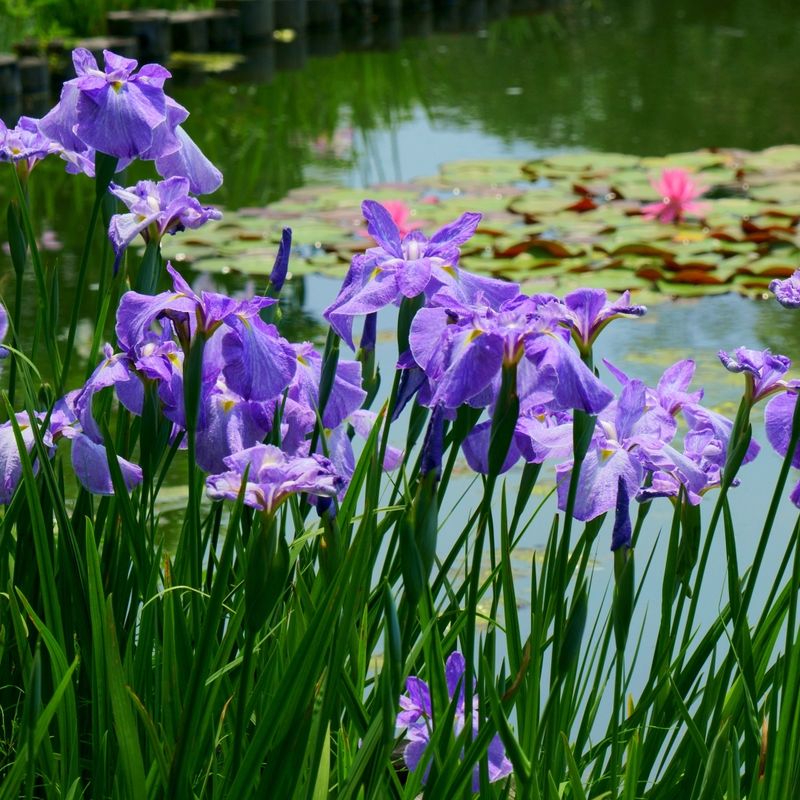
The Japanese Iris is a sight to behold, especially in rainy summers. With its striking purple blooms, it stands tall and proud. This plant loves moist conditions, thriving near ponds or water features. The Japanese Iris adds a touch of oriental beauty to gardens. Its sword-like foliage complements its blossoms perfectly. Known for its grace and resilience, it requires little attention once established. Its ability to flourish in wet conditions makes it a top choice for those seeking vibrant colors during gloomy days.
3. Ligularia
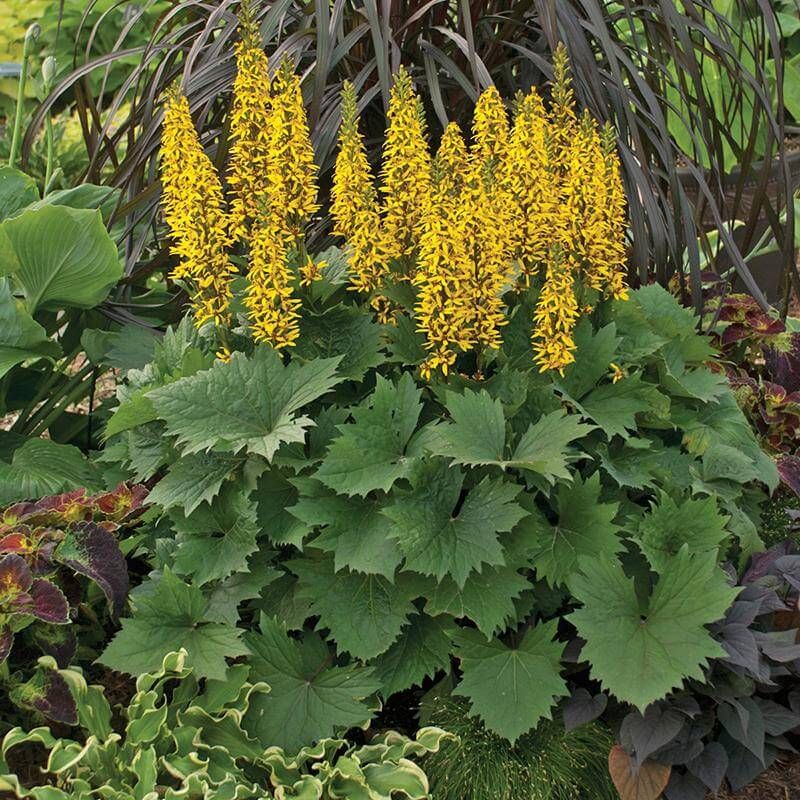
Ligularia is a bold and beautiful plant that loves the rain. Its large, dramatic leaves and bright yellow flowers make it a standout in any garden. Often found near streams and ponds, it thrives in moist environments. Its resilience to soggy conditions allows it to flourish where others might fail. Providing both color and texture, ligularia is a gardener’s delight. Its robust nature and striking appearance make it a favorite among enthusiasts looking to add something special to their landscape.
4. Astilbe
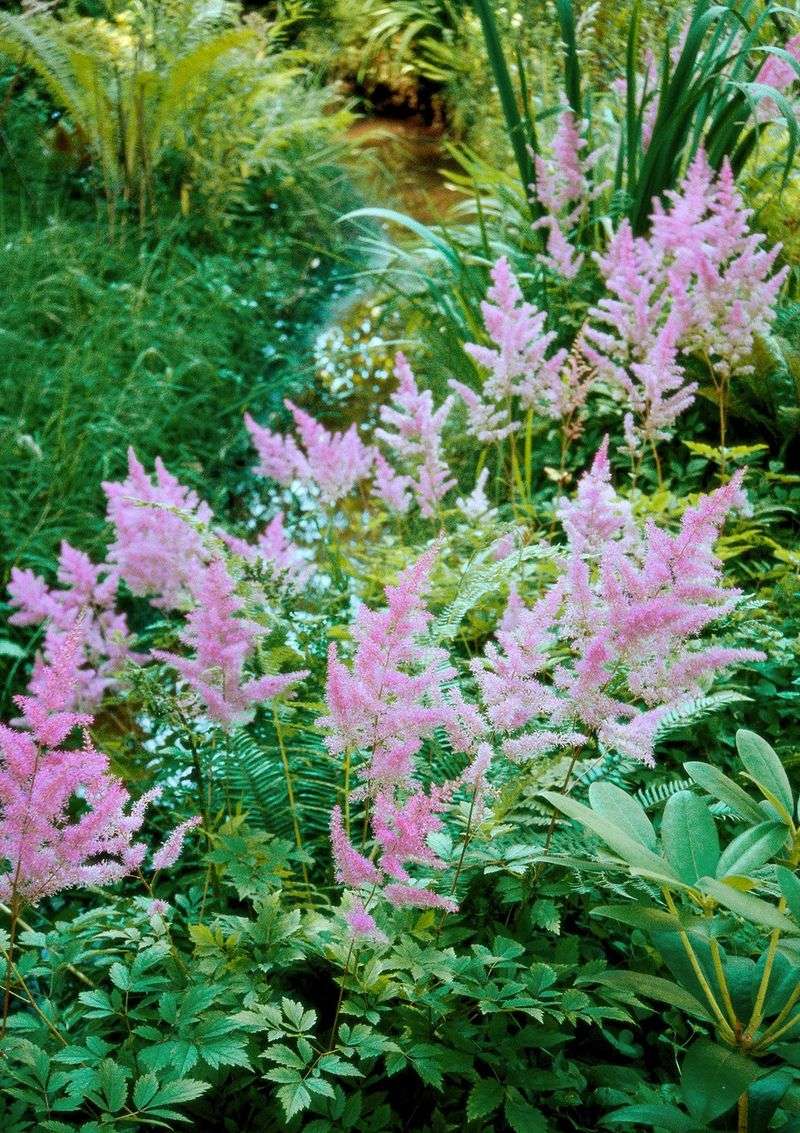
Astilbes are known for their feather-like plumes that sway gracefully in the breeze. They love shady, moist environments, making them perfect for rainy summers. Astilbe’s pink, white, or red flowers add a delicate touch to gardens. Their fern-like foliage provides a lush backdrop, enhancing their ethereal beauty. Easy to grow, they require little maintenance. Astilbes offer long-lasting blooms, providing continuous color throughout the season. Their ability to thrive in wet conditions ensures they remain a garden favorite.
5. Ferns
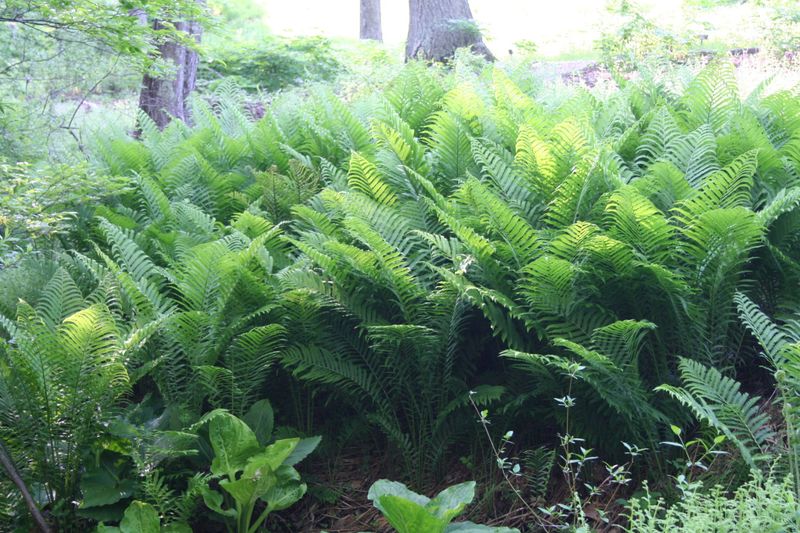
Ferns have been around for millions of years, and their ancient beauty continues to captivate. These plants thrive in damp, shaded areas, making them perfect for rainy summers. With their intricate fronds, they add texture and depth to gardens. Ferns are incredibly resilient, requiring minimal care. They are known for their ability to purify the air, contributing to a healthier garden environment. Their versatility and timeless appeal make them a staple in many landscapes, providing a rich, green backdrop for other plants.
6. Elephant Ears
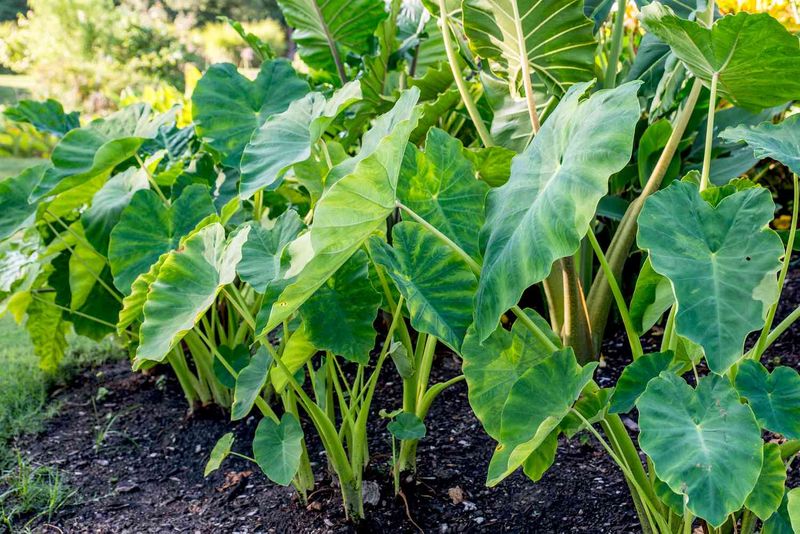
Elephant Ears are known for their dramatic, oversized leaves. They thrive in wet, humid conditions, making rainy summers ideal. These plants can transform a garden into a tropical paradise with their bold presence. Their large leaves not only catch rain but also add an exotic flair. Elephant Ears require minimal care and can grow in various soil types. Their ability to adapt to wet environments makes them a popular choice for gardeners looking to add a touch of the tropics to their landscape.
7. Cardinal Flower
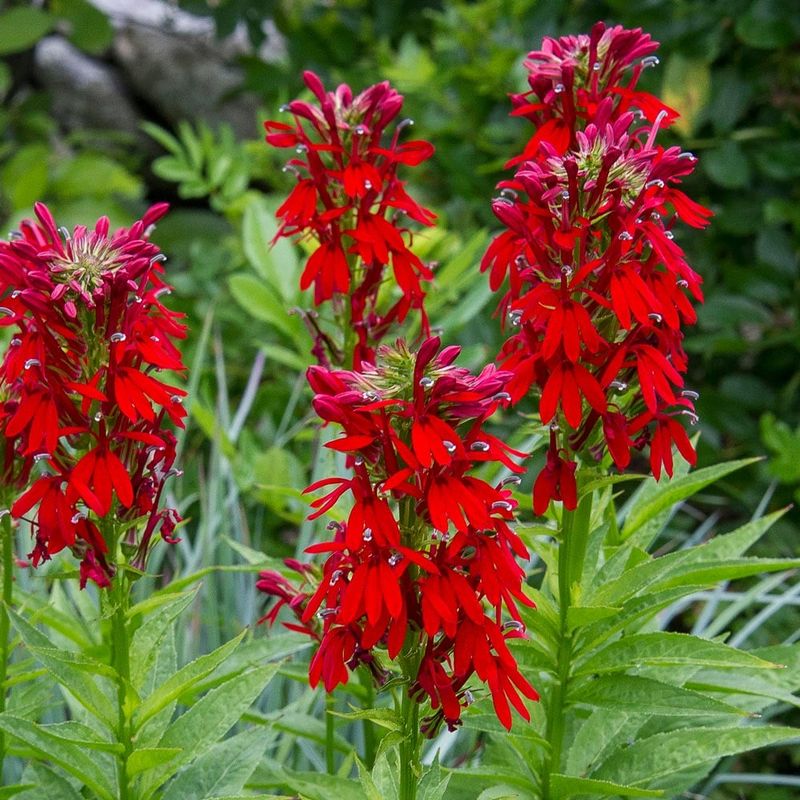
The Cardinal Flower is a vibrant addition to any rainy garden. Known for its striking red blooms, it attracts hummingbirds and butterflies alike. This plant thrives in wet conditions, often found along stream banks. Its tall, slender stalks and vivid colors make it a focal point in gardens. Requiring little maintenance, the Cardinal Flower is perfect for gardeners seeking both beauty and resilience. Its presence ensures a lively and colorful display throughout the rainy season. It’s a symbol of beauty in adversity.
8. Canna Lily
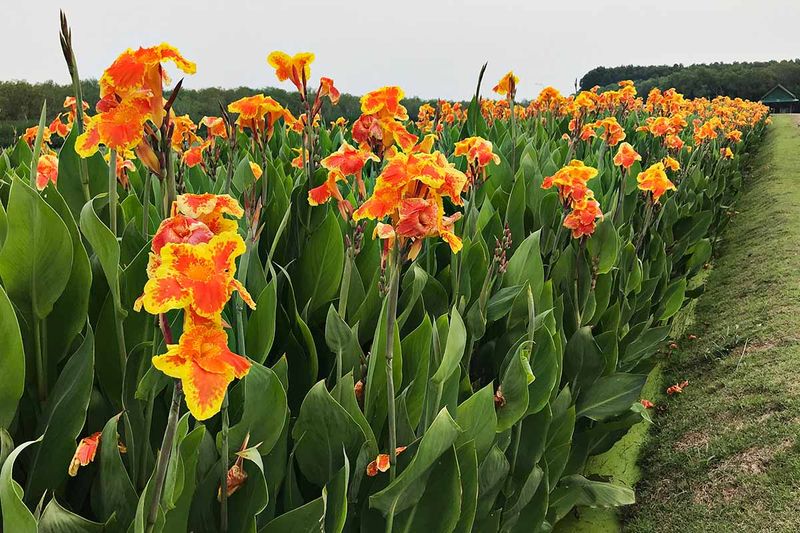
Canna Lilies bring a touch of the exotic to gardens. With their stunning blooms and lush foliage, they thrive in wet conditions. These plants are known for their large, colorful flowers that stand out in any landscape. Canna Lilies prefer full sun and moist soil, making rainy summers perfect for them. Their ability to adapt to various environments adds to their appeal. Whether in containers or garden beds, these lilies offer a vibrant addition to any space, ensuring continuous beauty through the season.
9. Swamp Milkweed
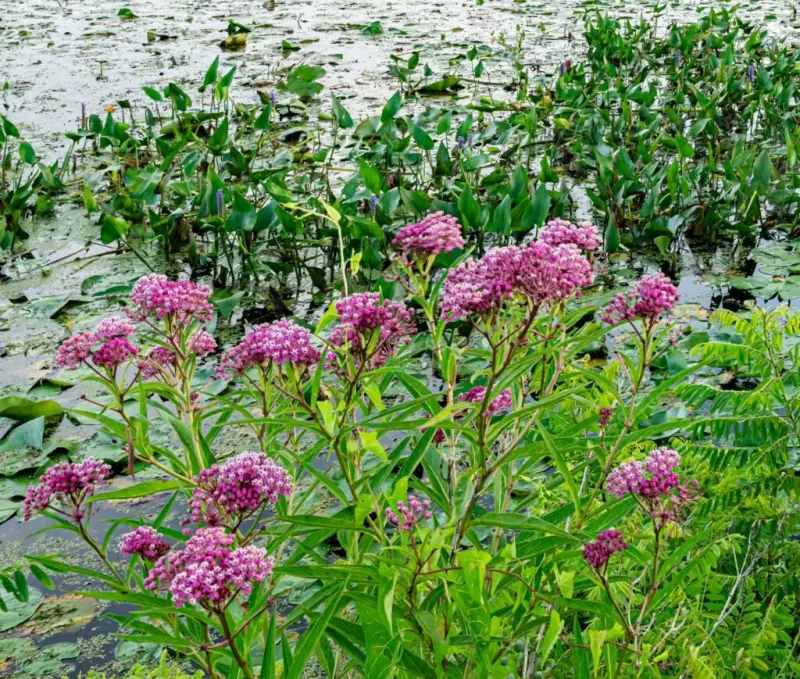
Swamp Milkweed is a haven for butterflies, particularly the Monarch. Its pink clusters of flowers attract pollinators, making it a lively addition to gardens. Thriving in wet conditions, it is often found in marshes or along streams. Swamp Milkweed’s resilience to soggy environments ensures its survival where others might not. Its ability to support wildlife adds ecological value to landscapes. A beautiful and practical choice, this plant provides both aesthetic appeal and environmental benefits. It symbolizes life amidst adversity.
10. Japanese Maple
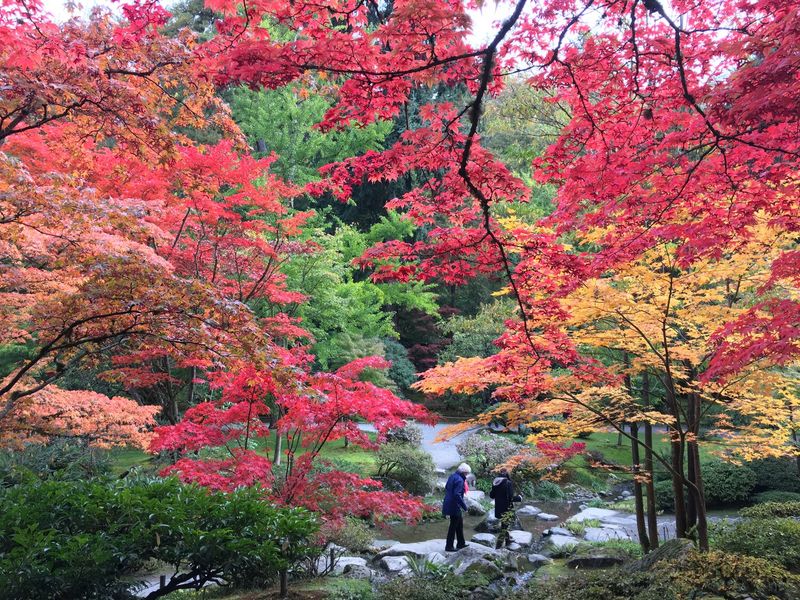
Japanese Maples are known for their graceful beauty and vibrant foliage. These trees thrive in moist environments, making rainy summers ideal. Their delicate leaves, ranging from red to orange, create a stunning visual display. Japanese Maples add elegance and tranquility to gardens. They are adaptable, growing in various soil types and conditions. With minimal care requirements, they are perfect for creating a serene landscape. Their ability to withstand rain while providing seasonal beauty makes them a cherished addition to many gardens.
11. Siberian Iris
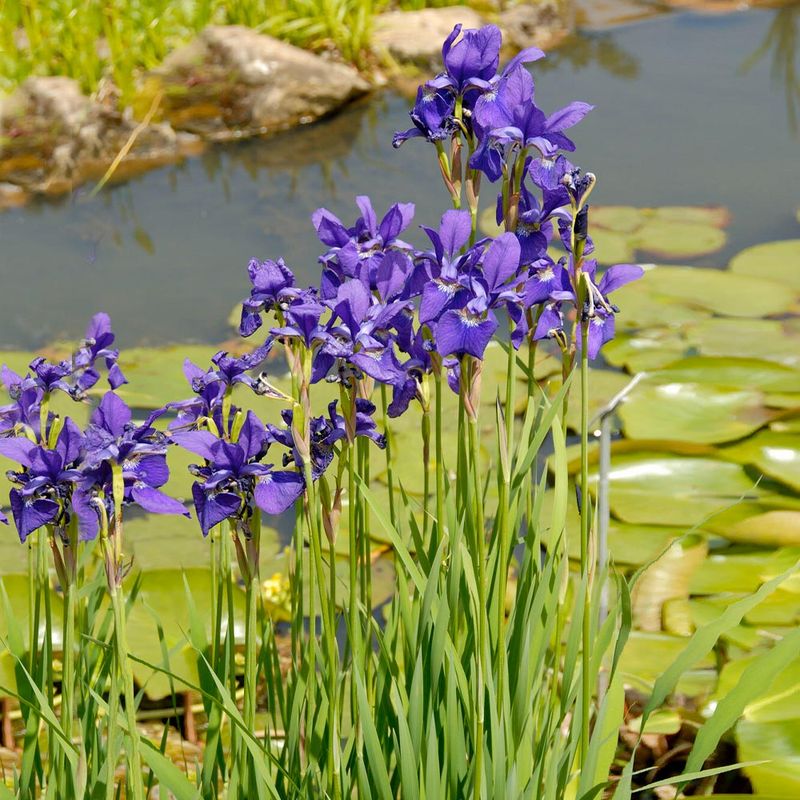
Siberian Iris brings elegance and beauty to any garden. Its delicate blue-purple flowers thrive in wet conditions, making it a perfect choice for rainy summers. Often found near water features, it adds grace and color to landscapes. The Siberian Iris requires minimal care, known for its resilience and adaptability. Its slender foliage complements its blooms, creating a harmonious appearance. With a long blooming season, it offers continuous beauty. This plant symbolizes grace under pressure, thriving where others may falter.
12. Lobelia
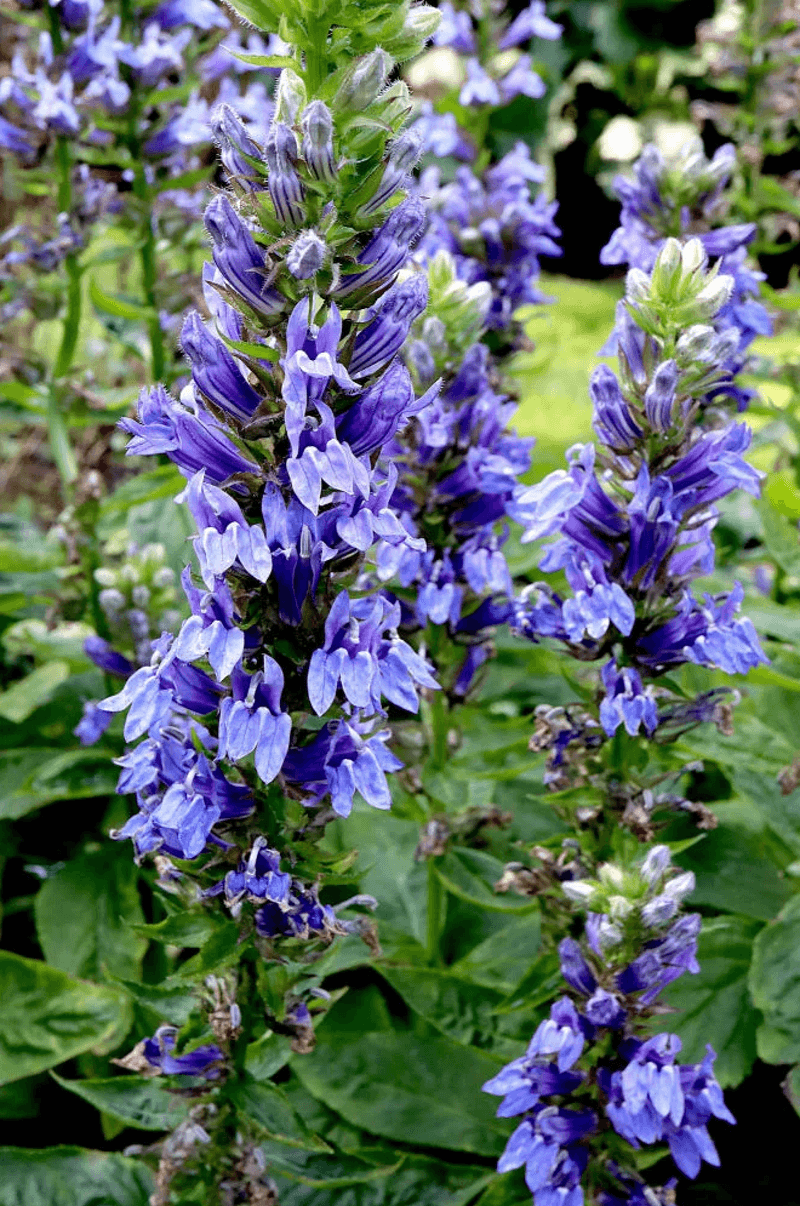
Lobelia is a versatile plant known for its vibrant blue flowers. Thriving in wet conditions, it adds a splash of color to gardens. Often used in containers or hanging baskets, Lobelia is perfect for rainy summers. Its cascading blooms create a beautiful display. Lobelia attracts pollinators, contributing to a lively and dynamic garden environment. With minimal maintenance, it offers continuous beauty throughout the growing season. Its bold color and adaptability make it a favorite among gardeners looking to add a touch of vibrancy.
13. Rodgersia
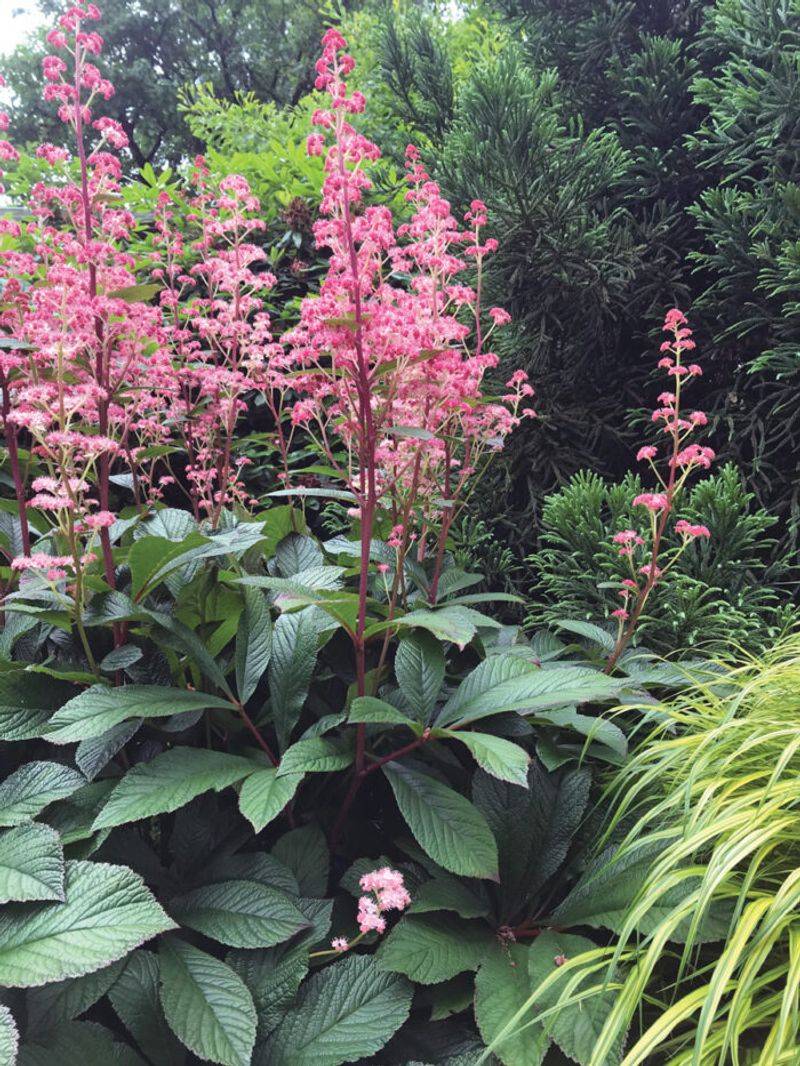
Rodgersia is a statement plant with its large, textured leaves and tall flower spikes. Thriving in damp, shaded areas, it’s perfect for rainy summers. This plant adds structure and interest to gardens with its bold appearance. Rodgersia requires little care, known for its resilience in wet conditions. Its ability to thrive in soggy soils makes it an excellent choice for those seeking unique foliage. The combination of its architectural form and vibrant blooms ensures it stands out in any landscape.
14. Coral Bells
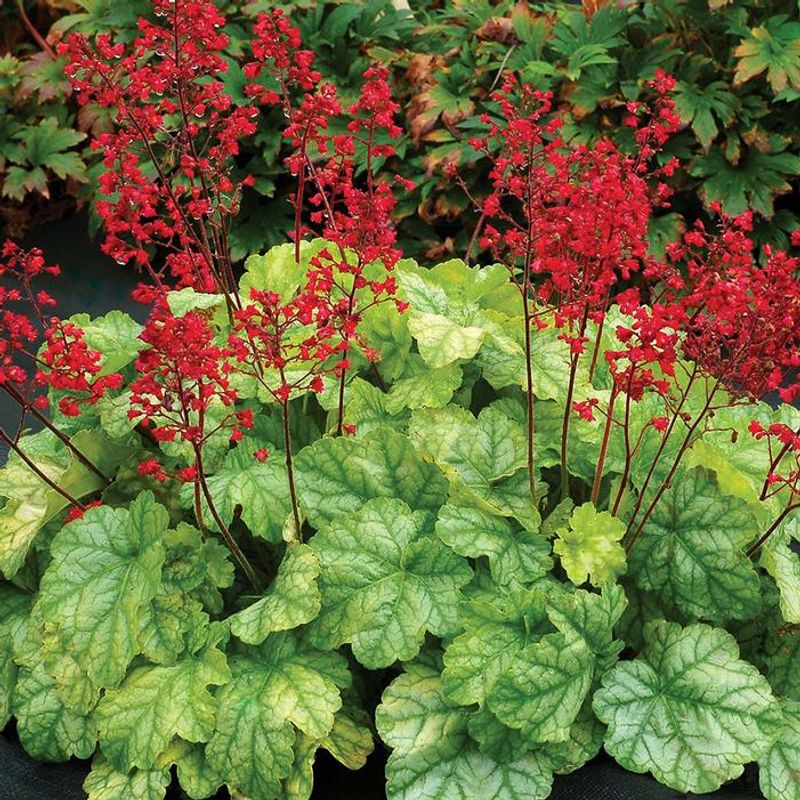
Coral Bells are admired for their colorful foliage and delicate flowers. Thriving in moist conditions, they offer vibrant hues to gardens. From purple to green, their leaves provide a stunning contrast. Often used as ground cover, Coral Bells add texture and color. They require minimal care, known for their ability to adapt to various environments. Their resilience in wet conditions ensures they remain a garden favorite. Providing both beauty and practicality, they enhance landscapes with ease.
15. Marsh Marigold
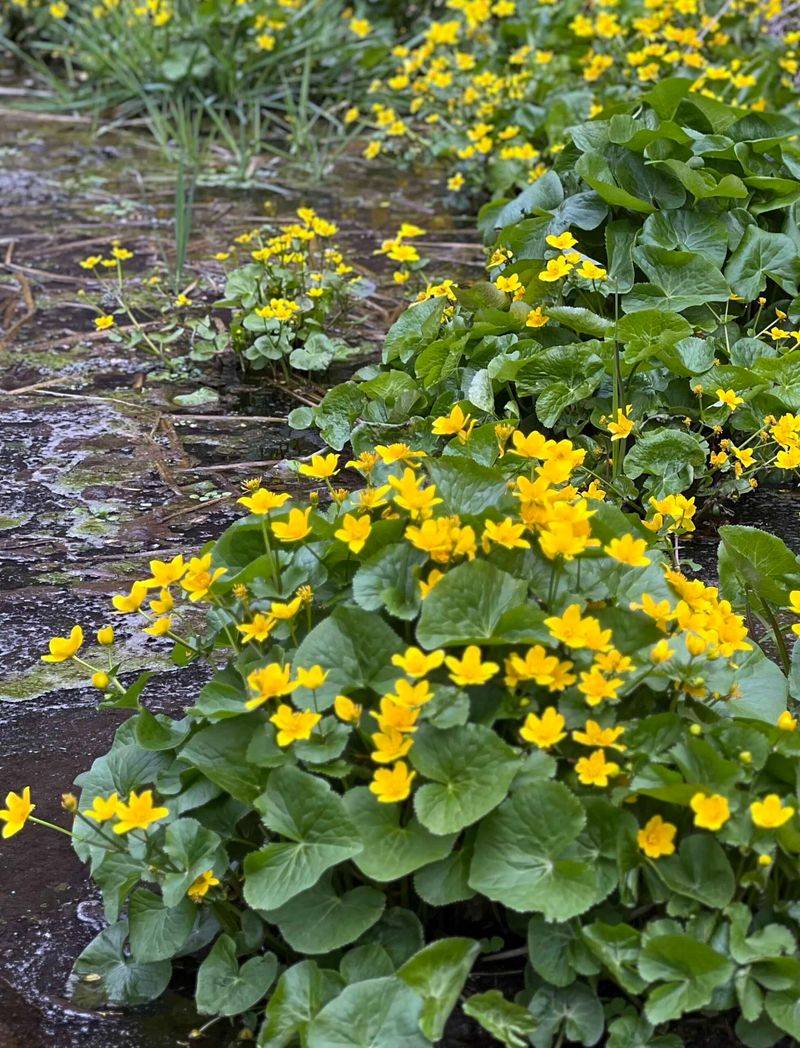
Marsh Marigold is a cheerful addition to wet gardens. With its bright yellow blooms, it thrives in marshes and along water edges. This plant loves wet conditions, making rainy summers ideal. Its ability to adapt to soggy environments ensures continuous blooms. Marsh Marigold symbolizes renewal and vitality, bringing life to any landscape. Known for its ecological benefits, it supports wildlife and enhances biodiversity. Easy to grow and maintain, it’s a practical and beautiful choice for those seeking vibrant colors.
16. Lavender
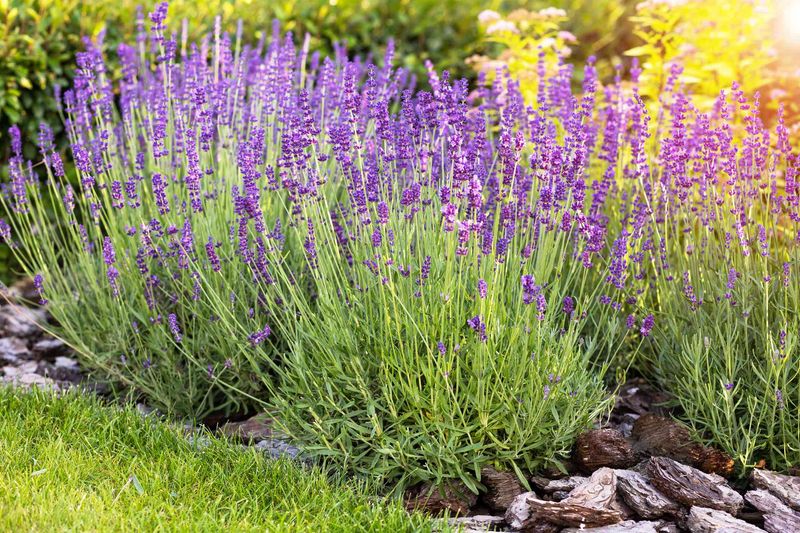
Lavender is beloved for its fragrance and beauty, but it struggles in rainy summers. Preferring dry, well-drained soil, excessive moisture can lead to root rot. Despite its challenges, Lavender adds elegance to gardens with its iconic purple spikes. Its fragrance is unmatched, providing a sensory delight. Often used in aromatherapy, its calming properties are well-known. In gardens, it requires careful placement and attention during wet conditions. For those willing to pamper it, Lavender offers a touch of tranquility and beauty.
17. Rosemary
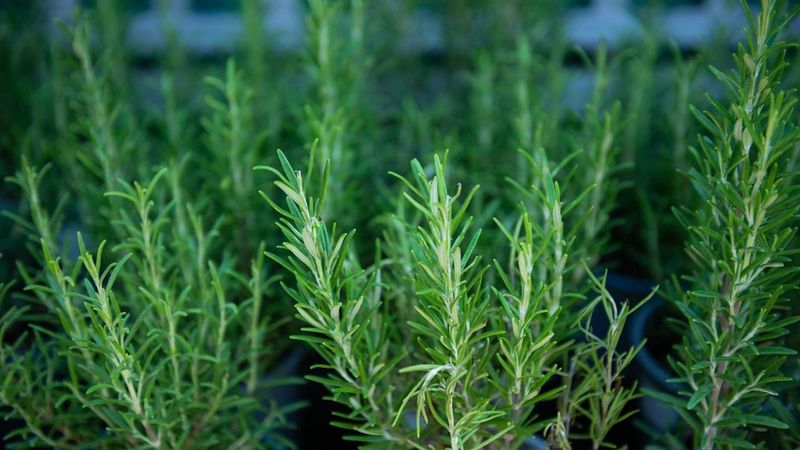
Rosemary is a culinary favorite, but it dislikes rainy summers. Preferring dry, sunny conditions, excessive moisture can hinder its growth. Known for its fragrant, needle-like leaves, Rosemary adds flavor to dishes and beauty to gardens. Its robust nature requires careful attention in wet climates. Though challenging, it rewards gardeners with its unique aroma and flavor. Proper care and placement can help it thrive despite the rain. For those who succeed, Rosemary provides both culinary delight and aromatic pleasure.
18. Succulents
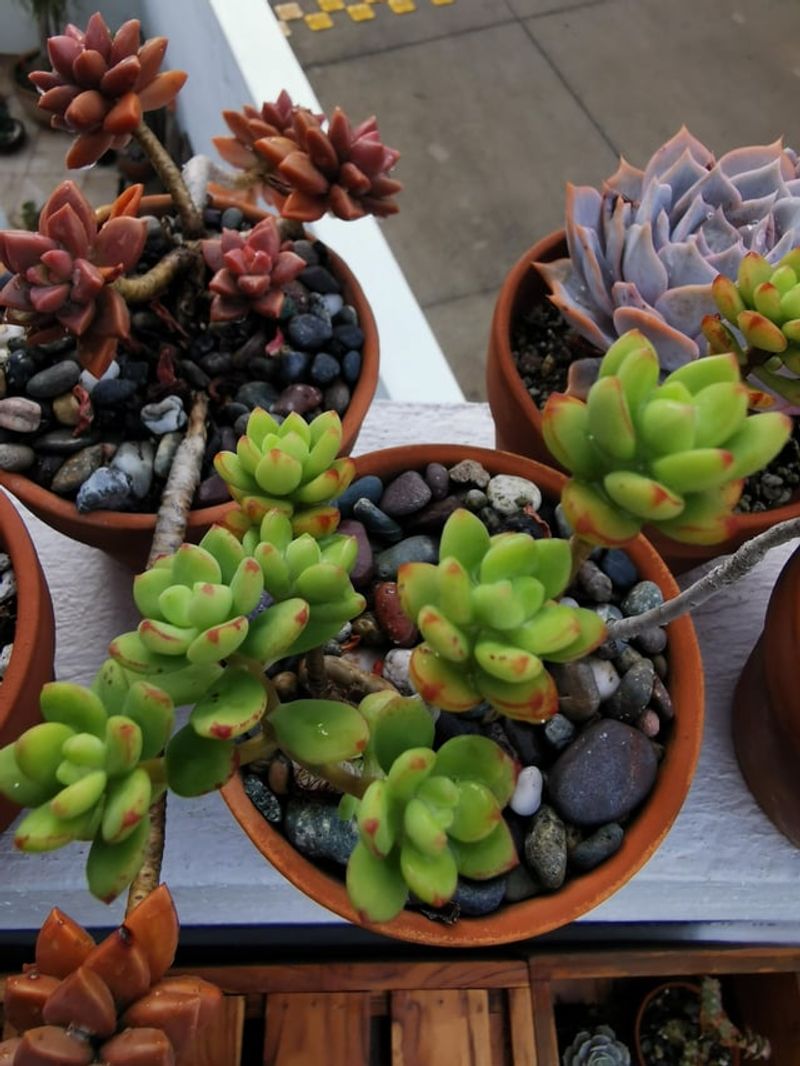
Succulents are known for their drought tolerance, but rainy summers can be their downfall. Preferring dry conditions, excess moisture can lead to rot. Despite this, they bring unique textures and shapes to gardens. Their ability to store water in leaves makes them a favorite in arid climates. In rainy areas, they require careful placement and well-drained soil. Those willing to provide proper care can enjoy their beauty and resilience. Succulents symbolize survival in harsh conditions, thriving where others may not.
19. Lavatera
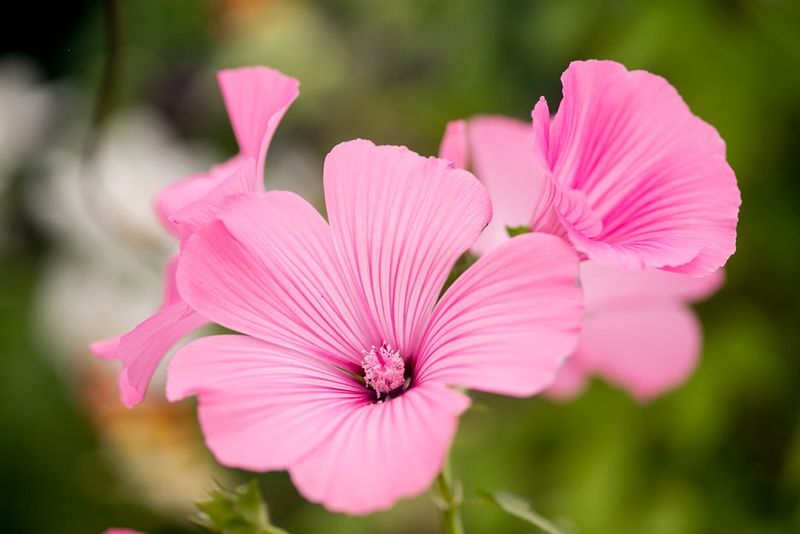
Lavatera is a summer favorite, but excessive rain can be challenging. Known for its showy pink flowers, it thrives in sunny, dry conditions. Rainy summers can lead to weak growth and diminished blooms. Despite this, Lavatera’s beauty and ease of cultivation make it popular. It requires careful attention and proper soil conditions in wet climates. With the right care, it can provide stunning displays. Symbolizing fragility under pressure, Lavatera reminds us of the delicate balance needed in gardening.
20. Lavender Cotton
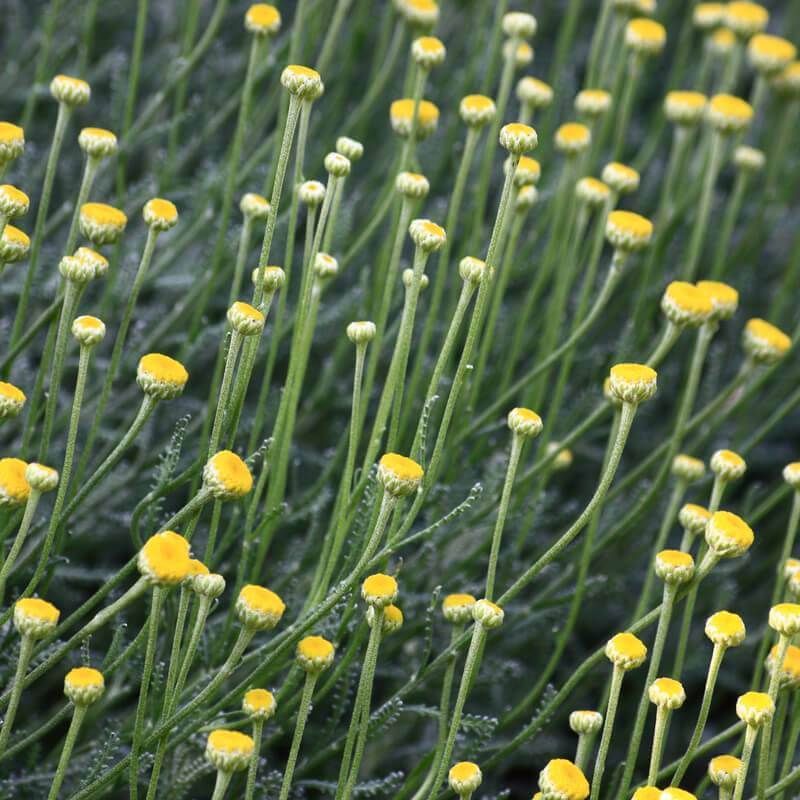
Lavender Cotton is admired for its silvery foliage and bright yellow flowers. However, rainy summers pose a challenge. Preferring well-drained soil, excess water can lead to root issues. Despite its struggles, it adds texture and color to gardens. Known for its drought resistance, it requires careful placement in wet climates. With proper care, it rewards gardeners with its unique appearance. Lavender Cotton symbolizes resilience and beauty under challenging conditions, providing a visual delight despite the odds.