
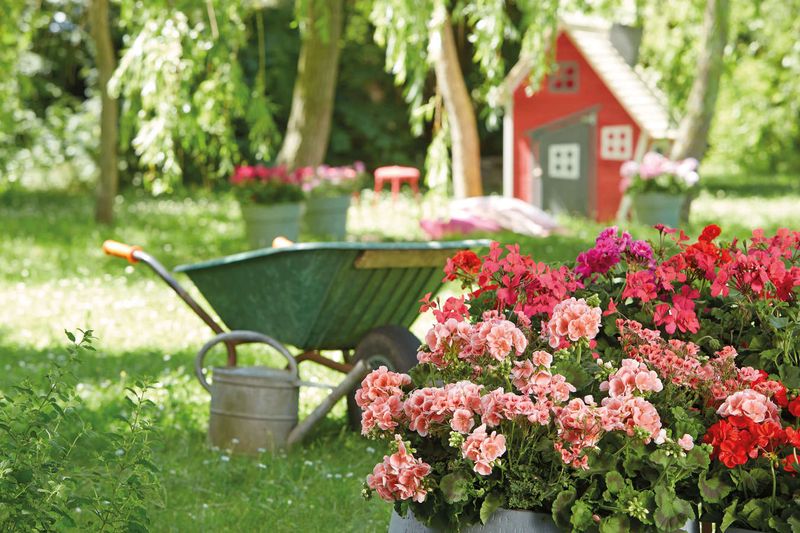
Geraniums are tough little plants, but when they stop blooming or the leaves turn pale, it usually means they are hungry. Feeding them the right way can turn a sad, leggy pot into a wall of color that lasts all summer long. The good news is that fixing a struggling geranium is easier than most people think once you know what it actually needs. Here are 18 simple feeding tricks to help your plants bounce back and bloom bigger than ever.
1. Start With a Balanced All-Purpose Fertilizer
If your geranium looks tired and only pushes out a few blooms, a plain balanced fertilizer is often the first fix worth trying. A 10-10-10 or 20-20-20 blend gives your plant equal parts nitrogen, phosphorus, and potassium, which covers the basics without pushing too hard in any one direction.
Nitrogen keeps the leaves green, phosphorus supports flower buds, and potassium helps the whole plant stay strong. When those numbers are even, you avoid the common mistake of all leaves and no flowers.
Mix it at half the label strength for potted geraniums, since containers hold nutrients differently than garden soil and can burn easily. Water your plant first, then apply the diluted feed so the roots are already moist and less likely to scorch.
Feed roughly every two weeks during active summer growth, and watch how the plant responds over the next week or so. Fresh green growth and new bud tips usually mean you are on the right track. A balanced formula may not fix every problem, but it is the safest starting point for a hungry, underperforming geranium.
2. Switch to a Bloom-Boosting Formula Mid-Season
Geraniums that grow lush and leafy but refuse to flower are usually getting too much nitrogen and not enough phosphorus. Around midsummer, swapping to a bloom-boosting formula can nudge all that green energy back toward the flowers you actually want.
Look for a fertilizer where the middle number is higher than the first, such as a 15-30-15 blend. That extra phosphorus feeds bud development and can improve the number of flower clusters your plant produces.
The change works best when your geranium already has plenty of healthy foliage and just needs a reason to bloom. Apply it every one to two weeks and pair it with deadheading to keep the plant focused on new buds.
Keep an eye on the leaves after the switch. If they start looking pale or yellow, add a light dose of balanced feed to keep the greenery healthy too.
A bloom booster will not force flowers overnight, but over a few weeks it often improves the color show noticeably, especially on plants that stalled during a growth spurt.
3. Use a Slow-Release Granular Feed at Planting Time
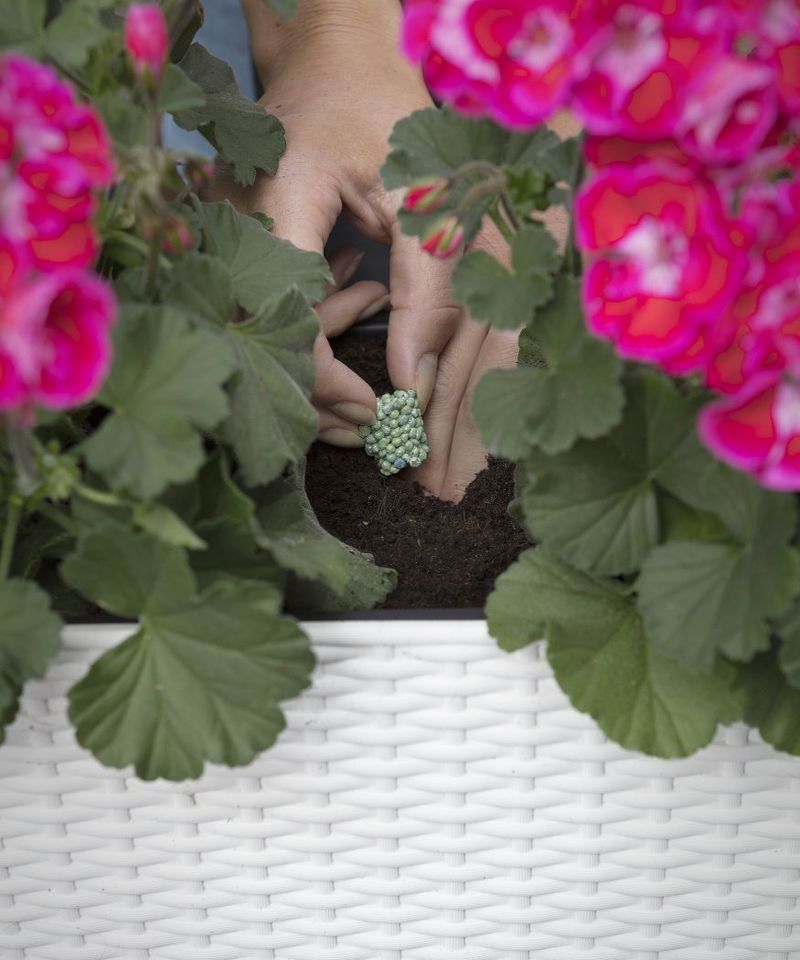
Forgetful waterers, this one is for you. Slow-release granules mixed into the soil when you plant give your geraniums a steady drip of nutrients for weeks or even months without you having to remember a feeding schedule.
These coated pellets break down gradually every time you water, releasing small amounts of food instead of one big hit. That slow, even supply helps avoid the feast-and-famine swings that can stress a plant and stall blooming.
Scratch the granules into the top inch of soil around the root zone, following the label rate for the pot or bed size. Water well afterward so the coating starts to activate.
For potted geraniums, one application in late spring often carries the plant through much of the season, though heavy summer watering can wash nutrients out faster.
Because the release is gentle, the risk of burning roots is lower than with strong liquid feeds. Slow-release feeding may not deliver the fast green-up you get from a liquid, but it builds a reliable base that supports consistent growth all summer.
4. Try a Water-Soluble Feed for Fast Results
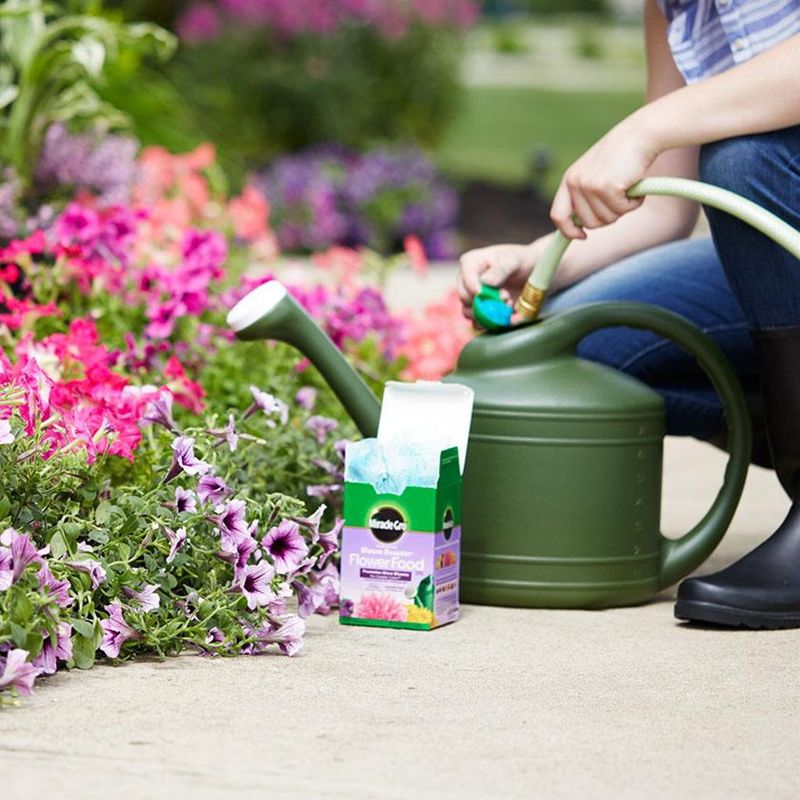
When a geranium looks like it needs help right now, a water-soluble fertilizer is your quickest tool. You mix the powder or crystals into your watering can, and the nutrients reach the roots almost immediately at the next watering.
Speed is the real advantage here. A pale, sluggish plant can green up within days because the roots absorb the dissolved food without waiting for granules to break down.
Dilute according to the label, and for container geraniums, consider going slightly weaker but feeding more often. A weekly light dose usually beats an occasional strong one that can shock the roots.
Because it flushes through the soil, water-soluble feed does not stick around long, so consistency matters more than strength. Skip a couple of weeks and you may see the plant slow down again.
Always apply it to already-moist soil to protect the roots from concentrated salts. Fast-acting feeds can rescue a struggling plant, but pairing them with good watering habits gives you the steadiest results across the whole summer.
5. Feed With Diluted Fish Emulsion
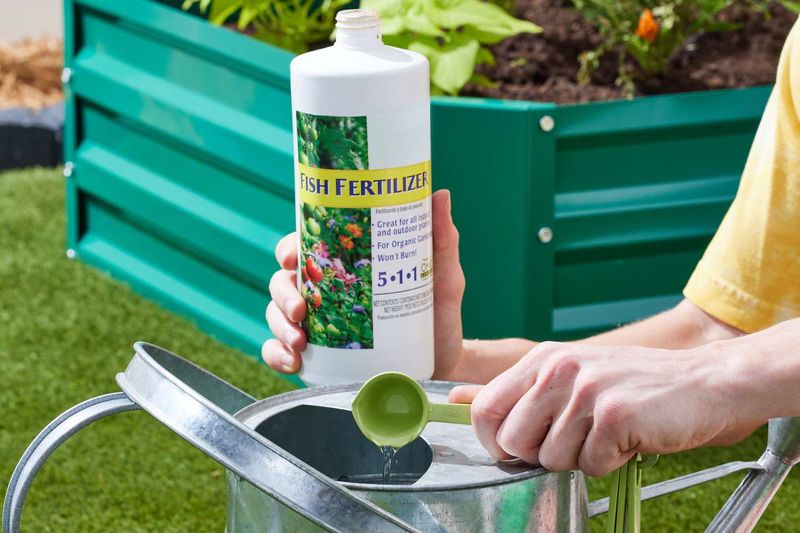
Fish emulsion smells like the ocean at low tide, but geraniums seem to love the stuff. This organic liquid is rich in nitrogen and trace nutrients that help build lush, deep-green foliage on plants that look thin or washed out.
The fishy odor fades within a day, so most gardeners tolerate it for the growth it delivers. It works especially well early in the season when your plant is building the leafy framework that will support later blooms.
Mix it well diluted, usually a tablespoon or so per gallon of water, and pour it around the base rather than on the leaves. Applying it every two to three weeks gives a gentle, steady nitrogen supply.
Because it leans heavy on nitrogen, ease off once flowering season kicks in so you do not end up with all leaves and few flowers.
Outdoor pots may attract curious animals drawn to the scent, so water it in well. Fish emulsion can revive a struggling, yellowing geranium naturally, and it fits nicely into an organic feeding routine.
6. Add Epsom Salt for Deeper Green Leaves
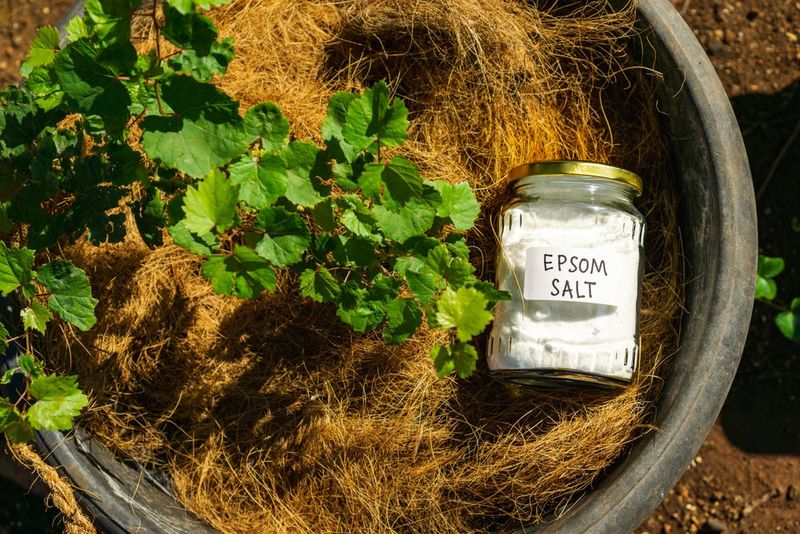
Yellowing leaves with green veins are a classic sign of a magnesium shortage, and that is exactly where Epsom salt can lend a hand. Geraniums are heavy magnesium users, so a light dose sometimes brings back that rich green color surprisingly fast.
Magnesium sits at the center of every chlorophyll molecule, which is the pigment that makes leaves green and powers photosynthesis. Without enough of it, older leaves fade first while the plant tries to protect new growth.
Dissolve about a tablespoon of Epsom salt in a gallon of water and apply it to the soil roughly once a month. Some gardeners also use it as a light foliar spray, misting the leaves in the early morning.
Go easy, though, since more is not better and too much can throw off the balance of other nutrients.
Epsom salt is not a full fertilizer and will not replace regular feeding, but it may correct a specific deficiency that plain fertilizer misses. If your leaves are yellowing between the veins, it is well worth a careful try.
7. Mix In Compost for Gentle, Steady Nutrition
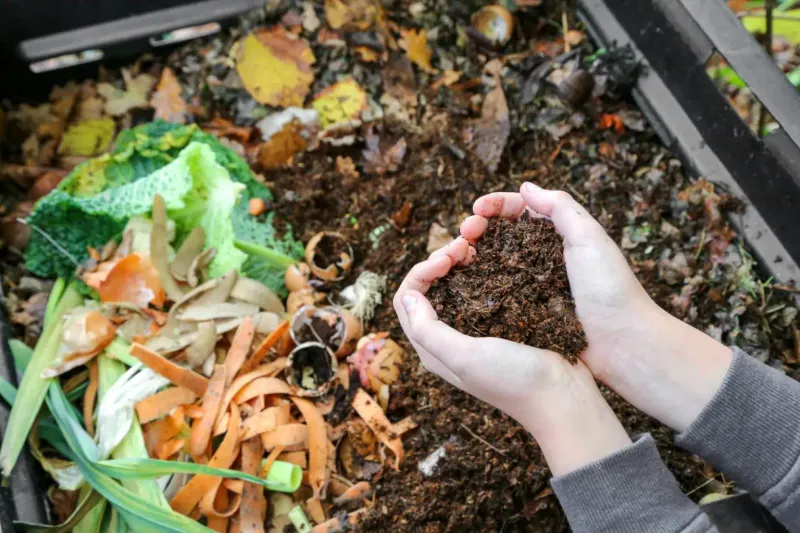
Not every fix comes from a bottle. A scoop of finished compost worked into your geranium’s soil delivers a slow, gentle stream of nutrients while also improving how the soil holds water and air.
Compost feeds the tiny soil life that helps roots absorb nutrients more efficiently. That living activity can make a struggling plant more resilient than chemical feeding alone.
For potted geraniums, blend a couple of handfuls into the top few inches of soil, or brew a compost tea by steeping it in water and using the liquid as a mild feed. In garden beds, a light topdressing in spring works well.
Because compost releases slowly, it rarely burns roots, making it a forgiving choice for nervous gardeners. You can pair it with liquid feeds during peak bloom without worrying about overdoing it.
The nutrient levels in compost vary depending on what went into it, so it may not correct a sharp deficiency on its own. Still, as a steady background feeder that improves soil health over time, compost is one of the easiest upgrades you can make.
8. Feed More Often but at Half Strength
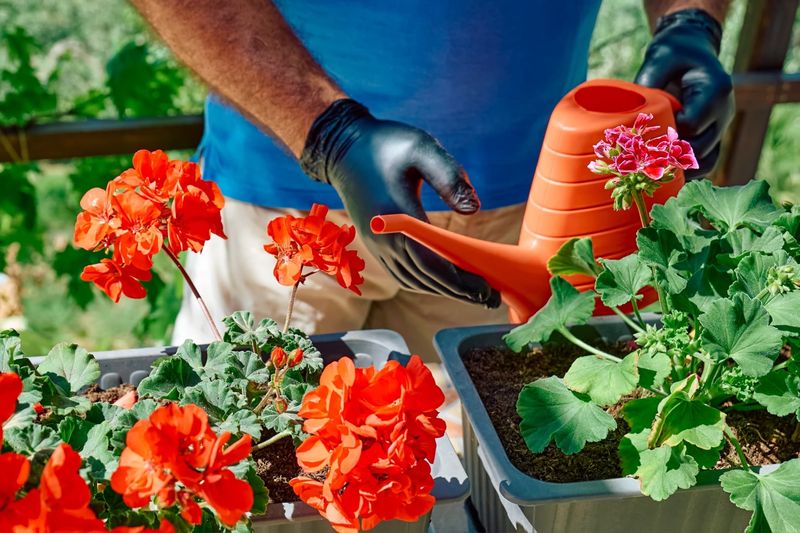
One habit that quietly rescues a lot of pale, struggling geraniums is switching from strong, occasional feeding to light, frequent feeding. Cutting the fertilizer to half the recommended strength and applying it twice as often keeps nutrients steady without shocking the roots.
Potted plants especially benefit because containers do not hold onto nutrients the way garden soil does. Every watering flushes some food out, so a small, regular top-up matches how the plant actually uses it.
This gentler rhythm reduces the risk of fertilizer burn, which shows up as crispy brown leaf edges when feeding is too strong. It also smooths out the growth so you avoid sudden spurts followed by stalls.
Try mixing your usual liquid feed at half concentration and applying it weekly during the hottest, fastest-growing weeks of summer.
Watch the plant and adjust. If growth slows, nudge the frequency up slightly rather than cranking up the strength. Little and often is a low-risk strategy that often improves both leaf color and bloom count over a few weeks of consistent care.
9. Choose a Fertilizer Made for Flowering Plants
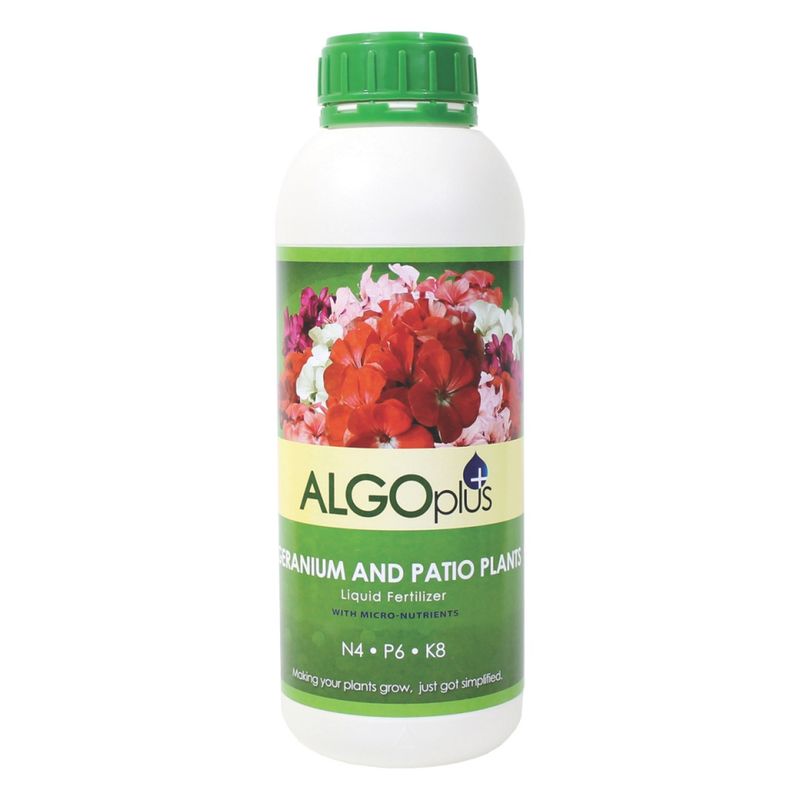
Walk down any garden aisle and you will spot fertilizers labeled specifically for blooming plants, and geraniums fall neatly into that group. These formulas are blended to support flower production rather than just leafy growth, which makes them a smart pick when blooms are the goal.
Flowering-plant fertilizers typically carry a higher middle number for phosphorus, along with potassium to support strong stems and vivid color. Many also include micronutrients that ordinary lawn or all-purpose feeds skip.
Using a purpose-made blend takes the guesswork out of balancing your own mix. You get a ratio the manufacturer already tuned for flowers, so you can focus on timing and watering instead.
Follow the label rate, but remember that potted geraniums often prefer a slightly weaker dose than in-ground plants.
These products come in both liquid and granular forms, so you can match one to your watering habits. A dedicated flowering formula will not guarantee a flood of blooms if light or watering is off, but it removes one big variable and often improves flowering when the rest of the care is solid.
10. Water Before You Fertilize to Protect the Roots
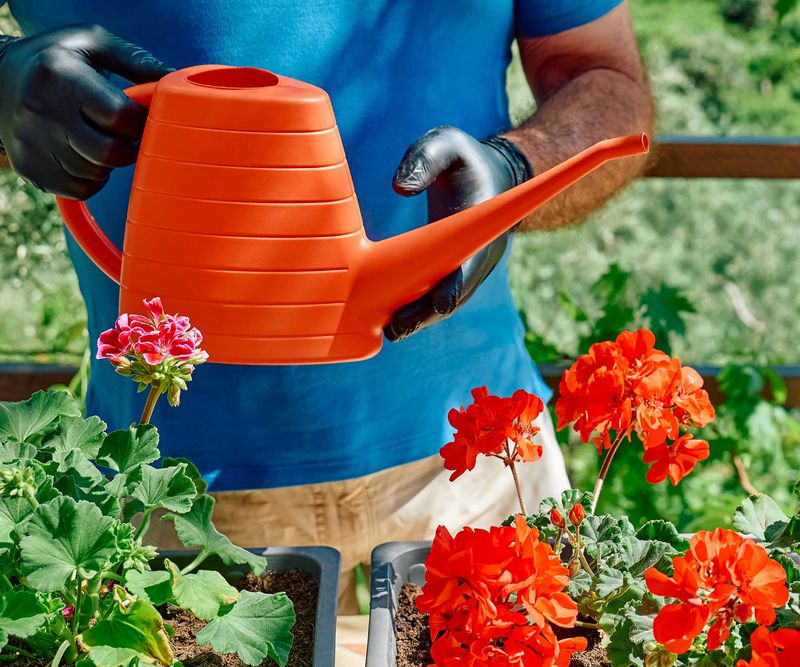
A common reason geraniums suddenly get crispy leaf edges after feeding is dry roots meeting strong fertilizer. Watering the plant first, then feeding, is a tiny step that prevents a lot of accidental damage.
When soil is bone dry, concentrated nutrients draw moisture out of the roots instead of nourishing them, which scorches the tender tissue. Moist soil dilutes the feed and lets roots absorb it gently.
Give the pot a good drink and wait maybe fifteen or twenty minutes so the water soaks in evenly. Then apply your diluted fertilizer to the already-damp soil.
This habit matters most during hot summer stretches, when soil dries quickly and plants are stressed. A stressed, thirsty geranium is far more likely to react badly to feeding than a hydrated one.
The order is simple to remember: water, wait, feed. It costs you nothing extra and can save a plant from the setback of burned roots.
Small technique changes like this often make the difference between a feeding that helps and one that quietly harms your geraniums during the peak of summer.
11. Give Container Geraniums Extra Feeding
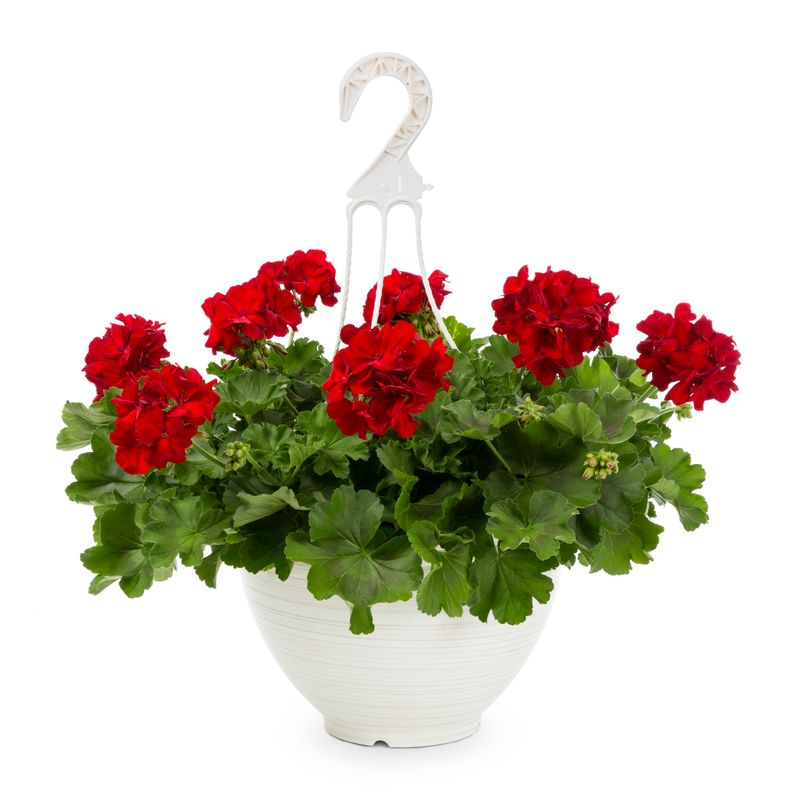
Geraniums in pots and hanging baskets live a harder life than their garden-bed cousins, and their feeding needs reflect that. Limited soil means limited nutrients, and frequent watering washes food out through the drainage holes fast.
Because of that, container plants often show hunger signs first, like fading color and fewer flowers even when they get plenty of sun. Bumping up how often you feed can turn them around.
During peak summer, many potted geraniums do well with a diluted liquid feed every week or so, on top of any slow-release granules you added at planting. The two work together, one steady and one responsive.
Keep the doses gentle, since small pots heat up and dry out quickly, raising the risk of burn. Feed after watering, never before.
Watch the plant closely, as containers show both hunger and overfeeding sooner than the ground does. Adjust based on what the leaves and blooms tell you.
Treating your potted geraniums as heavier feeders than in-ground plants usually keeps hanging baskets and patio pots blooming strong right through the season.
12. Ease Off Nitrogen When Blooms Stall
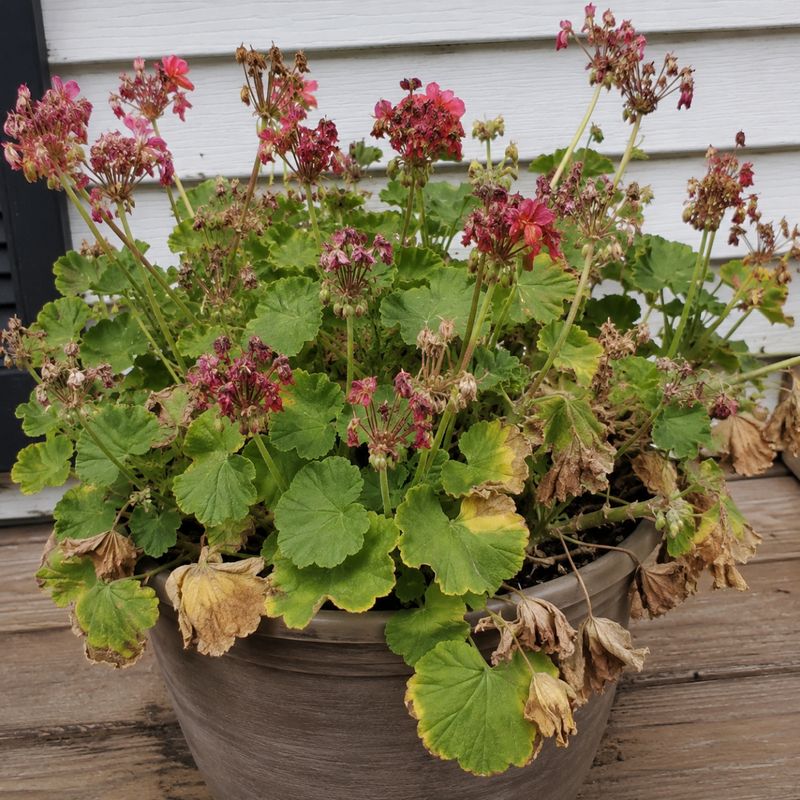
Picture a geranium with big, gorgeous green leaves and hardly a flower in sight. Nine times out of ten, the culprit is too much nitrogen, and the fix is to dial it back rather than feed more.
Nitrogen fuels leafy growth, so an overload tells the plant to keep making foliage instead of flowers. It is one of the most common feeding mistakes, and it is easy to make with lawn fertilizer overspray or a high-nitrogen blend.
Switch to a feed with a lower first number and a higher phosphorus content to redirect that energy toward buds. Give it a few weeks, since the plant needs time to shift gears.
Cutting back is counterintuitive when a plant looks unhappy, but sometimes less is genuinely more. Overfed geraniums can look healthy while producing almost no color.
Pair the change with plenty of sunlight and regular deadheading to encourage the flowers along. Reducing nitrogen may not flip a switch overnight, but for lush-yet-flowerless geraniums it often improves the bloom count noticeably as the season continues.
13. Use a Potassium Boost for Stronger Stems and Color
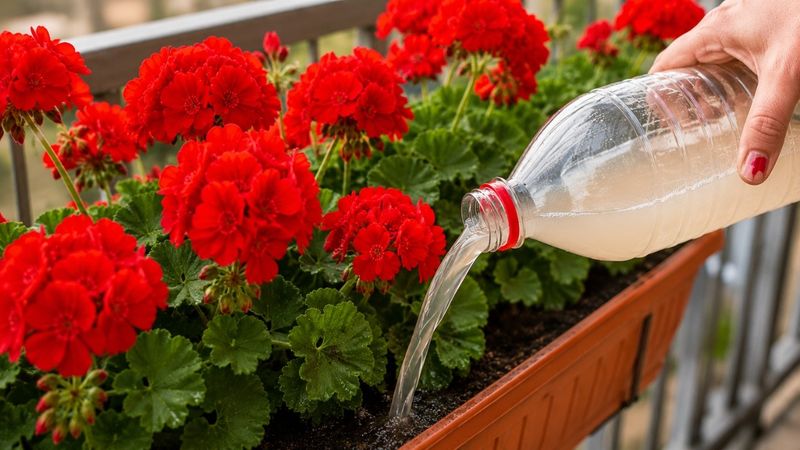
Floppy stems and dull, faded flower color can both point back to a potassium shortage, and a targeted boost may be the answer. Potassium is the nutrient behind sturdy growth, vivid petals, and a plant’s overall ability to handle summer stress.
Think of it as the mineral that helps everything hold together. It regulates water movement, thickens cell walls, and supports the intensity of bloom color that makes geraniums pop.
Fertilizers with a higher third number carry more potassium, and some gardeners also use a splash of liquid seaweed as a natural source. Apply it during the active blooming stretch for the best payoff.
Avoid overdoing any single nutrient, since geraniums thrive on balance rather than extremes. A modest potassium bump alongside your regular feeding is usually plenty.
You may notice firmer stems and richer petal color over a couple of weeks, especially on plants weakened by heat.
Potassium will not cure every problem, but for geraniums that look pale, weak, or floppy despite decent watering, it is a worthwhile nutrient to check and support.
14. Match Feeding to the Growing Season
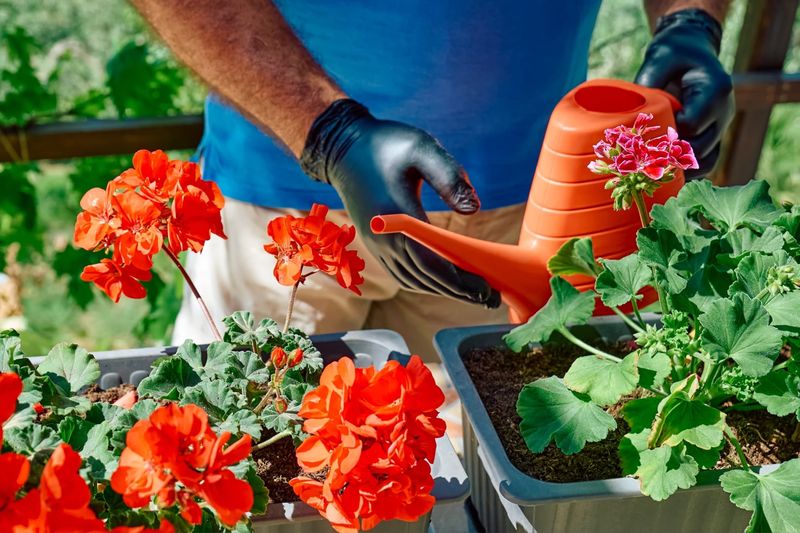
Timing your feeding to the calendar matters just as much as choosing the right product. Geraniums grow and bloom hardest in the warm months, and that is when they can actually use the extra nutrients you provide.
Kick off feeding in spring as new growth appears, then keep a steady rhythm through the heat of summer when the plant is working its hardest. That window is when regular feeding pays off in blooms.
As late summer fades into fall, taper off gradually so the plant can wind down naturally rather than pushing tender growth into cooler weather. Feeding hard in autumn often wastes fertilizer and stresses the plant.
Overwintered indoor geraniums need very little food during their rest, if any at all, since they are barely growing.
Feeding a dormant or slowing plant does not speed it up and can lead to salt buildup in the soil. Reading the season keeps your effort in sync with the plant’s real needs.
Line your feeding schedule up with how geraniums actually grow, and every dose you give will do more good.
15. Watch for Signs of Overfeeding
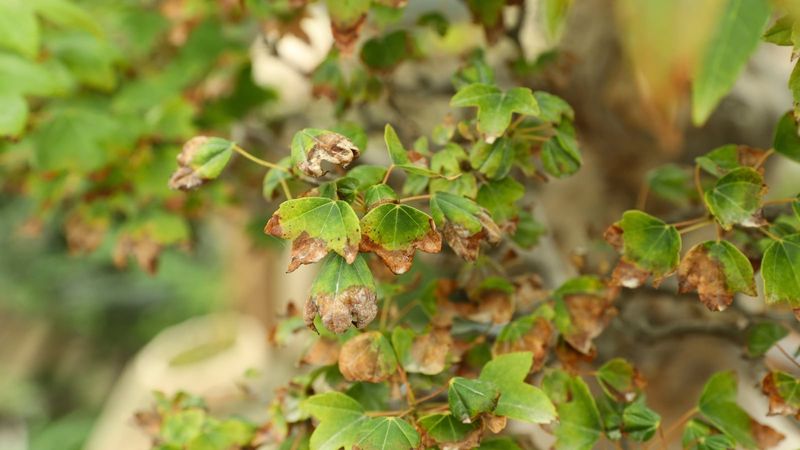
More fertilizer feels like more love, but geraniums do not see it that way. Crispy brown leaf edges, a white crust on the soil surface, and sudden leaf drop are all warning signs that you have pushed the feeding too far.
Overfeeding causes salts to build up around the roots, which pulls moisture away and burns the delicate tissue. The plant ends up more stressed than a hungry one, and it may stop blooming entirely.
If you spot these symptoms, flush the pot with plain water several times to rinse the excess salts down and out through the drainage holes. Then hold off on feeding for a couple of weeks.
Going forward, lighten the dose and stretch out the timing so the roots can recover. Half strength is a safe reset point.
Learning to read these signals turns feeding from a guessing game into a conversation with the plant. The geranium tells you when something is off if you know what to look for.
Catching overfeeding early can rescue a plant that might otherwise decline, so keep an eye on those leaf edges.
16. Test Your Soil pH First
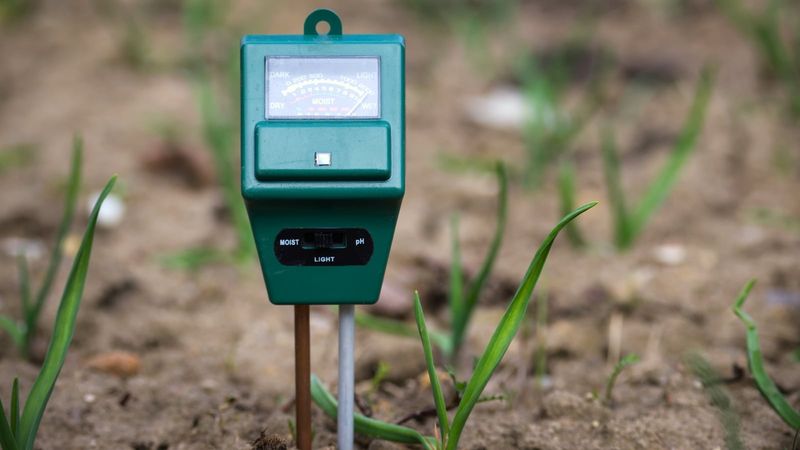
Sometimes you can feed a geranium perfectly and still see no improvement, and the hidden reason is soil pH. If the pH is off, the plant simply cannot absorb the nutrients sitting right there in the soil.
Geraniums prefer slightly acidic to neutral soil, roughly in the 6.0 to 6.5 range. When the soil drifts too alkaline, nutrients like iron and manganese get locked up, causing yellowing that no amount of fertilizer will fix.
A cheap soil test kit from the garden center tells you where you stand in a few minutes. It is a small step that can explain a mystery that has stumped you for weeks.
If the pH is too high, adding a little elemental sulfur or an acidifying fertilizer can gently nudge it down over time. If too low, a touch of lime helps.
Retest after any adjustment, since changes happen slowly and you do not want to overshoot.
Checking pH before you keep pouring on more fertilizer can save money and frustration, and it often unlocks the results your feeding should have delivered all along.
17. Add Micronutrients With a Trace Element Feed
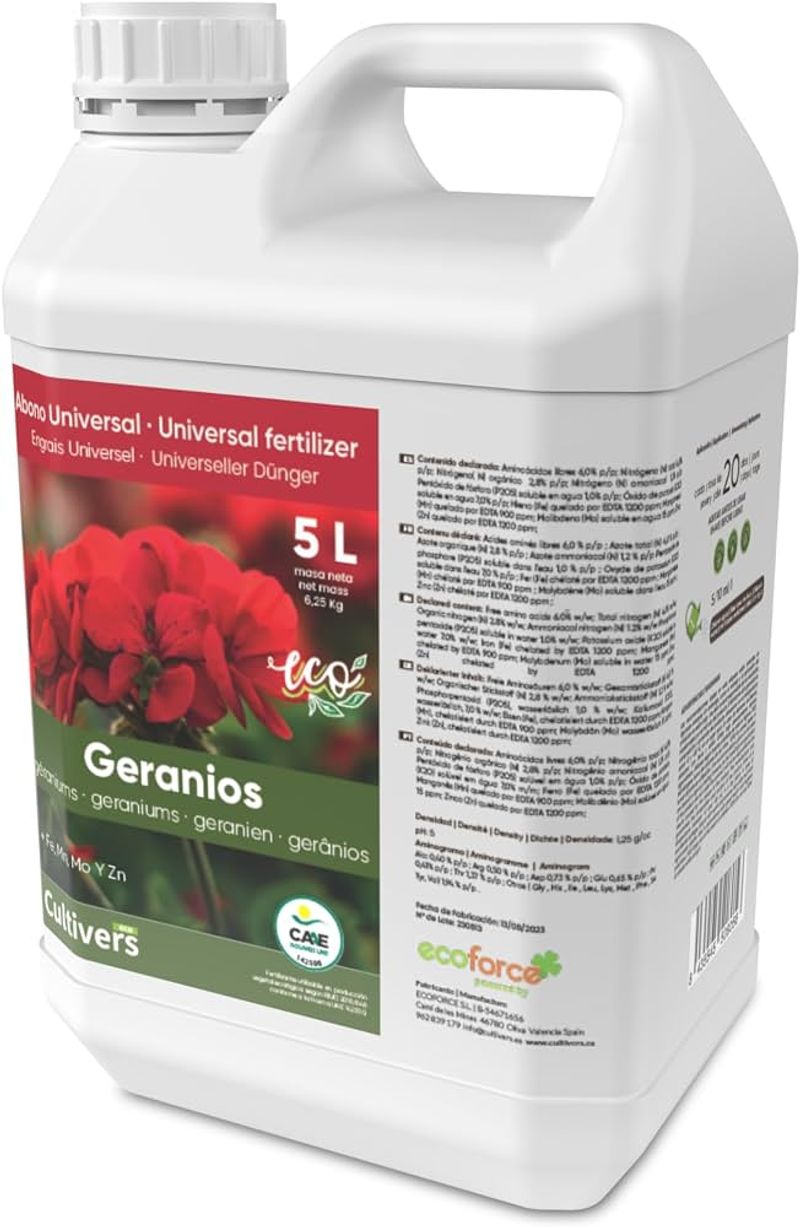
Every so often a geranium struggles despite good watering, sunlight, and regular feeding, and the missing piece turns out to be a trace element. Nutrients like iron, manganese, and zinc are needed in tiny amounts, but a shortage still causes real problems.
Iron deficiency, for example, shows up as yellow leaves with green veins on new growth, a look that can mimic other issues. A feed containing chelated micronutrients targets exactly that gap.
Many premium flowering fertilizers already include a range of trace elements, so check the label before buying a separate product. If yours does not, a specialized micronutrient supplement can fill the void.
Apply these sparingly and follow the directions closely, because trace elements can cause toxicity if overdone. A little goes a long way here.
Correcting a micronutrient shortage sometimes produces a quick, satisfying green-up that plain fertilizer never managed. It is like finding the one missing ingredient in a recipe.
For a geranium that has you scratching your head after trying everything else, a trace element feed may be the overlooked fix that gets it thriving again.
18. Pair Feeding With Deadheading and Good Care
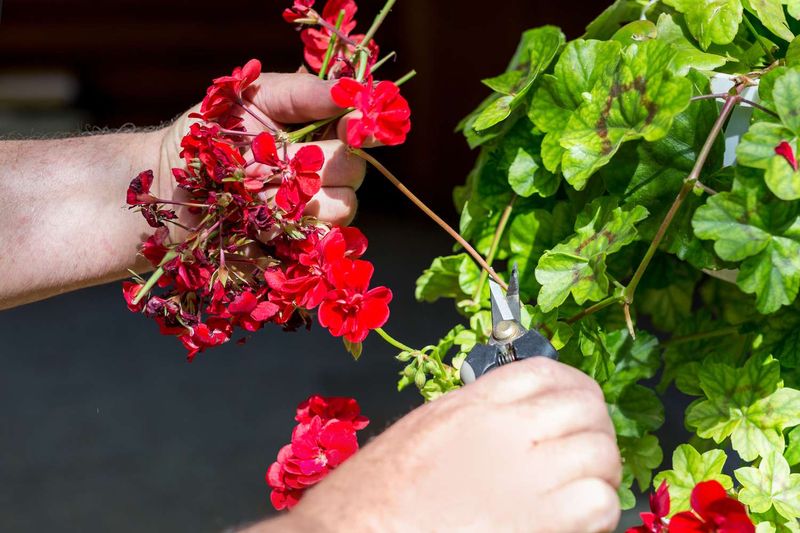
Fertilizer alone will never carry a geranium to its full potential if the rest of the care is missing. The plants that bloom the brightest are the ones where feeding works hand in hand with deadheading, sunlight, and smart watering.
Deadheading, which means pinching off spent flowers, tells the plant to make new buds instead of wasting energy on seeds. Do it regularly and your feeding efforts show up as more color.
Geraniums also want six or more hours of sun a day, so no amount of fertilizer will substitute for a bright spot. Pair feeding with good light and watch the difference.
Water consistently but let the top inch of soil dry between drinks, since soggy roots cannot use nutrients well anyway. Overwatering can undo all your careful feeding.
Think of fertilizer as one instrument in a small band. When feeding, light, water, and deadheading all play together, the plant responds far better than to any single fix.
Bring these habits together and your geraniums stand the best chance of bigger, brighter blooms all summer long.