
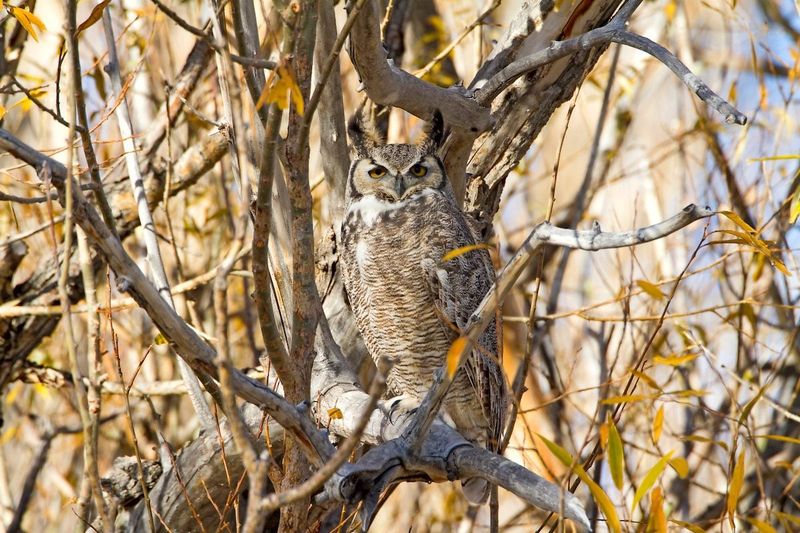
Rats in a Florida backyard are more than a nuisance, they chew wires, raid gardens, and multiply fast in our warm climate. Instead of reaching for traps or poison, you can invite nature’s own pest control to move in: owls. Certain Florida-friendly plants create the cover, roosting spots, and food-chain conditions that barn owls and screech owls love. Plant a few of these and you may find your rodent troubles quietly fading while your yard turns into a living, breathing ecosystem.
1. Live Oak (Quercus virginiana)
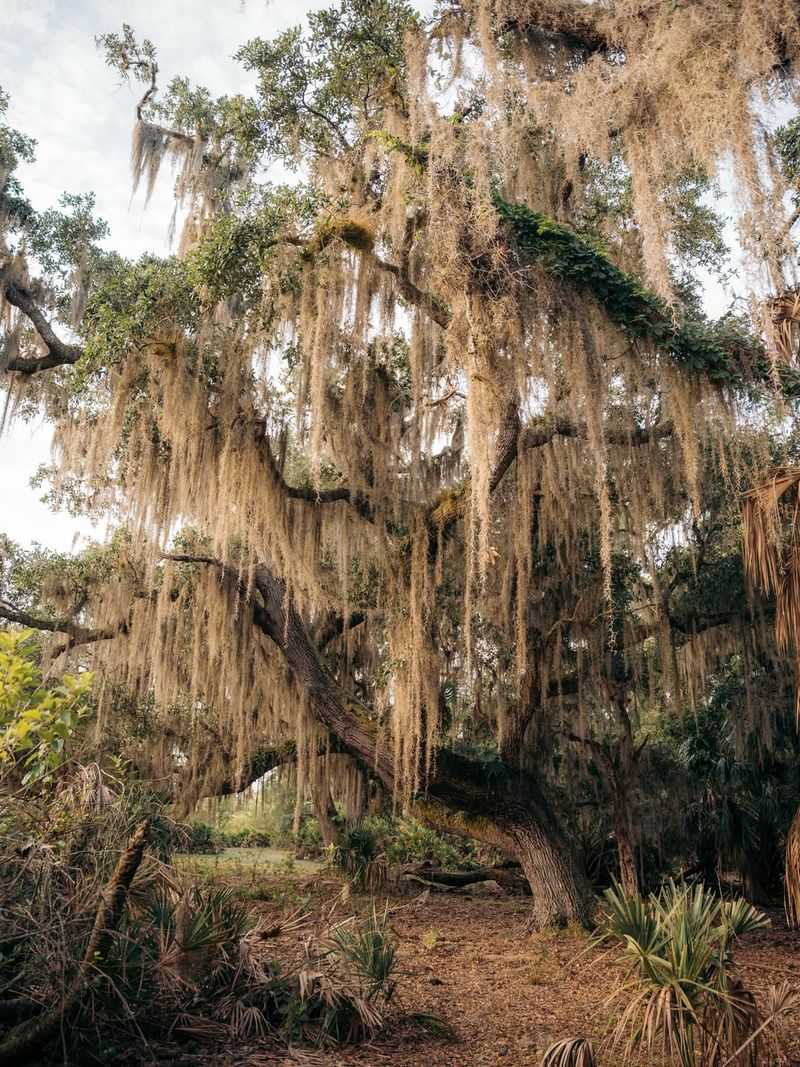
Nothing says old Florida quite like a sprawling live oak draped in Spanish moss, and owls feel the same way. These massive natives develop deep cavities and thick, horizontal limbs as they age, giving barred owls and eastern screech owls the sheltered roosts and nesting hollows they need.
Once established, a live oak asks almost nothing of you. It shrugs off hurricane winds better than most trees, tolerates our sandy soil, and casts the kind of dense shade that keeps rodents nervous and exposed when an owl is watching from above.
Fun fact: a single mature live oak can live over 200 years and support hundreds of wildlife species. Plant one now and you are not just solving a rat problem, you are leaving a legacy tree that future owls will hunt from long after you are gone.
2. Cabbage Palm (Sabal palmetto)
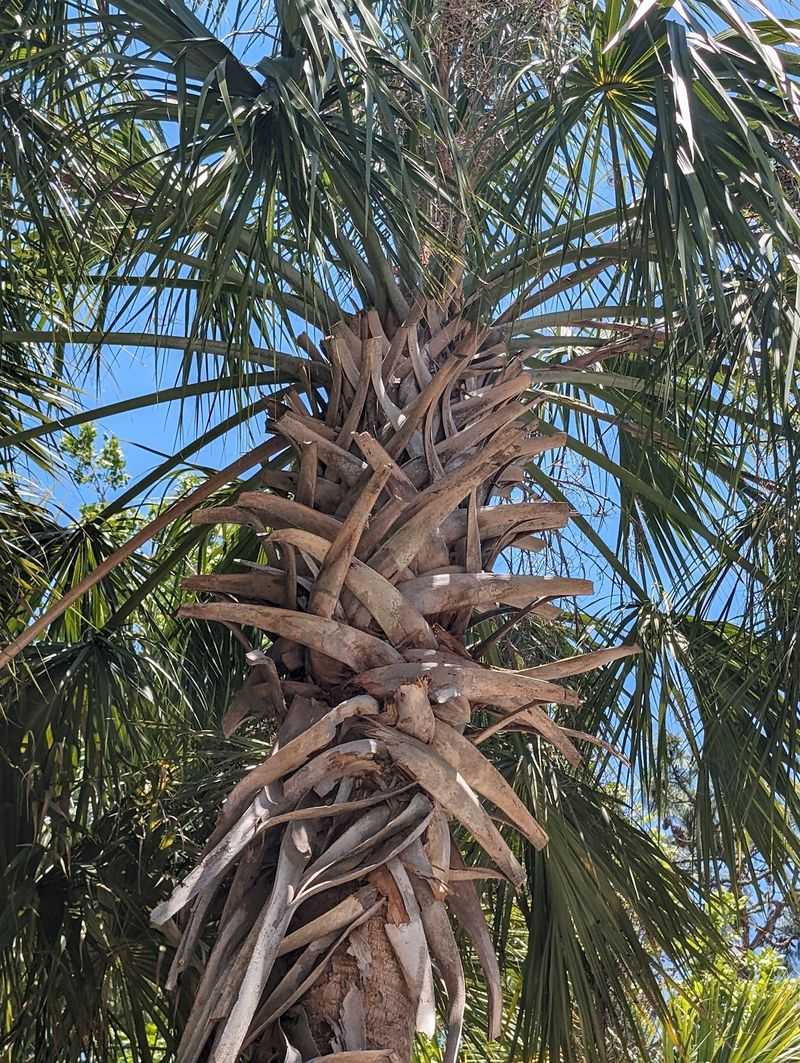
Florida’s state tree earns its spot for a reason owls understand instinctively. The shaggy boot layer and old frond bases on a cabbage palm create ready-made crevices where screech owls tuck in during the day, safe from crows and hawks.
Salt-tolerant, drought-proof, and practically indestructible in a storm, this palm laughs at the conditions that kill fussier plants. It thrives in the same fast-draining sandy soil that frustrates so many Florida gardeners.
Rats also love to nest in unpruned palms, which sounds like a problem until you realize it works in your favor. An owl roosting overhead has its grocery store built right into the same tree, and that constant pressure keeps rodent numbers from ever getting comfortable.
3. Slash Pine (Pinus elliottii)
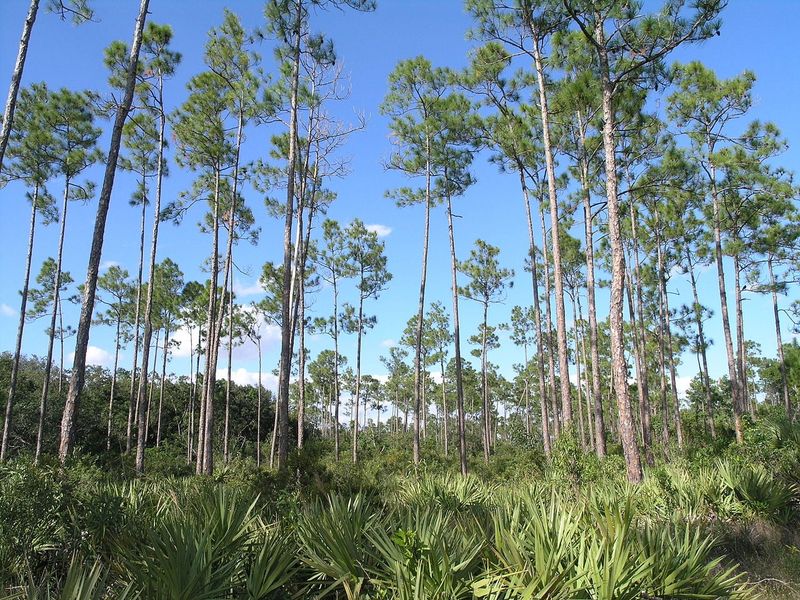
Tall, straight, and built for the long haul, slash pines give owls exactly what an oak cannot: height. Barn owls in particular favor these lofty perches for scanning open ground, and the loose bark and dead snags they leave behind become prime nesting real estate.
A grove of slash pines recreates the natural Florida flatwoods that owls evolved alongside. Plant a few together and you build a hunting tower system across your property, with birds able to swoop down on rodents from multiple angles.
These pines handle sandy, acidic soil and periodic flooding without complaint, which matters when summer storms turn your yard into a temporary pond. Just give them room, because they can stretch past 80 feet and drop needles that make a soft, rat-unfriendly mulch below.
4. Wax Myrtle (Myrica cerifera)
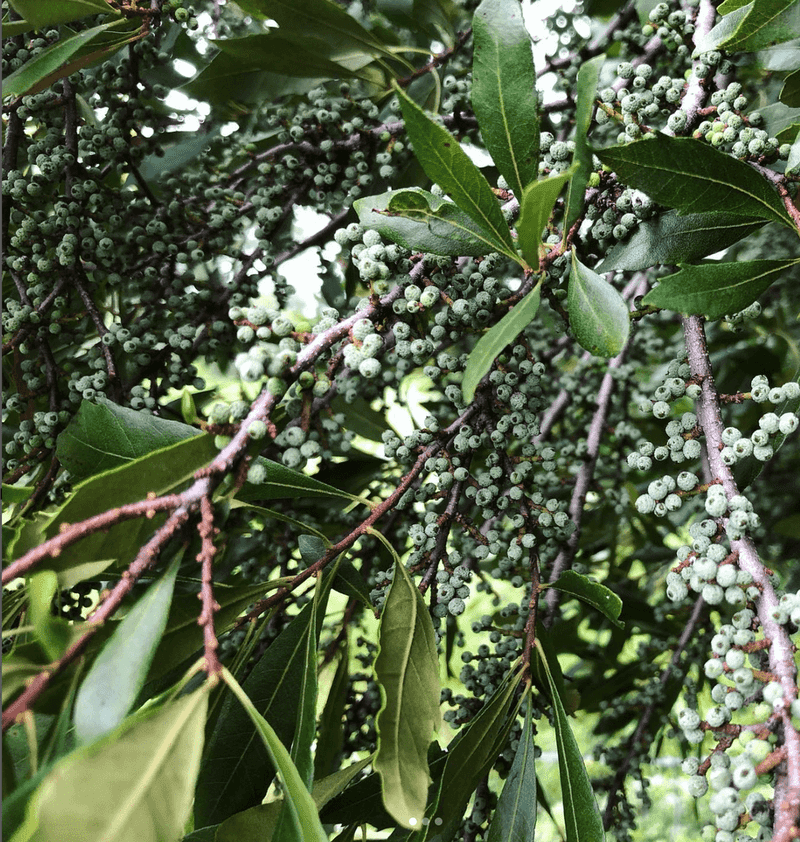
Think of wax myrtle as the fast-growing privacy screen that happens to double as an owl magnet. This scrappy native shrub shoots up quickly, forming dense thickets where small screech owls hide and where songbirds gather, drawing predators in for the show.
Its waxy berries feed dozens of bird species through the cooler months, and a busy, bird-filled corner of the yard signals to owls that food is nearby. More prey activity means more reason for an owl to make your property a regular stop.
Wax myrtle tolerates drought, salt spray, and wet feet equally well, and UF-IFAS often recommends it for tough coastal and inland spots alike. Trim it into a hedge or let it grow wild, either way the rats lose their sense of safe passage.
5. Southern Red Cedar (Juniperus virginiana var. silicicola)
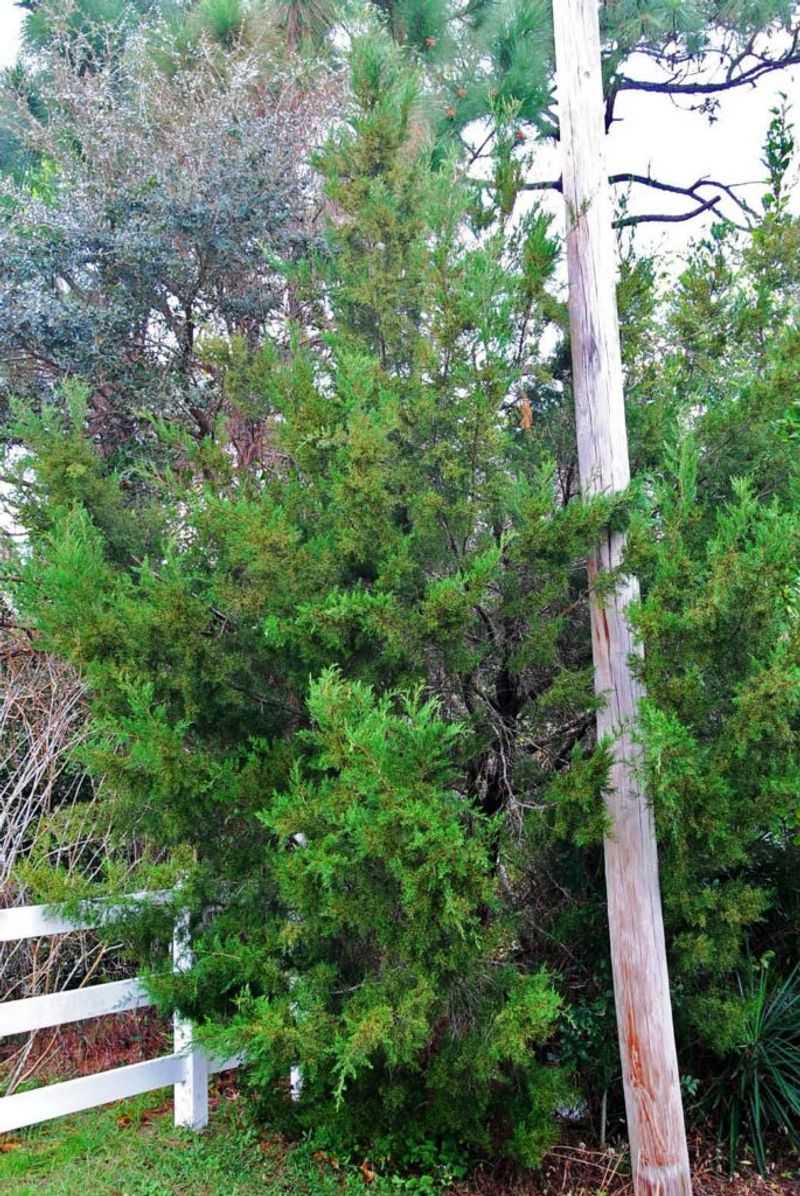
Dense to the point of being nearly impenetrable, southern red cedar offers owls the one thing they crave most during daylight: cover. The tight, evergreen foliage hides roosting birds from mobbing crows and lets them rest undisturbed until the hunt begins at dusk.
This tough native handles salt, wind, and the poorest sandy soils Florida can throw at it, making it a favorite for exposed yards near the coast. It stays green year-round, so the shelter never disappears with the seasons.
Did you know? The berry-like cones feed cedar waxwings and other birds by the flock, turning your tree into a seasonal feeding station. All that activity keeps owls circling back, and their presence sends rodents scurrying for less patrolled ground.
6. Firebush (Hamelia patens)
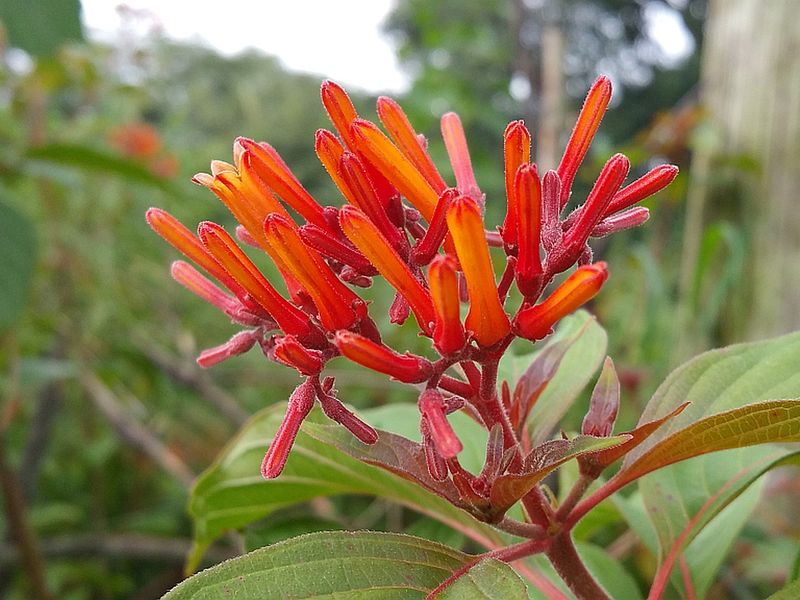
Bright orange-red tubular blooms make firebush look like pure ornamental flair, but there is real strategy hiding in those flowers. Hummingbirds, butterflies, and insects swarm this native shrub, and that buzzing buffet draws in the small mammals and reptiles that owls hunt after dark.
Low-maintenance to a fault, firebush blooms nearly year-round in South and Central Florida and bounces back fast after a cold snap or storm. It thrives in heat that would wilt lesser plants and asks only for sun and decent drainage.
A layered yard with flowering shrubs like this one builds the bottom of the food chain that owls sit atop. Get the little creatures moving through your garden and the owls will follow, tipping the balance against any rat hoping to settle in.
7. Saw Palmetto (Serenoa repens)
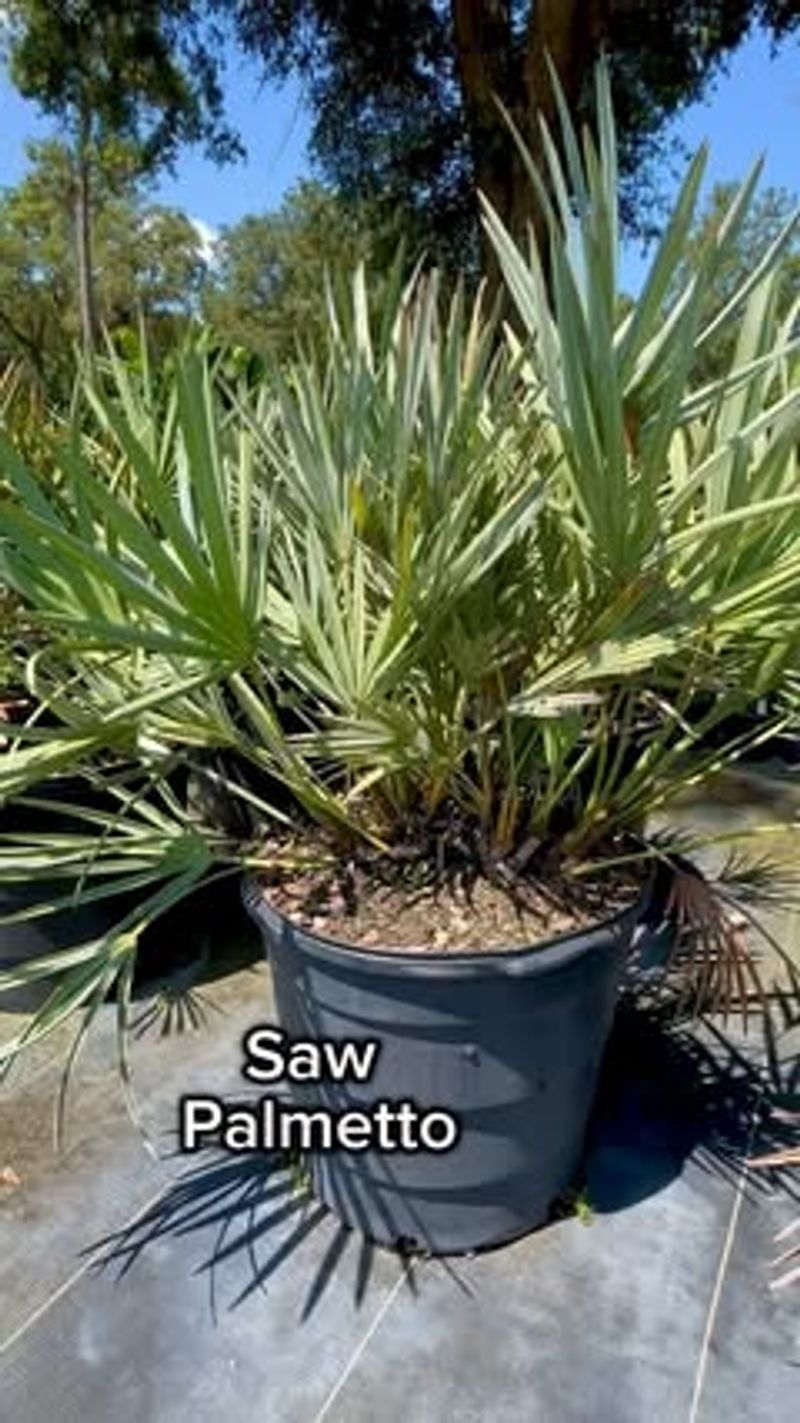
Low, tough, and gloriously wild, saw palmetto covers the ground where taller plants set up owl perches. This sprawling native forms sheltering thickets that shelter the mice, rats, and rabbits owls come looking for, effectively baiting the trap you never had to set.
Barn owls hunting open patches near palmetto scrub get an easy meal whenever a rodent breaks cover. Pair a patch of saw palmetto with a nearby pine or oak and you create the classic Florida hunting ground owls have used for thousands of years.
It is about as set-and-forget as a plant gets, surviving drought, fire, flooding, and salt without missing a beat. UF-IFAS praises it as a keystone species, and once it takes hold in your sandy soil, it quietly runs the whole show below the birds above.