
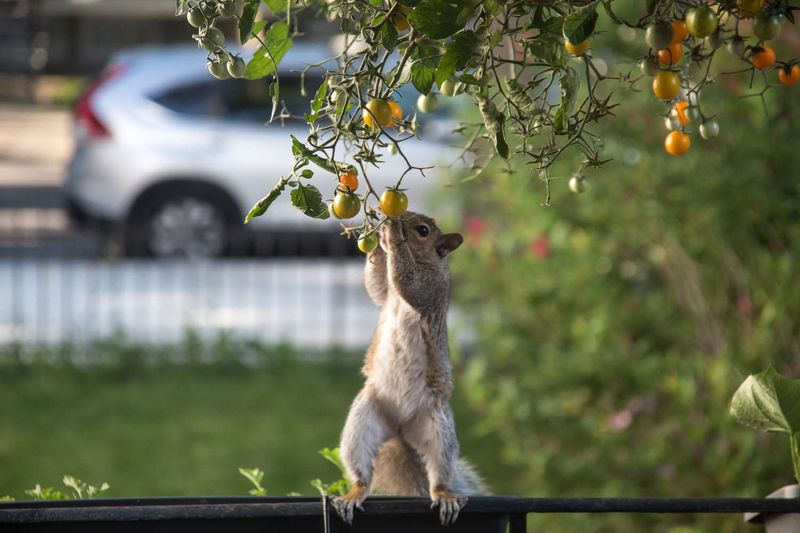
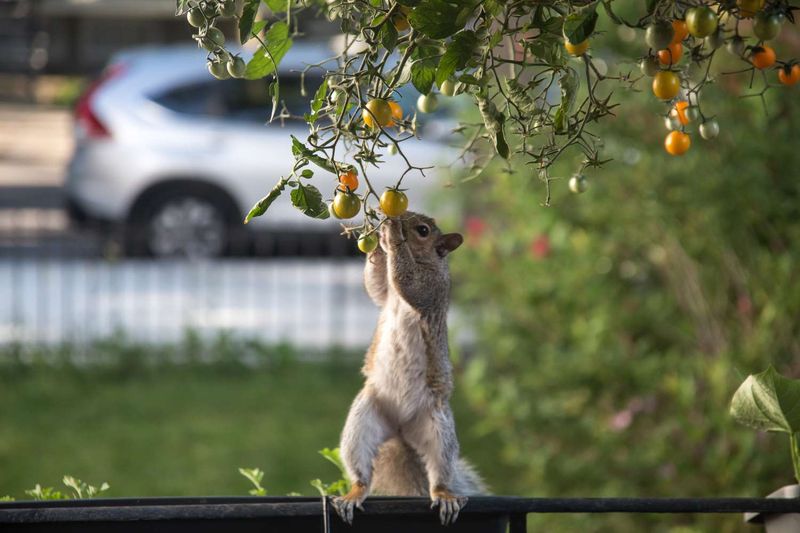
Nothing stings quite like walking out to your garden and finding your almost-ripe tomatoes half-eaten and tossed on the ground. Squirrels love tomatoes, especially in hot, dry weather when they are hunting for water as much as food. The good news is you do not need harsh chemicals or expensive traps to protect your crop. These 16 natural tricks can help you outsmart the furry raiders and finally enjoy the tomatoes you worked so hard to grow.
1. Cover Plants With Bird Netting
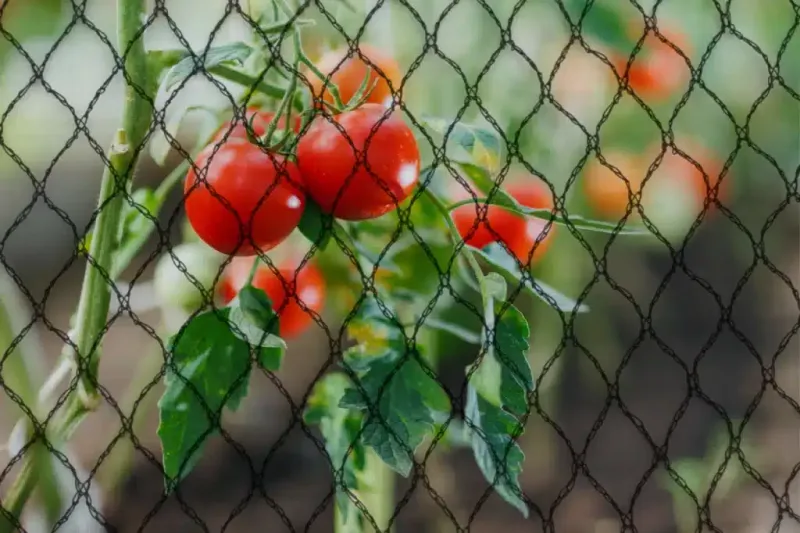
Squirrels are bold, but a physical barrier stops them cold better than almost anything else you can try. Draping bird netting over your tomato plants creates a fence that little paws struggle to climb through or chew quickly.
Choose a fine mesh with openings around three-quarters of an inch so agile paws cannot reach the fruit. Drape it loosely and secure the edges to the ground with landscape staples or bricks, otherwise a determined squirrel will simply crawl underneath.
For taller plants, build a simple frame from PVC pipe or bamboo stakes and stretch the netting over the top like a tent. That keeps the mesh off the leaves so it does not snag growing stems.
Check the netting every few days during peak season. Birds and even squirrels can get tangled, and you want to free anything caught before it panics.
Netting will not win any beauty contests, but it may be the single most reliable defense on this list. When ripe fruit is on the line, function beats fashion every time in the backyard.
2. Build a Chicken Wire Cage
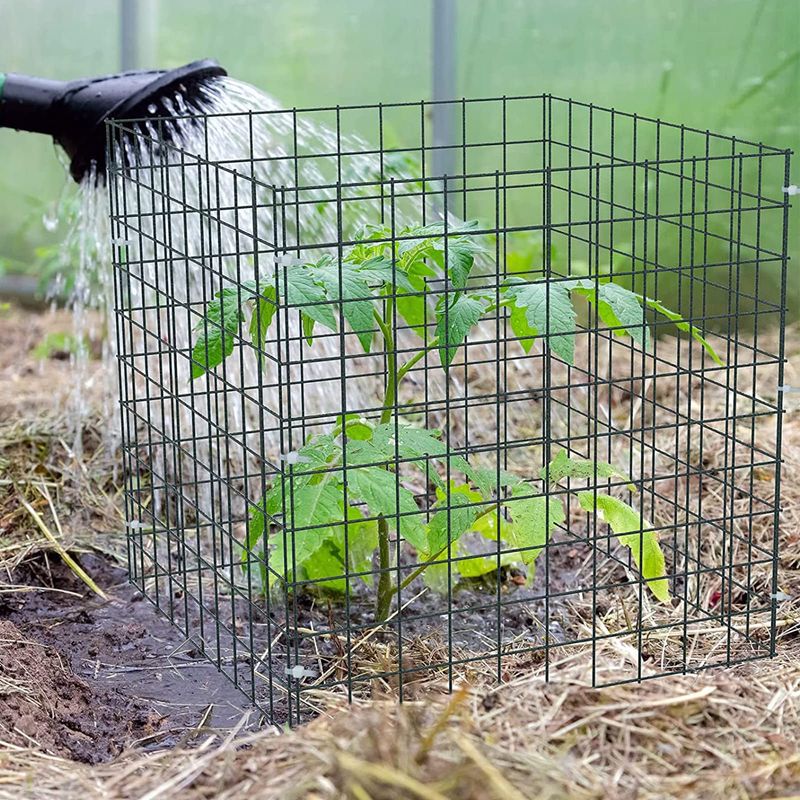
Ask any frustrated gardener what finally worked, and a surprising number will point to a homemade wire cage. Wrapping your tomato plant in a cylinder of chicken wire or hardware cloth gives squirrels almost nothing to grab.
Form a tube of hardware cloth with quarter-inch openings, since squirrels can squeeze through wider chicken wire gaps. Anchor the base with stakes and add a wire top or lid so climbers cannot drop in from above.
Leave enough room inside for the plant to grow and for your hand to reach in and harvest. A cage that is too tight becomes a headache every time you pick.
The upfront effort is real, but a well-built cage lasts for years and can move from bed to bed each season. Store it flat over winter and reuse it.
Combining a cage with netting on top can reduce raids even further. When squirrel pressure is heavy in your neighborhood, layering defenses often improves your odds more than any single trick alone.
3. Sprinkle Cayenne Pepper Around Fruit
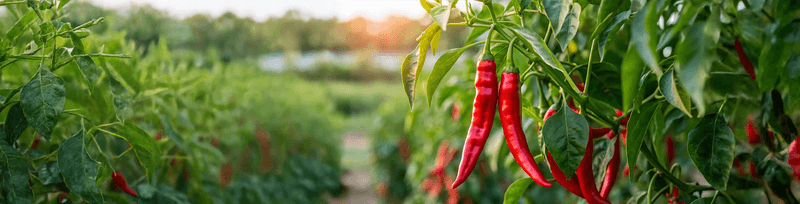
Squirrels rely heavily on smell and taste, and hot pepper hits both senses hard. A dusting of cayenne pepper or crushed red pepper flakes on and around your tomatoes can make a snack feel like a mistake to a curious critter.
Mammals feel the burn of capsaicin, but birds do not, so you can spice things up without scaring off the pollinators and helpers you want around.
Sprinkle the powder on the soil, along stems, and lightly on the fruit itself. You can also mix cayenne with water and a drop of dish soap, then spray it on for better staying power.
Rain and watering wash the pepper away, so plan to reapply every few days and always after a downpour. Consistency is what makes this trick pay off.
Wear gloves and keep the powder away from your eyes while you work. Cayenne may reduce nibbling noticeably, though a truly hungry squirrel might still test a bite before deciding your tomatoes are not worth the heat.
4. Offer a Water Source Nearby
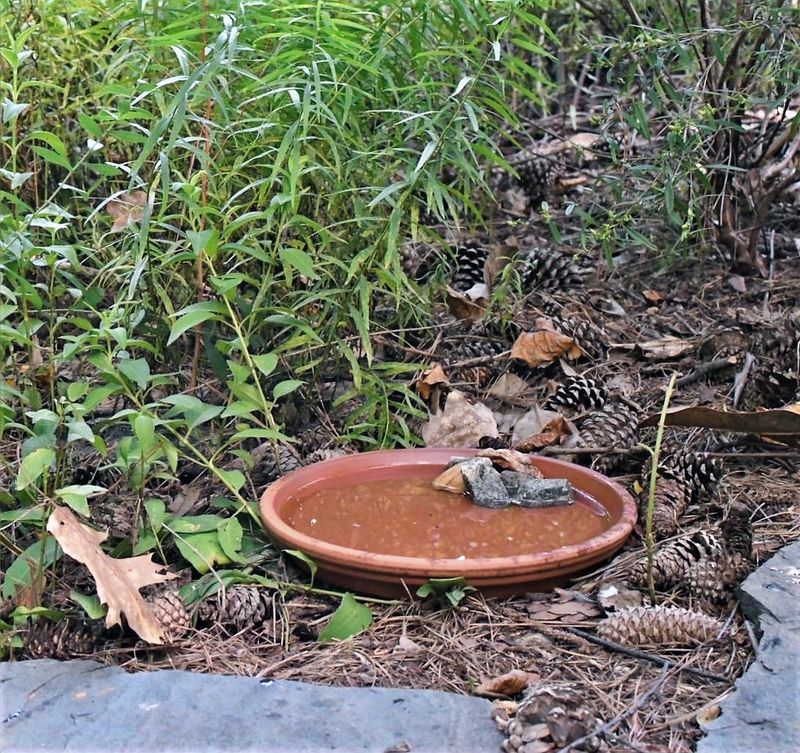
Here is a twist most people never consider: squirrels often attack tomatoes because they are thirsty, not hungry. During a hot, dry stretch, a juicy tomato is basically a canteen with seeds.
Setting out a shallow dish of fresh water at the edge of your yard can take the pressure off your plants. When squirrels have an easier drink available, your tomatoes lose some of their appeal.
Place the water station away from the garden, near a fence line or tree where squirrels already travel. Refill it daily and keep it clean so it does not become a mosquito breeding pool.
Some gardeners worry this only invites more wildlife, and that is a fair concern. Position matters, so keep the water far enough from your beds that visitors stop for a sip and move on.
Pair this with another deterrent for the best results. On its own, a water dish can reduce desperate raids during heat waves, which is exactly when tomato damage tends to spike.
5. Plant a Squirrel Decoy Crop
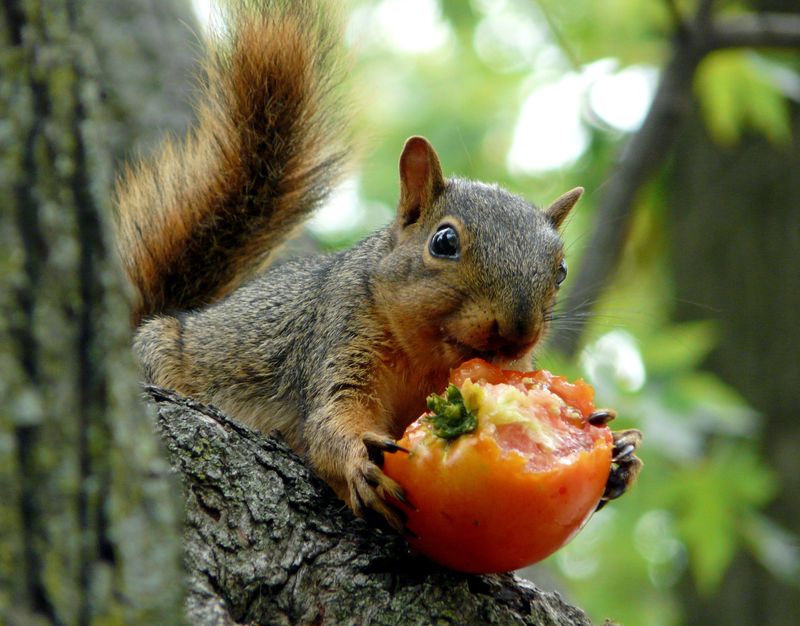
Sometimes the smartest move is giving the enemy something else to chew. Planting a decoy crop that squirrels love more than tomatoes can pull their attention to the far side of the yard.
Sunflowers, corn, and even a patch of extra cherry tomatoes work well as tempting distractions. The idea is simple: a full buffet elsewhere means less interest in your main harvest.
Set the decoy plants as far from your prized tomatoes as your space allows. You want to create distance, not a convenient side dish right next to the good stuff.
This approach takes patience and a little garden real estate, so it suits folks with room to spare. In tight spaces it can backfire by drawing more visitors overall.
Think of it as a peace offering that keeps the raiders busy. A decoy crop will not guarantee your tomatoes go untouched, but it can meaningfully reduce damage when paired with a barrier or repellent on the plants you actually care about.
6. Spray a Homemade Garlic Repellent
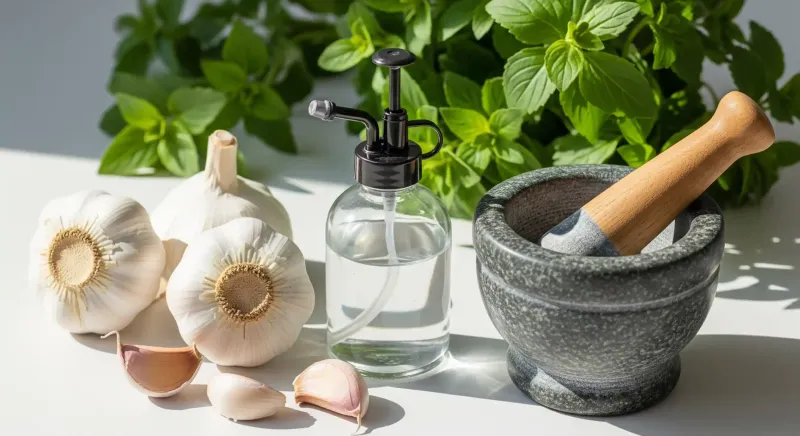
Grandmothers swore by garlic for keeping pests out of the garden, and squirrels genuinely dislike the pungent smell. A homemade garlic spray is cheap, natural, and easy to whip up in your kitchen.
Blend a few crushed cloves with water, let the mixture steep overnight, then strain it into a spray bottle. Adding a little hot pepper and a drop of dish soap boosts both the odor and how well it sticks.
Mist the leaves, stems, and surrounding soil, but go light on the fruit you plan to eat soon. Rinse those tomatoes well before serving.
The smell fades over a couple of days and disappears faster after rain, so regular reapplication keeps the barrier fresh. Weekly spraying during peak season tends to work best.
Neighbors probably will not notice, and pollinators generally ignore it. Garlic spray may help deter casual nibblers, though squirrels that are truly determined sometimes push past the odor, so treat it as one layer in a broader defense plan.
7. Scatter Predator Scent or Hair
Prey animals live and die by their nose, and squirrels are no exception. Scattering the scent of a predator around your tomatoes taps into an instinct that says danger is close and dinner can wait.
Human hair from a hairbrush, dog fur from a grooming session, or commercial predator urine granules all send the same message. Tuck small amounts into mesh bags or scatter them along the base of your plants.
Refresh the scent every week or so, since rain and sun wear it down quickly. A stale smell stops fooling anyone.
Dog owners have an easy advantage here, especially if the pup actually spends time in the yard. A living, barking deterrent that leaves scent behind is hard for a squirrel to ignore.
Results vary from yard to yard, and some bold squirrels learn the threat is empty over time. Even so, predator scent can reduce visits during the crucial ripening window, buying your fruit enough time to reach the kitchen.
8. Install a Motion-Activated Sprinkler
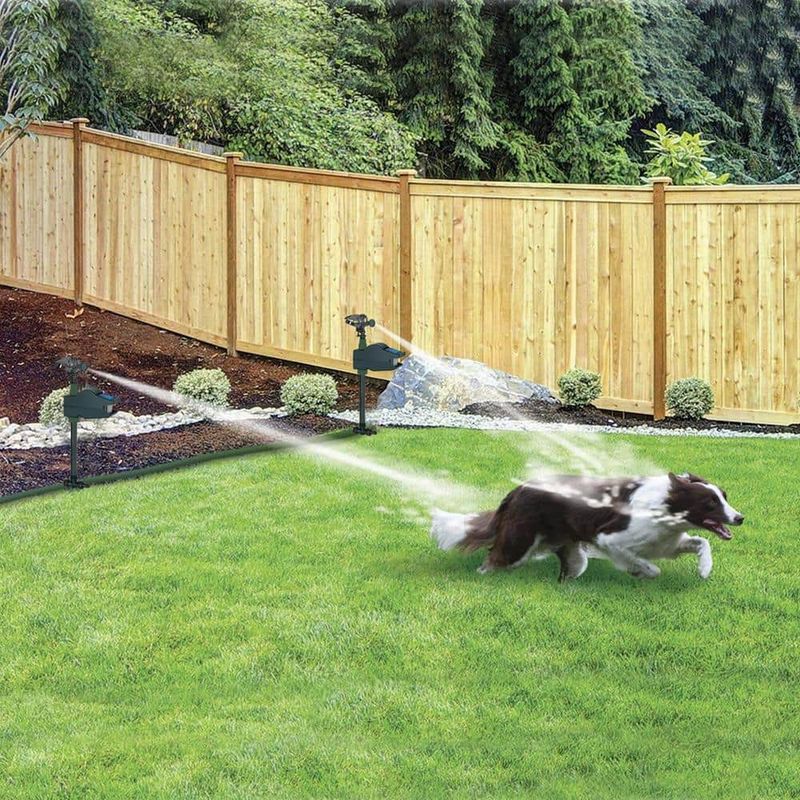
Picture a squirrel creeping toward your ripest tomato only to get blasted with a sudden burst of water. Motion-activated sprinklers turn that jump-scare into your best backyard bodyguard.
These devices use a sensor to detect movement and fire a quick spray, startling squirrels without hurting them. The surprise, not the water itself, is what teaches them to steer clear.
Position the sprinkler so its range covers your tomato bed but not your walking path, unless you enjoy soggy surprises yourself. Aim it low to catch ground-level scurrying.
Battery-powered models are simple to set up and move as your garden changes through the season. Just remember to switch it off before you head out to harvest.
Squirrels are clever and may eventually learn the pattern, so relocating the unit now and then keeps them guessing. Even with that quirk, a motion sprinkler often improves protection dramatically, and it doubles as a deterrent against deer, cats, and other uninvited garden guests.
9. Hang Shiny Objects and Reflective Tape
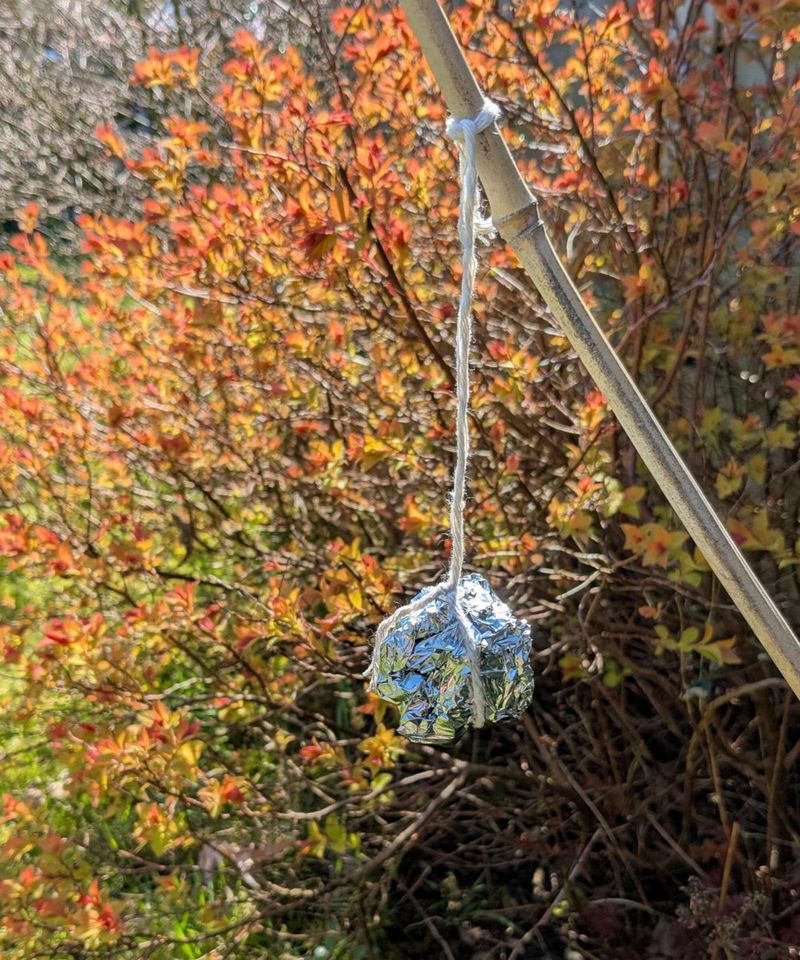
Squirrels get spooked by sudden flashes of light, and you can use that jitteriness to your advantage for almost no money. Hanging shiny objects around your tomatoes creates a shimmering, unpredictable scene that makes them nervous.
Old CDs, aluminum pie tins, and strips of reflective bird tape all catch the sun and spin in the breeze. The random flashes mimic movement, which reads as a threat to a wary animal.
String them from stakes, cages, or nearby branches so they dangle and twist freely. Movement is the whole point, so avoid pinning them down tight.
Add a little noise by letting metal pieces clink together, and the effect grows stronger. Sight and sound together are harder to ignore than either alone.
Squirrels are smart, and they often figure out the flashing bits are harmless after a while. Rotating the objects or moving them around keeps the trick fresh. As a low-cost first line of defense, reflective clutter can reduce early-season curiosity while your fruit is still green.
10. Harvest Tomatoes Slightly Early
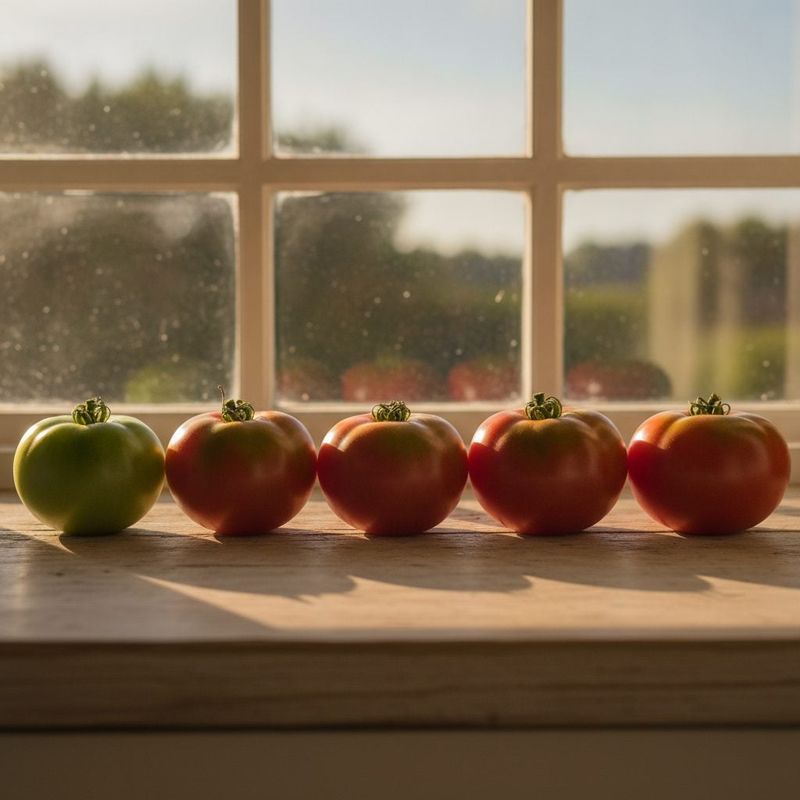
Timing might be the sneakiest weapon in your whole toolkit. Picking tomatoes just as they start to blush, before they turn fully red, takes the prize away before squirrels even notice it is ready.
Tomatoes ripen beautifully off the vine on a sunny windowsill or kitchen counter. The flavor stays nearly identical to vine-ripened fruit, and you keep every one for yourself.
Watch for that first hint of color change from green toward pink or orange. That is your cue to grab it and bring it indoors.
Squirrels tend to target the reddest, softest fruit because it smells the sweetest and holds the most moisture. Beating them to the punch removes the exact reward they are after.
Some gardeners resist this because vine-ripening feels more satisfying, and that is understandable. Yet a fully counter-ripened tomato in your salad beats a half-chewed one in the dirt every single time. When squirrel pressure is intense, early harvesting can save more of your crop than any spray.
11. Use Peppermint Oil Around the Bed
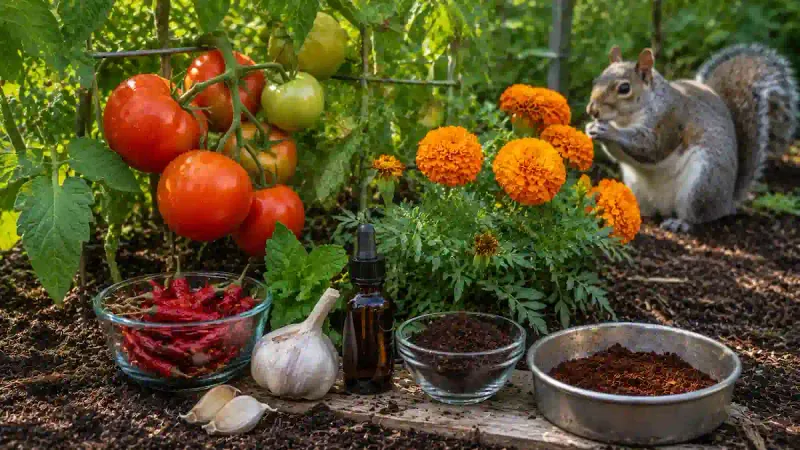
Walk past a peppermint plant and you get a pleasant zing, but to a squirrel that sharp aroma is overpowering and off-putting. Peppermint oil taps into their sensitive noses to make your tomato bed feel unwelcoming.
Soak cotton balls in peppermint essential oil and tuck them around the base of your plants and along garden edges. You can also mix a dozen drops into a spray bottle of water and mist the surrounding area.
The scent fades within a few days, so refresh the cotton balls or reapply the spray regularly to keep the message clear.
Growing actual peppermint in pots near your tomatoes gives you a longer-lasting version of the same defense. Keep it contained, because mint spreads aggressively and will take over an open bed.
As a bonus, the smell also bothers ants, mice, and some other pests, so you tidy up several problems at once. Peppermint may help discourage squirrels, though pairing it with a physical barrier gives you the steadiest protection during ripening.
12. Keep the Garden Clean and Tidy
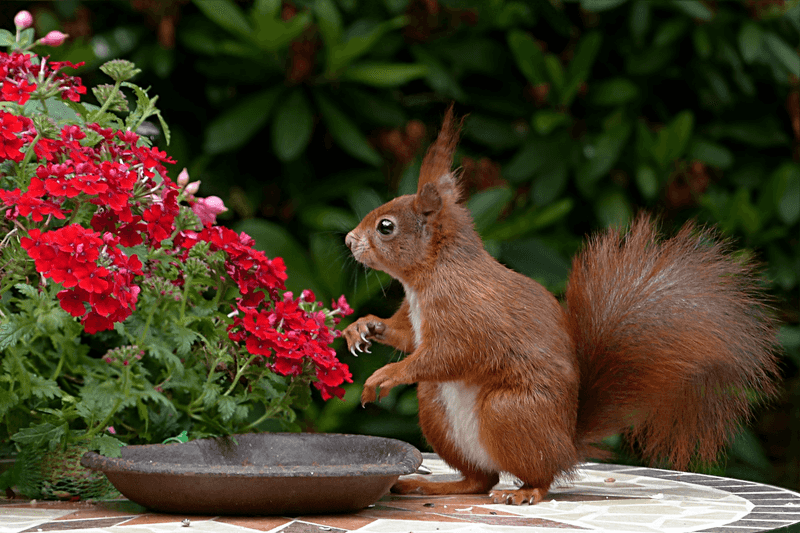
A messy garden is basically an open invitation with a welcome mat. Fallen fruit, dropped seeds, and overflowing bird feeders tell squirrels your yard is a reliable dining spot worth returning to.
Pick up rotten or damaged tomatoes right away instead of letting them pile up under the plants. Rotting fruit sends out a strong scent that draws hungry visitors from surprising distances.
Clean up spilled birdseed and consider moving feeders far from your vegetable beds. A packed feeder is often the real reason squirrels started scouting your yard in the first place.
Trim back low branches and dense brush that give squirrels cover and easy travel routes toward your plants. Open, exposed ground makes them feel vulnerable and less willing to linger.
None of this is glamorous, but tidiness quietly removes the reasons squirrels choose your garden over the neighbor’s. Combined with a barrier or repellent, a clean space can noticeably reduce the traffic that leads to chewed tomatoes and wasted effort.
13. Add Mulch and Ground Cover Barriers
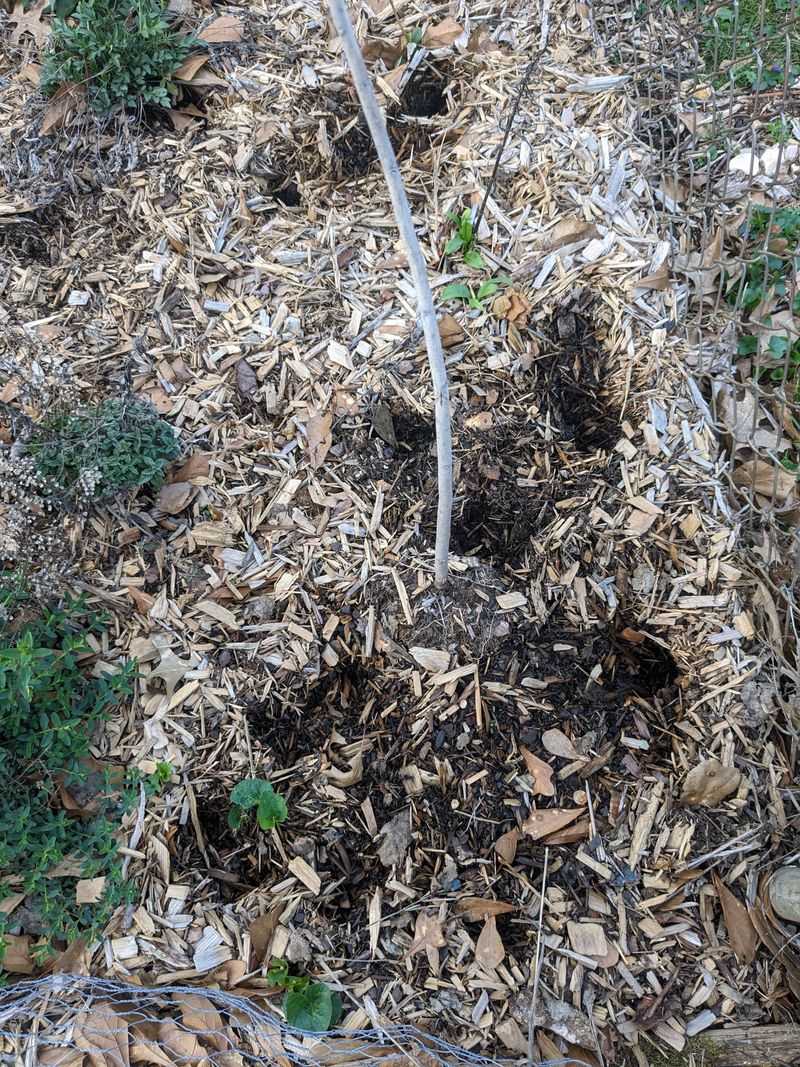
Squirrels love to dig, and loose bare soil around your tomatoes practically begs them to start burrowing and snacking. A thick layer of the right mulch can make the ground far less inviting to paw at.
Rough, prickly materials work best, so try pine cones, sharp gravel, or crushed eggshells spread across the surface. Uncomfortable footing discourages digging and slows down their approach to the stems.
Chicken wire laid flat on the soil and topped with mulch adds another layer they cannot dig through. Cut a hole for the plant and press the wire firmly against the ground.
Beyond deterring squirrels, good mulch holds moisture and keeps roots cool during summer heat. That means healthier plants and a smaller reason for thirsty critters to chase your fruit for water.
Refresh the covering as it settles or breaks down through the season. On its own, a mulch barrier mostly stops ground-level mischief, so combine it with an overhead defense to protect the fruit sitting higher on the vine.
14. Grow Tomatoes in Hanging Baskets
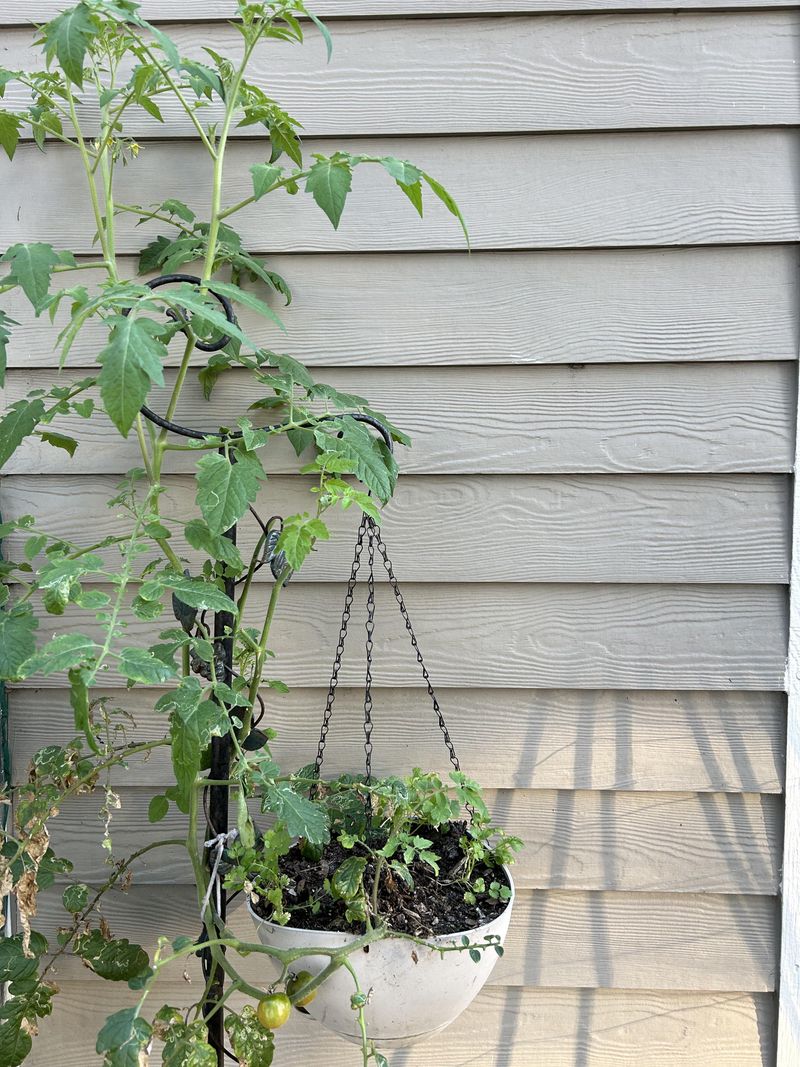
Get your tomatoes off the ground and you take away the squirrels’ favorite runway. Growing compact or cherry varieties in hanging baskets makes the fruit much harder for them to reach.
Suspend the baskets from a sturdy hook, a shepherd’s pole, or a porch beam, well away from fences, walls, and tree branches. Squirrels are athletic jumpers, so distance from any launch point matters most.
Choose tumbling or dwarf tomato types bred for containers, since full-size plants get too heavy and unruly for a basket. Water them often, because hanging containers dry out faster than beds.
Elevated fruit also gets better airflow and sunlight, which can mean fewer disease problems and sweeter tomatoes. You win on flavor while dodging the raiders.
A truly determined squirrel might still find an acrobatic route, so scan for nearby branches it could use as a springboard. When positioned smartly, hanging baskets can dramatically cut damage, and they let apartment gardeners with only a balcony grow tomatoes safely too.
15. Companion Plant With Marigolds and Mint
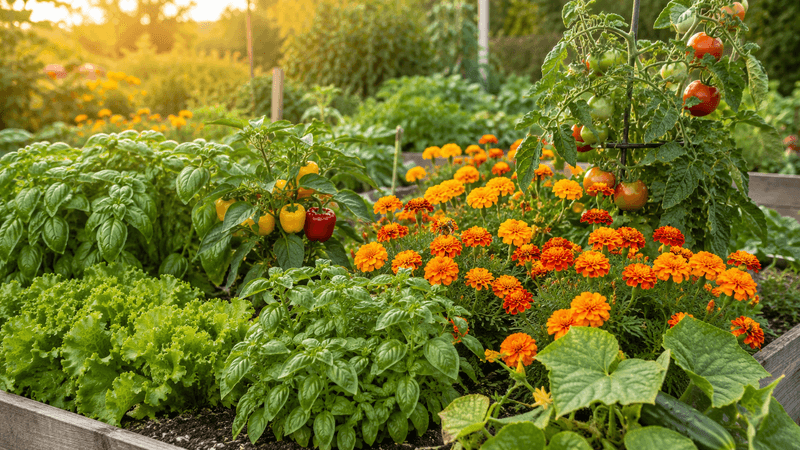
Certain plants act like tiny bodyguards, and tucking them among your tomatoes builds a fragrant wall squirrels would rather avoid. Marigolds, mint, nasturtiums, and alliums all carry scents that many critters find unpleasant.
Ring your tomato bed with marigolds for a bright, pungent border that pulls double duty against aphids and other pests too. The strong smell muddies the sweet tomato scent squirrels follow.
Mint and garlic planted nearby add another layer of odor that keeps noses wrinkling and appetites shrinking. Keep mint in pots so it does not swallow the whole bed.
Beyond defense, these companions attract pollinators and beneficial insects, giving your whole garden a healthy boost. You are working with nature instead of against it.
No single flower will build an impenetrable fortress, and a bold squirrel may still wander in. Still, companion planting can reduce interest over the season while making your beds prettier and more productive, which makes it one of the most pleasant tricks on this whole list.
16. Set Up a Squirrel Feeding Station Far Away
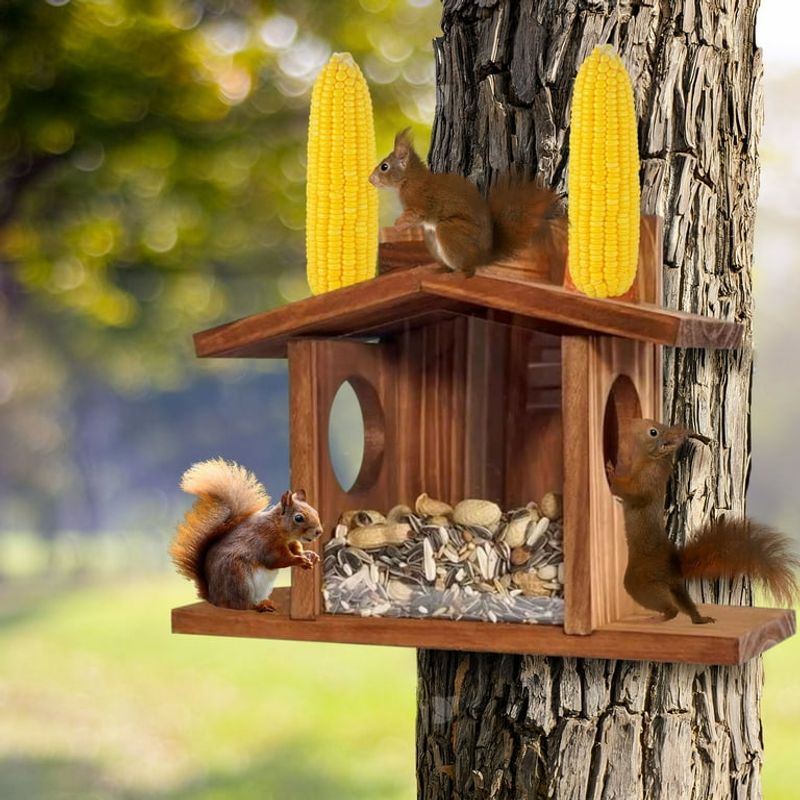
It sounds backward, but feeding the squirrels can actually save your tomatoes. Giving them an easy, appealing food source across the yard often satisfies their hunger before they ever reach your beds.
Fill a dedicated station with cracked corn, sunflower seeds, or peanuts, the treats squirrels crave far more than a tart tomato. A full belly makes them lazy about foraging elsewhere.
Place the station at the farthest corner of your property, near trees they already climb. The goal is to draw them away from the garden, not toward it.
Keep the feeder stocked consistently, because an empty station sends them right back to hunting your vegetables. Reliability is what makes this strategy work.
Some gardeners fear this only breeds a bigger squirrel population, and that risk is real in busy neighborhoods. Weigh it against your own situation before committing.
When done thoughtfully, a distant feeding station can redirect enough traffic to protect your crop. Pair it with a barrier on the plants themselves, and you turn hungry raiders into distracted, well-fed neighbors instead.