
If you keep patching bare, brown spots in your St. Augustine lawn every summer, you are not alone. Florida’s sandy soil, blazing heat, and soggy storm season make traditional turf a losing battle in a lot of yards. The good news is that Florida has native ground covers that shrug off the exact conditions killing your grass, and many of them need almost no fuss once they settle in. Here are seven tough, homegrown options quietly filling in where your lawn keeps giving up.
1. Sunshine Mimosa (Mimosa strigillosa)
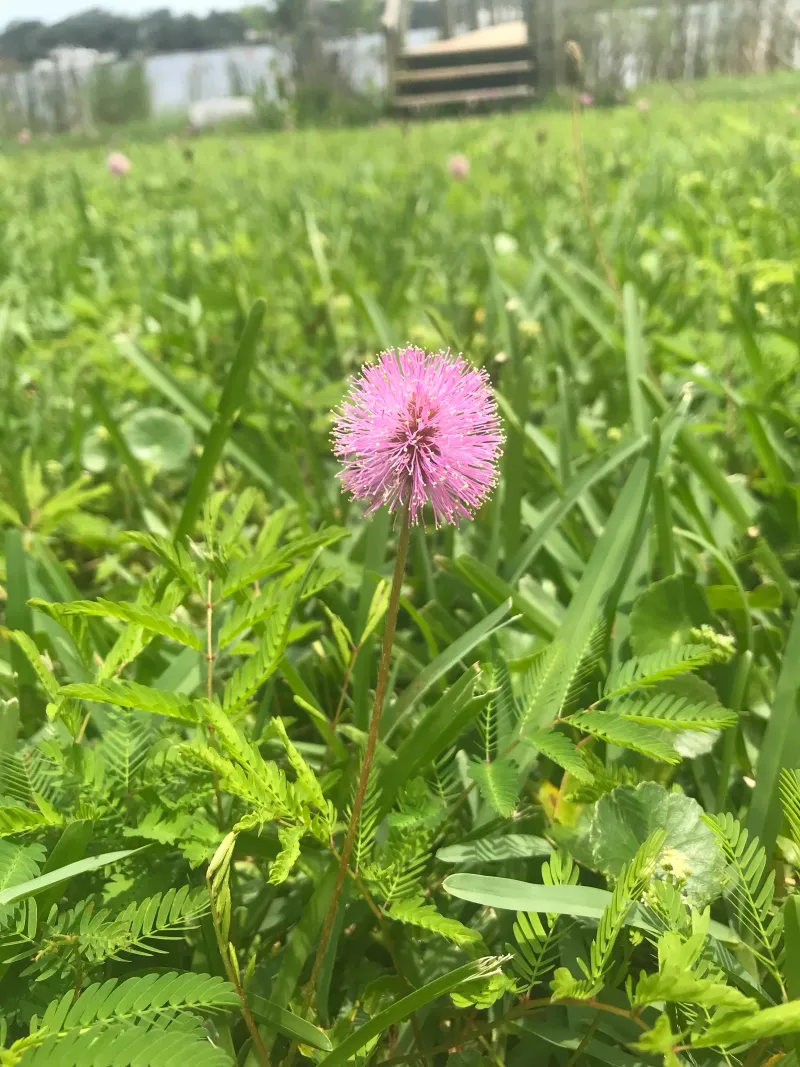
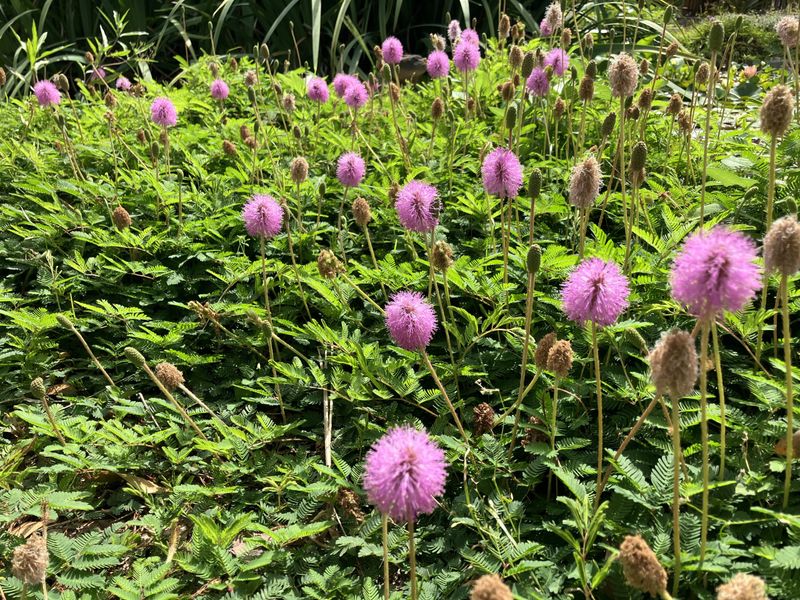
Touch a leaf and watch it fold up shyly, then bounce back a moment later. That party trick alone makes Sunshine Mimosa a favorite, but the real reason it belongs here is toughness. It knits itself into a dense green mat that laughs at foot traffic and Florida heat.
Powderpuff pink blooms pop up from spring through fall, feeding pollinators while the roots quietly fix nitrogen back into your sandy soil. UF-IFAS has praised it as a genuine lawn substitute because it stays low, around three to six inches, and rarely needs mowing.
Once established, it handles drought like a champ and asks for very little water. If a summer storm floods your yard, it takes the soaking in stride and greens right back up. For folks who want set-and-forget color over a plain green carpet, this one earns its keep.
2. Perennial Peanut (Arachis glabrata)
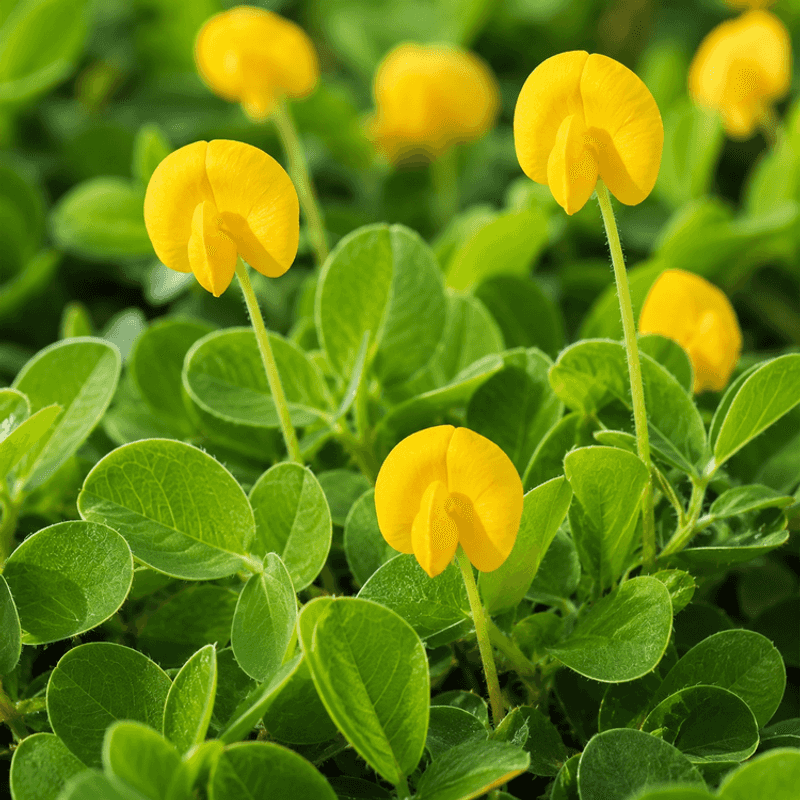
Cheerful yellow flowers that look a little like tiny buttercups earn Perennial Peanut its nickname as the ecolawn that keeps on giving. Despite the name, you will not be digging up snacks, but you will get a lush, low carpet that blooms nearly year-round in warm Florida weather.
What sets it apart is how little it wants from you. No fertilizer, thanks to its nitrogen-fixing roots, and hardly any water once the plants have rooted in. Mowing is optional and mostly cosmetic.
It thrives in full sun where St. Augustine tends to scorch and thin out. Landscapers across Central and South Florida use it on medians and slopes because it handles heat and drought without complaint. Give it a season to fill in, and you get a durable green-and-gold cover that shrugs off the summer sun.
3. Frogfruit (Phyla nodiflora)
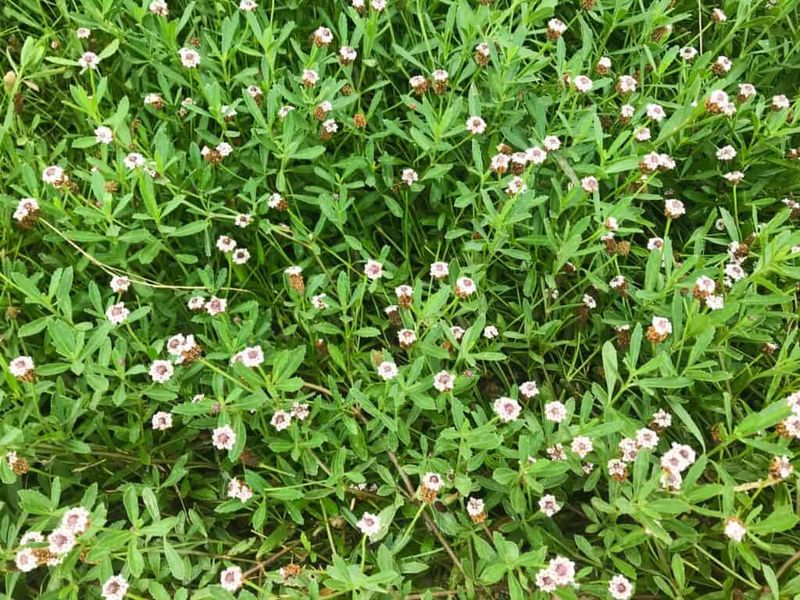
Butterflies treat a patch of Frogfruit like an all-you-can-eat buffet, and that is a clue to why gardeners love it. Tiny white blooms with a purple blush dot the mat all season, drawing in pollinators while staying barely two or three inches tall.
Flexibility is its superpower. Sun or partial shade, wet ditch or dry sand, it adapts and keeps spreading. It even tolerates brief flooding, which makes it handy for those low spots where your lawn drowns after a storm.
Because it takes light foot traffic and spreads by runners, it fills bare patches on its own without much prodding. Many Florida homeowners tuck it between stepping stones or let it replace grass entirely in tricky, soggy corners. Minimal watering, no fertilizer drama, and a steady supply of butterflies make it an easy yes.
4. Beach Sunflower (Helianthus debilis)
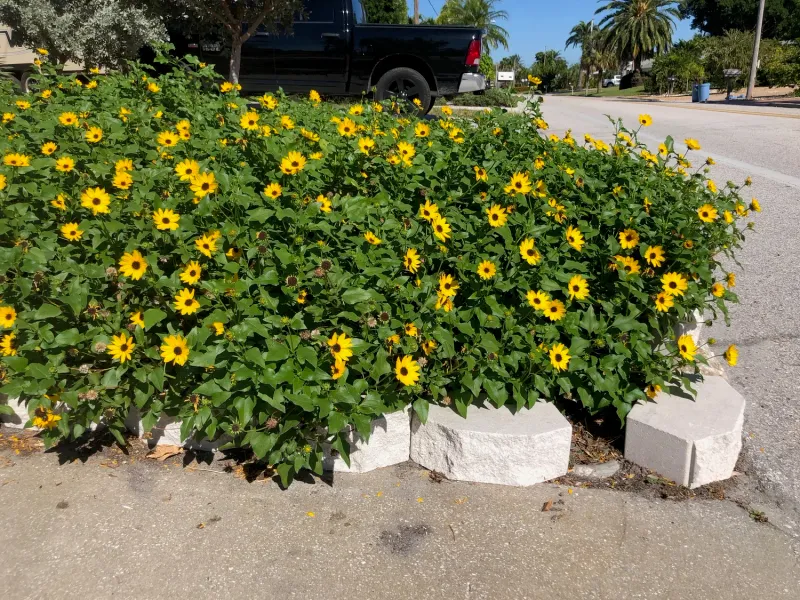
Picture a sprawl of small sunflowers spilling across your yard, blooming through the hottest months when everything else looks tired. Beach Sunflower does exactly that, and it does it in the toughest, sandiest, saltiest spots imaginable.
Salt spray, drought, and blistering coastal sun barely register for this plant. That resilience is precisely why it thrives where St. Augustine sulks near driveways, sidewalks, and beachside beds.
The flowers keep coming almost year-round in South Florida, feeding bees and small pollinators the whole time. It reseeds freely, so it patches itself in and comes back season after season with zero coddling. Give it full sun and good drainage, and it rewards you with sunny color while asking for practically nothing in return.
5. Twinflower (Dyschoriste oblongifolia)
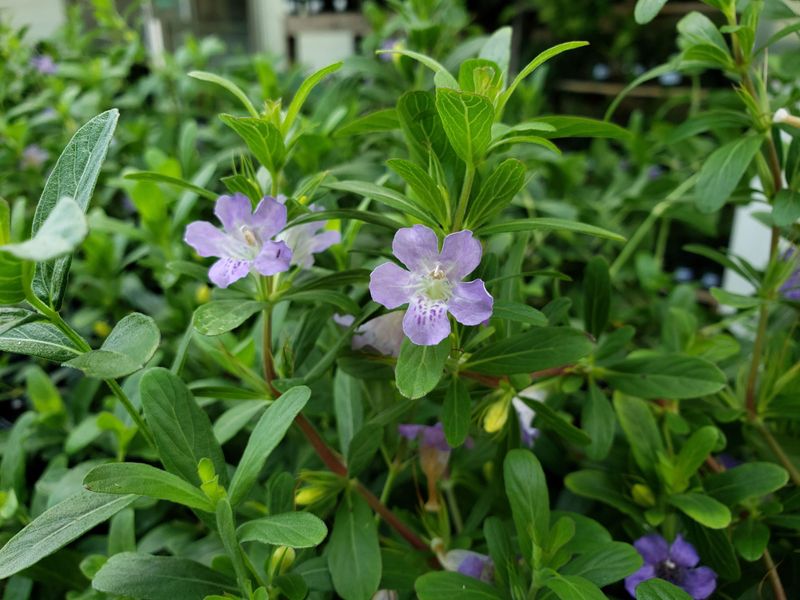
Soft lavender blooms in matched pairs give Twinflower its name and a quiet charm you notice up close. It is not flashy, but for shadier trouble spots it fills a role few of the others can.
Dappled shade and dry, sandy soil under pines or oaks are exactly where St. Augustine gives up, and where Twinflower settles in happily. It stays low and spreads gently, forming a modest green cover studded with purple.
Buckeye butterflies rely on it as a host plant, so a patch does double duty as habitat. Once rooted, it handles dry spells with ease and needs almost no attention. For the awkward, low-light corners of a Florida yard, this understated native is a smart, low-effort fix.
6. Railroad Vine (Ipomoea pes-caprae)
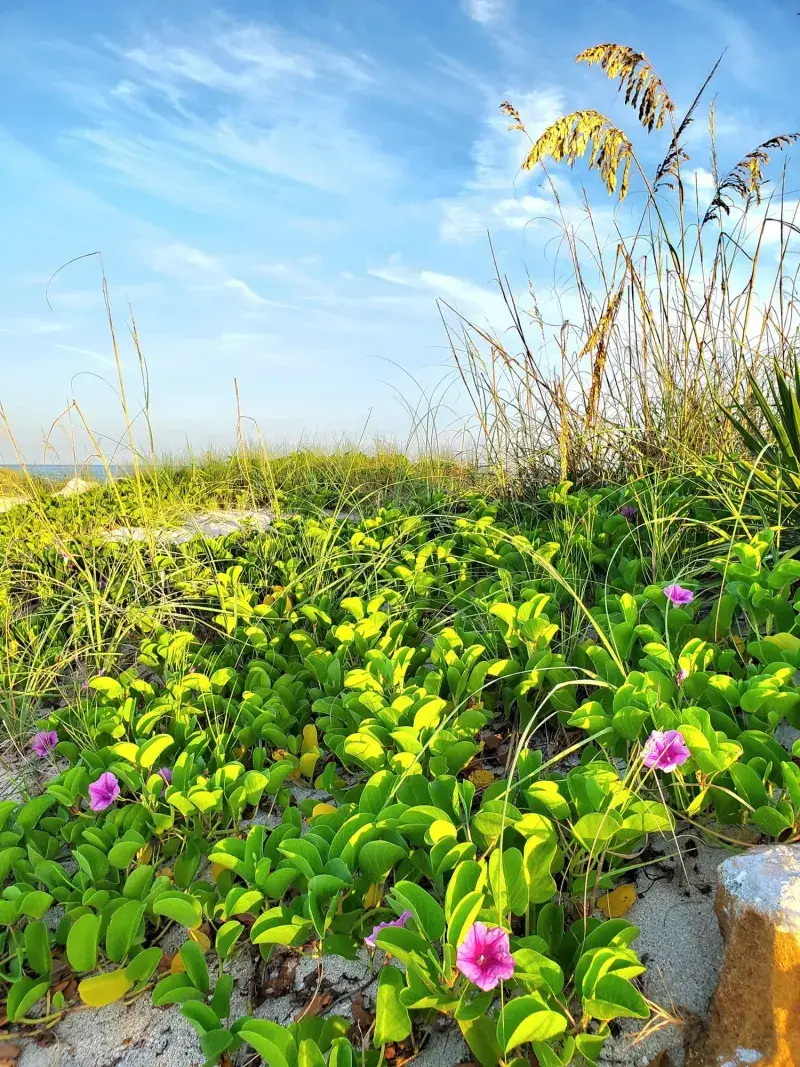
Long runners that stretch out like railroad tracks give this vigorous native its name, and it can cover ground fast. Pink-purple morning glory flowers open along the way, adding a splash of color to the sprawl.
Few plants tolerate salt, wind, and blowing sand the way Railroad Vine does. On coastal properties where nothing else will anchor the soil, it holds dunes together and fills wide open areas quickly.
Speed is both its gift and its warning. Give it room, because it will roam, so it shines in large sunny expanses rather than tidy little beds. Where you need fast erosion control and a hurricane-tested cover on sandy, exposed ground, this sprawler gets the job done with almost no help.
7. Powderpuff Mistflower and Sunshine Blue Porterweed Mix
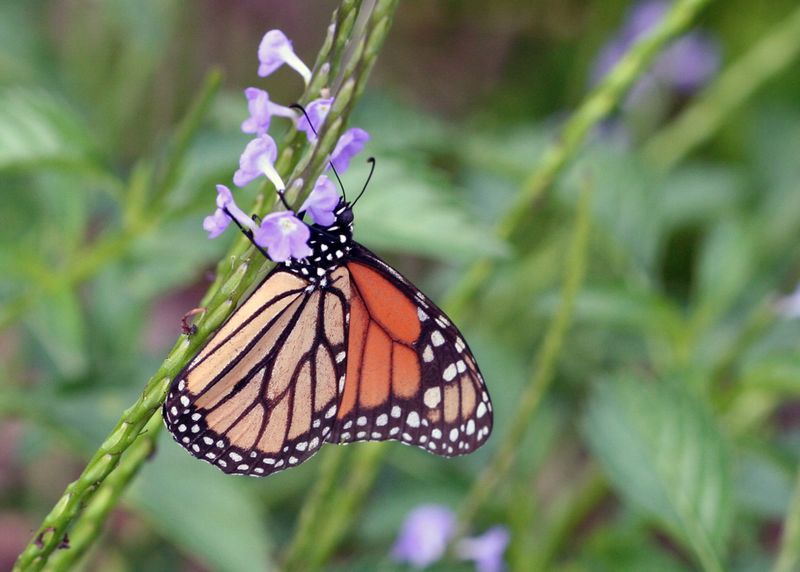
Save the pollinator powerhouse for last. Blue Porterweed sends up slender spikes of tiny blue flowers that bees, butterflies, and even hummingbirds cannot resist, turning a dead lawn patch into a buzzing little oasis.
Unlike a strict flat mat, it forms a low, spreading mound that fills bare ground while adding a bit of texture and height. It shrugs off Florida heat, keeps blooming through summer, and reseeds so it keeps the party going year after year.
Native to South and Central Florida, it wants full sun to part shade and well-drained sandy soil, which describes most yards where St. Augustine has thinned out. Water it while it establishes, then step back. For gardeners who want their ground cover to work overtime for wildlife, this closer is hard to beat.