
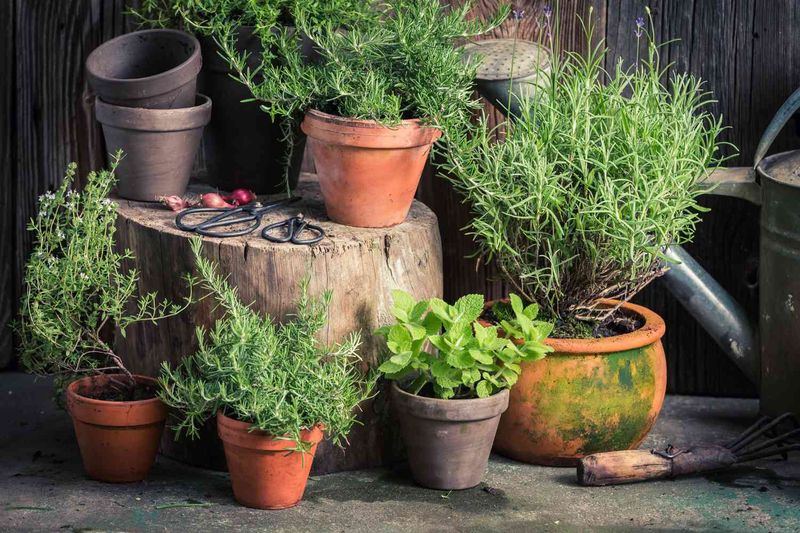
Ticks love hiding in tall grass and shady corners, waiting to hitch a ride on you, your kids, or your dog. What most Texans do not realize is that some of our own native plants can help push these pests away naturally. Instead of spraying chemicals across the whole yard, you can plant a living defense that also survives our brutal summers and water restrictions. Here are seven tough Texas natives that ticks would rather avoid.
1. American Beautyberry
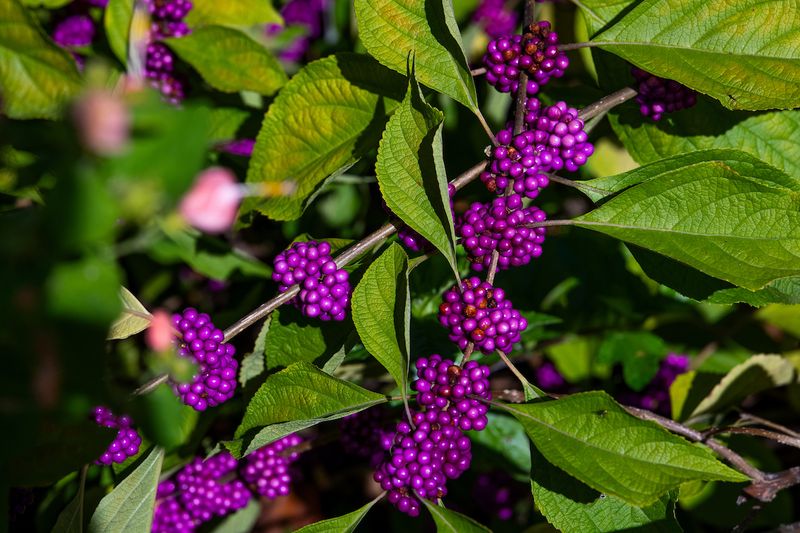
Long before bug spray came in a can, folks in East Texas were crushing the leaves of this shrub and rubbing them on their skin to keep biting pests at bay. Turns out grandma was onto something. Researchers with the USDA later isolated compounds in American beautyberry (Callicarpa americana) that may help deter ticks, mosquitoes, and other creepy crawlies.
The plant itself is a showstopper in fall, when it drops clusters of shockingly purple berries along its arching stems. Birds go wild for them, so you get pest defense and a backyard bird buffet in one shrub.
What makes it a standout for Texas yards is toughness. It handles part shade, sandy or clay soil, and shrugs off dry spells once its roots settle in. Tuck a few near the edge of a wooded area or along a fence line where ticks tend to lurk, and let those aromatic leaves do quiet work all season long.
2. Texas Lemon Beebalm
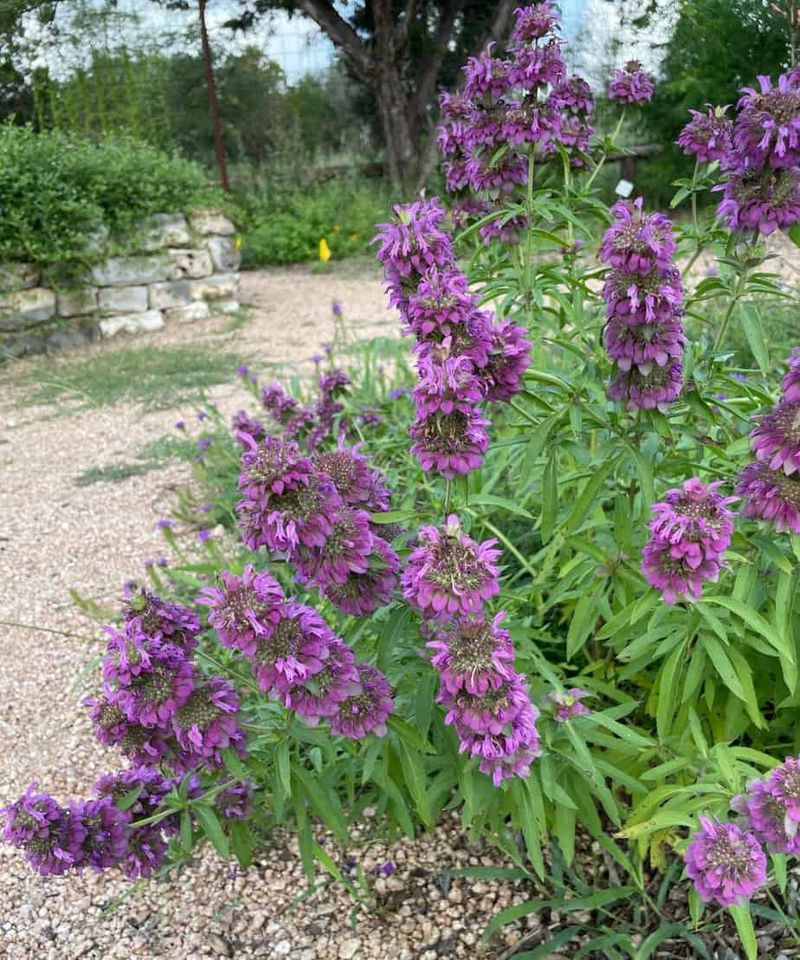
Crush a leaf of this scrappy wildflower between your fingers and you get a sharp citrus-and-oregano scent that lingers on your hands. That aroma comes from natural oils that many pests, ticks included, tend to steer around.
Lemon beebalm (Monarda citriodora) pops up across Texas prairies and roadsides, throwing up whorls of pink and lavender blooms in late spring and early summer. It reseeds itself happily, so one small patch can become a fragrant border in a season or two.
Pollinators adore it. Bees, butterflies, and hummingbirds crowd the flowers while the plant’s strong scent may reduce the number of ticks and mosquitoes that want to hang around underneath.
Best of all, it asks for almost nothing. Full Texas sun, lean soil, and next to no water once established suit it just fine, which makes it a smart pick during those summers when watering rules kick in.
3. Fragrant Sumac
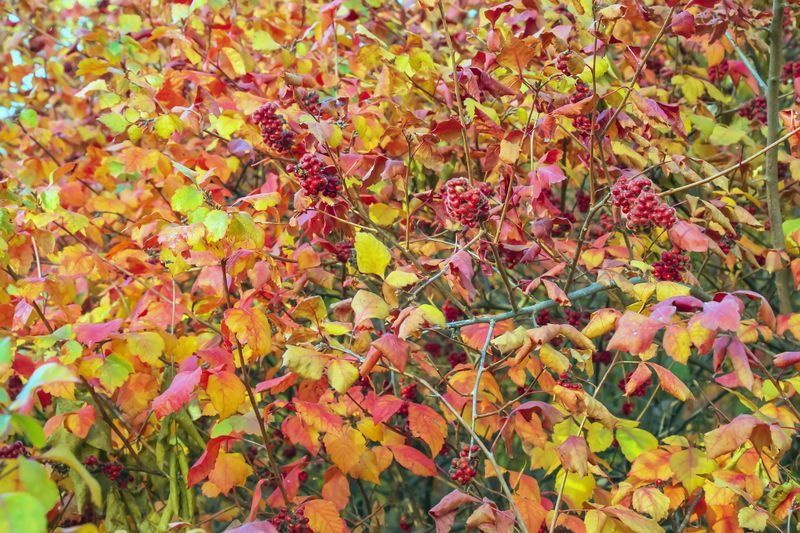
Don’t let the name scare you off, because fragrant sumac (Rhus aromatica) is nothing like its poison cousin. Brush against its leaves and you get a warm, spicy smell that pest insects find far less inviting than your ankles.
Gardeners reach for this low, spreading shrub to blanket slopes and problem corners where grass refuses to grow. That dense, ground-hugging habit matters for tick control, since it fills in the bare, brushy transition zones where ticks like to wait for a passing host.
Come autumn its foliage lights up in fiery orange and red, giving Texas yards a rare taste of fall color. Small reddish berries feed birds through the cooler months.
Drought, poor soil, heat, and part shade barely faze it. Plant a cluster along a woodland edge and you build a fragrant living barrier that can reduce the cozy hiding spots ticks depend on.
4. Mealy Blue Sage
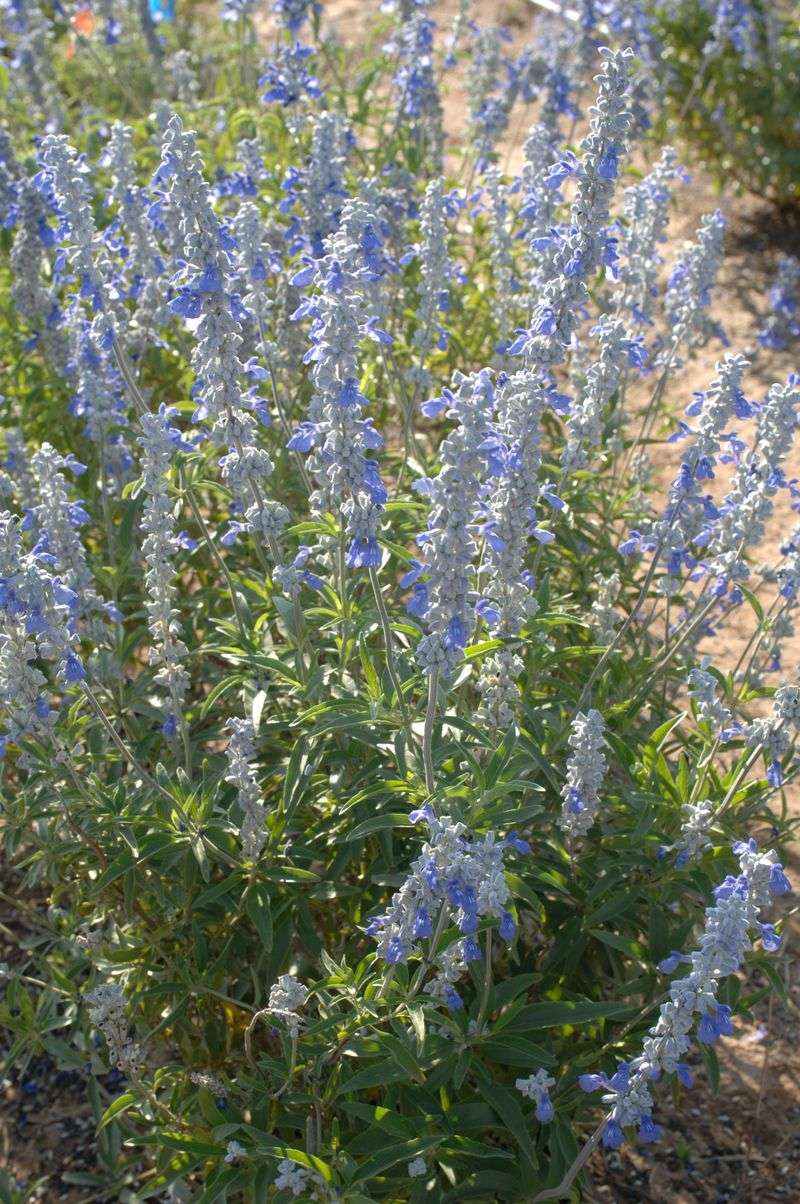
Picture a haze of soft blue spikes swaying in the July heat while ticks and mosquitoes keep their distance. That is mealy blue sage (Salvia farinacea), one of the most reliable performers in a native Texas bed.
Salvias carry aromatic oils in their leaves and stems, and that herbal, slightly medicinal scent is the kind of thing biting pests tend to avoid. Plant it thickly near patios and walkways and you create a buffer of fragrance right where people gather.
The blue flower spikes bloom from spring clear into fall, feeding bees and butterflies through the hottest stretch of the year. Deer usually leave it alone too, which is a bonus in rural and suburban Hill Country yards.
Give it full sun and it thrives on neglect, laughing off triple-digit afternoons and skimpy watering. Few plants offer this much color for so little fuss.
5. Texas Sage
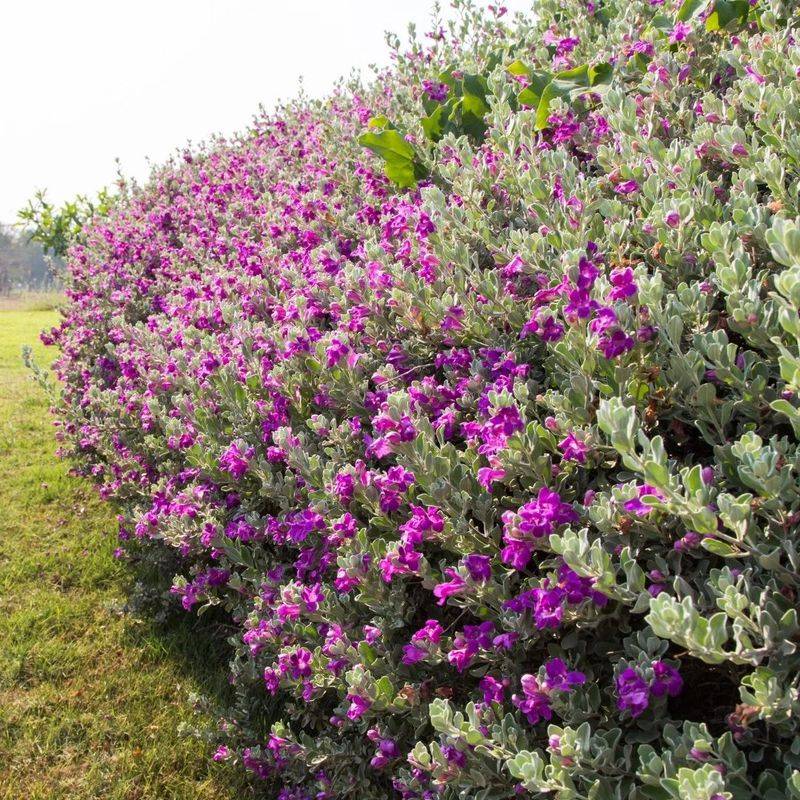
Ranchers call it the barometer bush because it bursts into purple bloom right before a rain, but Texas sage (Leucophyllum frutescens) earns its keep in more ways than weather forecasting. Its silvery, aromatic foliage carries a scent that pests find unwelcoming.
Grown as a dense rounded shrub, it forms a natural hedge that closes off the shaded understory where ticks like to hide and wait. Fewer gaps at ground level means fewer ambush points near your fence or property edge.
Native to the rocky soils of West and South Texas, it practically defines drought tolerance. Once its roots take hold, it can go weeks without a drink and still look fresh, making it a friend to anyone facing municipal water limits.
Silvery leaves, lavender flowers, and a bulletproof constitution add up to a shrub that defends your yard and looks good doing it.
6. Frostweed
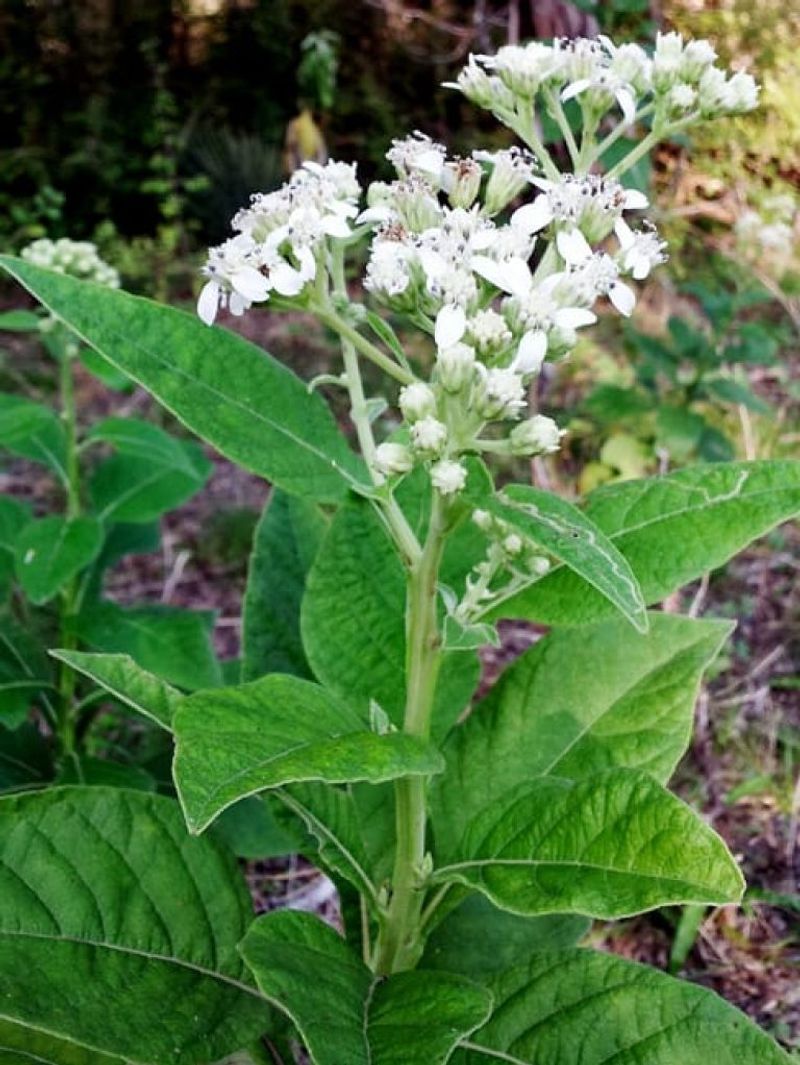
Here is an oddball that surprises people twice a year. In fall, frostweed (Verbesina virginica) draws clouds of migrating monarchs to its white flower clusters, and on the first hard freeze its stems split open to push out ribbons of ice, a natural show worth waking up early for.
Between those moments, its tall leafy stalks fill the shady understory beneath trees, exactly the damp, dim habitat where ticks feel at home. By planting frostweed to hold that space, you crowd out the low weedy tangle ticks favor and keep the area more open and airy.
The plant asks for shade to part shade and average moisture, thriving under Texas hardwoods where grass gives up. As a bonus, it is a champion pollinator plant late in the season when other flowers have quit.
7. Gulf Muhly Grass
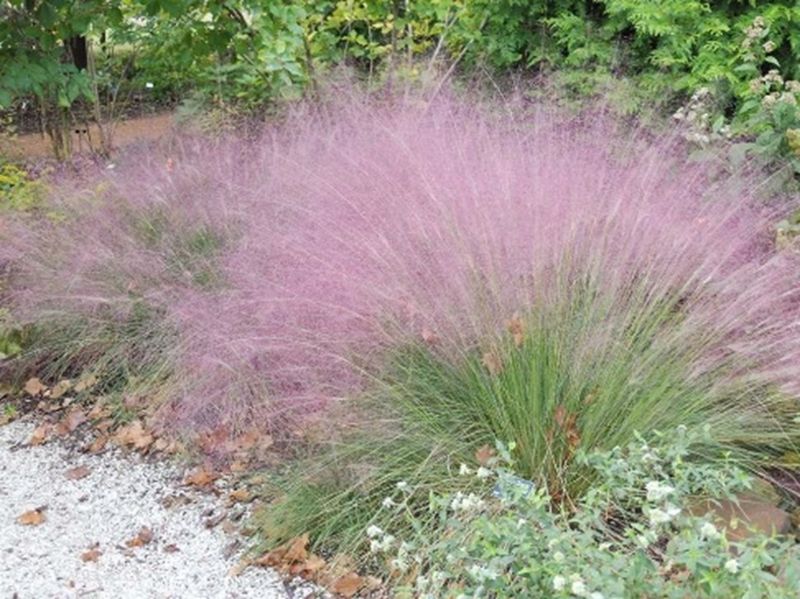
Come October, Gulf muhly (Muhlenbergia capillaris) erupts in a pink-purple cloud so dazzling that neighbors slow their cars to stare. But the reason it belongs on a tick-fighting list has nothing to do with looks.
Ticks love tall, damp, matted turf where humidity stays trapped near the ground. Swapping thirsty lawn grass for tidy clumps of muhly opens the soil surface to sun and air, drying out the microclimate ticks depend on and giving them far fewer places to lurk.
Native along the Gulf Coast and inland across Texas, this bunchgrass handles heat, salt spray, poor soil, and long dry stretches without complaint. It also stands up better to storm-season winds than a fussy lawn.
Plant it in drifts along walkways or in a rain garden, and you trade a tick-friendly lawn for a low-water, high-drama native that earns its space every fall.