
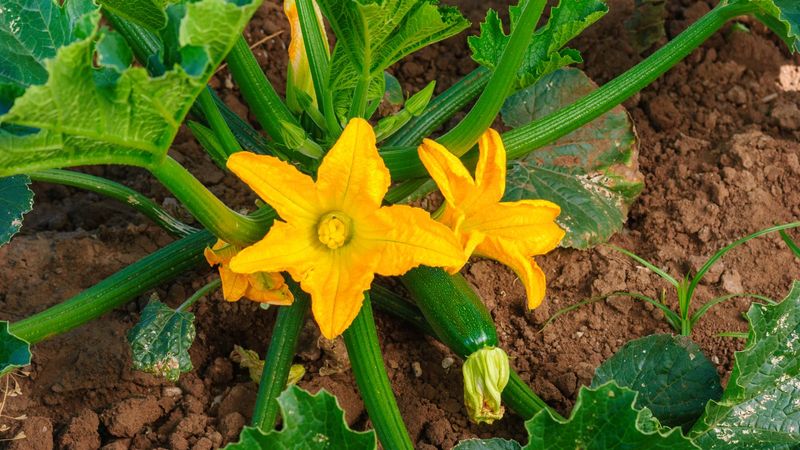
Few things are more discouraging than watching a baby zucchini turn yellow, shrivel up, and fall off the vine before it ever gets started. Many gardeners assume something is seriously wrong with the plant, but the most common reason tiny zucchini fail is incomplete pollination. Understanding what is actually happening gives you a real path forward, and in many cases, a simple hand-pollination technique on the next healthy female flower can make a genuine difference. The trick is knowing which problem you are actually dealing with before you reach for any fix.
Tiny, shriveling zucchini often point to incomplete pollination
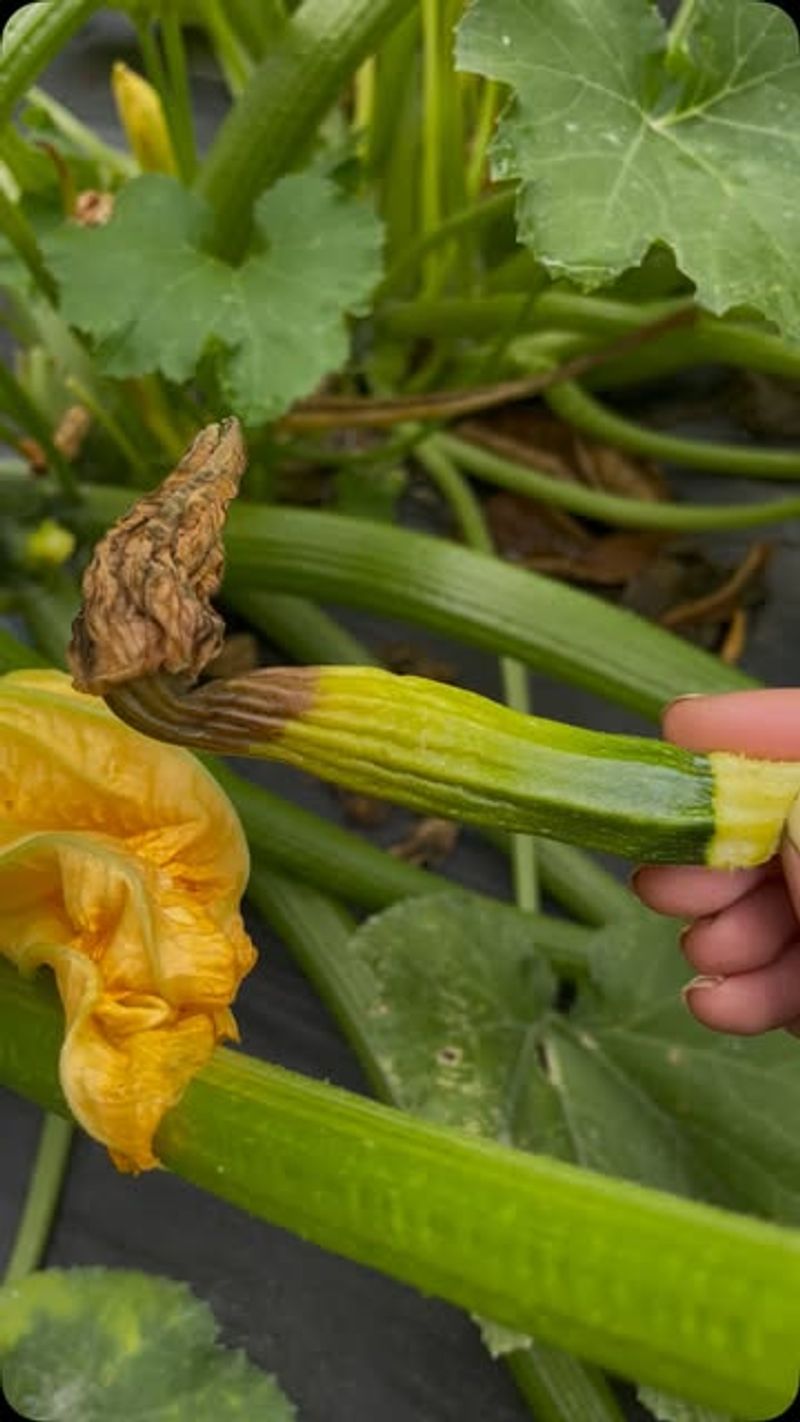
A gardener who spots a thumb-sized zucchini turning yellow and collapsing before it reaches harvest size is seeing one of the most common frustrations in the summer vegetable garden. UC Small Farms guidance on summer squash notes that poor or partial pollination can prevent normal fruit development or produce malformed fruit that stops enlarging, turns yellow, and drops. Incomplete pollination is a well-supported and frequently cited explanation for this pattern, though it is not the only one.
Squash fruit that begins forming but then stalls, tapers toward the blossom end, and shrivels is behaving in a way that matches what happens when pollen transfer was insufficient. The fruit essentially stops receiving the hormonal signals that drive continued cell division and growth. That said, visible decay at the tip does not by itself confirm that pollination is to blame.
Fungal diseases and a physiological problem called blossom-end rot can produce symptoms that look similar, especially to someone who has not seen all three side by side. University of Minnesota Extension’s summer squash guide acknowledges multiple causes for fruit failure, which is why looking carefully at the pattern of decay matters before deciding on a response. Hand-pollination may help on the next receptive female flower, but it cannot revive a fruit that has already aborted.
Use the fruit’s growth pattern to narrow the cause
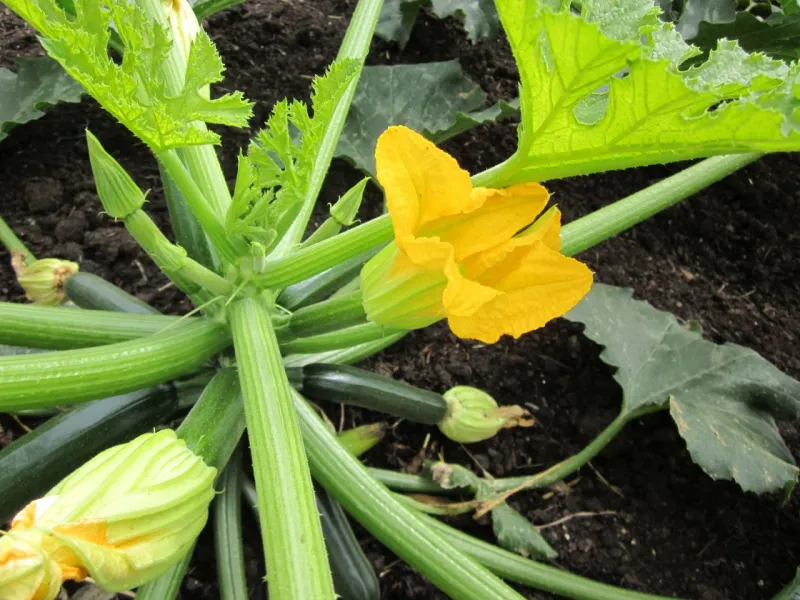
Before spending any effort on hand-pollination, take a close look at what the affected fruit is actually doing. A zucchini that stays tiny, tapers toward the tip, turns uniformly yellow, and shrivels without ever growing larger is showing the classic pattern of a fruit that stopped developing early. That pattern is consistent with incomplete pollination, because a fruit that never received enough pollen often halts its growth within days of forming and then collapses.
A different picture emerges when a fruit continues enlarging but develops a localized problem at the blossom end. UGA Extension’s description of blossom-end rot points to a dark, sunken, or water-soaked lesion as the key sign, appearing on a fruit that otherwise keeps growing. That pattern suggests a physiological disorder related to calcium movement and moisture stress rather than a pollination gap. These two symptom sets are useful guides, but they are tendencies rather than guaranteed rules, because a shriveling, poorly pollinated fruit can also develop secondary decay.
The most alarming presentation belongs to Choanephora rot, a genuine fungal disease. UMN Extension’s Choanephora rot page describes soft, water-soaked tissue followed by white and then purplish-black fuzzy growth on the blossom or fruit tip, typically during prolonged wet weather. Minnesota’s summer squash fruit-rot diagnostic tool also lists other rot types that produce sunken spots, colored fungal growth, white mold, or lesions where fruit contacts wet soil. Hand-pollination will not address any active fungal disease.
Squash needs pollen from a male flower to reach a female flower
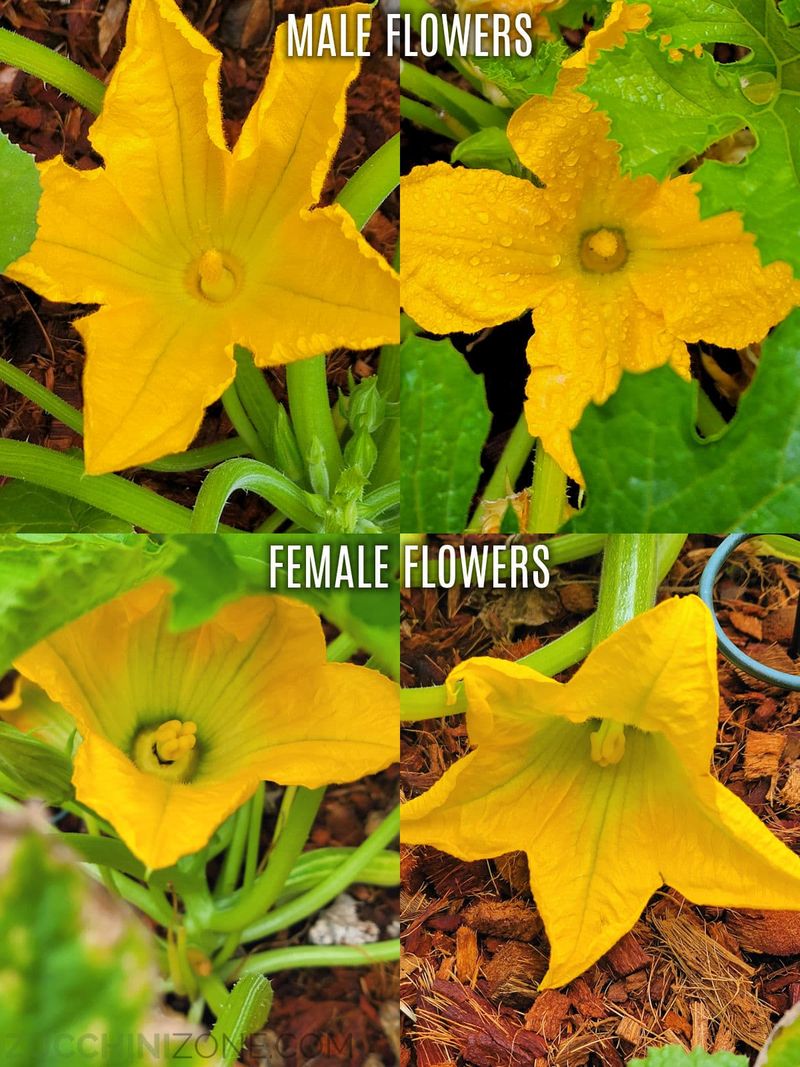
Zucchini plants produce two kinds of flowers, and both have to be present and open at the right time for fruit to develop. UF/IFAS pollination guidance for Cucurbita crops explains that the female flower has a swollen ovary at its base that looks exactly like a miniature zucchini, while the male flower sits on a long, thin stem and carries the pollen-bearing anther inside. Pollen must travel from that anther to the sticky stigma inside the female flower for normal fruit development to proceed.
When pollen transfer is incomplete, the developing fruit does not receive the signal it needs to keep growing. UC Cooperative Extension Ventura County’s squash pollination resource confirms that moving pollen from the male anther to the female stigma is the essential step. Bees accomplish this during their foraging visits, brushing against the anther and then the stigma as they move between flowers.
One thing that confuses many gardeners early in the season is a stretch of days when the plant produces only male flowers. UC ANR’s squash production notes and UMN Extension’s pollination requirements page both note that zucchini commonly puts out male flowers first, before female flowers appear. A temporary run of male-only blooms is a normal part of the plant’s development and does not mean the plant has failed or is incapable of producing fruit.
Hand-pollinate the next newly opened female flower
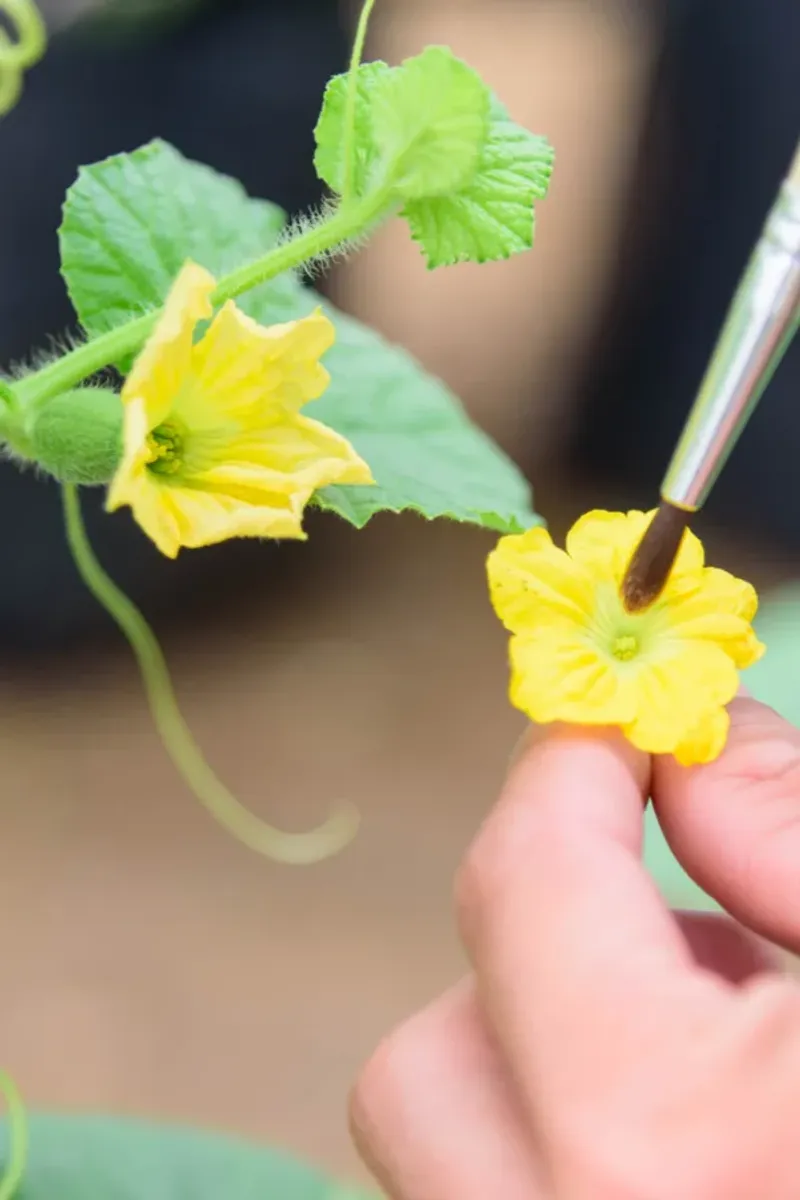
Once you have spotted a new female flower that opened this morning, you have a short window to work with. The procedure is straightforward: find a freshly opened male flower on the same plant or a nearby one, and either use the male flower directly as a brush or collect its yellow pollen with a small, soft paintbrush. UF/IFAS pollination guidance recommends gently brushing the collected pollen onto the sticky stigma inside the female flower, making sure to coat the surface well.
Using plenty of fresh pollen is a reasonable way to improve the odds. UC Cooperative Extension Ventura County notes that one male flower may carry enough pollen to serve more than one female flower, so if you have several female flowers open at the same time, a single male can cover them. That said, pollen freshness matters more than quantity alone, so always start with a flower that opened today rather than one that has been hanging on the plant since yesterday.
Keep the focus entirely on flowers that opened this morning and show no signs of yellowing, collapse, or decay. UF/IFAS squash production research supports working with receptive flowers rather than attempting to treat fruit that has already begun to shrivel or rot. A fruit that is already yellowing or collapsing will not recover from hand-pollination; your effort is better spent on the next healthy female flower that opens the following morning.
Apply fresh pollen during the short morning window
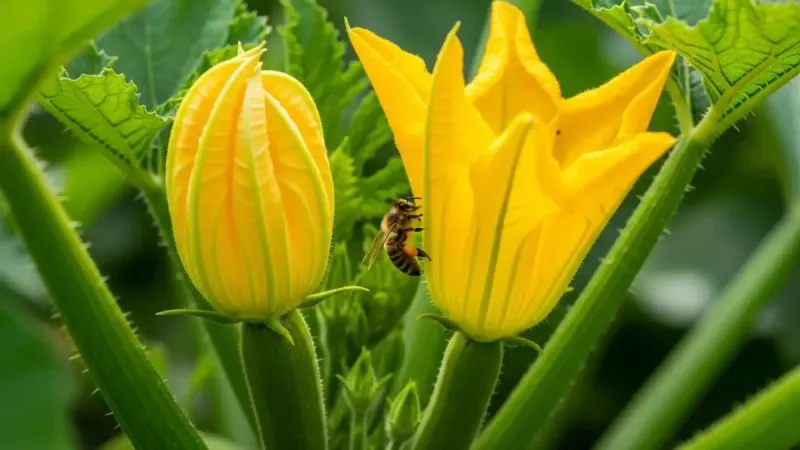
Squash flowers do not stay open all day. UF/IFAS pollination guidance for Cucurbita crops describes individual flowers as typically remaining open only until around noon, leaving a fairly short period in which pollen transfer can happen at all. Getting outside early, while both male and female flowers are fully open, gives you the best practical opportunity to work with flowers at peak receptivity.
Pollen viability also declines as flowers age. Research on pollination and pollen viability in Cucurbita pepo found that viability drops substantially after anthesis, the period when the flower first opens. Related ISHS research on squash pollination supports the same conclusion. Morning application with freshly opened flowers gives pollen the best chance of being viable when it reaches the stigma.
Weather is another practical factor. University of Minnesota Extension notes that cold, rainy, cloudy, or otherwise unfavorable conditions can reduce pollinator activity and fruit set. A new planting may also see its first female flowers open before local bees have discovered the garden, meaning that early fruit set sometimes fails naturally and then improves on its own as bee visits increase. Hand-pollination is a practical backup during those gaps, not a permanent replacement for healthy pollinator activity.
Judge success by steady enlargement over several days
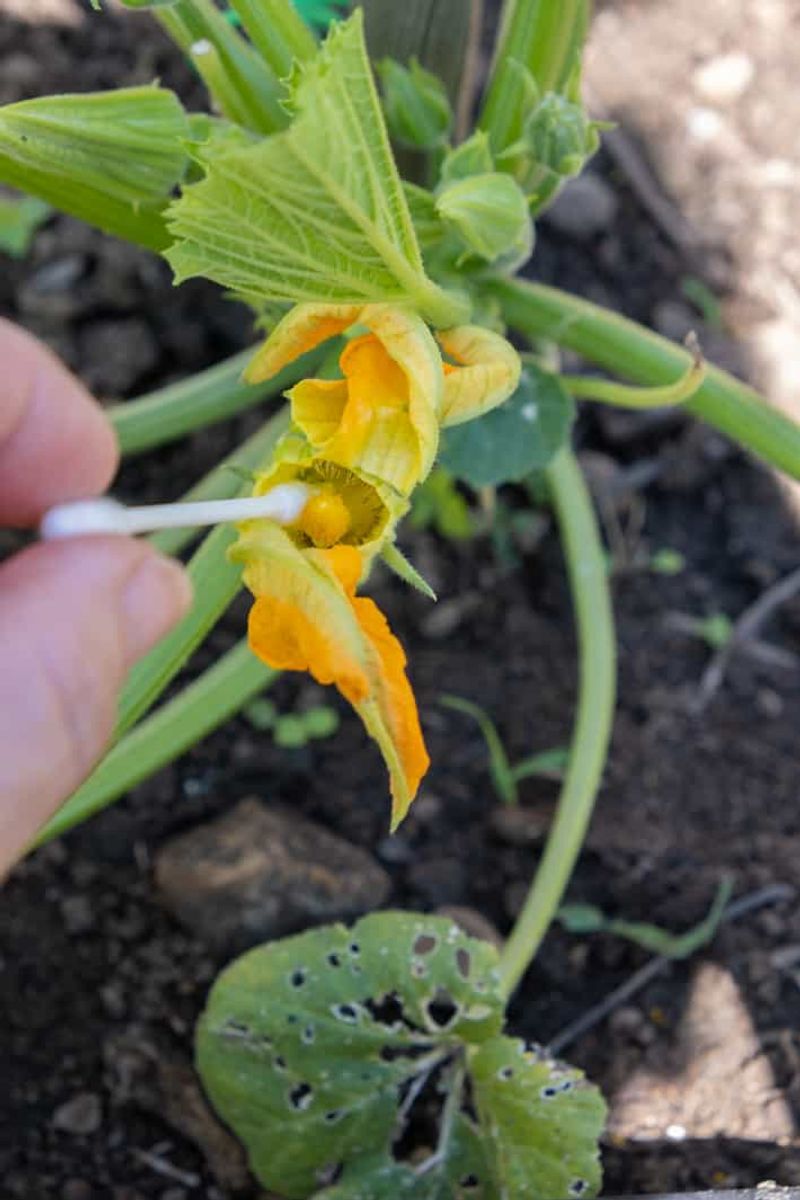
After hand-pollinating a female flower, the natural impulse is to check it the next morning for some dramatic sign of change. Resist that impulse. UF/IFAS pollination guidance is clear that successful pollination should be judged by continued fruit enlargement over the following several days, not by any immediate visual transformation. A fruit that keeps getting bigger, stays green and firm, and shows no signs of yellowing or collapse is the practical evidence that the procedure worked.
If a fruit that was hand-pollinated yesterday starts yellowing or shriveling today, the pollination either did not take or another problem is at work. UC Small Farms summer squash guidance reinforces that fruit that has already aborted cannot be revived. Move on rather than continuing to focus on a fruit that has already begun its decline.
The more productive response is to redirect attention to the next female flower that opens. Hand-pollination may not work every time: weather, flower receptivity, pollen freshness, pollinator activity, and any underlying plant health issues all play a role in whether a given attempt succeeds. Treating each newly opened female flower as a fresh opportunity, rather than trying to rescue one that is already failing, is the most reliable way to improve your overall fruit set over the course of the season.
Recognize rot and blossom-end injury before changing your treatment
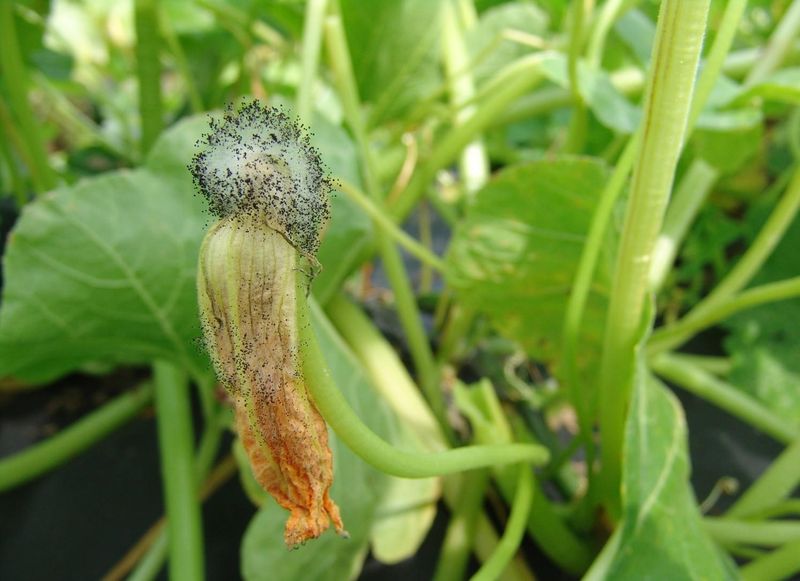
Not every blossom-end problem traces back to a pollination gap, and treating a fungal disease or a physiological disorder as though it were a pollination failure will not help the plant. UMN Extension’s Choanephora rot resource describes the fungal disease as more likely during prolonged wet conditions, producing soft, water-soaked rot that first shows white fuzzy growth and then turns purplish-black on the blossom or fruit tip. When those signs appear, the right response is removing infected fruit and improving airflow and moisture management around the plants, not hand-pollinating the next flower and hoping for the best.
Minnesota’s summer squash fruit-rot diagnostic tool points out that other rots can create sunken spots, colored fungal growth, white mold, or lesions that develop where fruit contacts wet soil. Each of those patterns calls for a different response, which is why looking carefully at the lesion’s location, texture, and color before acting is worth the extra minute.
Blossom-end rot is a physiological problem, not a fungal one. UGA Extension’s blossom-end rot explanation and Penn State Extension’s blossom-end rot guidance both connect it to calcium movement and moisture or heat stress rather than simply a calcium-poor soil. Consistent watering and attention to drainage are more defensible first steps than reflexively applying calcium, lime, gypsum, or fertilizer, which can create additional problems if the soil does not actually need them.
Support natural pollinators while you improve fruit set
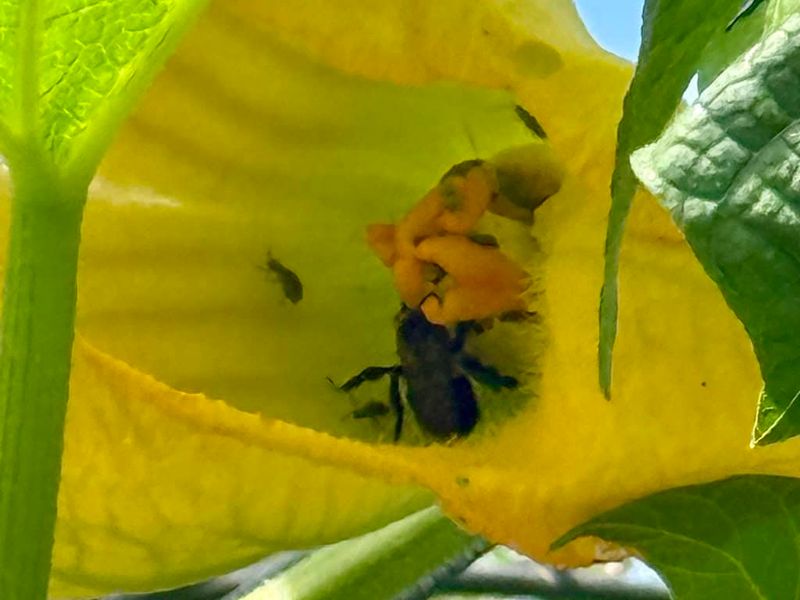
Hand-pollination works best as a targeted backup, not as a permanent workaround for a garden that has lost its pollinator visitors. Keeping bees and other pollinators comfortable around your zucchini plants is the most reliable long-term strategy for consistent fruit set. EPA guidance on pollinator protection and related EPA pollinator protection materials recommend avoiding insecticide applications on blooming plants or while pollinators are actively foraging, and following product label restrictions if pest treatment becomes genuinely necessary. Spraying at the wrong time can reduce or eliminate the bee activity your squash depends on.
University of Minnesota Extension notes that poor weather and low bee activity are among the most common situational reasons that fruit set drops, and that the problem often resolves on its own as conditions improve. Hand-pollination fills that gap when it matters most: during a stretch of cold or rainy mornings, early in the season when pollinators have not yet found the garden, or when male and female flowers are opening on slightly different schedules.
The practical path forward is straightforward. Check the fruit carefully to identify whether the symptom looks like incomplete pollination, fungal rot, or blossom-end injury. If pollination seems like the likely culprit, transfer fresh pollen from a newly opened male flower to a newly opened female flower in the early morning, then watch for steady enlargement over the next several days. Good observation habits will serve you better than any single fix, because the garden almost always tells you what it needs if you look closely enough.