
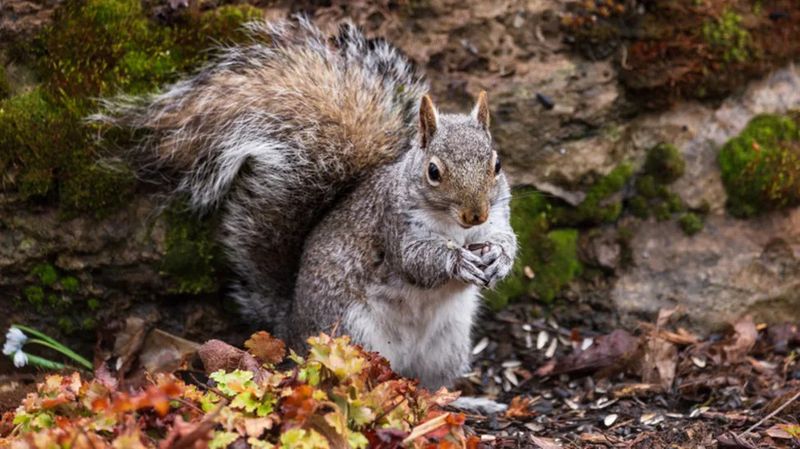
You planted a bed of tulips and crocuses, came back the next morning, and found half of them scattered across the soil. Squirrels are a common suspect when freshly planted bulbs get disturbed, and a lot of gardening advice points to cayenne pepper as the quick fix. That advice is worth a closer look before you reach for the spice rack, because the real story is a bit more complicated and the better solution is probably already at your local hardware store.
Freshly worked soil may draw investigation
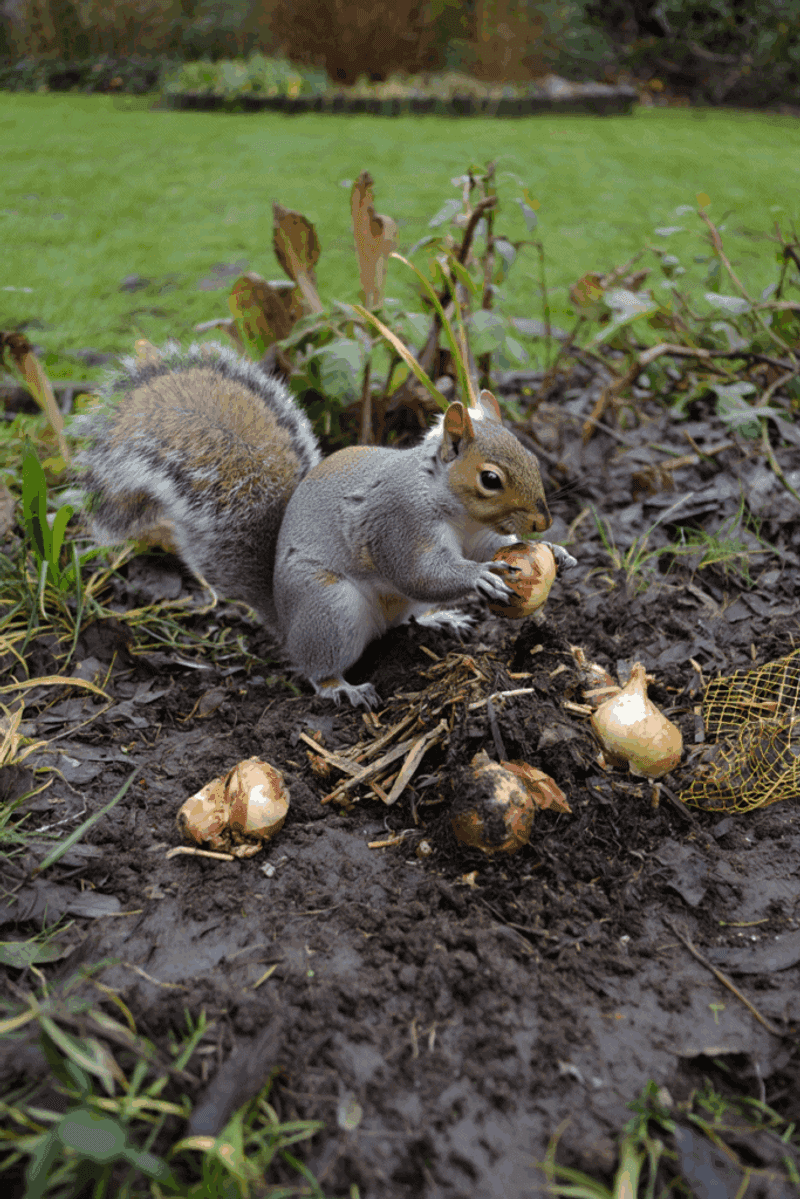
Every fall, gardeners plant their bulbs, tamp down the soil, and walk away satisfied, only to find the bed disturbed by the next morning. Soft, freshly turned soil stands out in a yard because it feels and smells different from the surrounding ground. Squirrels are naturally curious and will often investigate any area where the earth has recently been worked, which is why a newly planted bulb bed can attract attention almost immediately.
What actually happens during that investigation is not always clear-cut. Illinois Extension notes that squirrels may dig up bulbs without eating them, sometimes because they are looking for cached food or simply exploring disturbed ground. A displaced bulb sitting on top of the soil does not necessarily mean the animal ate it or was specifically targeting it.
That distinction matters for how you respond. Tulips and crocuses are generally more attractive to wildlife than daffodils, and University of Washington’s horticulture guidance confirms that newly planted beds are especially vulnerable because the soil is soft and easy to dig. Replanting any exposed bulbs promptly and covering the bed right away gives you a much better chance of getting through the season with your planting intact.
Cayenne sits behind the popular pepper advice
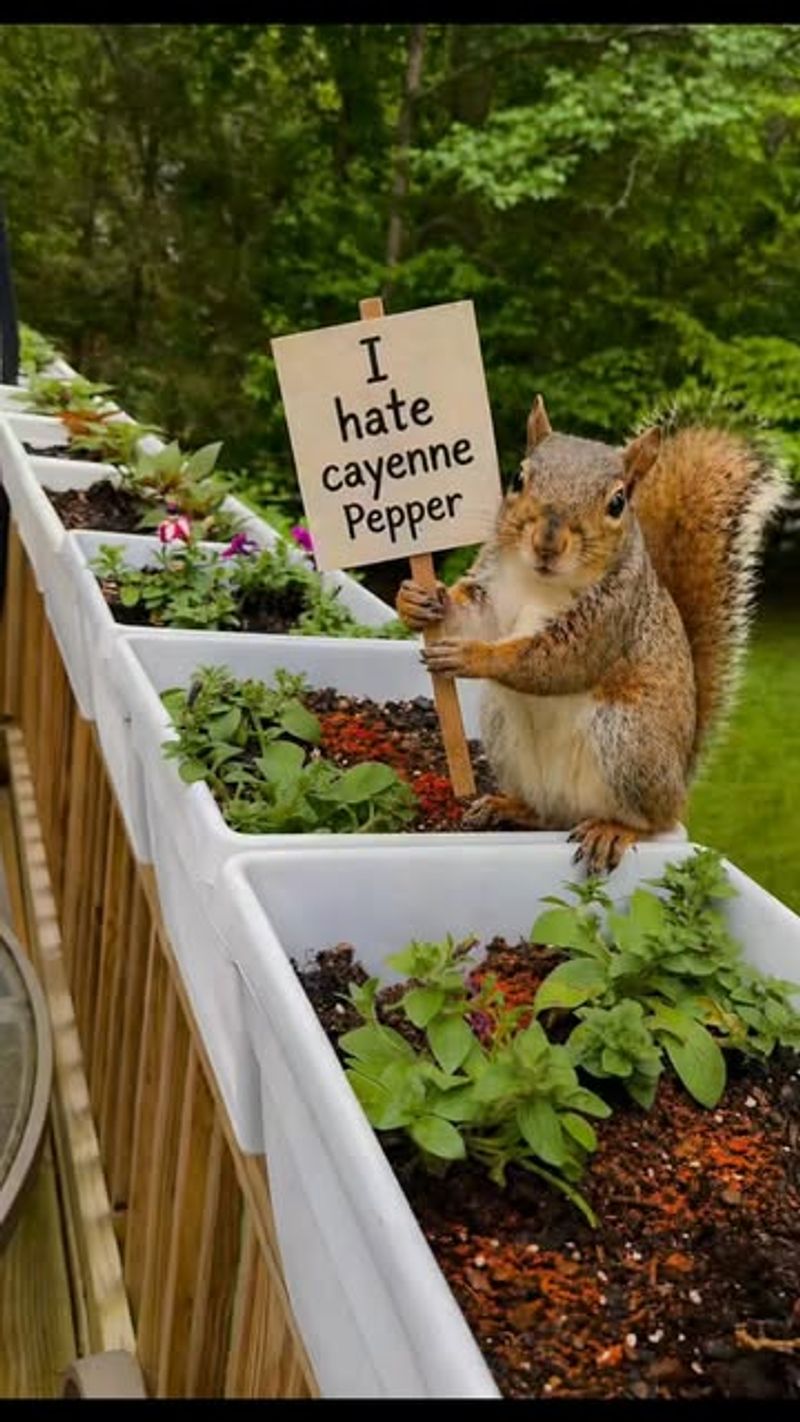
Cayenne is the kitchen ingredient most often named when gardeners share squirrel-deterrent tips online. The logic behind it is real: cayenne contains capsaicin, a compound that can make plant material taste unpleasant to mammalian herbivores, including squirrels. Pepper sprays and capsaicin-based products have been recognized by extension services as something that may discourage squirrel activity around garden plants.
The problem is that ordinary kitchen cayenne is not the same thing as a registered commercial capsaicin repellent. EPA documentation on capsaicin as a pesticide active ingredient describes products with specific concentrations, formulations, and labeled uses, none of which apply to the jar of ground pepper in your spice cabinet. Kitchen cayenne has no standardized concentration, no product-specific safety directions, and no label telling you how much to apply or when.
There is also a meaningful gap between “pepper sprays may discourage squirrel activity” and “sprinkling cayenne on your bulb bed will stop digging.” Illinois Extension advises that pepper-based deterrents need to be reapplied after rain and that no single method works all the time. Cayenne may make the area a little less appealing to a squirrel, but that is a far cry from the “stops them cold” promise you see repeated across gardening blogs.
Pepper cannot block access to the bulbs
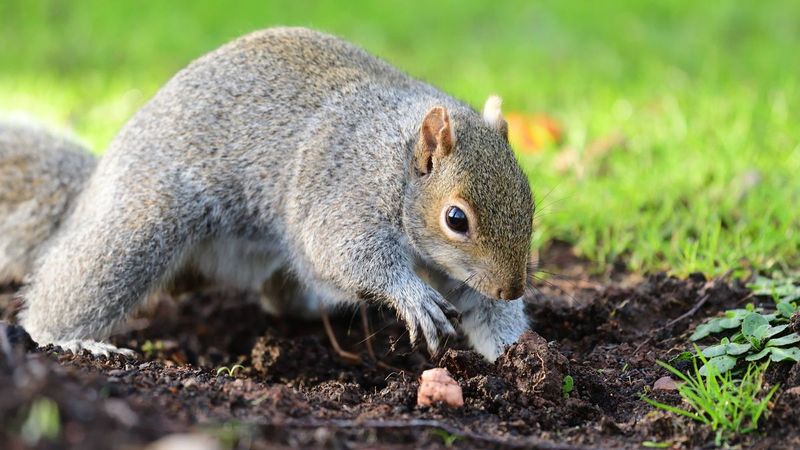
A taste deterrent and a physical barrier are two completely different tools. Capsaicin can make the surface of a bulb or the surrounding soil less appealing, but it does not create any kind of wall between a squirrel and the ground. An animal that is motivated to dig, whether from curiosity, hunger, or the instinct to cache food, can push through an unpleasant taste and keep going.
UC IPM describes chemical squirrel repellents as having questionable effectiveness, and Penn State Extension reports limited success for some taste repellents when used on their own. That is not an argument against ever using a registered repellent product, but it is a strong argument against treating pepper as your only line of defense.
Rain and irrigation make the situation worse. Pepper washes off, and once it is gone, there is nothing left to deter anything. Any reapplication has to follow the current product label, which means you need an actual labeled product, not a homemade mixture. If squirrels have already found your bed and disturbed it once, repeating the same pepper-only approach is unlikely to change the outcome.
That pattern of repeated damage is exactly the situation where a physical barrier makes more sense than another round of spice.
A secured mesh cover offers stronger protection
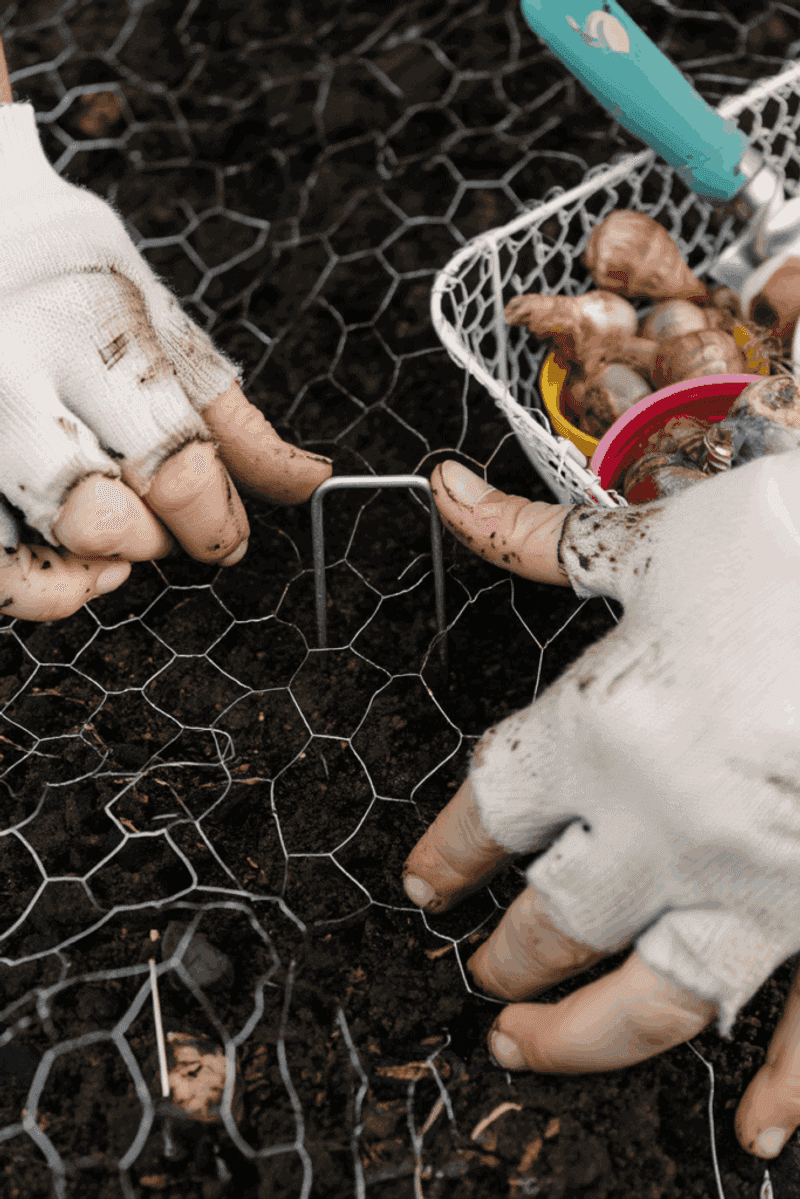
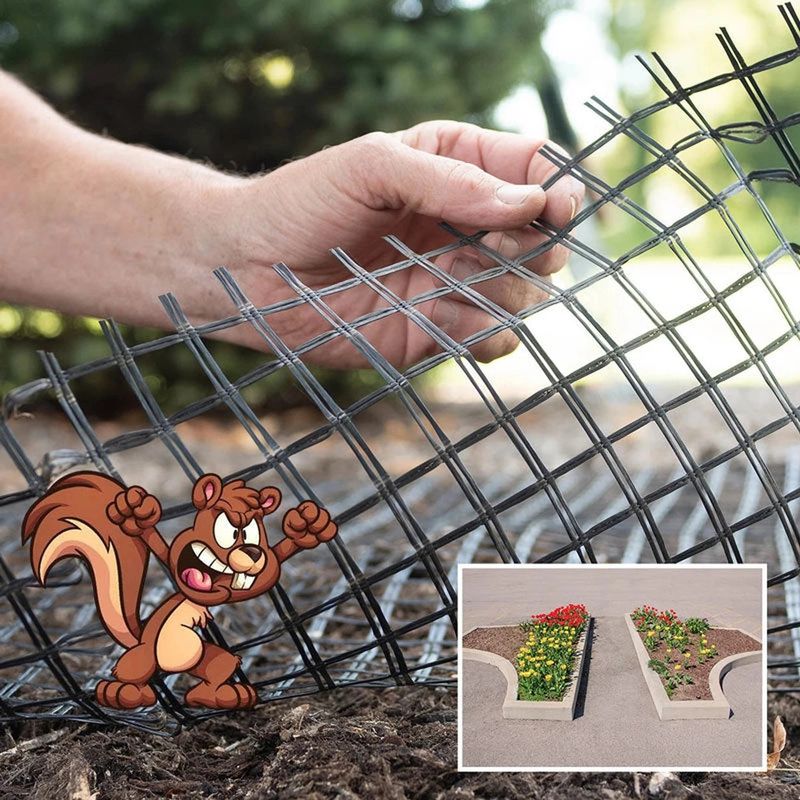
Chicken wire, poultry wire, hardware cloth, and wire bulb cages all work on the same principle: they physically block access to the soil so an animal cannot dig through to the bulbs underneath. Unlike a spray, a properly secured mesh cover does not wash away, does not need reapplication, and does not rely on an animal finding the experience unpleasant enough to give up. Multiple university extension sources identify mesh as the most reliable way to keep squirrels and other wildlife from reaching newly planted bulbs.
UNH Extension recommends approximately 1-inch poultry wire laid over the bed as a straightforward and effective approach. Missouri Extension also supports using wire mesh as a primary exclusion method for bulb beds. For gardeners dealing with smaller animals like chipmunks, voles, or mice, a smaller opening size matters: half-inch hardware cloth provides tighter exclusion and is harder for tiny paws to work around.
No single mesh setup excludes every possible species, and the specific animals in your yard may influence which option works best. UF/IFAS guidance recommends burying half-inch mesh horizontally above the bulbs and extending it at least one foot beyond the bed’s edge, which reduces the chance of an animal tunneling in from the side. For serious or repeated damage, mesh is the better-supported choice over any repellent-only approach.
Install the cover before more digging starts
Speed matters here. Every day the bed sits uncovered is another opportunity for digging, so the installation sequence should happen as soon as possible after planting, or right after you replant any bulbs that have already been disturbed. Start by gently pressing any unearthed bulbs back to the correct depth and firming the soil around them before you lay anything down on top.
Once the bulbs are back in place, lay your mesh flat directly over the bed. UF/IFAS recommends extending the material at least one foot beyond the edge of the planted area so squirrels cannot simply start digging at the perimeter. Push stakes or landscape pins through the mesh and into the ground at regular intervals, particularly along the edges and at the corners, so the cover cannot be lifted or pushed aside. A loose mesh is only marginally better than no mesh at all.
Spring growth does not require removing the whole setup at once. Tulip and crocus shoots can push through appropriately sized openings in poultry wire or hardware cloth on their own. Illinois Extension notes that gardeners may need to reposition or remove the cover as growth develops, particularly if stems are being redirected by smaller mesh openings. Checking the bed in early spring and loosening the cover before shoots get crowded keeps the plants growing normally while still providing protection through the most vulnerable period.
Use any capsaicin product only as labeled
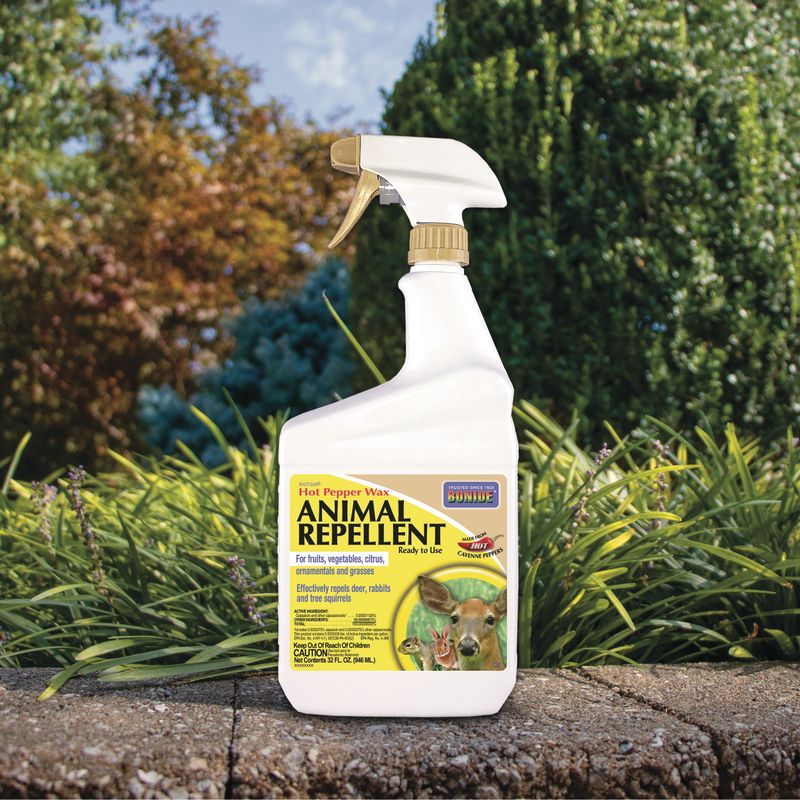
Ground cayenne from your kitchen, homemade pepper water, hot sauce, and a registered commercial capsaicin repellent are not the same product, and they should not be treated as interchangeable. Each has a different concentration of capsaicin, different persistence in the environment, and a different set of directions for safe and legal use. The only version that comes with tested application rates, plant-safety guidance, and label-defined restrictions is the registered commercial product.
EPA guidance on pesticide labeling makes clear that pesticide products must be used in accordance with their labeling, and that label is a legal document. Before applying any repellent product to your bulb bed, check the current label to confirm it is registered for the target animal, for ornamental or edible use as appropriate, and for application to soil or plant surfaces in your situation. A product that was described in an older extension article may no longer carry the same registration.
Capsaicin is naturally derived, but that does not make it harmless. EPA documentation on capsaicin and MedlinePlus guidance on capsaicin exposure both note that it can irritate the eyes, skin, and airways. Wear gloves and eye protection when applying any pepper-based product, avoid applying on windy days, and keep children and pets out of the treated area until it has dried. Do not place loose ground pepper where children or pets can contact it directly.
Finally, University of Maryland Extension explains that excessive or unsuitable sprays can injure plant tissue, a condition called phytotoxicity. When trying an unfamiliar product, test it on a small area first and follow the label’s directions on concentration and timing.
Match the barrier and plan to the animal
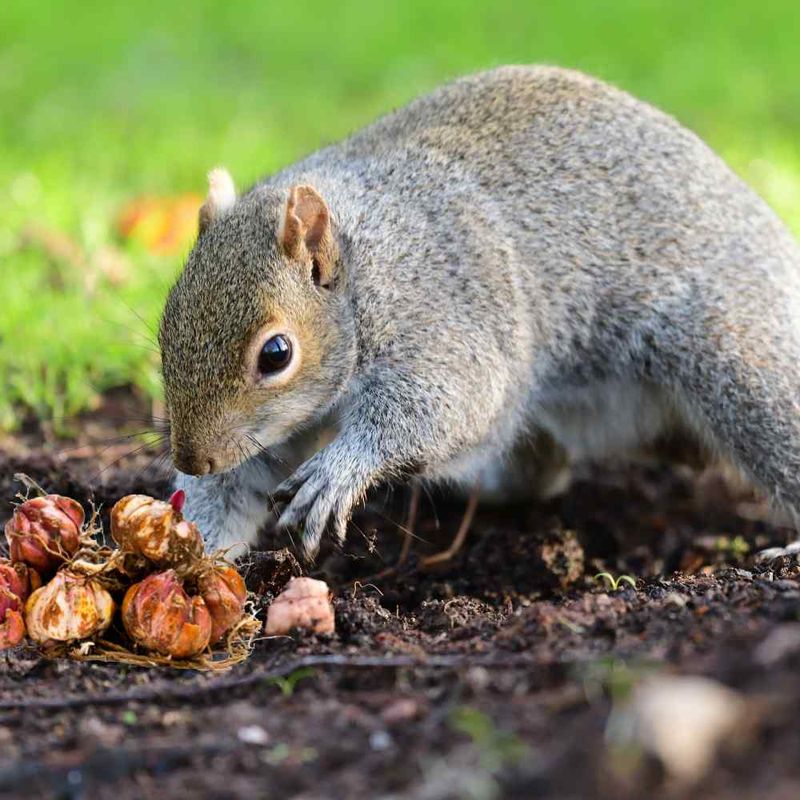
Squirrels get most of the blame when fall bulbs go missing, but they are not always the culprit. Chipmunks dig with the same enthusiasm and can slip through gaps that would stop a squirrel. Voles and mice tend to tunnel rather than dig from the surface, making the damage pattern look different. UNH Extension points out that multiple species can attack newly planted bulbs, which is one reason a mesh barrier is practical: it addresses several possible animals at once rather than targeting just one.
Deer are a different problem entirely. The low horizontal mesh described in this guide is designed for squirrels and small mammals digging from above or from the side at ground level. UF/IFAS guidance on bulb protection focuses on this ground-level exclusion, not deer. If you are seeing signs of deer browsing, such as ragged, torn foliage rather than clean cuts, or whole stems pulled out, a separate deer barrier designed for the height and strength of a deer is what you need.
The two problems call for two different solutions.
A few supporting steps can also reduce overall pressure on the bed. UC IPM recommends reducing food sources such as spilled birdseed and accessible feeders to lower squirrel activity in the yard generally, and Oregon State Extension echoes that habitat management can help. On the planting side, Virginia Cooperative Extension notes that daffodils and other narcissus bulbs are generally less attractive to wildlife than tulips and crocuses, though no bulb should be treated as completely immune. Cayenne or a labeled capsaicin repellent may serve as a secondary layer of discouragement, but prompt replanting and a firmly secured mesh cover are the more dependable way to keep your fall investment in the ground where it belongs.