
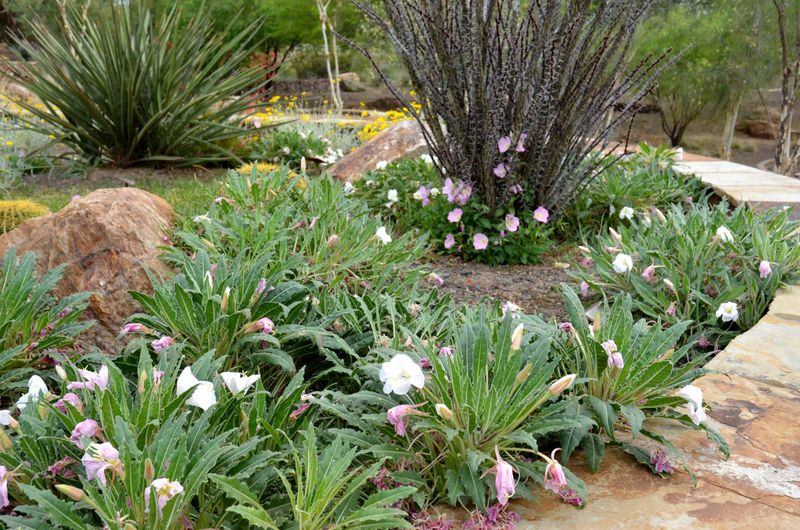
Bare patches of soil in your yard are basically an open invitation for weeds to move in and take over. The good news is that Texas has its own lineup of tough native groundcovers that spread across dirt like a living carpet, leaving weeds no room to sprout. These plants shrug off triple-digit summers, survive on very little water, and even handle city watering restrictions without complaint. Here are seven Texas natives that fill in bare ground so completely that weeds never stand a chance.
1. Frogfruit (Phyla nodiflora)
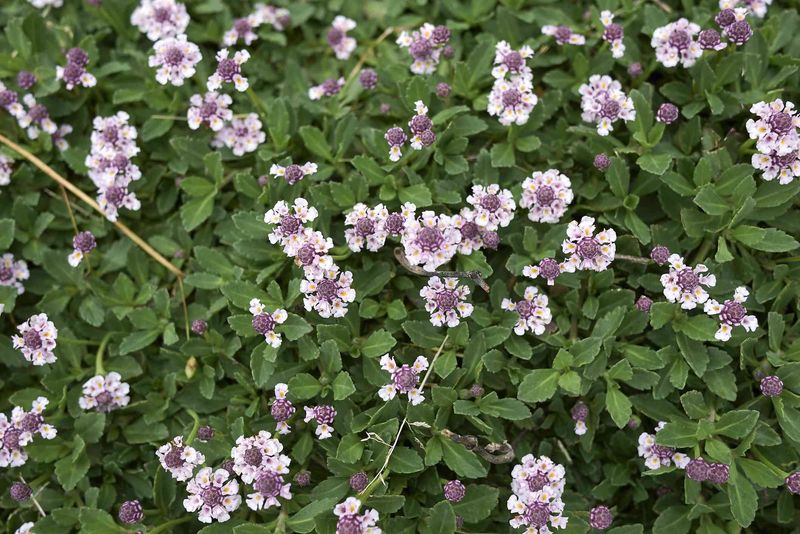
Step on it, mow over it, forget to water it for weeks, and frogfruit just keeps creeping along like nothing happened. This low, mat-forming native hugs the ground and roots as it spreads, weaving a dense green blanket that leaves almost no gaps for weed seeds to find daylight.
Tiny white-and-purple blooms pop up all summer long, and pollinators absolutely love them. Butterflies, native bees, and skippers treat a frogfruit patch like an all-you-can-eat buffet, which is a nice bonus when so many Texas yards are running low on nectar during the hottest stretch of the year.
It handles foot traffic better than most groundcovers, so it works beautifully between stepping stones or in spots where the lawn always seems to die out. Once established, it needs very little supplemental water, which keeps it legal and thriving even when your city rolls out summer watering restrictions. Give it sun to part shade and stand back, because it fills in fast.
2. Horseherb (Calyptocarpus vialis)
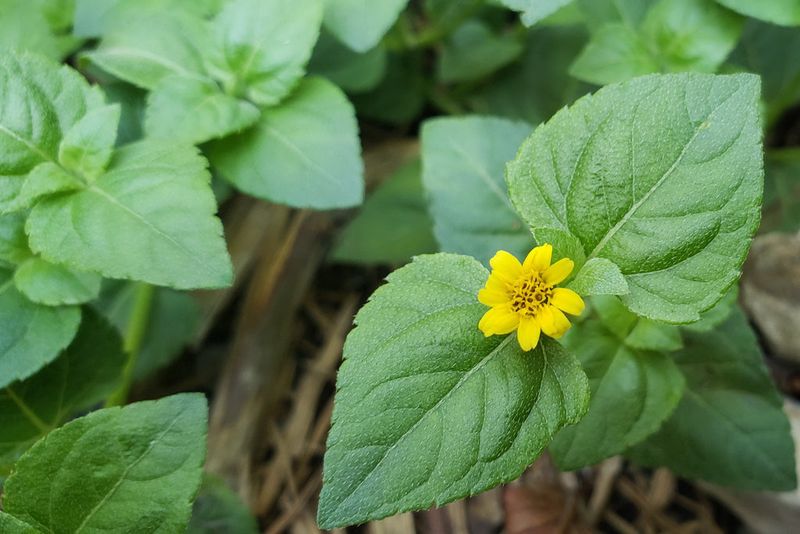
Gardeners argue about horseherb, and honestly, that is part of its charm. Some Texans call it a weed, while others swear by it as the easiest shade-loving groundcover the state has to offer. What everyone agrees on is that it fills bare, shady ground under trees where turfgrass simply refuses to grow.
Small yellow flowers dot the soft green foliage almost year-round in milder parts of the state. It spreads by both seed and rooting stems, knitting together a low cover that shades out competing weeds before they can gain any ground.
Drought hits and horseherb may go dormant and brown, then bounce right back once rain returns, which makes it a forgiving choice for anyone tired of babying a lawn. It takes light foot traffic and mows cleanly if you want a tidier look. For those dry, dusty spots beneath live oaks and pecans, horseherb can reduce the constant weeding battle without asking much in return.
3. Silver Ponyfoot (Dichondra argentea)
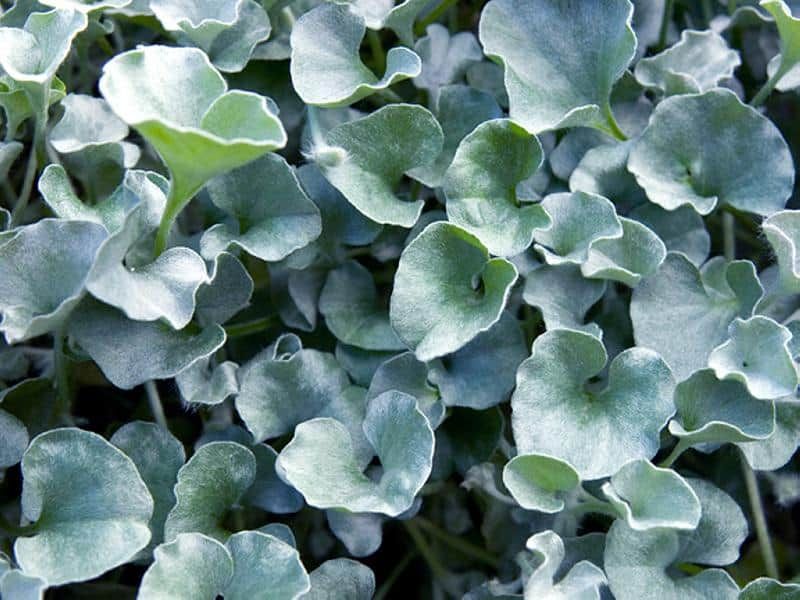
Few groundcovers turn heads quite like silver ponyfoot, with its shimmering fan-shaped leaves that look like they were dusted in metallic paint. That silvery sheen is more than pretty, because it actually reflects the brutal Texas sun and helps the plant survive heat that would fry most delicate foliage.
It trails and cascades, which makes it a favorite spilling over retaining walls, tumbling from containers, or carpeting hot, rocky beds where nothing else wants to live. As the stems root along the ground, they lock the soil in place and crowd out weed seedlings looking for a spot to settle.
Water restrictions are no problem here. Silver ponyfoot is genuinely drought-tough once its roots are down, thriving in lean, well-drained soil and full sun. Fun bit of trivia: it belongs to the morning glory family, though you would never guess it from those quiet little leaves. Pair it with darker-leaved natives for a contrast that makes both plants pop.
4. Texas Frog Fruit’s Cousin: Wooly Stemodia (Stemodia lanata)
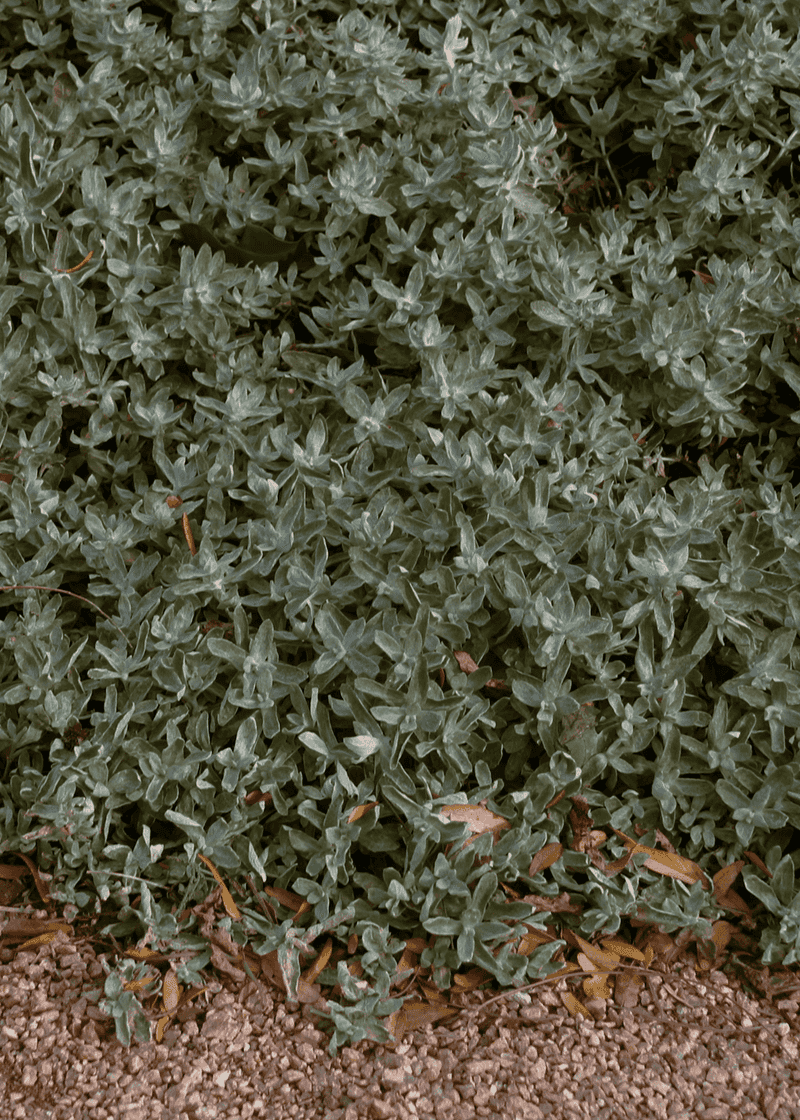
Run your hand across wooly stemodia and you will understand the name instantly, because the soft, fuzzy gray-green foliage feels almost like felt. That woolly coating is the plant’s built-in sunscreen, trapping moisture and shielding leaves from the relentless glare of a South Texas summer.
Native to the sandy soils and coastal regions of the state, it spreads into a soft, low mat that smothers bare ground and blocks weeds from taking hold. The texture alone makes it a standout among green-leaved groundcovers, adding a silvery-gray tone that softens rock gardens and gravel beds.
Heat and salty coastal air barely faze it, which is why it shows up so often in Gulf Coast plantings where other groundcovers struggle. Small blue flowers appear during the warm months, giving pollinators one more reason to visit. Plant it in full sun with sharp drainage, keep water minimal, and it rewards you by knitting together into a plush, weed-suppressing layer that thrives on neglect.
5. Snake Herb (Dyschoriste linearis)
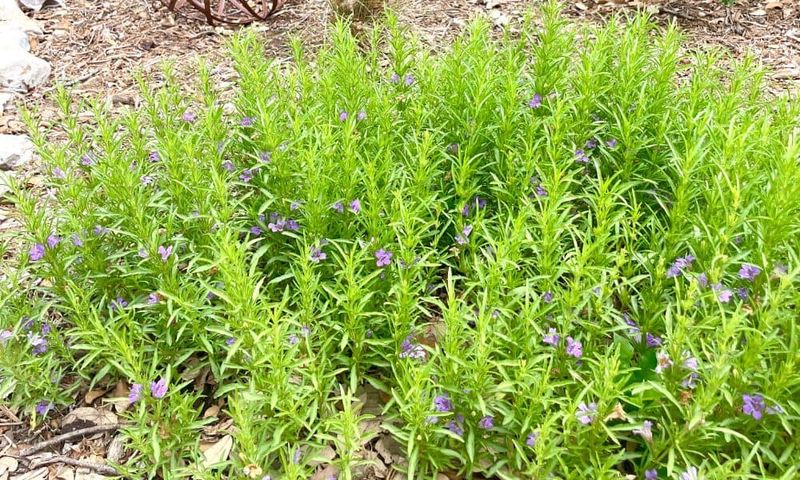
Do not let the slightly ominous name scare you off, because snake herb is one of the most well-behaved little natives you can plant. It forms a low, tidy clump that slowly colonizes an area, sending up narrow leaves and dainty lavender trumpet-shaped flowers through the hottest months.
Deer tend to leave it alone, which is a big deal for Hill Country gardeners fighting a losing battle against browsing herds. It tucks neatly into the gaps between larger plants, filling the open dirt where weeds usually sneak in and taking over that real estate quietly and permanently.
Blazing sun and rocky, poor soil are exactly where snake herb feels at home, so it thrives in the tough spots that defeat fussier plants. It asks for hardly any water once established and pulls double duty as a nectar source for butterflies. For a low-maintenance patch that stays green and calm while sealing off bare ground, this understated native earns its place.
6. Zexmenia (Wedelia acapulcensis var. hispida)
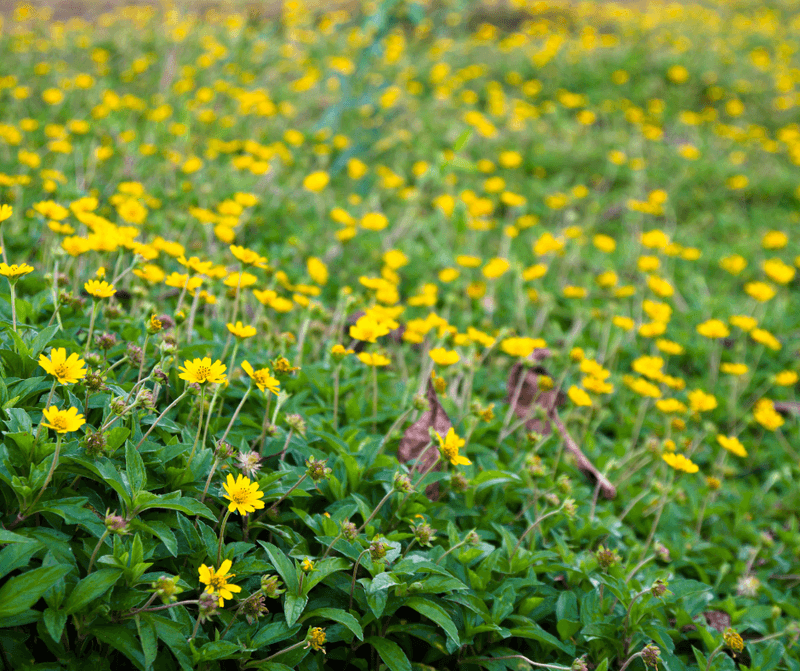
Cheerful is the word that comes to mind with zexmenia, thanks to the bright golden-yellow daisy flowers it throws out from spring clear through fall. While it grows a touch taller than a typical groundcover, it spreads into a rounded, mounding mass that shades the soil beneath and keeps weeds from muscling in.
Toughness is baked into this plant. It shrugs off drought, laughs at triple-digit heat, and keeps blooming when other flowers have thrown in the towel, making it a reliable anchor for a low-water Texas bed.
Pollinators flock to those sunny blooms, and the plant looks equally at home in a manicured border or a wilder cottage-style planting. Cut it back hard in late winter and it returns bushier and more vigorous each spring. If you want a groundcover that carries its weight in color while quietly blanketing bare earth, zexmenia delivers on both fronts without demanding constant attention.
7. Prairie Verbena (Glandularia bipinnatifida)
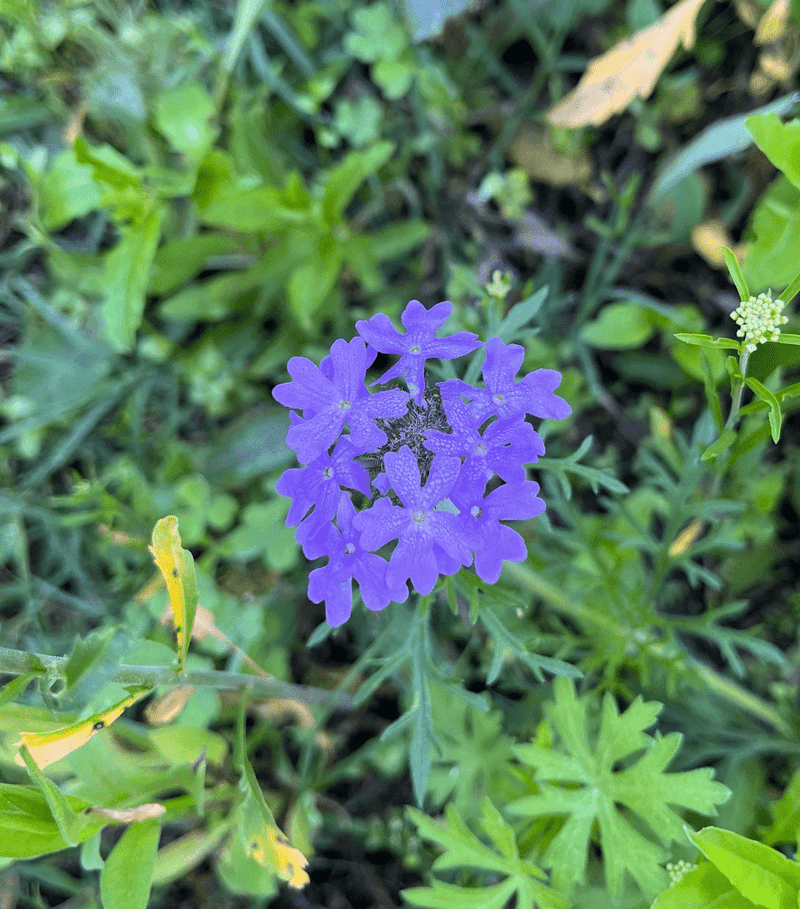
Drive along a Texas highway in spring and those sweeping purple carpets spilling across the shoulders are very likely prairie verbena doing its thing. That same roadside toughness translates straight into the home garden, where it sprawls into a low, flowering mat that covers bare ground fast.
Clusters of purple to pink flowers bloom for months, and they act like a magnet for butterflies, especially during the long, hot stretch when nectar is scarce. The finely cut foliage weaves together densely enough to keep most weeds from breaking through.
It thrives in the poor, gravelly, well-drained soils that frustrate so many other plants, and it does it all on rainfall alone once established. A quick shearing after a bloom flush encourages it to flower again and stay full rather than leggy. For a splash of native color that doubles as a practical weed barrier and survives on almost no supplemental water, prairie verbena is hard to beat across most of the state.