
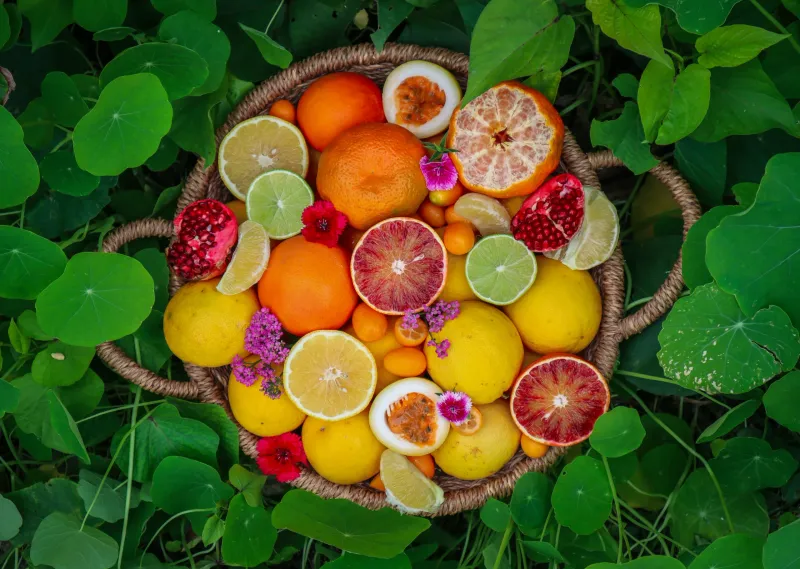
Most plants throw in the towel when the thermometer climbs past 100 degrees, but a handful of fruits actually get sweeter the harder the Texas sun beats down. If you have ever bitten into a watermelon in July and wondered why it tasted like candy, the answer is all that relentless heat working in your favor. Down here, triple-digit summers can feel like punishment, yet your garden might be turning that misery into some of the best-tasting fruit you will ever grow. Here are seven fruits that treat a scorching Texas summer as the secret ingredient.
1. Watermelon
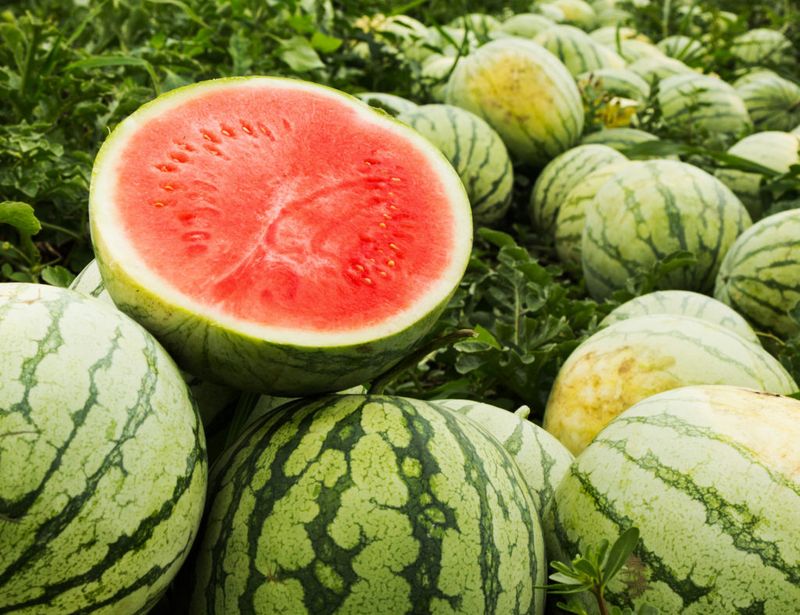
Nothing says a Texas July quite like cracking open a watermelon and hearing that hollow thump. The reason it tastes so ridiculously sweet is simple: watermelons stockpile sugar when they get long, blistering days and warm nights, exactly the kind of weather that makes the rest of us hide indoors.
Places like Luling built entire festivals around this fruit, and there is a good reason Central Texas soil and heat produce champions. The vines soak up sunshine and convert it into sugar, so the more triple-digit afternoons you throw at them, the deeper the flavor gets.
Give them room to sprawl and deep, infrequent watering, and they handle drought better than most thirsty crops. Cut back on water slightly as harvest nears and the sweetness concentrates even more. A watermelon babied with too much shade and daily sprinkling ends up watery and bland, which is the opposite of what a real Texas summer delivers.
2. Figs
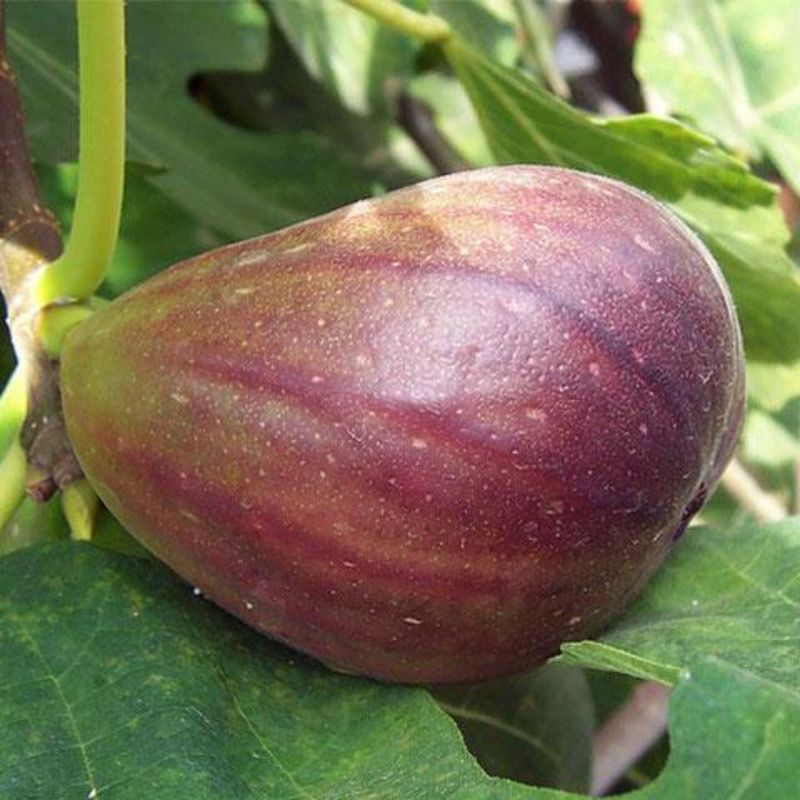
Fig trees seem almost lazy in how little they ask of you, yet they reward brutal heat with jammy, honey-thick fruit. Varieties like Celeste and Texas Everbearing shrug off the Gulf Coast humidity and keep pumping out crops while other plants sulk.
Heat is what pushes the sugars sky-high inside each fig. A cool, cloudy summer leaves them flat and starchy, but a run of scorching days turns the flesh into something that tastes like it was already spread on toast.
Old Texas homesteads often had a fig tree tucked against the south side of the house, where the reflected heat sped up ripening. Once established, these trees tolerate drought and water restrictions with barely a complaint. Just beat the birds and the June bugs to the ripe ones, because everything in the yard knows how good a heat-baked fig tastes.
3. Cantaloupe
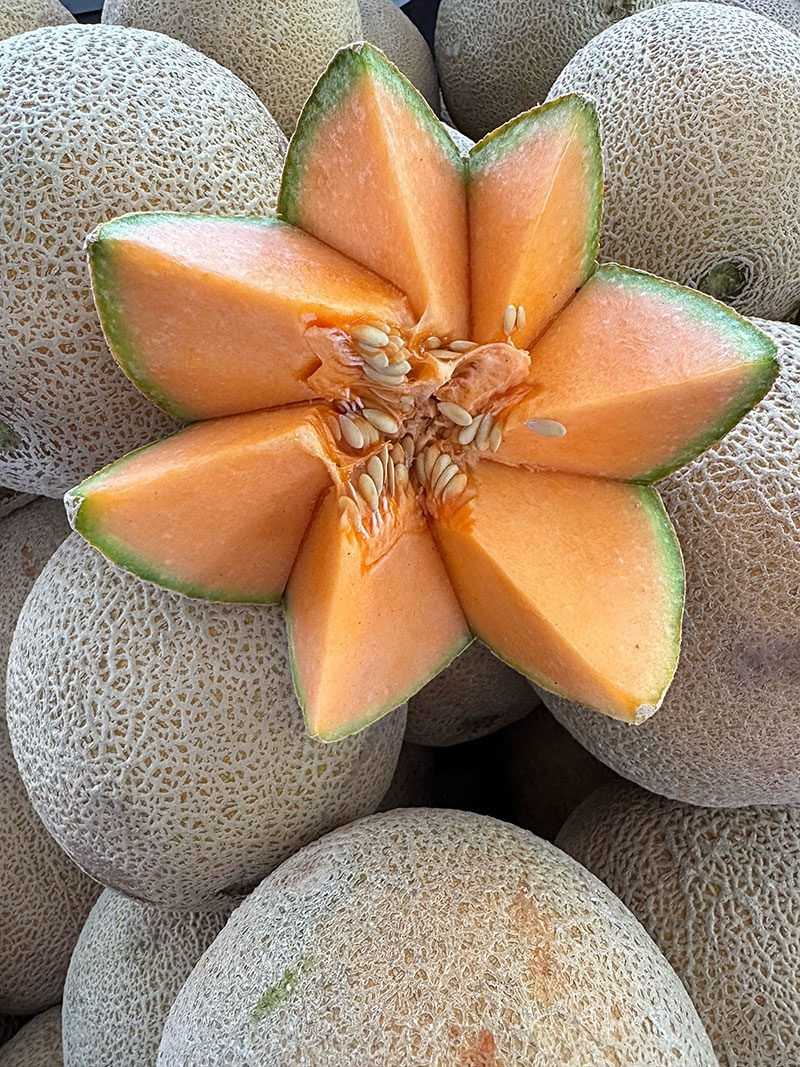
Ever notice how a grocery-store cantaloupe can taste like a wet sponge? Grow one through a proper Texas summer and you will understand what the fuss should be about. The famous Pecos cantaloupes from West Texas owe their legendary sweetness to hot days, cool desert nights, and mineral-rich soil.
That big swing between daytime scorch and nighttime cool is where the magic happens. The plant photosynthesizes hard all day, then hangs onto those sugars overnight instead of burning them off.
Cantaloupes want heat, sun, and well-drained ground, so they suit a lot of Texas yards without much babying. Ease off the watering as the fruit matures to avoid diluting the flavor. When the stem slips off with a gentle tug and the whole melon smells sweet at the blossom end, you have got proof that a rough summer paid off.
4. Peaches
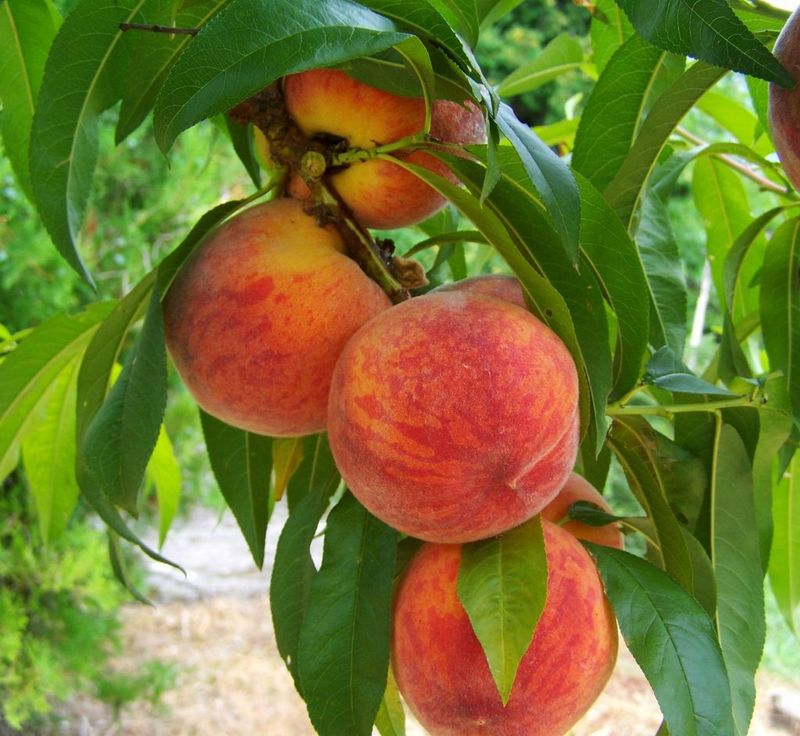
Fredericksburg peaches have earned near-mythical status among Texans, and summer heat is the reason folks drive for hours to buy a basket. Warm days build up the sugar while the fruit swells, giving Hill Country peaches that drip-down-your-chin juiciness.
There is a balancing act, though. Peach trees need a certain number of chilly winter hours first, so growers pick low-chill varieties suited to the region. Once spring passes, the summer sun does the heavy lifting on flavor.
A hot, sunny stretch right before harvest can turn an ordinary peach into something unforgettable, concentrating both sugar and that perfumey aroma. Keep an eye out for pests and give the tree good airflow to fight fungal issues in humid areas. Pick them slightly soft and let them finish on the counter, and you will taste exactly why Texas takes its peaches so seriously.
5. Prickly Pear (Tuna)
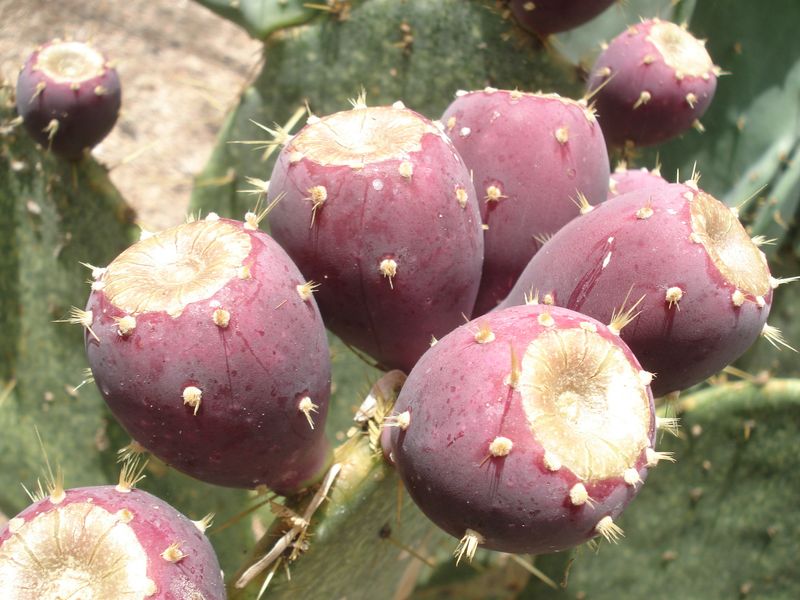
While everything else begs for water, the prickly pear cactus just grins at a drought and cranks out fruit anyway. The magenta fruits, called tunas, ripen in late summer and taste like a cross between watermelon and bubblegum when the heat has done its work.
Being a true native, this plant is built for triple-digit misery and cracked, dry soil. The tougher the conditions, the more it seems to lean into that jewel-toned sweetness once the fruit finally colors up.
Handle harvesting with tongs and thick gloves, since those tiny hair-like glochids will find your fingers no matter how careful you are. Beyond the fruit, the pads are edible too, which makes this a genuine Texas survivor crop. For gardeners fed up with fighting the climate, growing something that celebrates the heat instead feels like a small rebellion that actually tastes good.
6. Grapes
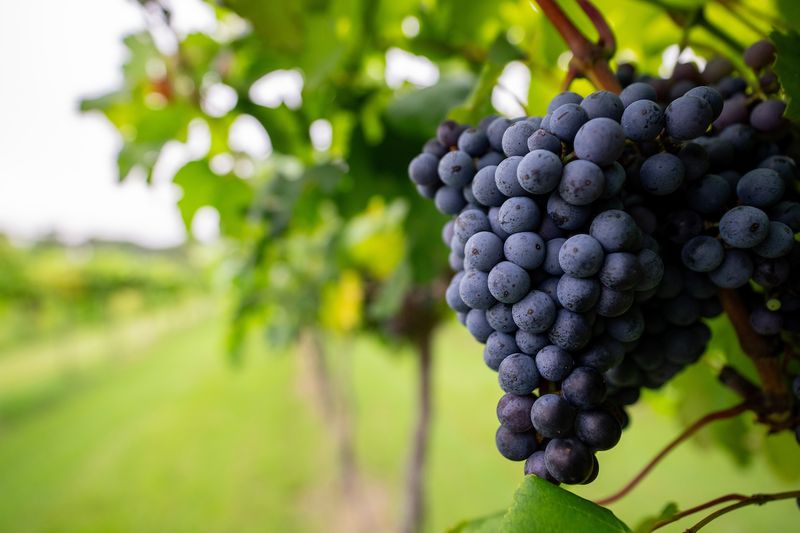
Texas quietly became a serious wine state, and the summer sun is the co-author of every bottle. Grapevines love heat and sunshine, which push the fruit to build the sugars that eventually turn into rich, bold flavors.
Growers in the High Plains and Hill Country actually count on those long hot days to fully ripen the clusters. Cool weather leaves grapes tart and thin, but Texas rarely has that problem.
Table varieties like the seedless types also reward home gardeners with sweeter bunches when the season bakes. The vines run deep roots and handle dry spells reasonably well once established, a nice trait during watering restrictions. Prune them right, give the fruit some sun exposure without scorching, and a hot summer will hand you grapes that taste like the season itself got bottled up inside each berry.
7. Blackberries
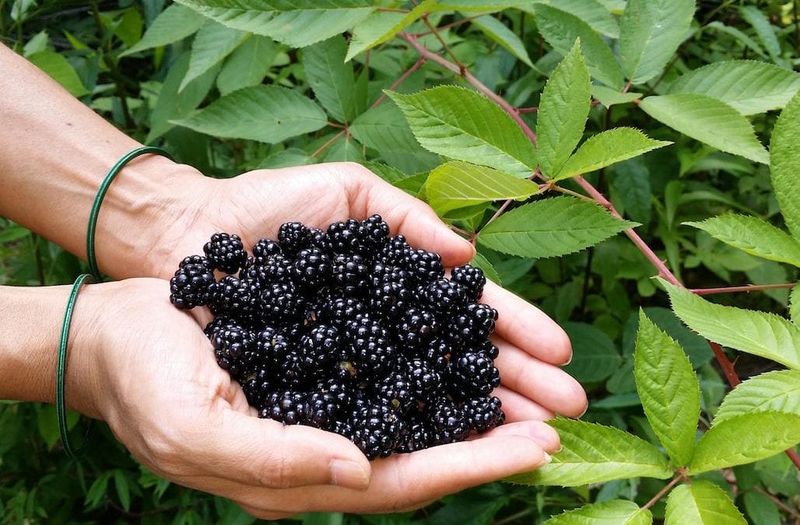
Right when late spring tips into summer, blackberry canes hit their stride and start dropping fruit that goes from tart to candy-sweet almost overnight. Warm sun ripens the berries fast, and the heat is what deepens that jammy, wine-like flavor in the fully black ones.
Thornless varieties bred for the South, like the Arapaho and Natchez types, thrive across much of Texas with surprisingly little fuss. They form thickets that shrug off heat and produce year after year once the canes settle in.
The trick is patience: a berry that is merely dark is not ready, but one that pulls off with a light tug and looks dull rather than shiny is peak sweetness. Beat the mockingbirds to the harvest and you will have enough for cobbler, the unofficial dessert of a Texas summer supper. Few crops turn a hot morning of picking into such an easy payoff.