
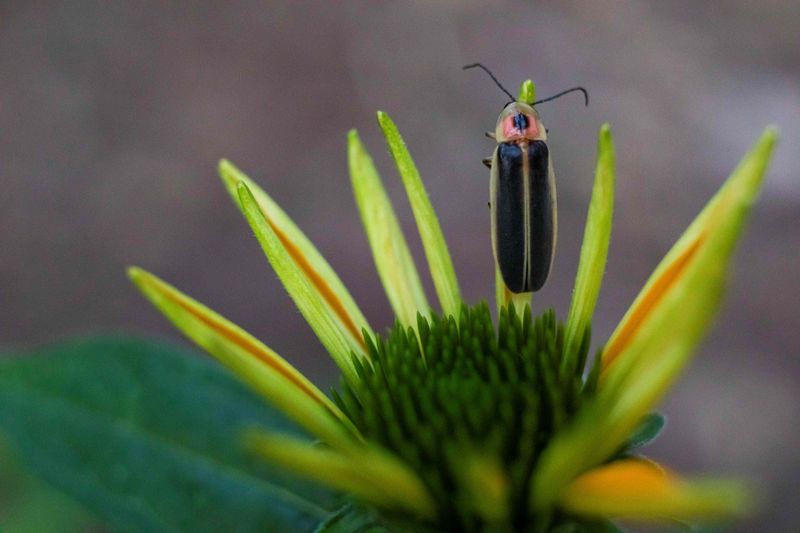
Most people picture fireflies glowing over a Texas backyard on a warm June night, but few realize the adults sometimes stop to sip nectar just like bees and butterflies do. Not every firefly species feeds as an adult, yet the ones that do seem to return to certain flowering plants again and again. Knowing which Texas natives can offer that food source helps you build a yard that keeps these blinking beetles coming back season after season. Here are seven flowering plants that give adult fireflies a reason to visit and linger.
1. Common Milkweed (Asclepias syriaca)
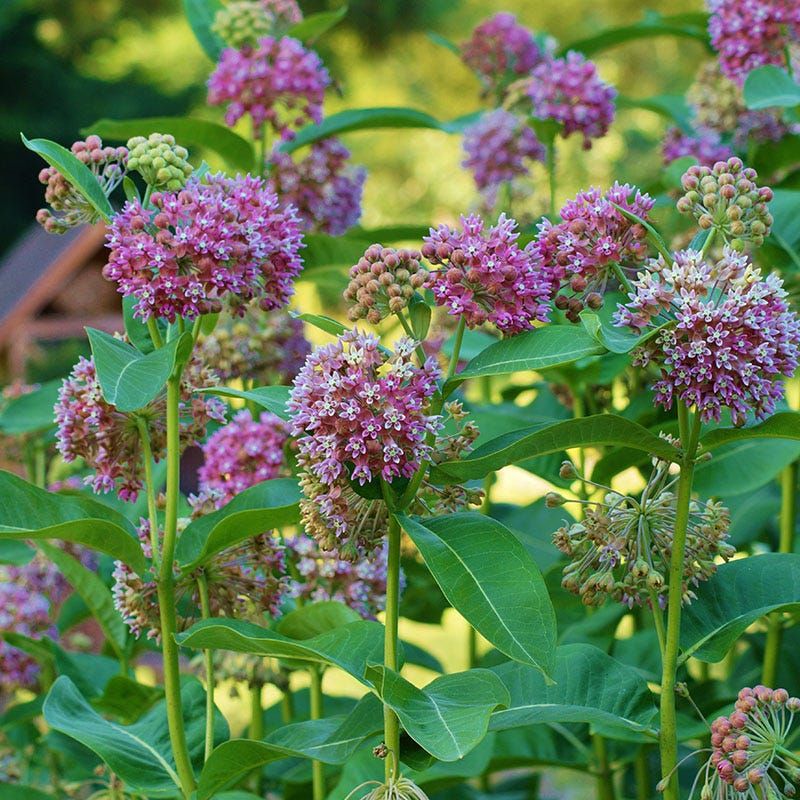
Ask any Texas gardener about milkweed and they’ll mention monarchs first, but the flat pink flower clusters pull in a wider crowd than most people expect. Adult fireflies drawn to soft-bodied insects and moisture often turn up around milkweed patches at dusk, and the shallow blooms make nectar easy to reach.
What sets milkweed apart on this list is how it feeds an entire nighttime food web. The nectar supports adult insects while the leaves and stems attract the tiny prey that some fireflies still hunt. That double duty makes it a magnet in a way single-purpose flowers rarely match.
It also shrugs off triple-digit Texas summers once established, needing little water even under municipal restrictions. Plant it in a sunny corner with room to spread, since it can wander. Fun bit: the milky sap that gives milkweed its name is mildly toxic, which is exactly why so many insects that eat it become distasteful to predators.
2. Frostweed (Verbesina virginica)
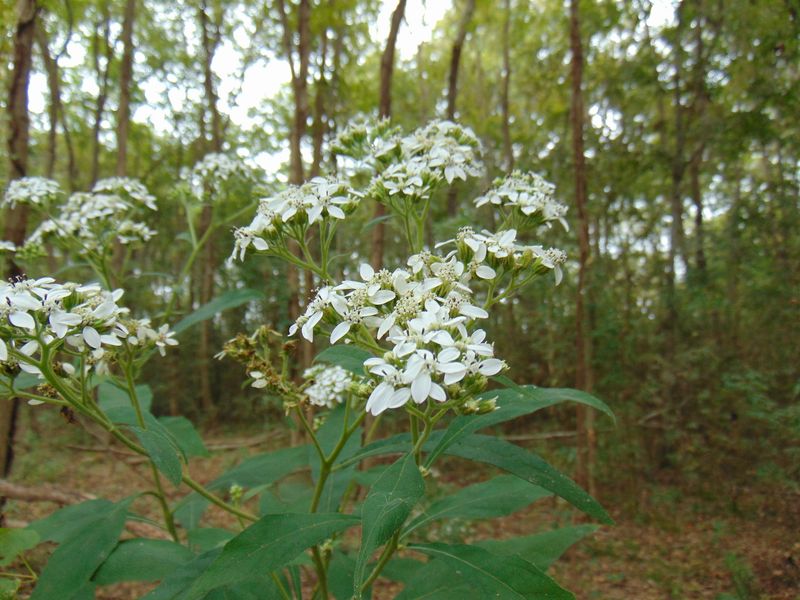
Come late summer and fall, frostweed erupts in flat-topped white flower heads that seem to buzz with life well into the evening hours. Because it blooms when many other Texas natives have burned out in the heat, it offers a late-season nectar station just as some firefly adults are still active.
The reason it earns a spot here comes down to shade tolerance. Frostweed thrives along woodland edges and moist, shady spots, the exact damp habitats where firefly larvae grow up hunting snails and slugs.
Adults that emerge nearby don’t have to travel far to find food, so the plant quietly ties the whole life cycle together. It handles clay and limestone soils that frustrate other plants, and it self-seeds generously. The famous winter trick, where sap freezes and splits the stems into curls of white ice ribbons, gave frostweed its name and makes it a conversation starter long after the flowers fade.
3. Gregg’s Mistflower (Conoclinium greggii)
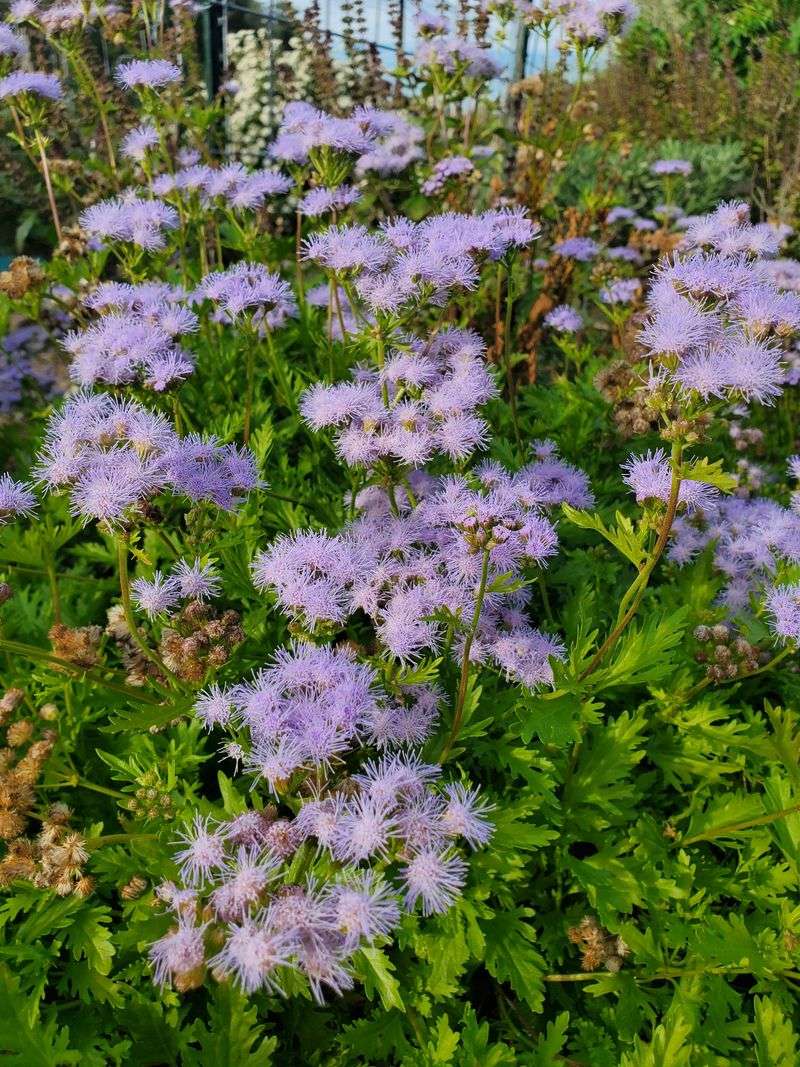
Fuzzy, powder-blue flower clusters give Gregg’s mistflower an almost cloudy look, and pollinators treat it like an open buffet from spring straight through fall. The long bloom window matters for fireflies, because it keeps nectar available across the stretch of warm Texas nights when adults are out and about.
Its low, spreading habit creates a dense mat of cover near the ground. That structure holds humidity and gives soft-bodied firefly adults a sheltered place to rest between feeding bouts, which is something taller, leggier flowers can’t offer.
Drought-tough and heat-proof, it barely flinches during water restrictions once its roots settle in. Gardeners in Central and West Texas love it for filling borders with color while asking for almost nothing. A quirky note: the same fragrant compounds that make mistflower irresistible to queen butterflies may also help draw in the small insects that certain fireflies snack on, layering food source upon food source in one tidy plant.
4. Texas Lantana (Lantana urticoides)
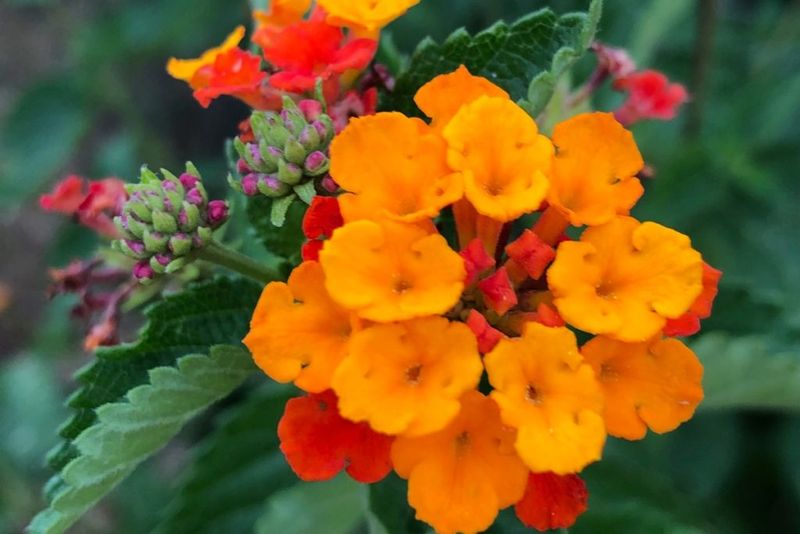
Bursting with orange-and-yellow blooms that shift color as they age, native Texas lantana is a heat lover that flowers longer than almost anything else in the yard. Warm-weather bloomers like this one line up perfectly with firefly season, offering a steady nectar supply from late spring into autumn.
The tightly packed flower heads reward frequent visitors, and the shrub’s dense form gives adult fireflies protected perches away from wind and predators. That combination of food plus cover is exactly what keeps insects returning to the same spot night after night.
Just be sure you plant the true native and not the invasive imported lantana, which can crowd out local plants and disrupt the ecosystem Texas gardeners work to protect. The native version handles poor soil, reflected heat off patios, and stingy watering schedules with ease. Worth knowing: those color-changing blooms actually signal to pollinators which flowers still hold nectar and which have already been drained.
5. Butterfly Weed (Asclepias tuberosa)
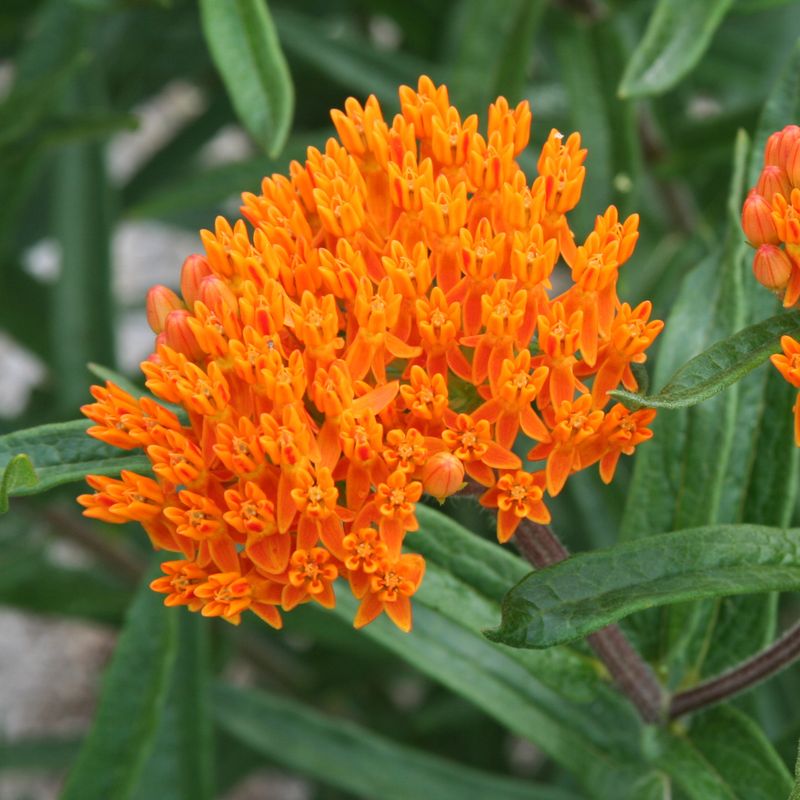
Glowing bright orange in the middle of a brutal Texas July, butterfly weed proves that some natives actually enjoy the punishing heat. Its flat flower clusters sit at a height that puts nectar within easy reach of small nighttime visitors, including the adult fireflies that stop by after dark.
Unlike its cousin common milkweed, this species stays compact and clump-forming, so it fits neatly into smaller yards and tight garden beds. That makes it a practical pick for suburban Texans who want firefly-friendly plants without giving up half the flower bed.
Its deep taproot lets it pull moisture from far below the surface, which is why it powers through drought and water restrictions without complaint. Once planted, it resents being moved, so choose the spot carefully. A fun detail: butterfly weed is one of the few milkweeds without milky sap, breaking the family rule and confusing plenty of first-time growers.
6. Black-Eyed Susan (Rudbeckia hirta)
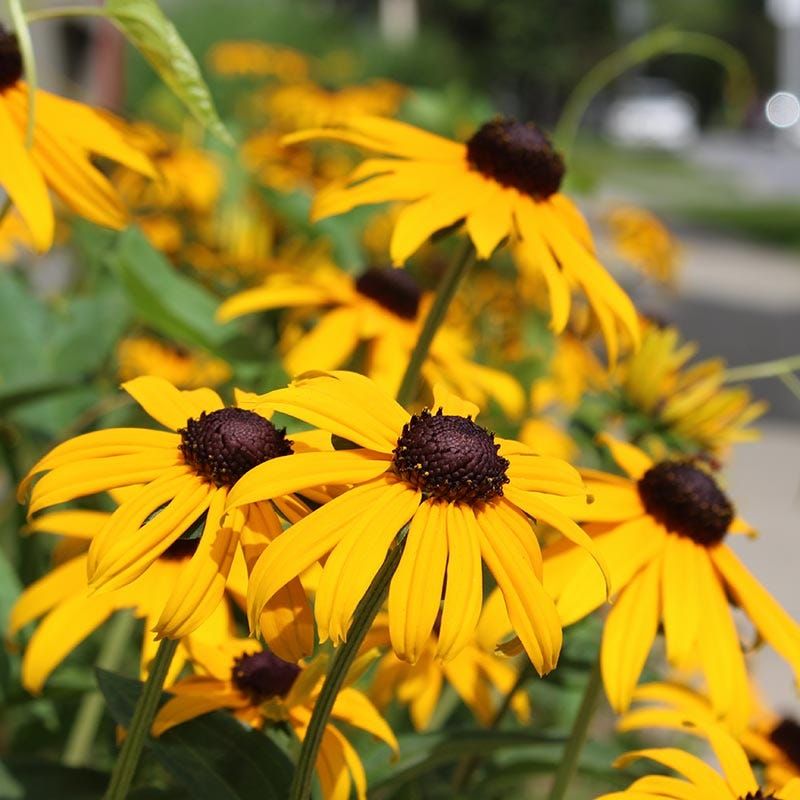
Golden petals circling a dark chocolate center make black-eyed Susan one of the most recognizable wildflowers across Texas roadsides and meadows. Beyond the good looks, its open, easy-access blooms welcome a broad range of insects, and firefly adults seeking nectar and moisture are known to pause here during their evening rounds.
What earns it a place on this list is sheer resilience paired with generosity. It reseeds itself year after year, spreading into loose colonies that give fireflies a bigger feeding zone rather than a single lonely plant.
Tough enough for hot, dry, poor soils, it barely sips water once it gets going, making it a friendly choice under summer restrictions. Deadheading a few blooms keeps the show running longer into the season. Here’s a small surprise: the dark central cones left standing after flowering feed finches and other small birds through winter, so the plant keeps giving back long after the fireflies have gone quiet for the year.
7. Turk’s Cap (Malvaviscus arboreus var. drummondii)
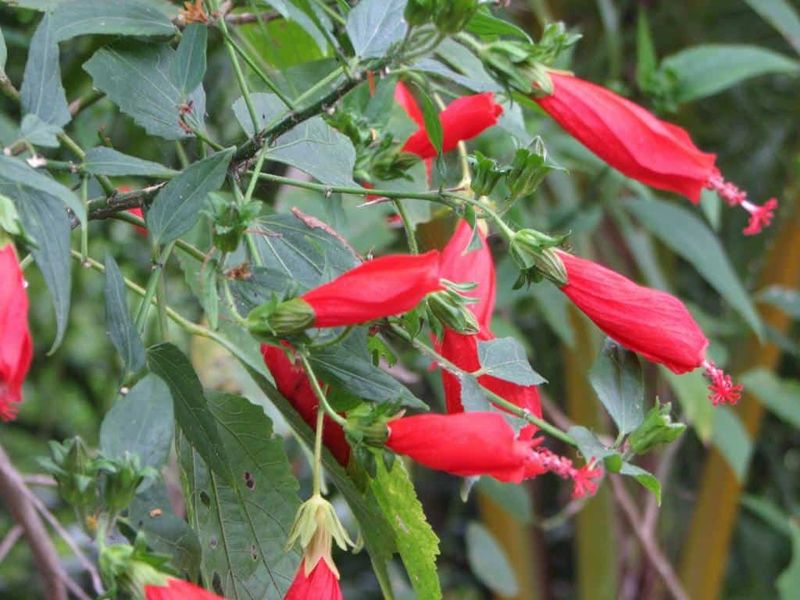
Picture small, twisted red flowers that never quite open all the way, looking like tiny turbans tucked among broad green leaves. Turk’s cap thrives in the shady, moist parts of a Texas yard, the same low-light, humid pockets where firefly larvae develop before emerging as glowing adults.
Its willingness to bloom in deep shade is what makes it stand out from the sun-loving flowers on this list. Fireflies that grow up in damp, dim corners can find nectar without ever leaving the habitat that raised them, which encourages them to stick around and repopulate the yard.
The plant asks for very little, tolerating dry spells, clay soil, and neglect while still pushing out flowers from spring to frost. Hummingbirds adore it too, so you’ll host a crowd. One charming fact: those never-fully-open blooms eventually give way to small red fruits that people have long compared to tiny apples, and both birds and curious kids tend to notice them.