
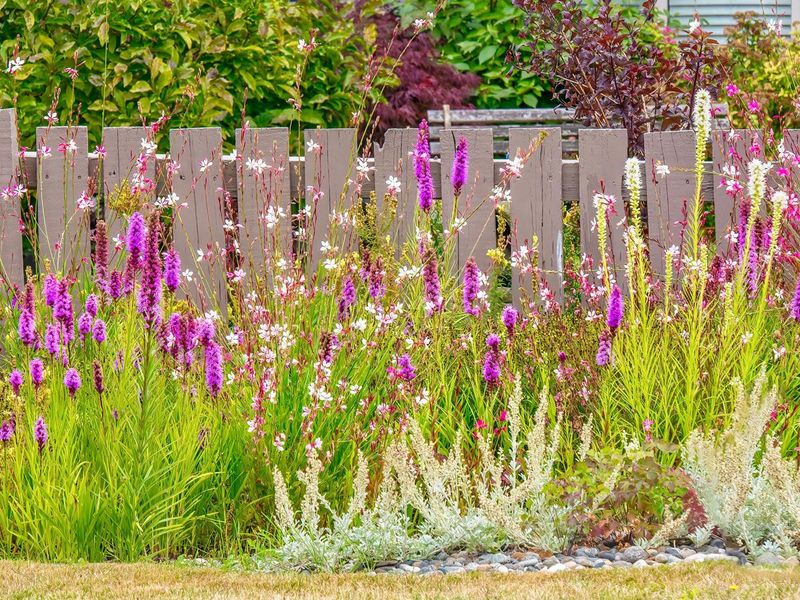
Crape myrtles show up along fence lines all over Texas, but they came from Asia and do not give our local birds, bees, and butterflies much to work with. Native Texas plants, on the other hand, already know how to shrug off triple-digit summers, survive city water restrictions, and feed the wildlife that belongs here. Swapping out that tired row of crape myrtles for tough natives means less watering, fewer pest headaches, and a fence line that actually buzzes with life. Here are eight Texas-born plants that can take over the job and do it better.
1. Texas Mountain Laurel
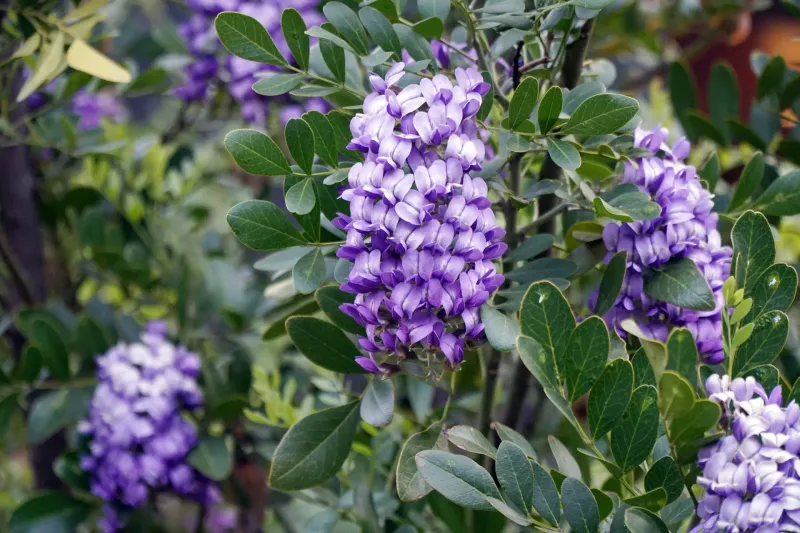
Walk past one of these in early spring and you will smell grape soda before you even see the flowers. That sweet, purple bloom cluster is the calling card of the Texas mountain laurel, an evergreen that keeps your fence line green all year instead of dropping bare sticks every winter like a crape myrtle does.
Built for our dry, rocky ground, it barely blinks at drought once its roots settle in. Central and West Texas gardeners love it because it thrives on limestone soils that make other shrubs sulk, and it shrugs off long stretches without rain.
A word to the wise: the bright red seeds inside those pods are toxic if eaten, so it is not the pick for yards where toddlers snack on everything. Give it full sun, plant it and mostly forget it, and you get glossy leaves plus that unforgettable fragrance year after year. For a low-water screen with real Texas character, few natives compete.
2. Turk’s Cap
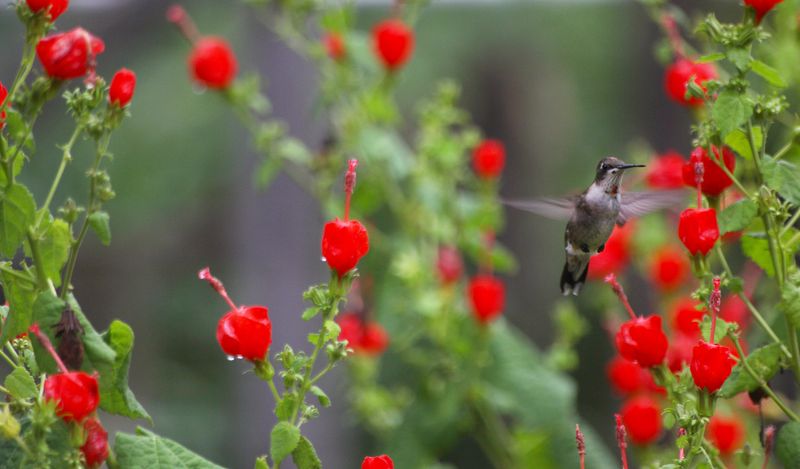
Hummingbirds treat a Turk’s cap like an all-summer diner, zipping between its curious red blooms that never quite open all the way. The twisted petals look like little Turkish turbans, which is exactly how the plant earned its name.
What makes it a fence-line hero is its willingness to grow where almost nothing else will. Deep shade, dappled light, or scorching sun, this Texas native adapts and keeps flowering from late spring right through the first fall cool-down.
Water restrictions barely register for an established Turk’s cap. It dies back after a hard freeze and pops right back up in spring, so you get a fresh flush of growth every year without replanting. Butterflies and bees crowd the blooms alongside the hummingbirds, and small red fruits follow that birds happily clean up. If your crape myrtles hug a shady stretch of fence where color felt impossible, this is the plant that proves you wrong.
3. Flame Acanthus
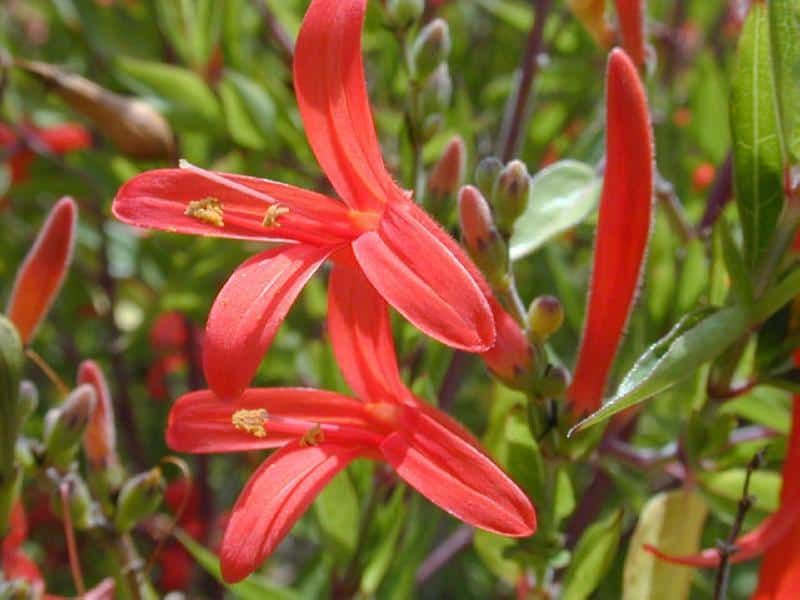
If you want a plant that laughs at July, flame acanthus is your friend. The hotter and drier it gets, the harder this shrub blooms, throwing out slender orange-red tubes that hummingbirds and butterflies chase from midsummer into fall.
Native to the Big Bend region, it evolved in some of the most punishing heat Texas can dish out, so a suburban fence line feels like a vacation to it. You can go weeks without watering an established plant and it still puts on a show.
Fun bit of trivia: it is sometimes called hummingbird bush because those tiny birds guard it so fiercely. The airy, fine-textured leaves give it a soft look that softens hard fence lines and metal panels. Cut it back in late winter and it rebounds bushier than before. For gardeners tired of babying thirsty ornamentals through a drought summer, flame acanthus delivers color exactly when everything else has given up.
4. Texas Sage
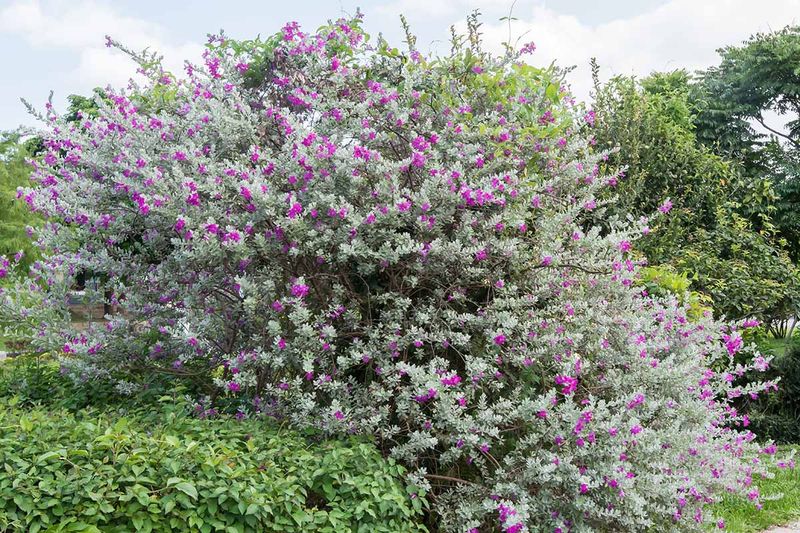
Old-timers call it the barometer bush because it bursts into purple bloom right before a rain, and once you notice the pattern you cannot unsee it. Texas sage reads the humidity in the air and answers with waves of lavender flowers against soft silvery foliage.
Drought is where it truly shines. This shrub practically resents extra water, making it a dream pick for anyone living under Gulf Coast or Hill Country watering limits who still wants a full, hedge-like screen.
Plant it in full sun and lean, well-drained soil, then step back. Overwatering and rich soil are the only ways to really hurt it, so neglect works in your favor here. It shapes up beautifully as an informal hedge along a fence, and its gray-green color stays handsome even between bloom cycles. Deer tend to leave it alone too, which is a quiet blessing in a lot of Texas neighborhoods where hungry herds treat gardens like a buffet.
5. Possumhaw Holly
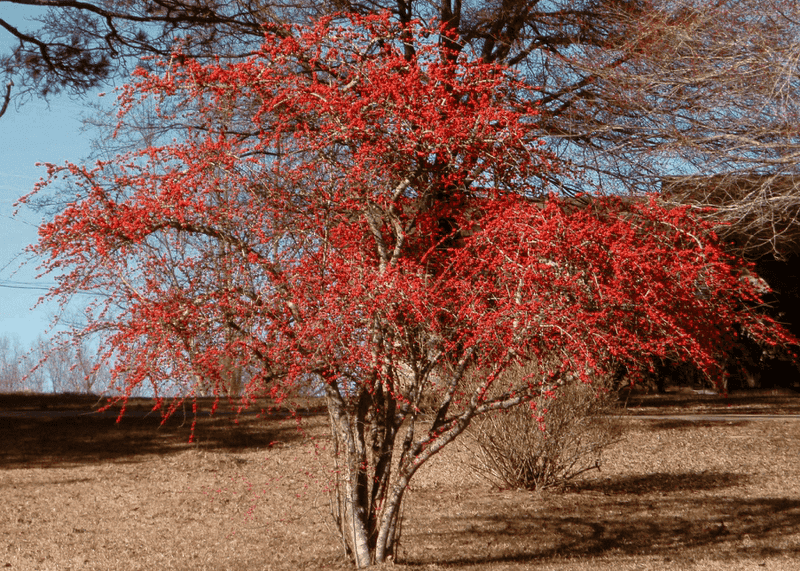
Come December, when most yards look bare and brown, a possumhaw holly is glowing with thousands of bright red berries clinging to bare gray branches. That winter fireworks display is the whole reason to plant one, and it lasts long after crape myrtles have faded into leafless twigs.
Native across much of the eastern half of the state, it handles clay soils, occasional flooding, and dry spells with equal grace. The berries become a lifeline for cedar waxwings, mockingbirds, and robins when winter food gets scarce.
You will want a female plant for the berries, with a male somewhere in the area to pollinate it, so ask your nursery which is which. During the growing season it reads as a simple green large shrub or small tree, an easy backdrop along a fence. Then autumn strips the leaves, the fruit lights up, and your fence line becomes the most interesting thing on the block through the coldest months.
6. Eve’s Necklace
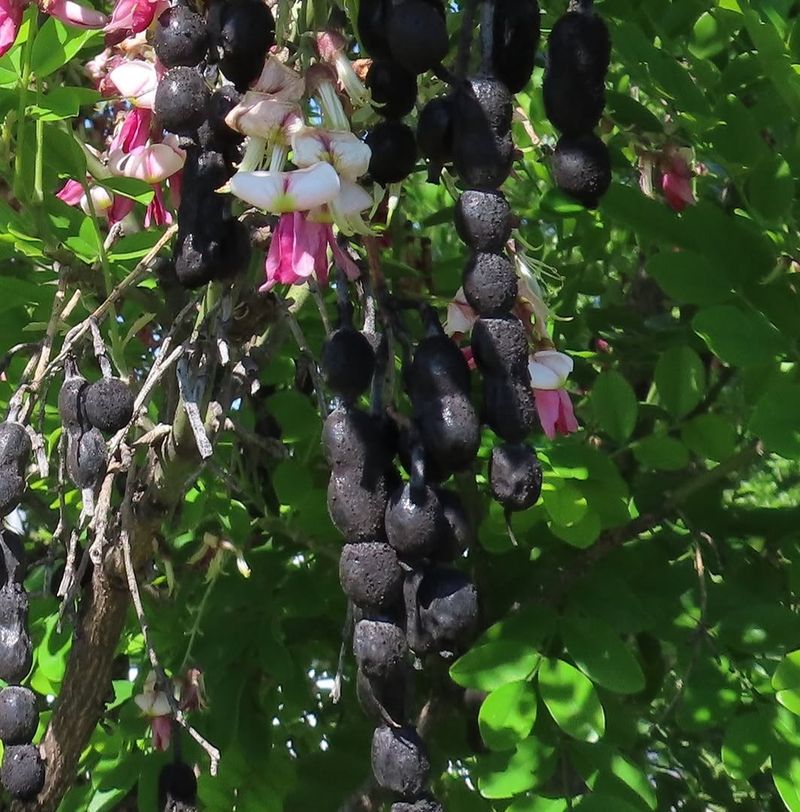
A cousin of the mountain laurel, Eve’s necklace earns its name from the string of black seed pods that dangle like beads after flowering, a quirky detail kids and grown-ups both point at. In spring it drips with soft pink pea-shaped flowers that bees work over eagerly.
Where it separates itself from the pack is size and shape. It grows as a graceful small tree, giving you a bit of dappled height and airy shade along a fence without the massive spread of a live oak.
Tolerant of the alkaline, rocky soils common across Central Texas, it asks for very little once established and handles heat without complaint. The delicate foliage flutters in a breeze and turns a gentle yellow in fall. If you want your fence line to feel less like a solid wall of shrubs and more like a layered, natural edge, this understated native adds that vertical elegance while still pulling its weight for pollinators.
7. Gulf Coast Muhly Grass
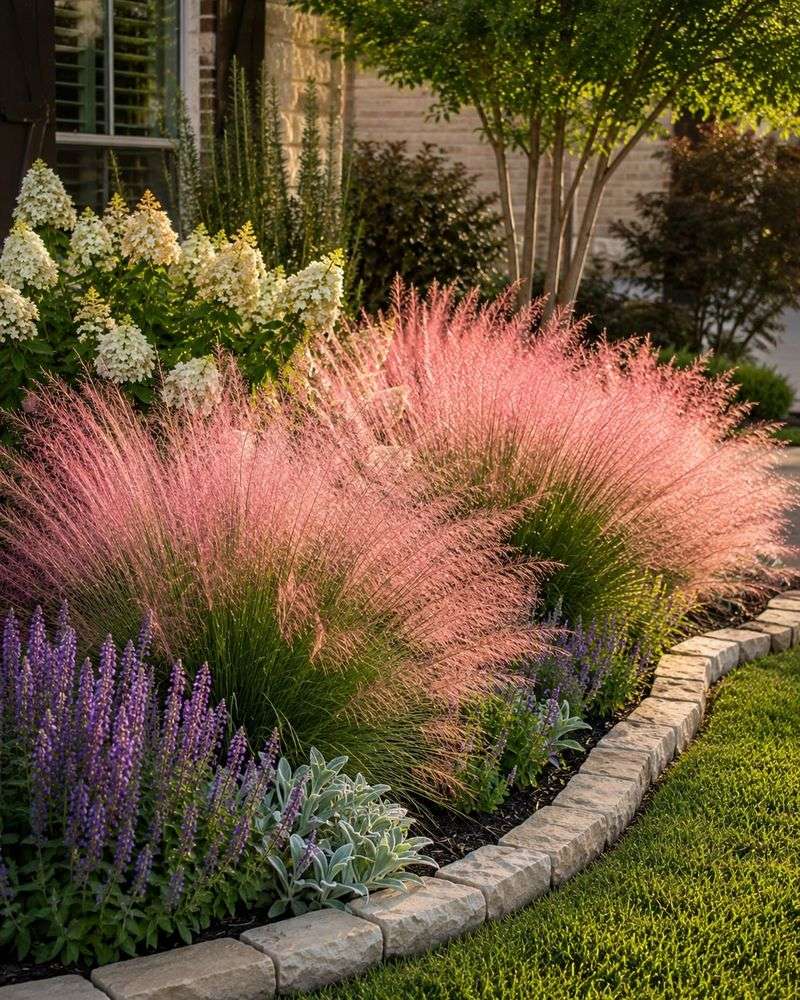
Picture a pink cloud floating along your fence at eye level every autumn, and you have got Gulf Coast muhly grass. For a few glorious weeks in fall, this native bunchgrass sends up misty rose-purple plumes that catch afternoon light like something out of a dream.
Coastal and southern Texas gardeners appreciate that it takes salt spray, sandy soil, and blustery weather in stride, holding up even as storm season rolls through. It clumps tidily rather than spreading like an invasive grass, so it stays put where you plant it.
Between the fluffy shows it forms a fine green mound that softens the base of a fence or fills gaps between taller shrubs. Water is rarely a concern once the roots take hold, and it needs nothing more than a quick cut-back in late winter. Grasses often get overlooked in favor of flowers, but muhly proves that texture and movement can steal the show all on their own.
8. American Beautyberry
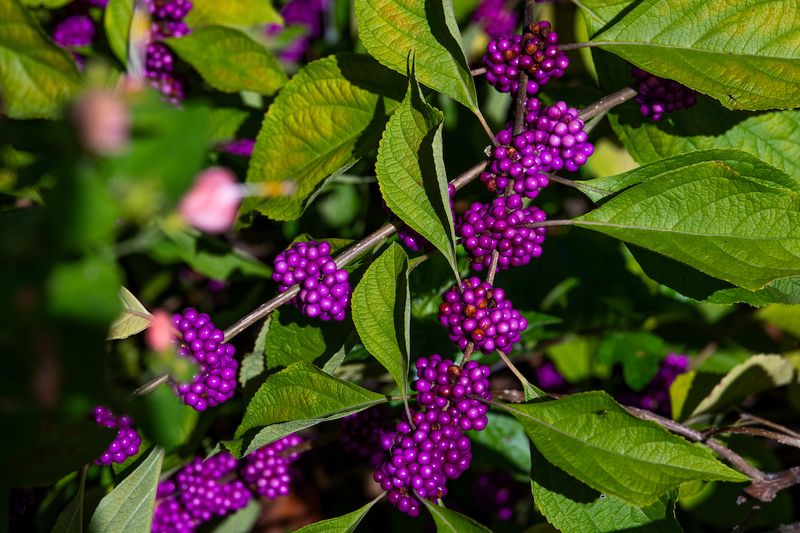
The name is not an exaggeration once you see the fruit. By late summer, American beautyberry lines its stems with tight clusters of shockingly bright magenta berries, a color so intense it almost looks fake stacked along a fence row.
Native to the moister eastern parts of Texas, it happily takes the partial shade under trees or beside a fence where sun is limited, filling a spot many other natives refuse. Birds strip the berries through fall and winter, turning your yard into a busy feeding station.
Here is a bonus worth knowing: folks have long crushed the leaves and rubbed them on skin as a homemade mosquito repellent, and research suggests the leaves really do contain compounds that may help deter biting bugs. That makes it a practical pick for shady Texas yards where mosquitoes love to lurk. Give it a little water during the harshest dry spells and it rewards you with those unmistakable purple berries and a steady parade of songbirds.