
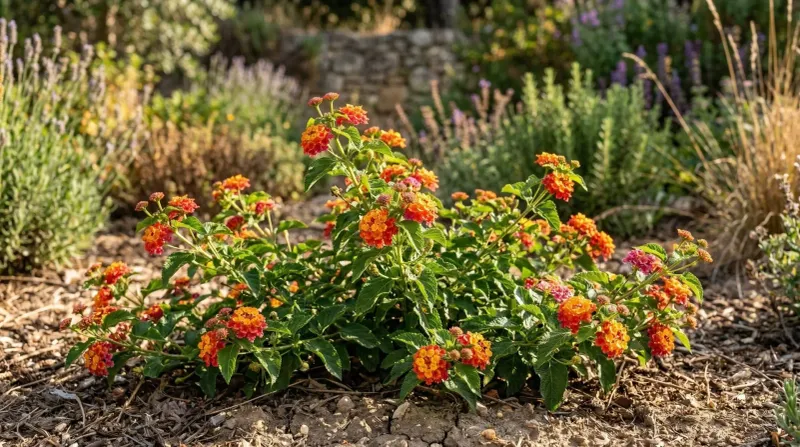
Texas lantana is one of the toughest flowering shrubs you can put in a Texas yard, but it still gets mistreated by gardeners following advice that was never written with this plant in mind. The problem starts with the name itself: “lantana” covers a whole genus of plants, and the rules for one species can quietly wreck another. Knowing exactly which lantana you have, and what it actually needs, is the difference between a plant that thrives through triple-digit summers and one that slowly declines while you wonder what went wrong.
Identify the lantana before following a rule
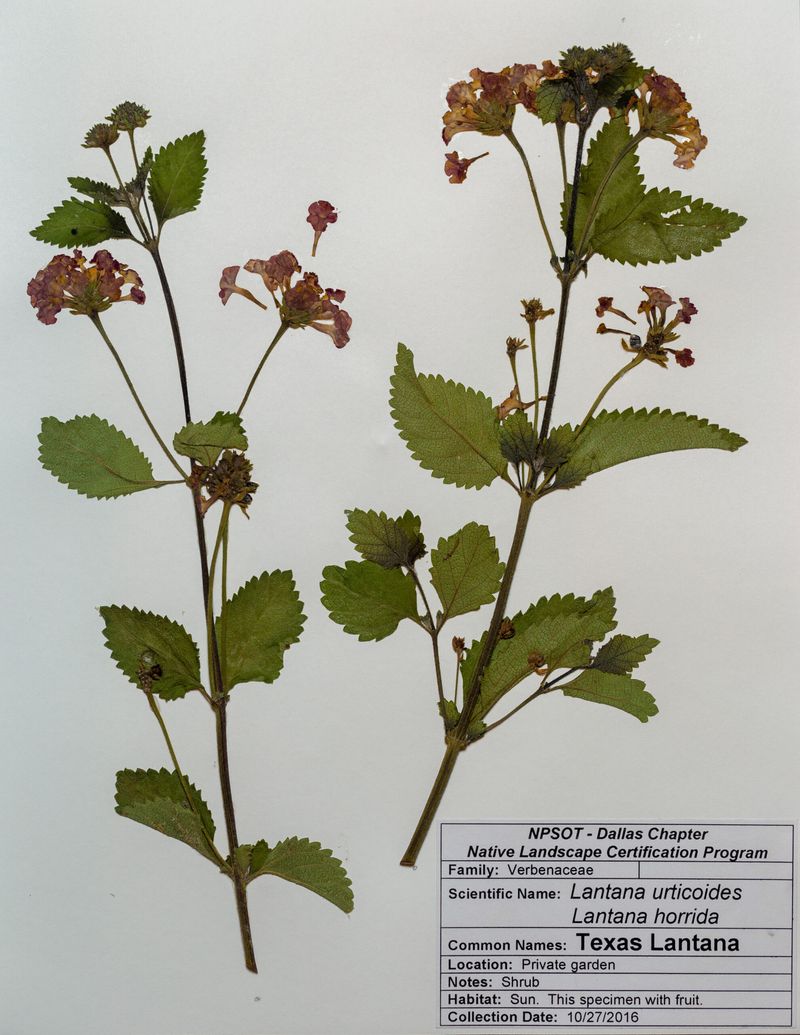
“Lantana” names a genus and a garden-market category, not a single uniform plant. Walk through any Texas nursery and you will find trailing types, upright shrubs, hybrids, and cultivars all shelved under the same label. Each one can differ in native status, cold tolerance, growth habit, flower color, fertility, and how it behaves in the Texas landscape. Following generic lantana advice without knowing your specific plant is like following directions to a city without knowing which state it is in.
The native Texas lantana is generally identified as Lantana urticoides. The University of Texas Plant Resources Center lists it as a true Texas native occurring across the Coastal Prairie, East Texas, Edwards Plateau, North-Central Texas, and South Texas regions. Texas Parks and Wildlife uses the name Lantana horrida for what it calls Texas lantana, while Kew’s Plants of the World Online treats several L. horrida names as synonyms of Lantana urticoides. The naming difference reflects ongoing botanical classification work rather than evidence that these are two separate plants with different care requirements.
On the other end of the spectrum sits Lantana camara, a non-native species that Texas Invasives specifically distinguishes from native Lantana urticoides, recommending the latter as a responsible native alternative. Hybrids and ornamental cultivars add another layer: some are sterile and produce no viable seed, while others may self-seed under the right conditions. Invasiveness rules, fertilizer needs, cold hardiness, and even toxicity guidance can shift depending on which plant is actually in your yard. Identification is not a preliminary step you can skip; it is the foundation every other decision rests on.
Do not plant Texas lantana in a chronically wet spot
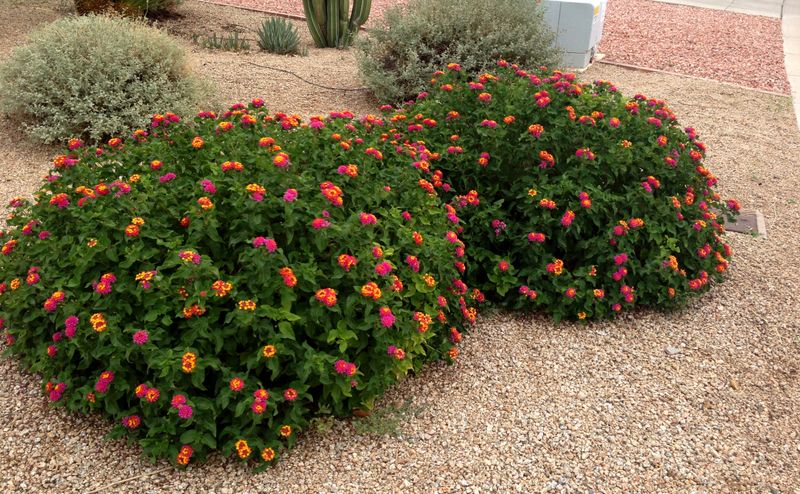
Drought tolerance is one of Texas lantana’s most celebrated traits, and it is real. However, that trait describes how the plant handles dry periods once it is rooted in well-drained ground. It does not mean the plant can survive sitting in soggy soil week after week. Chronic moisture at the root zone is one of the fastest ways to lose a lantana, and the plant will not give you many warning signs before the damage becomes serious.
Texas AgriLife Extension guidance on Texas lantana is direct on this point: the plant requires excellent drainage, and overwatering can quickly kill it. A low spot in the yard that collects runoff after rain, a bed built over compacted clay that holds water for days, or a location next to an irrigation emitter that runs on a frequent daily schedule can all create the kind of persistent moisture that roots cannot tolerate.
Choosing the right spot before you plant is far easier than trying to fix drainage problems after the fact. Avoid planting near downspouts, in natural drainage paths, or in any area where standing water lingers more than a few hours after rain. If your soil is heavy clay, amending the planting area or raising the bed slightly can make a meaningful difference.
Drought tolerance does not mean the plant never needs water. During the establishment period, deep watering helps roots develop and reach further into the soil. During intense Texas summer heat, a deep weekly watering can support a plant that is visibly stressed. The key distinction is deep and infrequent watering that lets the soil dry between cycles, versus shallow or constant watering that keeps the root zone perpetually damp.
Get the drainage right first, then let the plant’s natural toughness do the rest.
Use full sun when abundant flowers matter
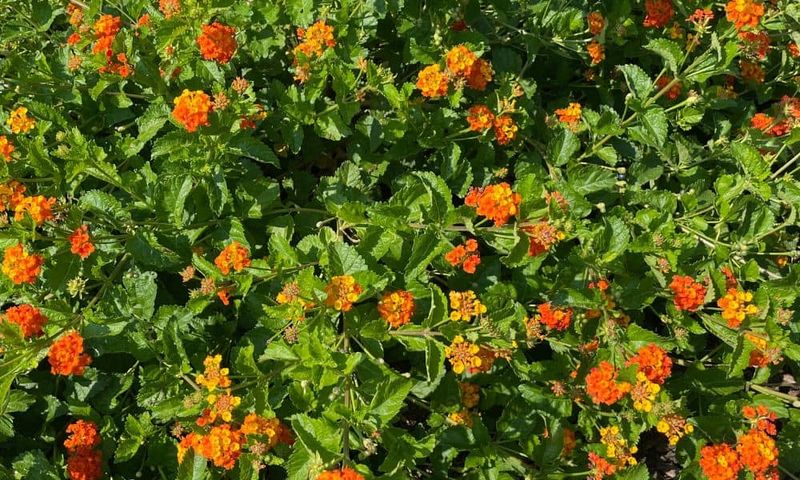
Placement decisions made at planting time shape everything that follows. Texas lantana grown in a spot that receives fewer than six hours of direct sun daily may look alive without ever producing the dense flower clusters most gardeners are hoping for. Before reaching for fertilizer or adjusting the watering schedule to coax more blooms, check whether the plant is getting enough light in the first place.
Texas AgriLife Extension sets the practical target clearly: Texas lantana performs best with at least six hours of direct sun each day. Partial shade can reduce flowering noticeably, and in heavily shaded spots the plant may grow thin and produce only scattered blooms. That said, insufficient light is not a death sentence for every lantana in every situation. The more accurate statement is that full sun supports abundant flowering, while reduced light tends to reduce flowering and can weaken overall performance over time.
Misreading a light problem as a nutrition problem leads to a common mistake. A gardener sees sparse flowers, assumes the plant needs feeding, and adds fertilizer to an established in-ground plant that has no nutrient deficiency at all. The real fix is relocating the plant or, if that is not practical, trimming back whatever is casting shade. Structures, fences, and neighboring trees that were not casting significant shade at planting time can change that situation within a season or two as they grow or as the sun angle shifts.
When siting a new plant, choose the sunniest available spot in the yard, especially in regions of Texas where afternoon shade from buildings can cut into the daily light total. A south- or west-facing bed with no overhead obstruction is usually the right call. Getting the light right from the start reduces the need to troubleshoot flowering problems later.
Do not fertilize an established in-ground plant by reflex
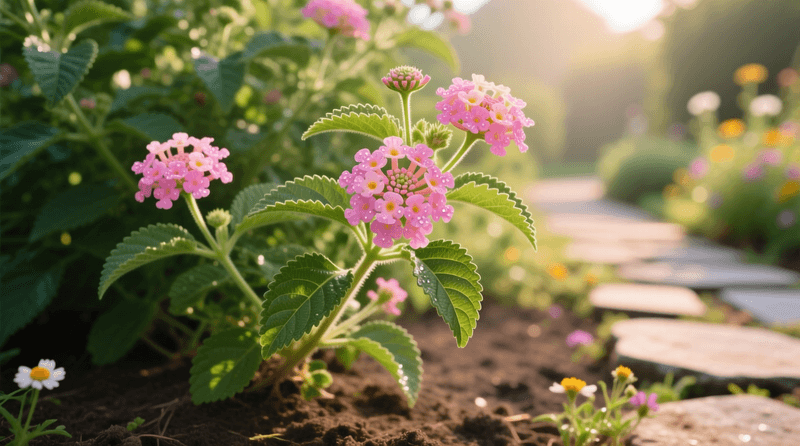
A bag of fertilizer feels like a solution when a plant is not performing well. For established Texas lantana growing in the ground, that instinct usually leads somewhere unhelpful. These plants are adapted to lean, dry soils and tend to do fine without supplemental nutrition once they are settled in. Pouring fertilizer onto a plant that does not need it can push leafy growth at the expense of flowers and may create conditions that attract pests.
Texas AgriLife Extension notes that established Texas lantana generally does not require fertilizer when grown in the ground. The soil in most Texas landscapes already provides what the plant needs, and adding nitrogen in particular can shift the plant’s energy toward foliage rather than blooms. If an in-ground plant is growing poorly, the cause is more likely to be a drainage issue, a light problem, compacted soil, or root stress than a nutrient deficiency.
Container-grown lantana is a different situation. Plants growing in pots exhaust the nutrients in their limited soil volume over time and may genuinely benefit from feeding. Texas AgriLife Extension identifies a general 20-20-20 water-soluble fertilizer applied according to its label as an appropriate option for container plants. The label rate matters because over-fertilizing a container plant carries its own risks, including salt buildup in the potting mix.
Before adding any fertilizer to a struggling lantana, work through the more likely causes first. Check drainage, evaluate sun exposure, look for signs of pest damage, and make sure the watering schedule is not keeping the soil too wet. If all of those check out and the plant is in a container that has not been repotted or fed in a full season, a measured fertilizer application is a reasonable next step. For healthy in-ground plants, the best default is to leave well enough alone.
Wait after a freeze before cutting back damaged stems
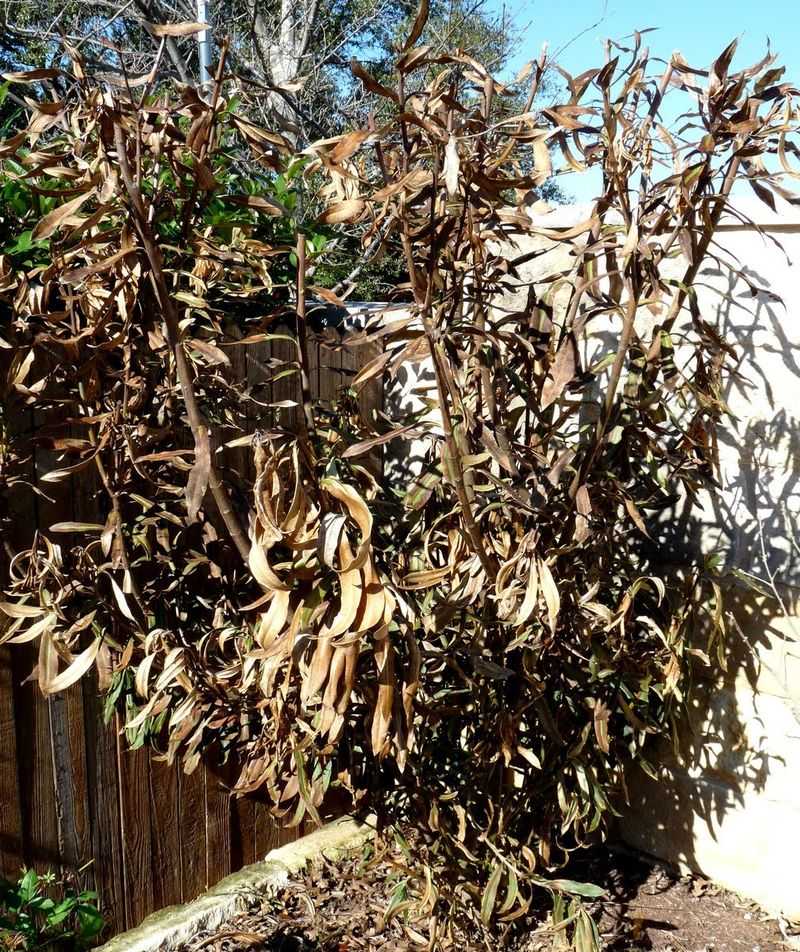
A hard freeze can leave Texas lantana looking completely dead. The stems turn brown, the leaves go limp and dark, and the whole plant may look like it is beyond saving. That appearance pushes many gardeners to grab the pruners immediately. Cutting too soon is the mistake, not the impulse to act.
The better approach is to wait. After a freeze event, let the threat of additional cold pass completely before doing anything to the plant. Texas winters can deliver multiple cold snaps separated by warm stretches, and stems that look dead may still contain living tissue that will respond to warmth. Removing them too early eliminates that potential and may expose the plant’s crown to cold air that arrives later.
Once the freeze danger has passed and temperatures have stabilized, inspect the stems carefully. Texas A&M’s Travis County Extension guidance recommends cutting back hard-frozen stems when necessary and notes that lantana may recover from the roots even after significant cold damage. Scratch a stem lightly with a fingernail; green tissue beneath the bark is a sign of life. Work from the top of the plant downward and stop cutting when you reach tissue that is still green or flexible.
What looks like a dead stump in February can push vigorous new growth in April.
Texas AgriLife Extension recommends pruning Texas lantana to about eight inches in early spring to encourage fresh growth. Treat that as a general guideline rather than a hard rule for every cultivar, climate zone, or freeze severity. A plant that experienced only light frost may need far less cutting than one that was hit by a sustained hard freeze. Let the plant’s own recovery signals guide where you stop, and give it time before deciding the worst.
Separate native Texas lantana from invasive lantana
Invasion warnings travel fast online, and “lantana is invasive” has become one of those phrases that gets repeated without context until it sounds like a blanket fact. For Texas gardeners, that generalization causes real problems, because it lumps a well-behaved native plant together with a genuinely problematic non-native one.
Texas Invasives specifically distinguishes native Lantana urticoides from non-native Lantana camara, listing L. camara as an invasive plant in Texas and recommending L. urticoides as a native alternative. These are different plants with different ecological relationships to the Texas landscape. Treating native Texas lantana as an invasive threat because another species earned that label is like pulling a native wildflower because a non-native weed in the same family has gotten out of hand.
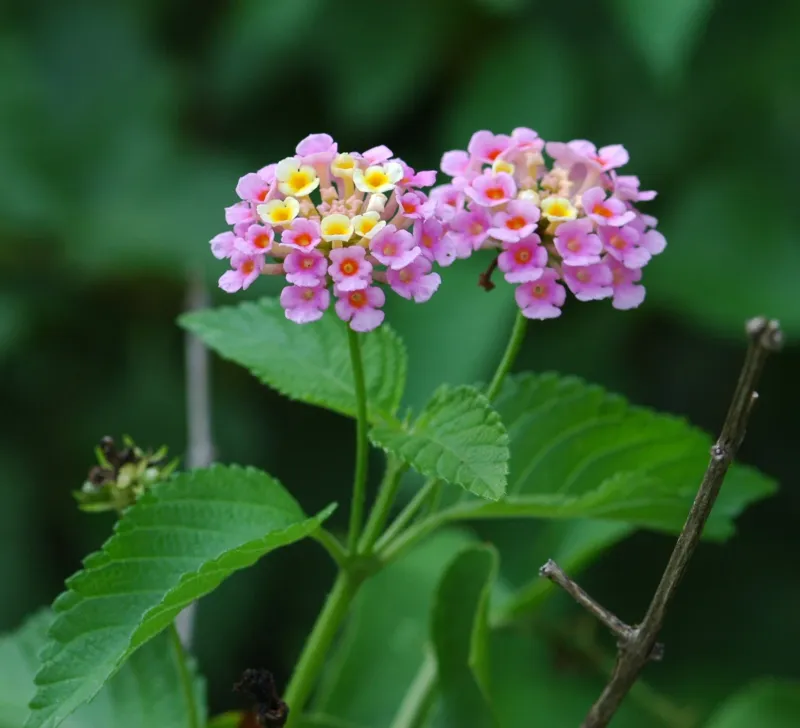
Flower color is not a reliable way to tell these plants apart. Some gardeners assume that orange-and-yellow blooms signal the native species while pink-and-red combinations signal L. camara, but the color ranges of both species overlap, and many ornamental cultivars were bred specifically to produce unusual color combinations. Texas Invasives notes that leaf characteristics and plant structure are more useful identification tools than flower color alone.
Ornamental cultivars complicate the picture further. Some lantana hybrids sold at Texas nurseries are sterile and produce no viable seed, which removes the primary mechanism by which a plant spreads beyond the garden. Condemning every ornamental lantana as a spreading threat ignores the real difference that sterility makes in practice.
The practical guidance is straightforward: identify the plant you actually have before deciding how to manage it. Native Lantana urticoides supports Texas pollinators, tolerates the Texas climate, and does not carry the same management concerns as its non-native relative. Accurate identification protects a useful native plant from unnecessary removal while keeping real invasion concerns in focus.
Protect people and animals even when the plant attracts pollinators
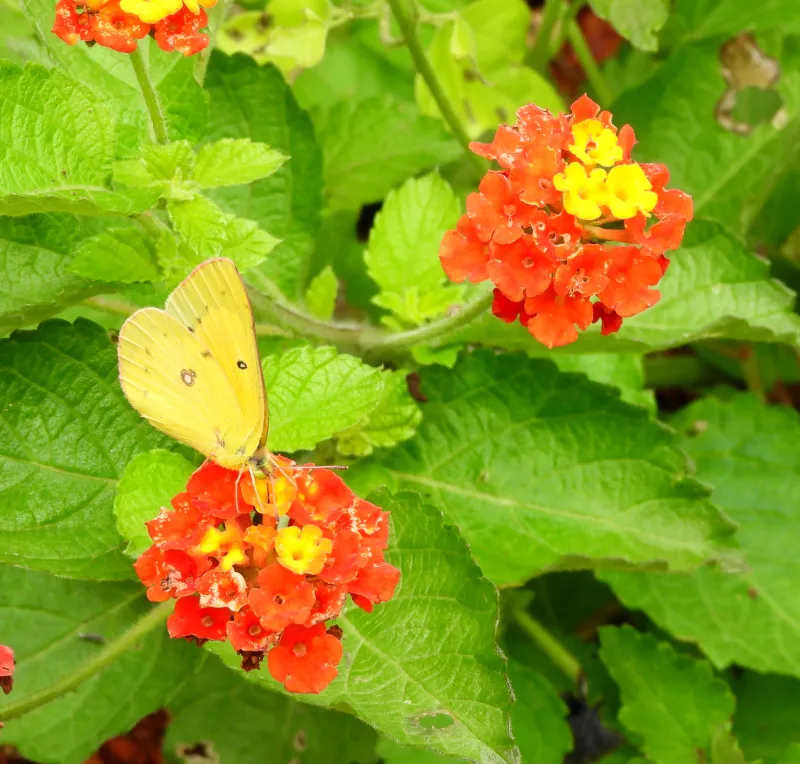
Watching a Texas lantana covered in butterflies on a July afternoon makes it easy to think of the plant as purely benevolent. The ecological value is real: the University of Texas identifies butterfly attraction and drought resistance as two of the primary reasons Texas lantana is popular with native-plant gardeners. That pollinator appeal and the plant’s toxicity exist side by side, and one does not cancel out the other.
Lantana toxins occur in all parts of the plant. Texas A&M’s rangeland plant database states that lantana toxins can affect cattle, sheep, goats, horses, dogs, and humans, with especially serious risk to livestock that consume substantial amounts. The concern is not casual contact with the foliage but ingestion of plant material, particularly leaves and unripe berries.
The Merck Veterinary Manual identifies the toxic compounds as lantadenes, concentrated most heavily in leaves and green berries. In susceptible grazing animals, poisoning can cause appetite loss, jaundice, watery feces, photosensitization, and liver and kidney injury. The strongest veterinary evidence concerns Lantana species broadly and L. camara specifically, but precautionary handling applies to all lantana plant material.
The ASPCA lists lantana as toxic to dogs, cats, and horses, with reported effects including vomiting, diarrhea, weakness, difficulty breathing, and possible liver failure in livestock. For household pets, the risk comes most often from chewing on stems, leaves, or fallen berries in the yard.
Practical precautions are straightforward. Keep children and pets from chewing any part of the plant. Do not leave fresh trimmings where livestock can browse them, and Texas A&M’s Travis County Extension guidance recommends wearing gloves if the foliage irritates your skin during pruning. If an animal may have ingested any part of the plant, contact a veterinarian or animal poison-control service rather than waiting to see what happens.
The plant’s value to pollinators is genuine, but that reputation does not make it safe to handle carelessly or leave accessible to animals that might chew it.
Match the care to the lantana you actually have
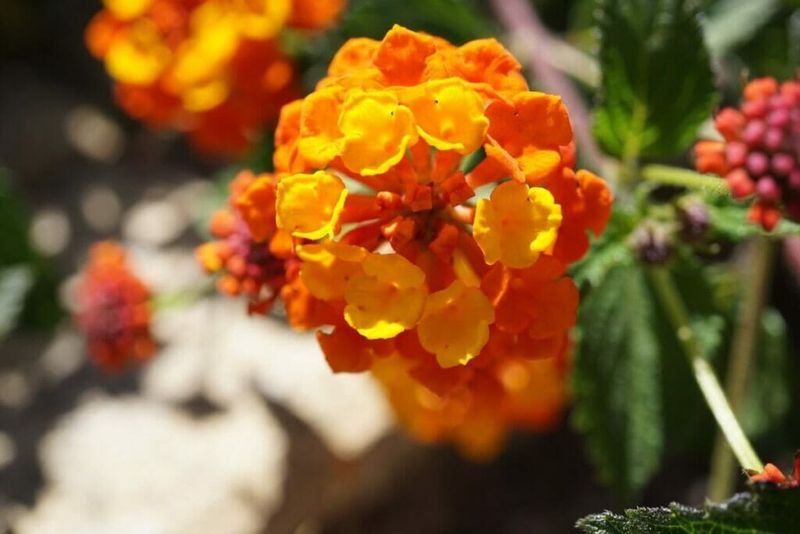
Every care decision for Texas lantana works better when it starts with the right plant in the right place. Confirm you have Lantana urticoides or know the specific cultivar you are working with, then site it where it receives at least six hours of direct sun and where water drains away cleanly after rain. Those two conditions resolve more problems before they start than any amount of corrective care afterward.
From there, the guidance from Texas AgriLife Extension and Texas A&M’s Travis County Extension points in the same direction: water deeply when establishment or severe heat calls for it, then let the soil dry; skip the fertilizer for established in-ground plants unless a container situation or documented deficiency justifies it; and after a freeze, wait for living growth to become visible before deciding how much to cut back.
Keep plant material away from livestock, pets, and children, and know the difference between native Lantana urticoides and invasive Lantana camara before acting on any warning you read online. Toxicity concerns apply broadly to lantana plant material, so handle all prunings with care regardless of species. Species-specific judgment, applied consistently, is what separates a thriving Texas lantana from one that survives despite its gardener rather than because of them.