
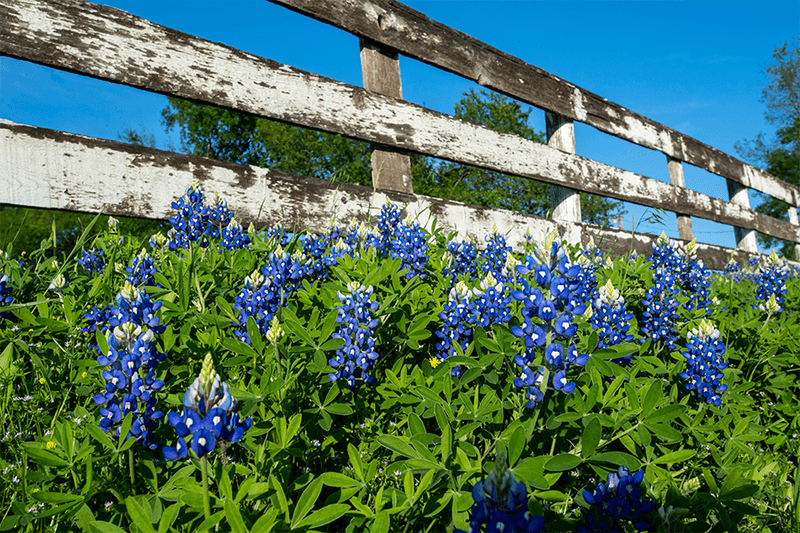
Texas gardens take a beating from triple-digit summers, stubborn clay soils, and water restrictions that show up every dry spell. The good news is that certain blue-flowering perennials are tough enough to handle all of it and still come back year after year without much fuss from you. Blue blooms are also rare in the plant world, so they make your yard stand out while feeding native bees and butterflies. Here are seven blue perennials that thrive in Texas conditions and reward you long after that first planting day.
1. Texas Bluebonnet
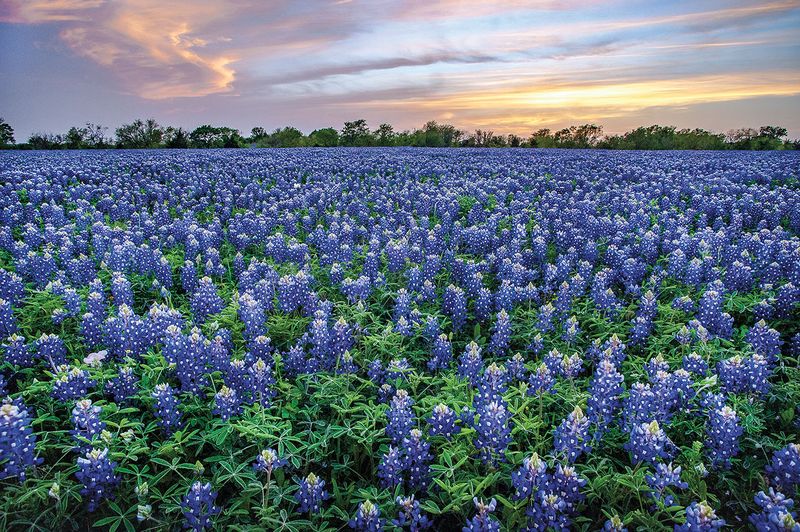
No plant says Texas quite like the bluebonnet, the official state flower that carpets highway shoulders every spring. While it behaves as a reseeding annual in many yards, treat the patch right and it returns faithfully each year from the seeds it drops.
Bluebonnets love the poor, rocky, well-drained soils that frustrate other flowers, which makes them a natural fit for lean Texas ground. Sow the seeds in fall so the roots establish through winter, and you will be rewarded with a sea of blue by March and April.
Once they finish blooming, let the seed pods dry and scatter on their own before you mow. That single habit keeps the colony coming back stronger season after season.
Fun fact: the tiny nodules on bluebonnet roots pull nitrogen from the air and feed it back into your soil, quietly improving the dirt for everything planted nearby.
2. Blue Salvia (Salvia farinacea)
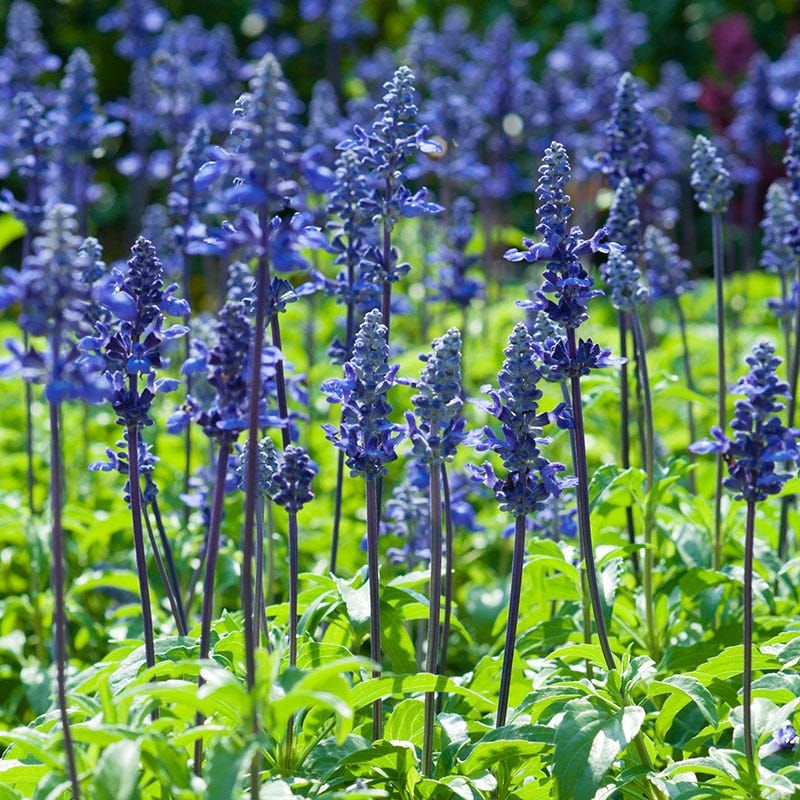
Pollinators go wild for mealycup sage, and it happens to be one of the most heat-proof blue perennials you can hand a Texas gardener. Native to the state, it shrugs off drought and keeps pushing out violet-blue flower spikes from spring straight through the first fall cold snap.
The silvery-green foliage handles reflected heat from patios and sidewalks, so it thrives in those brutal spots where other plants scorch. Hummingbirds and native bees treat the tall spikes like a personal buffet.
Cut it back after a big flush of blooms and it bounces right back with fresh color. Established plants need very little water, which matters when your city rolls out summer watering restrictions.
It also plays nicely with other natives, mixing beautifully with yellow lantana or red autumn sage for a low-maintenance bed that reads like a wildflower meadow.
3. Plumbago (Plumbago auriculata)
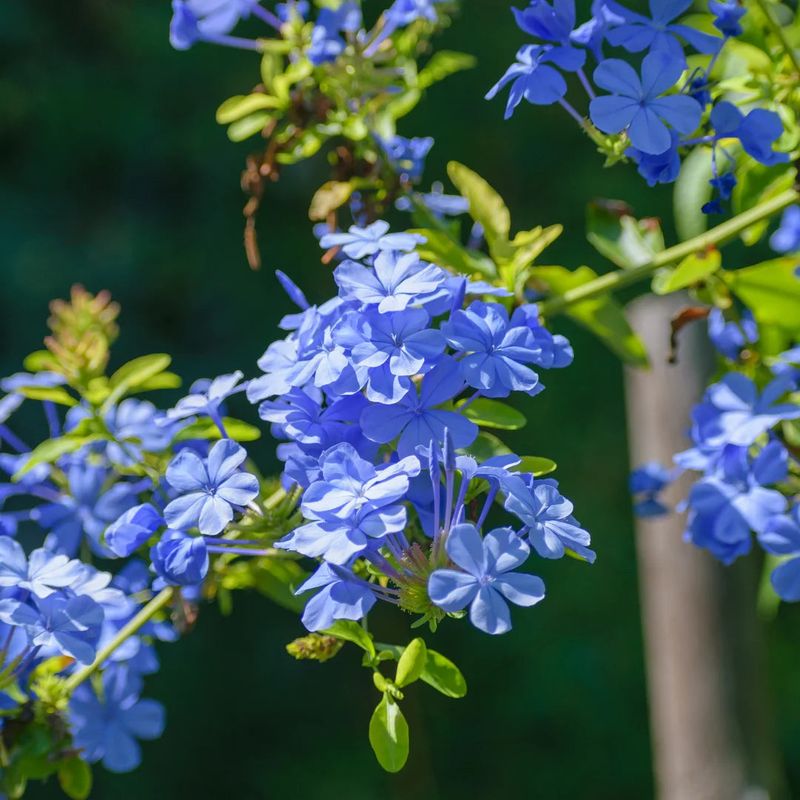
Imagine a shrub that pumps out clusters of sky-blue phlox-like blooms all summer while your thermometer screams past 100 degrees. Plumbago does exactly that, and it barely blinks at the heat.
Along the Gulf Coast and in South Texas, plumbago often stays evergreen, and even where winter freezes knock it back, the roots survive and resprout come spring. That reliability is why so many Texans tuck it against foundations and fences.
Its soft blue flowers attract swallowtail butterflies in droves, turning a hedge into a fluttering show. Give it a sunny to partly shaded spot and it asks for almost nothing in return.
Trim it in late winter to shape the growth, then step back and let it sprawl. Few plants deliver this much color for so little effort during the worst of the summer.
4. Blue Mistflower (Conoclinium coelestinum)
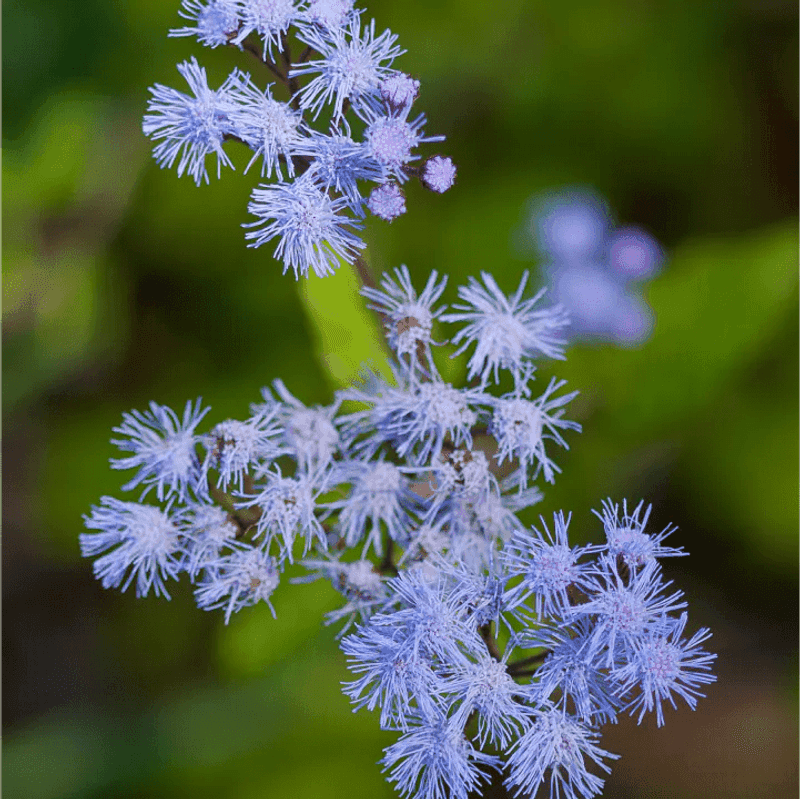
Butterfly lovers, this one is your secret weapon. Blue mistflower erupts in fuzzy, powder-blue blooms in late summer and fall, right when Queen and monarch butterflies are hunting for fuel on their journey south.
A true Texas native, it thrives in the moister spots of your yard where drainage is slow and other plants sulk. Ditches, rain garden edges, and low corners suit it perfectly.
It spreads by underground runners, so give it room or plant it where you welcome a colony filling in. That eager habit means one small start can blanket a bed within a couple of seasons.
The clouds of soft blue give a wild, meadowy feel that pairs beautifully with goldenrod and native grasses. Cut it to the ground in winter and it charges right back the following year.
5. Mexican Petunia (Ruellia)
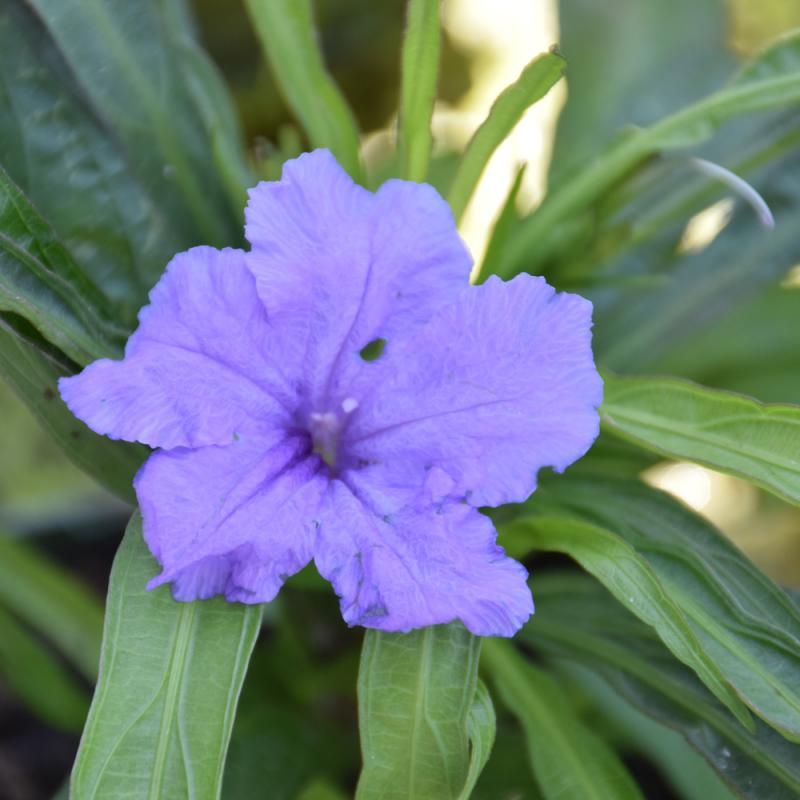
Toughness is the whole story with Mexican petunia, a plant that laughs at drought, flooding, poor soil, and Texas heat all in the same week. Its trumpet-shaped blue-purple flowers open fresh each morning from spring until frost.
Here is the honest catch worth knowing: the tall old-fashioned type spreads aggressively and can behave invasively in Texas, so it may crowd out neighbors if left unchecked. Reach for the well-behaved dwarf varieties like Katie instead, which stay compact and bloom just as generously.
Whichever you choose, it handles Gulf Coast humidity and soggy soil after a storm without missing a beat. Bees and butterflies drop in constantly for the nectar.
Once it settles in, you can practically ignore it and still get months of color. Just keep an eye on any runners so your patch stays where you planted it.
6. Blue Mist Flower Sage (Salvia azurea)
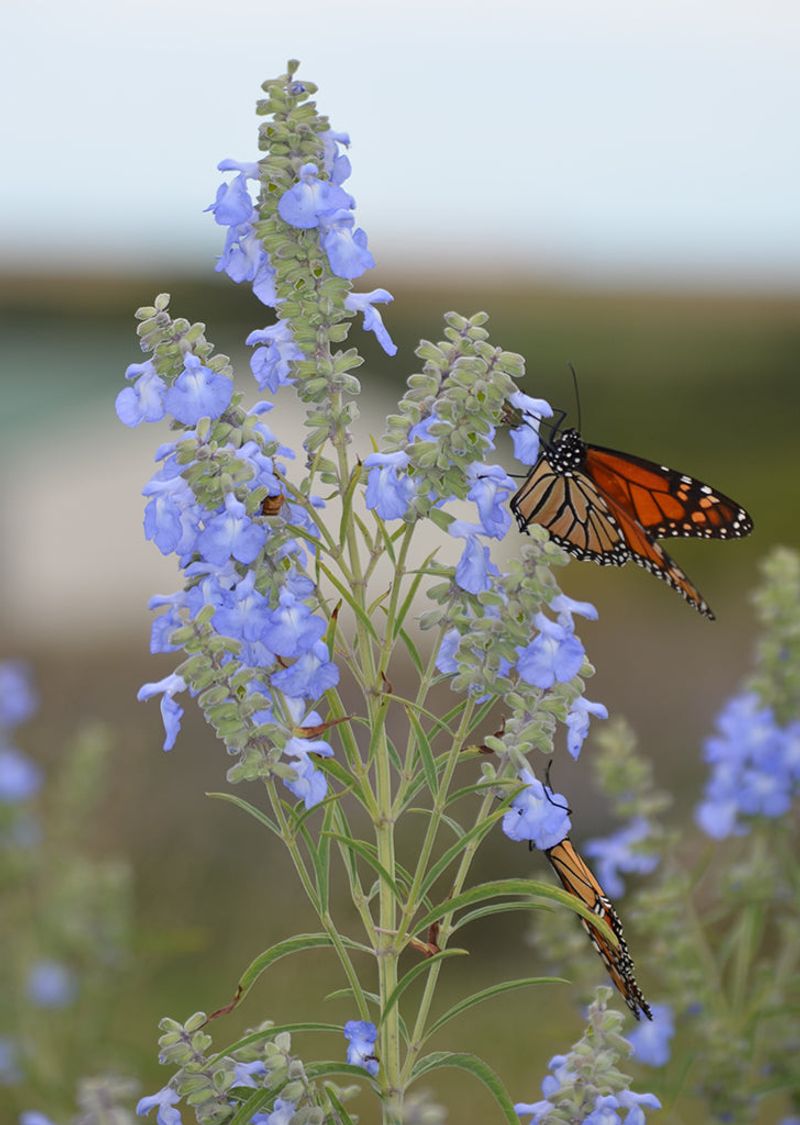
Reaching for the sky at four to five feet tall, azure sage saves its best show for autumn when true-blue flower spikes light up the fading garden. Also called pitcher sage, it is native to the Texas plains and prairies.
Deep roots let it mine water far below the surface, which is exactly why it powers through drought while shallow-rooted plants wilt. Once established, supplemental watering becomes almost unnecessary.
The airy, upright form adds vertical drama at the back of a border, and the sky-blue color is about as pure a blue as any flower gets. Migrating monarchs and native bees crowd the blooms in fall.
Give it full sun and room to lean, and consider a light pinch in early summer to encourage a bushier stand. It dies back in winter and returns dependably every spring.
7. Gregg’s Blue Mist (Conoclinium greggii)
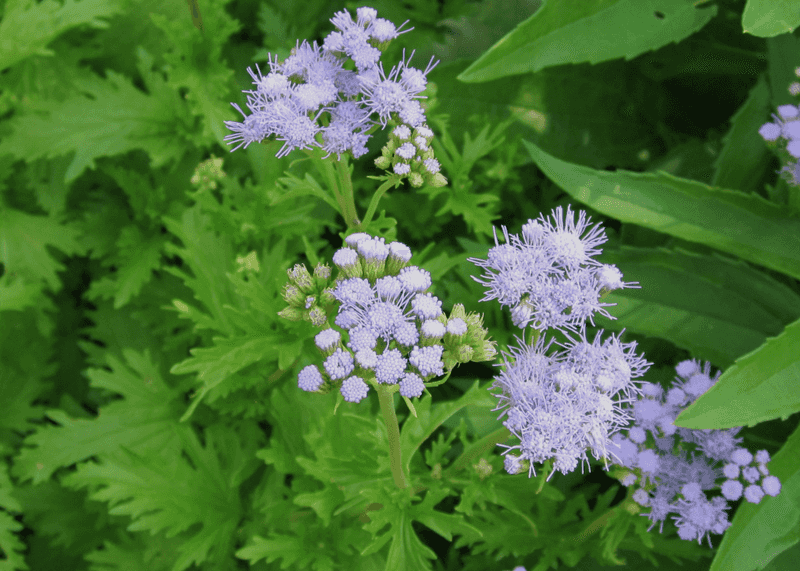
Ask any Texas butterfly gardener about their most reliable magnet and Gregg’s mistflower usually tops the list. Its soft, fluffy blue-lavender flowers seem to pull in Queen butterflies from a mile away.
Perfectly suited to West and Central Texas, this native handles rocky ground, alkaline soil, and long stretches without rain. It is the drier-climate cousin to the moisture-loving blue mistflower, so it fits xeriscapes beautifully.
The fine, ferny foliage forms a low, spreading mound that fills gaps and softens the edges of a bed. It self-seeds and creeps politely, giving you more plants over time without taking over.
Plant it in full sun for the heaviest bloom, then watch it draw a steady parade of pollinators through the hottest months. When frost hits, it rests and reliably returns the following spring.