
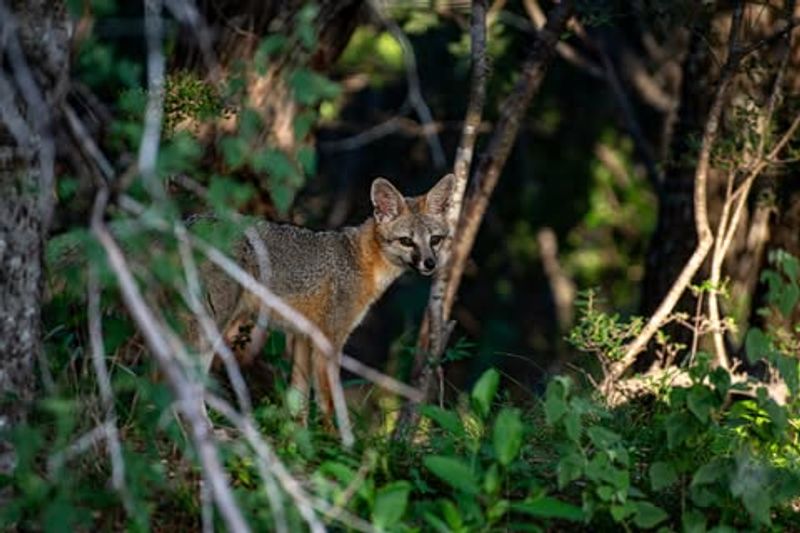
Spotting a gray fox trotting through your Texas yard at dusk once feels like a lucky surprise. Seeing it happen night after night starts to feel like something more. Before you read too deeply into those visits, there are straightforward wildlife reasons that explain the pattern, and a few practical steps that can help you share your yard safely with this native Texas predator.
What the repeated crossing may—and may not—mean
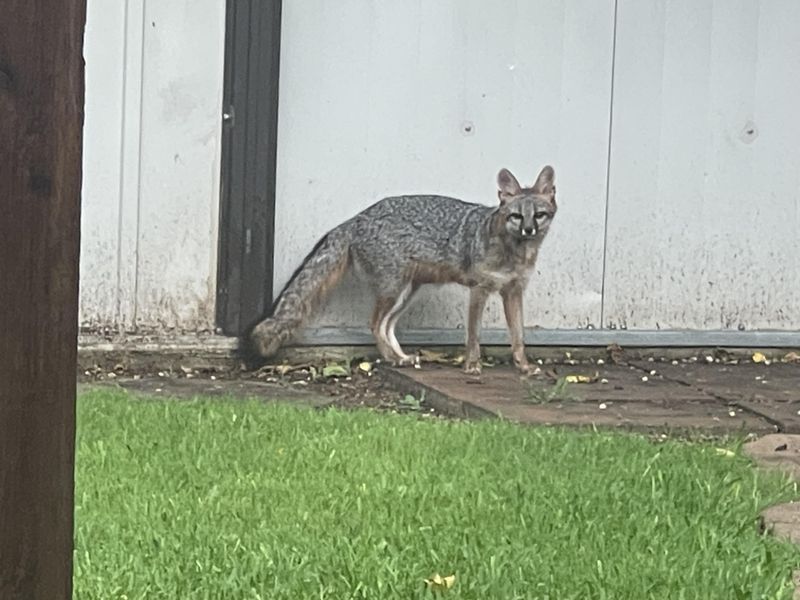
Seeing a gray fox cross your yard once is easy to brush off. Seeing it happen at the same time every evening, moving in roughly the same direction, starts to feel deliberate, and honestly, that instinct is not entirely wrong. Repeated appearances may reflect a usable travel or foraging route, nearby cover, prey availability, a water source, or accessible food. What a sighting cannot do is pin down the exact cause or rule out the possibility that the timing is partly coincidental.
The feeling that the fox is “choosing” your yard carries a real pull, especially for people who spend time outside and pay attention to their surroundings. That pull comes from pattern recognition, which is a perfectly reasonable response to repeated wildlife encounters. What the available evidence supports, though, are ecological explanations involving habitat, food, shelter, and movement, not a message from the universe, ancestors, or any symbolic source.
Gray foxes are native and widely distributed across Texas, using brushy cover, rocky terrain, hollow trees, old roads, and areas near water as part of their regular habitat. They are primarily nocturnal or crepuscular animals, so dusk is simply when they get moving. The sections that follow cover how to verify the animal’s identity, recognize normal behavior, reduce attractants proportionately, protect pets, and respond appropriately if something more serious comes up.
First, verify that the visitor is a gray fox
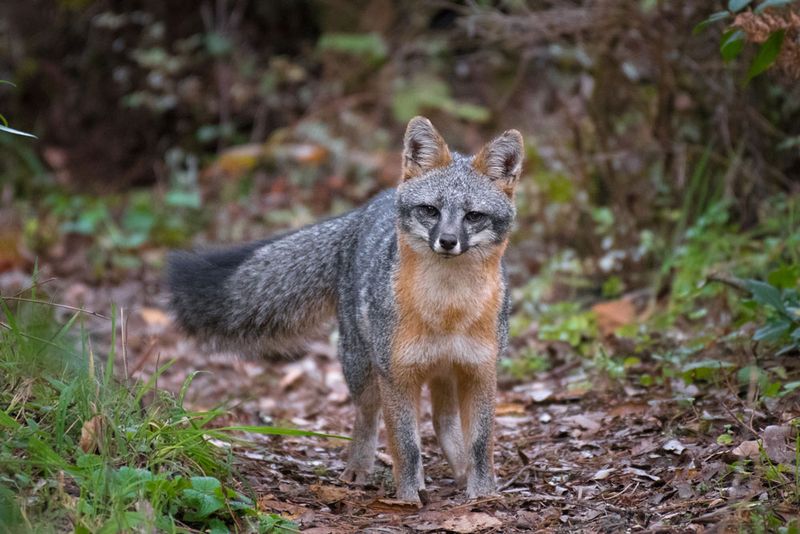
Before drawing any conclusions about why the animal keeps showing up, confirm what it actually is. A brief dusk sighting or a low-light trail camera image can make coat colors look muddy, body proportions hard to judge, and species easy to mix up. Coyotes, red foxes, and gray foxes can all look deceptively similar in poor lighting, and misidentifying the animal leads to misreading its behavior.
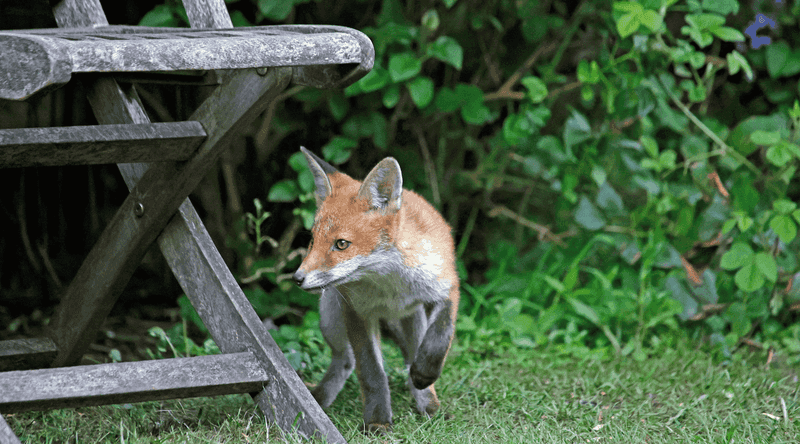
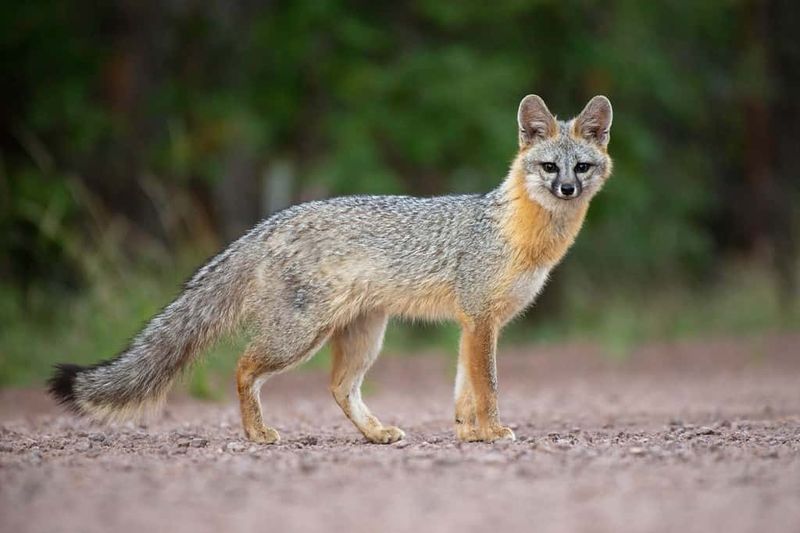
The gray fox has a distinctive combination of features described in the Texas Tech species account for the common gray fox. Look for gray or salt-and-pepper upperparts, reddish-brown coloring on the legs and sides of the neck, a black stripe running along the top of the tail, and a black-tipped tail. That last detail matters most when comparing it to a red fox, which ends its tail in white, not black. The gray fox is also noticeably smaller and more compact than a coyote, with a shorter muzzle and more cat-like build.
Coat color alone is not reliable enough for a confident identification. Some red foxes carry color variations that shift them toward gray or brown tones, and camera images can wash out the reddish-brown leg coloring that helps separate the two species. Try to observe the tail tip and the dorsal tail stripe together, since that combination is more diagnostic than any single feature.
If you have a trail camera, review multiple frames from different angles rather than relying on one image. If identification stays uncertain after a careful look, treat the animal as unconfirmed and adjust any response plan accordingly. Getting the species right matters because behavior norms, activity timing, and conflict guidance can differ across species.
Why dusk fits normal gray fox activity
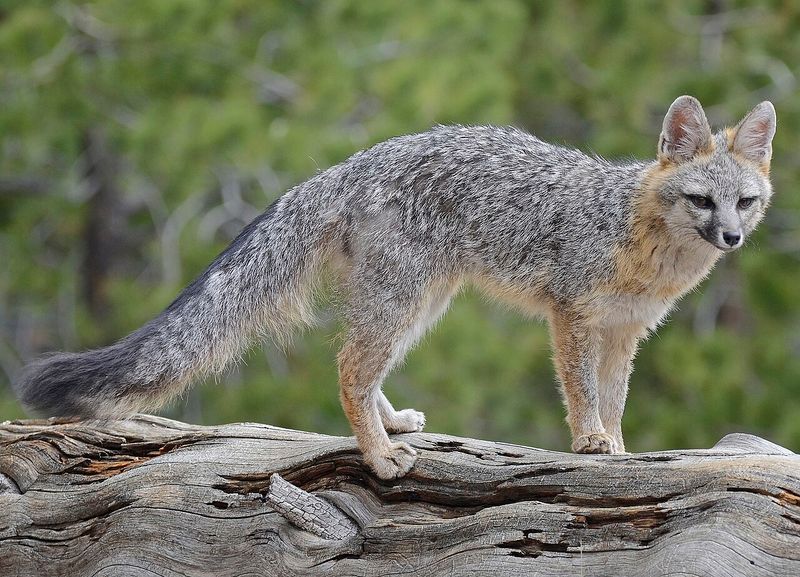
A gray fox appearing as the sun drops below the tree line is not a warning sign. Gray foxes are primarily nocturnal or crepuscular, meaning their natural activity window runs from late evening through the night and into early morning. U.S. Forest Service ecology data on the common gray fox confirms that dusk movement and foraging are standard behavior for the species, not an anomaly worth worrying about.
The confusion often comes from a reasonable but misapplied rule of thumb: if a nocturnal animal appears during daylight, something might be wrong. That logic holds better for animals that are strictly nocturnal and rarely seen at any other time. Gray foxes are also crepuscular, which means the transition hours around sunrise and sunset fall squarely inside their normal schedule. Seeing one trot through your yard at 7:30 p.m. in July is roughly the equivalent of watching a neighbor leave for work at a predictable time each morning.
Illness is worth thinking about, but the clock is not how you assess it. What you want to watch for is behavior and physical condition. A healthy gray fox moves with coordination, keeps a reasonable distance from people without needing to be chased off, and does not linger in a disoriented way. Signs that actually warrant concern include loss of fear around people, staggering or stumbling, paralysis, seizures, unexplained aggression, excessive drooling, severe lethargy, or an inability to move normally.
Those behavioral and physical cues matter far more than the time of day when evaluating whether a fox might need professional attention.
For most dusk sightings, the fox is simply doing what gray foxes do when the light fades across Texas.
The yard may sit along a larger wildlife route
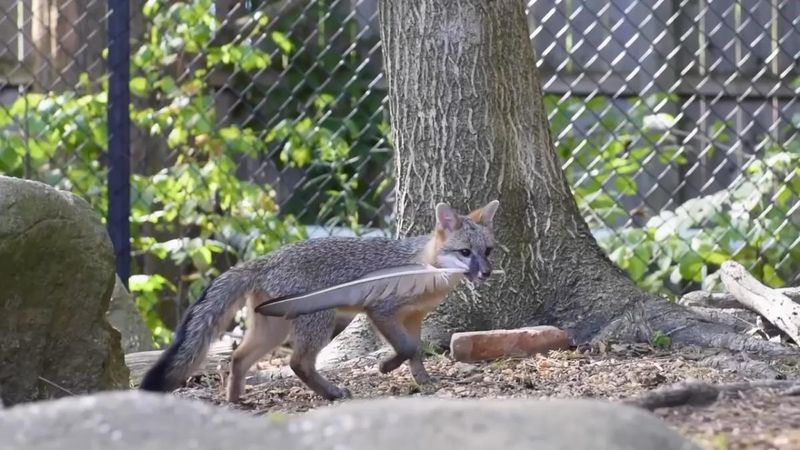
Repeated crossings in a consistent direction suggest the yard may fall along a path the fox uses regularly, but observation alone cannot map that route or confirm it exists. What wildlife biology does support is that gray foxes move through connected habitat features, not random open space. They favor brushy cover, rocky areas, hollow trees, brush piles, old fence lines, creek bottoms, and spaces near water when traveling between foraging areas or resting sites.
Yard characteristics and the surrounding landscape can both play a role in whether a mesocarnivore uses residential space at all. A 2024 USGS study of mesocarnivores in residential yards found that yard features and surrounding landscape context influenced gray fox occupancy and relative abundance across rural-to-urban settings in Arkansas. That study is not Texas-specific, so it cannot explain why a particular fox visits a particular yard in San Antonio or Nacogdoches. What it does support is the general plausibility that what you have in and around your yard, and what surrounds your neighborhood, shapes which animals pass through.
Texas adds another layer of complexity because the state covers dramatically different ecosystems. Texas Parks and Wildlife identifies more than ten distinct ecoregions, from the dense Piney Woods of East Texas to the rocky Edwards Plateau, the South Texas Plains, and the Trans-Pecos in the far west. Gray fox habitat quality, prey availability, and the likelihood of seeing one near a home vary significantly across those regions and across the spectrum from rural ranchland to dense suburban development.
A yard bordered by a creek, a greenbelt, a cedar thicket, or even an unmaintained fence line may sit inside a natural movement corridor without the homeowner ever realizing it. The Texas Tech gray fox species account notes the animal’s preference for wooded areas, canyon edges, and brushy terrain, all features that persist in fragmented form even inside suburban landscapes. If your yard connects two patches of usable habitat, a fox may simply be threading the needle.
Look for several possible food and shelter resources
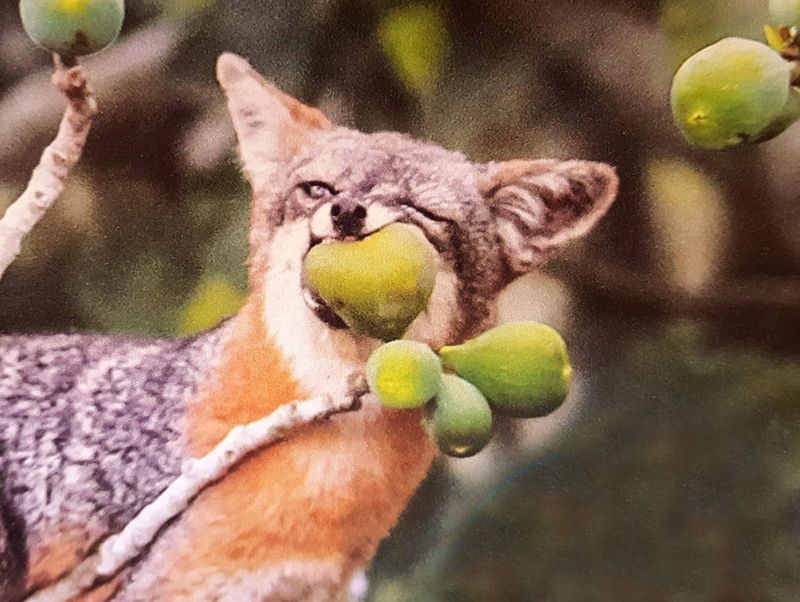
Gray foxes are opportunistic omnivores, and a Texas yard can offer more resources than it appears to at first glance. According to U.S. Forest Service ecology data, the species eats small mammals, rabbits, birds, insects, fruit, nuts, grains, grasses, and carrion. In Texas specifically, documented foods include cottontails, mice, persimmons, yaupon and holly berries, acorns, and various grasses.
A yard that supports any combination of those items has something to offer a passing fox.
Human-provided resources can add to the draw. Unsecured pet food left outside overnight, open compost bins, spilled birdseed under feeders, accessible garbage, and food scraps near outdoor dining areas are all potential attractants. None of these guarantees a fox will appear, and the presence of a fox does not prove any one of them is responsible. The fox may be moving through for reasons that have nothing to do with your specific yard at all.
A few common conclusions that a sighting cannot support are worth naming directly. One fox crossing your yard does not confirm a rodent infestation. Gray foxes eat rodents, but they also eat fruit, insects, and carrion, so their presence points to available habitat broadly, not a pest problem specifically. Similarly, the gray fox species account for Texas makes clear that the animal’s diet is wide and variable, which means you cannot count on a resident fox to keep rodent populations in check.
Its presence should not be framed as reliable pest control.
Repeated sightings also do not establish that a neighbor is feeding the fox, that the fox has lost its fear of people, or that it is denning under your house. Gray foxes may den in brush piles, rock outcroppings, hollow trees, spaces under old structures, or abandoned burrows, but a yard crossing does not put a den in your crawl space. More evidence would be needed before drawing any of those conclusions.
Reduce conflict without chasing the fox
A fox that is passing through, pausing to hunt, or cutting across the yard on its way somewhere else does not require a response beyond watching from a reasonable distance. Most gray fox visits fall into that category, and the practical goal is keeping them there rather than creating conditions that pull the animal into closer, repeated contact with people or pets.
Reducing accessible food sources is the most straightforward step. Texas Parks and Wildlife advises against feeding wild mammals because it can attract rodents, contribute to disease spread, create unhealthy wildlife concentrations, and reduce an animal’s natural wariness around people. Bring pet food and water bowls inside before dusk, secure garbage cans with locking lids, keep compost in a sealed bin, and clean up spilled birdseed regularly. These steps address the most common unintentional attractants without requiring major changes to the yard.
Pets deserve specific attention. Keep dogs and cats supervised when outside at night, and avoid letting them approach or chase wildlife. CDC guidance on rabies prevention recommends keeping pets away from wild animals and maintaining current rabies vaccinations. That applies whether the animal passing through is a fox, a raccoon, or a skunk.
Reducing brush, debris piles, and log stacks near the foundation of the house is a reasonable conditional step when a fox is actively causing a problem, such as denning under a structure or repeatedly entering a secured area. University of Georgia Cooperative Extension guidance on resolving nuisance wildlife conflicts emphasizes changing food and shelter conditions over unverified repellents. Human hair, soap, garlic, cat urine, mothballs, and similar folk deterrents lack consistent support and some can create hazards for people, pets, and other wildlife. Skip them.
Do not attempt to trap, poison, corner, handle, or relocate the fox yourself. Texas Parks and Wildlife regulations on nuisance fur-bearing animals govern how gray foxes can be handled legally, and transporting or selling live foxes is prohibited under state rules. If the situation has moved beyond a simple yard crossing and the fox is causing genuine property damage or safety concerns, contact your local animal control agency or a licensed wildlife control operator.
Know which behavior changes the safety picture
Most gray fox sightings at dusk are uneventful, and that is the baseline worth holding onto. The safety picture changes when the animal’s behavior or physical condition shifts away from what a healthy fox looks like in normal activity. Knowing the difference helps you respond proportionately rather than either dismissing a real concern or treating a normal visit as an emergency.
Signs that warrant caution or a call to animal control include loss of fear around people, staggering or stumbling movement, apparent paralysis, seizures, unexplained aggression toward people or animals, excessive drooling or salivation, severe lethargy, or an inability to move normally. CDC rabies prevention guidance notes that unusual behavior in wild animals can indicate rabies, but the key word is unusual. A fox appearing at dusk and moving with coordination through a yard is not displaying unusual behavior for its species. Illness should be inferred from those physical and behavioral cues, not from the time of day.
CDC clinical guidance for rabies reinforces that abnormal behavior combined with exposure history drives the assessment, not a sighting alone. If you observe a fox showing any of the concerning signs listed above, keep people and pets well away from it and contact your local animal control agency or Texas Parks and Wildlife.
Direct contact requires immediate action. If a fox bites or scratches a person, wash the wound thoroughly with soap and water right away, then contact a healthcare provider or your local public-health department promptly. Do not wait to see whether symptoms develop. Texas DSHS rabies facts confirm that foxes are among the wildlife species commonly found to carry rabies in Texas, and that biting foxes must be tested.
If a pet is bitten or scratched, wash the wound with soap and water, then contact your veterinarian and your local animal-control or public-health officials. A physician and a veterinarian serve different roles in a potential exposure, so contact both when both are needed rather than treating them as interchangeable.
Treat the sighting as information, not an omen
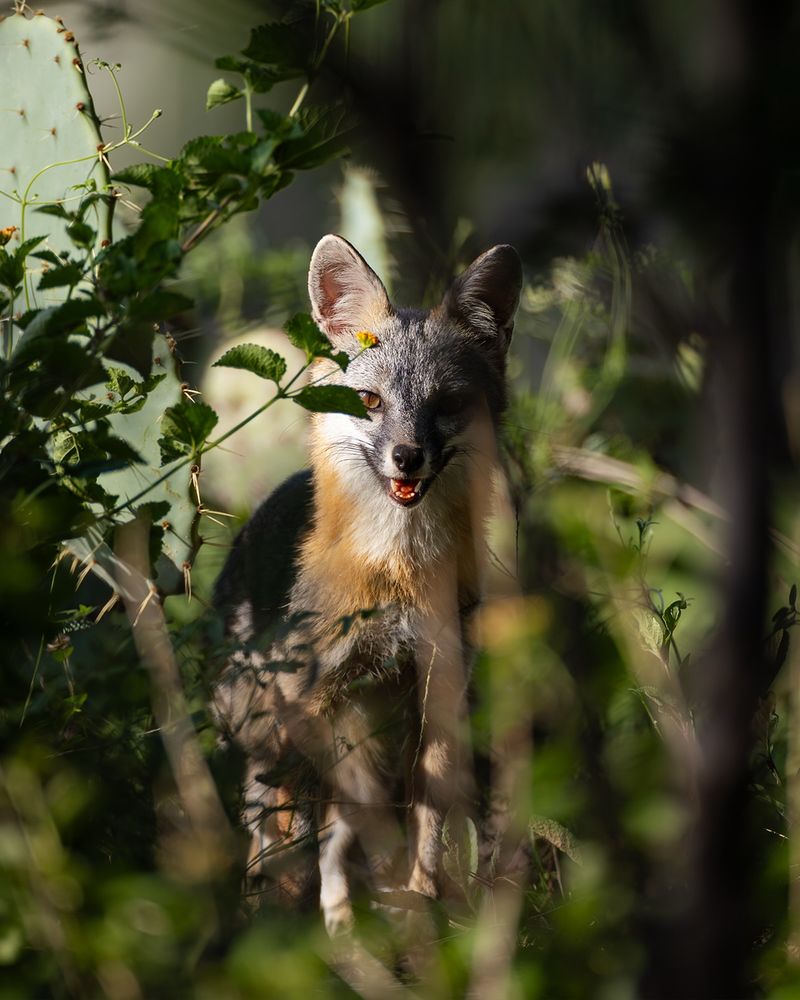
Returning to the question that sent you searching in the first place: what does it really mean when a gray fox keeps crossing your Texas yard at dusk? The most grounded answer is that your yard may offer a workable combination of habitat, a usable travel path, nearby cover, or food opportunities that fit what the fox is already doing each evening. According to the Texas Tech gray fox species account, gray foxes are native, widely distributed across the state, and built for exactly this kind of crepuscular movement through brushy, connected habitat.
Repeated appearances do not establish a single definitive explanation, prove a den on your property, confirm a rodent problem, or carry a symbolic meaning. Texas Parks and Wildlife and CDC rabies prevention resources both point toward the same practical framework: observe from a distance, secure attractants, protect pets with supervision and current vaccinations, and seek professional help only when direct contact, abnormal behavior, or a persistent conflict changes the situation.
A gray fox moving through your yard at dusk is a native Texas animal doing what native Texas animals do. The most useful thing that repeated sighting can tell you is that your yard sits inside a living landscape worth paying attention to.