
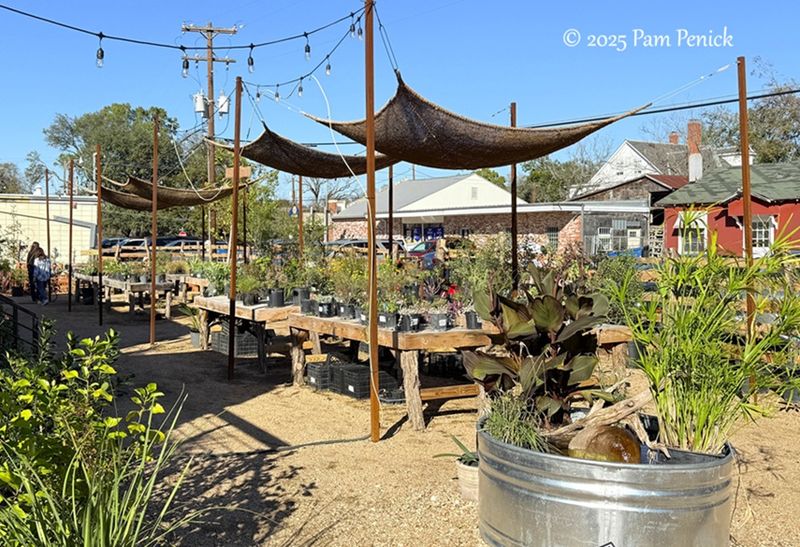
Texas summers can bake a yard until it looks more like a parking lot than a garden, but the right native plants shrug off triple-digit heat and laugh at watering restrictions. The trick is finding them, and the best sources are often small nurseries tucked into far corners of the state. Packing a cooler in the trunk keeps your new tender seedlings from cooking on the ride home. Here are seven Texas native plant nurseries that reward the extra miles with plants built to survive right where you live.
1. Barton Springs Nursery (Austin)
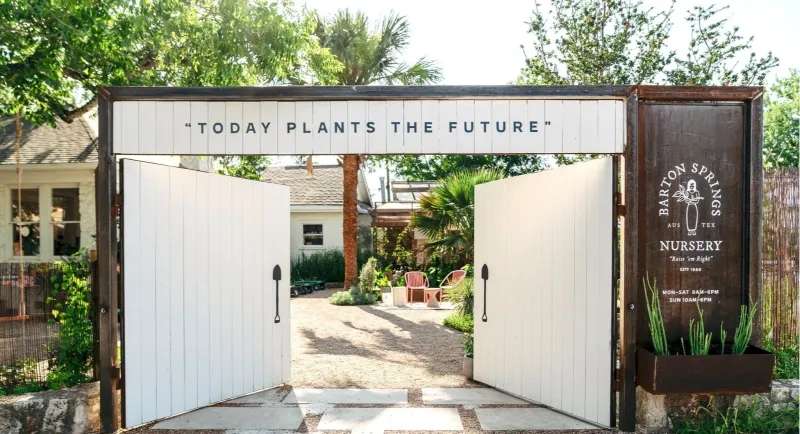
Word travels fast among Austin gardeners, and for years the whispered tip has been the same: skip the big-box shelves and go straight to Barton Springs Nursery. Set on the west side of town, it built its reputation on stocking Hill Country natives that actually belong in local limestone soils.
Staff here treat plant selection like a conversation about your yard, not a sales pitch. Ask about a shady spot under a live oak and you may walk out with cedar sage, inland sea oats, and a plan for the whole bed. That kind of matchmaking matters when you are fighting caliche clay and afternoon sun.
The inventory leans heavily on species that handle drought once established, which is exactly what you want when city water rules kick in during July. Turk’s cap, flame acanthus, and Texas persimmon show up reliably, and they draw hummingbirds and native bees to boot. Bring your cooler, because the drive back across town in August is no joke for a flat of young perennials.
2. The Natural Gardener (Austin)
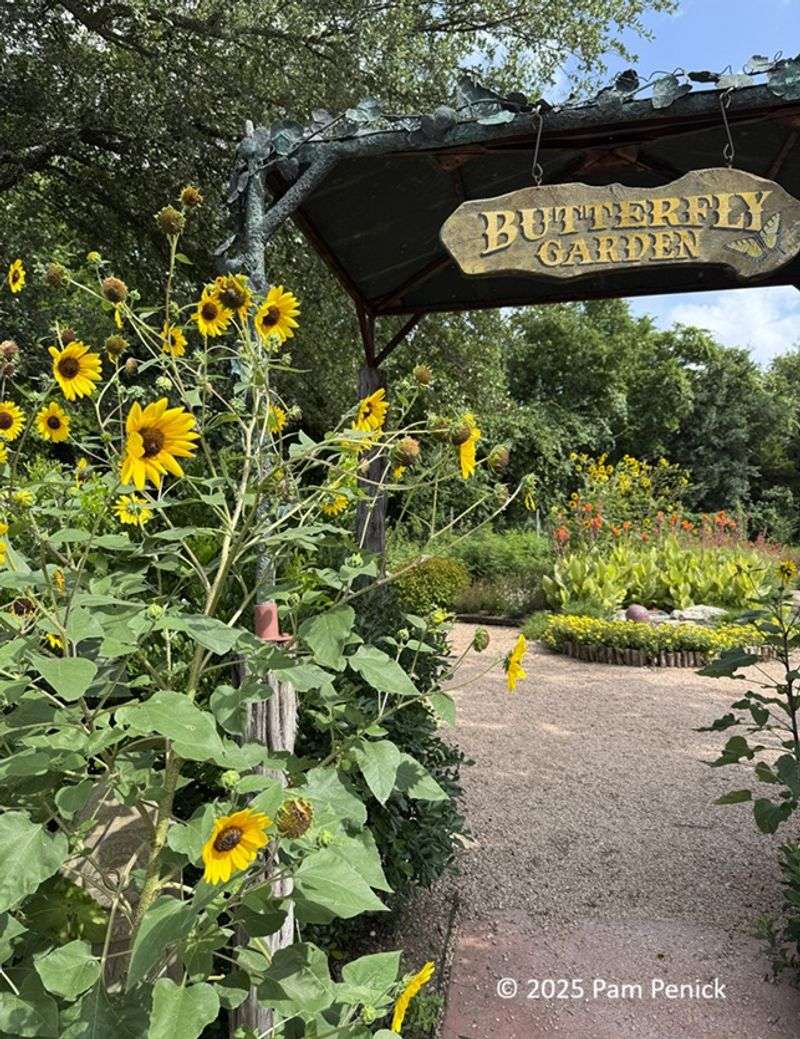
Picture a working farm that happens to sell plants, complete with chickens, demonstration gardens, and a labyrinth you can walk while you think about your soil. The Natural Gardener, in southwest Austin, feels less like a store and more like a field trip.
Organic methods run deep here, so everything is grown without the synthetic chemicals that can throw off the tiny ecosystem in your beds. For gardeners who see their yard as habitat rather than decoration, that philosophy alone justifies the drive.
The native section is generous, stocked with blackfoot daisy, Gregg’s mistflower, and salvias that keep blooming when the thermometer refuses to drop. Staff also share honest advice, telling you when a plant may struggle rather than pushing a sale. Wander the display gardens first to see mature specimens in the ground, then load your cooler and head home knowing exactly how big that mountain laurel will get.
3. Medina Garden Nursery (Medina)
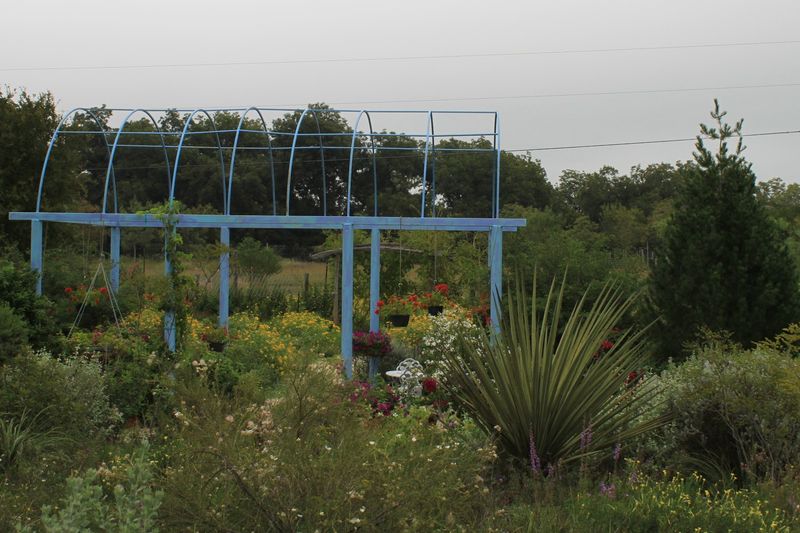
Out in the Hill Country town of Medina, apple country as the locals call it, sits a nursery that rewards anyone willing to leave the highway behind. Medina Garden Nursery specializes in plants toughened by the same rocky, well-drained ground that surrounds it.
What sets this stop apart is the sheer authenticity of its stock. Agaves, yuccas, and native grasses here have grown up in conditions close to what your own xeriscape will throw at them, so transplant shock tends to be mild.
The winding drive through the hills is part of the appeal, and it is exactly why a cooler earns its place in your trunk. A tray of young Blackfoot daisies or damianita will not appreciate an hour baking on a hot dashboard. Regulars swear by the deer-resistant selections too, a real concern once the Hill Country herds get hungry in a dry summer. Come for the plants, stay for the pie down the road, and go home with a trunk full of survivors.
4. Buchanan’s Native Plants (Houston)
Houston gardeners face a different beast entirely: swampy humidity, sudden downpours, and the ever-present threat of Gulf Coast storm season. Buchanan’s Native Plants, in the Heights neighborhood, has spent decades helping locals build landscapes that can take the punishment.
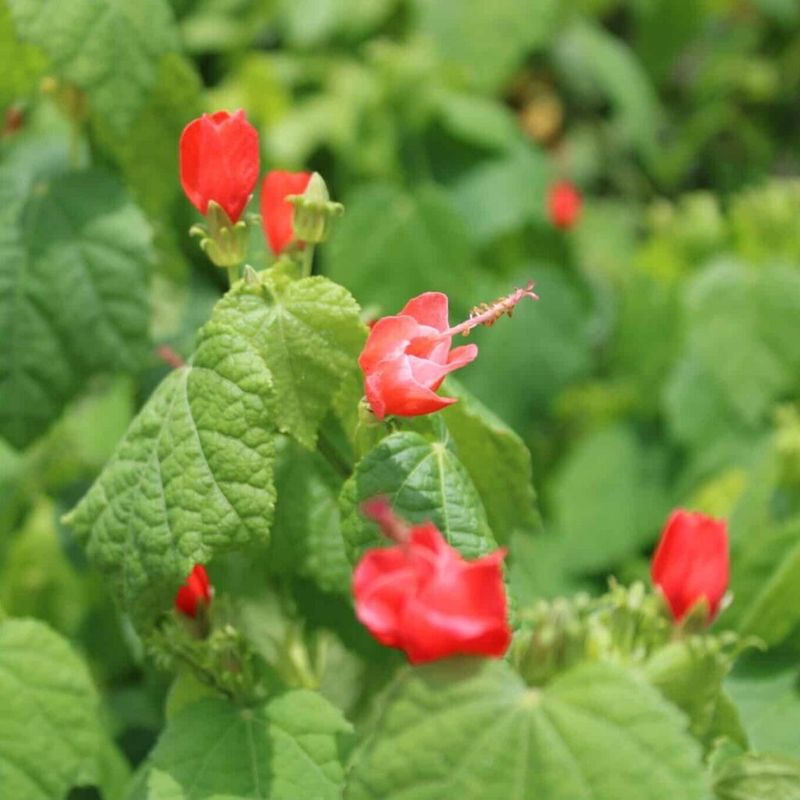
Rather than generic tropicals, the shelves here favor natives that thrive in wet feet one week and drought the next. Think Turk’s cap, coral honeysuckle, and rain-loving Louisiana iris that shine after a downpour.
The staff genuinely understand hurricane resilience, steering customers toward deep-rooted shrubs and trees less likely to topple in high winds. That advice is worth the trip alone if you live anywhere the storm cones keep pointing. Because Houston humidity can wilt a seedling before you reach the car, a cooler with a little ice keeps roots calm on the ride home. Add in a well-stocked selection of pollinator favorites, and this becomes a destination for anyone treating their yard as coastal habitat.
5. Native American Seed (Junction)
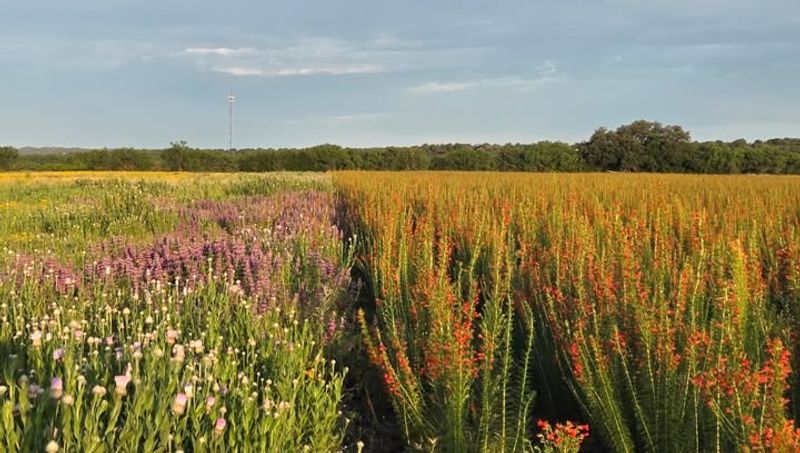
Every so often a place makes you rethink what a nursery even is. Native American Seed, near Junction in the western Hill Country, is really a seed farm devoted to restoring Texas prairies one packet at a time.
The family behind it has spent decades collecting and growing regional wildflower and grass seed, from Indian blanket to little bluestem. If your dream is a meadow that hums with pollinators instead of a thirsty lawn, this is the mothership.
Visiting the farm during warm months lets you see acres of native seed crops in full swing, which is an education no catalog can match. Staff will help you match a seed mix to your specific region, whether you garden in the Blackland Prairie or the Edwards Plateau. Seed travels easier than seedlings, so the cooler is optional here, but any live plants or bulbs you grab will still thank you for the shade. Come away with a plan for a landscape that feeds bees, birds, and butterflies through the harshest stretch of summer.
6. San Antonio Botanical Garden Plant Sales
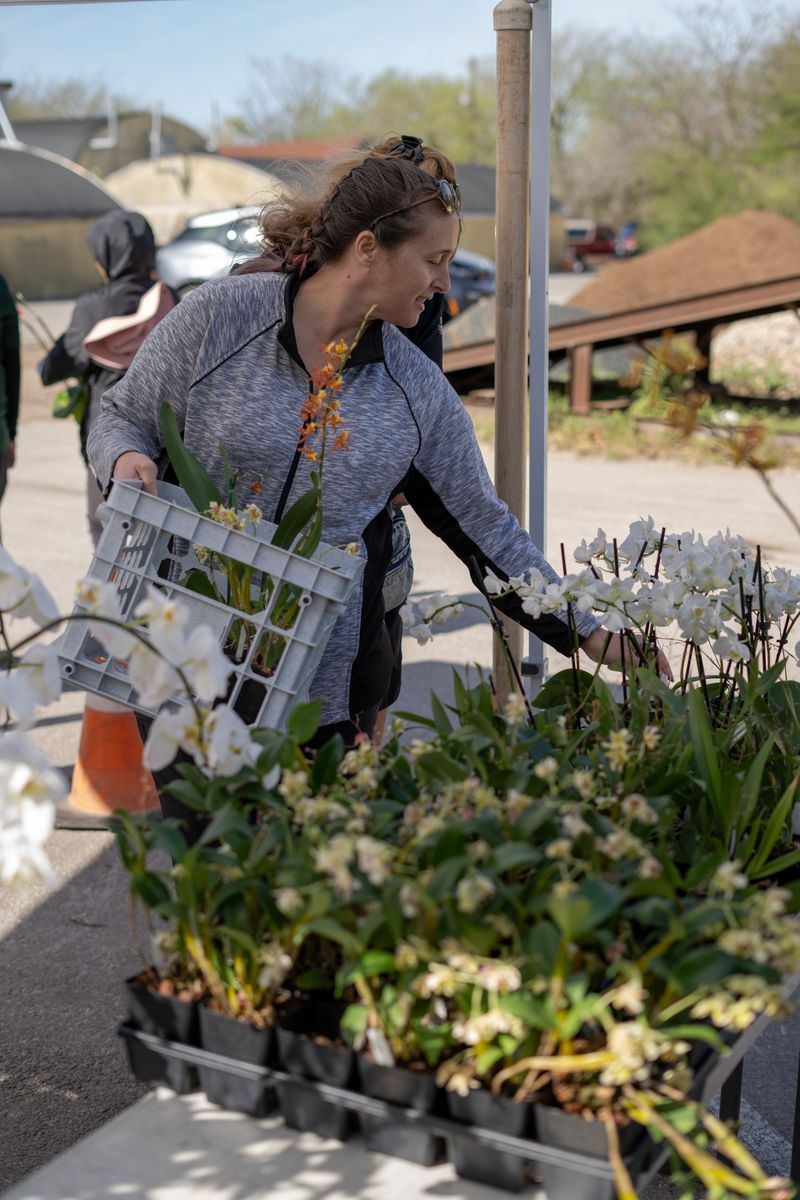
Timing is everything with this one, and savvy South Texas gardeners mark their calendars for it. The San Antonio Botanical Garden holds plant sales that turn into a treasure hunt for hard-to-find natives grown or curated by people who know the region cold.
Because the garden itself showcases mature Texas natives across its grounds, you can stroll, take notes, and then shop with a clear picture of how a plant behaves after a few years in the dirt.
Sales often feature species tailored to San Antonio’s alkaline soils and brutal summer sun, from cenizo and esperanza to mountain laurel. Volunteers and horticulturists on hand can tell you which selections shrug off water restrictions and which need a bit of babying. The catch is that popular plants vanish quickly, so arriving early pays off. Toss a cooler in the trunk, grab your finds before the crowd thins the tables, and drive home with plants vetted by one of the state’s best gardens.
7. Weston Gardens in Bloom (Fort Worth)
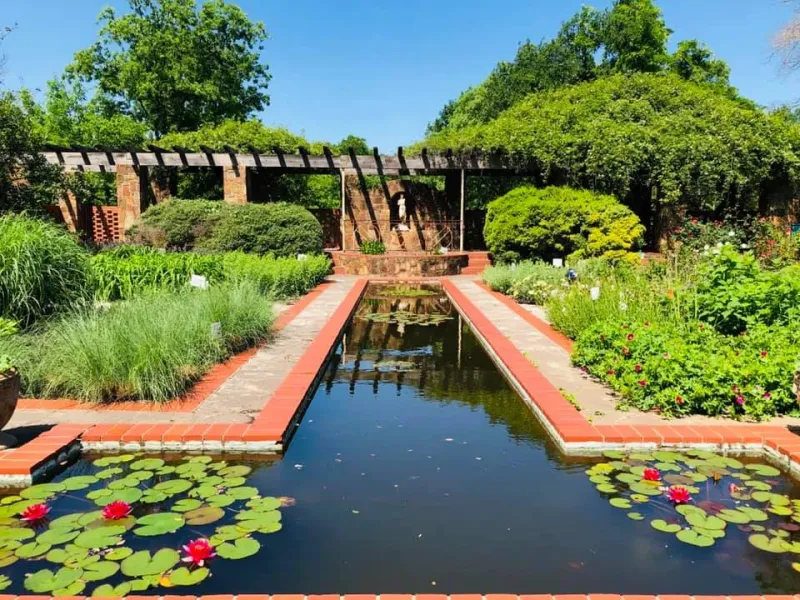
Down a quiet lane in southeast Fort Worth, an old homestead has been transformed into a nursery wrapped in lush display gardens that stop first-time visitors in their tracks. Weston Gardens in Bloom pairs North Texas natives with the kind of settled, mature landscaping you rarely get to see up close.
Blackland Prairie soils and North Texas cold snaps demand plants with backbone, and the selection here reflects that. Look for autumn sage, Texas red yucca, and native grasses that hold their own through both August heat and a January freeze.
The team is happy to talk through which plants may help attract songbirds or reduce your water bill once established, always with honest expectations rather than hype. Wandering the on-site gardens doubles as inspiration, since you can see full-grown versions of nearly everything for sale. It is a longer haul for folks in the metroplex suburbs, so the cooler earns its keep protecting your haul on a scorching drive back up the interstate.