
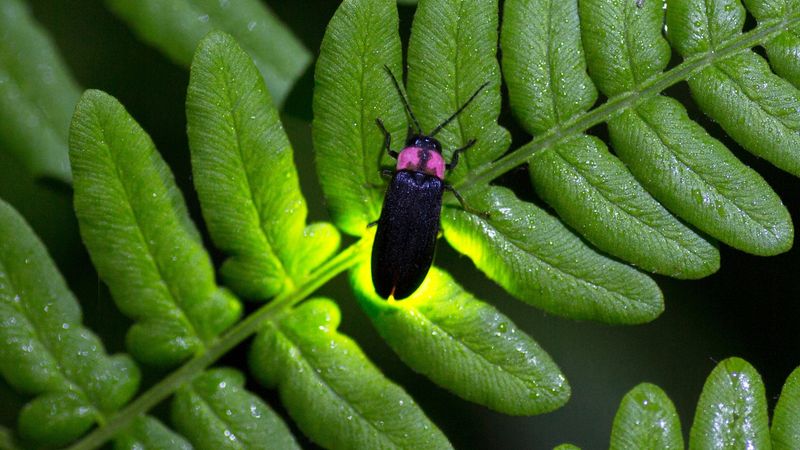
Imagine stepping into your Florida backyard at dusk and spotting a rainbow-colored painted bunting at your seed heads while fireflies blink through the grass below. That double show is not luck, it comes down to planting the right Florida natives that feed hungry birds and give fireflies the moist, undisturbed shelter they need. The best part is that these plants shrug off sandy soil, brutal summer heat, and even a stormy hurricane season with very little fuss from you. Here are seven native picks that can turn one ordinary yard into a hangout for both painted buntings and fireflies.
1. Muhly Grass (Muhlenbergia capillaris)
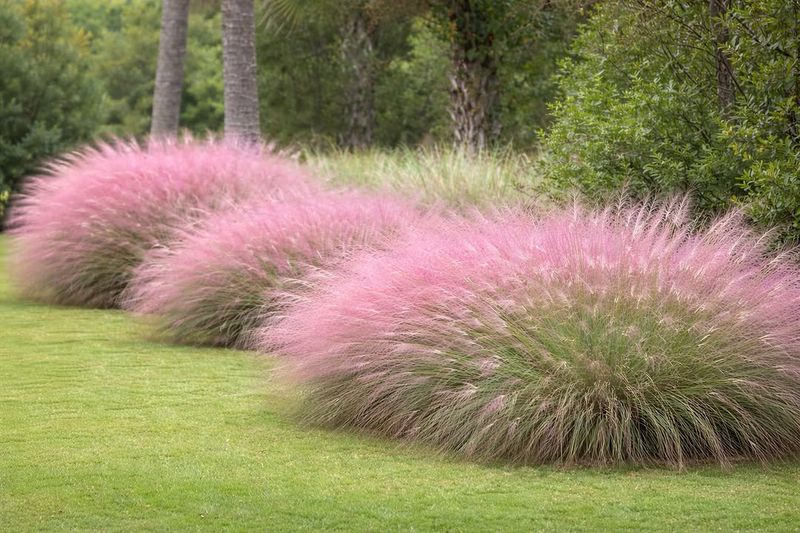
Come October, muhly grass explodes into pink-purple clouds that make Florida yards look like cotton candy caught in the wind. Painted buntings love it because the seed heads hold tiny grains they can nibble through fall and winter, right when other food gets scarce.
Down at ground level, the thick clumps trap humidity and stay cool, which is exactly the damp, shady setup firefly larvae hunt in. Those larvae feed on slugs and snails hiding in the base of the grass, so a muhly patch becomes a full food chain.
Sandy soil is no problem here, since this native actually prefers fast-draining ground and almost never asks for extra water once it settles in. It also bounces back after storms and salt spray, making it a reliable pick for coastal and inland gardeners alike. Plant a few clumps in full sun, skip the fertilizer, and let it do its quiet thing all season.
2. Coontie (Zamia integrifolia)
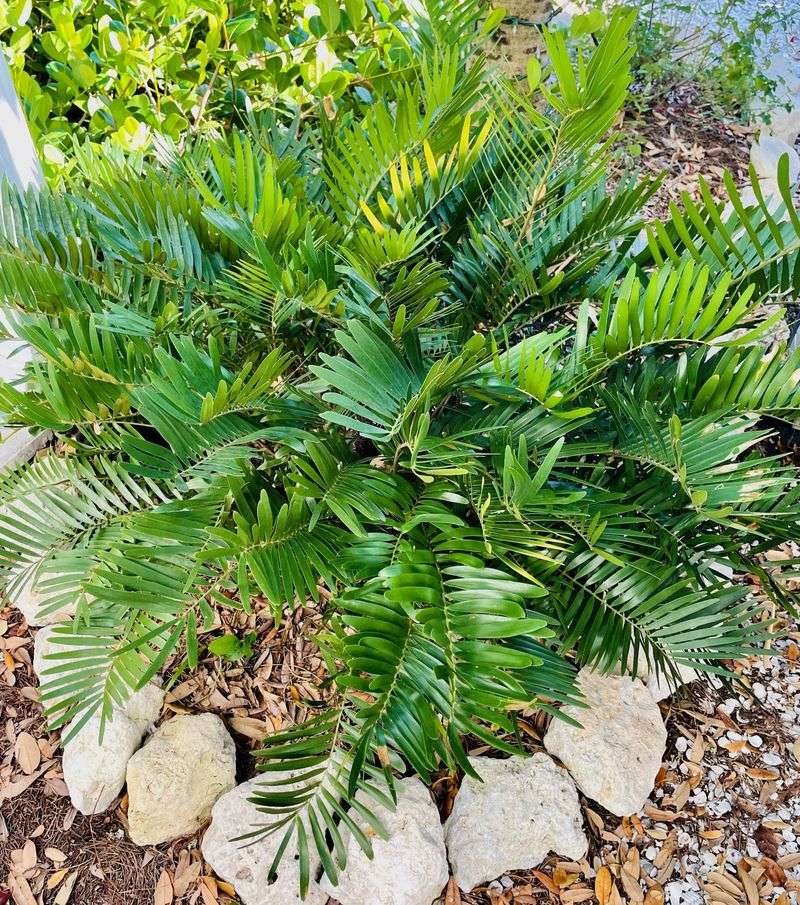
Ancient enough to have shared the planet with dinosaurs, coontie is Florida’s only native cycad and one tough little survivor. Its low, ferny mound gives painted buntings a safe place to duck for cover between trips to the feeder.
The real magic happens in the leaf litter and moist shade underneath, where firefly larvae find the cool hiding spots they need to grow. Coontie’s dense foliage keeps the ground beneath it shaded and slightly damp even during a dry spell.
Fun fact: coontie is the only host plant for the rare atala butterfly, so you get bonus pollinator action too. It laughs at sandy soil, drought, and salty coastal wind, and it barely notices hurricane weather once established. Tuck it into a partly shaded bed, water it while it roots in, and then more or less forget about it for years.
3. Beautyberry (Callicarpa americana)
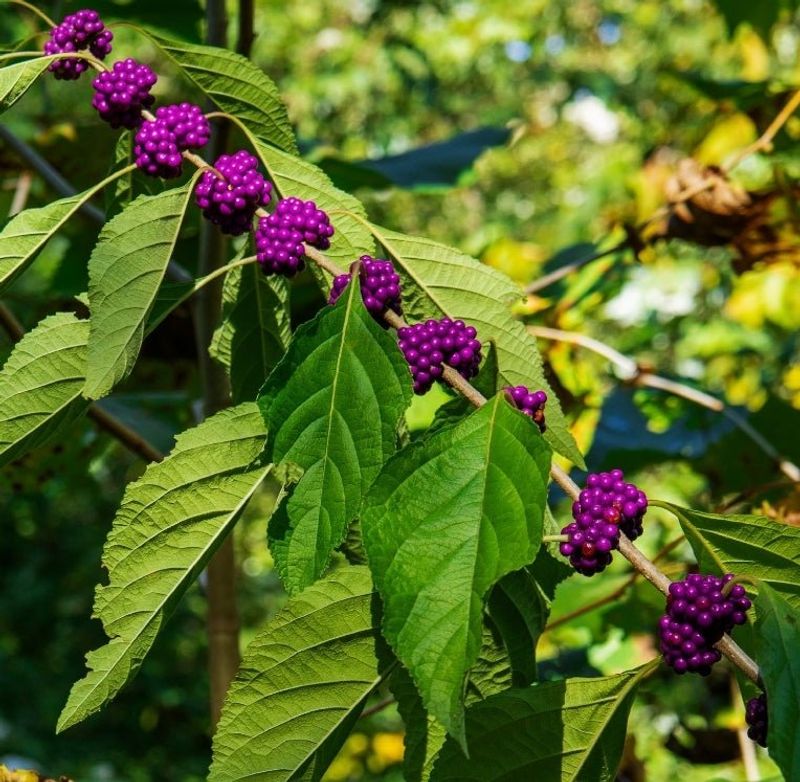
Nothing stops a gardener in their tracks like the wild grape-purple berries that ring beautyberry’s stems each fall. Birds go wild for them, and painted buntings will slip into the shrub to snack while staying hidden from hawks overhead.
Its arching branches build a shady, layered thicket, and that shade keeps the soil beneath cooler and moister, which fireflies quietly appreciate. The leaf litter that gathers under a beautyberry becomes a mini nursery for the beetle larvae that light up your evenings.
This shrub handles Florida’s sandy soil and summer heat without complaint and needs almost no babying once its roots take hold. A hard prune in late winter keeps it full and loaded with even more berries the following year. Give it a spot with morning sun and afternoon shade, and it will feed birds while feeding your firefly population at the same time.
4. Sunflower (Helianthus debilis, Beach Sunflower)
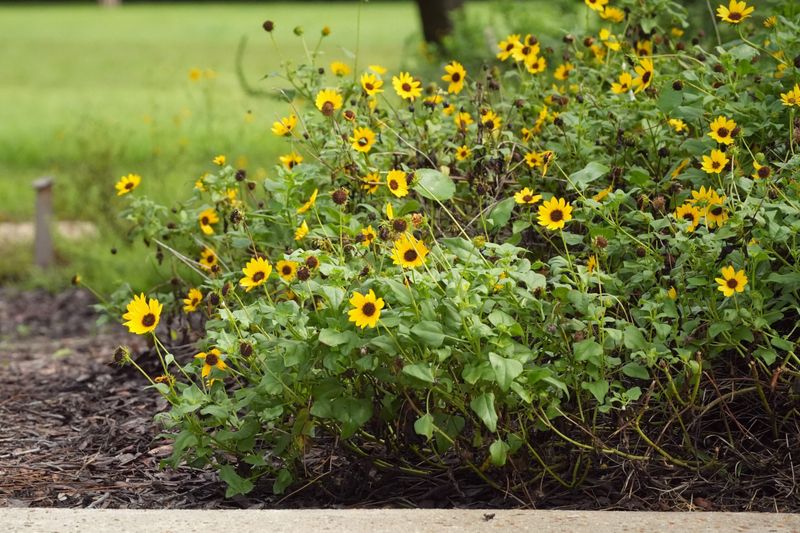
Bright, cheerful, and practically bulletproof, the native beach sunflower sprawls into a golden carpet that painted buntings can’t resist. Once the flowers fade, the seed heads become a buffet packed with the small seeds these finches love best.
As a low, spreading groundcover, it shades the sand beneath it and holds a bit of moisture near the surface where firefly larvae like to roam at night. That living mulch effect also keeps weeds down without you lifting a finger.
Beach sunflower was practically built for Florida’s toughest spots, thriving in pure sand, blazing sun, salt spray, and drought. It reseeds itself freely, so one small planting can fill a sunny bank in a single season. Scatter it along a hot, dry edge where nothing else grows and watch it turn a problem area into a bunting cafeteria.
5. Wax Myrtle (Morella cerifera)
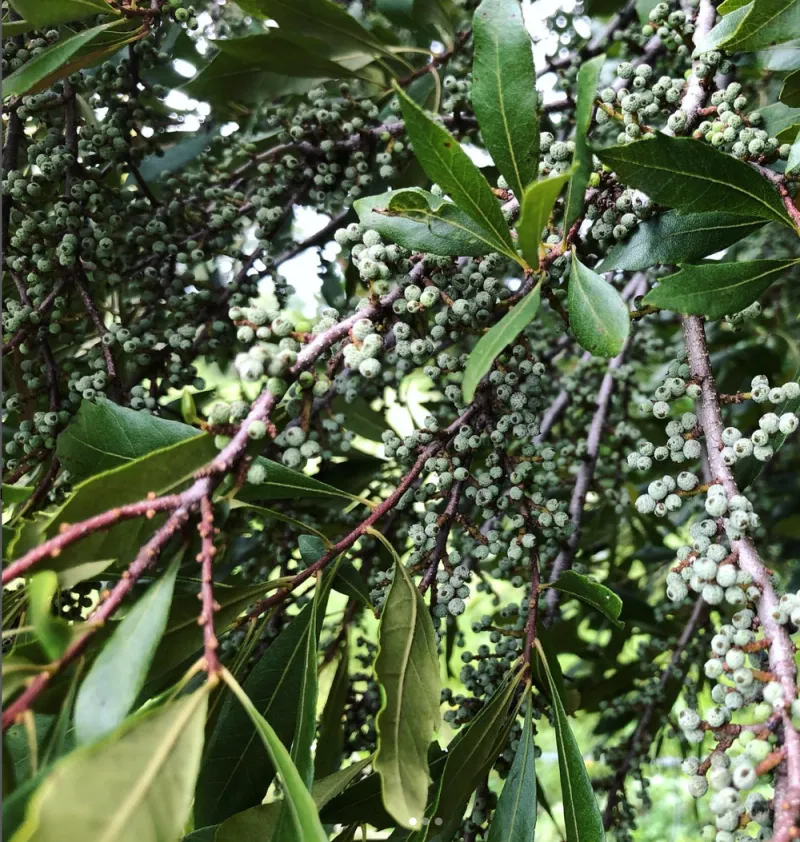
Fast-growing and forgiving, wax myrtle is the kind of shrub Florida gardeners plant when they want results without the wait. Its waxy blue-gray berries hang on through winter, offering painted buntings a fatty snack when the cold rolls in.
Grown as a loose hedge, it creates a shady, humid understory and a thick blanket of leaf litter, the exact conditions firefly larvae need to survive the day and glow at night. Birds also use its dense branches as a roost and a quick escape route.
Sandy soil, occasional flooding, drought, and salty air all fail to faze this native, which is why UF-IFAS often points to it for tough sites. After a storm knocks it around, it resprouts quickly and fills back in. Let it grow as a screen or trim it into a hedge, and it will pull double duty as both bird pantry and firefly habitat.
6. Elderberry (Sambucus canadensis)
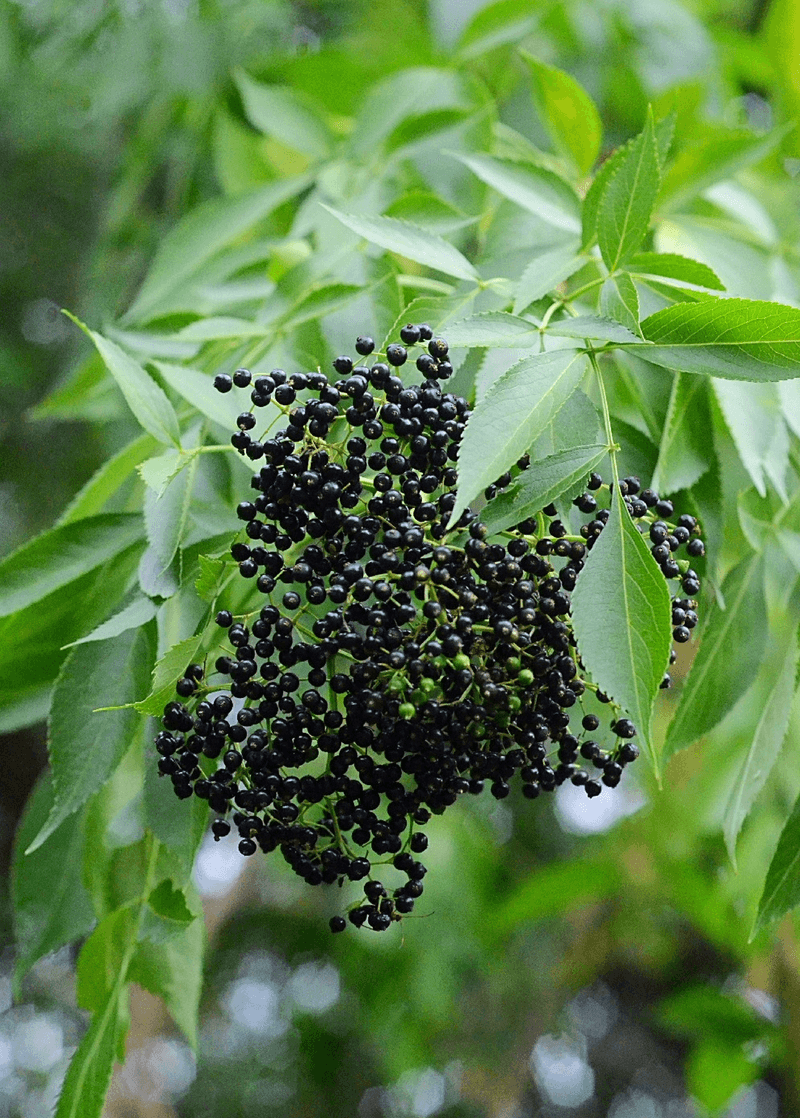
Along ditches and pond edges all over Florida, elderberry grows so easily it almost feels like a weed with benefits. Painted buntings feast on its dark purple berry clusters in summer, and dozens of other birds join the party too.
What sets elderberry apart is its love of wet feet, so it thrives in the low, soggy corners where fireflies breed. Those damp, shaded spots at its base stay moist long enough for larvae to feed on the snails and slugs living there.
Because it tolerates flooding and heavy rain, elderberry is a smart choice for the wet zones that show up during Florida’s storm season. It grows fast, so a single cutting can become a berry-heavy shrub in no time. Plant it where water tends to pool, keep it loosely pruned, and you will have created a soggy little paradise for both birds and beetles.
7. Switchgrass (Panicum virgatum)
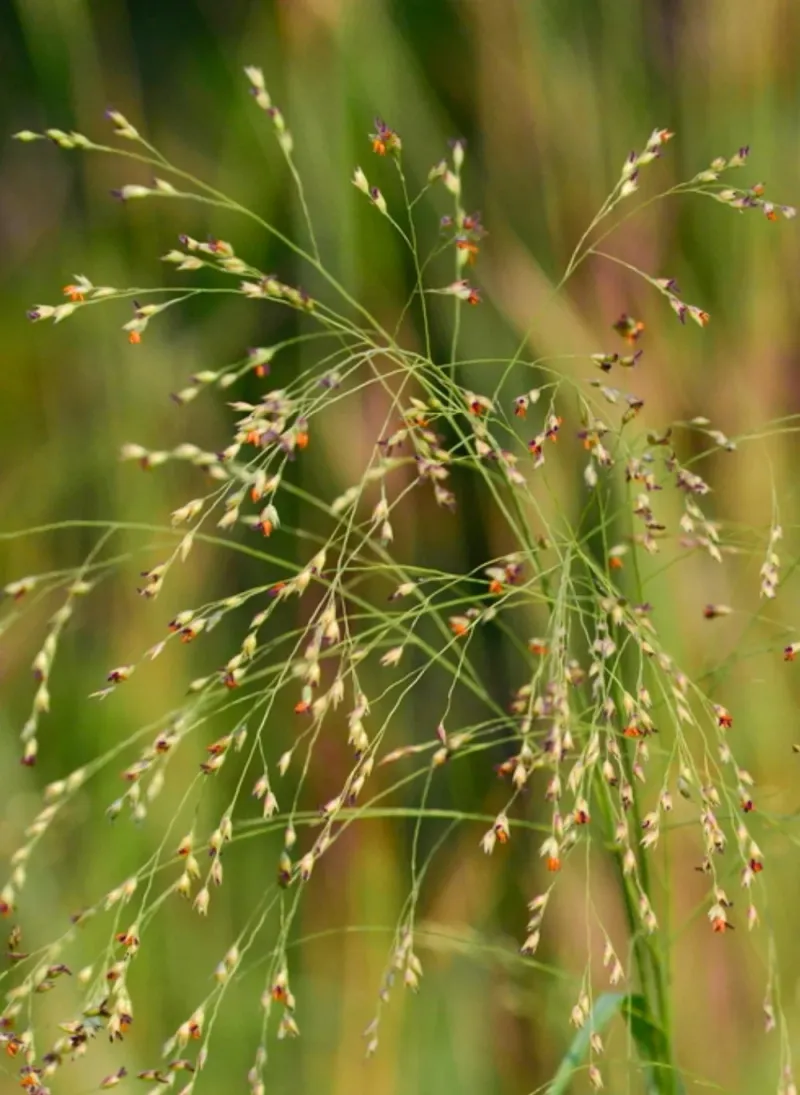
Tall, upright, and swaying in the slightest breeze, switchgrass brings movement and structure to a native Florida planting. Its airy seed heads ripen into a grain painted buntings glean straight off the stalks through fall and winter.
Left standing rather than mowed flat, the dense base holds moisture and forms the undisturbed, humid ground layer fireflies rely on to complete their life cycle. Skipping the fall cleanup here is a feature, not laziness, since that leftover thatch shelters overwintering larvae.
This grass digs deep roots that stabilize sandy soil, sip up flood water, and keep it standing tall through summer heat and wind. It asks for almost nothing after its first season and returns bigger each year. Group a few clumps as a backdrop or a loose screen, resist the urge to trim it down in autumn, and you will host buntings by day and a firefly light show after dark.