
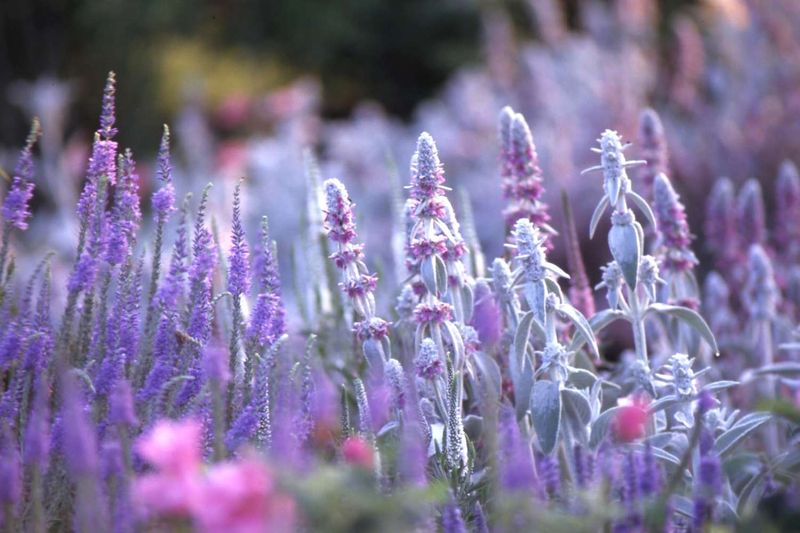
If you have ever walked outside to find your tulips chewed down to nubs, you already know rabbits treat a flower bed like an all-you-can-eat buffet. The good news is that certain plants naturally push them away, thanks to strong scents, fuzzy leaves, or a bitter taste bunnies simply cannot stand. Planting these around the edges of your beds can act like a living fence that discourages nibbling without any fencing or sprays. Here are twelve plants that may help keep hungry rabbits moving on to someone else’s yard.
1. Lavender
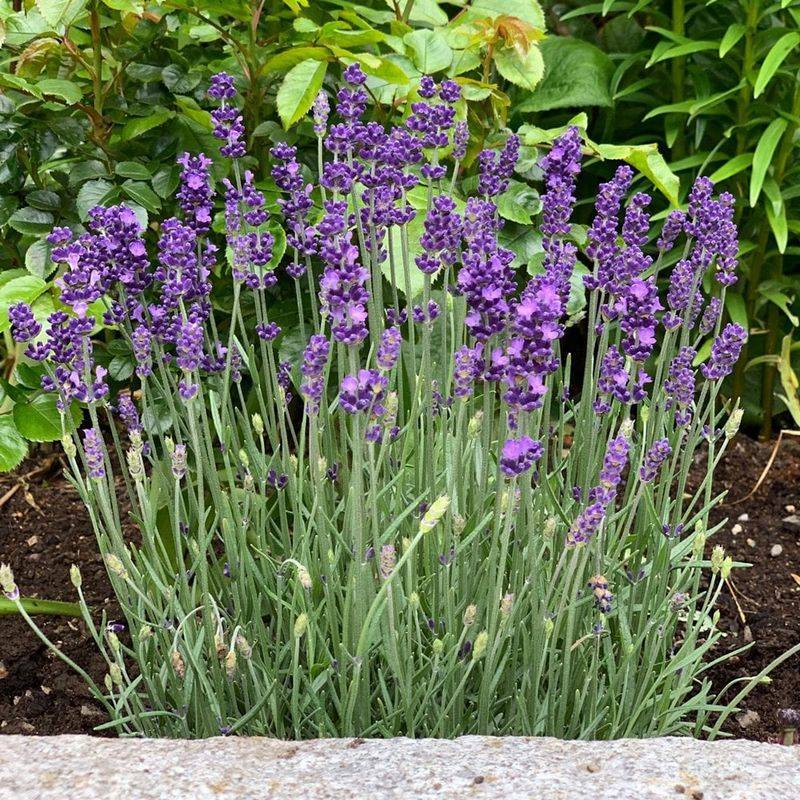
Picture a plant that smells wonderful to you and downright offensive to a rabbit, and you have lavender in a nutshell. Those silvery-purple spikes give off a strong, perfumed oil that bunnies tend to avoid because it overwhelms their sensitive noses.
Beyond the rabbit factor, lavender loves hot, dry conditions that many gardeners in temperate zones struggle to fill. Plant it in a sunny spot with well-drained soil and it will often shrug off drought while your other flowers wilt in July heat.
Tuck a border of lavender around the outside of a bed and you create a fragrant wall that can reduce how often rabbits wander in for a snack. Bees and butterflies love it too, so you gain pollinators while losing pests.
Fun fact: lavender has been used for centuries to scent linens and soaps, which tells you just how powerful that oil really is. A little trimming after it blooms keeps the plant tidy and encourages fuller growth. Few plants pull double duty this gracefully, guarding your beds while making the whole garden smell like a spa.
2. Marigolds
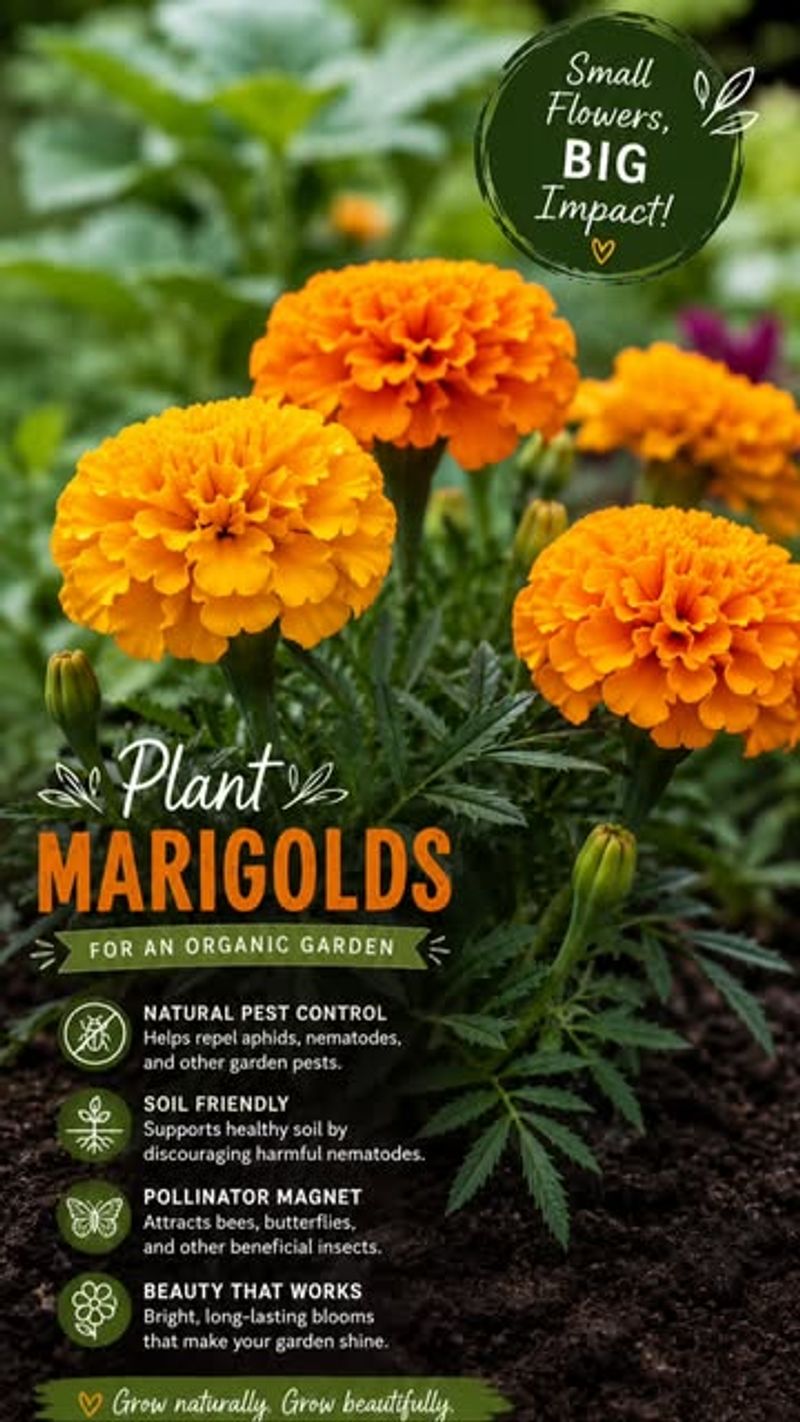
Bright, cheerful, and just a little bit stinky, marigolds are the bodyguards of the flower world. Their peppery, musky scent tends to send rabbits looking for tastier territory elsewhere, which is why gardeners have tucked them along bed edges for generations.
These annuals bloom nonstop from late spring until frost, filling your garden with gold, orange, and rusty red. That long show means you get color and protection at the same time, all season long.
Marigolds ask for very little in return. Give them sun and average soil, deadhead the spent blooms now and then, and they keep pumping out flowers without much fuss.
Many vegetable gardeners plant them between tomatoes and beans, hoping the strong smell may help confuse pests looking for a meal. Rabbits often skip right over them for the same reason.
Did you know? French marigolds actually trace back to Mexico, not France, despite the name. Scatter a handful of seeds each spring and you build a low, colorful barrier that can make your beds far less appealing to nibbling bunnies while cheering up the whole space.
3. Russian Sage
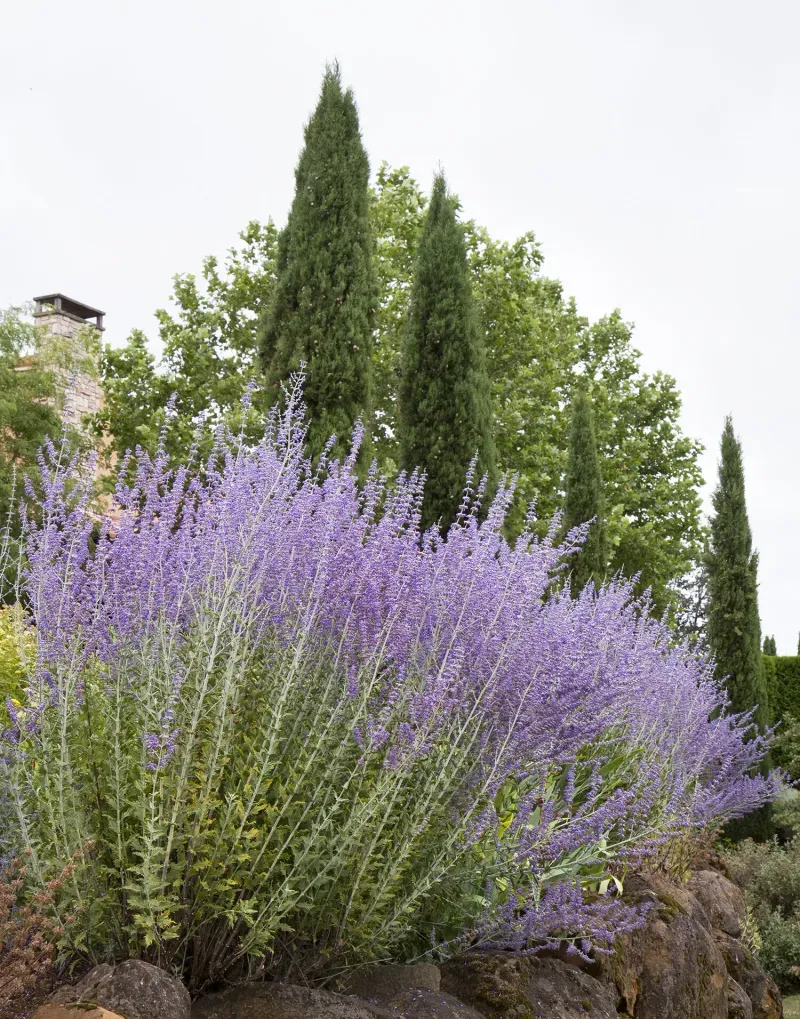
Airy clouds of lavender-blue flowers floating above silvery stems make Russian sage look delicate, but rabbits know better than to munch on it. The aromatic foliage carries a sharp, sage-like scent that bunnies generally find distasteful.
What makes this perennial stand out is its toughness. It thrives in blazing sun and poor, dry soil, the kind of spot where fussier flowers give up. Once established, it rarely needs watering and can reduce your maintenance load considerably.
Reaching three to four feet tall, Russian sage creates a hazy, see-through screen at the back of a bed. That height lets it do double duty as both a rabbit barrier and a soft backdrop for shorter blooms in front.
Pollinators adore the flowers, so expect bees and butterflies to visit through the hottest weeks of summer when other plants fade.
Here is a quirky detail: despite the name, Russian sage is not a true sage and does not come from Russia. Cut it back hard in early spring and it rebounds with fresh, fragrant growth that keeps rabbits at a respectful distance all season.
4. Catmint
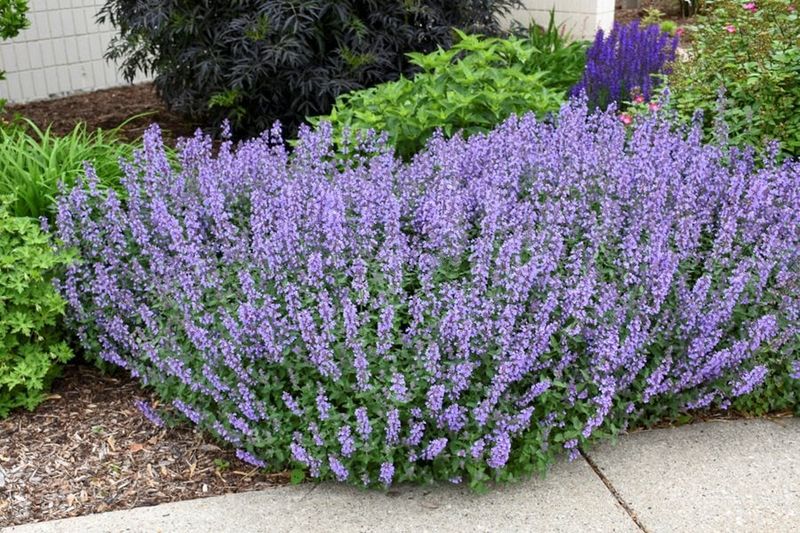
Cats may go wild for it, but rabbits usually turn up their noses at catmint. The gray-green leaves release a minty, herbal aroma when brushed, and that pungent quality tends to keep bunnies from taking a bite.
Loose spikes of soft purple-blue flowers cover the plant from late spring well into summer, especially if you shear it back after the first flush. That quick rebloom means color returns fast, unlike many perennials that flower once and quit.
Catmint forms a tidy, mounding shape that works beautifully as a front-of-bed edging. Plant a row and you get a fragrant, flowering guardrail that discourages nibbling right where rabbits like to sneak in.
It handles heat, drought, and neglect with ease, making it a reliable pick for busy gardeners who forget to water. Bees and butterflies flock to the blooms all season.
Worth knowing: catmint is a milder cousin of catnip, so it can still charm your feline friends without taking over the yard. A single spring planting often rewards you for years, spreading gently while keeping rabbits at bay.
5. Snapdragons
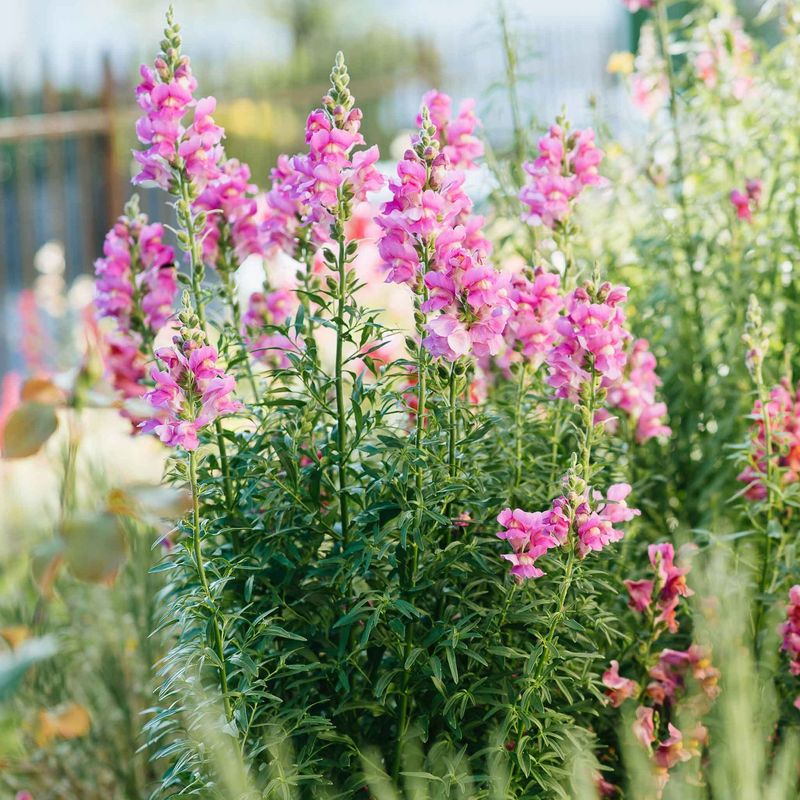
With their dragon-jaw blossoms that snap open when squeezed, snapdragons bring a playful streak to the garden, and rabbits generally leave them alone. The slightly bitter, tough texture of the foliage is not a bunny favorite, so they usually pass it by.
Snapdragons shine in the cooler shoulders of the season, blooming heavily in spring and again in fall when many other flowers sulk. Colors run the full rainbow, from creamy white to deep burgundy, giving you lots of design options.
Plant them in full sun with decent soil and they will send up tall spikes perfect for the middle or back of a bed. Cutting the flowers for bouquets only encourages more to grow.
Because they tolerate light frost, snapdragons stretch your color show longer than tender annuals can manage.
Here is a fun bit of history: children in old cottage gardens loved pinching the blooms to make the little dragon mouths talk. Beyond the whimsy, a cluster of snapdragons along your beds can add height, charm, and a subtle line of defense that may help keep rabbits grazing elsewhere.
6. Salvia
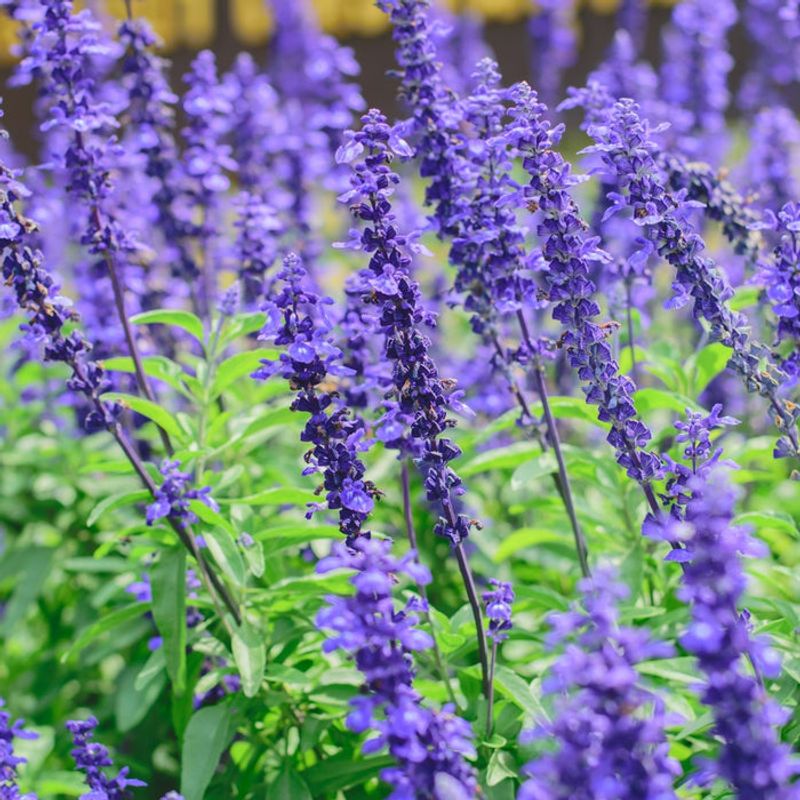
Few plants hum with pollinator activity like salvia, and yet rabbits rarely bother it. The textured, aromatic leaves carry a scent bunnies dislike, so those tall flower spikes usually stand untouched while nearby blooms get gnawed.
Salvia comes in a huge range, from fiery red annuals to deep purple perennials, so there is a version for nearly every garden style. The upright spikes add welcome vertical drama to an otherwise flat bed.
Sun and well-drained soil are about all it asks. Once settled in, salvia laughs off heat and drought, blooming right through the sticky middle of summer when watering becomes a chore.
Hummingbirds and bees treat the tubular flowers like a filling station, so planting salvia can turn your yard into a busy pollinator hub while keeping rabbits at arm’s length.
A helpful trick: snip off faded spikes and the plant often pushes out a fresh round of blooms. Interesting note, salvia belongs to the mint family, which helps explain that strong, protective fragrance. Line it along your beds and you gain both a lively splash of color and a natural nibble-guard.
7. Yarrow
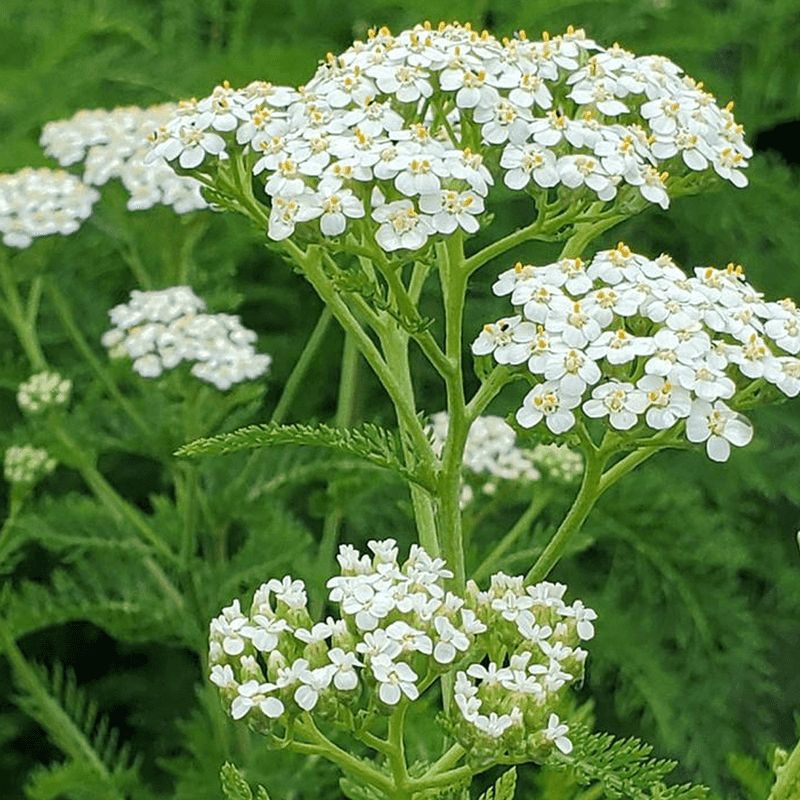
Flat-topped clusters of tiny flowers give yarrow a lacy, old-fashioned charm, and its feathery, strongly scented leaves keep rabbits from treating it as lunch. That fern-like foliage smells sharp when crushed, which is exactly what bunnies want to avoid.
Yarrow is famously tough. It thrives in lean, dry soil and full sun, spreading into cheerful drifts of white, gold, pink, or red that can reduce bare spots in a hurry.
The long-lasting blooms make excellent cut and dried flowers, so you can enjoy them indoors long after summer fades. Butterflies and beneficial insects find the flat clusters easy to land on.
Because it needs almost no babying, yarrow suits gardeners who want color without a watering schedule ruling their week.
A slice of history: yarrow was once carried by soldiers to help stop bleeding on the battlefield, earning nicknames like soldier’s woundwort. Modern gardeners mostly value it for looks and its knack for surviving harsh spots. Plant a sweep of it around your beds and you create a hardy, fragrant patch that may help persuade rabbits to graze somewhere far less prickly to their noses.
8. Lamb’s Ear
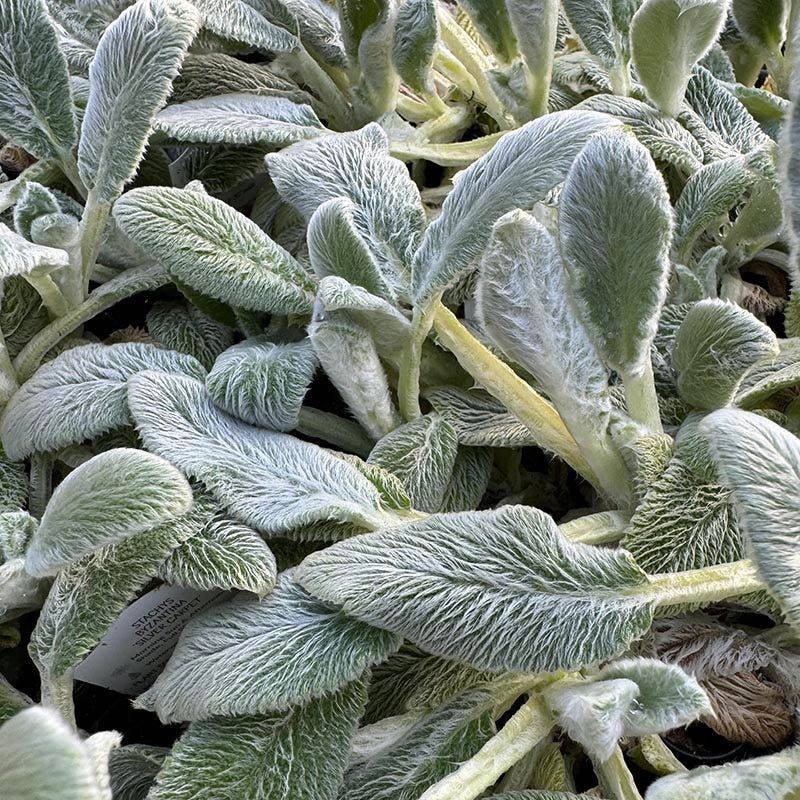
Soft as a puppy’s ear and just as tempting to pet, lamb’s ear wins people over instantly, while rabbits want nothing to do with it. Those thick, silvery leaves are coated in fuzzy hairs that feel unpleasant in a bunny’s mouth, so they steer clear.
The plant hugs the ground in a low, spreading mat, making it a natural choice for edging pathways and framing the front of a flower bed. That woolly texture also adds a cool, silvery contrast against bright green neighbors.
Lamb’s ear handles heat and dry spells like a champ and asks for very little water once rooted. Occasional trimming of tired leaves keeps it looking fresh.
In early summer it sends up fuzzy stalks topped with small purple flowers that bees enjoy, though many gardeners grow it purely for the foliage.
Here is a charming detail: generations of children have used the velvety leaves as pretend bandages during backyard adventures. Beyond the fun, a ribbon of lamb’s ear along your beds forms a touch-me-not border of fuzz that can help keep rabbits from wandering in for a bite.
9. Allium
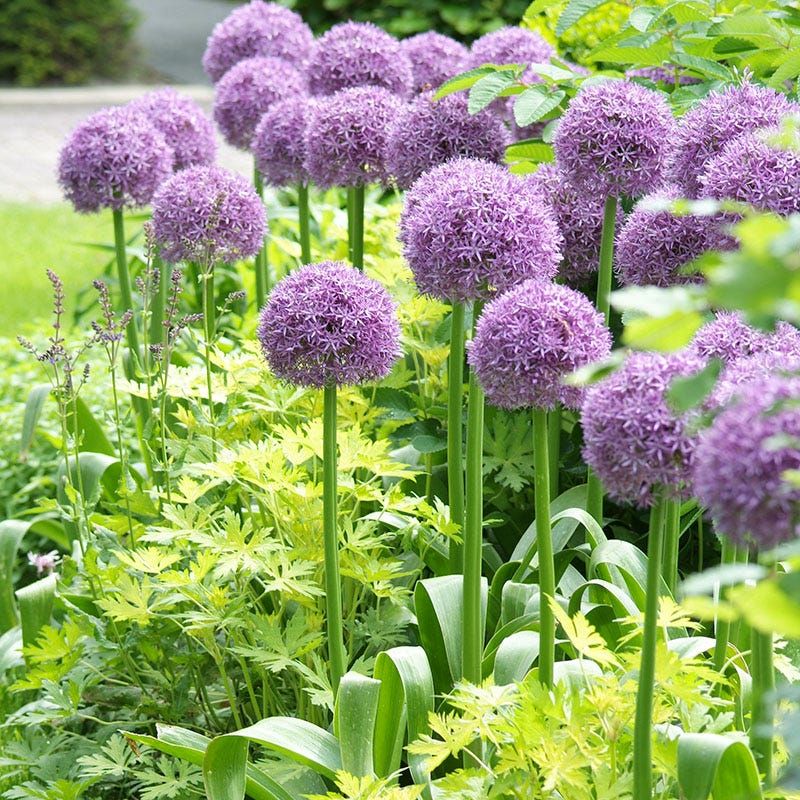
Imagine purple globes floating on tall stems like garden fireworks frozen mid-burst, and you have allium. Related to onions and garlic, these bulbs carry a pungent, oniony smell that rabbits find thoroughly unappetizing.
The dramatic spherical blooms rise well above surrounding plants in late spring and early summer, adding height and a touch of whimsy to any bed. Sizes range from softball to soccer ball, so you can go subtle or bold.
Alliums grow from bulbs planted in fall, then reappear year after year with almost no effort. Give them sun and well-drained soil and they largely take care of themselves.
Because that onion scent radiates from the whole plant, tucking alliums throughout a bed can reduce browsing on nearby flowers that rabbits might otherwise target.
Pollinators love the blooms too, so expect plenty of bee traffic around those purple orbs.
A neat fact: even the dried seed heads look striking, holding their shape into fall and adding structure long after the color fades. Scatter a few alliums among your favorite flowers and you get eye-catching drama plus a built-in scent shield rabbits would rather not sniff.
10. Bee Balm
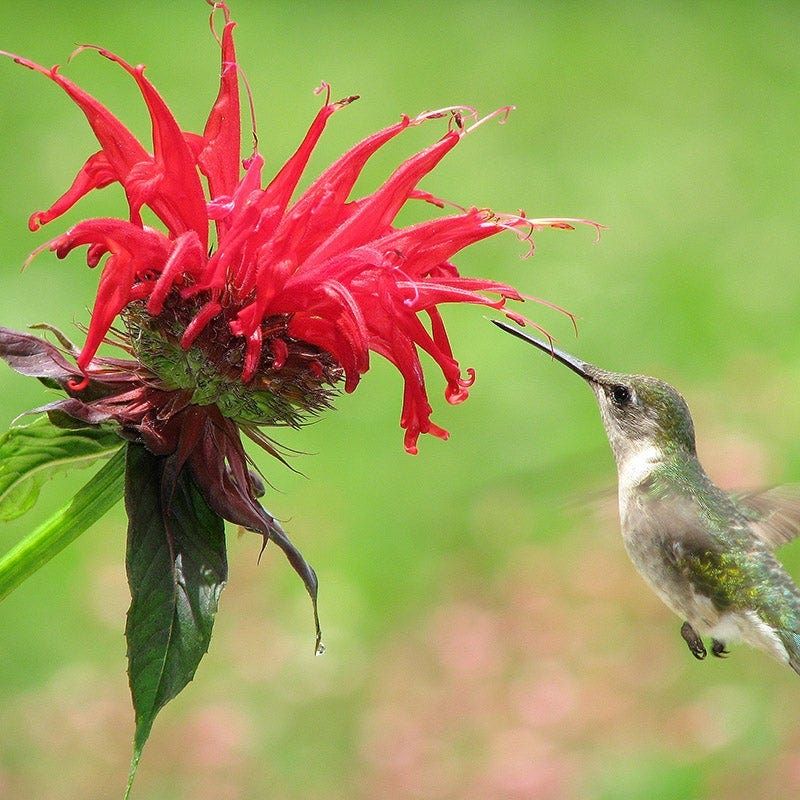
Wild, shaggy, and buzzing with life, bee balm brings a fireworks display of ragged blooms in red, pink, and purple, and rabbits usually keep their distance. The minty, aromatic leaves belong to the mint family, and that strong scent tends to discourage nibbling.
Hummingbirds, bees, and butterflies practically line up for the nectar-rich flowers, turning bee balm into one of the liveliest plants you can grow. If you want a pollinator magnet that also fends off bunnies, this one earns its spot.
Plant it in full sun to part shade with soil that stays a bit moist, and give it room to breathe since good air flow helps prevent powdery mildew on the leaves.
Bee balm spreads over time, filling gaps and forming cheerful clumps that can reduce weeds while guarding your beds.
A bit of history: early American settlers brewed the leaves into a tea, which is why you may hear it called Oswego tea. Whether you grow it for the wildlife, the color, or the fragrance, a patch of bee balm doubles as a fragrant line of defense against grazing rabbits.
11. Daffodils
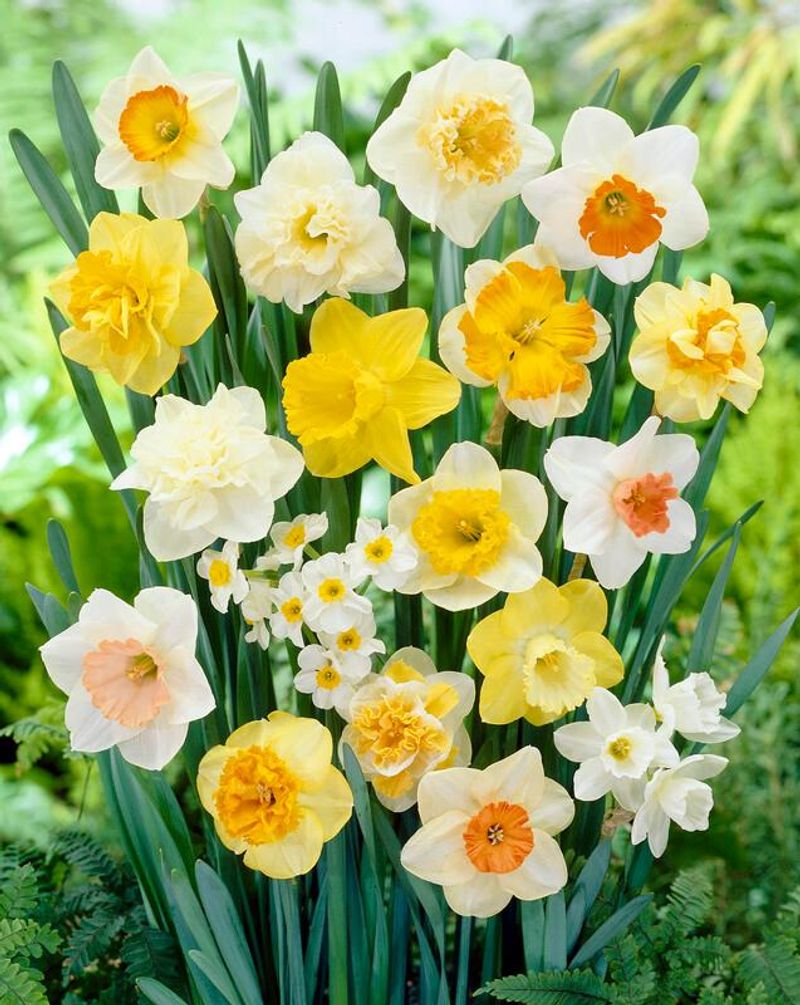
Nothing says spring quite like a wave of golden daffodils, and here is the bonus: rabbits will not touch them. Every part of the plant contains compounds that taste bitter and can make animals sick, so bunnies instinctively leave them alone.
Planted from bulbs in fall, daffodils are among the earliest flowers to appear, often pushing up while frost still lingers. That early timing gives you cheerful color when the rest of the garden is still waking up.
They multiply on their own, returning in bigger clumps each year with virtually no effort on your part. Full sun and decent drainage are all they really need.
Because rabbits, deer, and even squirrels tend to avoid daffodils, planting them around more vulnerable flowers can help shield the tastier plants nearby.
Once the blooms fade, let the leaves yellow naturally so the bulb can store energy for next spring.
Here is a hopeful thought: a handful of daffodil bulbs tucked in this fall becomes a reliable, rabbit-proof burst of sunshine year after year, guarding your beds while announcing that winter has finally lost its grip.
12. Rosemary
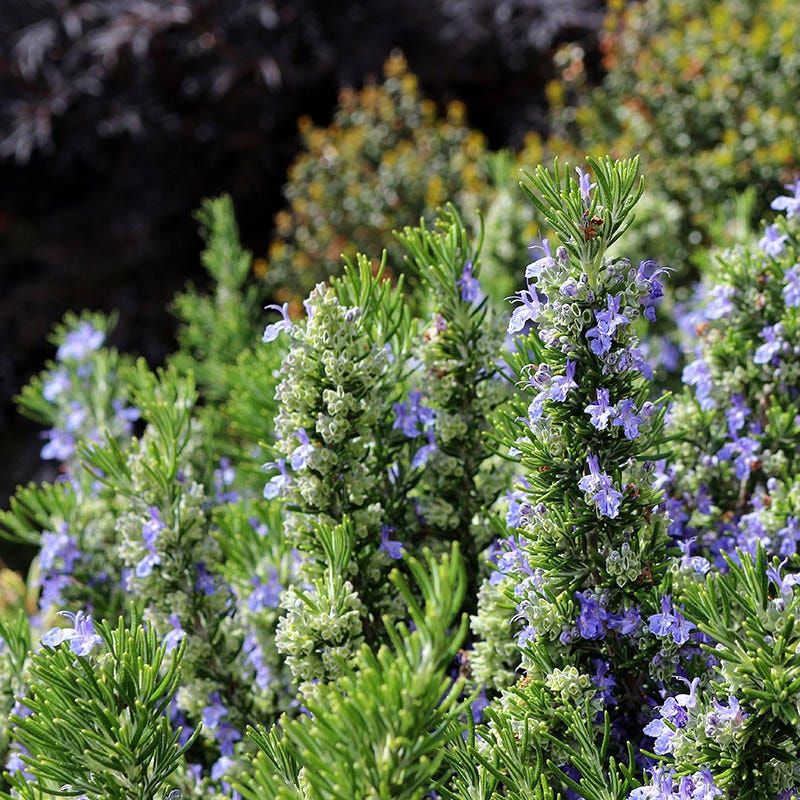
Brush past a rosemary bush and its piney, resinous fragrance clings to your fingers, the very quality that makes rabbits keep their distance. That intense oil is delightful in the kitchen but far too strong for a bunny’s liking.
Rosemary pulls double duty as a fragrant herb and a woody, evergreen shrub. In warmer temperate zones it stays green through winter, offering structure and scent when the rest of the garden goes bare.
Give it full sun and sharp drainage, and it shrugs off drought while asking almost nothing in return. Overwatering is really the only way to disappoint it.
Snip sprigs whenever you cook, and regular clipping keeps the plant bushy and full. Small blue flowers appear in the cooler months, drawing early bees.
Planting rosemary near the edges of a bed can reduce rabbit visits while putting fresh seasoning right outside your door.
A tasty tidbit: rosemary has long been linked to memory, and students in ancient Greece supposedly wore sprigs while studying. Practical and protective, a rosemary shrub anchors your garden with year-round scent and a natural nudge that keeps rabbits browsing elsewhere.