
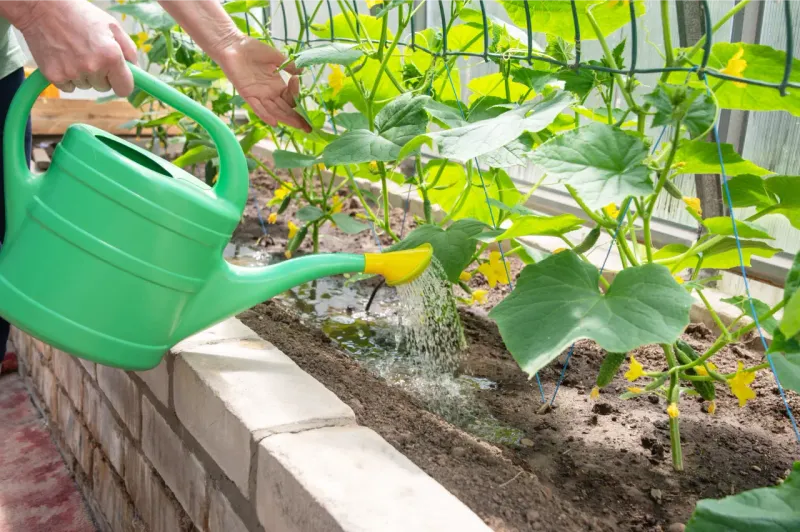
You planted your tomatoes and cucumbers with big hopes, and now they just sit there, green but going nowhere. Small fruit, slow growth, and pale leaves usually mean your plants are hungry for the right nutrients at the right time. The good news is that a few smart feeds can wake them back up and get them plumping out again. Below you will find 16 feeds worth trying, each with a reason it might be exactly what your stalled plants need.
1. Balanced Water-Soluble Fertilizer (like 10-10-10)
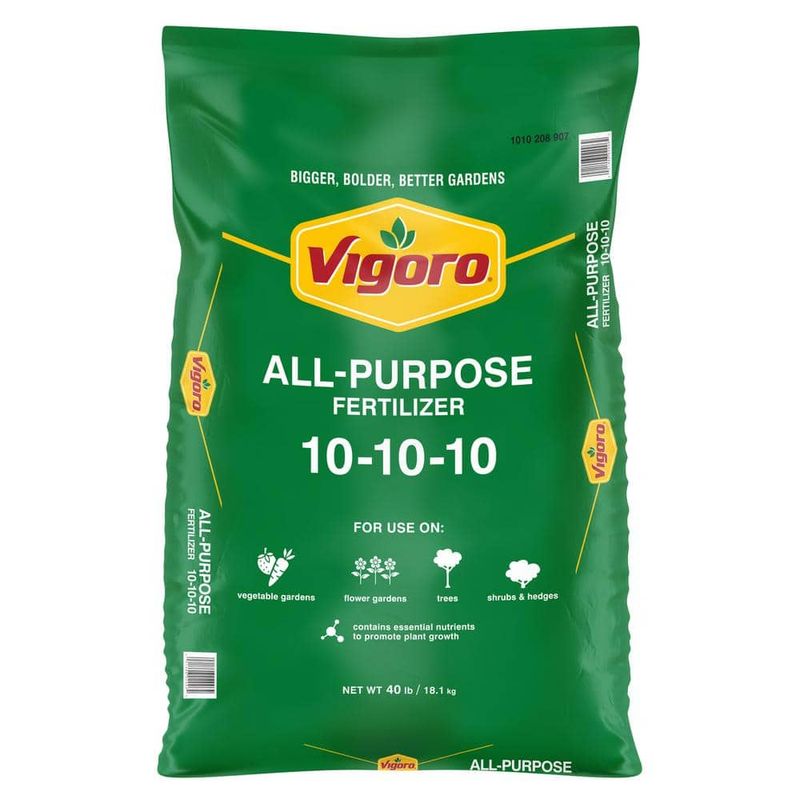
Think of a balanced 10-10-10 as the reset button for confused plants. When you cannot tell whether your tomatoes and cucumbers are short on nitrogen, phosphorus, or potassium, an even blend covers all three bases at once.
Mixing it into water lets the roots grab nutrients within a day or two, which is why gardeners reach for it when plants look frozen in time. A gentle dose every couple of weeks can restart steady growth without pushing the plant too hard in any one direction.
Cucumbers especially seem to respond, often pushing out fresh runners and flowers after a feeding. Tomatoes may green up and set new fruit as the roots recover their appetite.
Just remember to follow the label rate and water the soil first, since feeding dry roots can scorch them. Overdoing it can build up salts that stress plants further, so more is not better here.
Used as a starting point while you figure out the real problem, a balanced water-soluble feed often gives stalled plants the quick nudge they need to begin bulking up again.
2. Fish Emulsion
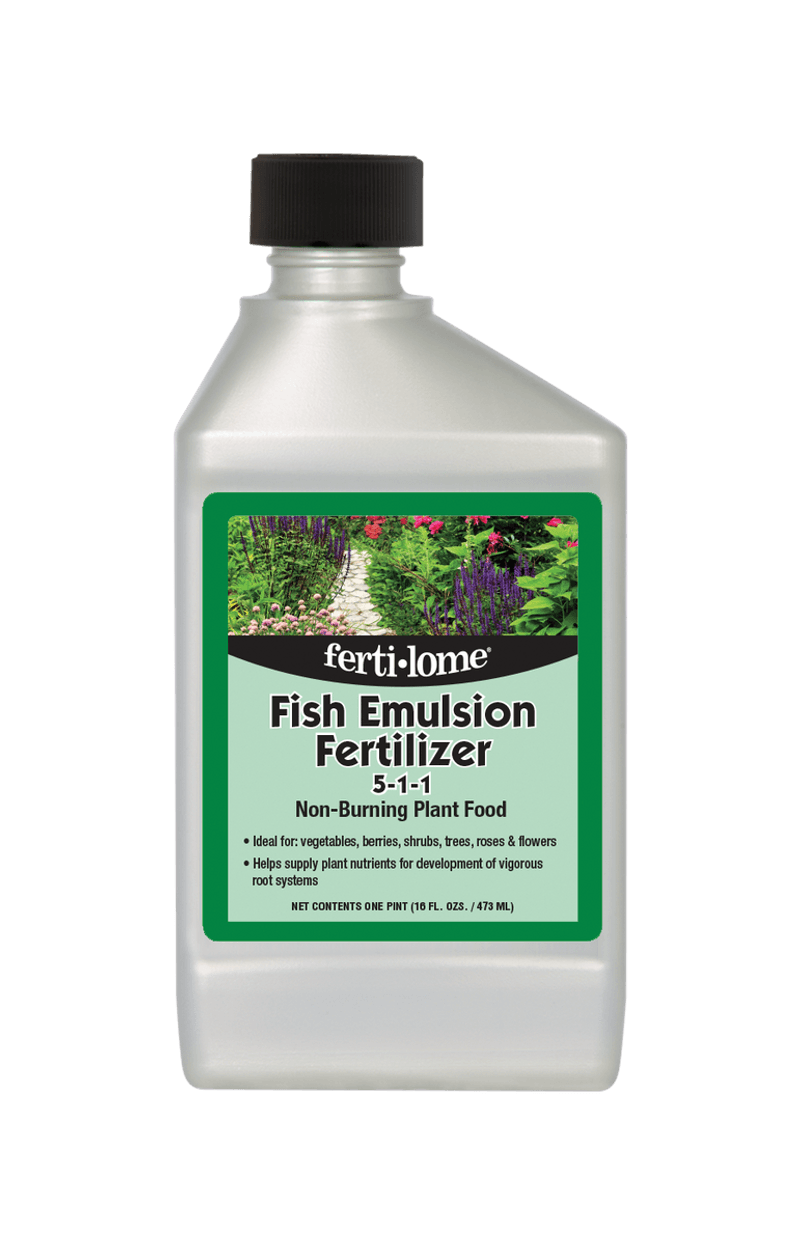
There is a reason old-school gardeners keep a jug of fish emulsion in the shed, even though it smells like the bottom of a bait bucket. Made from ground-up fish parts, this liquid feed delivers a fast hit of nitrogen that hungry, pale plants soak right up.
Stalled cucumbers with yellowing lower leaves often perk up within days, since the nitrogen goes to work almost immediately. Tomatoes putting out weak, spindly growth can fill out with darker, sturdier leaves too.
The trick is dilution. Mix it thin, following the bottle, and pour it around the base rather than on the foliage to avoid the odor lingering and to keep leaves from burning in the sun.
Because it is gentle and organic, fish emulsion rarely shocks plants the way strong synthetic feeds can. That makes it a safe pick when you are nervous about pushing a struggling plant.
Apply it every one to two weeks during the growing stretch, and your veggies may reward you with the fresh, vigorous growth that signals they are finally back on track.
3. Compost Tea
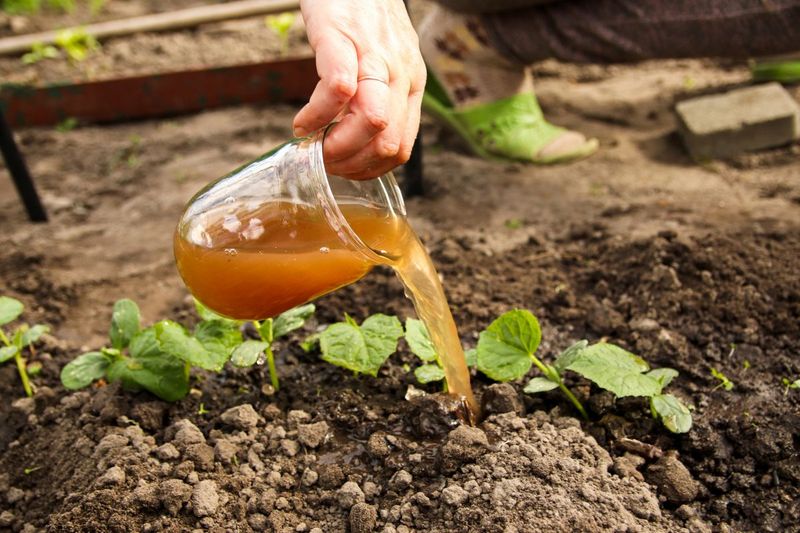
Brewing compost tea feels a bit like making a health drink for your soil. You steep finished compost in water, let it sit for a day or so, then pour the dark liquid around your plants to deliver both nutrients and helpful microbes.
What sets it apart from bagged fertilizer is that it feeds the tiny life in the soil, not just the plant. Those microbes help roots pull up nutrients they were missing, which can explain why a stalled tomato suddenly finds its footing.
Cucumbers grown in tired, worn-out beds often respond well, since the tea can restore some of the biology that season-long watering washes away.
Making it costs almost nothing if you already have a compost pile. Strain it before use so it does not clog your watering can, and apply it fresh for the best effect.
While it will not work miracles overnight, regular applications may gradually improve soil health and give your plants a steadier, more natural path back to bulking up their fruit.
4. Tomato-Specific Fertilizer (Higher Potassium)
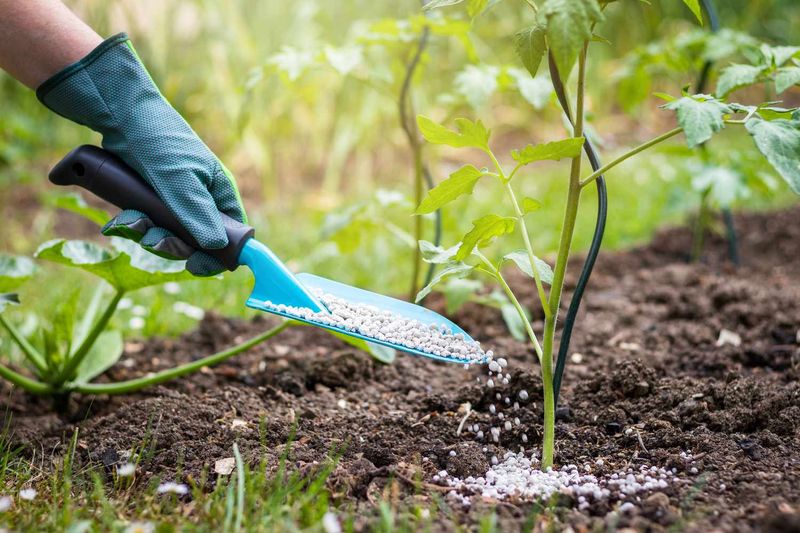
Once your tomatoes start flowering, they stop craving leafy growth and start craving fruit power, and that is exactly what a tomato-specific feed is built for. These blends carry extra potassium, the nutrient that drives flower set and helps fruit swell to full size.
Gardeners who see plenty of green leaves but few tomatoes often find the issue is too much nitrogen and not enough potassium. Switching to a fruit-focused formula can shift that balance and get plants channeling energy into the harvest.
Cucumbers benefit here too, since they are also heavy fruiters that lean on potassium to plump their fruit rather than stall out small and misshapen.
Look for a product where the last number in the ratio is higher than the first, a clear sign it favors fruiting over foliage. Apply it as the label suggests once flowers appear.
Feeding at the right stage matters as much as the feed itself, so timing this one to flowering may be the difference between a shy plant and a heavy, bulking crop.
5. Seaweed or Kelp Extract
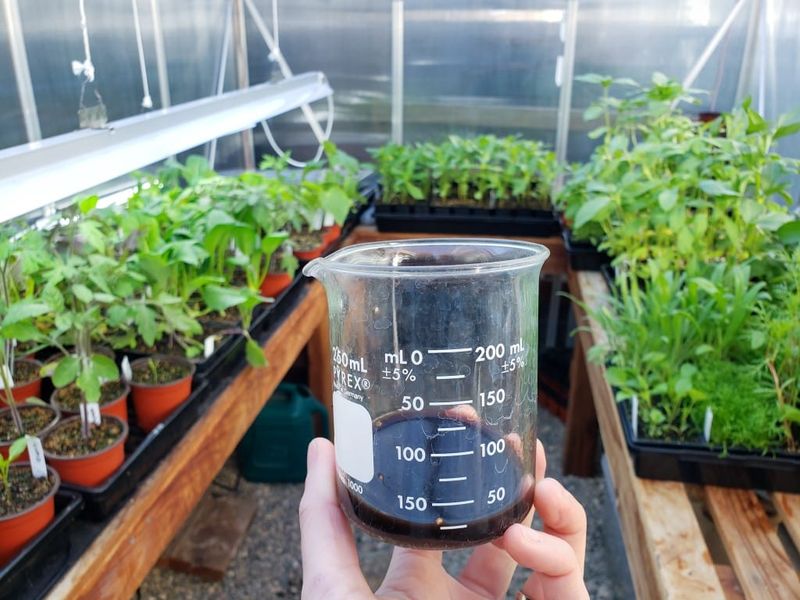
Seaweed extract is the quiet helper that works behind the scenes rather than delivering a big nutrient punch. Pulled from ocean kelp, it is loaded with trace minerals and natural growth hormones that can nudge stressed plants back into action.
Where it really shines is helping plants handle rough patches, like heat waves or transplant shock, that often cause stalling in the first place. A tomato that wilts every afternoon may hold up better after a few kelp feedings.
Cucumbers under summer stress can also steady out, since the extract supports stronger roots and sturdier cell walls. Better roots mean better nutrient uptake, which feeds right back into growth.
You can water it into the soil or spray it on the leaves as a foliar feed for a quicker response. Diluting it properly keeps it gentle enough to use often.
Because it works more like a tonic than a heavy meal, kelp pairs nicely with other feeds on this list. Used together, they may give your plants both the nutrients and the resilience to start bulking again.
6. Epsom Salt (Magnesium Sulfate)
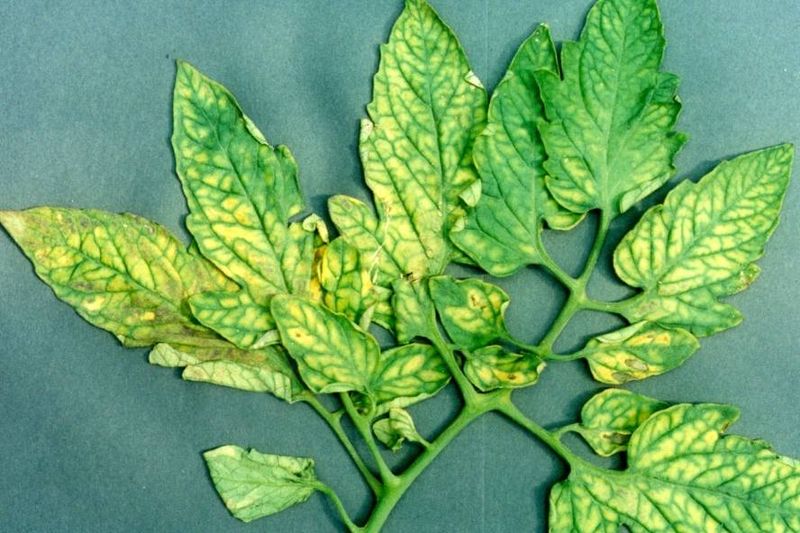
Cheap, common, and sitting in many bathroom cabinets, Epsom salt earns its spot for one specific problem: magnesium shortage. When older tomato leaves turn yellow between the veins while the veins stay green, magnesium is often the missing piece.
Magnesium sits at the heart of chlorophyll, the stuff that keeps leaves green and running the food factory. Fix the shortage and those tired leaves can green back up, letting the plant power fresh growth and fruit.
A common method is dissolving a tablespoon or so in a gallon of water and drenching the soil, though a light foliar spray can act faster on struggling leaves.
Cucumbers can show the same tell-tale yellowing pattern, and they may respond just as well to a magnesium boost.
One honest caution: Epsom salt only helps if magnesium is truly the problem. Dumping it on healthy plants does nothing useful and can throw soil out of balance.
Used as a targeted fix rather than a routine feed, it can be the simple, low-cost answer that gets stalled plants moving.
7. Bone Meal
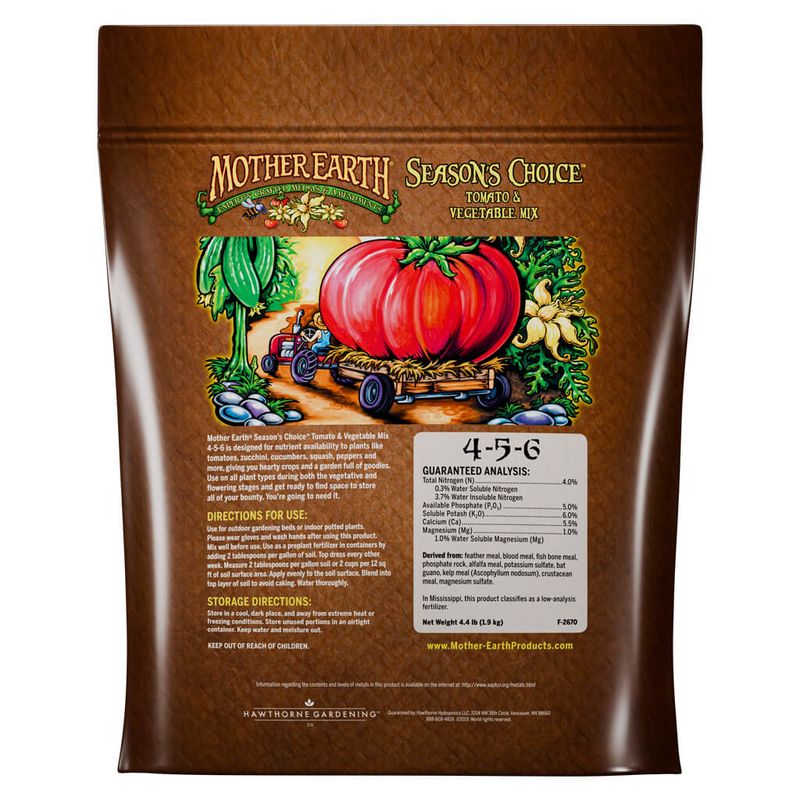
Ground from animal bones, this slow-release powder is all about phosphorus, the nutrient that builds strong roots and fuels flowering. A plant that cannot flower well cannot fruit well, which is where bone meal quietly comes to the rescue.
Stalled tomatoes that seem stuck in leaf-only mode sometimes lack the phosphorus needed to switch over to blooming. Working bone meal into the soil around them can, over a few weeks, encourage more flowers and better fruit set.
Cucumbers with weak root systems may also benefit, since stronger roots pull up more water and nutrients to support heavy fruiting.
Because it releases slowly, bone meal will not scorch plants and keeps feeding for weeks after you apply it. Scratch it into the top layer of soil or mix it in at planting time for the best results.
Keep in mind it works best when soil is not already loaded with phosphorus, so a cheap soil test can save you from overdoing it. For plants struggling to flower and root, bone meal may provide the steady foundation they need to finally bulk up.
8. Worm Castings
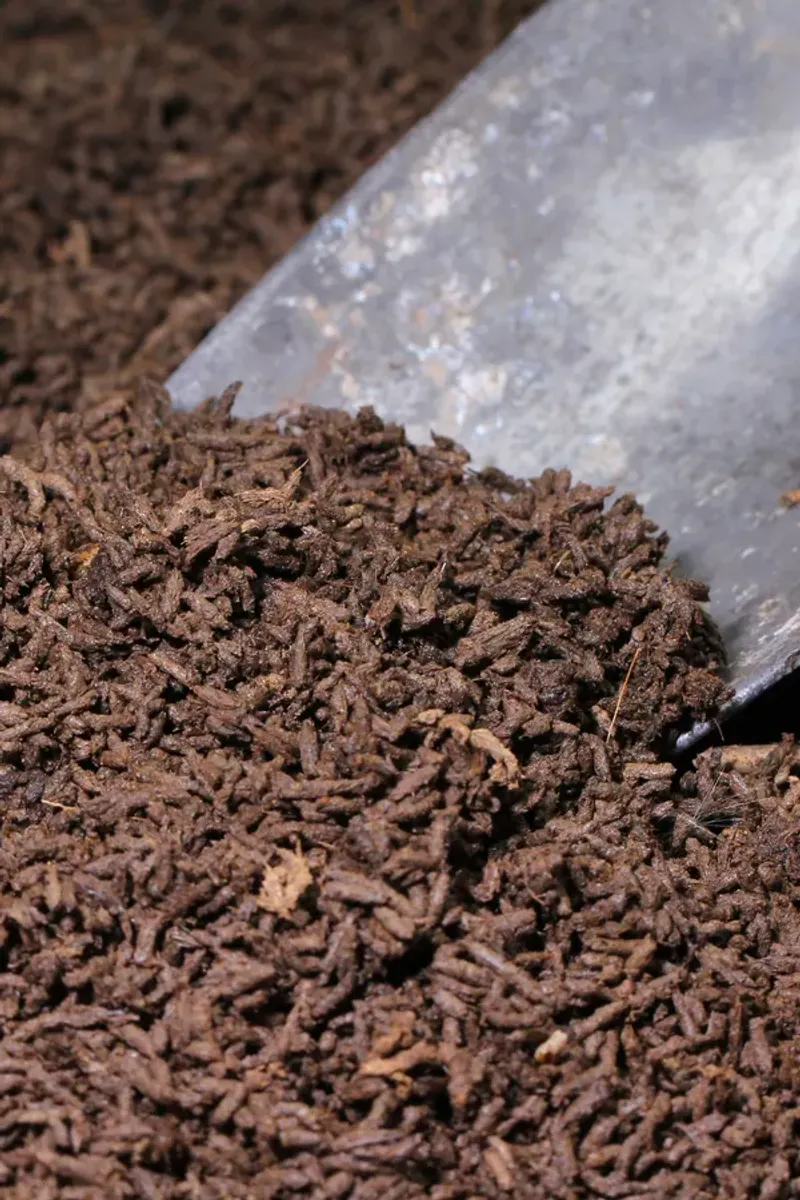
Gardeners lovingly call worm castings black gold, and once you see how plants respond, the nickname makes sense. These are simply worm droppings, but they are packed with gentle nutrients and beneficial microbes that improve soil in a hurry.
What makes castings special is how mild they are. You practically cannot burn a plant with them, which makes them ideal for feeding a stressed, stalled tomato that might not handle a stronger fertilizer.
Scratched into the soil surface or brewed into a tea, they release nutrients slowly while improving the soil’s ability to hold water and air. Cucumbers grown in loose, castings-rich soil often develop healthier roots and steadier growth.
A handful worked around each plant every few weeks can keep the feeding gentle and consistent. Over time, the improved soil life helps plants access nutrients they were struggling to reach.
They will not deliver a dramatic overnight surge, and that is fine. For plants that need nurturing back to health rather than a hard push, worm castings may be the calm, reliable feed that gets them growing again.
9. Blood Meal
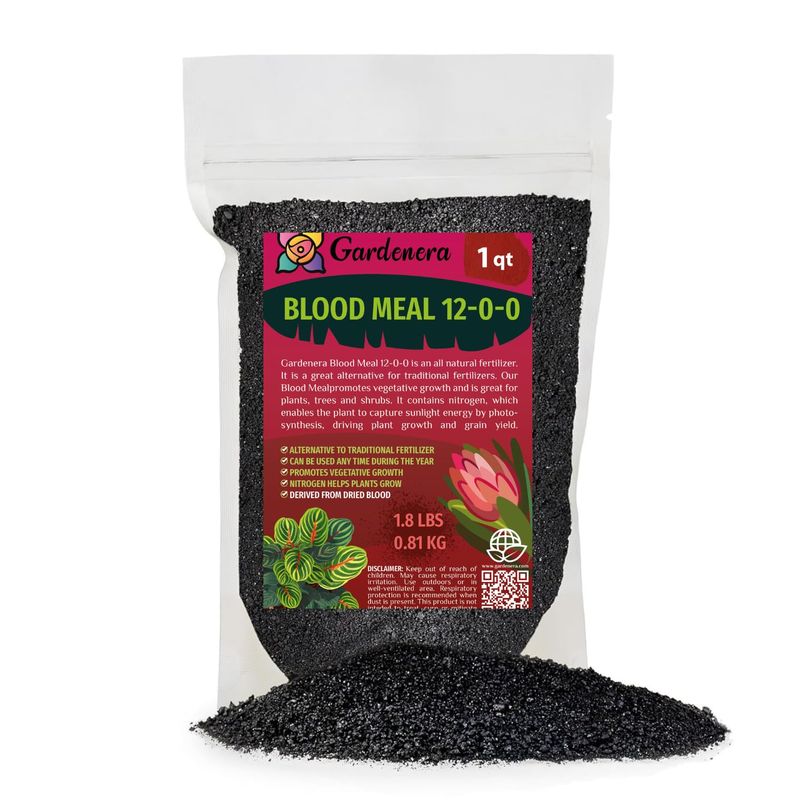
When a plant is screaming for nitrogen, blood meal answers loud and clear. Dried and powdered animal blood might sound grim, but it is one of the most concentrated organic nitrogen sources a gardener can buy.
Pale, yellowing plants with slow, stunted growth are often nitrogen-starved, and blood meal can green them back up fast. Cucumbers that have exhausted the soil early in the season sometimes bounce back after a careful application.
The catch is its strength. Too much nitrogen pushes leafy growth at the expense of fruit and can even burn roots, so this is a feed you measure carefully and use sparingly.
Because it works quickly compared to many organic options, blood meal is handy when a plant needs help now rather than in a few weeks. Scratch a small amount into the soil and water it in well.
Save it for cases where nitrogen shortage is clearly the issue, not as a routine boost. Applied with a light hand at the right moment, it may give a truly hungry plant the jolt it needs to start growing again.
10. Calcium Nitrate
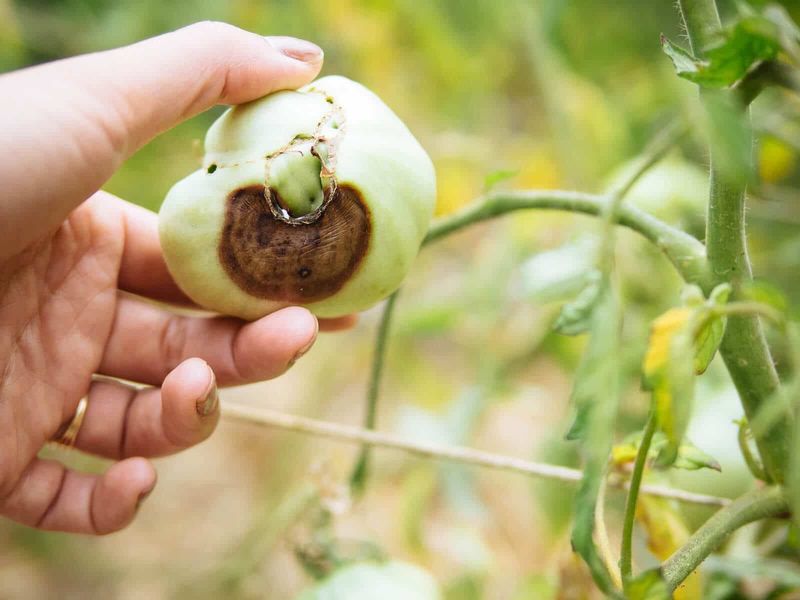
Ever bite into a tomato and find an ugly brown, sunken patch on the bottom? That is blossom end rot, a calcium problem, and calcium nitrate is the feed aimed straight at it. It delivers both calcium and a dose of quick nitrogen in one shot.
Plants stalling with rotten or misshapen fruit are often not lacking calcium in the soil, but struggling to move it up into the fruit. A soluble source like this can help bridge that gap when watering is kept steady.
Cucumbers can suffer their own calcium-related troubles, showing poor tip growth and weak fruit that a targeted feed may improve.
Dissolve it in water and apply according to the label, keeping soil moisture even, since erratic watering blocks calcium uptake no matter how much you add.
Do not lean on it as an everyday fertilizer, though, because too much can throw other nutrients off balance. Reach for calcium nitrate when blossom end rot or poor fruit development points to a calcium snag, and it may help your plants set clean, healthy fruit again.
11. Aged Manure
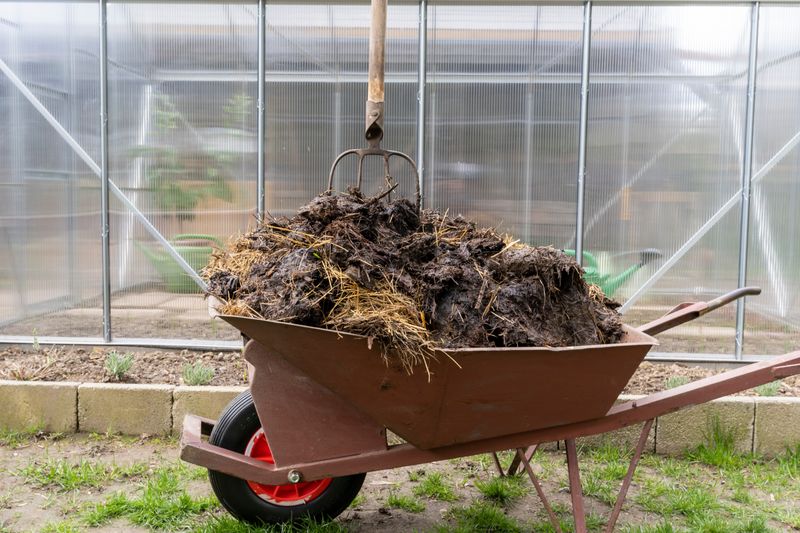
Farmers have trusted aged manure for centuries, and backyard gardeners still swear by it for tired, hungry soil. Well-rotted cow, horse, or chicken manure feeds plants slowly while rebuilding the ground they grow in.
The word aged matters a lot here. Fresh manure is too strong and can burn roots or introduce weeds, but composted manure mellows into a rich, balanced feed that is gentle on stalled plants.
Worked into the bed around tomatoes and cucumbers, it releases nutrients over weeks and improves how well the soil holds moisture. Plants that were coasting on depleted dirt often regain vigor as the manure kicks in.
Chicken manure runs higher in nitrogen, making it useful for pale, sluggish growth, while cow and horse manure offer a milder all-around boost.
Spread a layer as a top dressing or mix it in, then water well to start the nutrients moving toward the roots. It is a slow, steady approach rather than an instant fix, but over the season aged manure may give your plants the deep nourishment they need to bulk up.
12. Alfalfa Meal
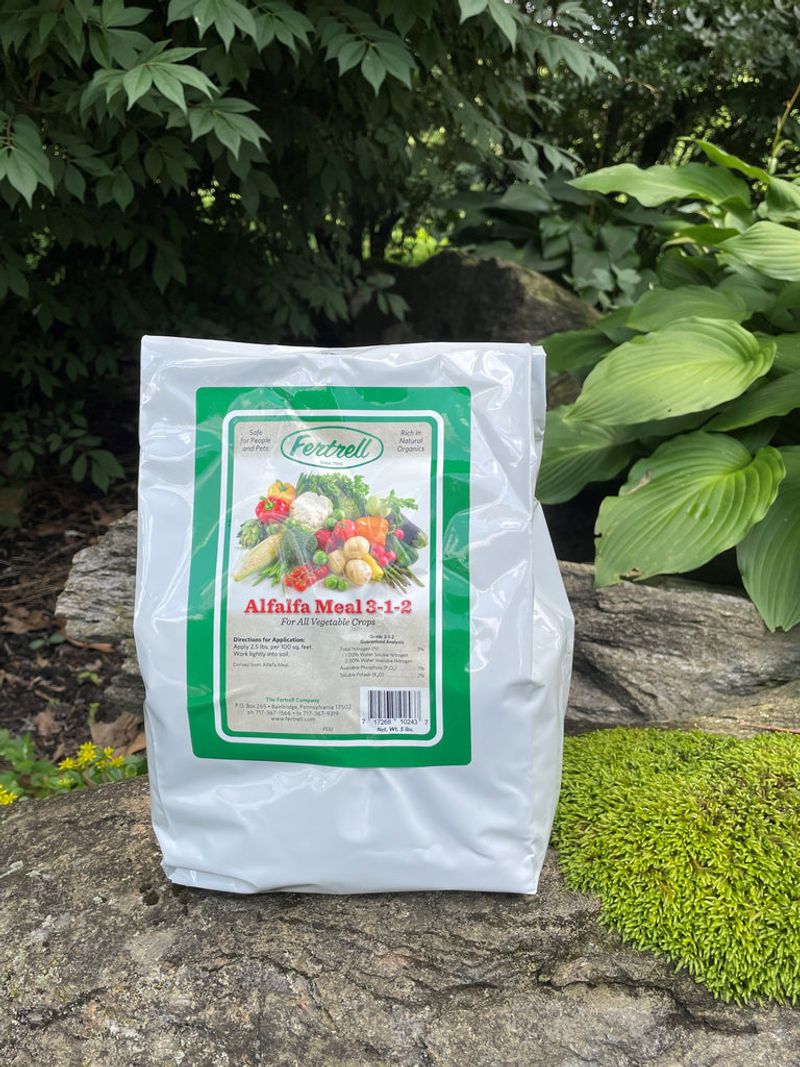
Alfalfa meal is a bit of a hidden gem, better known for feeding livestock than plants. Yet this ground-up legume carries a natural growth stimulant called triacontanol that can spark a noticeable burst of activity in tired plants.
Beyond that boost, it supplies gentle nitrogen and a range of minerals, feeding both the plant and the soil life around it. Tomatoes that have plateaued sometimes push new growth after alfalfa goes down.
Cucumbers seem to appreciate the slow, steady nutrients too, especially in beds that have been worked hard all season. As the meal breaks down, it also feeds earthworms and microbes that keep soil healthy.
You can scratch it into the soil around plants or brew it into a tea for faster action, though the tea can smell strong while it steeps. A little goes a long way, since too much can heat up as it decomposes.
For gardeners looking for an organic feed with an extra edge, alfalfa meal may deliver both nourishment and that gentle growth nudge stalled plants are missing.
13. Liquid All-Purpose Plant Food
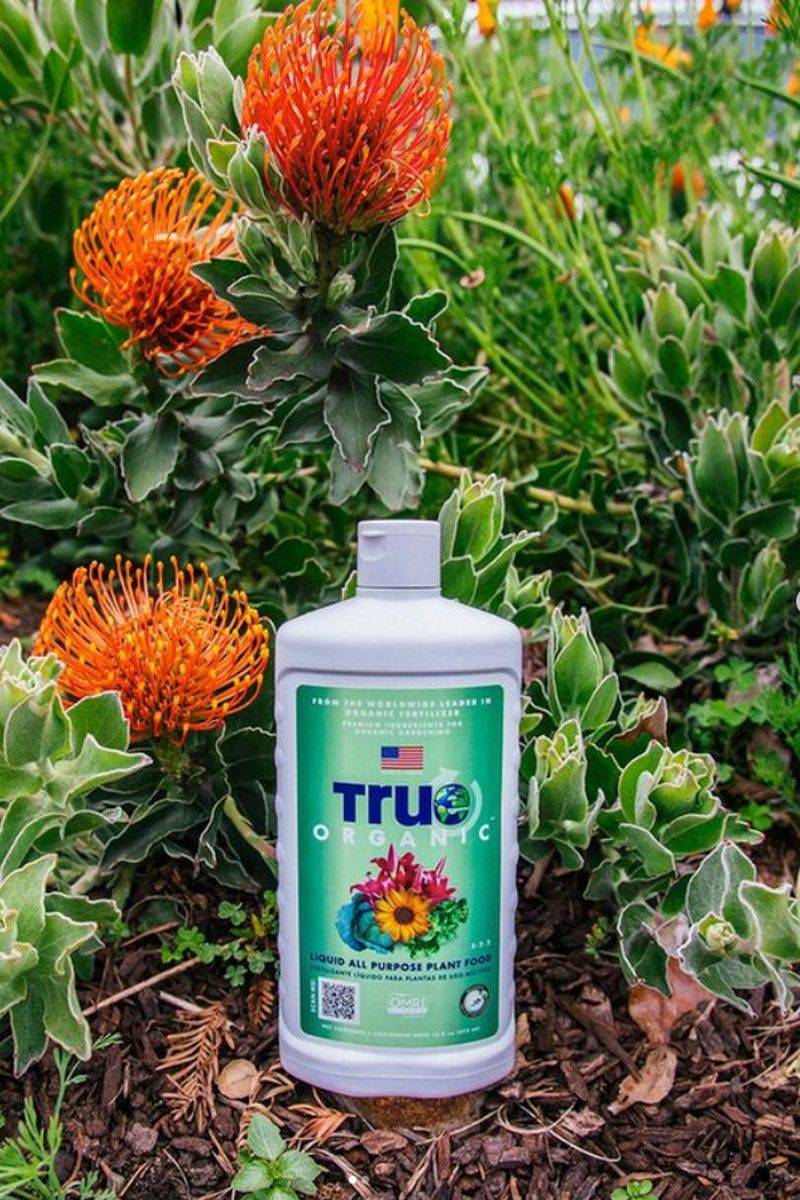
Sometimes you just want something simple that works, and a good liquid all-purpose plant food fits that need perfectly. Mixed into your watering can, it feeds through both the roots and leaves for a quick response.
The big appeal is speed and convenience. When a plant looks stalled and you are not sure exactly what is wrong, a balanced liquid feed can deliver a broad set of nutrients while you troubleshoot the deeper cause.
Tomatoes often show renewed growth within a week, and cucumbers frequently start pushing fresh flowers after a couple of feedings. Because it is diluted in water, it reaches the roots almost right away.
Stick to the recommended strength, since these products are potent and easy to overuse. Feeding on a regular schedule, such as every one to two weeks, keeps nutrient levels steady rather than swinging up and down.
It is not a specialist tool for a single problem, but that flexibility is exactly the point. For busy gardeners who want a dependable, low-effort feed, an all-purpose liquid may keep stalled plants moving back toward a full harvest.
14. Banana Peel Fertilizer
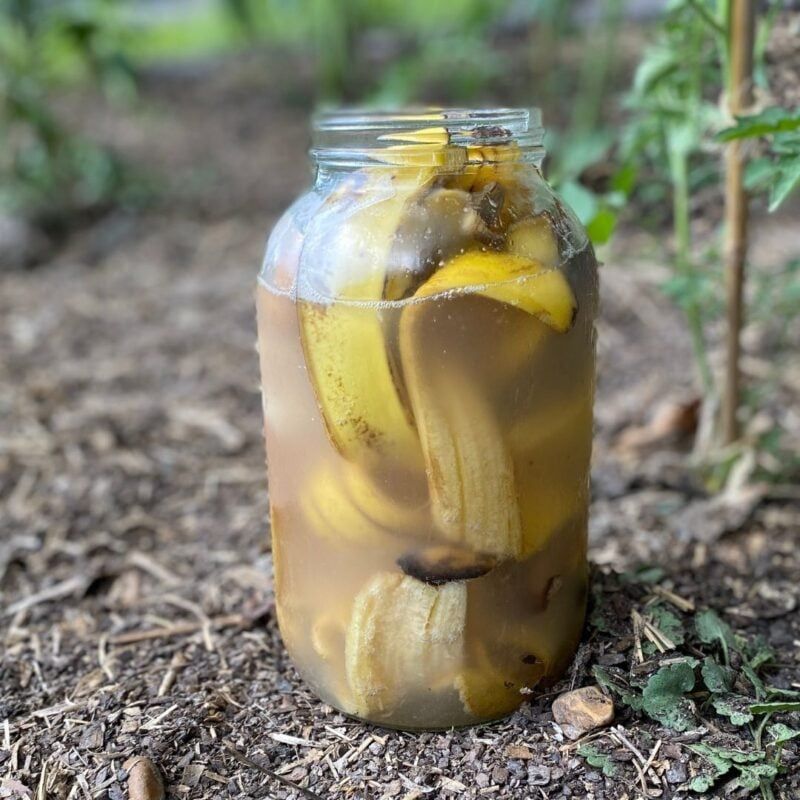
Before you toss that banana peel, know that it is basically a free potassium supplement for your fruiting plants. Potassium drives flowering and fruit swell, exactly what a stalled tomato or cucumber needs to bulk up.
The kitchen-scrap approach appeals to gardeners who love using what they already have. Some folks chop peels and bury them near the roots, while others soak peels in water for a few days to make a simple potassium-rich tea.
As the peels break down, they slowly release potassium along with smaller amounts of other minerals into the soil. Plants stuck with plenty of leaves but few fruit may respond to this gentle nudge over time.
Keep expectations realistic, since a single peel will not transform a struggling plant overnight. It works best as a low-cost supplement alongside a more complete feed.
Bury peels a few inches down to avoid attracting pests to the surface, and let nature do the slow work. For thrifty gardeners, banana peel fertilizer may add just enough potassium to help fruit fill out and finish strong.
15. Slow-Release Granular Fertilizer
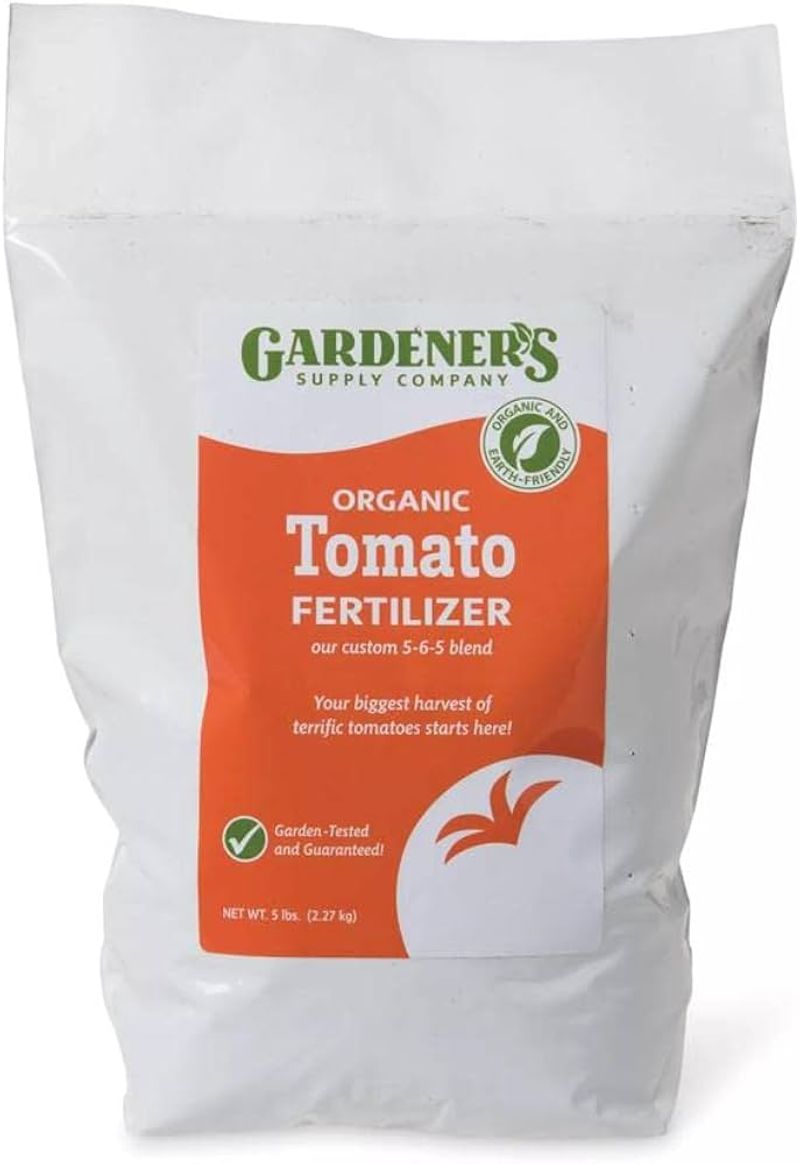
For gardeners who forget to feed on schedule, slow-release granules are a lifesaver. You work them into the soil once, and they drip out nutrients steadily over weeks or even months as water and warmth break them down.
Consistency is their superpower. Instead of the feast-and-famine swings that stress plants, these granules keep a gentle supply of nutrients flowing, which suits tomatoes and cucumbers as they settle into steady, bulking growth.
Plants that stalled from irregular feeding often stabilize once granules provide that even background nourishment. Because the release is gradual, there is far less risk of burning roots than with a heavy dose of soluble fertilizer.
Choose a vegetable or tomato blend, scratch it into the soil around each plant, and water it in to get things started. Reapply according to the label, usually every couple of months during the season.
It is a set-it-and-mostly-forget-it option rather than an instant rescue, so pair it with a quick liquid feed if a plant needs help right away. For long-haul, hands-off feeding, slow-release granules may keep your crop growing without constant fuss.
16. Coffee Grounds (Used Sparingly)
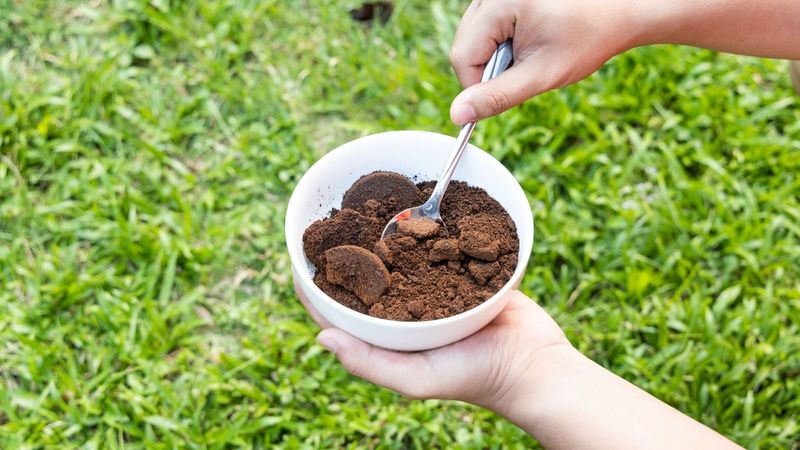
That leftover filter of used coffee grounds does not have to hit the trash. Sprinkled thinly around your plants, grounds add a bit of nitrogen and organic matter as they break down into the soil.
The reason they land last on this list is that they are more of a soil conditioner than a true feed. They release nutrients slowly and in small amounts, so they support rather than rescue a stalled plant.
Worked lightly into the topsoil, grounds can improve texture and feed the earthworms and microbes that keep soil lively. Tomatoes and cucumbers growing in healthier soil generally handle stress and feeding better.
Moderation is key, since a thick, wet clump of grounds can mat down, block water, and even grow mold. A thin scatter mixed into the surface is the safe approach.
Do not count on coffee grounds alone to bulk up your fruit, but as a free addition to your overall routine, they may quietly improve your soil over time and help other feeds on this list work a little better.