
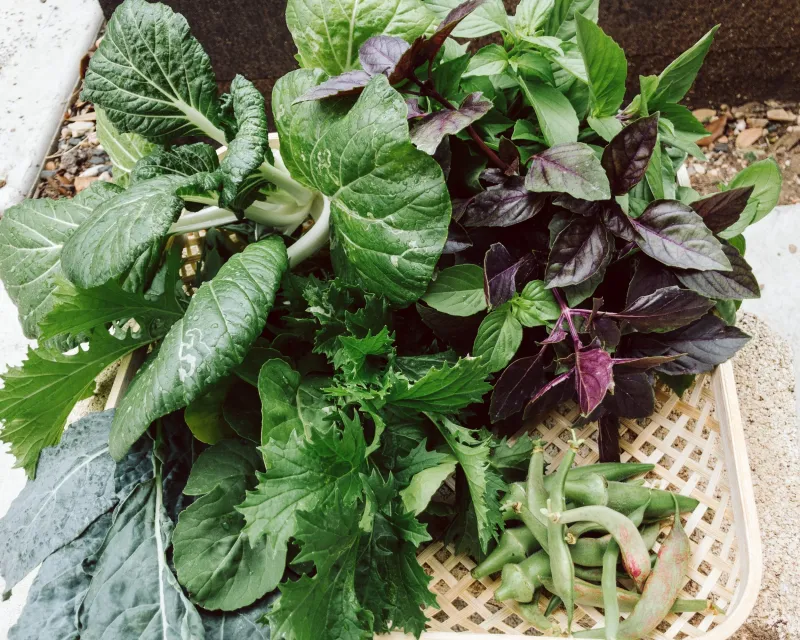
August in Texas feels like the sun is trying to win a fight with your garden, but this brutal month is actually the secret to a huge fall harvest. While the heat is still cranking, cool-season crops need to go in the ground now so they have time to grow before the first light frost. Getting your timing right in a Texas summer means the difference between a bare fall garden and baskets full of homegrown food. Here are the vegetables Texas gardeners should plant this August to keep their yard producing all season long.
1. Tomatoes
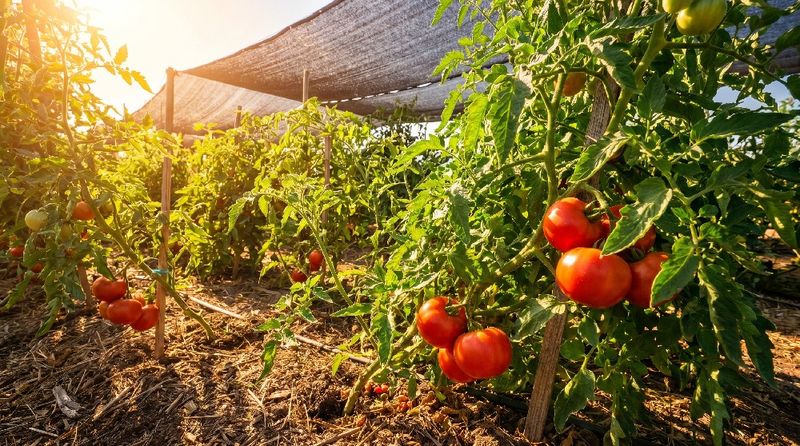
Most folks think tomato season ends when the July heat scorches their plants, but savvy Texas gardeners know August is prime time for a second act. Setting out transplants now gives them just enough runway to mature before the first fall frost, and cooler autumn nights actually make the fruit sweeter than the summer batch.
Reach for heat-tolerant varieties bred for our climate, like Celebrity, Solar Fire, or Heatmaster. These shrug off lingering triple-digit afternoons better than the big beefsteak types that tend to drop their blossoms when the thermometer climbs.
Give young transplants some afternoon shade cloth for the first week or two while temperatures are still punishing. Water deeply at the base in the early morning to beat evaporation and to keep leaves dry, which helps reduce fungal trouble. Mulch heavily to lock moisture into the soil, an important habit when watering restrictions kick in.
Fun bit of Texas trivia: a fall tomato crop often outperforms spring because the plants avoid the worst of the summer stink bugs and spider mites that peak in June. Keep an eye out for that first ripe fruit around October, right when your neighbors are giving up on their gardens.
2. Bush and Pole Beans
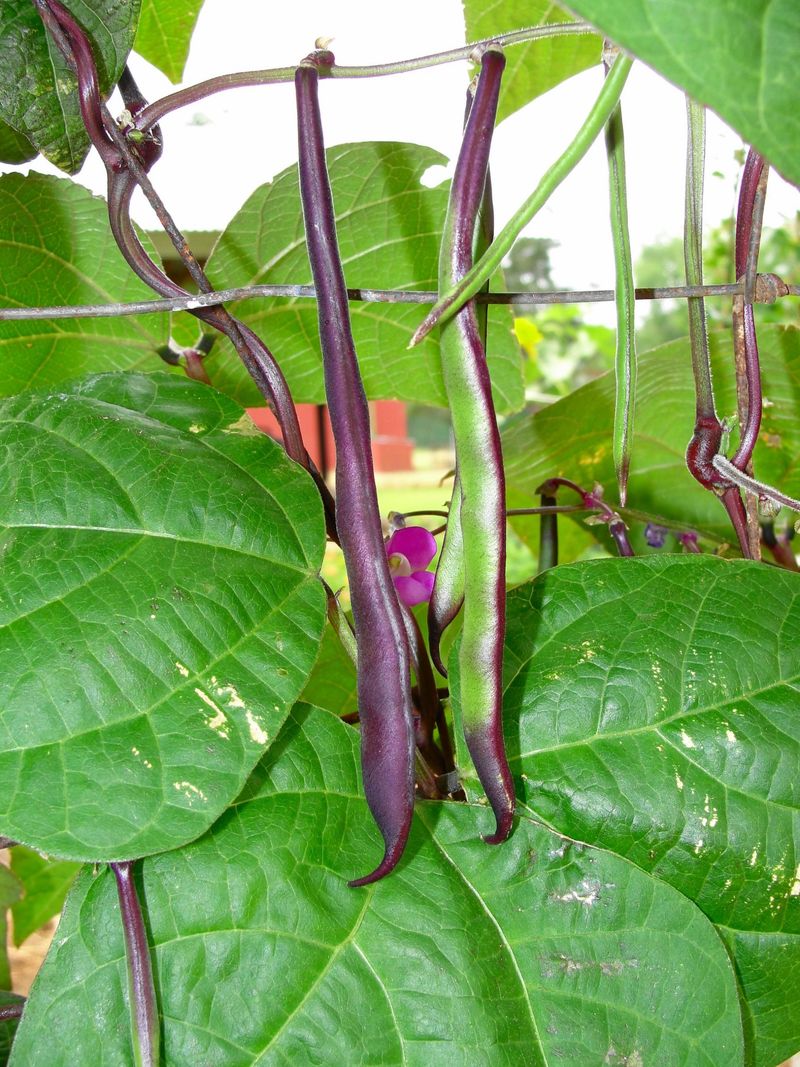
Snap beans have a superpower that makes them a natural for the August planting rush: they grow fast. Many varieties go from seed to snap-ready pods in just 50 to 60 days, so a mid-August sowing lands you a harvest well before the cool weather arrives.
Bush beans like Contender and Provider need no trellis and produce a concentrated crop, which is handy if you want to can or freeze a big batch at once. Pole beans such as Kentucky Wonder climb high and keep producing over a longer stretch, giving you a steadier trickle of pods through the fall.
Sow the seeds directly into warm Texas soil, about an inch deep, and they will pop up within days thanks to the residual summer heat. Keep the ground consistently moist during germination, then ease off a bit once the plants are established.
Beans do double duty in the garden by pulling nitrogen from the air and feeding it back into your soil, which sets up whatever you plant there next. Watch for stink bugs and spider mites during the last of the summer heat, and pick pods often to keep the plants cranking out more.
3. Cucumbers
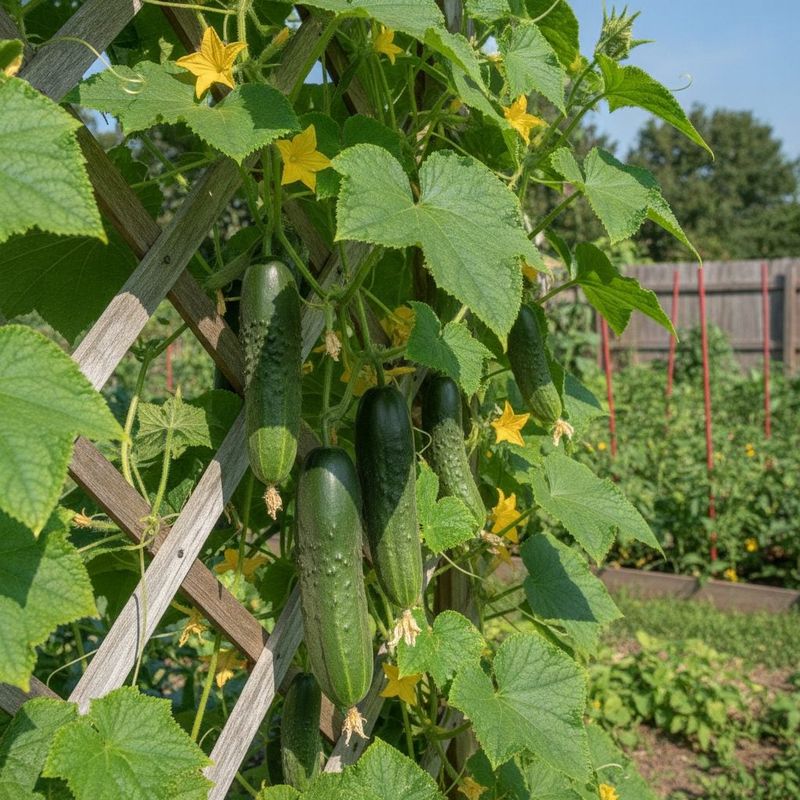
Craving a crisp, cool bite when the weather finally breaks? Cucumbers planted in August deliver exactly that, and they race to the finish line faster than almost anything else in the fall garden. Many types are ready to pick in around 50 to 60 days from seed.
The trick with Texas cucumbers is keeping the water steady. Uneven watering leads to bitter, misshapen fruit, so a soaker hose or drip line running in the early morning works wonders while respecting municipal water limits.
Give vining varieties a trellis to climb. Vertical growth saves precious garden space, improves air flow to fight off powdery mildew, and keeps the cucumbers off the hot ground where they can rot or get chewed by pests.
Bush types like Spacemaster suit container gardens and small patios, while classics like Straight Eight reward you with plenty of slicing cukes. Pollinators do the heavy lifting here, so plant a few flowers nearby to invite bees into the patch. A steady fall crop means fresh salads and homemade pickles right through the cooler months.
4. Summer and Winter Squash
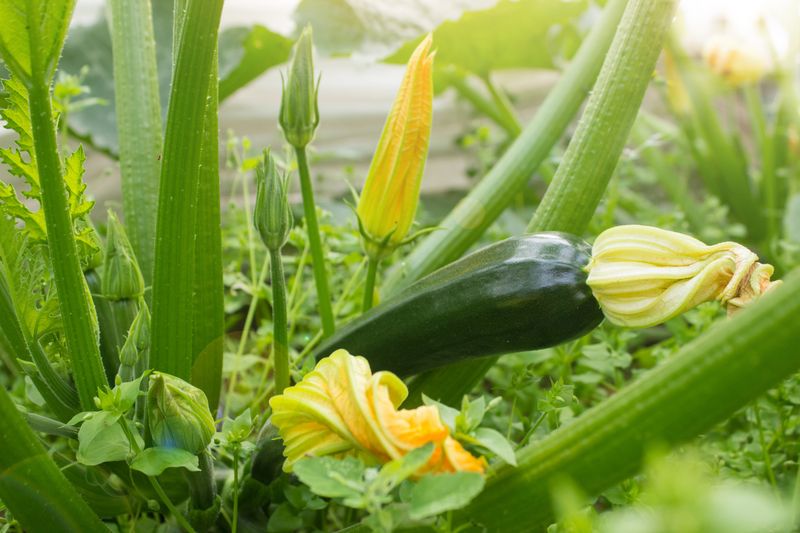
Squash rewards the impatient gardener, shooting up big leaves and cheerful yellow blooms within weeks of planting. An August sowing catches the tail end of the heat squash loves while setting up a harvest before frost puts an end to the fun.
Yellow crookneck and zucchini fall into the summer squash camp and turn out tender fruit in as little as 50 days. Winter squash such as butternut and acorn take longer, so get those seeds in early in the month to give the vines the full season they need to ripen a hard, storable rind.
The main headache in Texas is the squash vine borer, a sneaky pest that tunnels into stems and wilts an entire plant seemingly overnight. Planting later in the season can help you dodge the worst of the borer generations, and wrapping the lower stem with foil may reduce their access.
Feed these hungry plants with compost-rich soil and keep the moisture consistent. Harvest summer squash young and often for the best texture, and let winter squash cure in the sun after picking so it keeps for months in the pantry.
5. Broccoli
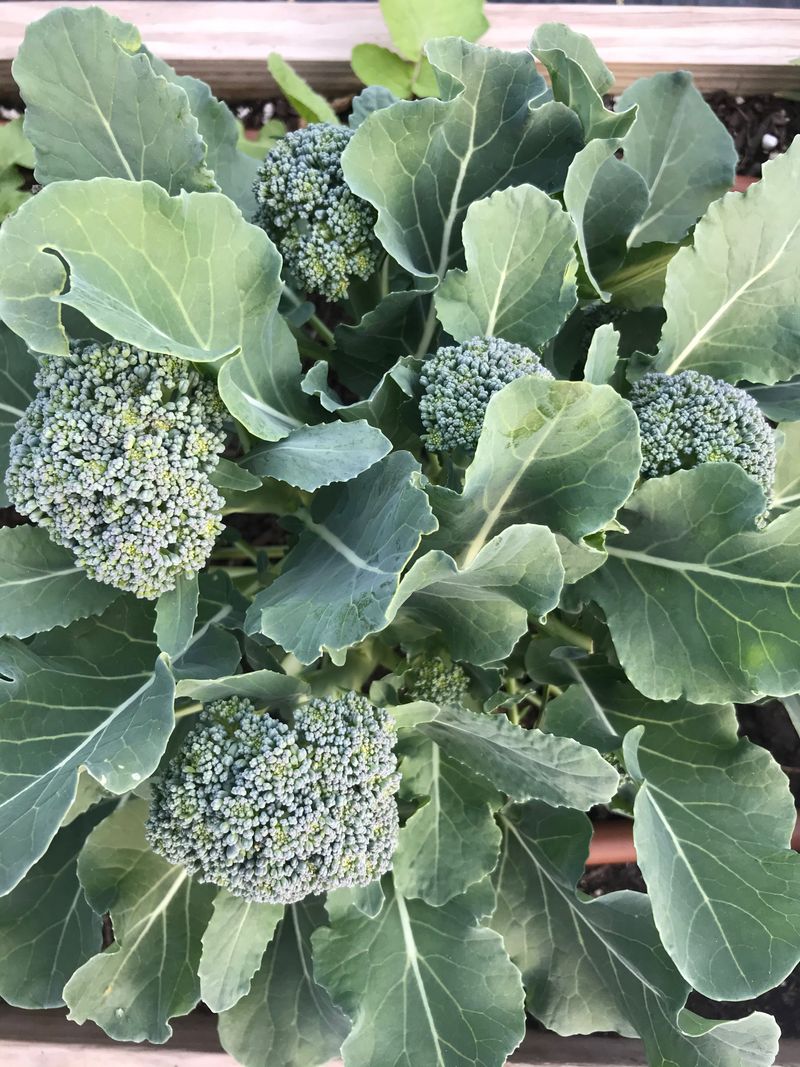
Cool-season royalty, broccoli thrives in the crisp autumn weather that follows a Texas summer, but the clock starts ticking in August. Start seeds indoors or in a shaded spot now, then transplant the seedlings out as the worst heat begins to fade in early fall.
Broccoli needs a long, steady stretch of mild weather to form those tight green heads, which is why timing matters so much here. Push the planting too late and the heads may not size up before the season turns; too early and the young plants bake in the sun.
Once you cut the main central head, do not yank the plant. Most varieties keep pushing out smaller side shoots for weeks, stretching a single planting into a generous, ongoing harvest.
Cabbage loopers and aphids can move in during the transition months, so check the undersides of leaves regularly. A floating row cover offers physical protection, and a strong blast of water can knock aphid colonies off before they get comfortable. Come fall, few things beat a head of broccoli you grew through the Texas heat yourself.
6. Carrots
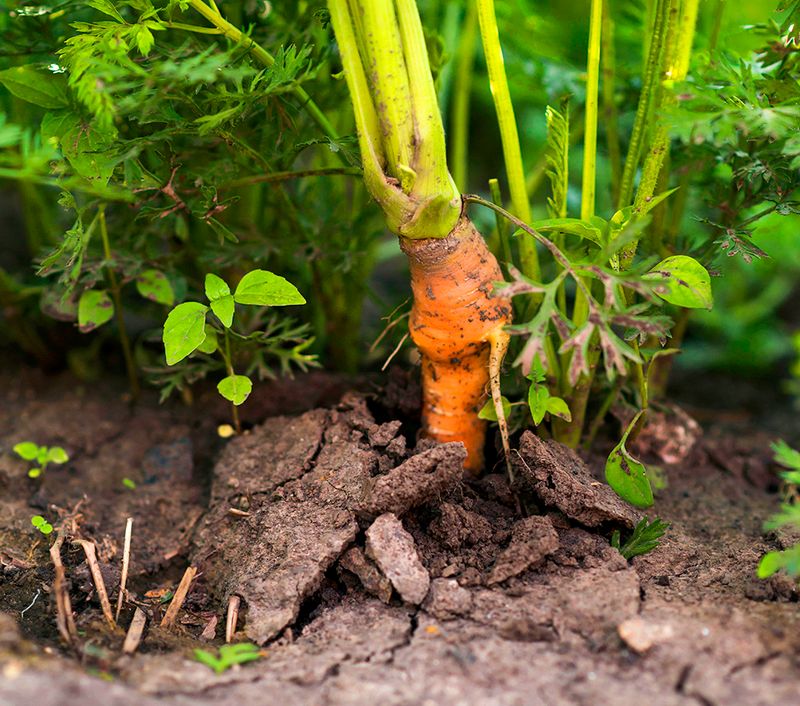
Patience pays off with carrots, and there is real magic in pulling a bright orange root out of the ground months after tucking a tiny seed into the soil. Sowing in late August means the roots mature as the weather cools, and a light fall chill actually concentrates their sugars for a sweeter crunch.
Texas clay soil can stunt or fork carrots, so loosen the bed deeply or grow them in a raised bed with sandy, loose soil. Rocks and hard clumps force the roots to twist into funny shapes, which is more of a laugh than a loss but easy to avoid.
Carrot seeds are tiny and slow to sprout, sometimes taking two to three weeks. Keep the surface consistently moist during that window, since a dried-out seedbed is the most common reason a carrot row never comes up. A thin layer of mulch or a board laid over the row helps hold moisture until they germinate.
Thin the seedlings once they are a couple inches tall so each carrot has room to fatten. Shorter varieties like Danvers or Nantes cope better with heavier soils than the long slender types.
7. Leafy Greens (Lettuce, Spinach, and Kale)
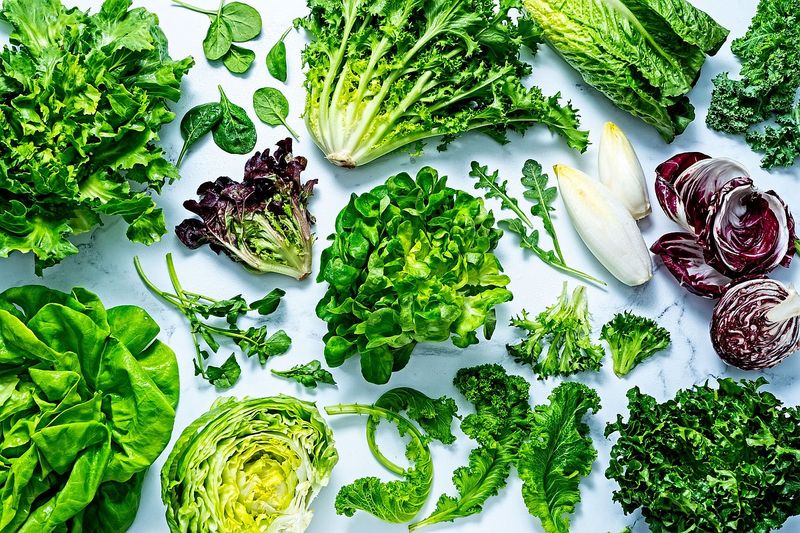
When you want fast results and low fuss, leafy greens are the workhorses of the fall garden. Lettuce, spinach, and kale bolt and turn bitter in summer heat, but plant them toward the end of August and they hit their stride as temperatures ease into autumn.
Loose-leaf lettuces let you harvest outer leaves while the plant keeps growing, giving you salad after salad from a single sowing. Spinach loves the cooling nights, and kale is downright tough, often surviving a light Texas frost and tasting sweeter for it.
Start seeds in a spot with a little afternoon shade while the sun is still fierce, then let the plants soak up full sun as the days shorten. Keep the soil evenly moist, because greens grown under drought stress turn bitter and tough.
A cut-and-come-again approach stretches your harvest for weeks. Snip what you need, water well, and watch fresh leaves fill back in. Slugs and aphids are the usual troublemakers, so scatter your plantings and check leaves often to keep the salad bowl coming.
8. Bell and Chili Peppers
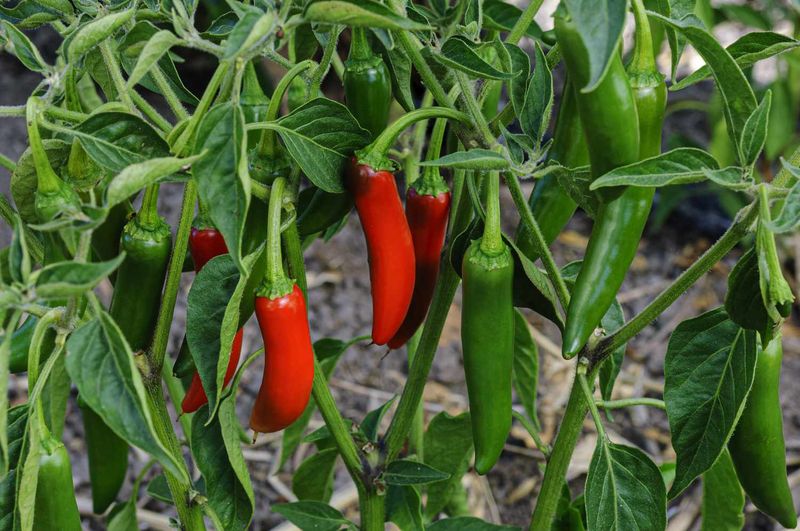
Peppers are the ultimate Texas heat lovers, and unlike most vegetables that sulk in summer, they keep setting fruit right through August warmth. Transplants put in now settle in fast and reward you with a heavy flush of peppers once nights start to cool and blossoms hold better.
Sweet bells, jalapenos, serranos, and Anaheim types all do beautifully in our long growing season. Established plants from spring will often perk up and produce a second wave in fall, so do not rip out tired peppers just yet.
Give them consistent water and a boost of compost to fuel that fall production. Too much nitrogen, though, and you will get lush green plants with disappointingly few peppers, so go easy on the high-nitrogen fertilizer.
Here is a handy tidbit: bell peppers left on the plant longer turn from green to red, yellow, or orange and grow noticeably sweeter and richer in vitamins. Fall is the perfect time to let a few ripen fully. Watch for pepper weevils and hornworms, and harvest regularly to keep the plants motivated to make more.