
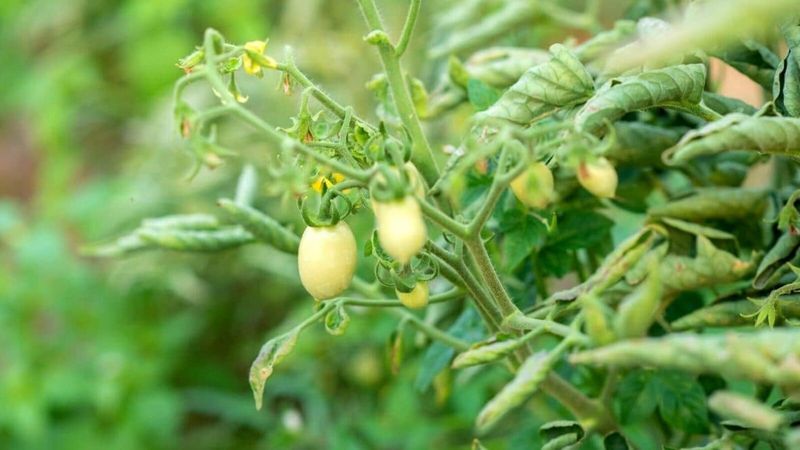
You walk out to check your tomato plants and notice the leaves are rolling, cupping, or twisting instead of lying flat. It can feel scary, like your whole crop is about to fail, but curling leaves are actually your plant waving a flag and asking for help. The good news is that most causes are easy to spot once you know what to look for, and many have simple fixes you can start today. Below are 22 reasons your tomato leaves curl and a quick fix for each one so you can get your plants back on track.
1. Heat Stress
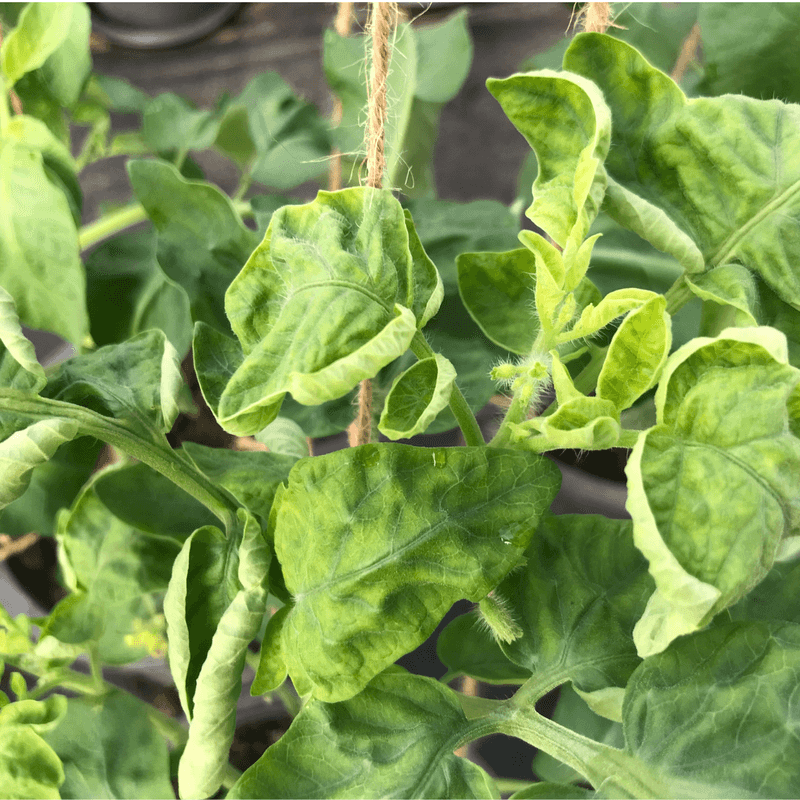
Picture a hot July afternoon when the thermometer climbs past 90 degrees and your tomato plants suddenly look like they are hugging themselves. That upward cupping and rolling of the leaves is a protective move, not a death sentence.
When temperatures soar, tomatoes curl their leaves to shrink the surface area exposed to the sun. Less exposed leaf means less water lost to evaporation, so the plant is basically slowing down its own sweating to survive the blaze.
You will usually see this on the hottest part of the day, and the leaves often relax again once the sun sets and things cool off. If that happens, you know heat is the culprit rather than a disease.
To ease the strain, water deeply in the early morning so roots are fully charged before the heat hits. A little afternoon shade cloth can also help a lot during a brutal stretch. Mulching around the base keeps soil temperatures steadier, which often reduces the daily curling you see on scorching summer days.
2. Underwatering
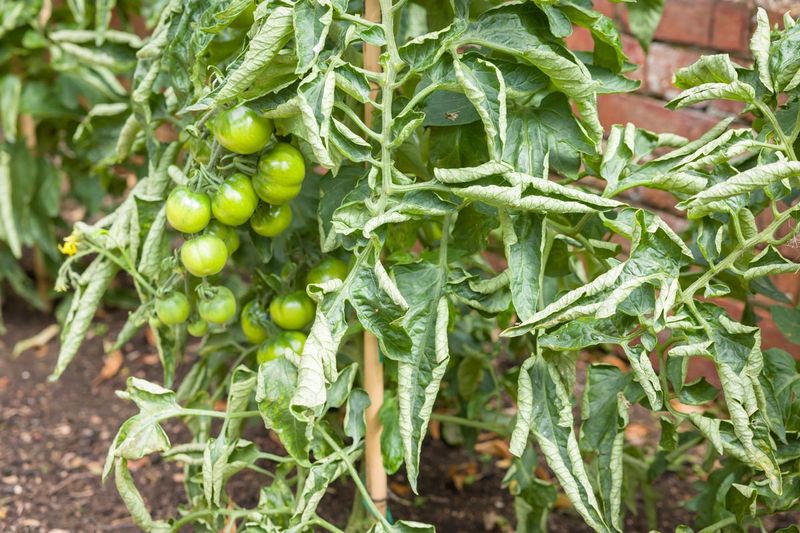
A thirsty tomato plant has a dramatic way of asking for a drink. When the soil dries out too far, the leaves roll inward and the whole plant can look wilted and sad, especially by mid afternoon.
Roots that cannot pull up enough moisture force the plant to conserve what little water it has, and curling is the result. Dry, cracked soil at the base is a strong clue that thirst is behind the trouble.
Stick your finger a couple of inches into the soil to check. If it feels dry down there, your plant needs a good soaking rather than a light sprinkle.
The fix is steady, deep watering that reaches the root zone instead of frequent shallow splashes. Aim for consistent moisture, letting the top inch dry between waterings but never letting the whole root ball bake dry.
Adding mulch can help hold water in the soil longer, which often smooths out the wild swings that stress your plants. Container tomatoes dry out fastest, so check those pots daily during hot weather.
3. Overwatering
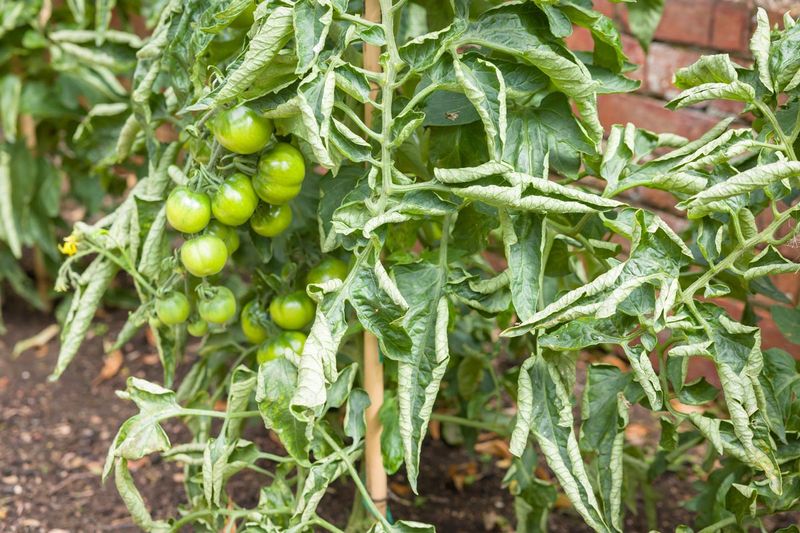
Too much love with the watering can causes just as much trouble as too little. Tomato roots need air pockets in the soil, and when the ground stays soggy, those roots basically drown.
Waterlogged roots struggle to take up nutrients and oxygen, and the leaves respond by curling and sometimes turning pale or yellow. The plant may look droopy even though the soil is clearly wet, which is the tell that overwatering is the issue.
Poor drainage makes everything worse, so check whether water pools around the base after you irrigate. Heavy clay soil and pots without drainage holes are common troublemakers here.
Back off on the watering schedule and let the top inch or two of soil dry before you water again. For containers, make sure there are open drainage holes so excess moisture can escape.
Mixing compost or a little coarse material into heavy soil can improve drainage over time. Getting the balance right often takes a week or two, but the leaves usually recover once the roots can breathe again and settle into a steadier rhythm.
4. Wind Damage
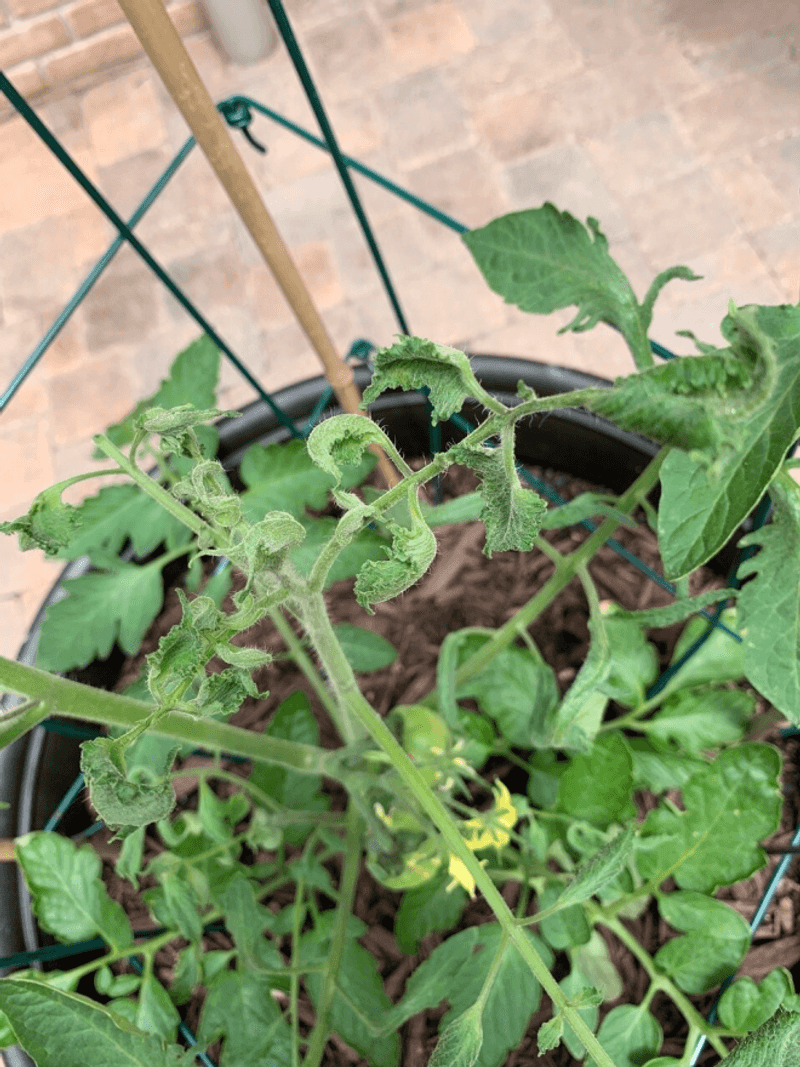
Strong gusts do more than knock over your stakes. Constant wind whips tomato leaves around, dries them out, and can leave them curled and ragged even when everything else seems fine.
Moving air pulls moisture from the leaves faster than the roots can replace it, so the plant curls up to protect itself much like it does during a heat wave. Plants in open, exposed spots take the worst beating.
You might also spot torn edges, bruised stems, or leaves that look wind burned along one side of the plant. If curling shows up right after a blustery few days, wind is a likely suspect.
Setting up a simple windbreak, such as a row of taller plants, a fence panel, or a temporary screen, can cut the force of the gusts. Sturdy staking or caging keeps plants from thrashing around and snapping.
Keeping the soil consistently moist also helps plants bounce back, since well hydrated tomatoes handle windy stretches far better. Once the weather calms, new growth usually comes in flat and healthy again.
5. Transplant Shock
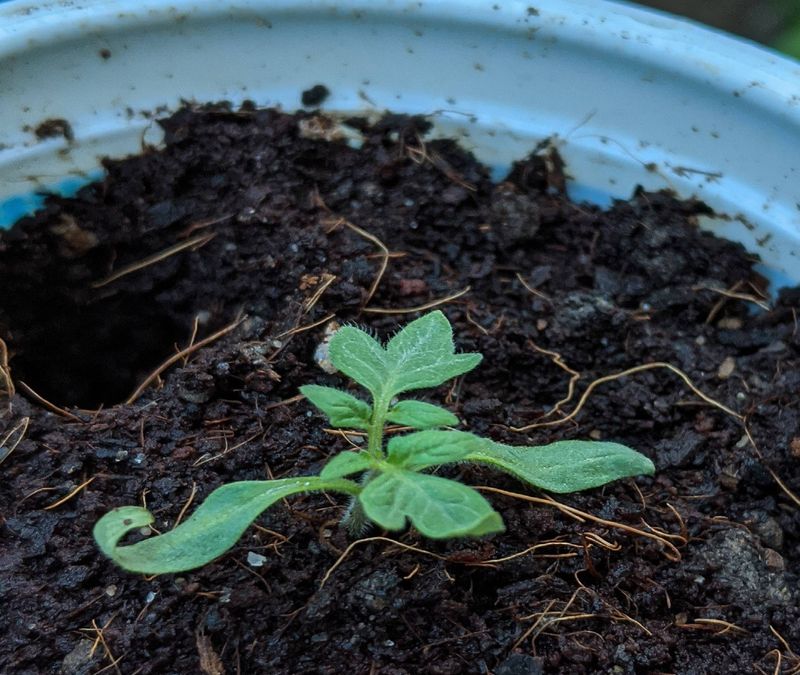
Moving a young tomato from a cozy pot into the open garden is a big jolt for a little plant. In the days after transplanting, the leaves often curl as the roots scramble to settle into their new home.
Disturbed roots cannot yet supply the top of the plant with all the water it wants, so the foliage cups and folds while everything catches up. Warm, sunny days right after planting make the stress even sharper.
The encouraging part is that this kind of curl is usually temporary and fades on its own within a week or two. As long as new growth looks healthy, there is little to worry about.
You can ease the transition by hardening off seedlings gradually, giving them time outdoors before the big move. Water them in well right after planting to help the roots make contact with the surrounding soil.
A bit of afternoon shade for the first few days can take the edge off. Avoid disturbing the roots more than necessary, and try to transplant on a cool, overcast day when possible.
6. Physiological Leaf Roll
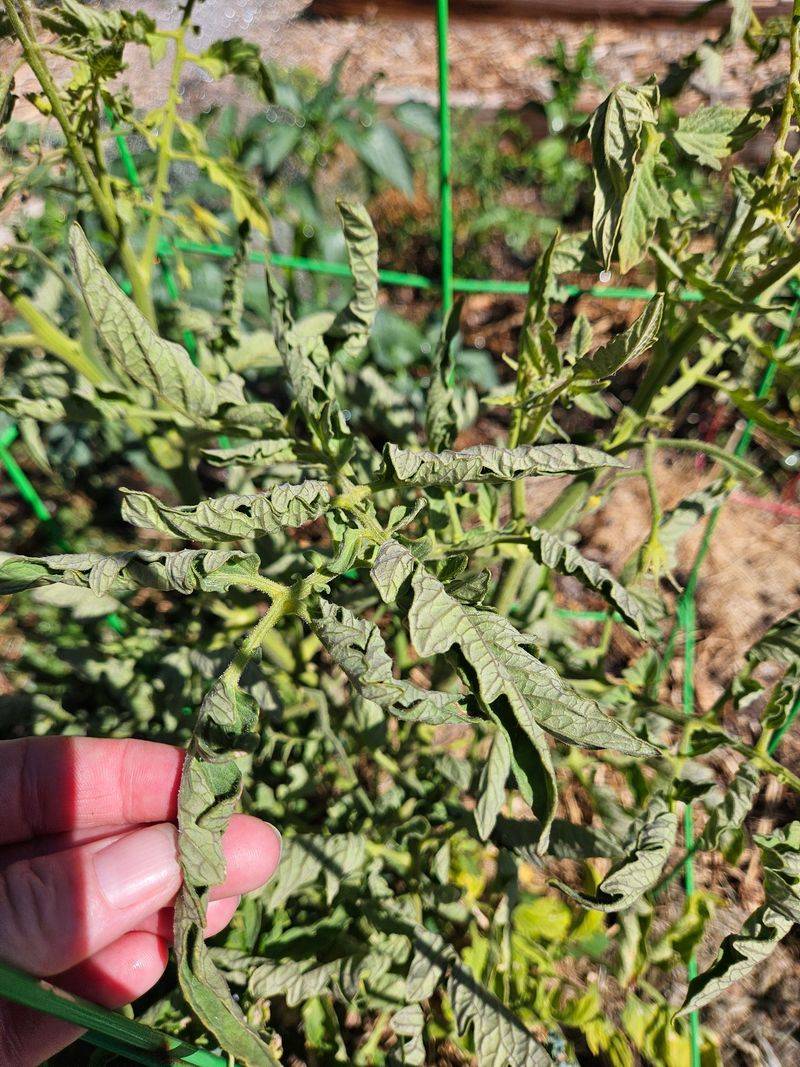
Sometimes healthy, vigorous tomato plants curl their lower leaves for no alarming reason at all. Gardeners call this physiological leaf roll, and it is one of the most harmless causes on this list.
Fast growing plants, especially certain indeterminate varieties, tend to roll their older leaves upward when they are pushing lots of foliage. The leaves stay firm and green rather than going crispy or spotty, which sets this apart from disease.
Wide swings in temperature or moisture can trigger it, and heavy pruning sometimes brings it on too. The plant is simply managing its own growth and water balance.
Because it does not hurt yields, there is often nothing you need to do about it. Keep watering consistently and avoid over pruning, and the plant will carry on producing fruit just fine.
If you want to reduce it, try to keep soil moisture and feeding steady rather than swinging from one extreme to another. Otherwise, you can relax and enjoy watching those curled but perfectly healthy leaves keep chugging along all season.
7. Herbicide Drift
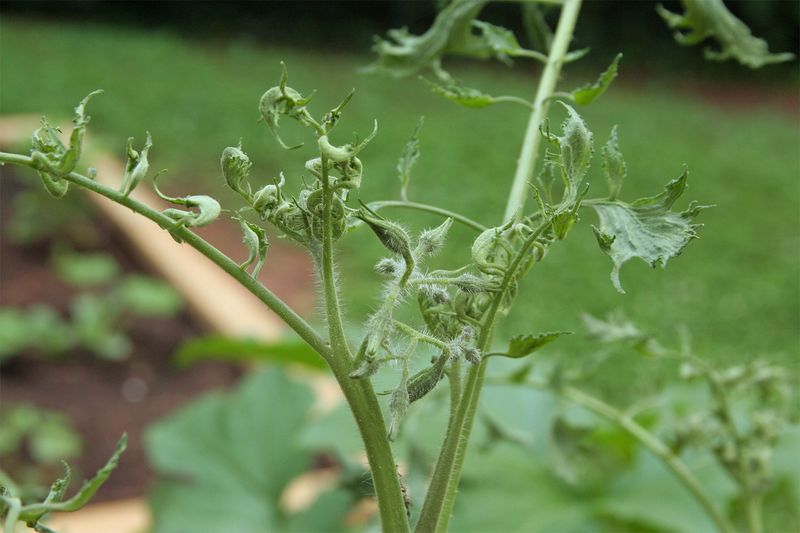
A neighbor spraying weed killer on a breezy day can wreck your tomatoes without ever touching your yard. Herbicide drift is one of the sneakiest causes of leaf curl, and it often catches gardeners completely by surprise.
Weed killers that contain growth regulator chemicals cause a very distinct twisting and cupping, with new leaves looking fern like, stringy, or oddly narrow. The damage usually shows up worst on the newest growth at the top of the plant.
Drifting spray, contaminated mulch, or even manure from animals that ate treated hay can all deliver these chemicals to your beds. Once you learn the fern like look, it becomes easier to recognize.
There is no true cure, but plants with mild exposure may grow out of it if the source is removed. Water and feed normally and wait to see if fresh growth comes in clean.
Going forward, avoid spraying near your garden on windy days and be careful about where your mulch and compost come from. Keeping tomatoes away from lawn treatment zones can prevent a lot of heartache.
8. Tomato Yellow Leaf Curl Virus
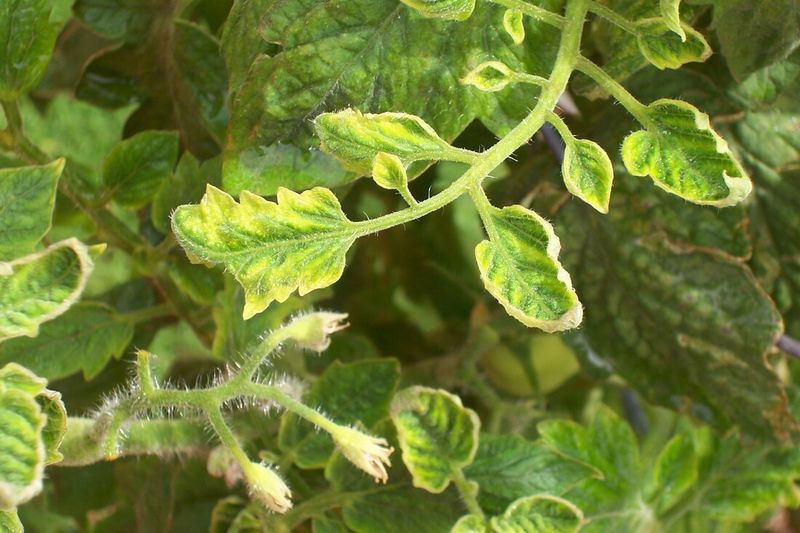
Some curling comes with a nasty name and a nastier reputation. Tomato yellow leaf curl virus is a serious disease that spreads through tiny insects and can flatten a harvest.
Infected plants show leaves that curl upward, turn yellow at the edges, and become small and stunted. Growth slows dramatically, flowers may drop, and fruit production can grind to a halt.
The virus is carried by whiteflies, which pick it up from one infected plant and pass it to the next as they feed. Once a plant catches it, there is unfortunately no way to cure it.
The best move is to remove and destroy badly infected plants so they do not become a source for the rest of your garden. Controlling whiteflies with sticky traps and insecticidal soap can reduce the spread.
Planting resistant tomato varieties gives you a real edge in areas where the virus is common. Keeping the garden weed free also removes hiding spots for the whiteflies that carry it, which often lowers your overall risk noticeably.
9. Broad Mites
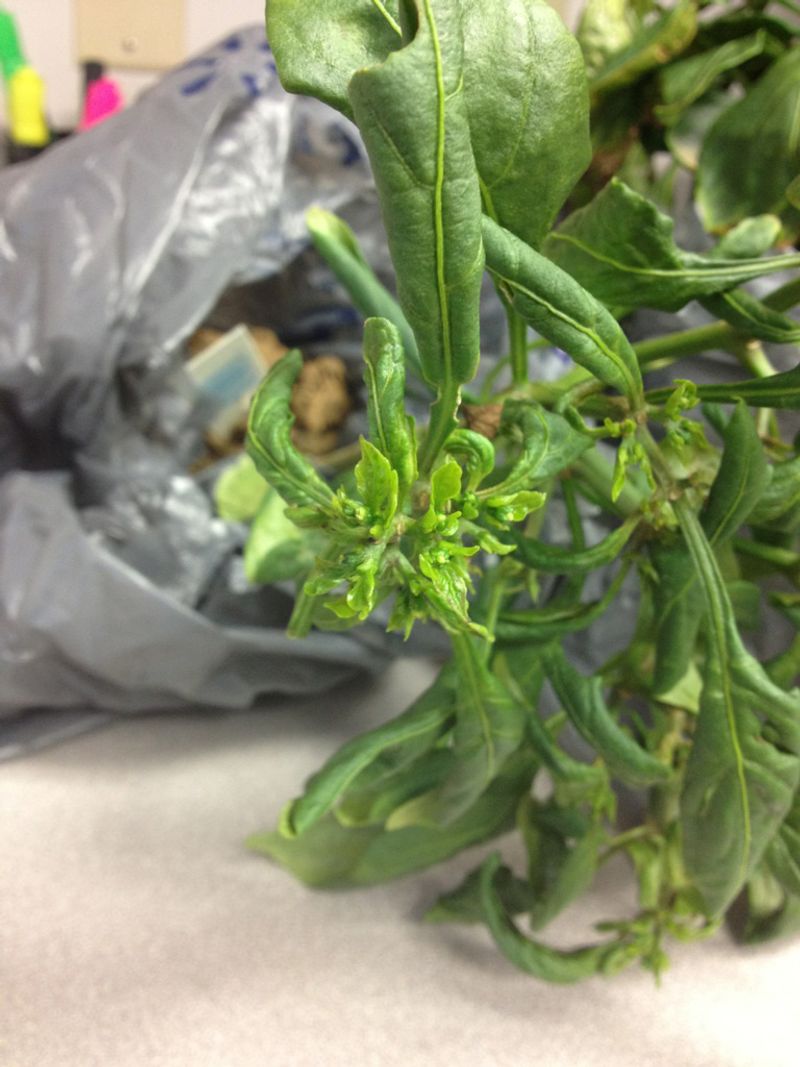
Trouble that you literally cannot see is especially frustrating, and broad mites fit that bill perfectly. These pests are far too small to spot with the naked eye, yet they cause dramatic curling and twisting.
Feeding on tender new growth, broad mites inject a substance that makes young leaves curl downward, look bronzed, and become brittle and distorted. The top of the plant usually takes the hardest hit.
Because you cannot see the culprit, this damage often gets blamed on disease or herbicides instead. A magnifying glass or a lab test may be needed to confirm what is really going on.
Removing the worst affected growth can slow their spread while you treat the plant. Insecticidal soap, horticultural oil, or sulfur based products may help knock the population back when applied thoroughly.
Focus your treatment on the growing tips where the mites gather, and repeat as directed since they reproduce quickly. Keeping new plants isolated for a bit before adding them to the garden can also reduce the odds of bringing broad mites home in the first place.
10. Aphid Infestation
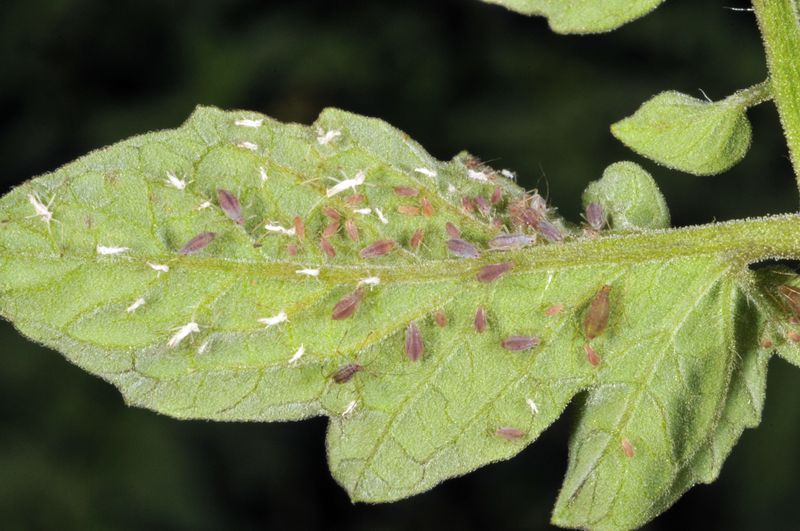
Those tiny soft bodied bugs clustered under your tomato leaves are doing more damage than they look capable of. Aphids pierce the leaves to suck out sap, and heavy feeding leaves the foliage curled, puckered, and often sticky.
Because they drain the plant of the juices it needs, new growth can come in twisted and deformed. You will usually find them massed on the undersides of leaves and along tender stems.
A sticky residue called honeydew is a giveaway, and it can attract ants or grow a black sooty mold. Spotting that shine on the leaves points straight to aphids.
A strong blast of water from the hose knocks many of them off and gives fast relief. For bigger outbreaks, insecticidal soap or neem oil can reduce the population when sprayed on both sides of the leaves.
Ladybugs and lacewings are natural aphid hunters, so welcoming those beneficial insects helps keep numbers down. Checking your plants regularly lets you catch a colony while it is still small and easy to handle.
11. Whiteflies
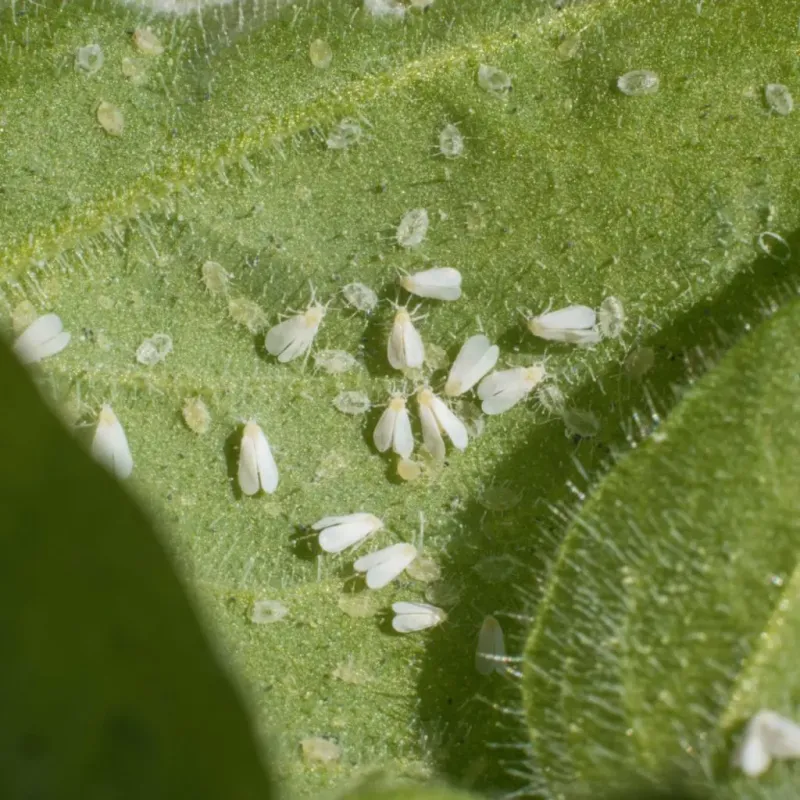
Give an infested tomato a gentle shake and a little cloud of white specks will flutter up like snow. Those are whiteflies, and beyond being annoying, they cause curling, yellowing, and weakened plants.
Like aphids, whiteflies feed on plant sap from the undersides of leaves, draining energy and leaving foliage curled and pale. Their feeding stresses the plant and slows down healthy growth.
They also leave behind sticky honeydew and, worse, can carry viruses from plant to plant. That double threat makes them worth taking seriously the moment you notice them.
Yellow sticky traps catch the flying adults and help you gauge how bad the problem is. Insecticidal soap or neem oil sprayed under the leaves can reduce the population when you treat repeatedly.
Since they hide and breed on leaf undersides, thorough coverage matters more than a quick spritz on top. Removing heavily infested lower leaves and encouraging natural predators like lacewings can help keep whiteflies from taking over your tomato patch.
12. Nitrogen Excess
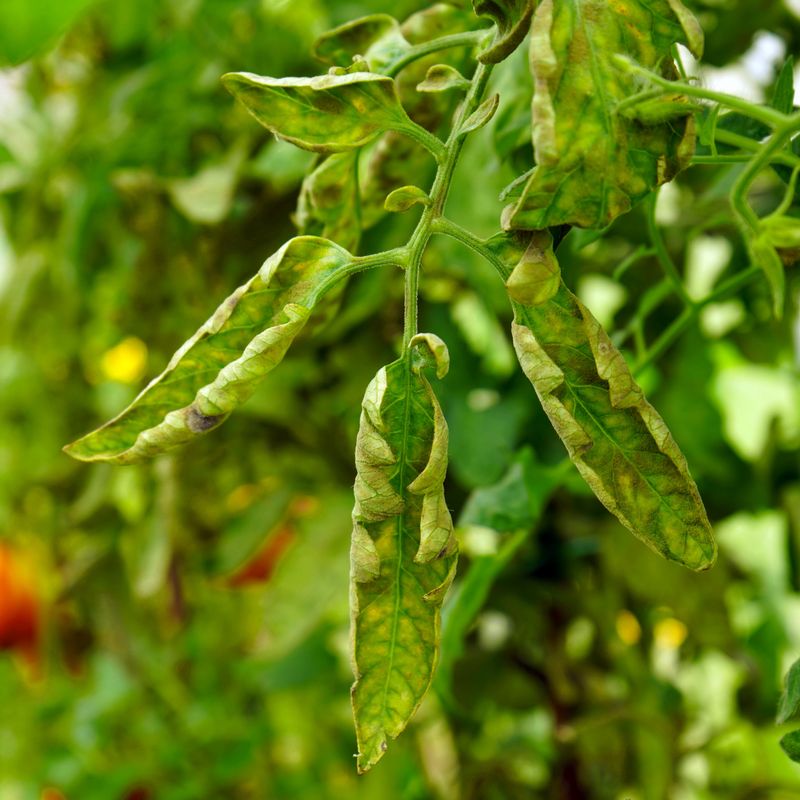
You can absolutely love your tomatoes to death with fertilizer, and too much nitrogen is a classic example. When plants get overfed, they grow fast and lush but their leaves often curl downward as a result.
Excess nitrogen pushes rapid, soft growth that the plant struggles to support, and the leaves respond by rolling and cupping. You might notice loads of dark green foliage but disappointingly few flowers or fruit.
Heavy handed feeding with high nitrogen lawn products or fresh manure is a common trigger. The plant is basically all leaves and no dinner.
Ease off the fertilizer and switch to a balanced formula that supports fruiting rather than just leaf growth. Watering thoroughly can help flush some of the excess nitrogen out of the root zone.
Going forward, feed tomatoes with a product meant for vegetables and follow the label rates instead of guessing. A soil test can tell you exactly what your beds need so you avoid the too much of a good thing trap that leaves your plants leafy but empty handed.
13. Nutrient Deficiency
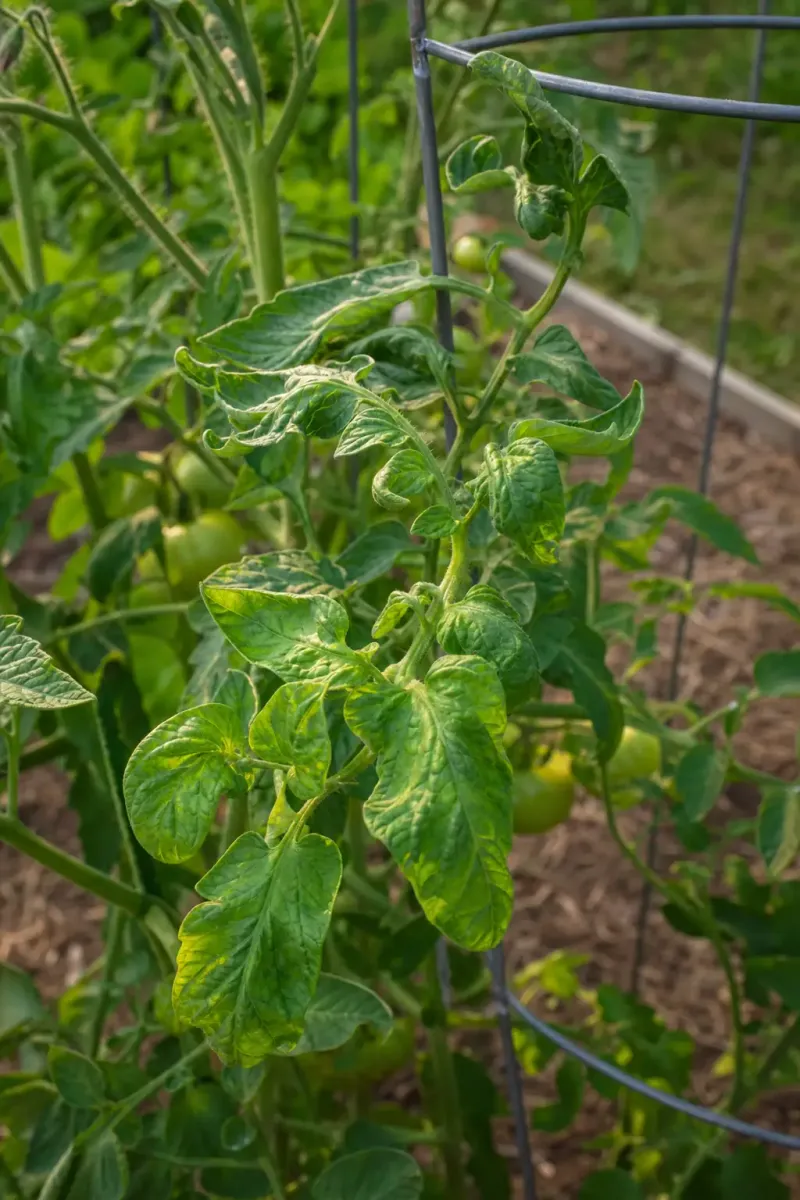
On the flip side, a plant that is starving for key nutrients will also curl and struggle. Missing minerals like calcium, magnesium, or potassium can each leave their own mark on tomato leaves.
When a nutrient runs short, the plant may curl, discolor between the veins, or develop yellow and brown patches depending on what is lacking. Curling paired with unusual color changes is a strong hint that feeding is off.
Poor soil, imbalanced pH, or heavy watering that washes minerals away can all lead to shortages. The plant cannot build healthy new leaves without the right building blocks.
A soil test is the surest way to learn what is missing so you can feed accordingly instead of guessing. A balanced vegetable fertilizer often corrects mild deficiencies over a few weeks.
Keeping soil pH in the sweet spot, roughly slightly acidic, helps plants actually absorb the nutrients that are present. Adding compost improves the soil over time and can prevent many deficiencies from cropping up in the first place, giving your tomatoes a steadier diet.
14. Root Damage
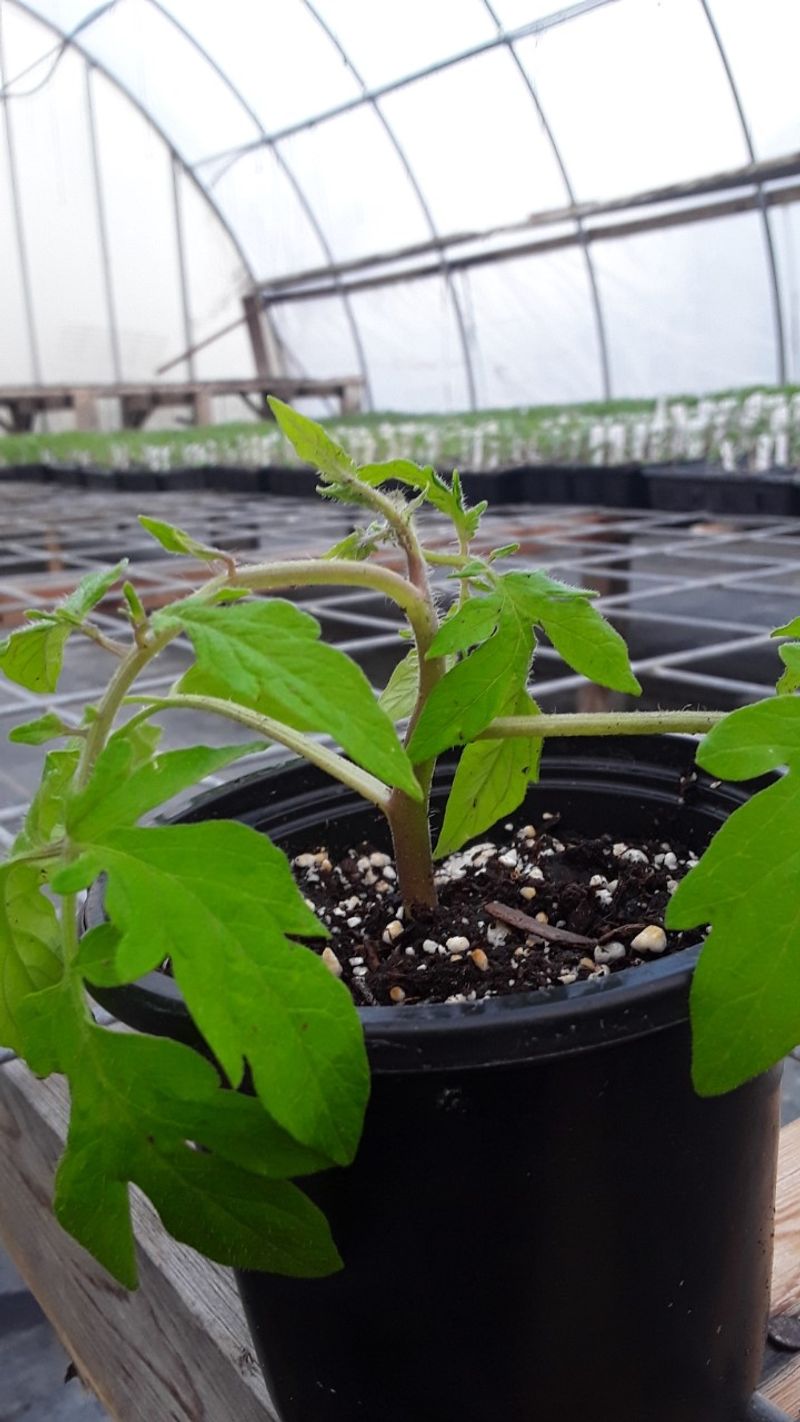
What happens below the soil shows up fast in the leaves above it. When tomato roots get damaged, the plant loses part of its plumbing system and the foliage curls in protest.
Roots can be harmed by rough cultivating too close to the plant, hungry grubs chewing underground, or roots getting cramped in a pot that is far too small. Any of these limits how much water and food the plant can pull up.
Curling from root trouble often comes with slow growth and a generally unhappy looking plant. The top cannot thrive when the bottom is struggling.
Avoid digging or hoeing right up against the stem, and give each plant enough room so roots can spread out comfortably. For container tomatoes, size up to a larger pot when the roots outgrow their space.
If soil pests are eating the roots, treating the soil or rotating where you plant next season can help. Handling seedlings gently at planting time protects those delicate young roots and gives your tomatoes a stronger, healthier start.
15. Over-Pruning
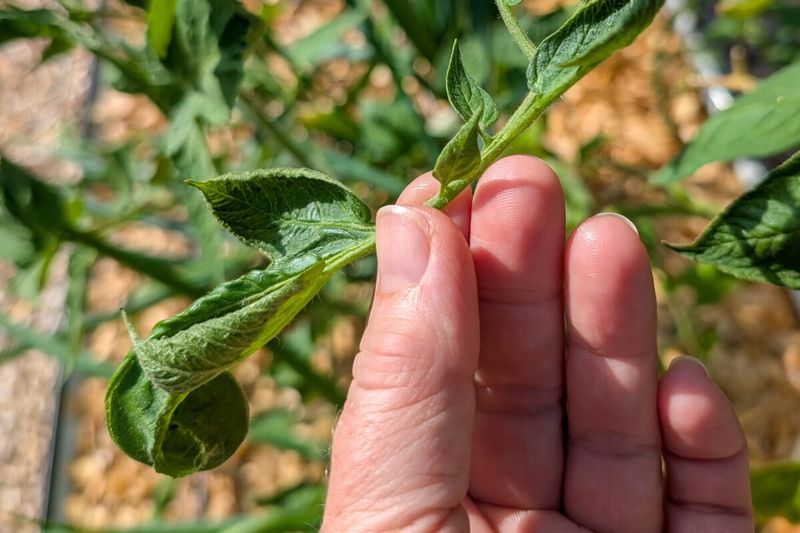
Snipping away suckers and extra branches can boost your harvest, but there is such a thing as too much of a haircut. Removing too many leaves at once stresses the plant and often leads to curling.
Leaves are the plant’s food factories, so cutting away a big share suddenly forces the remaining foliage to work overtime. The plant reacts by rolling its leaves as it tries to balance water loss and energy needs.
Heavy pruning on a hot day makes the shock worse, since the plant loses shade and moisture protection all at once. The curling is a sign it got trimmed too aggressively.
Prune a little at a time rather than stripping the plant in one session, and focus on removing only the suckers and lower leaves you truly need to. Doing it during cooler morning hours reduces the stress.
Give a heavily pruned plant extra care with steady watering while it recovers. New growth usually settles down once the plant adjusts, so err on the side of light, gradual trimming going forward.
16. Compacted Soil
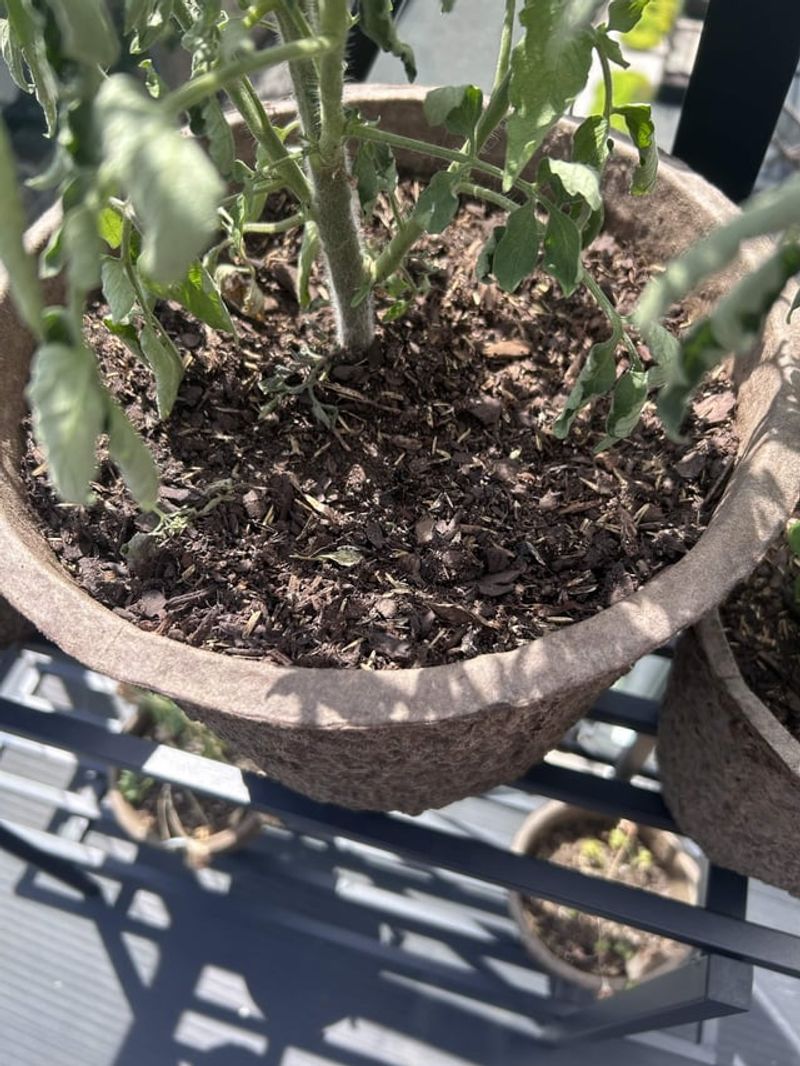
Hard, packed down soil is like concrete for tomato roots. When the ground is compacted, roots cannot spread, water cannot soak in, and air cannot reach where it is needed, so the leaves start to curl.
Tight soil chokes off the oxygen and moisture that roots depend on, leaving the plant unable to take up what it needs even when you water. The foliage cups up as the plant tries to cope with the shortage.
Heavy clay, foot traffic, and beds that never get loosened are common causes. You might notice water sitting on the surface instead of sinking down where it belongs.
Gently loosening the top layer of soil around plants, without slicing into the roots, can help air and water move again. Working in compost improves soil structure over the long run.
Mulch protects the surface from pounding rain that packs soil down, and staying off the growing beds keeps them fluffy. Building loose, rich soil before planting season is the surest way to keep roots breathing happily all summer.
17. Temperature Swings
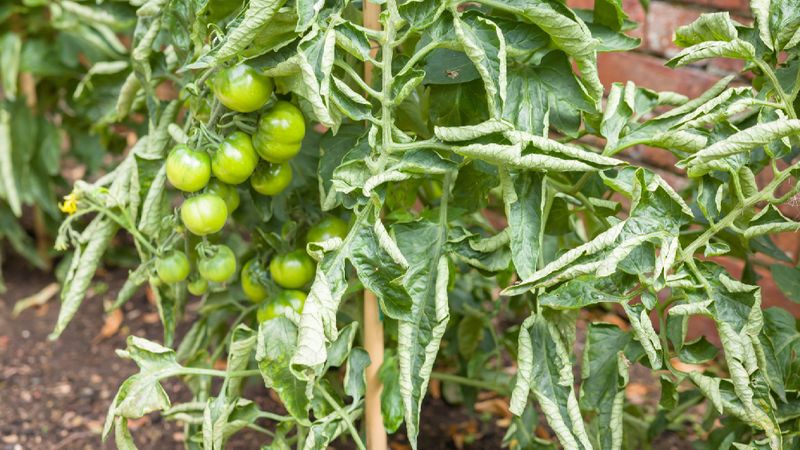
Tomatoes like things steady, so a garden that swings from chilly nights to blazing afternoons can leave leaves curling in confusion. Big daily temperature jumps stress the plant and mess with its water balance.
When mornings are cold and afternoons are hot, the plant keeps adjusting how much moisture it moves and holds, and the leaves cup as a result. Spring and early fall are prime seasons for this kind of curling.
Cold snaps followed by warm spells are especially rough on young plants that have not toughened up yet. The curl is the plant reacting to conditions that keep changing on it.
You cannot control the weather, but you can soften the swings. Row covers or cloches protect plants during chilly nights, while mulch keeps soil temperatures more even around the clock.
Waiting to plant until nights stay reliably warm helps young tomatoes avoid the worst of it. Consistent watering also steadies the plant, so it is less thrown off when the temperature bounces around from one part of the day to the next.
18. Salt Buildup
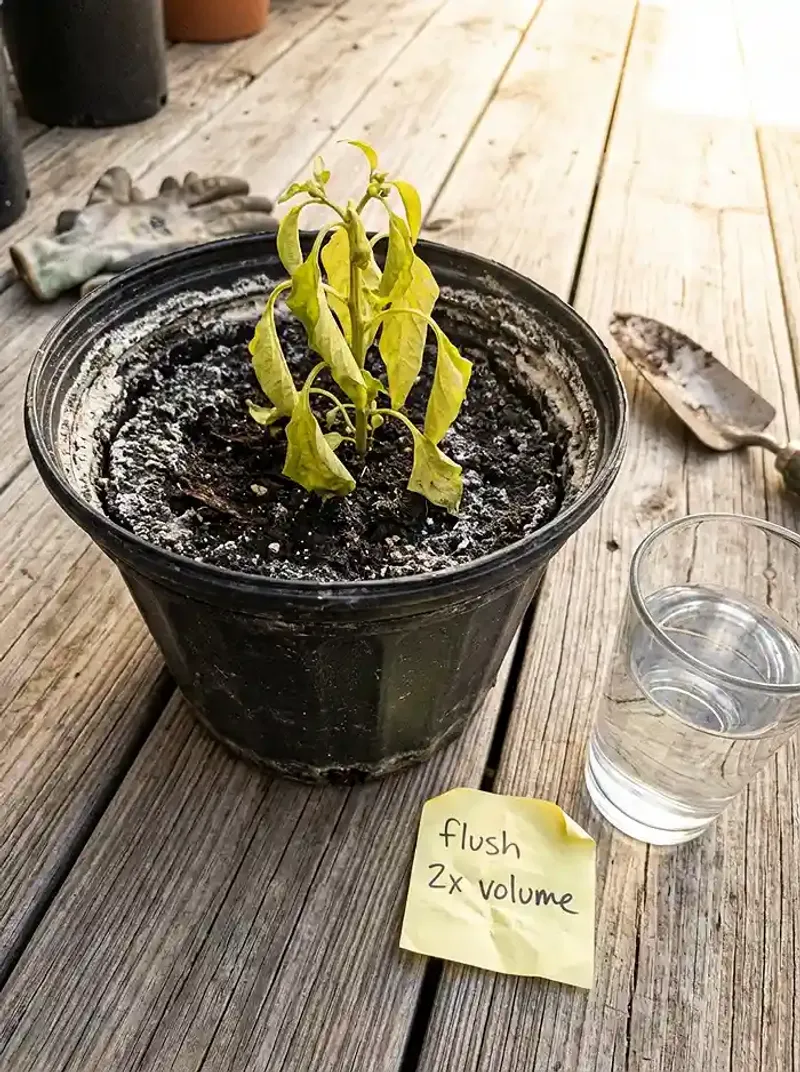
Invisible salts sneaking into your soil can quietly stress your tomatoes over time. Fertilizer residue and minerals from hard water gradually build up, and the leaves curl as the roots struggle to drink.
High salt levels make it harder for roots to absorb water, almost as if the plant were mildly dehydrated even in moist soil. The result is curling, sometimes with brown crispy leaf edges.
Container plants are especially prone since salts concentrate in the limited soil, and you might see a white crust forming on the pot or soil surface. Frequent light fertilizing without flushing makes it worse.
Leaching the soil by watering deeply until water runs freely out the bottom helps wash excess salts away. For pots, do this every few weeks during heavy feeding periods.
Cutting back on fertilizer and using it at recommended rates prevents the buildup from returning. If your tap water is very hard, collecting rainwater to use on your tomatoes can reduce the mineral load and keep salt from becoming a recurring headache.
19. Fusarium or Verticillium Wilt
Soil borne fungal wilts are the quiet killers of the tomato world, and curling is often one of their first warning signs. Fusarium and verticillium wilt clog the plant’s inner plumbing so water cannot flow properly.
Blocked vessels leave leaves curling, yellowing, and wilting, frequently starting on the lower leaves or one side of the plant. Over time whole branches droop and the plant declines.
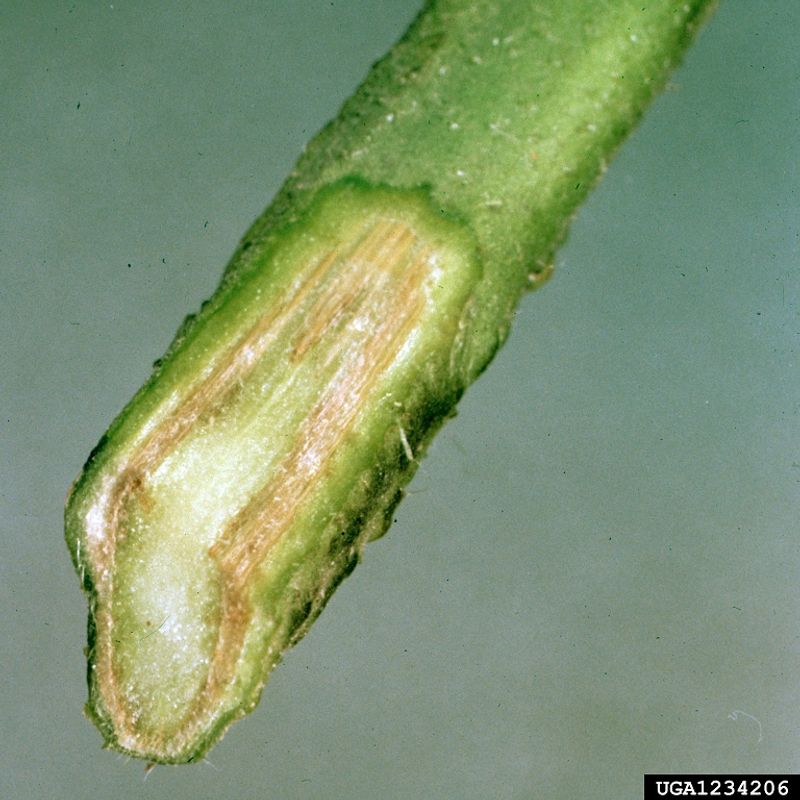
These fungi live in the soil and can linger for years, entering through the roots and spreading upward. Slicing a stem may reveal brown streaks inside, a telltale sign of these wilts.
There is no cure once a plant is infected, so removing and destroying sick plants protects the rest of your garden. Never compost infected material, since the fungus can survive.
Prevention is your best weapon here. Planting resistant varieties, rotating where you grow tomatoes each year, and keeping the garden clean all help lower the risk. Well drained soil and healthy plants are less inviting to these stubborn fungal invaders in the first place.
20. Bacterial Infection
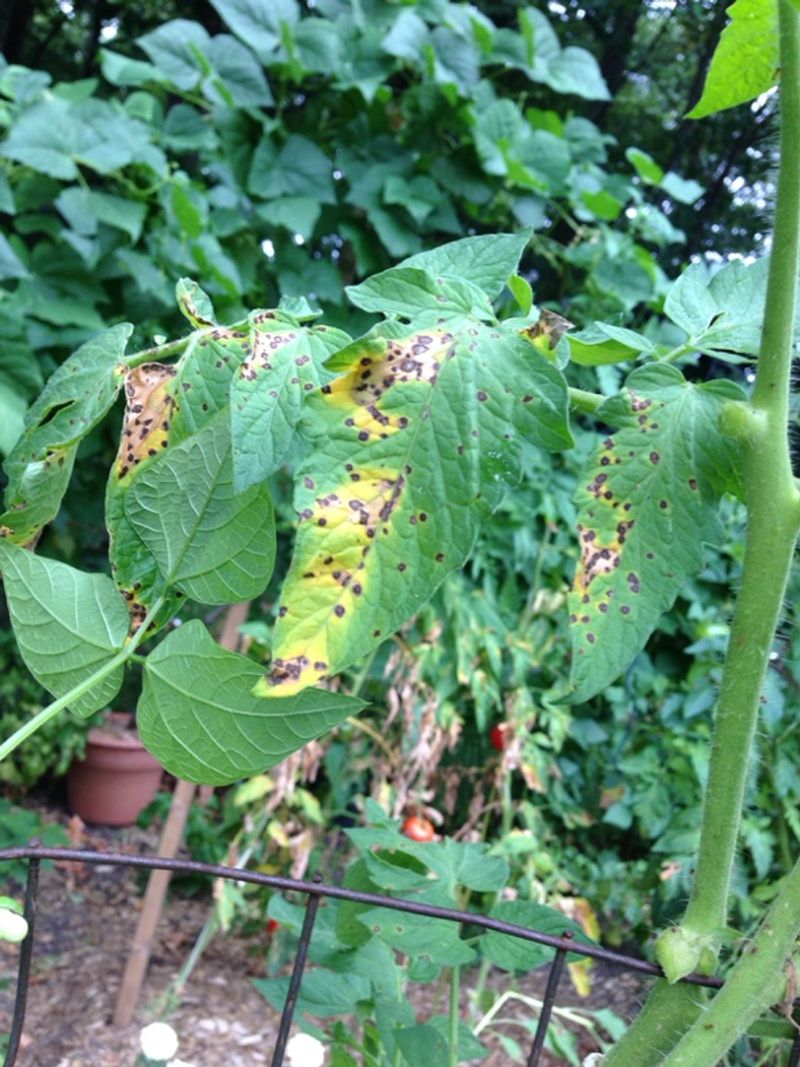
Bacteria may be microscopic, but the damage they do to tomato leaves is anything but subtle. Certain bacterial infections cause curling along with spots, streaks, and a generally sickly appearance.
Bacterial diseases often spread in warm, wet conditions, splashing from soil onto leaves during rain or overhead watering. Curling frequently comes bundled with dark lesions or a greasy looking wetness on the foliage.
Because these infections move fast in humid weather, catching them early matters a great deal. Crowded plants with poor air flow give bacteria the moist, sheltered conditions they love.
Remove affected leaves promptly and avoid handling plants while they are wet, since that spreads the bacteria. Copper based sprays may help slow the disease when used according to the label.
Watering at the base rather than overhead keeps leaves drier and less inviting. Spacing plants for good air movement, rotating crops, and cleaning up debris at season’s end all reduce the chances of bacterial trouble returning to haunt your tomato patch next year.
21. Too Much Shade
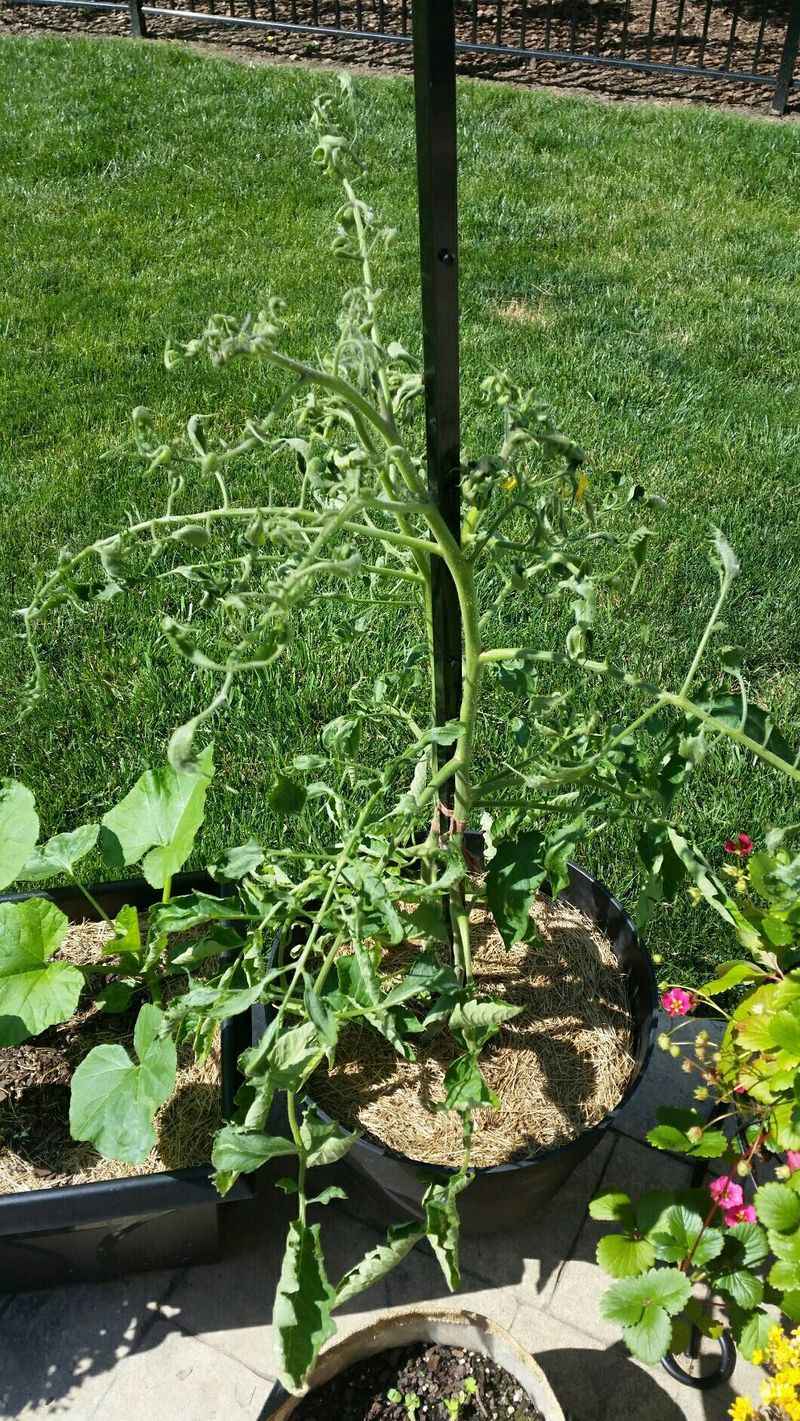
Tomatoes are sun worshippers, and starving them of light throws their whole system off balance. Plants tucked into a shady corner may stretch, weaken, and curl their leaves as they reach for more sun.
Without enough light, the plant cannot make the energy it needs, so growth turns spindly and the foliage can cup or twist. You might notice long, leggy stems with sparse, unhappy leaves.
Nearby trees, fences, or taller plants often cast more shade than gardeners realize, especially as the season progresses. A spot that looked sunny in spring can turn shadowy by midsummer.
Tomatoes generally want at least six to eight hours of direct sun a day to thrive. If your plants are not getting that, moving containers to a brighter spot is the simplest fix.
For in ground plants, trimming back overhanging branches or relocating next season can solve the problem. Giving tomatoes the full sun they crave usually rewards you with sturdier growth, flatter leaves, and a much better harvest.
22. Pot-Bound Roots
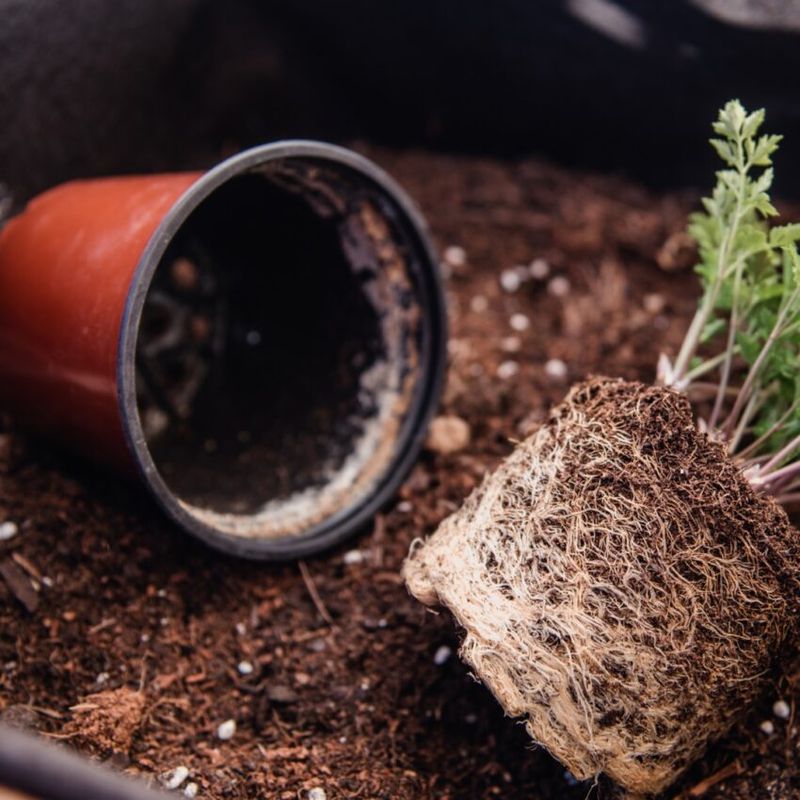
A tomato stuffed into a pot that is too small quickly becomes a prisoner of its own roots. When roots run out of room and circle the container, the plant cannot take up enough water or nutrients, and the leaves curl.
Cramped roots dry out fast and get tangled into a dense mass, leaving no space to grow. The plant looks stressed, wilts easily, and the foliage cups even when you water regularly.
You can often tell a plant is pot bound when water runs straight through without soaking in, or when roots poke out of the drainage holes. Growth may stall despite your best care.
The clear fix is to move the plant into a larger container with fresh, quality potting mix. Gently loosening the circling roots before replanting encourages them to spread out again.
Choosing a generous pot from the start saves a lot of trouble, since tomatoes are hungry, thirsty plants. A roomy container with good drainage lets roots stretch out and keeps those leaves flat and productive all season.