
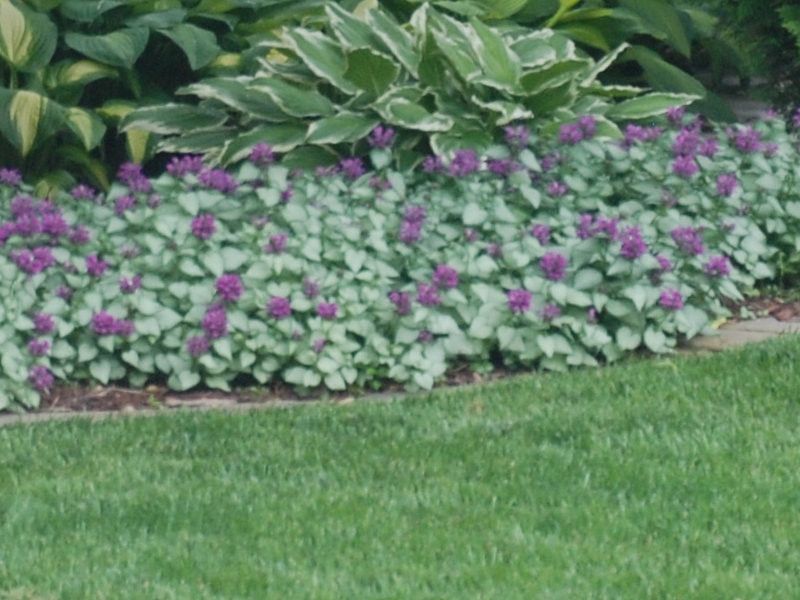
Pulling weeds out of the same bed every few weeks is one of the most discouraging chores in gardening. No matter how clean you get the soil, something always seems to sprout back. The good news is that a low-growing, shade-loving plant called spotted deadnettle can help reduce that cycle in the right ornamental bed. It spreads quickly, covers bare soil, and looks attractive doing it.
Recurring weeds can come from bare soil, buried roots, or new seeds

Hand-weeding the same patch of ground week after week is not a failure of effort. Weeds keep coming back because the conditions that invite them rarely change after a single pulling session. Understanding why that happens is the first step toward breaking the cycle.
Bare soil is one part of the problem. When soil sits open and uncovered, weed seeds that blow in on the wind, arrive in bird droppings, hitchhike in mulch bags, or drift from neighboring yards land on a ready seedbed. UC Agriculture and Natural Resources notes that weed seeds can enter from many outside sources even after the surface looks clean, which is why covering exposed soil matters.
Established perennial weeds are a separate and harder problem. Plants like bindweed, nutsedge, and quackgrass store energy in deep roots, bulbs, or rhizomes underground. Pulling the top growth removes what you can see, but the root system resprouts. Oregon State Extension describes bindweed as capable of regrowing from root fragments left in the soil, which is why surface treatments rarely solve the problem long-term.
Spotted deadnettle can help reduce new weed seedlings in shady ornamental beds once it fills in, but it is not a shortcut around site preparation. Established perennial weeds need to be removed or exhausted before you plant anything.
Dense foliage reduces weed pressure after the bed fills in
A groundcover earns its keep by doing something mulch alone cannot sustain indefinitely: growing. Once the plants spread and knit together, the canopy of overlapping leaves shades the soil surface and makes it harder for weed seeds to find the light they need to germinate and establish.
The mechanism is straightforward. Dense foliage blocks sunlight from reaching the soil, and the root system competes with any seedling that does manage to sprout for water and nutrients. Colorado State Extension explains that groundcovers suppress weeds most effectively once they have filled the bed, which means the benefit builds over time rather than arriving the day you plant.
Mississippi State Extension reinforces this point in its weed management guidance for ornamental beds, noting that groundcovers reduce weed pressure by limiting exposed soil but do not eliminate weeds entirely. Seeds continue to arrive from outside sources, and any weed that was already rooted before the groundcover went in can still push through.
University of Vermont Extension describes groundcovers as living mulch that suppresses weeds while improving the look of the bed. That framing captures the realistic payoff: less exposed soil, fewer new seedlings, and a bed that takes less time to maintain once coverage develops.
Spotted deadnettle suits a shady ornamental bed
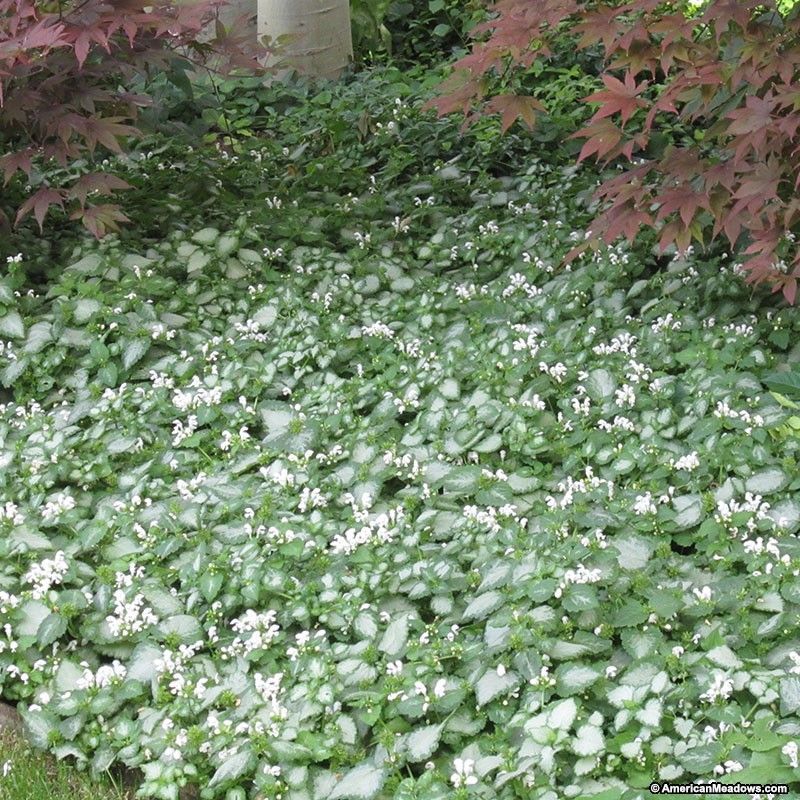
Spotted deadnettle, Lamium maculatum, is the groundcover most worth considering if your recurring weed problem lives in a shady or partly shaded ornamental bed. The plant spreads quickly along the soil surface, sending out stems that root as they go, and it can fill a bed noticeably faster than many slower-growing alternatives.
The visual appeal is genuine. Most cultivars carry silver or white variegation on the leaves that brightens a dark corner even when the plant is not in bloom. In spring, small tubular flowers appear in shades of pink, purple, or white depending on the variety. Wisconsin Extension specifically describes spotted deadnettle as a fast-spreading groundcover that smothers many weeds in suitable conditions, a claim that applies to shady beds with decent soil moisture rather than to every garden setting.
The cultivar ‘White Nancy’ is a reliable and widely available choice. Illinois Extension describes ‘White Nancy’ as having silvery-white foliage with a narrow green margin and white spring flowers, and lists partial shade as its preferred condition. Illinois Extension’s plant detail page gives a general hardiness range of Zones 4 through 8 for spotted deadnettle.
Missouri Botanical Garden warns that heat, humidity, compacted soil, and poor drainage can cause bare patches and reduce vigor, which is why the recommendation stays focused on suitable beds rather than every yard.
Clear established weeds before planting

Planting spotted deadnettle into a weedy bed without clearing it first is one of the most common reasons groundcover projects fail. Young plants simply cannot compete with established perennial weeds that already have deep root systems, stored energy, and a head start on the season.
Clemson Extension’s groundcover fact sheet advises removing existing weeds thoroughly before installation, because young groundcovers are not strong enough to outcompete established competition. That means digging out perennial weeds by the root, not just pulling the tops, or using repeated cultivation over several weeks to exhaust their root reserves before you plant.
Landscape fabric is sometimes suggested as an alternative, but it creates problems in a bed you want living plants to fill. UC Agriculture and Natural Resources notes that fabric is not well suited to beds where groundcover is expected to spread, because the plants need room to root and travel across the soil surface. Fabric that blocks weeds also blocks the groundcover’s natural spread.
After clearing, loosen the soil and amend it if needed to improve drainage and texture. Then apply a temporary layer of organic mulch over the prepared bed. University of New Hampshire Extension recommends roughly 2 to 3 inches of coarse organic mulch to protect bare soil during the transition, with the understanding that it is a bridge until the groundcover fills in, not a permanent replacement for it.
Plant at a spacing that balances cost and coverage
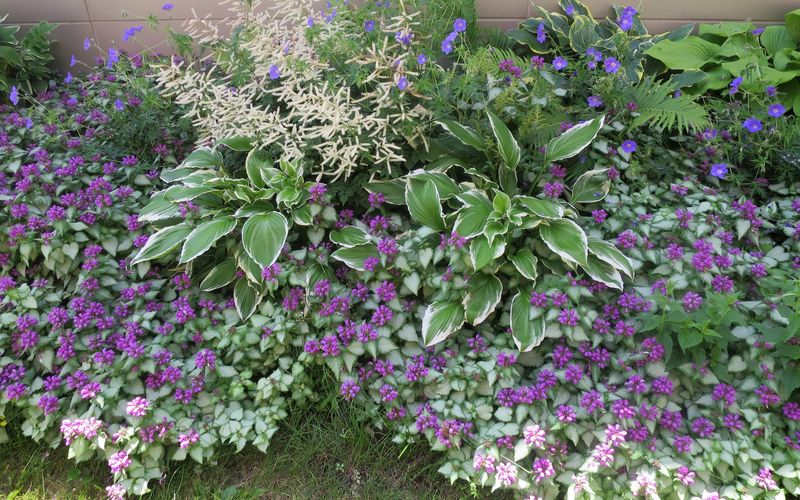
Spacing is where gardeners often have to make a real trade-off. Tighter spacing means faster coverage and fewer weeding sessions during establishment, but it also means buying more plants upfront. Wider spacing costs less at the nursery but leaves more bare soil exposed for a longer stretch of time.
For ‘White Nancy,’ Illinois Extension recommends spacing plants 6 to 10 inches apart. Planting at the closer end of that range will help the canopy close sooner and give weeds less room to get established during the first season. If budget pushes you toward wider spacing, plan to spend more time hand-weeding the gaps while the plants grow together.
Once the plants are in the ground, fill the open spaces between them with mulch. UNH Extension suggests 2 to 3 inches of coarse organic mulch as a general range for covering soil between young groundcover plants. Avoid piling mulch directly against the stems, which can encourage rot and pests.
Water the bed thoroughly after planting and keep the soil consistently moist while the roots settle in. Spotted deadnettle prefers moist but well-drained conditions, and plants that dry out during establishment are slower to spread and more vulnerable to stress. Consistent watering in the first few weeks gives the groundcover the best chance of filling the bed on schedule.
Keep weeding while Lamium establishes

One of the most common misconceptions about groundcover is that planting it means the weeding stops. The opposite is true during establishment. The period before the plants fill in is actually when the bed is most vulnerable, because the soil between young plants is still exposed and weed seeds can move right in.
Plan to hand-weed shallowly and consistently during the first season. Pulling or cultivating lightly between plants every week or two prevents new weeds from getting a foothold without disturbing the groundcover roots. Illinois Extension advises allowing one to two growing seasons for spotted deadnettle and similar groundcovers to develop complete coverage, and weeding during that window is what makes the difference.
Clemson Extension notes that newly planted groundcovers may take up to two years to establish, depending on the bed conditions and planting density. Cooler, shadier sites with consistent moisture tend to support faster spread, while drier or warmer spots may slow the process.
Even after the foliage closes over the soil, some weeding will still be necessary. Seeds continue arriving from outside the bed, and a determined perennial weed can push up through even a dense mat of Lamium. The goal is not a maintenance-free bed. The goal is a bed that takes noticeably less time to maintain once the groundcover has done its job of covering the soil.
Check Lamium’s spread and match the plant to the site
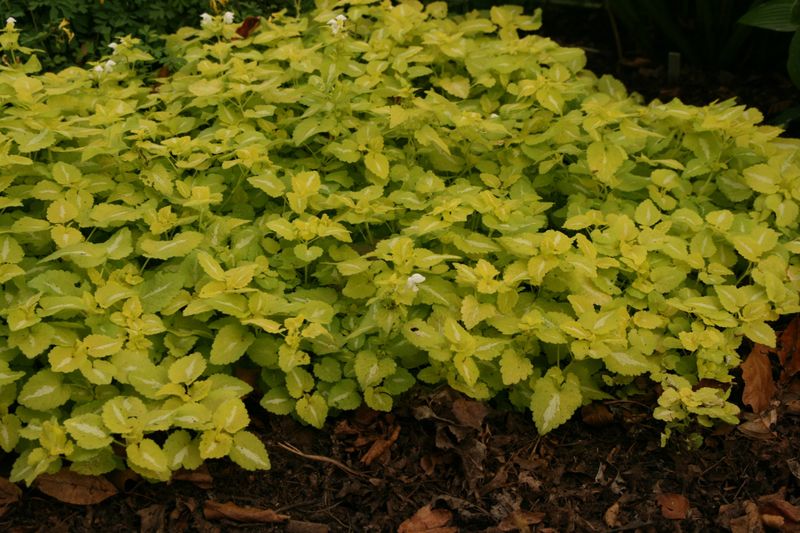
Spotted deadnettle earns its reputation as a fast spreader, and that vigor is part of what makes it useful for covering ground quickly. The same quality can become a problem if the plant is not monitored. Given room to roam, it can creep into neighboring perennials and overwhelm smaller plants that cannot compete with its spreading stems.
Wisconsin Extension recommends cutting back or removing wayward stems to keep spotted deadnettle within its intended area. A Wisconsin Extension guide on lawn alternatives characterizes Lamium as fast-growing and aggressive, which is useful context for anyone placing it near delicate companion plants. Walk the bed edges a few times each season and trim back any stems that are crossing into areas where you do not want them.
The plant is not native to the United States. It originates from Europe and Asia, and the Invasive Plant Atlas records it as introduced, noting its ability to form dense mounds that overtake ground area. EDDMapS distribution records show established populations across parts of the US. The dossier does not support claiming that it is legally invasive or prohibited nationwide, but checking your state and local invasive-plant guidance before planting near natural areas or woodland edges is a reasonable precaution.
Gardeners with sunny, dry, or well-drained beds should choose a different plant entirely. Colorado State Extension lists creeping thyme, woolly thyme, and mother-of-thyme as low-growing options suited to sunnier, drier conditions where spotted deadnettle would struggle. Matching the plant to the site is what makes any groundcover strategy work.
Use spotted deadnettle to reduce, not erase, the weed cycle
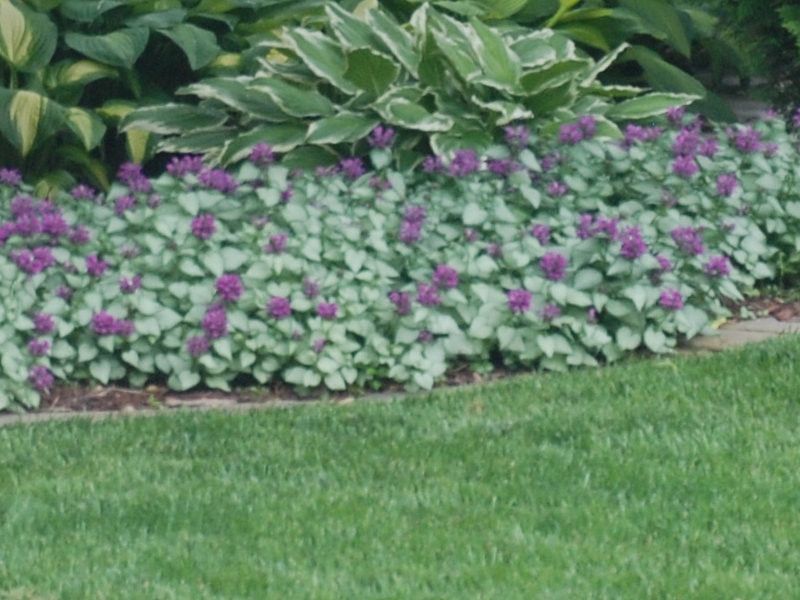
The honest payoff from spotted deadnettle is a bed that requires less weeding over time, not one that requires none. That distinction matters because it shapes how you plan, plant, and maintain the space.
The decision rule is straightforward. If your weedy bed is shady or partly shaded, has moist but well-drained soil, and sits in a climate within Zones 4 through 8, spotted deadnettle is worth serious consideration. Clear the established perennial weeds first, prepare the soil, plant at a spacing that suits your budget and timeline, mulch the gaps, and water consistently while the roots settle in. Clemson Extension and Illinois Extension both emphasize that weed control and consistent care during establishment are what determine whether a groundcover delivers on its promise.
Keep weeding shallowly until the foliage closes. Monitor the edges so the plant does not overrun smaller neighbors. Check local guidance if you garden near natural areas. Colorado State Extension puts it plainly: groundcovers suppress weeds most effectively once they have filled the bed, and that coverage takes time to develop.
A bed that used to need attention every week may only need a quick pass every few weeks once Lamium is established. That reduction in maintenance pressure, in a bed where the conditions fit the plant, is a realistic and genuinely useful result.