
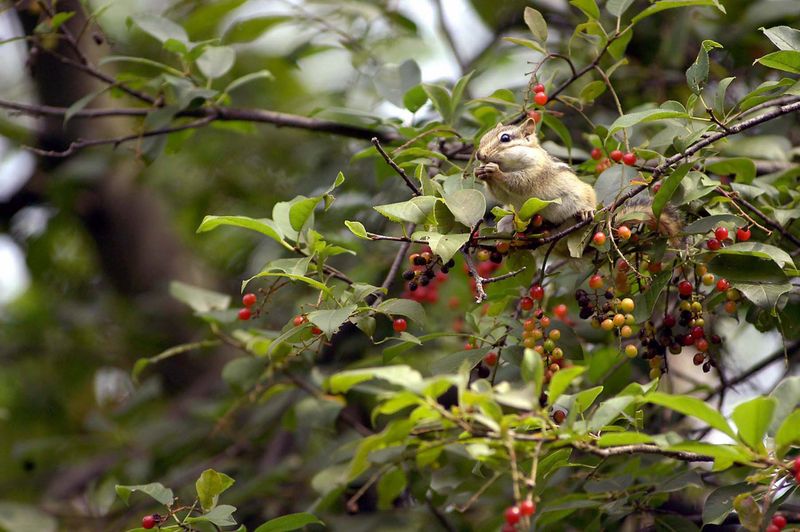
Chipmunks are easy to root for until one digs up your tulip bulbs or empties your bird feeder before breakfast. Most gardeners react by reaching for repellents or traps, but the real picture is more complicated than pure villain. These small animals do have a few ecological roles worth knowing about, even if those roles do not add up to a reliable garden helper. Understanding what chipmunks actually do, and what they genuinely damage, puts you in a much better position to decide when to act and when to leave well enough alone.
Chipmunks are not garden employees or automatic enemies
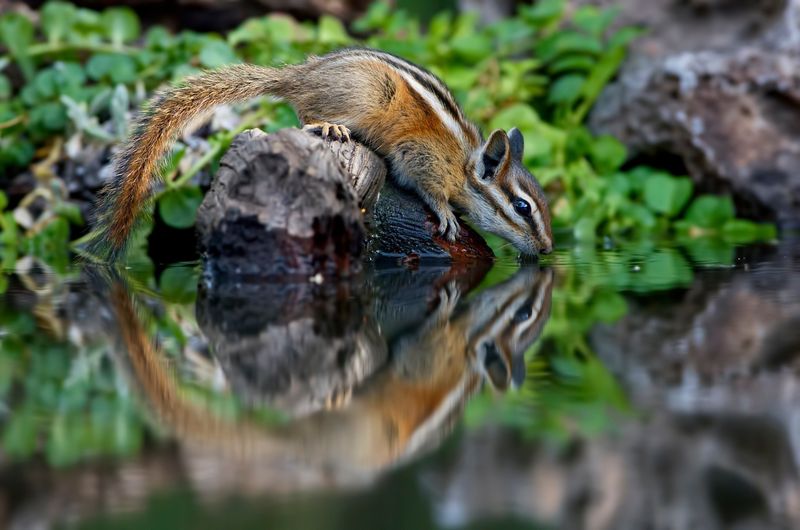
Somewhere between “welcome wildlife” and “garden pest” sits the chipmunk, and most gardeners never stop to figure out which side of that line their visitor actually falls on. University of New Hampshire Extension points out that chipmunks can pass through a yard without causing any measurable harm, but they can also damage plants, raid stored food, and burrow near structures. The difference between those two outcomes matters a great deal before you spend money on deterrents.
A useful rule of thumb: watch for actual effects before choosing a response. A chipmunk moving across your lawn on its way somewhere else is not the same animal as one systematically digging up your tulip bed or excavating under your patio. Penn State Extension frames management around confirmed conflict rather than the mere presence of an animal.
Some chipmunk species do have documented ecological roles, including limited seed movement and fungal-spore dispersal in certain forest habitats. Published research on chipmunk foraging behavior makes clear that those roles are species- and habitat-specific, not a general promise that any chipmunk in your yard is quietly improving it. Confirm what the animal is actually doing before you decide how to respond.
Their broad diet creates modest benefits and real trade-offs
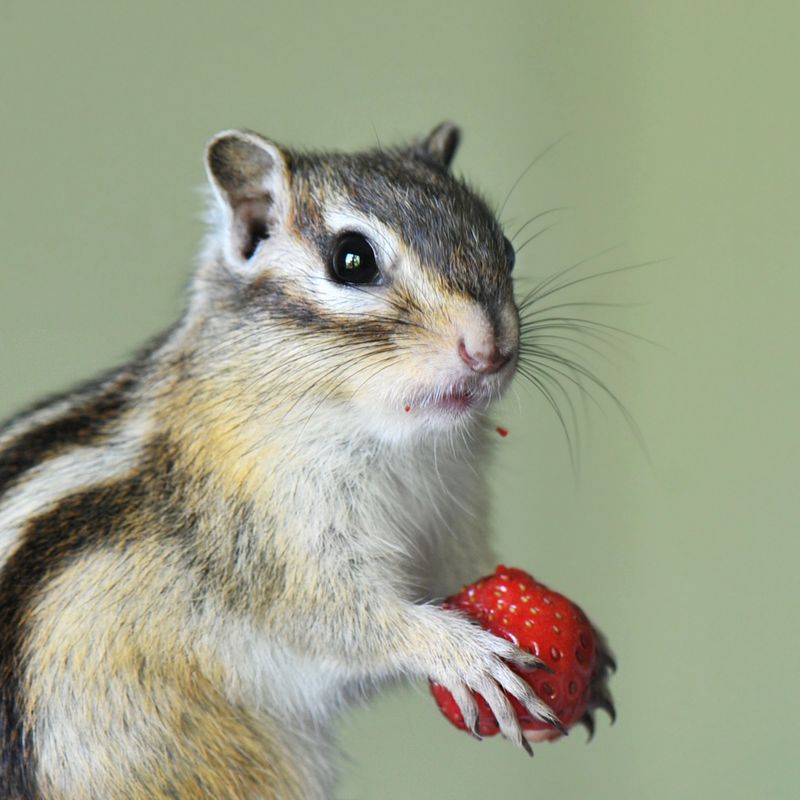
An eastern chipmunk is an opportunistic omnivore, and its grocery list reads like a mix of garden help and garden harm. UNH Extension notes that their diet can include seeds, nuts, fruits, bulbs, insects, earthworms, slugs, bird eggs, and fungi. In a single season, the same animal might eat a slug that was heading for your lettuce and then turn around and sample your strawberries.
That insect consumption sounds promising, but it does not add up to pest control in any reliable sense. Animal Diversity Web’s profile of the eastern chipmunk confirms that insects are just one part of a wide-ranging diet, not a dietary focus. No available research shows that encouraging chipmunks meaningfully reduces aphids, cucumber beetles, caterpillars, or other common home-garden pests. Saying they “may eat some insects” is accurate; calling them biological-control agents is not.
The trade-off side of the ledger is more concrete. UNH Extension specifically names strawberries, tomatoes, tulip bulbs, berries, fruits, and other vegetables as plants chipmunks may damage. Heavy activity can reduce flower and produce yields in ways that are genuinely frustrating for a home gardener. Holding both sides of that diet in mind, rather than defaulting to hero or villain, leads to smarter decisions about when to act.
Forest seed research does not promise better backyard beds
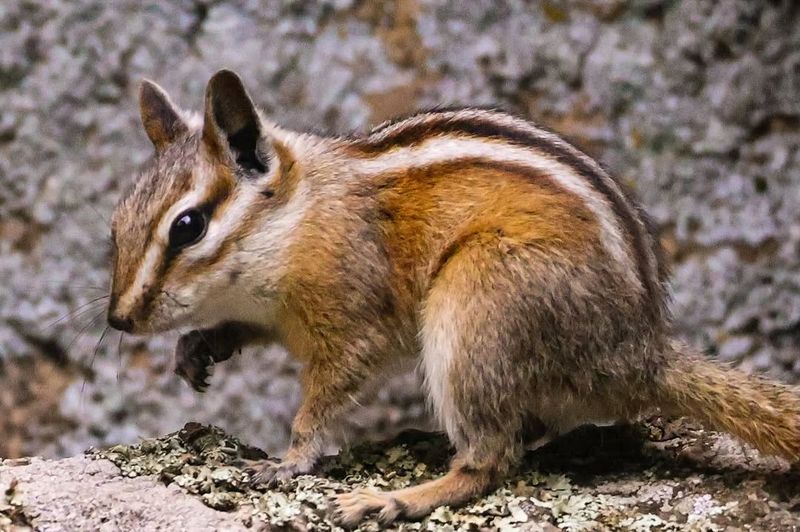
The most compelling ecological case for chipmunks comes from forest research, and it is worth understanding precisely what that research shows before applying it to a suburban vegetable bed. A peer-reviewed study on chipmunk seed-caching behavior documents how certain western chipmunk species scatter-hoard seeds by burying them individually across a landscape. Some of those caches end up in spots where seedlings can actually establish, making the chipmunk an accidental planter in particular forest settings.
Eastern chipmunks behave differently. Research on eastern chipmunk hoarding strategies shows they predominantly larder-hoard, meaning they carry food back to underground burrows and store large quantities in one place. Seeds piled in a burrow chamber generally cannot germinate. Eastern chipmunk natural history records reinforce that this centralized storage is their primary strategy, not the scatter-caching that benefits forest regeneration in western species.
Fungal-spore dispersal is another real ecological function, but it carries the same caveat. USDA Forest Service research on small mammal mycology and Pacific Northwest station reports on fungal dispersal document spore movement in forest ecosystems involving mycorrhizal and subterranean fungi. That is not a mechanism that translates into improved soil in your ornamental beds or raised vegetable rows. Meanwhile, USDA fire effects research on pine establishment situates these seed-dispersal findings firmly in natural forest contexts.
The gap between a pine forest and a backyard garden is wide enough to matter.
Confirm chipmunk damage before you blame the animal
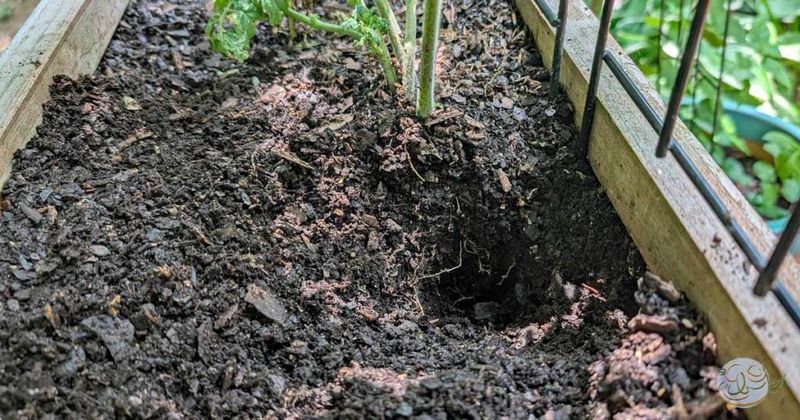
Freshly dug bulbs, missing seedlings, and half-eaten tomatoes are frustrating, but none of those signs automatically point to a chipmunk. Squirrels, voles, rabbits, and even birds can produce similar-looking damage, and blaming the wrong animal leads to wasted effort. UNH Extension’s chipmunk guidance frames management around confirmed conflict, which means taking a moment to figure out who is actually responsible before reaching for a solution.
The signs that most often point toward chipmunks include disturbed soil around bulb plantings, small seedlings vanishing at or near soil level, gnaw marks on strawberries or tomatoes low on the plant, reduced yields in beds near dense shrub cover, and small burrow entrances roughly two inches in diameter near patios, stairs, retaining walls, or foundations. Penn State Extension also lists stolen birdseed, grass seed, and improperly stored pet food as common points of conflict.
Direct observation is the most reliable confirmation method. Spending a few minutes watching the area at dawn or dusk, when chipmunks are most active, can settle the question quickly. Photographs of the animal near the damage site, or video from an inexpensive trail camera, give you something concrete to work with before escalating to barriers, repellents, or anything more involved. If you cannot confirm chipmunks as the cause, start with the least disruptive protective measure and see whether the damage continues.
Use targeted barriers to protect vulnerable plants
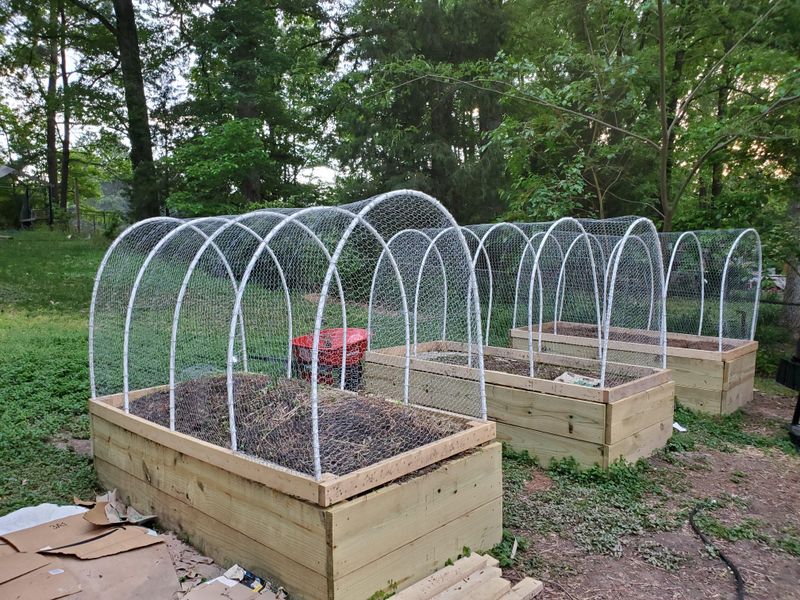
Once you have confirmed that chipmunks are responsible for damage to a specific planting, physical exclusion is the most dependable first response available to a home gardener. Penn State Extension recommends one-quarter-inch hardware cloth as the material of choice for protecting vulnerable beds, bulbs, and seeds. The mesh can be laid over a planting area and covered with a thin layer of soil, which keeps it in place while allowing water and air to pass through.
The key is targeting the specific plants taking the hit rather than attempting to exclude chipmunks from the entire yard, which is rarely practical or necessary. A row of tulip bulbs, a strawberry patch, or a flat of seedlings can each be protected individually without any broader intervention. Hardware cloth cut to size and shaped into a cage or flat cover works for in-ground bulbs; a simple wire frame over a seedling tray can prevent losses before transplanting.
Site conditions affect how well any barrier performs. Soil that is very loose may allow digging under the edges of a flat cloth barrier, so securing the perimeter with landscape staples or a border of stones can help. Raised beds with hardware cloth stapled to the bottom offer strong protection for root vegetables and bulbs. No barrier is completely foolproof, but well-installed hardware cloth consistently outperforms repellents in extension guidance for this type of small-mammal pressure.
Reduce food sources that may concentrate chipmunk activity
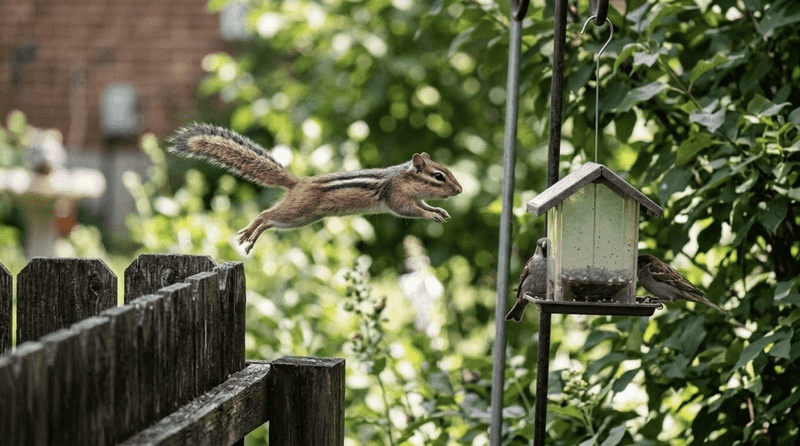
Bird feeders are one of the most common reasons chipmunk activity spikes near a home, and the fix is often simpler than gardeners expect. Penn State Extension recommends placing feeders 15 to 30 feet from buildings and using feeders designed to reduce spillage. Seed that falls to the ground sits at ground level, exactly where chipmunks forage, and a steady supply of spilled seed can draw and hold animals that might otherwise pass through.
Massachusetts wildlife guidance on garden protection advises removing spilled birdseed promptly and feeding pets indoors or cleaning up any outdoor pet food immediately after feeding. Outdoor cat or dog bowls left out overnight are a reliable food source for chipmunks and many other animals. Grass seed spread for lawn repair and garden seed stored in unsecured bags can also attract attention.
Reducing these attractants may lower chipmunk activity around the house and garden, but results will vary depending on habitat, nearby food sources, and local population density. Treating food-source reduction as a guaranteed population-control method sets up unrealistic expectations. Think of it as making your yard slightly less appealing compared to neighboring areas, which can shift pressure away from the beds and structures that matter most to you. Combined with targeted physical barriers, it gives you a practical two-part approach without requiring any chemicals or traps.
Escalation carries safety, welfare, and legal complications
When barriers and food-source reduction have not resolved the problem, gardeners often consider repellents, traps, or stronger measures. Each option comes with real limitations worth understanding before committing. Penn State Extension notes that commercial repellents may require multiple applications and generally do not provide complete protection. University of Minnesota Extension similarly warns that animals can develop tolerance to repellents over time, reducing their effectiveness.
Household remedies such as peppermint oil, mothballs, Irish Spring soap, or human hair are not supported as reliable solutions by extension guidance and carry risks to pets, soil, and other wildlife.
Rodenticides are not a safe or appropriate option for chipmunks. UNH Extension’s guidance on wildlife-safe rodent control explains that nontarget wildlife, including predators and scavengers that eat poisoned animals, can be harmed by rodenticides. Penn State also notes that no toxic baits are currently registered specifically for chipmunk control.
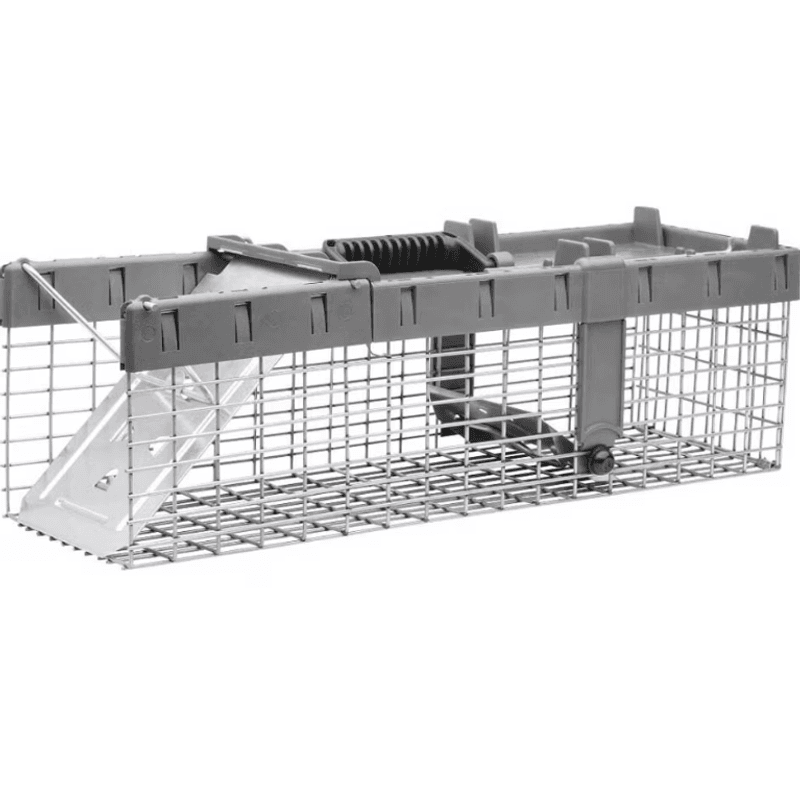
Live-trapping and relocation sound humane but carry their own complications. UNH’s nuisance wildlife resource explains that relocated chipmunks may lack familiar shelter and food sources and can die from predation or starvation. California Department of Fish and Wildlife guidance on living with wildlife and New York DEC nuisance wildlife rules illustrate how trapping, relocation, and lethal control are regulated differently across states. Check your state and local wildlife regulations before acting, or contact a licensed wildlife-control professional.
If chipmunks are getting into a building, seal entry points with caulk or one-quarter-inch hardware cloth, but only after confirming no animal is trapped inside. On the topic of bites: CDC surveillance data from 2011 to 2020 found no identified rabies cases in eastern chipmunks, and CDC clinical guidance notes that small rodents are rarely infected. Still, avoid handling wild animals; a bite or scratch that breaks skin should be washed promptly and followed up with a healthcare provider or local public-health guidance on small mammals.
Let verified damage, not the sight of a chipmunk, set the response
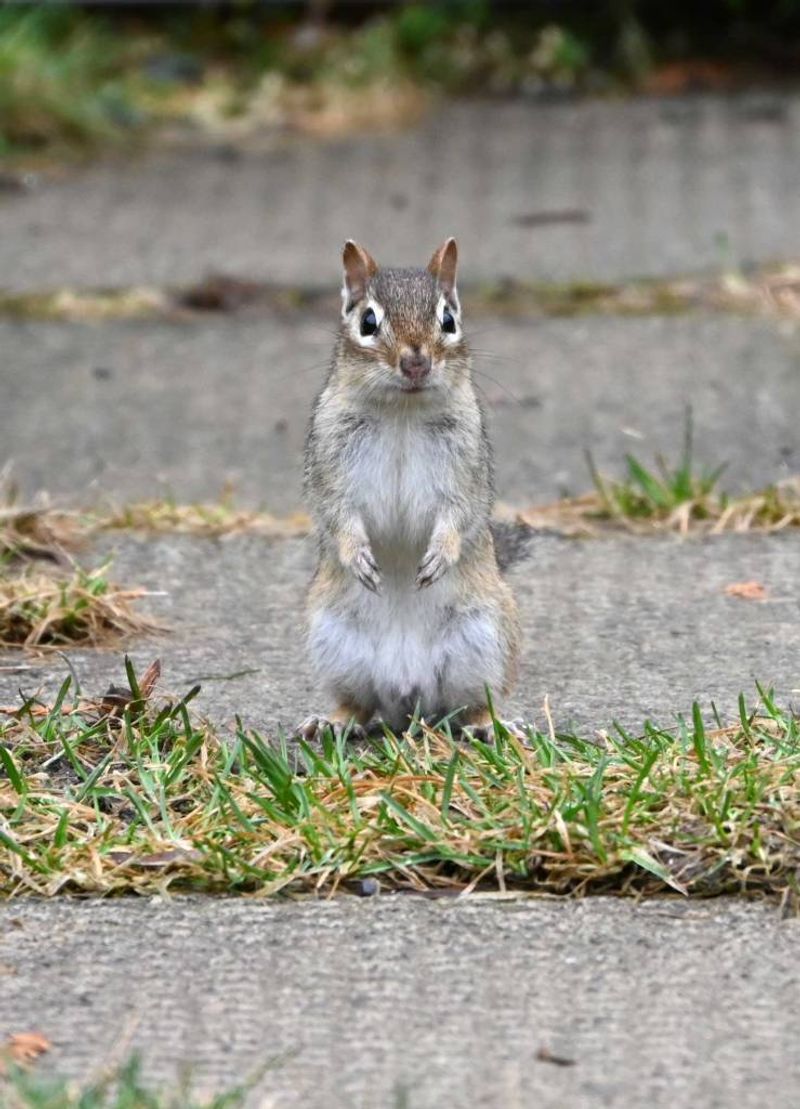
A chipmunk crossing your yard is not a problem that needs solving. The animal that warrants a response is the one you have watched digging up bulbs, gnawing your strawberries, or excavating under your front steps. UNH Extension and Penn State Extension both frame chipmunk management around confirmed conflict, not the sight of an animal passing through.
When damage is confirmed, start with the least disruptive fix: a hardware-cloth barrier over the affected planting, or a reduction in nearby food sources. Reserve trapping, relocation, or any legal-control question for your state wildlife agency or a licensed professional. State wildlife agencies across the US handle these questions differently, and getting local guidance protects both you and the animal.
Chipmunks do have a few ecological roles in the right species and habitat, but those roles do not translate into reliable garden assistance for most home gardeners. The most honest framing is conditional neighbor: tolerate the ones causing no harm, and protect specific plants when you have real evidence that one is responsible. A chipmunk seen in the yard is just information, not a verdict.