
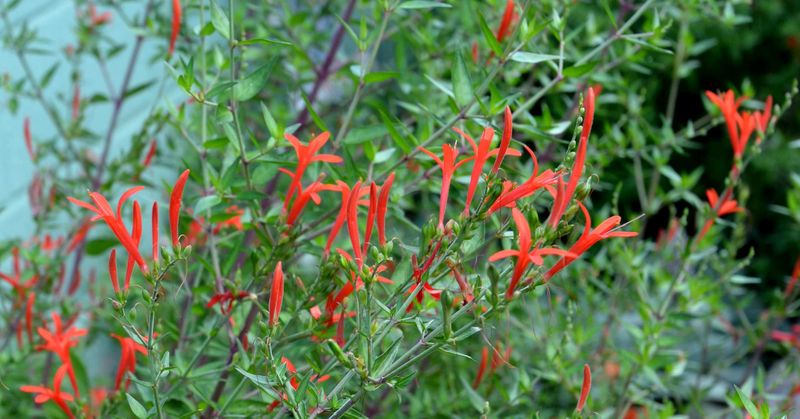
If hummingbirds have been missing from your yard lately, the fix likely involves more than one plant, but adding the right one is a solid place to start. Flame acanthus is a Texas-native woody shrub that produces clusters of orange-red, tubular flowers through the hottest part of summer and into fall, exactly when many other plants have given up. It handles drought, alkaline soils, and triple-digit heat without much fuss, making it a practical choice for gardeners across much of the state. Pairing it with good habitat habits gives hummingbirds a real reason to stop and stay a while.
Flame Acanthus Offers a More Accurate Promise
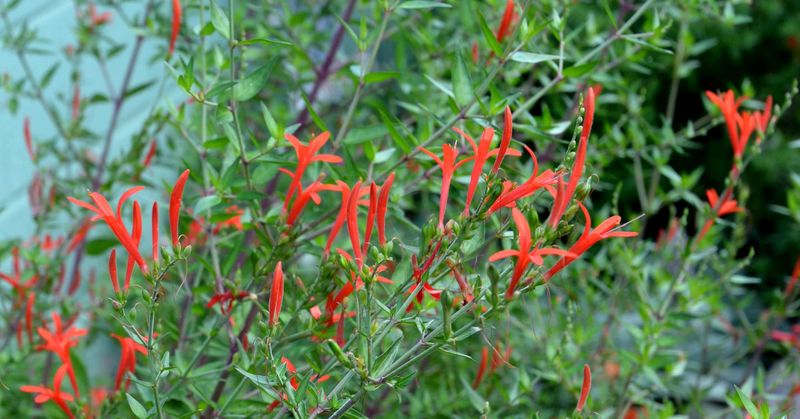
Flame acanthus, known scientifically as Anisacanthus quadrifidus var. wrightii, goes by several names in Texas nurseries and native plant circles: hummingbird bush, Wright’s anisacanth, and Texas firecracker among them. Whatever label appears on the tag, the plant underneath is a deciduous, woody perennial shrub native to Texas, not a typical flower-bed annual or meadow wildflower. Texas Tech’s plant resource database describes it as drought-tolerant, highly heat-tolerant, adaptable to alkaline soils, and low-water once established, a combination that suits many West, Central, and South Texas landscapes where summer routinely punishes less-adapted plants.
The flowers are the main attraction for wildlife gardeners. Slender, orange-red tubes bloom in clusters from roughly June through fall frost, providing a seasonal nectar resource during months when hummingbirds are actively moving through or residing in Texas. The color and tube shape are well-matched to a hummingbird’s bill and feeding behavior, which helps explain why the plant turns up repeatedly in regional hummingbird-gardening guidance.
Still, the promise needs to be stated honestly. Flame acanthus can add a seasonal nectar resource to your yard and may attract hummingbirds when local conditions are suitable, but no single plant guarantees a wildlife response. Hummingbird presence depends on migration timing, regional species distribution, nearby habitat quality, insect availability, shelter, water, and the broader mix of blooms your yard offers across the season. The title’s suggestion that one native shrub “brings hummingbirds back” overstates what any plant can deliver on its own.
Flame acanthus is a genuinely useful tool, and treating it as one part of a larger habitat strategy is the most honest and effective way to use it.
What the Evidence Says About Hummingbird Use
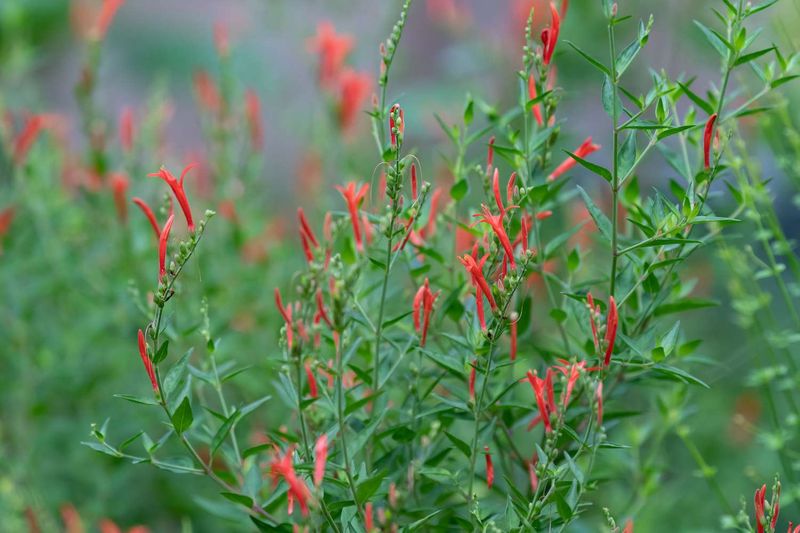
Hummingbirds do use flame acanthus. The orange-red, tubular flowers fit the physical profile that hummingbirds naturally exploit, and gardeners across Central and West Texas have reported sightings at the plant for years. More formally, the Texas Parks and Wildlife Hummingbird Roundup final report listed flame acanthus among the 20 plant groups most commonly documented at volunteer observation stations across the state. That is meaningful Texas-scale evidence of use during the plant’s summer and fall flowering window.
What the Roundup cannot tell us is whether flame acanthus outperforms other plants, causes hummingbirds to return to yards where they had stopped appearing, or is preferred over competing nectar sources. The report’s authors acknowledged that volunteers did not record how many alternative flowering plants were available at each station, so the data documents presence, not preference or superiority. A hummingbird visiting a yard with flame acanthus and a dozen other blooms does not confirm that the flame acanthus was the draw.
Hummingbirds are also opportunistic feeders. TPWD’s hummingbird FAQ notes that they will visit any flower offering ample nectar, regardless of color. Red and orange tubular flowers are common in hummingbird-associated plants, but they are not the only shapes or colors hummingbirds use. Framing flame acanthus as a plant that can add documented nectar resources during a critical summer and fall window is accurate.
Framing it as the one plant that solves an absence of sightings is not supported by the available evidence.
Expect a Texas Shrub with Seasonal Limits
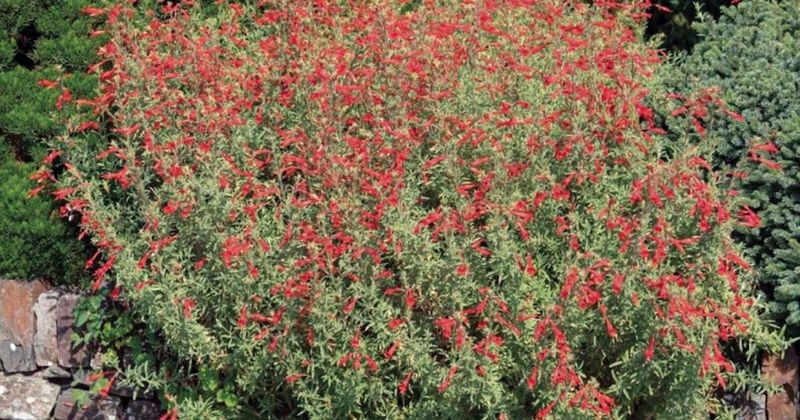
Before ordering a flat of flame acanthus, picture what you are actually getting: a loosely branched, somewhat open shrub that typically reaches 3 to 4 feet tall and spreads 3 to 5 feet wide at maturity. Texas Tech’s plant directory describes this informal, airy form, which works well in naturalistic or wildlife-focused landscapes but can look out of place in a tightly groomed flower bed designed for compact annuals. Knowing the mature size upfront prevents the frustration of a plant that outgrows its spot or looks sparse next to more formal neighbors.
Bloom timing follows the heat. Flowers generally emerge in early summer, often around June, and continue through fall or until frost ends the season. The exact start and duration vary with your location, how well the plant established during its first growing season, and how severe the previous winter was. A plant that suffered heavy stem dieback after a hard freeze may bloom later or less vigorously in the following summer, particularly if it is still pushing new growth from the root system.
Winter behavior is one of the most important things to understand before planting. Flame acanthus is deciduous and not evergreen. A significant freeze can kill the aboveground stems entirely while leaving the root system alive. Roots typically resprout once soil temperatures rise in spring, but the timing is not always predictable, and gardeners who expect early spring green may be waiting longer than they expect.
This pattern is normal and not a sign of plant failure. The plant’s drought and heat tolerance is genuine, and Texas Tech confirms its alkaline-soil adaptability, but those strengths apply most reliably in West, Central, and South Texas settings. Gardeners in the Pineywoods, Gulf Coast, or far North Texas should check locally on drainage requirements, humidity performance, and freeze exposure before assuming statewide success.
Choose the Site for Flowering and Recovery
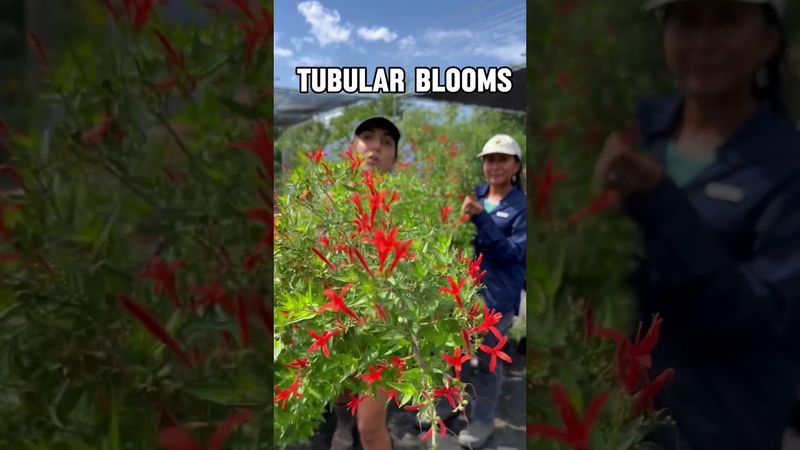
Site selection does more work for flame acanthus than almost any other care decision. Full sun, meaning six or more hours of direct sunlight daily, produces the strongest and most consistent flowering. Texas Tech lists light shade as tolerable, but reduced sun typically means fewer blooms, which is the opposite of what a hummingbird-focused garden needs. When you have a choice between a slightly shaded corner and a bright south- or west-facing bed, the sunny location will serve the plant and any visiting hummingbirds far better.
Soil drainage matters nearly as much as light. Flame acanthus tolerates alkaline and rocky soils, which makes it a natural fit for the caliche-heavy ground common across much of Central and West Texas. What it does not handle well is standing water or chronically wet roots. If your yard has low spots that hold water after rain, raise the planting area slightly or choose a different location entirely.
Poor drainage is one of the most common reasons an otherwise adapted plant declines or fails to flower reliably.
Allow enough space for the plant’s eventual 3-to-5-foot spread before you dig the hole. Crowding it against a fence or neighboring shrub limits air circulation and can reduce flowering as branches compete for light. A spot near a window, patio edge, or garden path gives you a clear sightline to any hummingbirds that arrive, which is a practical bonus worth planning for.
Low-water maintenance is a realistic goal, but only after the plant finishes its establishment period, which typically takes one full growing season with regular watering. During that first year, consistent soil moisture helps the root system develop enough depth to handle the dry spells ahead. Even after establishment, extreme heat or prolonged drought can stress the plant, so monitoring during the worst of a Texas summer is still worthwhile. Gardeners under municipal water restrictions should time planting for fall when cooler temperatures reduce establishment stress.
Build a Habitat Around the Shrub
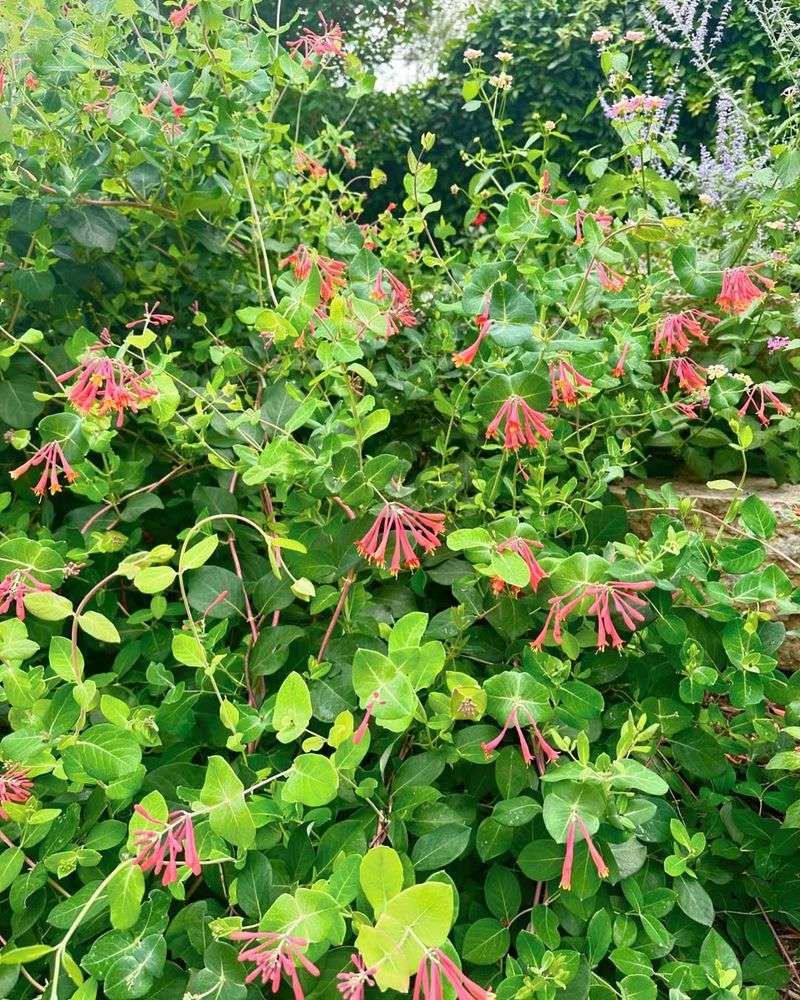
Flame acanthus earns its place in a hummingbird garden, but one shrub flowering for part of the year cannot sustain hummingbird visits across a full season. TPWD’s hummingbird garden guidance specifically recommends building overlapping bloom periods so that nectar is available from spring through late fall, not just during the weeks when one plant peaks. Pairing early bloomers with mid-season and late-season plants creates a continuous resource that gives hummingbirds a reason to return repeatedly rather than pass through once.
Several Texas-native companions are worth evaluating alongside flame acanthus, depending on your ecoregion. Autumn sage offers red tubular flowers and a long bloom season well-matched to hummingbird activity. Turk’s cap produces drooping red blooms that hummingbirds use readily and tolerates more shade than most nectar plants. Coral honeysuckle and crossvine are climbing natives with tubular flowers that can cover fences or trellises and add vertical layers to the garden.
Trumpet vine is vigorous and may need management to keep it from overtaking neighboring plants. Native hibiscus, Texas lantana, and red yucca round out the palette with different flower forms, heights, and bloom windows. No single combination works everywhere in Texas, so confirm that each candidate suits your local drainage, freeze exposure, and humidity before committing to a planting plan.
Plant height diversity matters beyond just bloom timing. Hummingbirds feed at different levels and use shrubs, vines, and small trees as perches between feeding bouts. A garden that offers nectar only at one height misses opportunities. Dense shrubs and small trees nearby also provide shelter from predators and weather, which affects whether hummingbirds treat a yard as a safe stop or move on quickly.
Insects are a part of this picture that gardeners sometimes overlook. Hummingbirds consume small insects and spiders as a protein source, particularly during nesting. TPWD’s habitat resources guidance frames insect-supporting vegetation as a genuine component of bird habitat, not just a side note. A yard that supports insect diversity through native plantings and restrained pesticide use offers hummingbirds more of what they need than a yard focused only on nectar flowers.
Add Water and Feeders Without Creating Hazards
Water is a hummingbird habitat element that many gardeners underestimate. A deep, still birdbath is not a useful substitute for what hummingbirds actually need. TPWD’s hummingbird FAQ recommends very shallow water sources, drippers, or misters. Hummingbirds bathe by flying through fine spray or landing briefly at the edge of a shallow pool, and a standard birdbath filled to the rim can pose a drowning risk for such a small bird.
A simple dripper attachment on an existing basin or a dedicated mister hung near flowering plants is a low-cost addition with real habitat value.
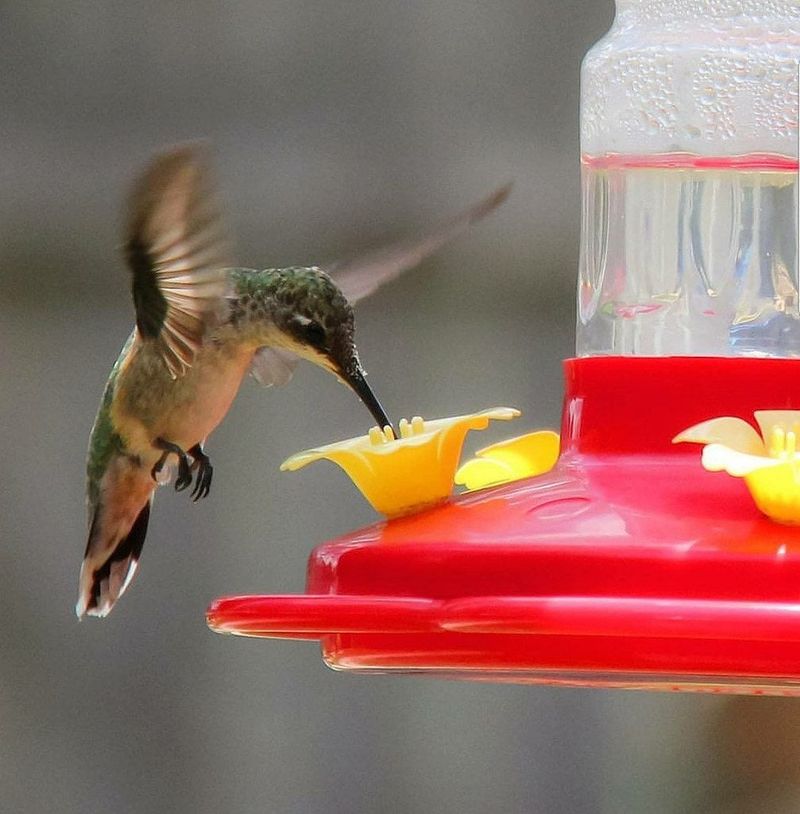
Feeders can supplement natural nectar sources and are worth maintaining properly, especially during migration or when flowers are between bloom cycles. The nectar recipe is straightforward: four parts water to one part plain white granulated sugar, dissolved and cooled before filling the feeder. Do not use honey, which can promote dangerous fungal growth. Do not use artificial sweeteners, which provide no usable energy.
Do not add red food dye, which is unnecessary since the feeder’s red parts already attract hummingbirds and dye adds no benefit.
Texas heat turns feeder maintenance into a near-daily task during summer. Audubon’s hummingbird-yard guidance recommends changing nectar every day or every other day during hot weather, and cleaning the feeder thoroughly any time the liquid turns cloudy or mold appears. Fermented or moldy nectar can harm hummingbirds, and the speed at which sugar water degrades in triple-digit temperatures is faster than most people expect. Placing the feeder in partial shade can slow spoilage slightly without making it harder for birds to find.
Pesticide habits affect the whole habitat picture. Hummingbirds eat insects and spiders in addition to nectar, so broad insecticide applications around a hummingbird garden reduce a food source the birds genuinely depend on. The TPWD Roundup report identifies pesticide use and habitat loss among the pressures affecting hummingbird populations. Spot-treating specific problem plants when necessary is a far better approach than routine broad-spray applications across the yard.
Seasonal Timing Can Explain an Empty Yard
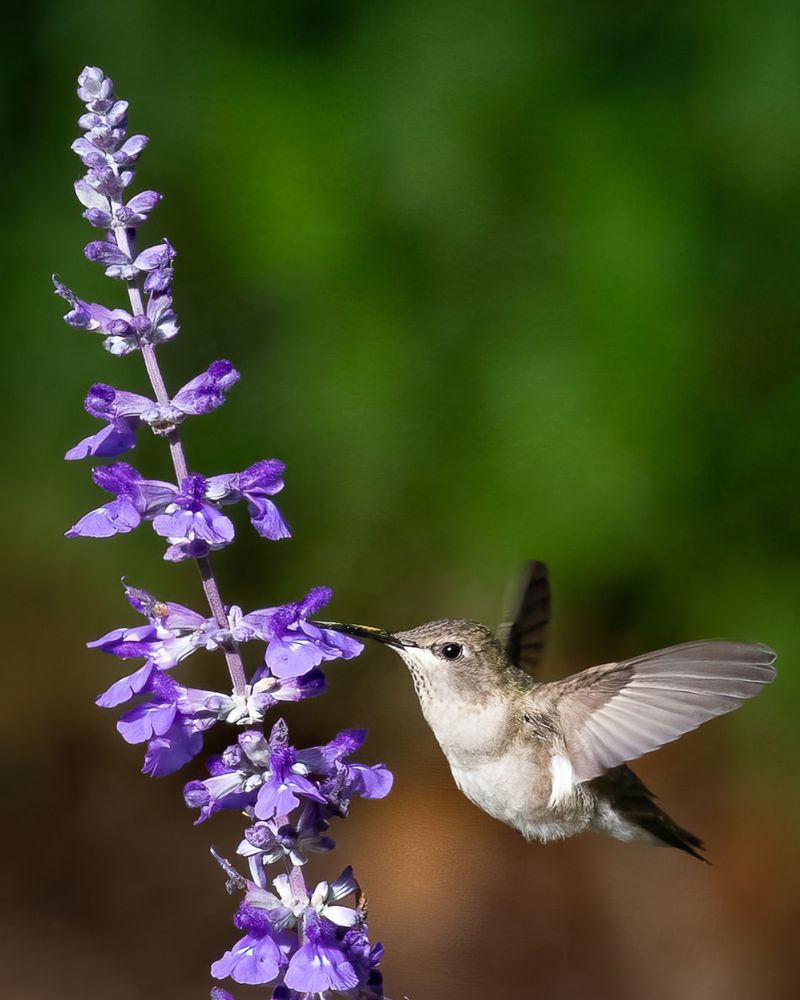
An absence of hummingbirds does not always mean the yard is lacking something. Texas hosts both resident and migratory hummingbird species, and their presence shifts significantly across the calendar and across the state. TPWD’s migration timing guide places the general Ruby-throated hummingbird spring migration through Texas from late March to mid-May, but other species and wintering patterns differ considerably by region. A yard that seems quiet in early summer may simply be between migration pulses, not permanently abandoned.
Regional species variation adds another layer. Broad-tailed, Black-chinned, Rufous, and Buff-bellied hummingbirds all appear in Texas at different times and in different parts of the state. TPWD’s hummingbird introduction resource notes that species presence and abundance vary widely depending on where in Texas you live. A gardener in the Trans-Pecos may regularly see species that a gardener in Houston encounters only rarely, and vice versa.
Weather, nearby habitat, and yard conditions all contribute to whether hummingbirds stop or move on. A cold snap that delays bloom timing, a neighbor’s yard offering denser shelter or more flowers, a window that reflects sky and causes collisions, or a gap in insect availability can each reduce sightings without any single obvious cause. TPWD’s hummingbird garden guide frames consistent habitat as a long-term investment rather than an immediate fix, which is the right expectation to set. Flame acanthus blooming reliably in late summer and fall adds nectar during a high-traffic migration window, but the yard around it determines whether that resource gets used.
Use Flame Acanthus as One Seasonal Invitation
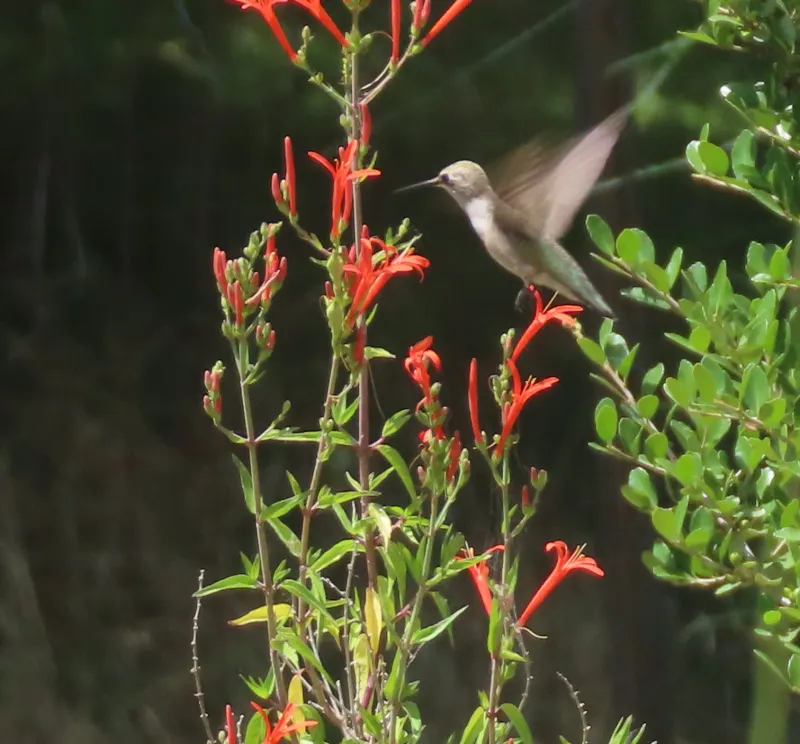
Flame acanthus earns a spot in a Texas hummingbird garden when the conditions are right for it: full sun, well-drained soil, enough space for a 3-to-5-foot spread, and a location in West, Central, or South Texas where its drought and alkaline-soil tolerance genuinely applies. Texas Tech’s profile confirms those strengths, and the plant’s summer-to-fall bloom window lines up with active hummingbird movement through the state.
Establish it carefully through its first season, pair it with companion plants that extend bloom across spring and fall, add shallow water and a properly maintained feeder, and reduce pesticide use so insects stay part of the habitat. TPWD’s hummingbird garden guidance and the Roundup report data both point toward this whole-yard approach as the most practical way to improve hummingbird habitat over time.
Flame acanthus can improve the nectar resources your yard offers and may attract hummingbirds when migration, weather, and local conditions align. The yard that gives them a reason to land is more than one plant deep.