
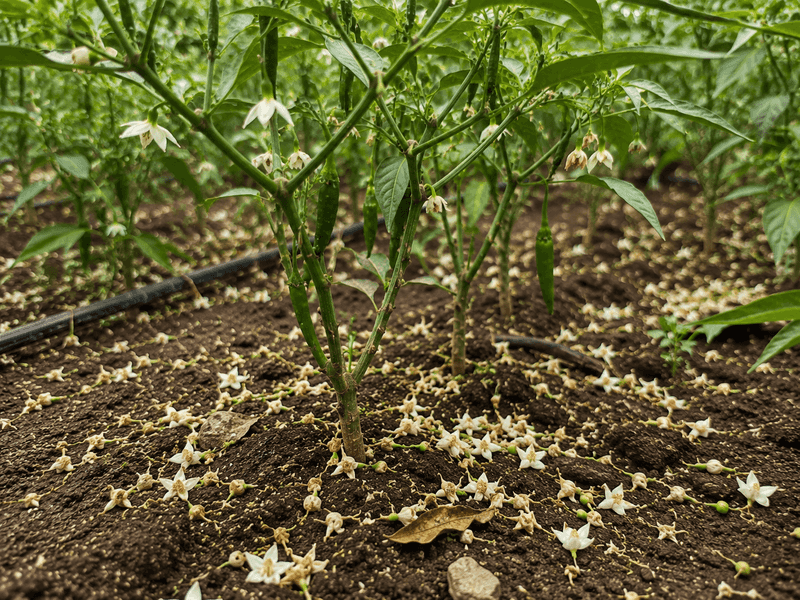
You planted your peppers back in spring, watched them grow into full, healthy-looking bushes, and then waited for fruit that never came. Flowers open and fall off, or tiny peppers form and drop before they have a chance to grow. This is one of the most frustrating problems in the summer vegetable garden, and the good news is that it usually has a fixable cause. Understanding what is actually happening, whether it is heat, watering, feeding, or something else entirely, puts you back in control.
Midsummer heat often explains the sudden flower drop
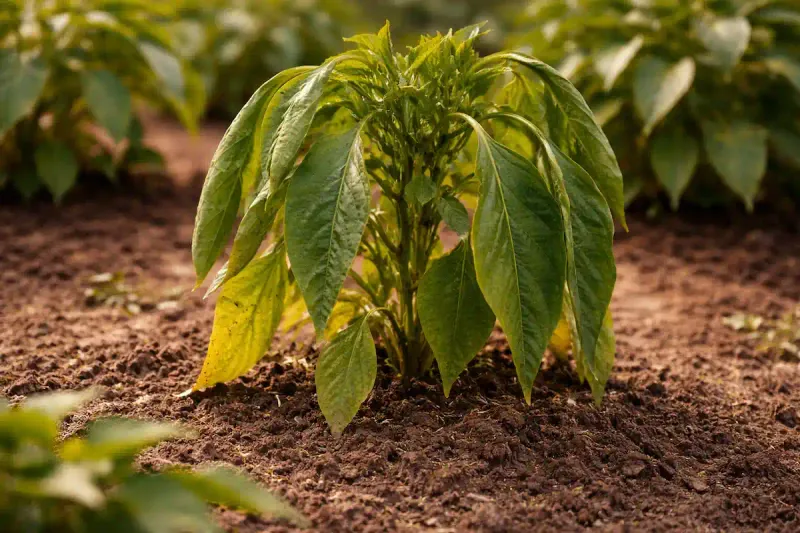
Pepper plants can look completely healthy, full of dark green leaves and loaded with flowers, and still drop every blossom without producing a single fruit. When this happens during a stretch of hot summer weather, heat stress is one of the first things worth considering. High daytime temperatures can impair pollen function, making fertilization unreliable, and nights that stay warm can compound the problem by preventing the plant from recovering overnight.
Practical temperature warning ranges cited by extension researchers put the risk zone at roughly 85 to 95 degrees Fahrenheit during the day and above about 70 to 75 degrees at night. University of Maryland Extension guidance on blossom and fruit set identifies flower and small-fruit drop in peppers when daytime temperatures exceed 95 degrees or nights stay above 75 degrees. A peer-reviewed bell pepper study found reduced fruit set after exposure to 33 degrees Celsius (about 91 degrees Fahrenheit) during sensitive stages of flower development. These are practical warning ranges, not hard biological cutoffs, because thresholds shift depending on the pepper type, cultivar, plant age, humidity, and how long the heat lasts.
Bell peppers tend to be more sensitive than many small-fruited hot varieties, so the same heat wave may hit them harder. Check conditions at flower level rather than relying only on the official forecast, since pavement, walls, and reflected heat can push temperatures at plant height well above the ambient reading. If your drop started during or just after a heat spike and the plant otherwise looks fine, heat is a reasonable first explanation, not a guaranteed one.
Bushy growth can point to nitrogen, but it cannot prove excess
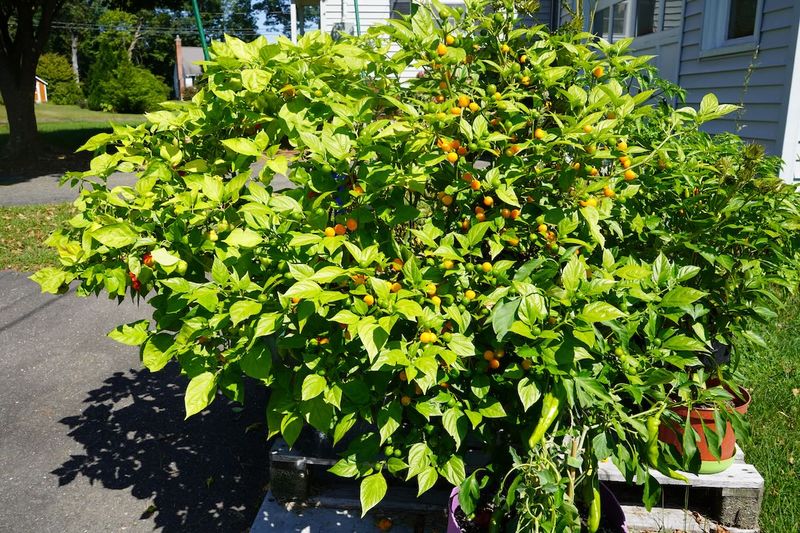
A pepper plant that looks like a small shrub but carries little or no fruit is sometimes blamed on too much nitrogen fertilizer. That explanation can be correct, but it requires more evidence than leafy growth alone. Peppers that have been shedding flowers due to heat may look unusually vigorous simply because they have not been directing energy into developing fruit. The foliage you are seeing may be healthy variety-specific growth or the result of a plant that has been flowering and aborting rather than setting and filling peppers.
Excess nitrogen becomes a more plausible factor when feeding history supports it. If the plant has received repeated applications of a high-nitrogen fertilizer, lawn-type granules, fresh manure, or composted poultry litter throughout the season, that pattern alongside abundant leafy growth and consistently weak flowering is a meaningful combination. K-State Extension’s guide on tomato and pepper fruit set identifies excessive nitrogen as a recognized cause of lush vegetative growth at the expense of flowering and fruit production. An Illinois research study on pepper nutrition found that high nitrogen levels reduced fruit set and early fruit numbers in peppers.
Before concluding that nitrogen is the culprit, review what you have actually applied this season, how often, and at what rate. A plant that received one moderate feeding in spring and nothing since is unlikely to be nitrogen-saturated, even if it looks green and full. Use the combination of heavy feeding history plus abundant foliage plus poor flowering as your diagnostic signal, not any single symptom on its own.
Assess water stress alongside the temperature
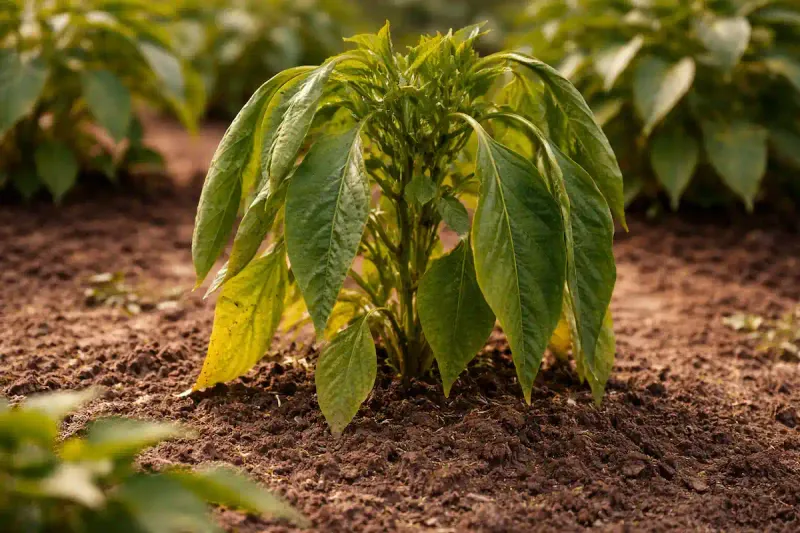
Heat and water stress often arrive together, and treating them as separate competing explanations misses how they interact. When temperatures climb and air becomes dry or windy, plants lose water through their leaves faster than the roots can replace it. A pepper plant that had adequate soil moisture at 7 a.m. may still be under severe water stress by early afternoon on a hot, breezy day, even if you watered the evening before.
Flowers and small developing fruits are sensitive to this midday stress. New Mexico State University Extension’s pepper production guide lists drought, hot dry wind, and rapid swings between dry and saturated soil among the documented causes of blossom and small-fruit drop. Check your soil at root depth, not just at the surface, and consider whether recent weather included stretches of no rain, unusually low humidity, or persistent wind that would accelerate drying.
Consistent root-zone moisture is the goal, not constantly wet soil. Soggy conditions carry their own risks: waterlogged roots absorb water and nutrients poorly and become more vulnerable to root diseases, both of which can reduce fruit set. Utah State University Extension recommends keeping pepper soil evenly moist rather than cycling between dry and saturated. Improving irrigation consistency can reduce ongoing stress, but flowers that already aborted during a dry or hot period cannot be restored by better watering afterward.
Use temporary shade and even irrigation during a heat wave
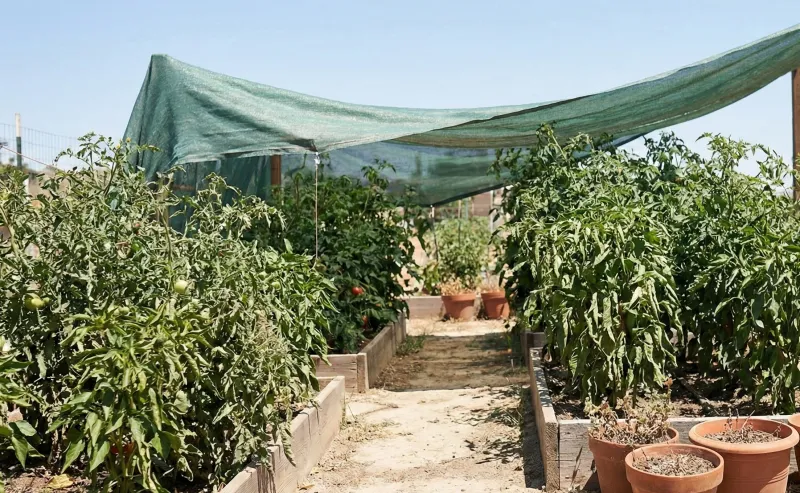
When temperatures push into the danger zone for several days in a row, giving your peppers some physical protection can reduce heat load while the weather is at its worst. Temporary shade cloth rated at roughly 30 percent is a practical option. University of Delaware Cooperative Extension recommends approximately 30 percent shade cloth for peppers and tomatoes during heat stress, noting that this level lowers heat load without cutting light so severely that growth suffers. The cloth should be draped over a simple frame rather than laid directly on the foliage, which would trap heat and reduce airflow.
Afternoon shade, even from a strategically placed garden umbrella or temporary structure, can meaningfully lower the temperature at flower level during the hottest hours. Morning sun is generally more valuable to peppers than afternoon sun during a heat wave, so protecting the western exposure while keeping the eastern side open is a reasonable approach. Remove or adjust the shade as temperatures moderate so the plant continues to receive adequate light. Excessive or permanent shade is itself a cause of reduced flowering and poor fruit set, so this is a temporary rescue measure, not a long-term setup.
Pair shade with deep, consistent irrigation. University of Minnesota Extension’s pepper-growing guide advises keeping soil evenly moist throughout the growing season. Deep watering that reaches the full root zone is more effective than frequent shallow sprinkling, which evaporates quickly and encourages surface rooting. A layer of organic mulch, such as straw or wood chips, placed around the base of the plant helps hold soil moisture, moderates soil temperature, and reduces the rapid swings that stress roots and flowers alike.
Good airflow around the plant also matters, since crowded or enclosed plants can trap heat at canopy level even when ambient temperatures seem more moderate.
Pause fertilizer before reaching for phosphorus or calcium
When peppers are not producing, the instinct to add fertilizer can feel logical, but applying more nutrients without understanding the cause often misses the real problem entirely. If heat or water stress is driving the flower drop, additional feeding will not help and may make matters worse by pushing more vegetative growth when the plant needs to stabilize.
Stop routine fertilizer applications while you assess the situation. Look at the nitrogen analysis on whatever product you have been using, and consider how frequently you have applied it. Illinois Extension’s pepper-growing resource cautions that overfertilization is often blamed when extreme heat is actually the limiting factor. A soil test, available through many state extension services at low cost, is the most reliable way to determine whether a nutrient is actually deficient before you add anything.
Extra phosphorus is sometimes recommended online as a way to push flowering, but extension guidance is clear: University of Minnesota Extension advises against adding phosphorus unless a soil test indicates a deficiency. Adding nutrients that are already present at adequate levels will not improve fruit set and may interfere with the uptake of other minerals.
Blossom-end rot deserves a separate mention because it is frequently confused with failure to set fruit. Blossom-end rot appears as a dark, sunken, leathery lesion on the bottom of a developing pepper, not as dropped flowers or aborted tiny fruits. It is associated with disrupted calcium transport inside the plant, usually caused by inconsistent water availability, root stress, or rapid growth, rather than a simple lack of calcium in the soil. Utah State University Extension notes that improving irrigation consistency is generally more effective than adding calcium sprays or supplements when blossom-end rot appears.
If your peppers are dropping flowers before any fruit forms, that is a different problem from blossom-end rot, and the two should not be treated the same way.
Hand-pollination rarely fixes midsummer blossom drop
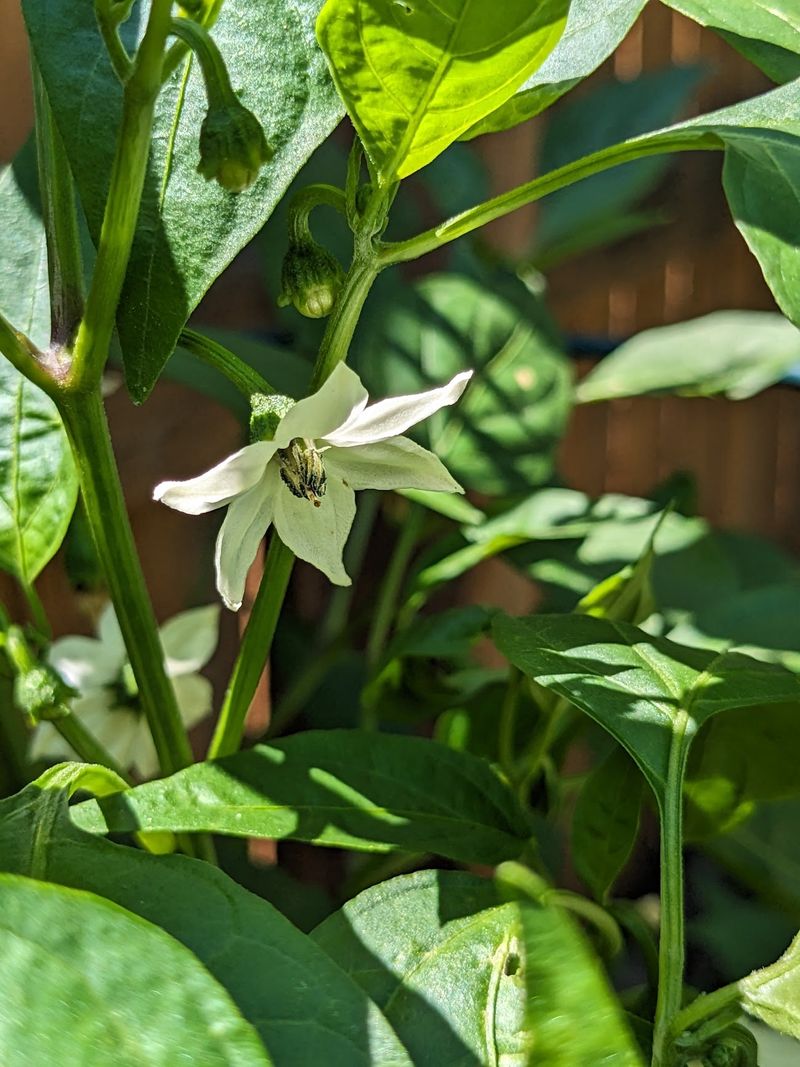
Dropped pepper flowers are sometimes assumed to mean the plant is not getting pollinated, and hand-pollination gets recommended as the fix. Pepper flowers are built differently from crops that require insect transfer between separate male and female plants. Each pepper flower carries both male and female parts and can fertilize itself, so a lack of visiting insects is rarely the reason flowers are falling off a healthy plant in summer.
UC Cooperative Extension’s pepper resource confirms that peppers are self-pollinating and do not require insect activity to set fruit under normal conditions. Gently tapping or shaking the plant in still air can help distribute pollen between flowers, and some evidence suggests that insect visits can improve fruit size and seed count. However, Illinois Extension’s Garden Scoop blog is direct on this point: hand-pollination cannot overcome flowers that have already been damaged or aborted due to heat, drought stress, or nutrient problems. If pollen is non-viable because of high temperatures, or if the flower has already begun to abort, no amount of brushing or tapping will produce a pepper.
Avoiding unnecessary insecticide applications around open flowers is sensible general practice because pollinators do contribute to garden health broadly, but that is not a treatment for heat-related blossom drop. Focus on the temperature and moisture conditions first, and treat pollination as a secondary consideration only after those factors are addressed.
Expect recovery after temperatures moderate, but watch for other symptoms
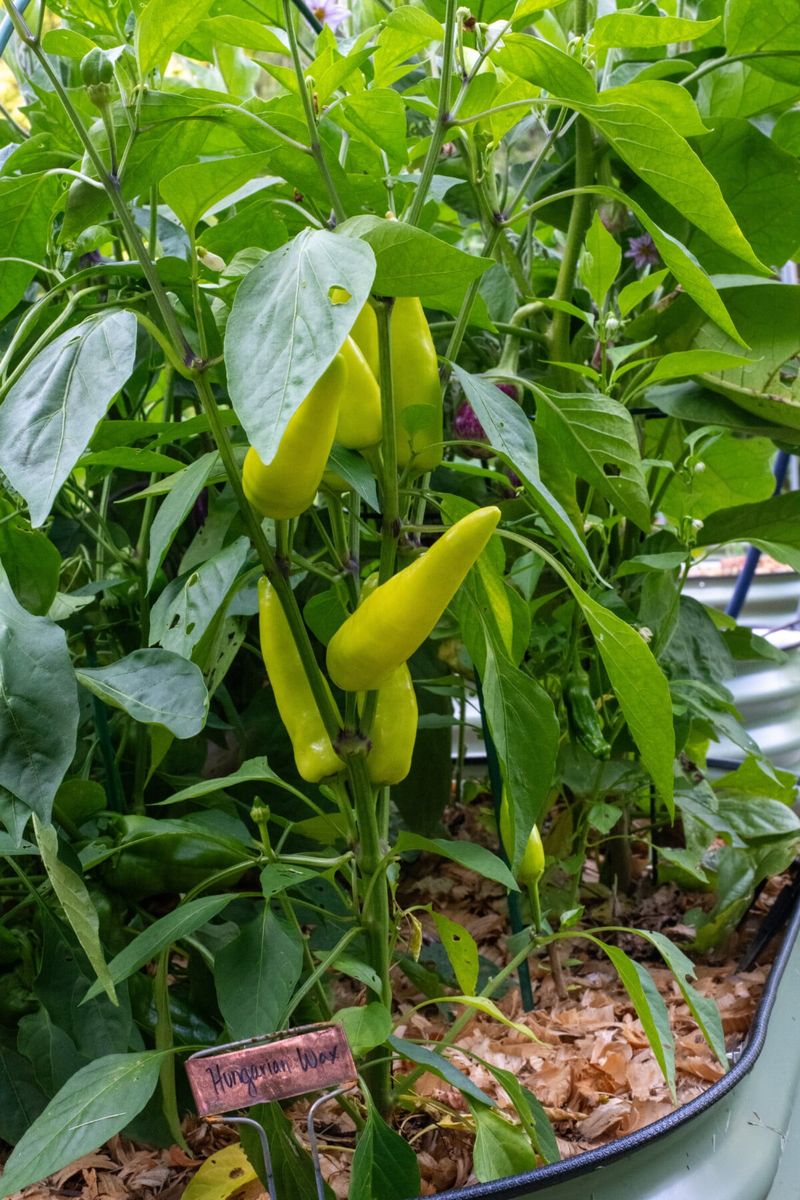
Flowers that formed and dropped during the hottest stretch of summer are gone for good, and no intervention will bring them back. That reality can feel discouraging, but it does not mean the plant is finished for the season. Illinois Extension’s Garden Scoop is clear that later flowers, those that develop after temperatures moderate, can set successfully if the plant has stayed healthy through the heat. Peppers often resume production as late-summer nights cool down, sometimes surprising gardeners who had written off the season.
While you wait for conditions to improve, keep soil moisture steady and resist the urge to resume heavy nitrogen feeding just because the plant is not yet fruiting. Pushing more vegetative growth during a recovery period delays the transition to flowering and fruit set. Once peppers do begin to develop, harvest them regularly at full size or ripe color rather than leaving them on the plant. Oklahoma State University Extension’s pepper production fact sheet and University of Maryland Extension both note that leaving mature fruit on the plant can slow subsequent flower and fruit production, so picking consistently supports continued output.
Pay attention to anything that does not fit the heat-stress picture. Leaves that are distorted, puckered, or show mosaic or mottled color patterns suggest a viral infection rather than heat damage. Sticky residue on foliage, especially combined with tiny insects on the undersides of leaves, points to pest pressure. Severe wilting that does not recover overnight, stem lesions, or dark spots on developing fruit all warrant a closer look beyond simple temperature management.
New Mexico State University Extension lists disease, insect injury, herbicide drift, and other environmental stresses among the documented causes of pepper blossom and fruit problems. A plant that fits the broader symptom picture described here should recover as weather cooperates; one showing these additional signs needs a more targeted diagnosis. Healthy plants that make it through a rough July often deliver their best fruit in August and September.