
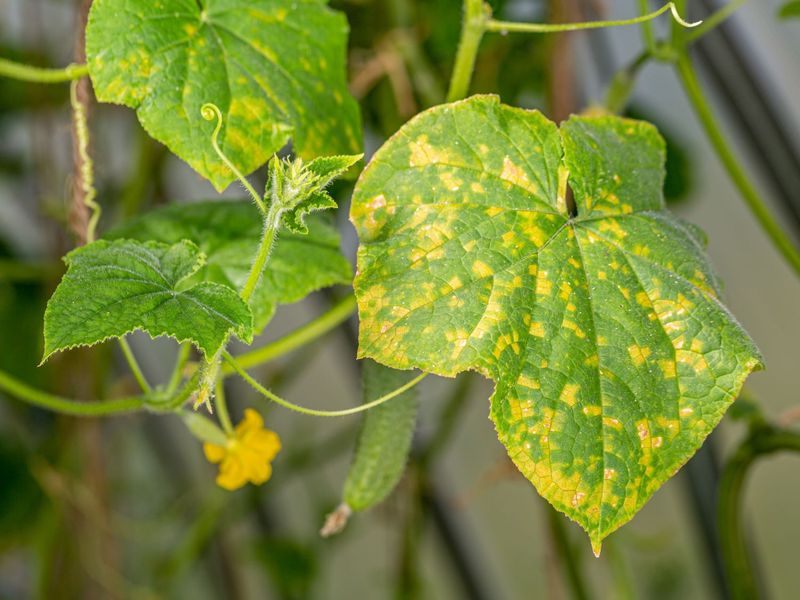
Walking out to your cucumber patch and finding a soft, yellow fruit hanging on the vine is genuinely discouraging, especially in the middle of a hot summer when you expected a good harvest. The good news is that this problem is diagnosable, and the fix depends on figuring out exactly what went wrong. Yellowing and mushiness are actually two separate clues that point in different directions, and sorting them out is the fastest way to protect the cucumbers still growing on that same vine.
Yellow and mushy are two different clues
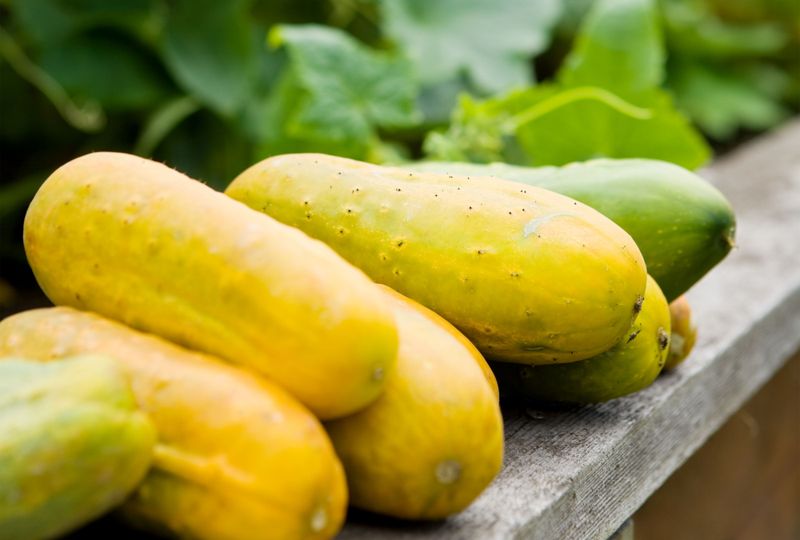
Spotting a yellow cucumber on the vine does not automatically mean something went wrong with your watering. Standard slicing and pickling cucumbers are meant to be harvested while they are still green, firm, and immature, so a yellow fruit most often signals that it was simply left on the vine too long. University of Illinois Extension guidance on cucumbers confirms that yellowing and hardening seeds are signs of overmaturity in standard varieties, not necessarily disease or moisture failure. Some varieties, such as lemon cucumbers, are naturally yellow when ripe, which is another reason color alone is not a reliable diagnosis.
Mushiness is a different story. A soft, water-soaked, collapsing, or moldy cucumber shifts the investigation away from simple overmaturity and toward rot, disease, physical damage followed by decay, or fruit sitting against wet soil. These two symptoms can appear together, but they do not share a single cause. Oregon State University Extension’s cucumber growing guide notes that soft or collapsing fruit warrants a closer look at the underside and the growing conditions around the fruit.
Starting with this distinction matters because the right response depends on the right diagnosis. A firm yellow cucumber mostly needs earlier picking next time. A soft, decaying one needs to be removed immediately, and the conditions that allowed it to rot need to be addressed before the next fruit develops.
The watering problem is uneven moisture, not a magic schedule
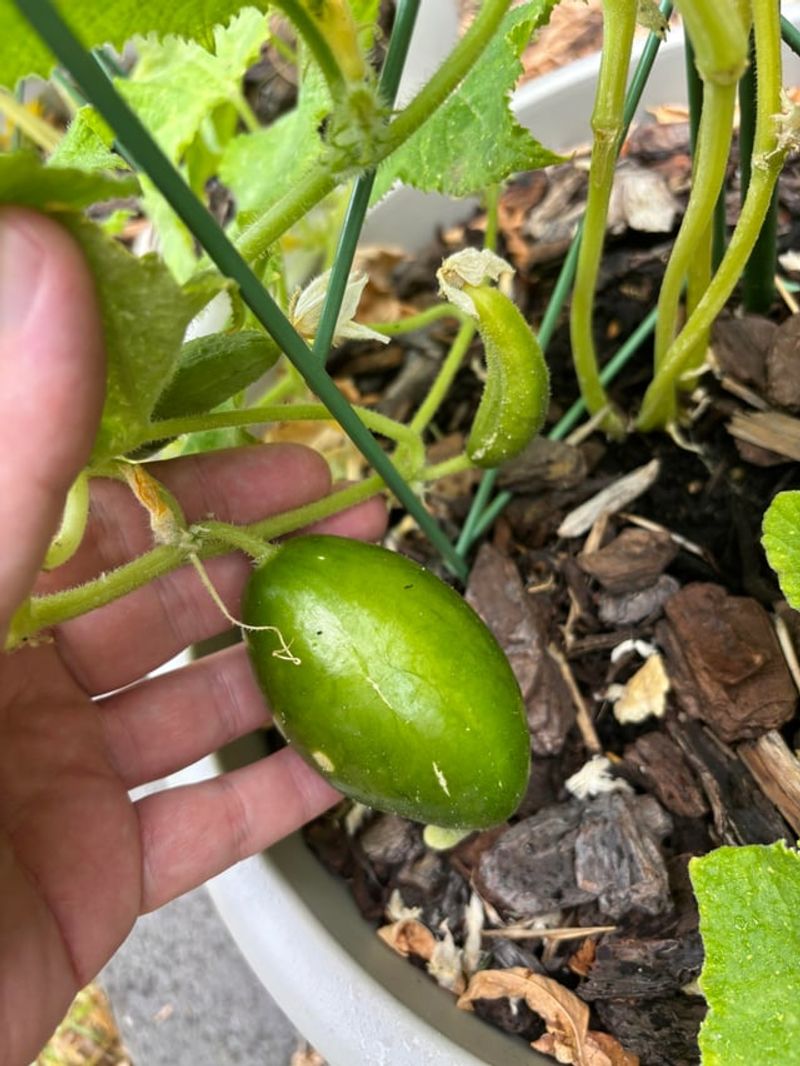
The watering pattern most worth examining is not whether you water in the morning or the evening. The real concern is allowing the root zone to become substantially dry and then flooding it with water, creating sharp swings in soil moisture. Utah State University Extension’s irrigation guidance for cucurbits connects moisture fluctuations around flowering and fruit set with misshapen fruit, blossom-end problems, and changes in fruit size, flavor, and color. These swings, not a fixed watering time, are the moisture-related pattern most likely to affect developing cucumbers.
More water is not automatically the solution. Excess moisture and poorly drained soil create a different set of problems, including root rot, fruit cracking, and conditions that favor fruit-rotting pathogens. The goal is relatively even soil moisture through the fruiting period, not a wetter garden overall.
USU’s water recommendations for vegetables suggest roughly 1 to 2 inches of water per week as a general target, with fruiting plants often needing more, but the right amount depends heavily on soil type, temperature, mulch, and other conditions. Uneven moisture is one plausible contributor to cucumber quality problems, but it is not the only explanation for yellow or mushy fruit, and correcting it alone will not address overmaturity, disease, or heat damage.
Check the soil before you reach for the hose
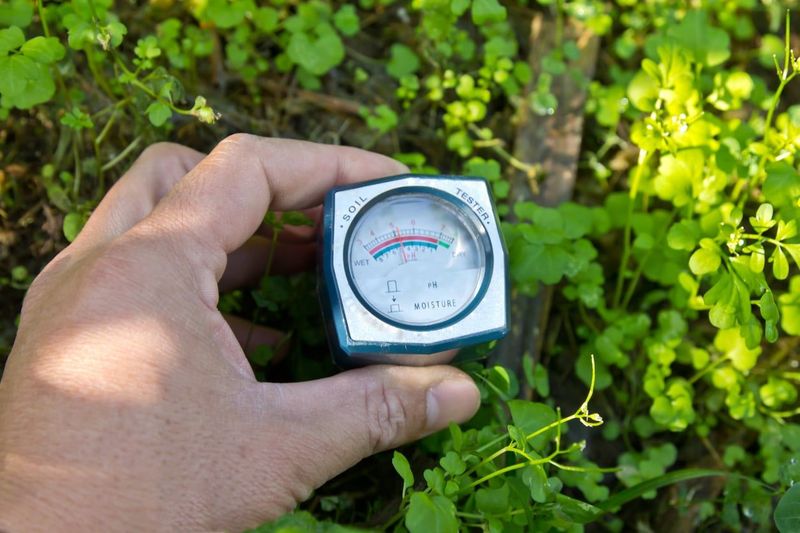
Calendar-based watering is one of the most common ways moisture swings develop. Checking the soil directly tells you far more than any schedule can. For most home vegetable gardens, University of Minnesota Extension’s vegetable garden watering guidance recommends pressing your finger roughly 2 inches below the surface. Dry soil at that depth is a reliable signal that watering is needed; if the soil still feels cool and moist, wait another day and check again.
Soil type changes everything about how often that check comes back dry. Sandy soils drain quickly and may need watering every day or two during a heat wave, while heavier clay soils or beds enriched with compost hold moisture longer and need less frequent irrigation. Containers dry out faster than in-ground beds. Trellised plants exposed to wind lose moisture more quickly than low-growing vines, and fruiting plants need more consistent moisture than seedlings.
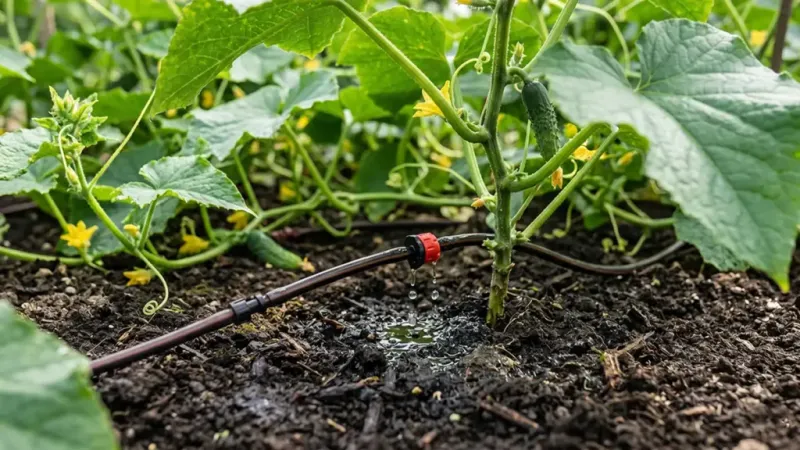
UMN’s guide to growing cucumbers recommends watering the root zone slowly using drip irrigation, a soaker hose, or careful base watering rather than overhead sprinklers, which wet leaves and fruit unnecessarily.
A 2- to 3-inch layer of straw or wood-chip mulch around the base of the plant slows evaporation and helps keep moisture more consistent between waterings. The goal, as USU Extension notes, is to wet the root zone thoroughly without leaving the bed saturated or causing runoff. Mulch supports that balance without replacing the need to monitor actual soil conditions.
When mushiness starts at the ground, suspect rot
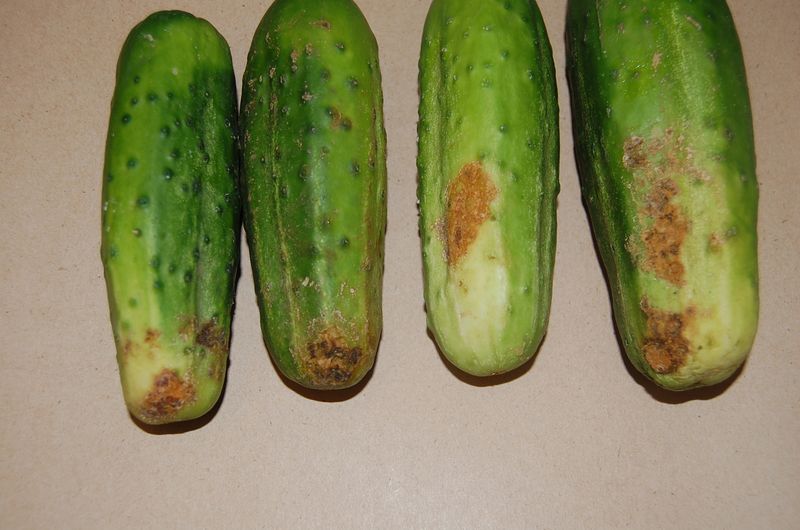
Flip a soft cucumber over before you pull it off the vine. Rot that begins on the underside, at the blossom end, or at the point where fruit contacts the soil is a strong sign of a soilborne disease rather than a straightforward watering problem. Utah State University Extension’s Pythium fruit rot notes describe water-soaked brown spots developing where the fruit rests against the ground, followed by rapid collapse. Pythium and related belly rots thrive when standing moisture, poor drainage, or wet soil stays in contact with the fruit surface for extended periods.
Several practical steps can reduce conditions that favor these diseases. Keeping fruit off wet soil is one of the most effective, whether through trellising, tucking a folded piece of row cover or dry mulch under developing fruit, or staking. Improving bed drainage before planting, using drip irrigation instead of overhead sprinklers, and avoiding excessive watering all reduce the prolonged moisture that these pathogens need.
Disease symptoms can look similar to watering injury, which is part of why diagnosis matters. The UMN plant diagnostic tool for cucumbers lists several diseases, including Phytophthora blight and angular leaf spot, that can produce soft, water-soaked lesions or collapsing fruit. None of these can be reversed once the fruit is infected. The steps above reduce risk for developing fruit, but they will not repair tissue that is already decaying.
Heat and overmaturity can outrun your harvest schedule
Midsummer heat changes how fast cucumbers move from ideal to past-prime. Under hot, humid conditions, a cucumber that looks perfect in the morning can be oversize and beginning to yellow by the next day. UMN Extension’s guide on how excessive heat affects the vegetable garden notes that sustained high temperatures can disrupt normal fruit development, reduce pollinator activity, and accelerate quality decline in cucurbits. That shortened window means a harvest schedule that worked in cooler weather may leave fruit on the vine too long once temperatures climb.
For slicing cucumbers, Illinois Extension recommends harvesting at roughly 6 to 8 inches, before the seeds harden and the skin begins to yellow. Pickling types should come off the vine at smaller sizes. Checking plants at least every other day is a reasonable baseline, and daily checks are worth the effort during heat waves. Fruit left past its prime not only becomes unmarketable but also signals the plant to slow or stop producing new fruit.
Poor pollination is a separate cause of small, misshapen, or aborted fruit and should not be confused with rot. Penn State Extension’s cucumber pollination resource explains that hot, rainy, cloudy, or insecticide-affected periods can reduce bee activity enough to cause fruit that is narrow, crooked, or shriveling from the blossom end. These fruits typically shrivel and dry rather than collapsing and becoming water-soaked, which is a useful diagnostic distinction from rot.
Remove the damaged fruit and protect the next harvest
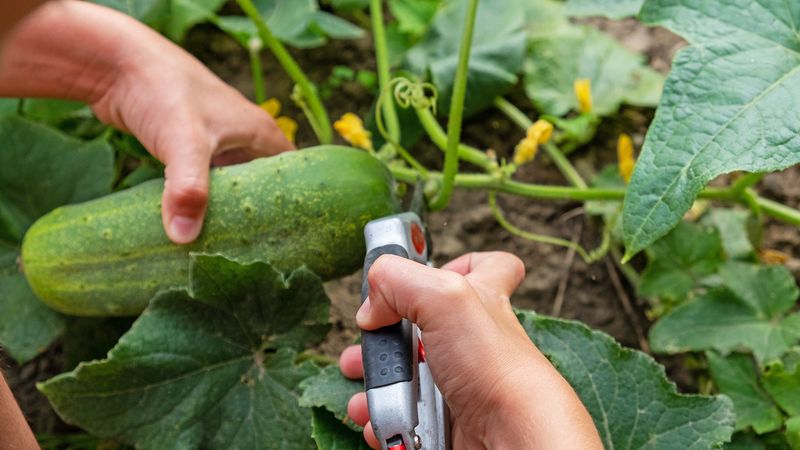
Once you find a soft, moldy, or visibly decaying cucumber, the first job is to get it off the vine and out of the garden. UMN Extension’s guidance on managing plant diseases in the home garden is clear that diseased or rotten produce can contribute to pathogen spread among developing fruit nearby. Leaving a rotting cucumber on the vine or dropping it in the bed gives soilborne and airborne pathogens more time and material to work with.
Do not try to salvage a soft, mushy cucumber by cutting away the damaged section. USDA food safety guidance on molds in food classifies cucumbers as soft, high-moisture produce for which mold and decay can penetrate well below the visible surface. The entire fruit should be discarded, not trimmed and eaten. Keep any sound cucumbers harvested at the same time separate from suspect ones until you have inspected them.
After removing the damaged fruit, look closely at the developing cucumbers remaining on the plant. Check their undersides and blossom ends for early lesions. Then address the conditions that may have contributed: adjust irrigation if moisture has been inconsistent, improve drainage if water has been pooling, and add mulch or raise fruit off the soil if contact rot was the likely cause. USU Extension and Illinois Extension both emphasize continuing appropriate irrigation for the plant and its remaining fruit rather than stopping watering because one cucumber failed.
A steadier midsummer routine can reduce risk

Building a more consistent watering routine through the rest of the season is a reasonable response to this kind of problem, with one important qualification: it can reduce moisture swings and some disease-favorable conditions, but it cannot prevent every cause of cucumber failure. Overmaturity, heat damage, poor pollination, and some diseases will occur regardless of how carefully you water.
A practical midsummer approach starts with the soil check before each watering session. UMN Extension’s vegetable garden watering guidance and their water-wisely resource both support watering when the soil indicates a need rather than on a fixed calendar. When you do water, soak the root zone thoroughly without leaving the bed saturated or producing runoff. Morning watering is generally preferred because it allows foliage to dry before nightfall, reducing conditions that favor foliar diseases, but a plant that is wilting from heat stress should be watered when it needs it, not left to wait until the next morning.
Keep fruit off wet soil using mulch or a trellis. Harvest frequently, at least every other day, so fruit does not overmature between visits. USU Extension’s cucurbit irrigation guidance and UMN’s disease management resource both support removing any rotten fruit promptly as part of the same routine. Together these habits reduce the conditions that allow moisture-related and disease-related losses to repeat, though none of them individually guarantee a clean harvest.
Consistency helps, but diagnosis decides
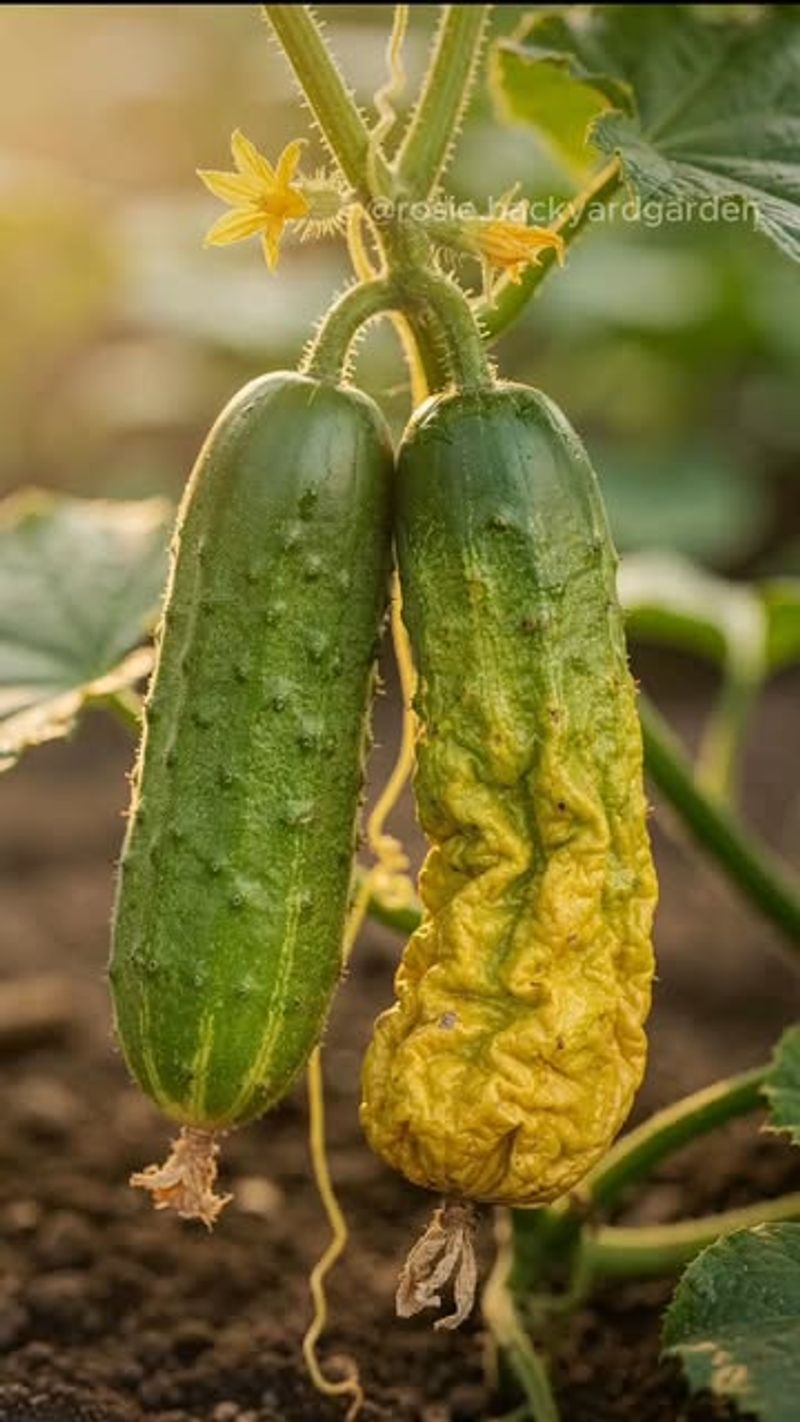
Keeping soil moisture relatively even during cucumber fruit development is an appropriate adjustment for most home gardens, and it may reduce some of the quality problems linked to wet-dry swings. What it cannot do is explain every case of yellow or mushy fruit on its own. USU Extension’s cucurbit irrigation guidance frames even moisture as one important factor among several that influence fruit quality, not a single lever that controls all outcomes.
Before changing your entire irrigation plan, work through the likely causes: Was the fruit overmature and simply left too long? Does the damage start at the soil-contact point, suggesting rot? Are nearby leaves showing disease symptoms? Did a heat wave compress the harvest window?
Is the fruit shriveling from the blossom end in a way that points to poor pollination? Illinois Extension’s cucumber guidance reinforces that the answers to those questions, not the symptom alone, should drive the response. A cucumber that tells you what went wrong is more useful than one that just gets discarded without a second look.