
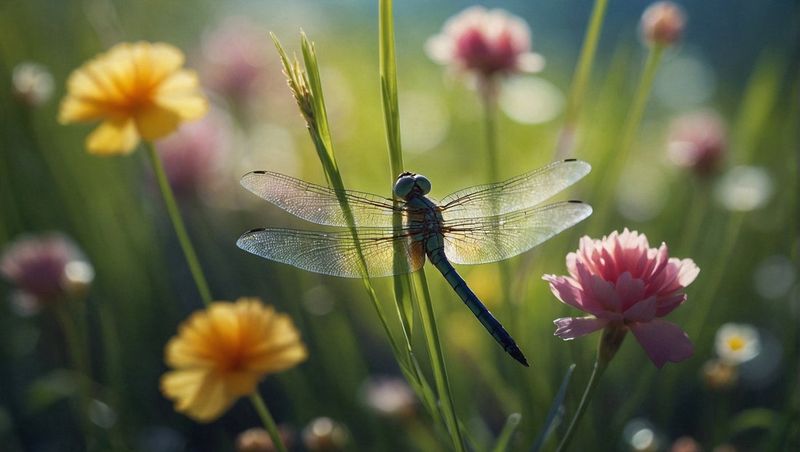
Standing water in your yard can turn into a mosquito nursery fast, but nature has a built-in cleanup crew. Dragonflies hunt mosquitoes at every stage of life, and they will happily move into a yard that gives them the right plants to perch, hunt, and lay eggs near. The trick is choosing California native plants that thrive in our dry summers and wet winters while inviting these winged predators to stick around. Here are nine natives to plant near your pond, rain garden, or water feature so dragonflies do the pest control for you.
1. California Rush (Juncus patens)
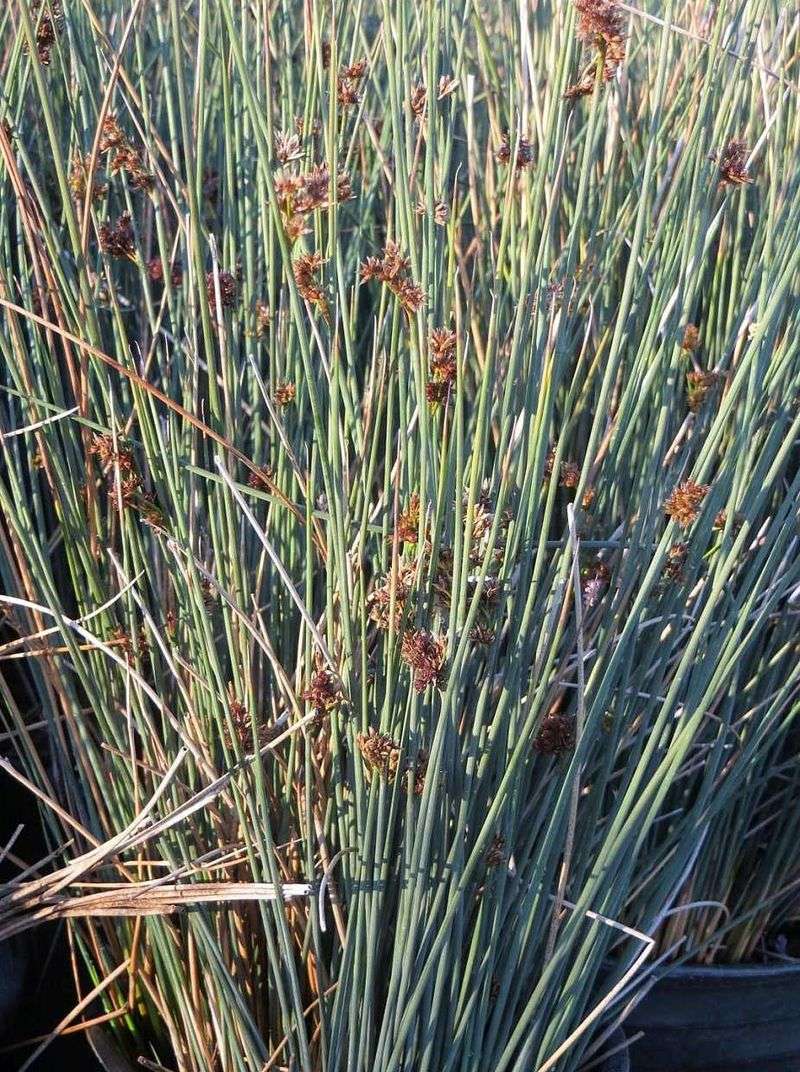
Every dragonfly needs a launchpad, and few plants offer better vertical perches than this tough, blue-green native rush. Its stiff, upright stems shoot straight out of muddy edges, giving darters and skimmers a place to rest between hunting flights and scan the air for mosquitoes.
It thrives right where water pools, tolerating both soggy soil in winter and dry spells once established. That flexibility makes it a natural fit for the messy, changing edges of a California pond or rain garden.
Young dragonfly nymphs also climb these stems when they crawl out of the water to transform into adults. So the plant does double duty, hosting the insect through its most vulnerable moment while helping shade the water surface that mosquitoes love to breed in.
2. Common Rush (Juncus effusus)
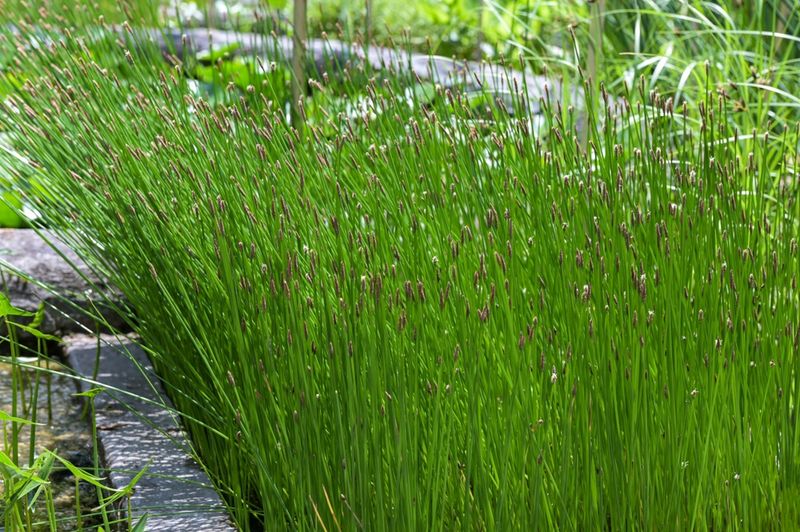
Soft, arching, and almost feathery from a distance, this rush forms dense clumps that dragonflies treat like a private hunting lodge. The thin green stems bend under the weight of a resting insect, then spring back, giving darners a bouncy vantage point over open water.
Homeowners love it because it fills wet, awkward low spots where lawn refuses to grow and mosquitoes tend to gather. Instead of standing puddles, you get a living screen that shelters emerging dragonfly nymphs.
It spreads by underground rhizomes, so a few plants can knit together into a thick border over a couple of seasons. Keep it near the waterline and it will help cool the surface, which can reduce the warm stagnant zones female mosquitoes seek out for laying eggs.
3. Western Blue Flag Iris (Iris missouriensis)
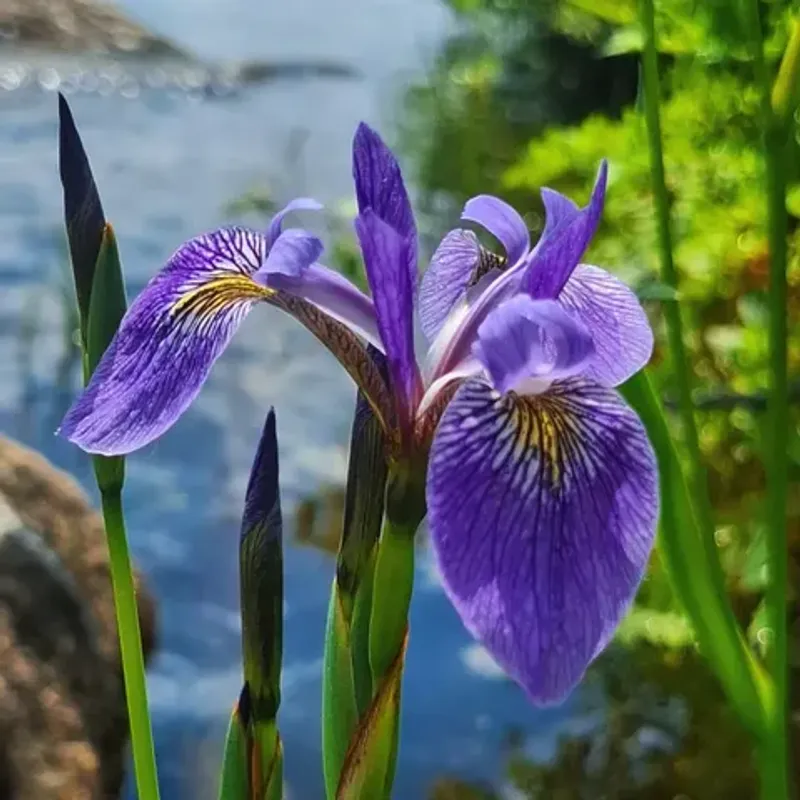
Come late spring, this native iris throws up pale violet blooms streaked with gold, and the show is only part of the appeal. Its broad, sword-shaped leaves rise well above the waterline, creating sturdy perches where dragonflies can bask and dry their wings in the morning sun.
Found naturally in wet meadows and along seasonal creeks across California, it handles the wet-winter, dry-summer rhythm without fuss. Plant it in the moist zone just back from your pond edge and let the clumps thicken over time.
The dense foliage also gives cover to the tiny aquatic life dragonfly nymphs feed on, keeping the whole food web humming. More prey below the surface can mean more hungry nymphs working through mosquito larvae before they ever take flight.
4. Yerba Mansa (Anemopsis californica)
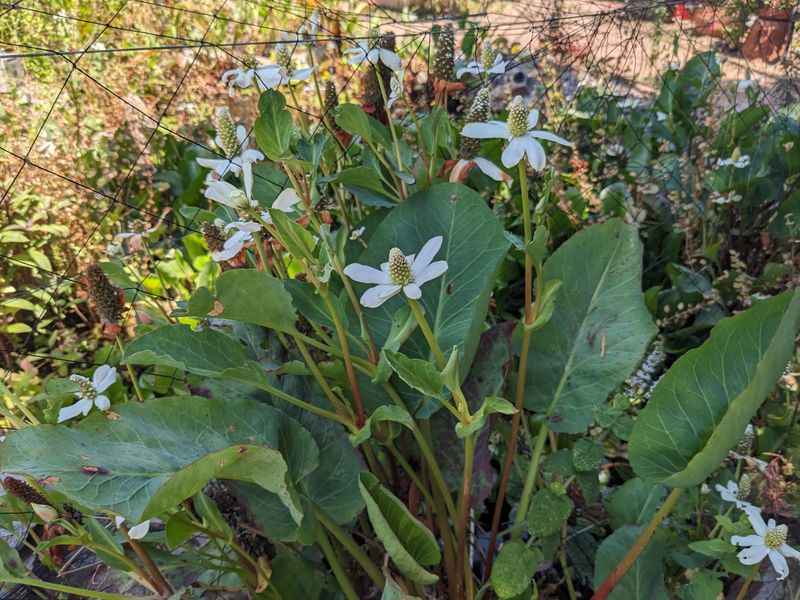
Picture a low carpet of leathery green leaves topped with cone-shaped white flowers, and you have yerba mansa spreading happily across the muddiest ground in your yard. It practically begs for the boggy, saturated soil most plants hate, which makes it a champion for taming a chronically wet corner.
By blanketing bare mud, it shades and cools shallow standing water, the exact conditions mosquito larvae need to develop. Choke off that warm open water and you make the neighborhood far less welcoming to them.
Dragonflies patrol low over these mats, snatching insects that rise from the damp ground. Californians have used this plant medicinally for generations, so you get a piece of local history rooting itself right into your water garden.
5. Deergrass (Muhlenbergia rigens)
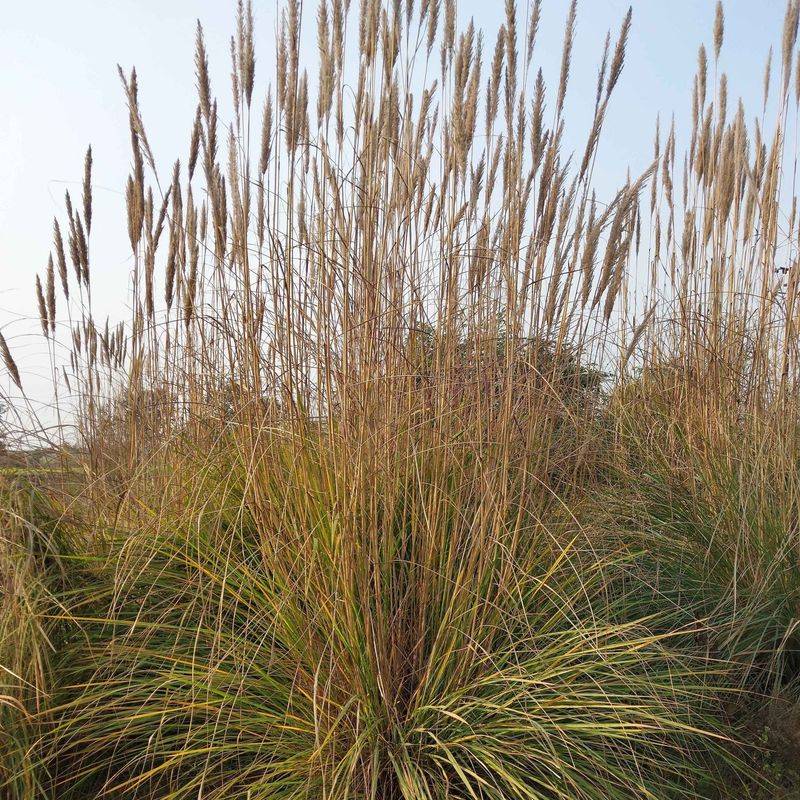
Big, fountain-like, and unbothered by drought, deergrass anchors the drier upland edge just beyond your water feature. Its tall flowering spikes wave in the slightest breeze and make irresistible perches for dragonflies scanning a wider territory for prey.
Unlike the moisture lovers on this list, this bunchgrass prefers the transition zone where the ground dries out, giving your dragonflies a full range of hunting heights and habitats. That variety keeps different species coming and going all day.
It asks for almost nothing once rooted, shrugging off summer heat and needing little water, which suits our restriction-conscious climate perfectly. Come evening, mosquitoes drifting up from the water often meet a dragonfly launching from these very spikes.
6. California Gray Rush (Juncus phaeocephalus)
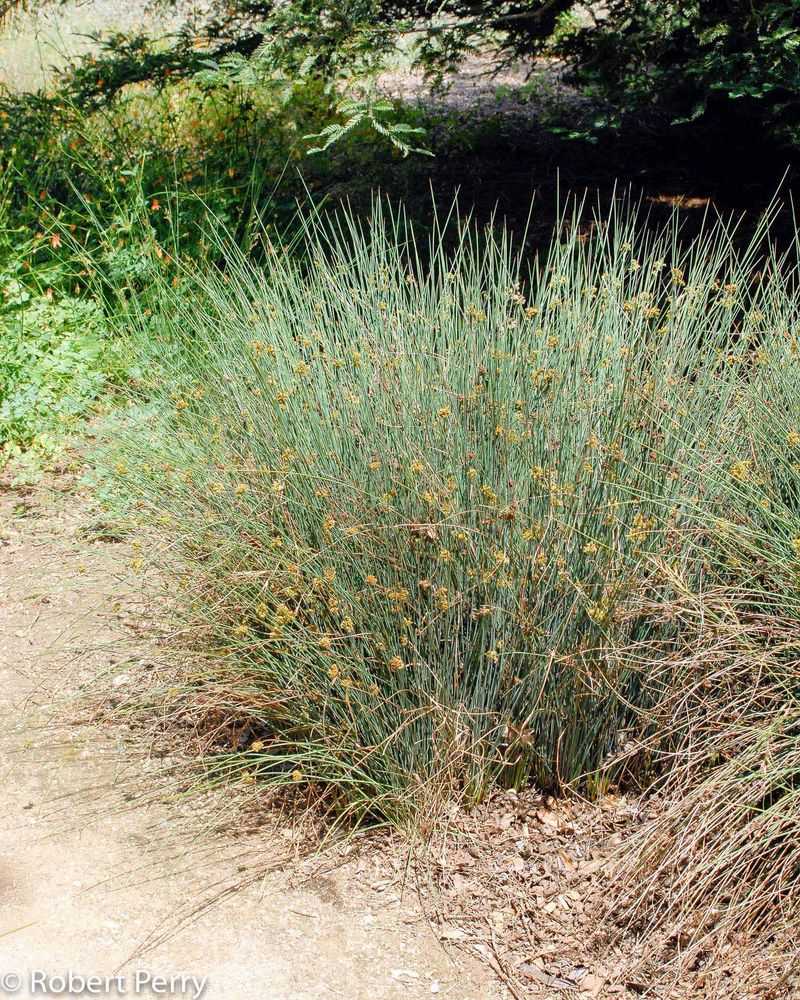
Low, tidy, and reliably green, this compact rush is the polite neighbor of the group, holding its shape without sprawling all over the pond bank. Its clustered dark seed heads sit atop flattened stems that dragonflies use as sun-warmed resting spots.
Coastal and inland gardeners alike can lean on it because it tolerates a range of soils as long as the roots stay damp through winter. It knits the muddy shoreline together and slows erosion when the rains come hard.
Keeping the bank stable matters more than it sounds. A firm, planted edge holds fewer of the shallow, disturbed puddles where mosquitoes rush to breed, while still offering nymphs a safe path out of the water when it is time to emerge.
7. Common Tule (Schoenoplectus acutus)
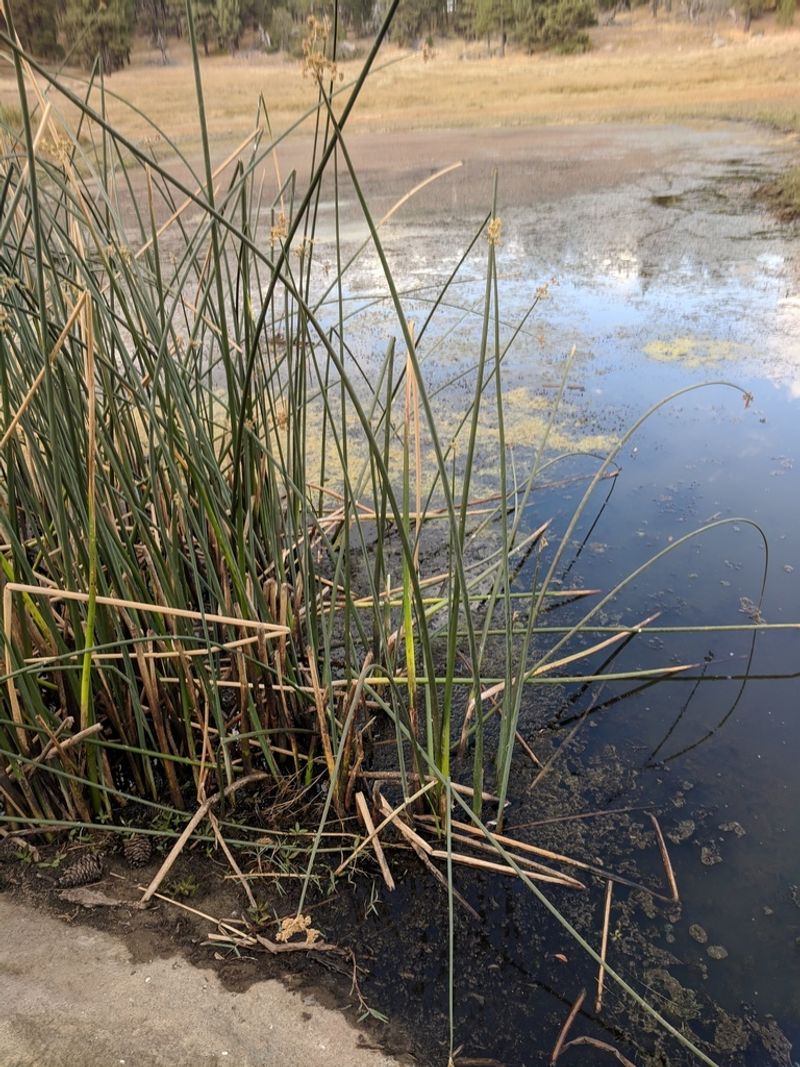
Towering and unmistakable, tule once filled the great marshes of the Central Valley, and a stand of it in your yard brings a slice of that wild California home. The round, spear-straight stems can climb several feet, offering the tallest perches on this list for big dragonflies like darners.
Its roots love to sit in shallow standing water, so it belongs right in the pond or the deepest part of a rain basin. There it shades the surface and gives underwater nymphs a jungle of stems to hunt through.
Because dragonfly nymphs spend months, sometimes years, living underwater before emerging, a permanent tule stand keeps generations of them fed. Every larva they eat down there is one fewer adult mosquito buzzing around your patio.
8. California Aster (Symphyotrichum chilense)
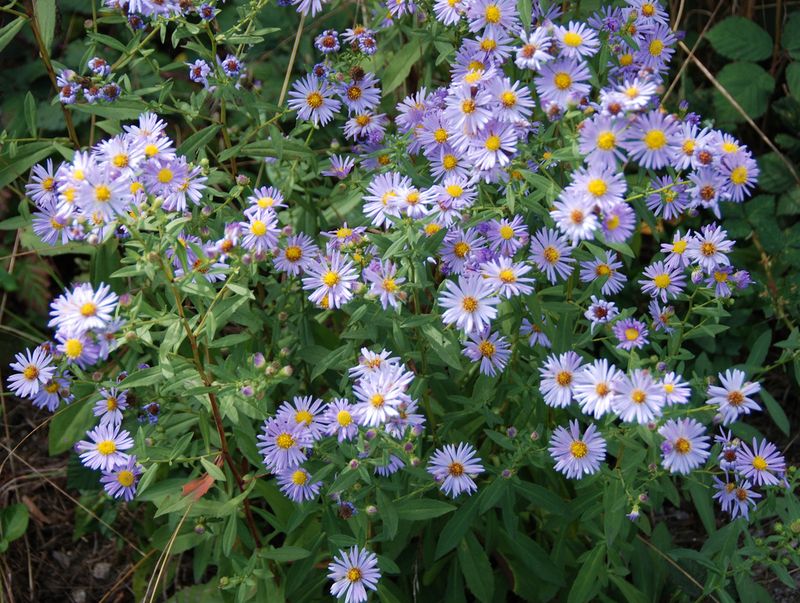
Late in the season, when much of the garden has faded, this aster erupts in soft lavender daisies right when dragonflies are still on the wing. The blooms pull in a crowd of small flying insects, and where the small insects gather, the dragonflies follow to feast.
Spreading by rhizomes, it forms a low thicket at the moist margin behind your waterline, giving cover and a busy hunting buffet at once. It bridges the gap between water plants and dry-garden natives beautifully.
You are not just feeding dragonflies here, either. The nectar supports native bees and butterflies too, so a single planting stitches together several strands of a healthy, wildlife-friendly yard while keeping the mosquito population under pressure.
9. Creeping Wild Rye (Elymus triticoides)
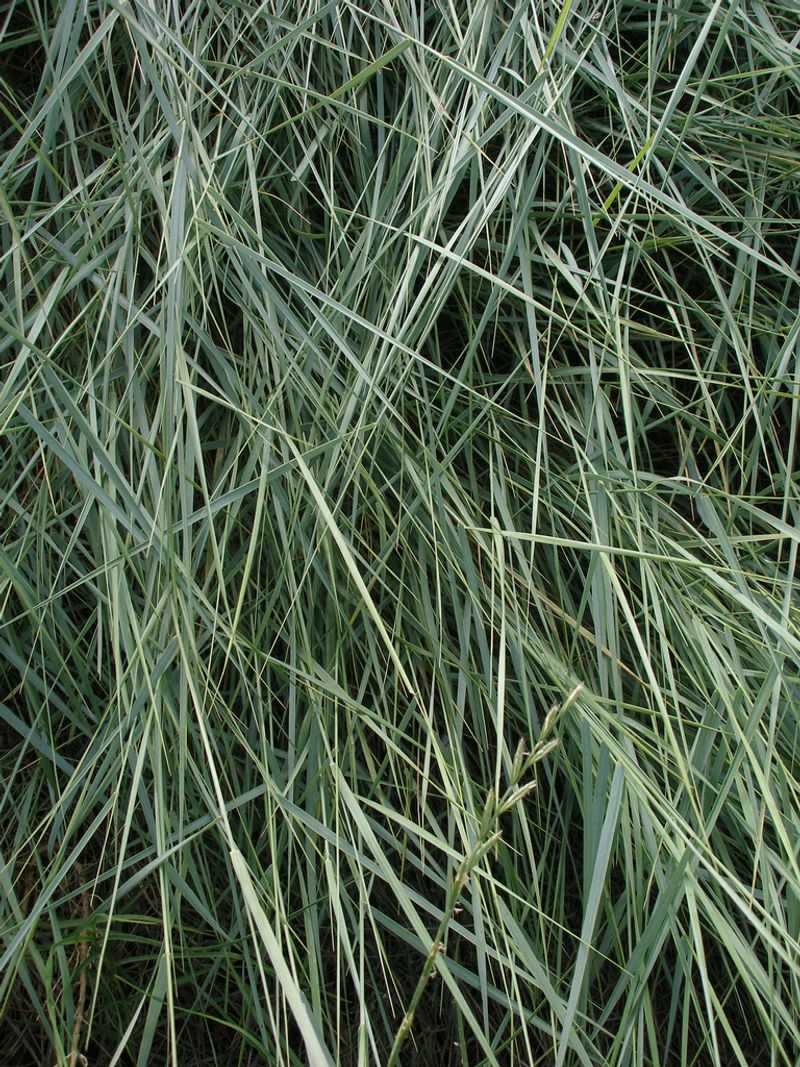
Fast to spread and forgiving of neglect, creeping wild rye lays down a blue-green carpet across the slope leading to your water. Its slender blades give low-flying dragonflies cover to ambush mosquitoes that try to sneak in from the surrounding lawn or brush.
The deep, spreading roots do quiet work too, gripping the soil and drinking up excess moisture so fewer stray puddles form after a storm. Fewer puddles means fewer places for mosquitoes to lay eggs in the first place.
Drought-tolerant once settled, it fits the water-wise yard California homeowners are increasingly aiming for. Ring your pond with it and you build a buffer that supports dragonflies on the dry side while denying mosquitoes the damp footholds they need.