
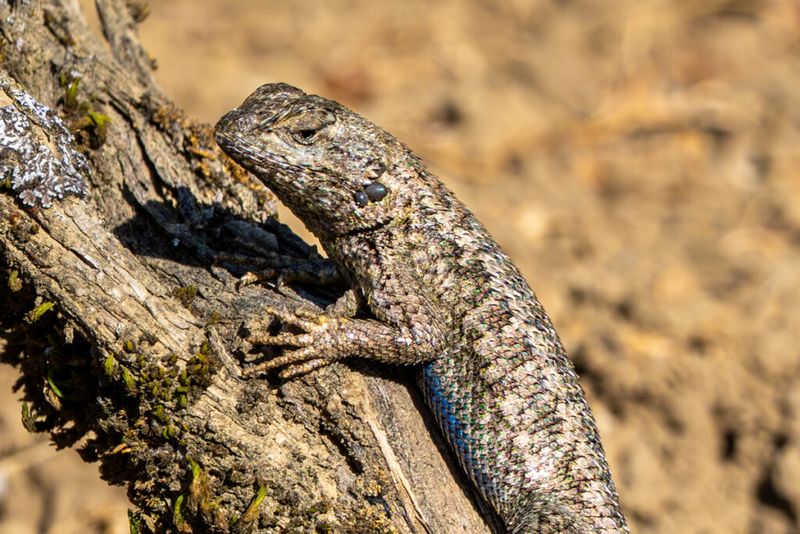
That small lizard doing push-ups on your backyard fence is probably a western fence lizard, and it plays a surprisingly interesting role in California’s Lyme-disease story. Scientists have found that ticks feeding on this lizard’s blood may lose the bacteria that causes Lyme disease, which sounds like great news for homeowners. The reality is more complicated, and understanding it can help you make smarter choices about your yard, your wildlife, and your personal tick safety.
The blue-belly on the fence is probably a western fence lizard
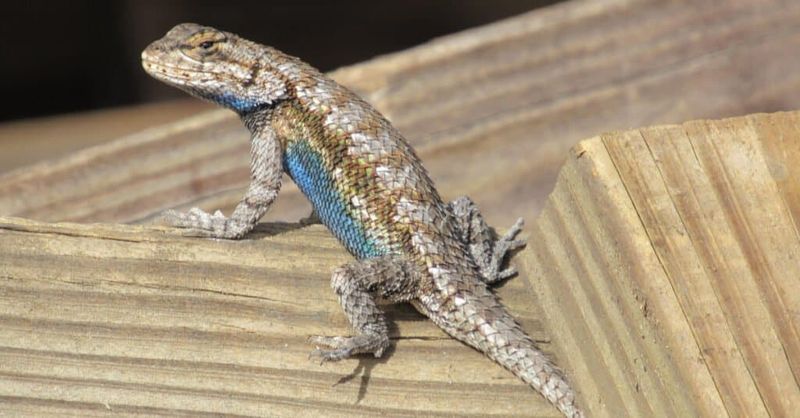
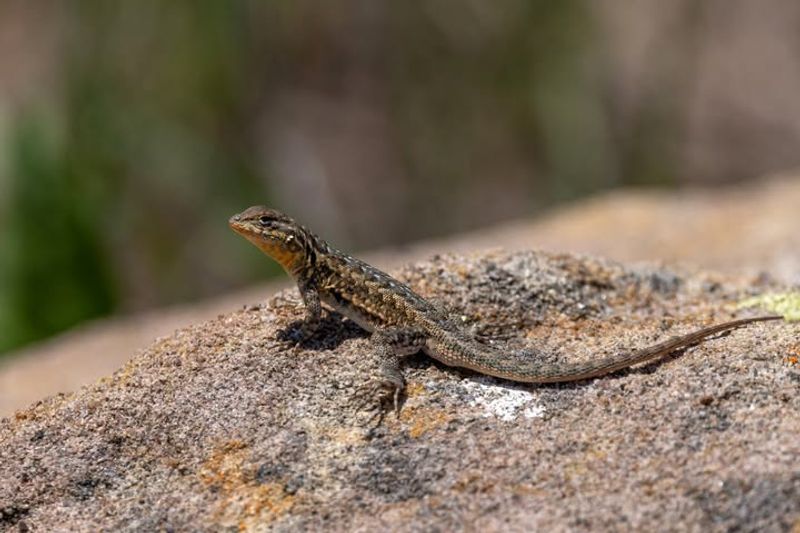
Spot a small, scaly lizard doing rapid push-ups on a sunny fence post or garden wall, and there is a good chance you are looking at Sceloporus occidentalis, the western fence lizard. Known informally as the blue-belly, it is one of California’s most widespread native reptiles, turning up in coastal neighborhoods, inland valleys, foothill communities, and mountain edges alike. California Wildlife Habitat Relationships data confirm the species occupies most of the state, with the main exception being true desert areas, where it tends to stay near riparian corridors or higher elevations.
Fences, rock walls, concrete steps, wood piles already in place, and similar elevated sunny surfaces are classic hangouts for this lizard. It relies on external heat to regulate its body temperature, so a sun-warmed surface above ground level is basically prime real estate. The push-up display you may have noticed is a territorial signal, not an injury or distress behavior.
Males are the easiest to recognize. National Park Service identification notes describe the vivid blue patches on the sides of the belly and sometimes the throat that give the animal its common nickname. Females and juveniles tend to have much fainter coloring, which can make a quick ID harder. Body pattern matters too: look for keeled, pointed scales arranged in rows across a brownish or grayish back, often with wavy darker bands.
Not every California yard lizard belongs to this species. Other skinks, alligator lizards, and similar reptiles share suburban habitat, and some look superficially similar. Location, the push-up behavior, basking preference, and the blue coloring on males are useful recognition clues rather than a guaranteed identification. When in doubt, treat the animal as a native lizard worth leaving alone regardless of which species it turns out to be.
It hosts young ticks more often than it eats them
A common assumption is that fence lizards help control Lyme disease by eating ticks. That idea is appealing but misleading. California wildlife records show the western fence lizard’s diet consists mainly of terrestrial invertebrates, with insects and spiders making up the bulk of what it eats. Ticks do appear in the diet occasionally, but not in numbers that would make this lizard a meaningful tick predator in a suburban yard.
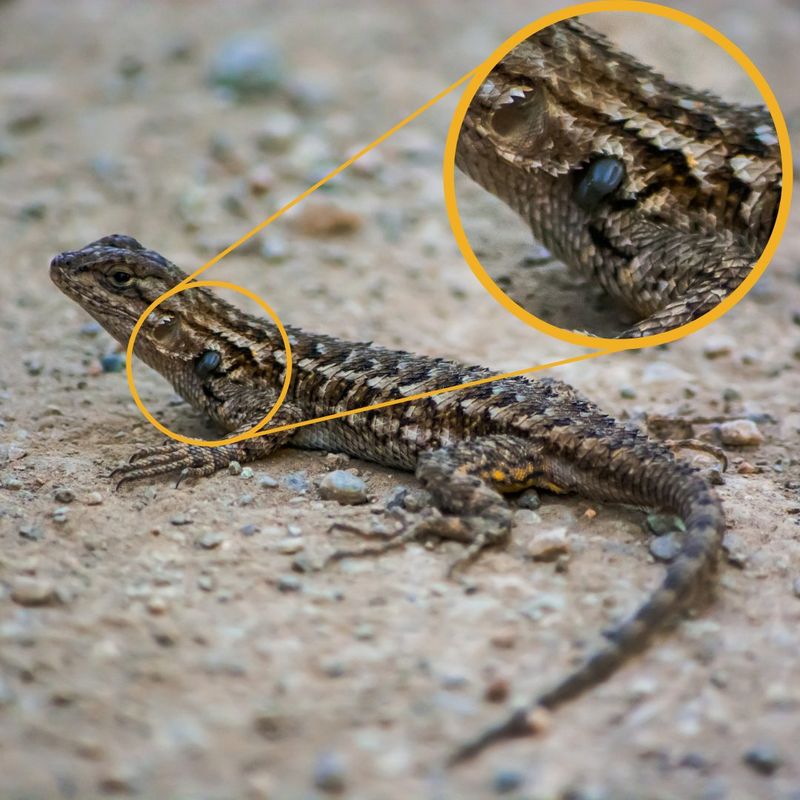
The lizard’s real significance in tick ecology runs in the opposite direction: immature western black-legged ticks (Ixodes pacificus) use it heavily as a blood-meal host. UC IPM’s Lyme disease resource notes that in some California woodland settings, more than 90 percent of nymphal ticks attach to lizards, and laboratory preference tests found that immature ticks chose western fence lizards over certain birds and rodents when given a choice.
Field data reinforce just how important these lizards are as hosts. A Mendocino County study published in the Journal of Medical Entomology found that at least 94 percent of examined western fence lizards were carrying ticks during the sampling period. That figure reflects how reliably ticks find and feed on this animal, not how many ticks the lizard removes from its surroundings.
Carrying that many ticks actually means the lizard is supporting tick survival through part of the tick’s life cycle. A fed larva or nymph that drops off a lizard can molt and develop into the next life stage. So in one sense, a lizard-rich habitat can also be a habitat where more ticks successfully complete their development. The ecological story is more nuanced than “lizard eats tick and the problem is solved.”
The lizard’s blood can disrupt the Lyme bacterium
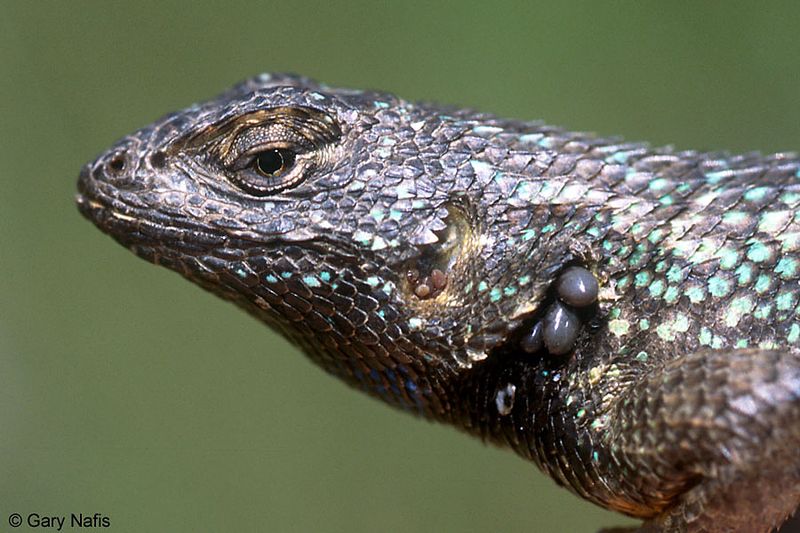
Here is where the western fence lizard earns its reputation, though the mechanism is more subtle than most popular articles describe. When an immature tick infected with Borrelia burgdorferi, the main Lyme-disease bacterium in California, takes a blood meal from a western fence lizard, something can happen inside the tick’s body: the bacterium may be suppressed or eliminated. Research by Lane published in the American Journal of Tropical Medicine and Hygiene documented that western fence lizards are generally incompetent reservoirs for Borrelia burgdorferi, meaning the bacteria do not replicate and persist in the lizard’s tissues the way they do in reservoir-competent animals like certain small rodents.
A factor in the lizard’s blood appears to be responsible. A UC Berkeley research finding described a heat-sensitive bactericidal component in western fence-lizard blood serum that can kill Borrelia spirochetes. When a tick feeds on a lizard rather than a reservoir-competent host, it may take in this factor and lose its bacterial load in the process. A tick that fed on an infected rodent and then molts after a subsequent lizard meal could, in theory, emerge from that molt with a lower or absent infection.
That is a real biological effect, and it is the legitimate scientific basis for the lizard’s reputation in Lyme ecology. What it is not is a universal guarantee. The outcome varies depending on the tick’s life stage, the specific pathogen strain involved, the lizard population, local conditions, and how much of the bactericidal factor the tick actually absorbs during feeding. Not every infected tick that bites a western fence lizard will be cleared of infection.
The distinction matters practically. This is an indirect effect on pathogen carriage inside individual ticks, not a barrier that prevents ticks from entering a yard, not a repellent that keeps ticks away from people, and not a mechanism that makes any outdoor space free of Lyme risk. The lizard is acting on tick biology from the inside, and the result is variable rather than complete.
A safer tick ecology is not the same as a safer suburban yard
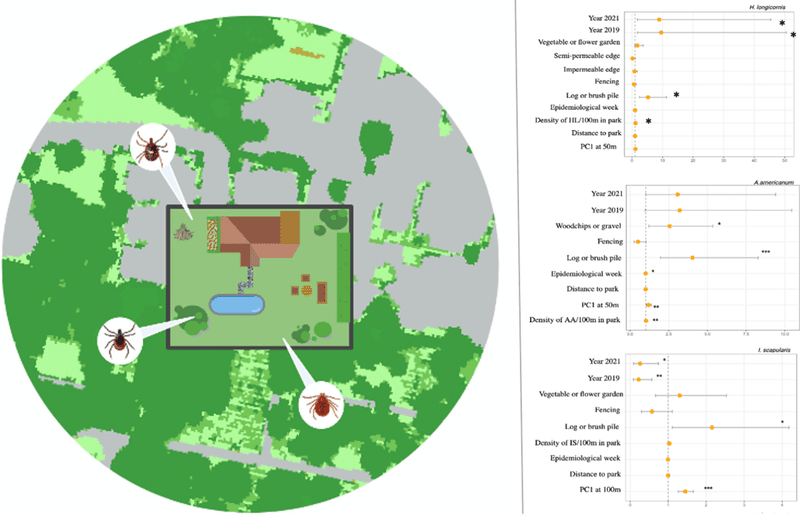
Understanding what the research actually measured is the key to reading the lizard’s role correctly. Most of the studies on western fence lizards and Lyme disease were conducted in woodland or wildland settings, looking at how host communities affect the proportion of ticks carrying Borrelia across an ecosystem. That is a different question from whether a lizard living on a suburban fence lowers the chance that a particular homeowner will encounter an infected tick in their yard.
The most instructive piece of evidence on this point comes from a field experiment in Marin County. A study published in Proceedings of the Royal Society B experimentally removed lizards from plots and tracked what happened to tick populations and infection rates. When lizards were gone, immature ticks did shift some of their feeding to other hosts, including rodents. But the result was not a spike in Lyme risk: the plots where lizards had been removed showed lower densities of nymphal ticks the following year, and nymphal infection prevalence did not increase.
That finding cuts against two oversimplifications at once. Lizards are not simply reducing Lyme risk by being present, and removing them does not automatically raise it. The relationship between lizard abundance, tick abundance, and infection prevalence involves the whole community of animals that ticks can feed on, and the outcome in any given location depends on which other hosts are available and how ticks redistribute when their preferred host is absent.
UC IPM’s tick and Lyme disease guidance reinforces this nuance by noting that more lizards can mean more ticks successfully complete their development, even if the fraction of those ticks carrying Borrelia is lower. A yard with many fence lizards is not necessarily a yard with fewer ticks overall. The lizard simultaneously supports tick feeding and development while potentially reducing the proportion of ticks that carry the pathogen, and those two effects do not cancel each other out in a simple way.
For a suburban homeowner, the honest takeaway is that the western fence lizard may contribute to local tick-pathogen ecology in ways that are genuinely interesting and ecologically meaningful. That contribution does not translate into a measurable reduction in your personal risk of a tick bite or a Lyme-disease exposure at the level of an individual property.
Leaving outdoor lizards alone is the soundest yard choice
Given everything the research shows, the practical guidance for most California homeowners is straightforward: if a western fence lizard is living in your yard, leave it there. UC IPM’s lizard management page notes that California garden lizards generally cause no measurable damage to plants and may contribute to pest control by eating insects. There is no good reason to chase, trap, or try to drive one away, and doing so is more likely to stress the animal than to benefit your yard.
Some homeowners wonder whether they should actively create lizard habitat to encourage more of them. Sunny, elevated perches already in your landscape, such as an existing fence, a stone retaining wall, a concrete step, or a flat-topped boulder, serve this purpose well without any modification. California wildlife habitat data confirm that the species uses exactly these kinds of features naturally. If those surfaces already exist in your yard, you are already providing suitable habitat.
What you should not do is add combustible materials near your home to attract lizards. Brush piles, dense leaf litter, thick unmanaged vegetation, and woodpiles stacked against a structure may seem like cozy lizard habitat, but they also create tick-friendly microenvironments and, more urgently for California homeowners, fire risk. California Board of Forestry and Fire Protection defensible-space requirements call for removing dead plant material, debris, and flammable cover in the zones around your structure. Those rules exist for life-safety reasons and take priority over wildlife habitat goals.
CAL FIRE home-hardening guidance similarly emphasizes keeping the area immediately around a home clear of combustible debris. A lizard-friendly yard and a fire-safe yard are not opposites, but the path to both runs through maintaining clean, managed surfaces rather than adding organic clutter. Rocks, pavers, masonry walls, and open sunny ground cover native plants can serve both goals at once.
Indoor exclusion beats trying to repel a lizard
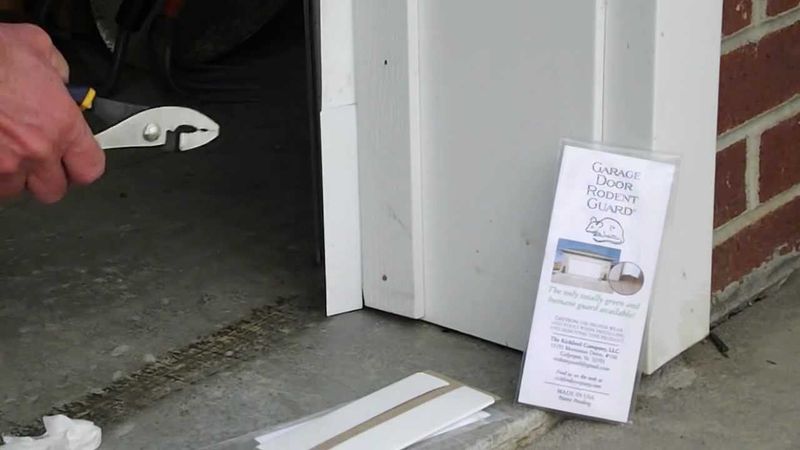
Occasionally a western fence lizard will wander into a garage, slip under a door, or find its way into a sunroom or enclosed patio. The instinct to grab it or spray something to drive it out is understandable, but neither approach is necessary or recommended. UC IPM’s guidance on lizards is clear on two points: there are no toxicants or repellents registered in California for killing or repelling lizards, and exclusion is the appropriate long-term response when one enters a building.
Exclusion means finding and sealing the openings that let the lizard in. Gaps of roughly one-quarter inch or larger around door frames, utility penetrations, where siding meets the foundation, and at the bottom edges of garage doors are common entry points. Replacing worn door sweeps, repairing damaged window screens, and caulking cracks along the base of exterior walls will address most of these gaps. Once entry points are sealed, a lizard already inside typically finds its way back out or can be guided toward an open door without being handled.
Rough pursuit should be avoided for the lizard’s sake as well. Like many lizards, the western fence lizard can drop its tail when grabbed or severely stressed, a defense called autotomy. The tail eventually regrows, but the process costs the animal energy and leaves it temporarily less able to escape predators. There is no need to capture or relocate a yard lizard; moving wild animals from one location to another rarely benefits them and is not required for ordinary yard management.
Reducing indoor clutter and hiding spots near entry areas, such as stacked boxes, loose materials on garage floors, and gaps behind shelving, makes the interior less attractive if a lizard does get in. Combined with sealed entry points, that is the complete and effective response, without any chemicals involved.
Lizards do not replace California tick precautions
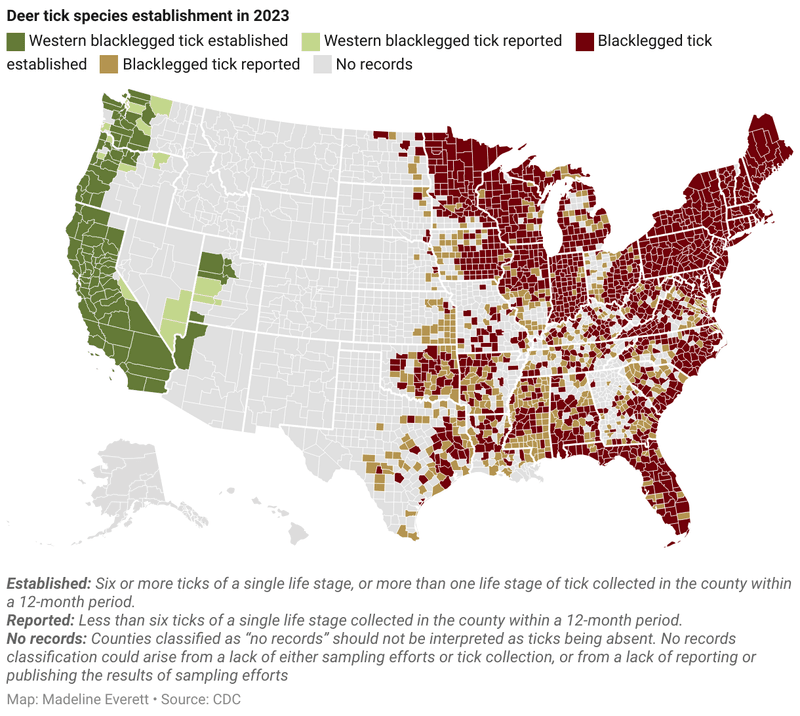
Western fence lizards are genuinely interesting participants in California’s tick ecology, but they do not stop ticks from biting people or pets. Infected western black-legged ticks (Ixodes pacificus) are present across much of the state, and a lizard on the fence does nothing to prevent one of those ticks from crawling onto you, your child, or your dog during time outdoors. Personal protection remains necessary regardless of how many lizards share your yard.
California Department of Public Health Lyme disease guidance recommends a straightforward set of precautions: wear long sleeves and pants when walking through vegetation, use EPA-registered repellents, stay on trails when possible, and check yourself, your children, and your pets thoroughly after any outdoor activity. If you find an attached tick, remove it promptly with fine-tipped tweezers, grasping as close to the skin surface as possible and pulling upward with steady pressure.
Lyme risk in California is not evenly distributed. CDPH tick-borne disease prevention resources identify northern coastal California, the northern Sierra foothills, the San Francisco Bay Area, and parts of the Central Coast as higher-risk regions. If you live in or visit those areas, consistent tick precautions matter more, not less.
Timing also matters. CDPH seasonal tick risk data show that nymphal western black-legged ticks are generally most active in spring and early summer, while adults are more active from fall through spring. Nymphs are especially concerning because their small size makes them easy to miss during a body check. UC IPM notes that local conditions can shift these patterns, so peak activity may vary by elevation, microclimate, and year.
Treating tick checks as a year-round habit rather than a seasonal one is the safer approach for most California households.
Treat the blue-belly as an ally, not a shield
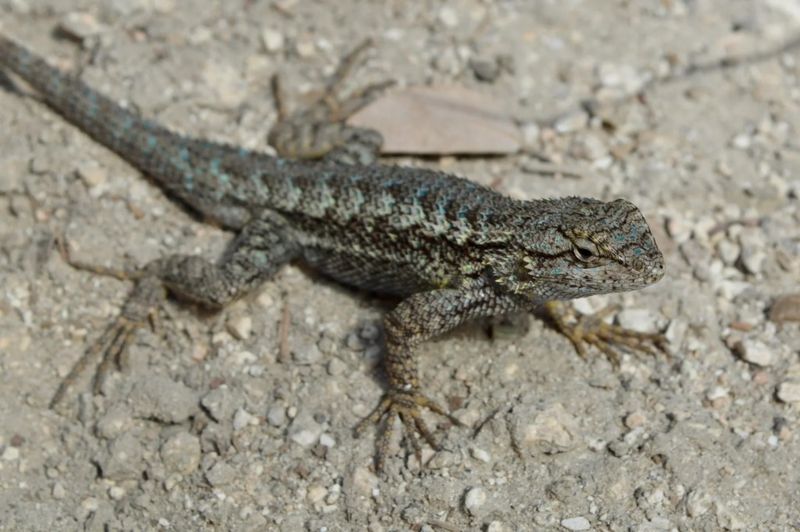
The western fence lizard on your fence, wall, or garden step is a native California animal with a legitimate place in local tick-pathogen ecology. Leaving it undisturbed is the right call, and UC IPM confirms there is no good management reason to drive it away, poison it, or relocate it. That is a simple, low-effort choice that costs you nothing and respects a creature that belongs in the landscape.
What the lizard cannot do is serve as your primary defense against Lyme disease. CDPH guidance makes clear that personal tick precautions remain essential throughout the year, especially in higher-risk California regions. Tick checks after outdoor time, prompt removal of attached ticks, and appropriate use of repellents are the actions that protect you directly.
Maintaining California’s required defensible space around your home remains the priority over any wildlife-habitat goal. A clean, well-managed yard with existing sunny surfaces is already good lizard habitat. The blue-belly is a worthwhile neighbor, and the best thing you can do for it is simply let it go about its business.