
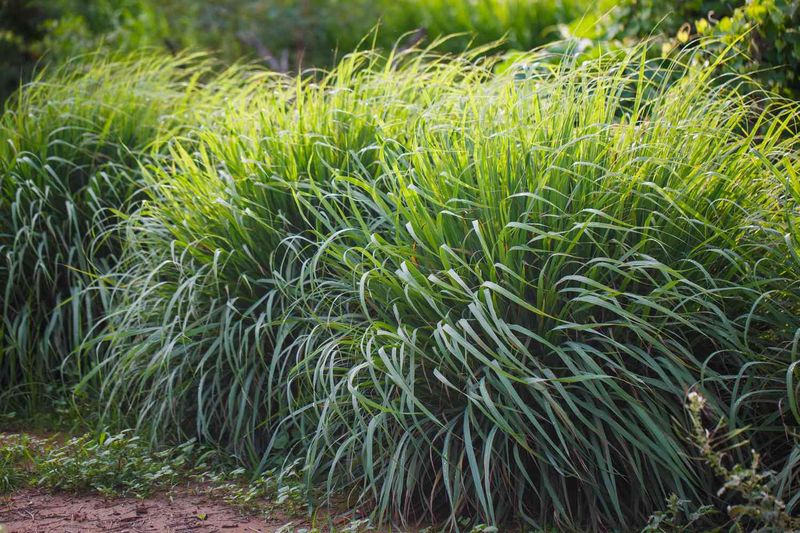
Ticks love to hitch a ride on tall grass and shady garden edges, and that is bad news when your family walks the patio paths every day. The good news is that certain fragrant California plants push out oils and scents that ticks tend to avoid, and many of them are drought-tolerant natives that fit right into a water-wise yard. Lining your walkways with these plants can lower the number of ticks near the paths where kids and pets play, all while feeding pollinators and smelling wonderful. Here are nine sweet-smelling plants worth planting along your patio this season.
1. California Sagebrush (Artemisia californica)
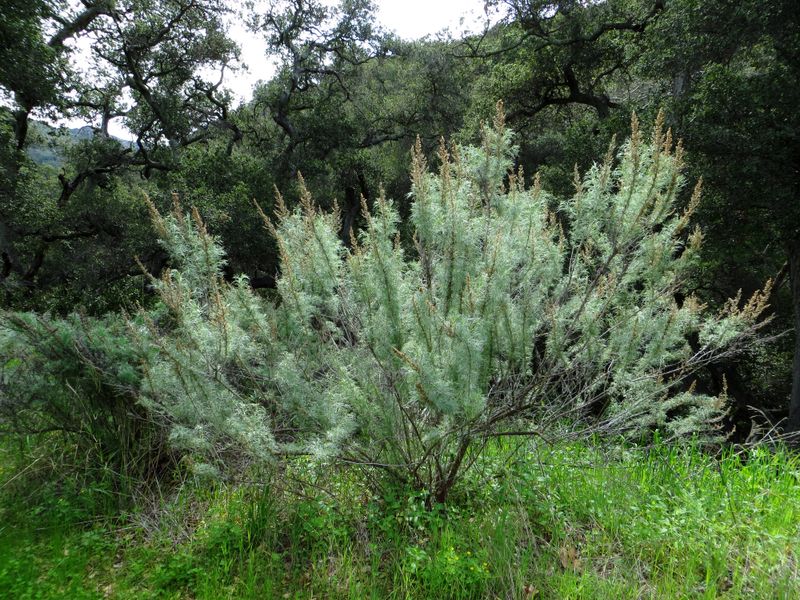
Brush past a stand of California sagebrush and your fingers come away smelling like a coastal hillside after rain. That sharp, herbal scent comes from natural oils packed into its lacy silver-green leaves, and those same compounds are the reason ticks tend to steer clear.
Because it is a true California native, this shrub thrives in our long dry summers and asks for almost no water once its roots settle in. Planting it along the edges of a walkway gives you a low, fragrant hedge that fits fire-wise gardening goals when kept trimmed and spaced.
Wildlife lovers get a bonus here. Sagebrush shelters native birds and supports the caterpillars of several local butterflies, so you are protecting beneficial creatures while nudging pests away. Give it full sun and lean, well-drained soil, and resist the urge to overwater, since soggy roots are its main enemy.
2. Cleveland Sage (Salvia clevelandii)
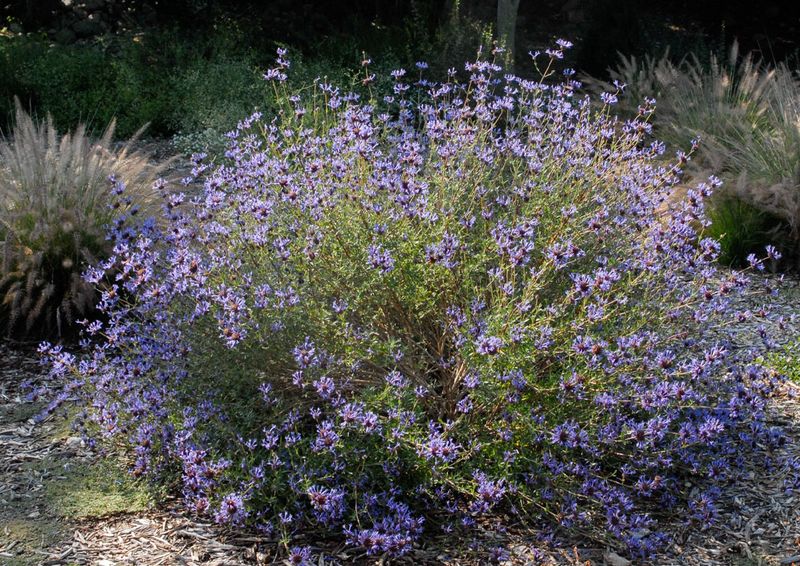
On a warm afternoon, Cleveland sage perfumes the whole yard with a scent somewhere between mint, pine, and eucalyptus. Rub a leaf and you will understand instantly why so many gardeners plant it right where they walk.
The strong aromatic oils that make it smell so good are also thought to help deter ticks and other soft-bodied pests from lingering nearby. Native to the dry slopes of Southern California, it drinks very little water and rewards you with globes of violet-blue flowers in late spring.
Fun bit of trivia: bees adore this plant so much that a single blooming shrub can hum audibly on a hot day. That makes it a genuine friend to native pollinators, which fits the goal of a yard that is alive rather than just tidy. Plant it in full sun with excellent drainage, prune lightly after flowering, and skip the summer irrigation.
3. Lavender (Lavandula)

Few plants say relaxation quite like a row of lavender swaying beside a garden path. Its soothing scent may calm your nerves, but ticks and mosquitoes react very differently, generally avoiding the strong linalool the flowers release.
Lavender feels right at home in California’s Mediterranean climate, handling heat, sun, and skimpy watering like a champion. Line it along the sunny side of your patio and you get a soft purple border that stays fragrant from late spring into summer.
Snip a few stems for indoor bouquets and you carry the pest-repelling benefit inside too. Bees and butterflies flock to the blooms, so you are supporting pollinators while keeping crawling pests at a polite distance. Choose a spot with sharp drainage, water deeply but rarely, and shear the plant back after each flush of flowers to keep it compact and full.
4. Rosemary (Salvia rosmarinus)
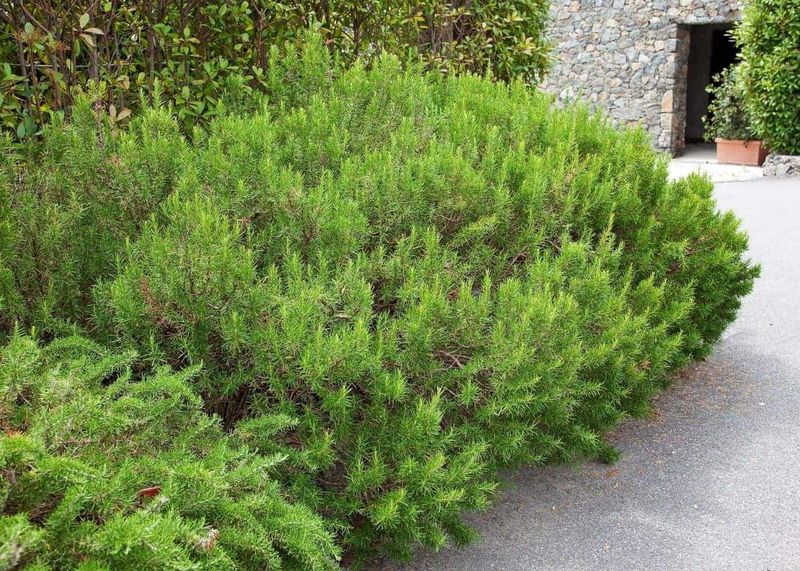
Grab a sprig of rosemary for dinner and you have already met one of the toughest pest fighters in the garden. The piney, resinous oils that flavor your roast potatoes are exactly what ticks and fleas would rather avoid.
As an evergreen shrub built for dry Mediterranean conditions, rosemary shrugs off drought and turns a hot, neglected corner into a fragrant hedge. Trained low and tight, it makes a handsome border between the lawn and the paths your family uses every day.
There is a practical charm here that other plants cannot match: it feeds you and guards the path at the same time. Its tiny blue winter flowers also give bees an early-season snack when little else is blooming. Give it full sun, gritty soil, and only occasional deep watering, and prune it whenever you want a handful for the kitchen.
5. Yarrow (Achillea millefolium)
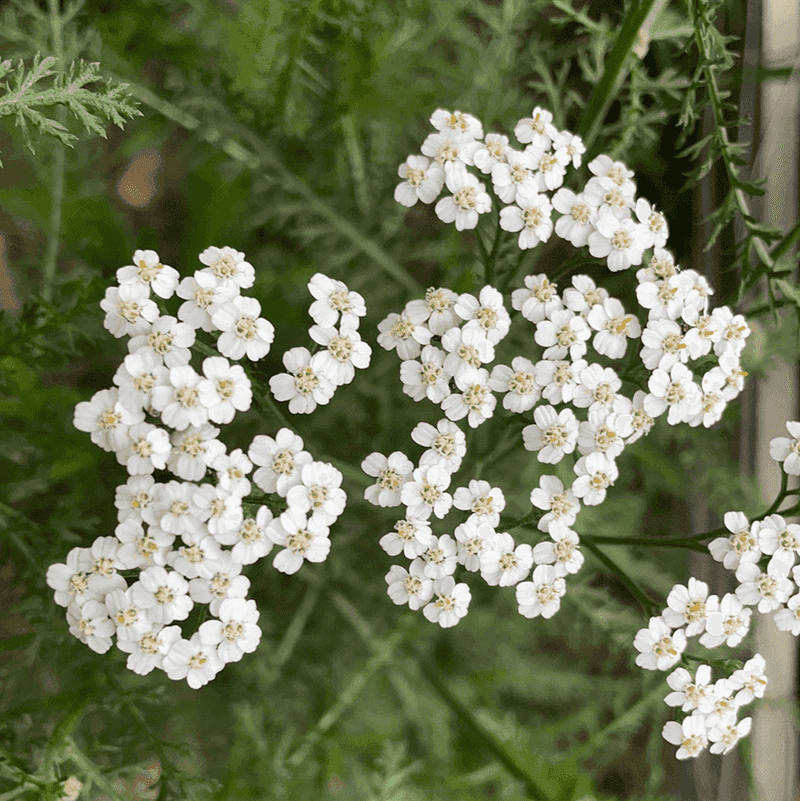
Yarrow carries a long reputation as a healer’s herb, and its ferny, aromatic leaves do more than look delicate. The scent released when the foliage is bruised can help mask the cues ticks use to find their next host.
Native strains grow wild across California hillsides, so this perennial handles drought, poor soil, and blazing sun without complaint. Its flat clusters of white, gold, or rose flowers make a soft, meadow-like edge along a patio path.
Gardeners who care about beneficial insects will love this one. Yarrow is a magnet for ladybugs, lacewings, and hoverflies, the very predators that keep aphids and other pests in check naturally. Plant it in a sunny spot, cut the spent flowers to encourage more blooms, and let it spread into a low, fragrant carpet that quietly works in your favor.
6. Lemon Balm (Melissa officinalis)
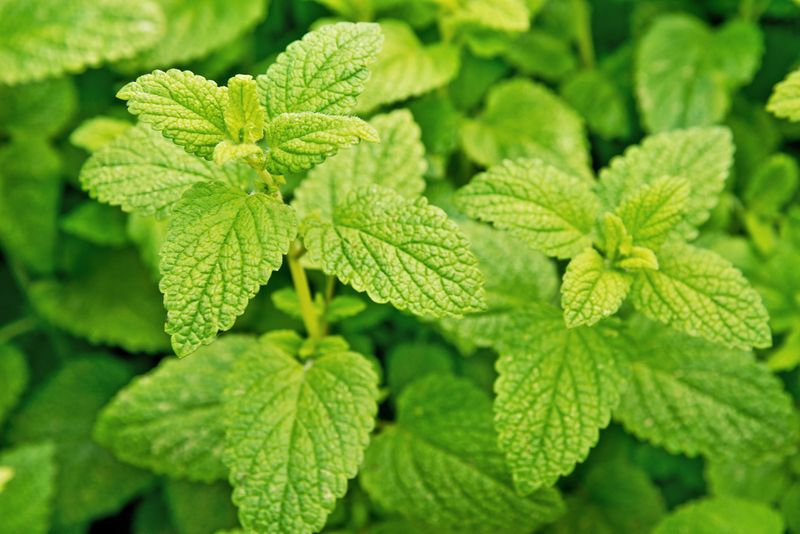
Crush a leaf of lemon balm and a burst of citrus rises up that is honestly hard to resist. That lemony punch comes from citronellal, the same family of compounds found in citronella candles, and pests find it far less charming than we do.
Unlike many plants on this list, lemon balm tolerates a bit of shade, making it handy for those cooler, damp patio edges where ticks like to hide. It grows fast and lush, so tuck it where you want a bright green filler that pulls double duty.
A word of friendly warning: it spreads eagerly, so a container or a contained bed keeps it from taking over. Bees love the tiny flowers, and you can steep the leaves for a calming tea. Give it moderate water, pinch it back often, and enjoy the fresh scent every time you walk by.
7. Catmint (Nepeta)
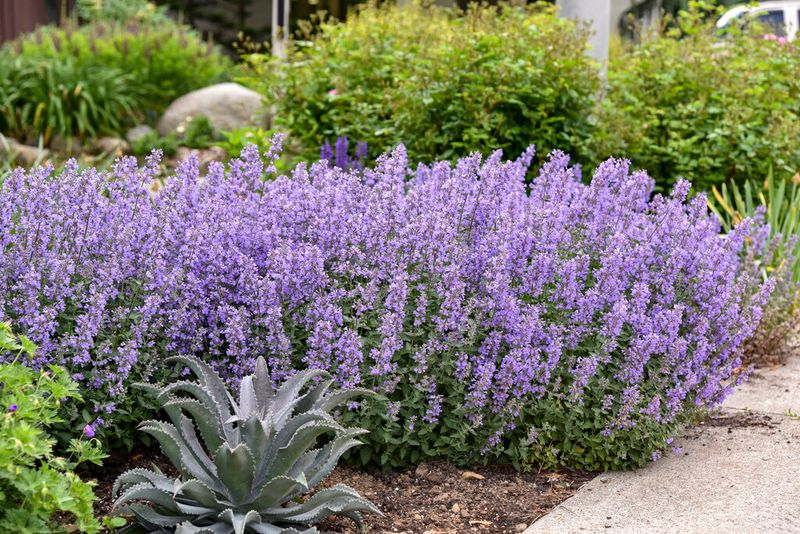
Cats may go wild for it, but ticks and mosquitoes give catmint a wide berth. Research on nepetalactone, the compound behind that famous feline frenzy, suggests it can rival some synthetic repellents at keeping biting pests away.
Soft mounds of gray-green leaves topped with clouds of lavender-blue flowers make catmint a graceful edging plant for any walkway. It handles California heat and drought with ease and blooms for months if you trim it back midseason.
Pollinators treat it like an open buffet, so bees and butterflies will thank you for the planting. Set it in full sun with average, well-drained soil, and enjoy how it softens the hard lines of a patio while gently discouraging the pests you least want underfoot. Just be ready for the occasional neighborhood cat to roll happily in your border.
8. Thyme (Thymus vulgaris)
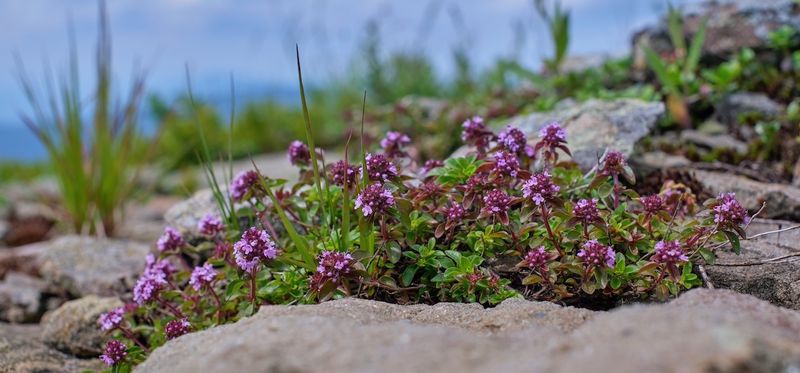
Step onto a patch of creeping thyme and the release of scent underfoot is instant and lovely. Thymol, the oil responsible for that spicy-sweet aroma, is a well-studied natural compound that can reduce the appeal of your yard to ticks.
Low and mat-forming, thyme is perfect for tucking between stepping stones or along the very edge of a walkway where taller plants would crowd. It laughs at drought, needs almost no fuss, and stays green through much of the year in mild California zones.
Here is the clever part: the more you walk on it, the more fragrance it gives off, so foot traffic actually powers its pest-deterring effect. Tiny flowers in pink or white draw in bees during the warm months. Give it full sun and fast-draining soil, water sparingly, and let it knit itself into a living, aromatic carpet.
9. California Bay Laurel (Umbellularia californica)
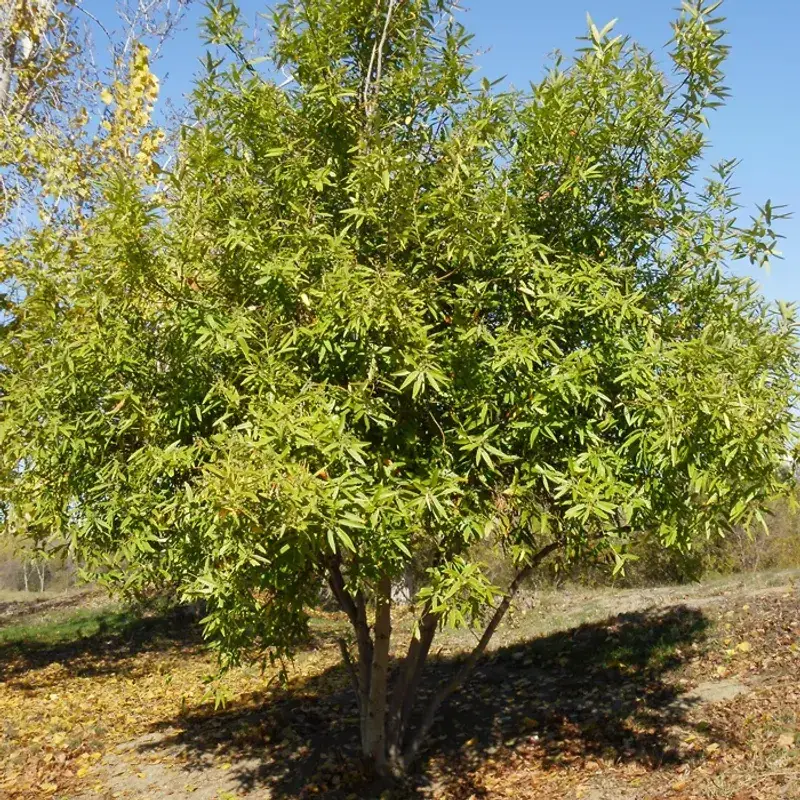
Snap a single leaf of California bay laurel and the powerful, spicy fragrance can practically clear your sinuses. Those potent aromatic oils are so strong that some folks have long tucked the leaves into cupboards to keep insects out, and pests around the patio respond the same way.
This one is the giant of the group, growing into a small tree or large shrub, so it works best anchoring a corner or shading the far end of a walkway rather than as a tight border. A California native, it handles our dry summers well once established and stays handsomely evergreen year-round.
You can even harvest the leaves for cooking, though they are stronger than store-bought bay, so use a lighter hand. Native birds shelter in its dense canopy, adding life to your yard. Plant it with room to grow, water occasionally while young, and enjoy the layered fragrance it lends the whole garden.