
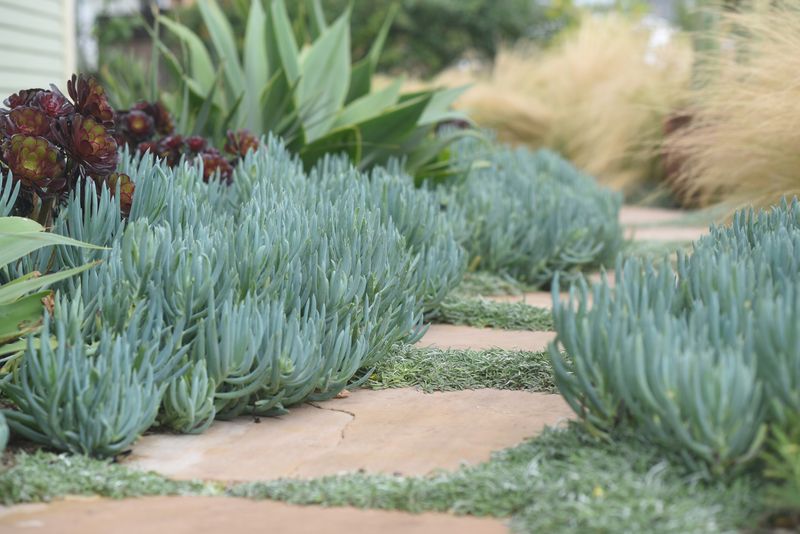
If you live in a fire-prone part of California, that ring of bark mulch around your house might be doing more harm than good. Dry bark chips catch embers easily and can smolder right up against your walls when a wildfire sends sparks flying. The good news is that low, living groundcovers can hold moisture, cool the soil, and resist catching fire far better than a pile of wood chips. Here are ten California-friendly groundcovers homeowners are planting close to home instead, so your yard stays green, water-wise, and a lot safer.
1. Dymondia (Silver Carpet)
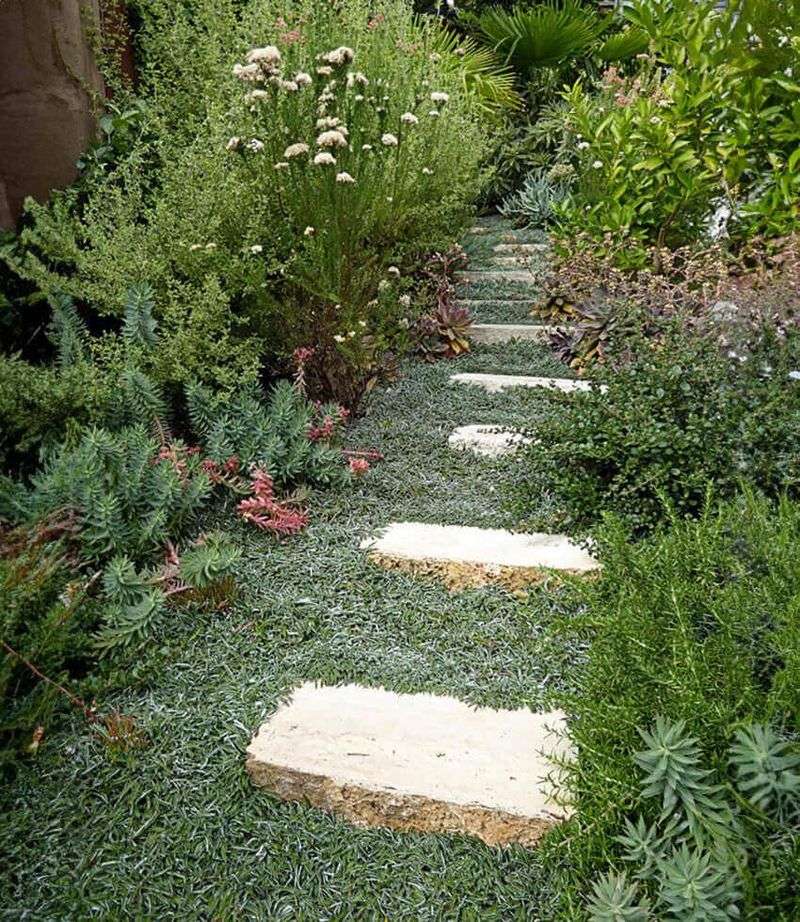
Step on a patch of dymondia and it barely notices, which is exactly why so many California homeowners are tucking it between pavers and along walkways near the house. Its low silvery-green mat hugs the ground so tightly that there is almost nothing standing up to catch an ember.
The leaves curl to show their silver undersides during hot, dry spells, a built-in trick that reflects sunlight and helps the plant hold onto moisture. Once its roots settle in, it needs very little water, making it a smart pick for the parched inland valleys and coastal slopes alike.
Because it tops out around an inch or two tall, dymondia gives you that clean, finished look bark mulch provides without the flammable pile. Homeowners in defensible-space zones like that it stays lush and low right up against the foundation. Fill the gaps between stepping stones, let it knit together, and you have a green firebreak that also handles light foot traffic.
2. Creeping Thyme
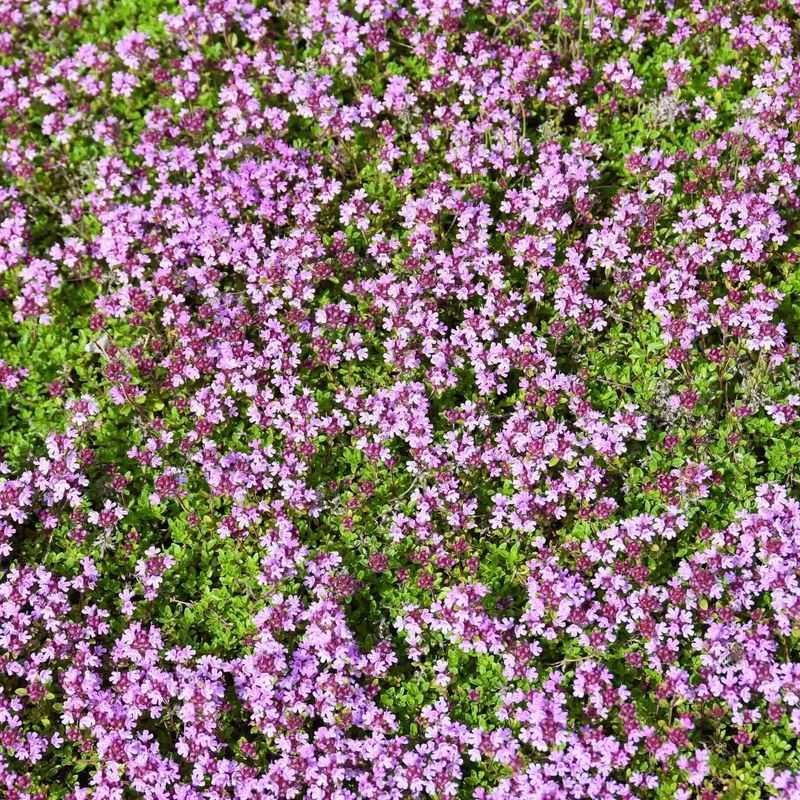
Brush your hand across a carpet of creeping thyme and the whole area releases a warm, herby scent, a small perk on top of its fire-smart credentials. The plant stays flat and dense, holding water in its little leaves rather than drying into tinder the way wood chips do.
Come late spring, tiny pink and purple flowers roll out across the mat and pull in honeybees and native pollinators by the dozen. For homeowners worried about supporting the bees while shrinking fire risk, that combination is hard to beat.
Thyme shrugs off long California dry spells once established and thrives in the poor, gravelly soil many hillside lots have. Plant it along paths, in parking-strip planters, or in the first few feet around your home where you want low, walkable green. It knits together over a season or two into a fragrant living carpet that asks for almost nothing in return.
3. California Native Yarrow
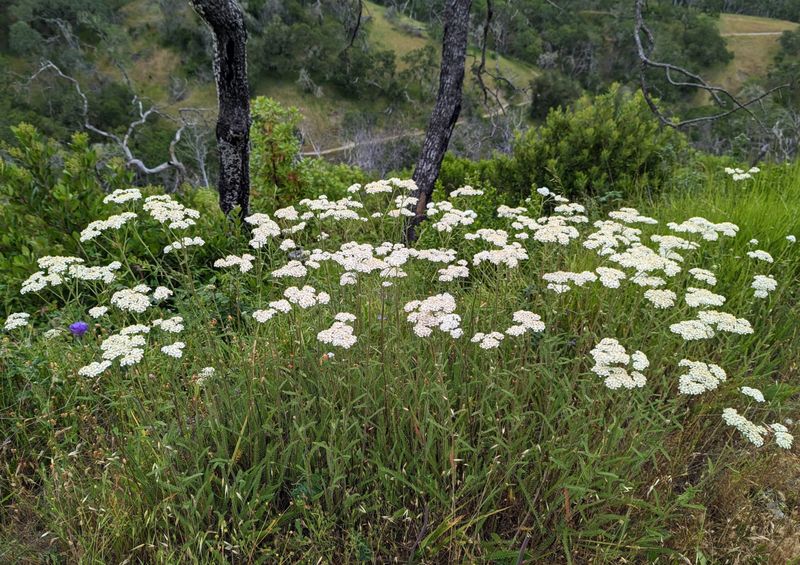
Yarrow earns its spot on this list by being tough as nails while looking soft and feathery. Its ferny leaves and flat flower heads stay green and full of moisture through the dry season, and the plant regrows quickly if it ever gets scorched.
Native western yarrow (Achillea millefolium) belongs here in California, so it feeds local pollinators and butterflies that other plants simply cannot support the same way. Butterflies land on the flat white blooms like tiny helipads, and beneficial insects use it as a home base.
Mow it low a couple of times a year and yarrow behaves like a lush, low meadow lawn that sips water instead of gulping it. Let it grow taller and you get knee-high blooms for cutting. Either way, its high moisture content and low, spreading habit make it far friendlier to defensible space than a bed of bark. Homeowners on wildland-interface lots often use it to blanket bigger areas the cheap, native way.
4. Ice Plant (Non-Invasive Delosperma)
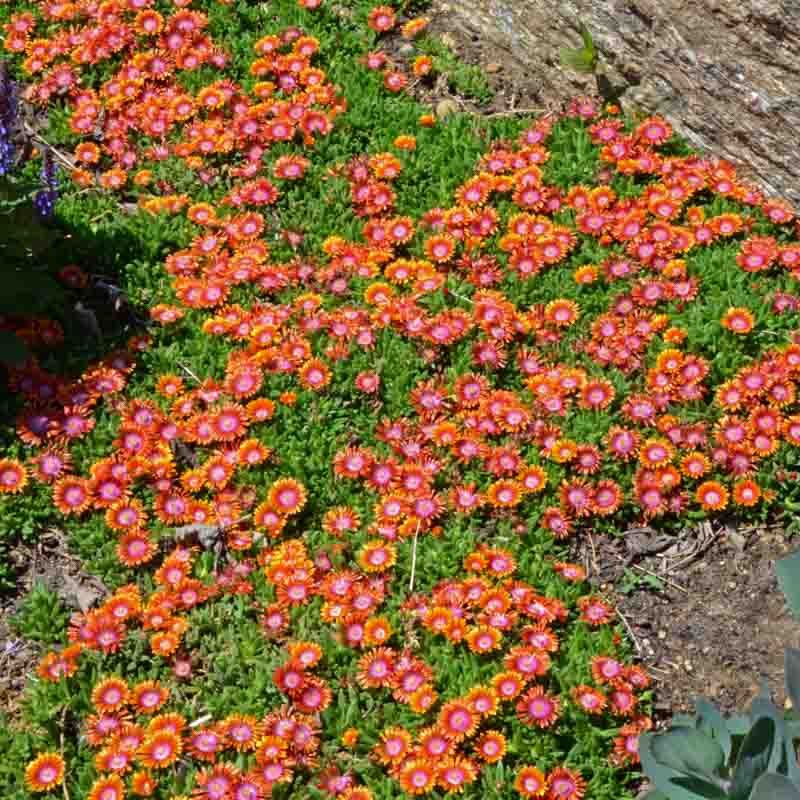
Few plants say fire resistance quite like ice plant, whose fleshy leaves are basically packed with water. Slice one open and it practically drips, which is why a mat of it acts like a moist blanket rather than kindling near your home.
A word of caution, because this matters in California: skip the invasive highway ice plant (Carpobrotus edulis) that smothers coastal habitat and lands on problem-plant lists. Reach instead for well-behaved Delosperma varieties, which give you the same juicy, low-growing protection with jewel-toned flowers and none of the ecological guilt.
Delosperma laughs off drought, poor soil, and blazing sun, spreading into a neon carpet along slopes and foundations. Its water-storing leaves make it one of the least flammable groundcovers you can plant. Use it on hot, south-facing banks where bark mulch would bake and slide, and enjoy the bonus of daisy-like blooms that pollinators visit all summer.
5. Woolly Thyme
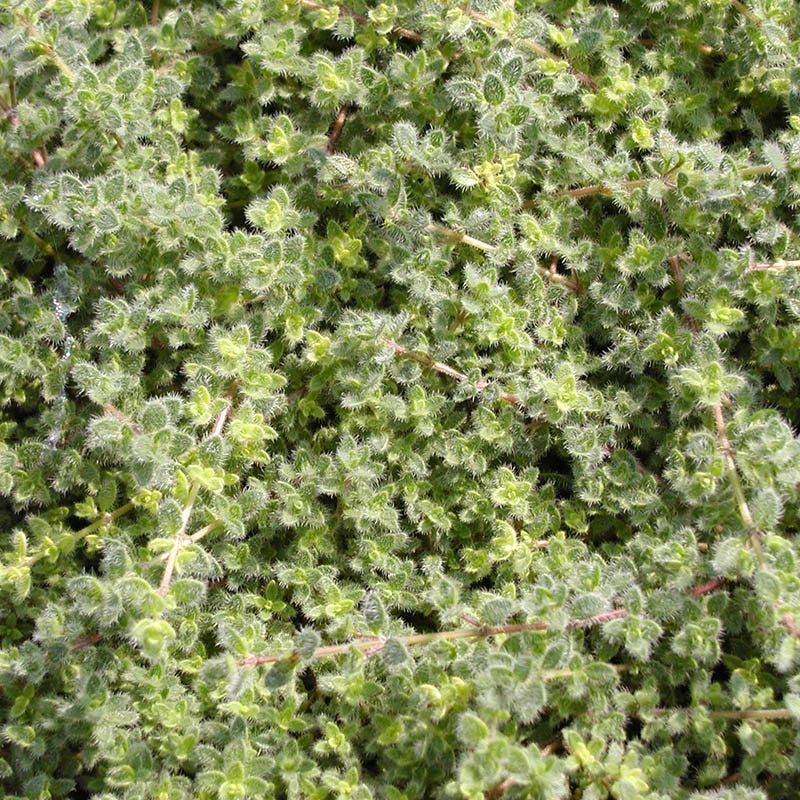
Run your fingers over woolly thyme and it feels like a soft, fuzzy rug, its gray-green leaves coated in fine hairs that give it a frosted look. That woolly texture is more than pretty, since it helps the plant slow water loss and stay plump through California summers.
Growing barely an inch tall, it presses flat against the soil and leaves nothing tall or dry for embers to grab. Homeowners squeeze it into the cracks of stone patios, along garden edges, and in the crucial zone right against the house.
It handles being walked on now and then, releasing a faint herbal scent underfoot. Unlike bark mulch, which needs topping off every year and washes away in the first winter storm, woolly thyme just keeps spreading and filling in on its own. For a soft, silvery, low-maintenance carpet that quietly lowers your fire risk, it is hard to top.
6. Sedum (Stonecrop)
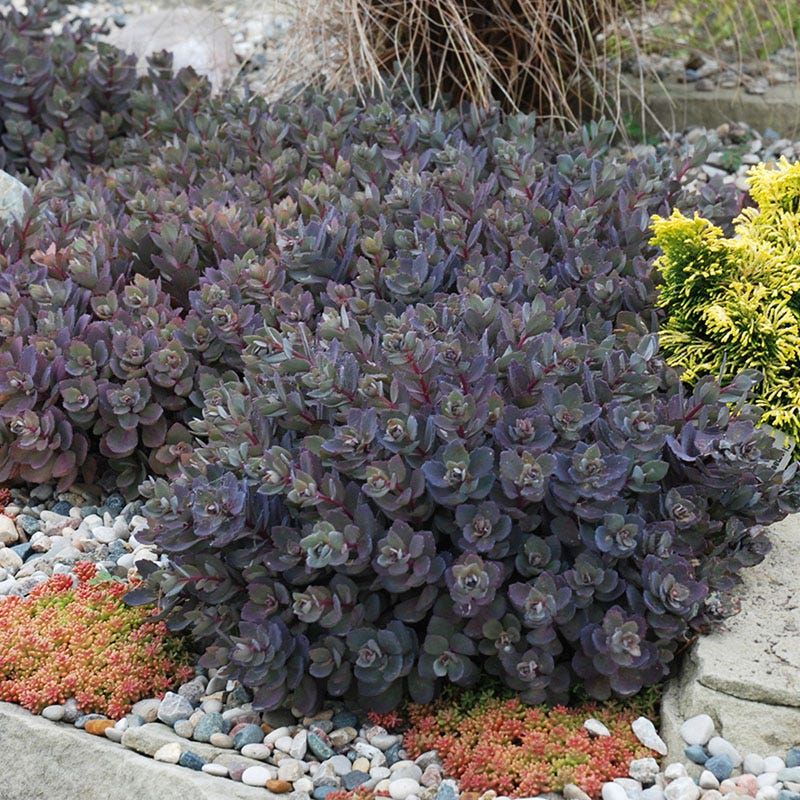
Think of sedum as a plant that keeps its own water bottle. Its thick, succulent leaves store moisture so well that stonecrop mats resist ignition even during the driest stretch of fire season.
There is a sedum for nearly every spot, from ground-hugging carpet types to slightly taller clumps, and they all thrive on neglect. Poor soil, blazing sun, rocky slopes, containers by the door, sedum handles it all and barely blinks when you forget to water.
Late summer brings clusters of starry flowers that native bees and butterflies work over eagerly, so you are feeding pollinators while cutting fire fuel. Many homeowners use low sedums as a green gravel-topper, spreading them over hot exposed areas where bark mulch would only add fuel. The plants root from the tiniest broken piece, which means one flat can slowly colonize a whole bed for free. Fire-smart, water-wise, and nearly impossible to kill, sedum belongs in the zone closest to your walls.
7. Trailing Rosemary (Prostrate)
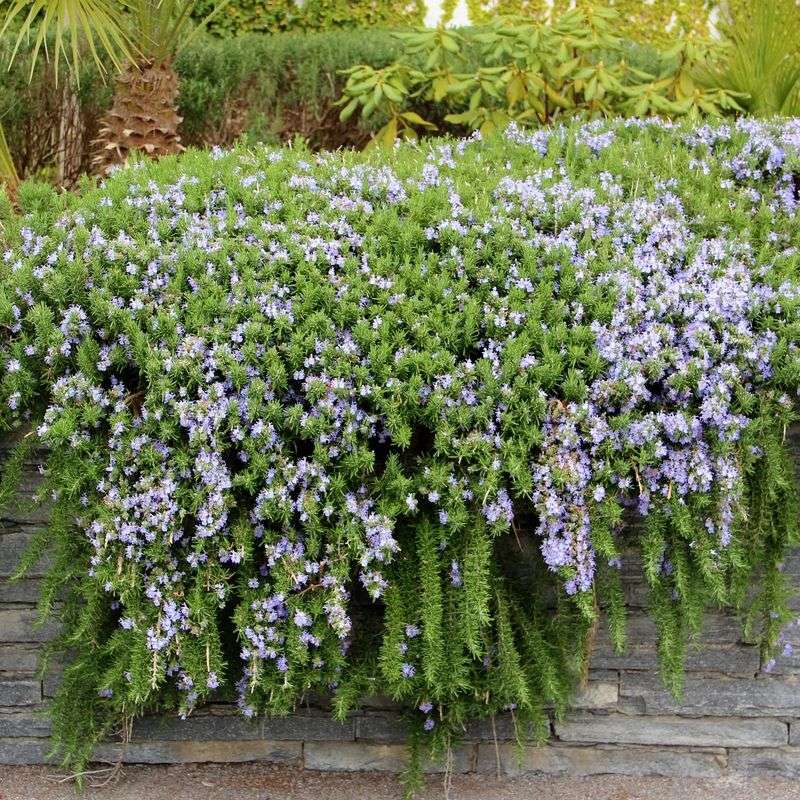
Here is a surprise for anyone who assumes rosemary is too oily to be fire-smart: the prostrate, low-trailing form works beautifully as a groundcover when kept trimmed and watered along the ground. Its dense, spreading mat holds soil on slopes where bark mulch would simply slide downhill in the rain.
The trick is placement and upkeep. Grown low and pruned regularly to remove dead wood, trailing rosemary stays lush and moist rather than woody and dry, so it belongs a little farther out from the house rather than pressed against the wall.
Bees adore its winter and spring blue flowers, arriving when little else is blooming, which makes it a lifeline for early pollinators. You also get a kitchen herb spilling over your retaining walls and slopes. For hillside homeowners fighting erosion and fire at once, a well-maintained prostrate rosemary covers tough ground that few other plants will hold.
8. Lippia (Kurapia)
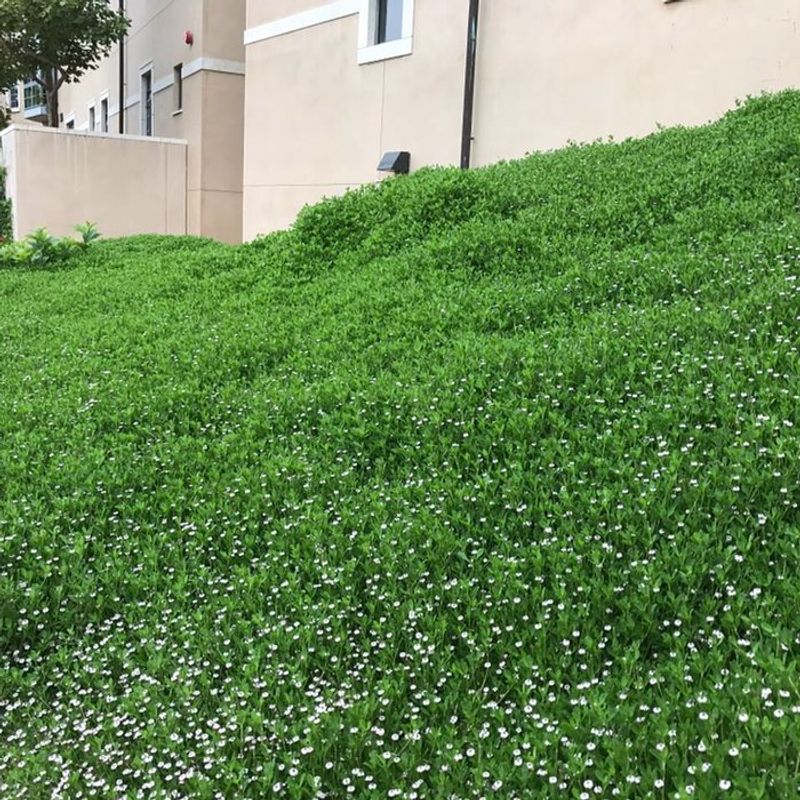
Homeowners tearing out thirsty lawns keep landing on kurapia, a tough low groundcover that behaves like grass but drinks a fraction of the water. It forms a dense, deep-rooted green mat that stays moist and stubbornly refuses to burn the way dry lawn thatch or bark chips do.
Those deep roots do double duty, anchoring slopes against erosion while pulling the plant through California’s long rainless summers with minimal irrigation. It takes foot traffic, handles kids and pets, and stays a tidy few inches tall.
Small white-and-pink flowers dot the surface and bring in bees, though homeowners who want a flower-free look can mow them off. As a lawn replacement that satisfies fire-zone rules about low, green, well-irrigated ground near the home, kurapia checks a lot of boxes at once. Roll it out where you once had turf, and you trade a water-guzzling fire risk for a living, walkable green carpet.
9. Wild Strawberry
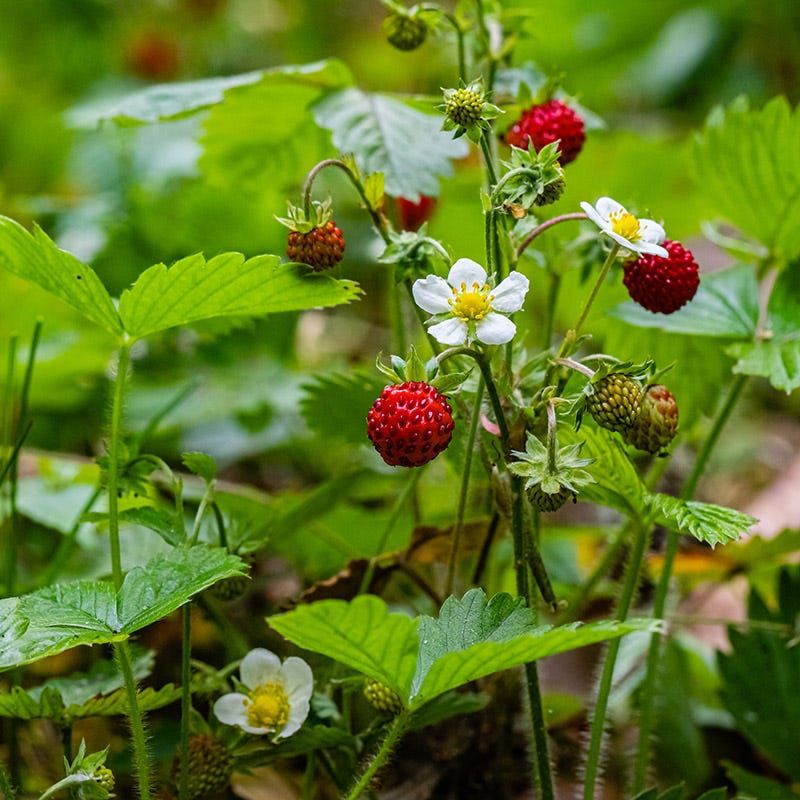
Nostalgia sneaks in with wild strawberry, whose glossy little leaves and white flowers spread into a soft, cooling carpet that stays green through much of the year. Native beach and woodland strawberries (Fragaria chiloensis and Fragaria vesca) are the California picks, low and leafy enough to keep flammable material near your home to a minimum.
The dense foliage shades the soil, locks in moisture, and knits together with runners the way strawberries famously do, filling bare patches on its own. It prefers a little more water than a true desert plant, so it shines in coastal gardens and shadier spots along the north side of the house.
Pollinators visit the spring blooms, and you might even score a few tiny sweet berries for your trouble. For homeowners who want a native, wildlife-friendly, edible groundcover that also lowers fire fuel, this old-fashioned charmer quietly does it all.
10. Manzanita (Prostrate Varieties)
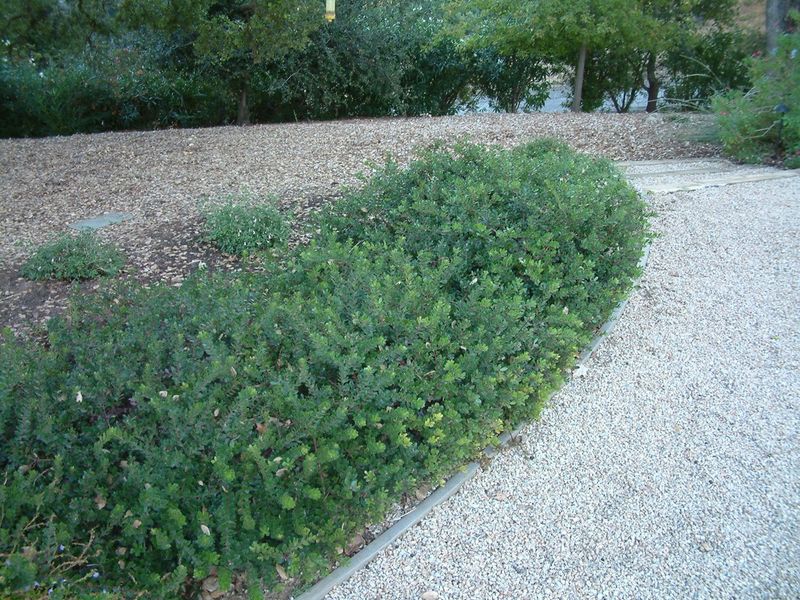
Low-growing manzanita rounds out the list as the native powerhouse California hillsides were practically made for. Prostrate varieties like Arctostaphylos Emerald Carpet spread into a glossy evergreen blanket that stays leafy and green when the surrounding chaparral has gone crisp and brown.
A quick honesty note, since fire behavior matters: tall, woody manzanitas full of dead twigs can burn hot, so the goal is the dense, low, well-pruned groundcover forms kept clear of dead growth. Managed that way, prostrate manzanita gives you a moisture-holding cover that resists ignition better than a bark bed.
Its urn-shaped winter flowers are a rare cold-season feast for native bees and hummingbirds, and the plant is exquisitely adapted to California’s dry climate once established. Set it on banks and open ground a bit away from the walls, keep it tidy, and you get a beautiful, bird-friendly, water-wise cover that honors the local landscape. Few groundcovers feel more genuinely Californian than this one.