
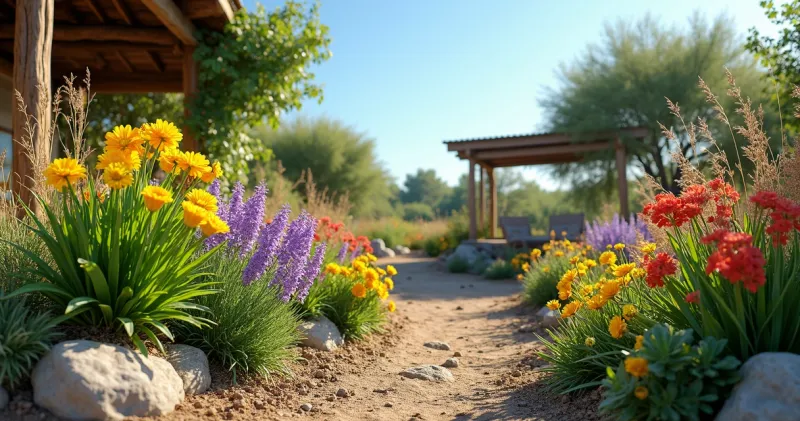
If you have ever watched a shrub wilt into a sad brown pile by the middle of July, you already know how brutal a Texas summer can be on a yard. The good news is that plant breeders have been busy, and 2026 is bringing a fresh batch of shrubs built to laugh at triple-digit heat and stingy water restrictions. These picks stay handsome even when your garden hose has to stay coiled up. Here are seven standout shrubs that keep your landscape looking alive without turning you into a full-time water carrier.
1. Cenizo ‘Silverado Sage’
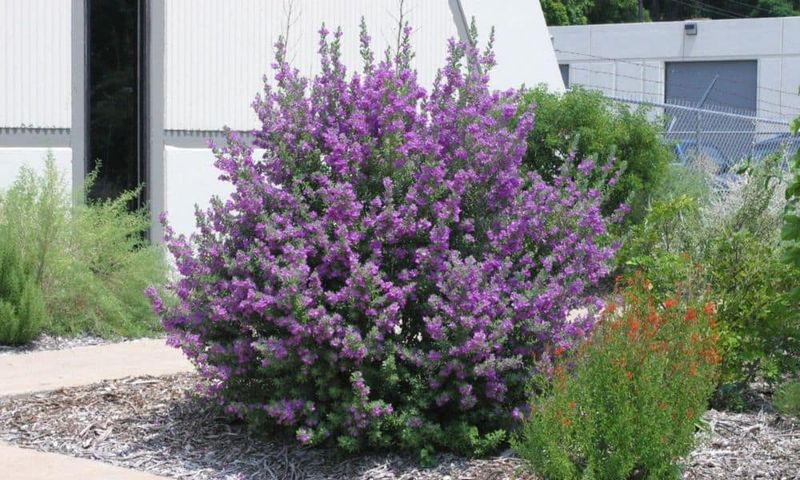
Drive through the Hill Country after a summer rain and you will spot silvery bushes suddenly bursting into purple bloom, almost like they planned it. That is cenizo, and the 2026 ‘Silverado Sage’ selection takes the toughness of the Texas native and dials it up with a denser, more rounded shape.
The felted gray leaves are the secret weapon here. That fuzzy coating reflects sunlight and slows moisture loss, so the plant sips water instead of guzzling it. Once its roots settle in, a soak every couple of weeks is usually plenty, even during a scorching August.
Fun fact: gardeners nickname cenizo the barometer bush because it tends to flower when humidity spikes ahead of a storm. Plant it in full sun and gritty, well-drained soil, and it may struggle in soggy spots, so skip the low corner where rainwater pools.
2. Dwarf Yaupon Holly ‘Sunburst’
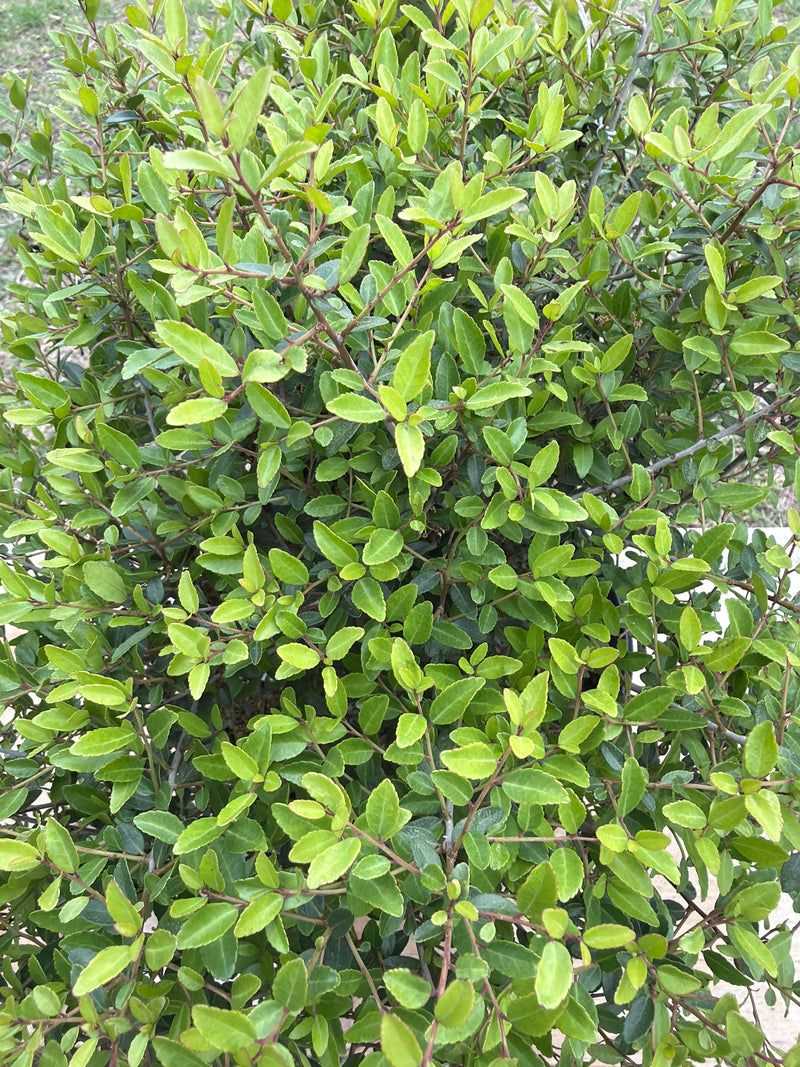
Native, evergreen, and nearly impossible to kill, yaupon holly has quietly been a Texas workhorse for generations. The new dwarf ‘Sunburst’ pushes out bright chartreuse new growth in spring that glows against its older green leaves, giving you two colors on one compact plant.
What makes this one worth a spot on the list is how well it handles clay, sand, drought, and coastal salt spray without complaint. Gulf Coast gardeners can plant it knowing a hurricane season of wind and salty air will not faze it much.
It stays low and tidy, so it works as a fuss-free border or foundation plant that almost never needs the hose. Little did you know, yaupon is the only caffeine-containing plant native to North America, and Indigenous Texans once brewed its leaves into a tea. Keep it in sun or part shade, and it can shrug off long dry stretches once established.
3. Flame Acanthus ‘Firecracker Select’
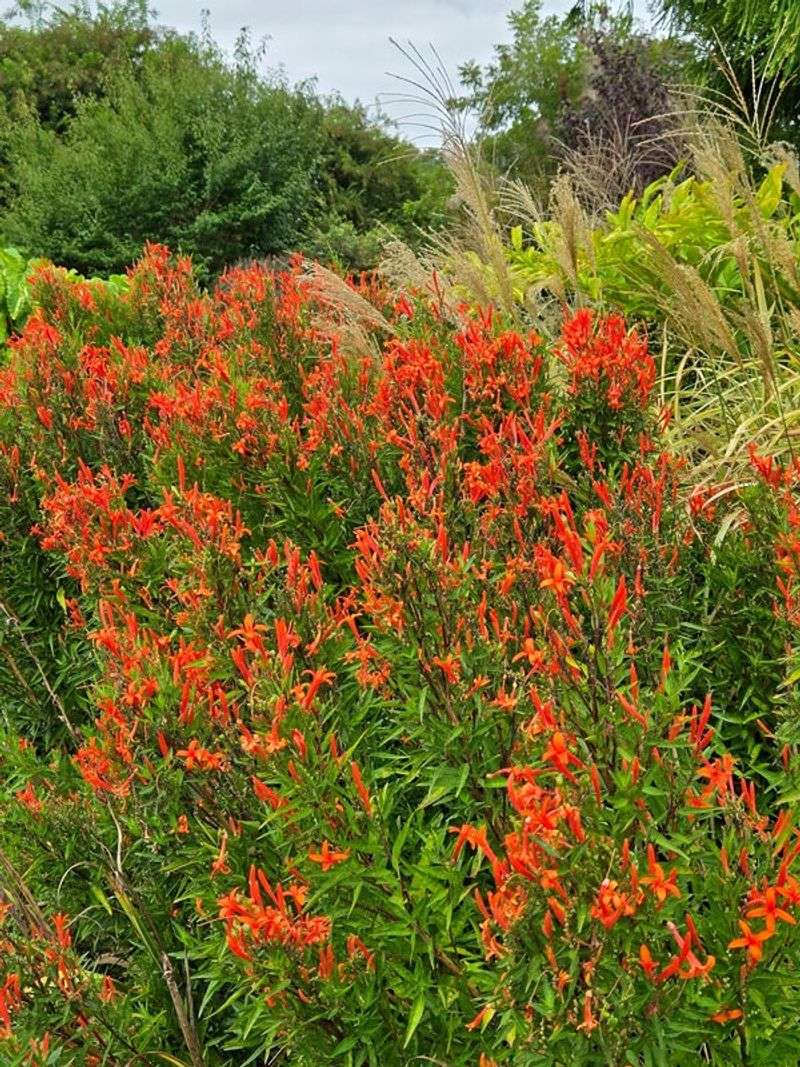
Hummingbirds show up for this one like it is a roadside diner. Flame acanthus, a Texas native, throws out slim tubular orange-red blooms all summer, and the 2026 ‘Firecracker Select’ was chosen for heavier flowering and a bushier habit.
Heat is not a problem for this plant. It hits its stride exactly when everything else is gasping, blooming right through the hottest stretch of July and August on very little water.
Beyond the drought toughness, it earns its keep as a pollinator magnet, pulling in hummingbirds and butterflies that turn your yard into a living ecosystem instead of just decoration. Cut it back hard in late winter and it bounces back fuller every spring. Give it full sun and lean soil, and resist the urge to pamper it, because rich beds and overwatering can make it floppy.
4. Autumn Sage ‘Heatwave Blaze’
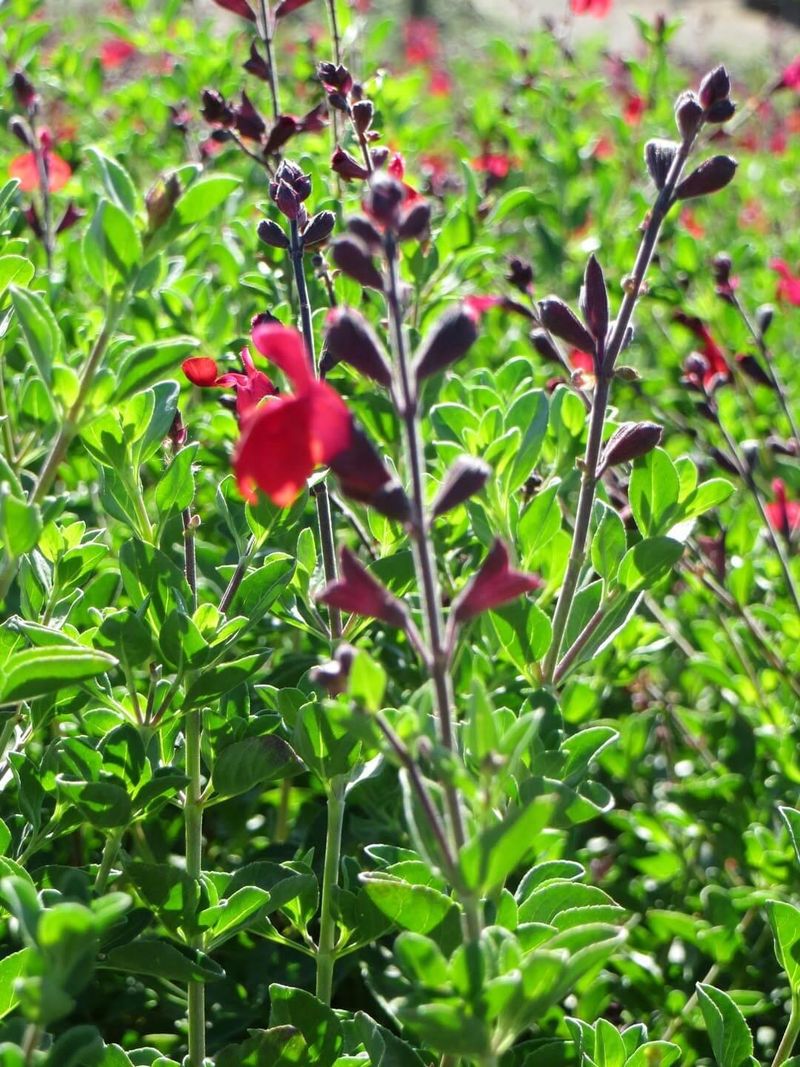
Ask a Texas nursery worker for a can’t-fail flowering shrub and autumn sage usually comes up within a minute. The new ‘Heatwave Blaze’ brings deeper red blooms and a longer flowering window that runs from spring clear into fall.
Despite the name, this salvia does not wait for autumn to perform. It flowers in flushes across the whole warm season, and it keeps going with barely any supplemental water once its roots dig in.
Its small, aromatic leaves are a bonus, since deer and rabbits tend to leave the fragrant foliage alone. That means less fencing and fewer chewed-up mornings for gardeners on the edge of town. Plant it in full sun with sharp drainage, shear it lightly after each bloom flush, and it can reward you with color while your water bill stays flat.
5. Texas Sotol ‘Desert Spire’
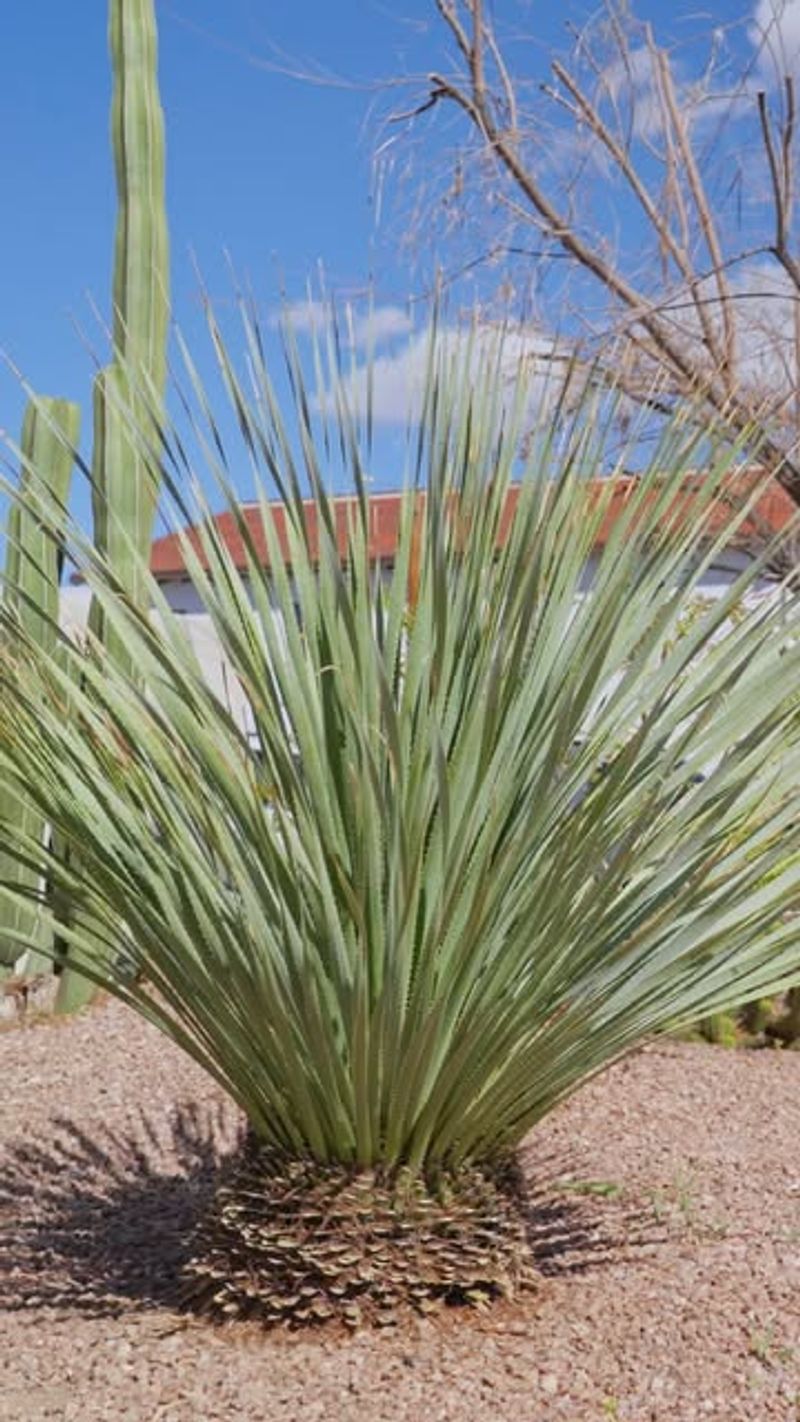
Picture a fountain of thin, ribbon-like blades frozen mid-splash, and you have the look of sotol. The 2026 ‘Desert Spire’ is a tighter, more symmetrical form of the West Texas native that gives beds a bold, architectural anchor.
Water needs? Almost laughably low. Sotol stores moisture in its base and can go weeks without a drop, making it a natural fit for xeriscapes and neighborhoods stuck under strict watering restrictions.
Every few years a mature plant sends up a towering flower stalk that can reach well over ten feet, a jaw-dropping surprise in a home garden. Early Texans actually used the plant’s core to distill a mezcal-like spirit also called sotol. Set it in blazing sun and rocky, fast-draining ground, keep it away from lawn irrigation, and it can outlast just about anything you plant near it.
6. Pride of Barbados ‘Phoenix Flame’
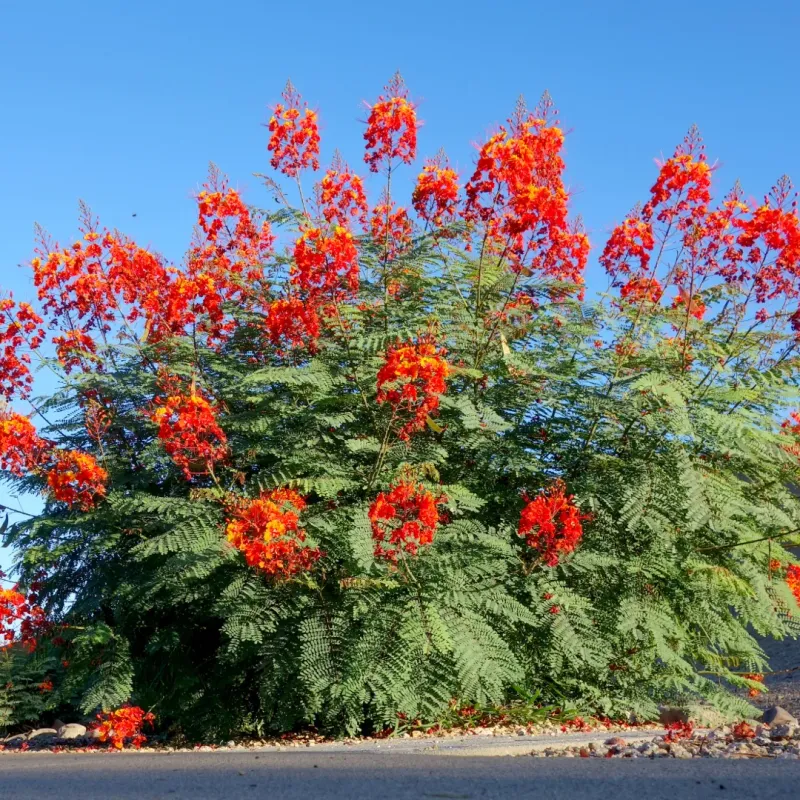
Few shrubs make people pull over and stare quite like Pride of Barbados in full swing. The ‘Phoenix Flame’ release cranks the classic red-and-orange blooms even brighter and improves how reliably the plant returns after a freeze.
Here is the trade-off that makes it special: it loves the heat that flattens everything else, waking up late in spring and then exploding with fiery flowers through the worst of summer. Drought barely registers once it is settled in.
In cooler parts of the state it may die back in a hard winter, but true to its ‘Phoenix’ name it tends to rise again from the roots when warmth returns. The blooms also draw swallowtail butterflies by the dozen. Give it full sun and room to stretch to six feet or more, and it can turn a boring corner into the loudest color in the yard.
7. American Beautyberry ‘Purple Haze’
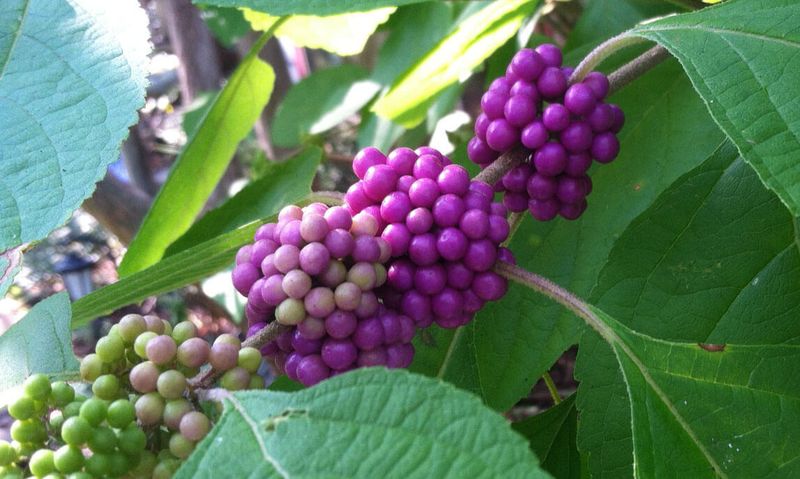
Come late summer, this native shrub does something almost unreal: it wraps its stems in clusters of glossy, grape-purple berries so vivid they look painted on. ‘Purple Haze’ is the 2026 pick, bred for heavier fruiting and a fuller, more mounded shape.
It handles heat and dry spells with ease, though it appreciates a little afternoon shade in the hottest regions. The real payoff comes with wildlife, since songbirds and even deer feast on the berries well into fall.
Gardeners have a bonus reason to love it too. Crushed beautyberry leaves have a long folk reputation as a mosquito helper, and researchers have looked into a compound in the foliage that may help deter biting insects. Plant it where its fall berry show can steal the scene, keep it lightly watered while young, and it can become a magnet for the birds that make a Texas yard feel alive.