
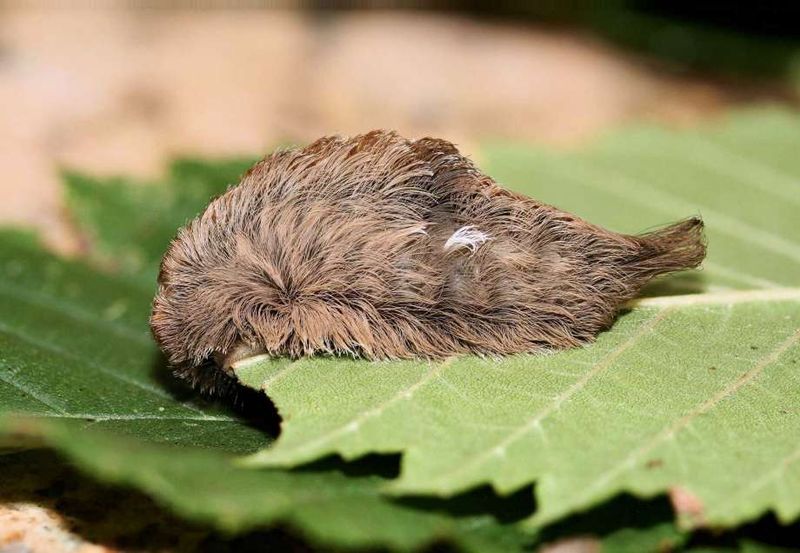
A small, furry caterpillar found in Texas yards and gardens can cause a burst of pain that stops people cold, and most folks never see it coming. The culprit is most likely the puss caterpillar, also called an asp, and its soft, hair-covered body hides a painful secret beneath that cozy-looking coat. Knowing what it looks like, where to find it, and what to do after contact can save you or your kids a lot of unnecessary suffering this summer or fall.
The soft-looking caterpillar is probably an asp
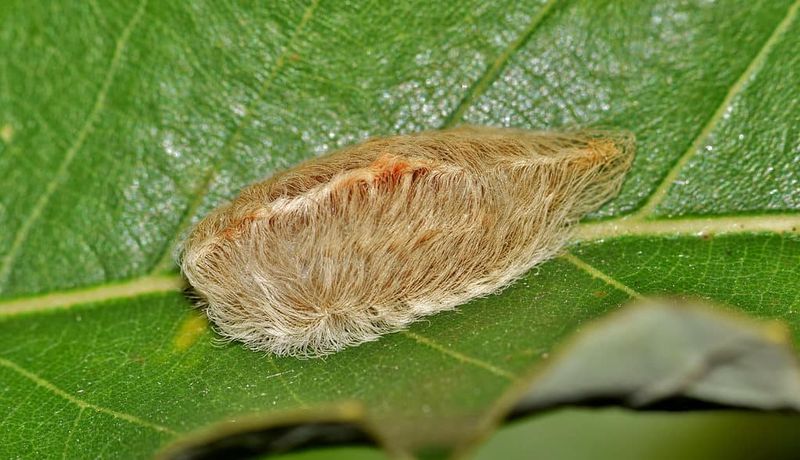
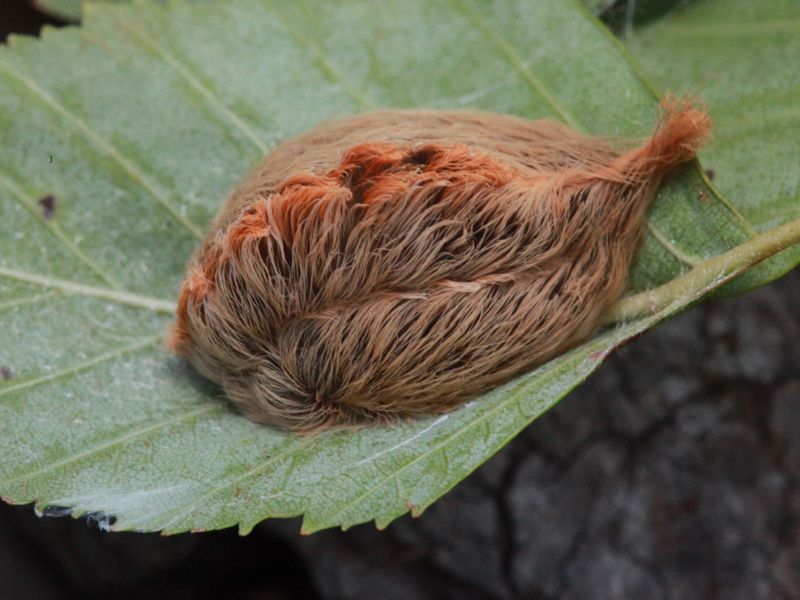
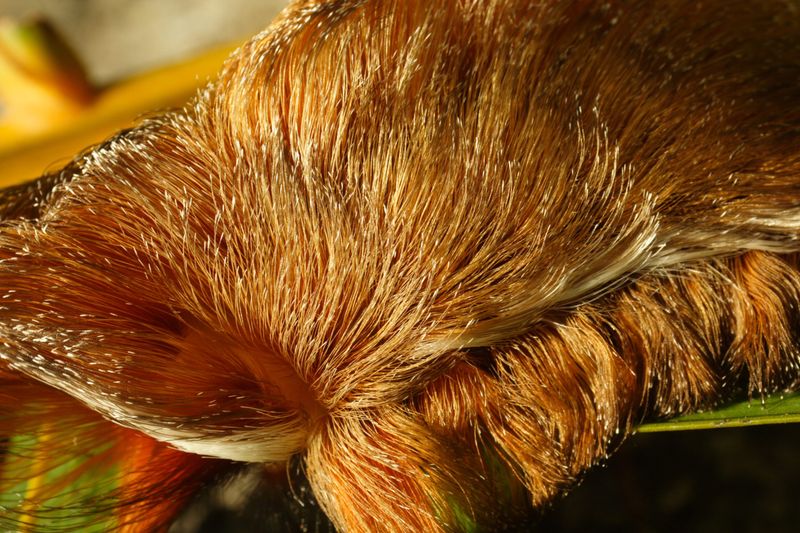
Among the stinging caterpillars found in Texas, one stands out for looking completely harmless. Texas A&M AgriLife Extension’s guide to venomous terrestrial animals identifies the puss caterpillar, also called an asp or southern flannel moth caterpillar (Megalopyge opercularis), as a significant stinging caterpillar in Texas. Its body is covered by a thick, flat-lying mat of hair that makes it look almost like a tiny tuft of fur dropped on a leaf.
The shape is distinctive once you know what to look for. AgriLife describes the asp as teardrop-shaped, wider at the head end and tapering toward the rear. Color varies considerably, ranging from nearly white or pale tan to gray or almost black, so the exact shade alone will not confirm an identification.
That soft appearance is the key to the hazard. Beneath the hair mat, venom-associated spines are concealed along the body. The hair itself is not what causes the injury; the spines hidden underneath are the problem, and pressing the caterpillar against skin can drive them in. Nothing about the animal signals danger at a glance, which is exactly why contact happens so often without warning.
One more point worth keeping in mind: not every fuzzy caterpillar you spot in a Texas yard is an asp. A Texas A&M AgriLife newsletter on stinging caterpillars specifically notes that saltmarsh caterpillars, sometimes called woolly bears, are common in Texas and harmless to humans. A photograph sent to your county extension office or a Texas Master Gardener can help confirm what you are actually looking at before you decide how to respond.
Its hairs and spines deliver the sting through contact
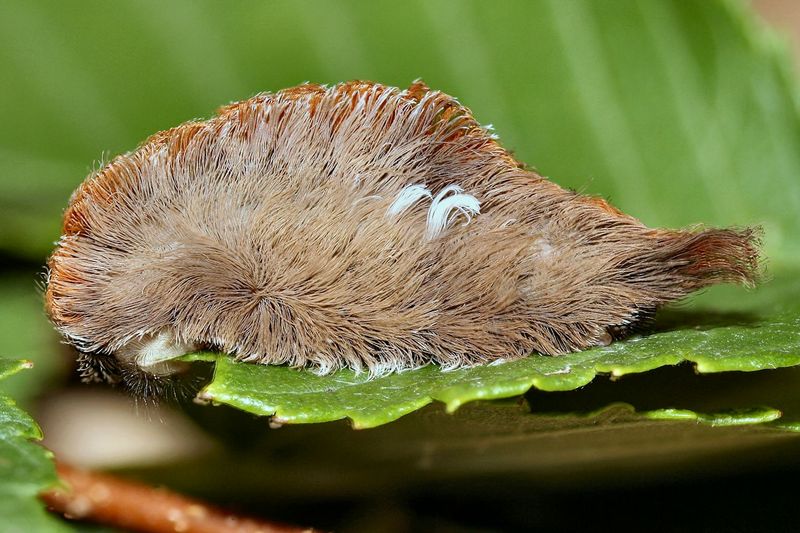
Most people expect a creature to bite or jab with a stinger to cause pain. The asp works differently, and that difference is part of why contact catches people off guard. Poison Control’s guide to caterpillar stings explains that most caterpillar injuries in the United States result from setae, spines, or quills rather than from a conventional bite. The asp does not need to rear up or attack; simply pressing against it is enough.
When skin makes contact with the caterpillar, the hollow or venom-associated spines hidden beneath the hair mat can break off or release irritants directly into the skin. The hair itself may also carry irritating material. Either way, the injury happens passively, through pressure, not through any aggressive act by the animal.
A CDC agricultural worker health resource on common cutaneous problems notes that caterpillar hairs and spines can penetrate skin on contact, triggering an immediate local reaction. The burning or pain that follows often begins within seconds to minutes, before the person even realizes what happened.
Brushing or crushing the caterpillar against the skin makes exposure worse, not better. If someone instinctively swipes at something tickling their arm and the animal happens to be an asp, that motion can grind more spines into the skin. The same principle applies if a caterpillar falls from a tree onto an exposed neck or arm and the person reflexively slaps at it. Staying calm and removing the animal carefully with a tool or barrier, rather than a bare hand, reduces additional exposure.
That controlled removal step matters more than most people realize in the moment.
Texas yards and two seasonal peaks bring people into contact
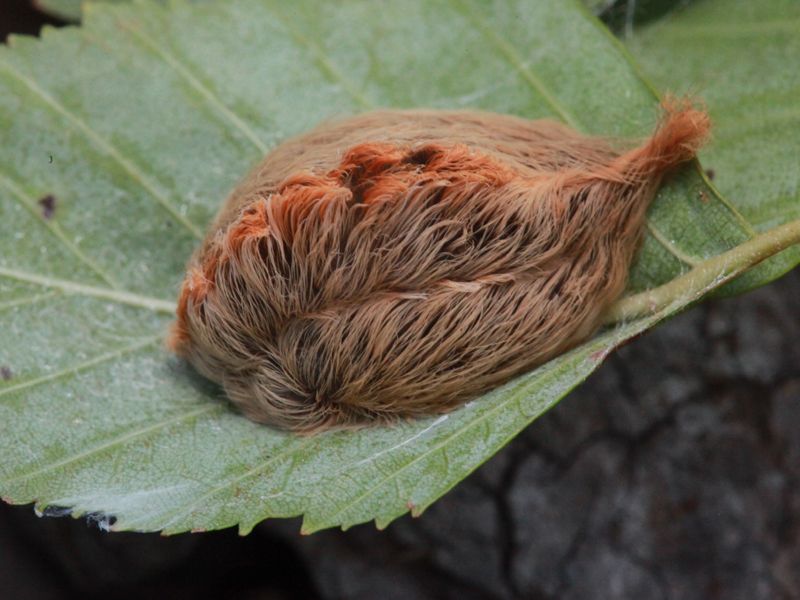
Puss caterpillars do not live in the wild at a safe distance from people. They feed on elms, oaks, palms, holly, and other woody plants, which means they spend their larval stage in the same trees and shrubs that line Texas driveways, shade back patios, and border garden beds. Texas A&M AgriLife’s venomous-animals guide lists these common landscape plants as host species, putting the caterpillar squarely in the average Texas yard.
The location data from reported stings reinforces that point. A study of 3,484 Megalopyge opercularis cases reported to Texas poison centers from 2000 through 2016 found that 91 percent of stings occurred at the patient’s own residence. That figure reflects where people called to report a sting, not a population-wide count of every exposure across Texas, but it does show that home landscaping is the most consistently relevant setting for these encounters.
Two seasonal windows showed the highest reporting activity in that same dataset. July accounted for 12.2 percent of reports, pointing to a summer peak. October and November together accounted for 59.3 percent, making fall the busier season by a wide margin. Gardeners pruning trees, raking leaves, or doing end-of-season yard cleanup during those months face the greatest chance of an unplanned encounter.
These peaks reflect the timing of calls logged by Texas poison centers over those sixteen years and should not be read as a current statewide census or as proof that every Texas region follows the same schedule. Caterpillar populations vary by local conditions, host-plant availability, and weather patterns. The practical takeaway is to stay more alert from midsummer through late fall, especially while working under or around the oaks and elms that anchor so many Texas landscapes.
Expect severe pain, but do not equate it with a scorpion sting
Contact with a puss caterpillar can produce pain that feels immediate and intense, often catching people off guard precisely because the animal looks so unthreatening. Published research on M. opercularis cases reported to Texas poison centers documents common effects that include immediate pain or burning, redness, swelling, itching, welts, and rash. These are the reactions most people experience.
Less commonly, the same Texas poison-center study recorded nausea, headache, numbness, dizziness, eye irritation, and breathing symptoms among reported cases. Those findings are worth knowing, but they were not the typical outcome. The study reported no major effects and no deaths among the 3,484 cases reviewed, and 93 percent of cases were expected to result in no more than minor clinical effects. That is reassuring context, though it does not make a painful sting something to brush aside.
The article’s title frames the caterpillar’s sting as “every bit as brutal” as a scorpion’s. That comparison makes for a memorable phrase, but no research located provides a validated, head-to-head measurement of pain intensity between puss caterpillar contact and a scorpion sting. Both animals can surprise people with painful contact, but that is where the parallel rests.
Texas Parks and Wildlife characterizes the common striped bark scorpion’s sting as painful with local swelling but generally not serious. Poison Control notes that some scorpion species, particularly bark scorpions in the Southwest, can cause neurologic or respiratory symptoms, a distinction that separates certain scorpions from the typical Texas encounter. MedlinePlus guidance on scorpion stings similarly notes that severe reactions are more associated with specific species rather than all scorpions. The puss caterpillar’s sting can be unexpectedly and severely painful, but ranking it against a scorpion’s venom toxicity or medical danger goes beyond what the available evidence supports.
Remove the hairs and watch for serious symptoms
Speed and calm matter more than anything else in the first few minutes after contact. If the caterpillar is still on the skin, do not brush it off with a bare hand. Use a stick, folded paper, or any other barrier to move it away, which avoids pressing additional spines into the skin or transferring them to your fingers.
Once the animal is gone, the priority is removing embedded hairs or spines from the affected area. Poison Control recommends applying adhesive tape to the skin, pressing it down gently, and then pulling it away. Repeating that process several times helps lift out broken spine fragments that are too small to see. After taping, wash the area gently with soap and water.
A cold pack placed over the site may reduce discomfort, though it will not necessarily stop the pain entirely.
A CDC report on caterpillar-associated rashes and CDC occupational health guidance on bites and stings both support careful mechanical removal of caterpillar material as an early response step. Antihistamines or hydrocortisone cream may help with itching or redness for some people, but neither is guaranteed to relieve the initial burning, and neither replaces professional care when symptoms escalate.
Certain situations call for prompt medical attention rather than home management. Seek care right away if the sting affects the eye or eyelid area, if you notice difficulty breathing or swallowing, if hives or swelling spread beyond the contact site, if pain is extreme or does not ease over time, or if you develop blistering across a large area. Texas Parks and Wildlife’s bites-and-stings resource recommends contacting a medical professional for any concerning reaction. Poison Help is available around the clock at 1-800-222-1222 for guidance on next steps.
Prevent contact without declaring war on harmless caterpillars

Avoidance is genuinely the most effective tool here, and it does not require much beyond a few habit changes during the seasons when asps are most active. Texas A&M AgriLife’s stinging-caterpillar newsletter recommends wearing gloves while gardening and covering arms and legs with long sleeves and pants when working in areas where caterpillars are likely to be present. Avoiding sitting directly beneath heavily infested trees is another practical step, since caterpillars fall and are not always visible until they land.
One specific warning that surprises many people: dead-looking larvae or pupae can still cause a reaction. Texas A&M AgriLife’s venomous-animals guide notes this explicitly. A caterpillar that appears dried out or a cocoon sitting on bark or a fence post should not be picked up with bare hands, because the spines may still be capable of causing a reaction on contact.
Knowing the difference between an asp and a harmless fuzzy caterpillar also keeps the response proportionate. Saltmarsh caterpillars, also called woolly bears, are common across Texas and are not harmful to people. Labeling every fuzzy caterpillar as dangerous leads to unnecessary alarm and unnecessary intervention. When you are not sure what you are looking at, a photo sent to a county extension office or a Texas Master Gardener program can get you a reliable answer.
Poison Control’s caterpillar guidance emphasizes not handling unidentified fuzzy or spiny caterpillars at all. For yard management, University of Florida IFAS public-health pest guidance notes that occasional caterpillar pests generally do not justify blanket insecticide application. When a specific tree or shrub has a heavy infestation that poses a real risk to people using that space, an appropriately labeled plant insecticide may be used, but only according to its label directions and only after confirming the identification.
Respect the asp without overstating the threat
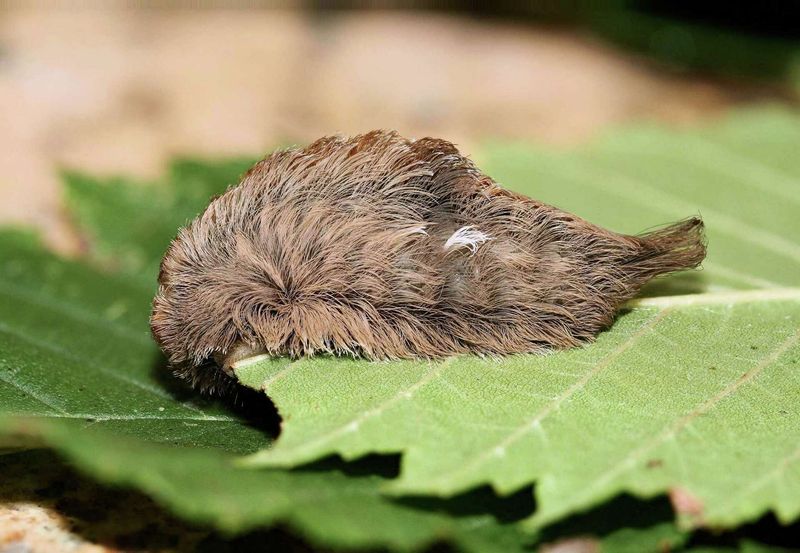
The puss caterpillar earns genuine respect. Learn to recognize its teardrop shape and dense, flat-lying hair coat in tan, gray, or darker shades, and treat any unidentified fuzzy or spiny caterpillar as something to avoid touching with bare hands. If contact does happen, use a barrier to remove the animal, apply tape repeatedly to pull out embedded spines, wash the area with soap and water, and call Poison Help at 1-800-222-1222 or seek medical care if symptoms go beyond local pain and redness.
The Texas poison-center study covering 2000 through 2016 found no major effects or deaths in its reported cases, and Poison Control’s caterpillar resource supports a measured response rather than panic. At the same time, the pain can be severe and genuinely unexpected, which is reason enough to take the animal seriously.
What the evidence does not support is the idea that the caterpillar attracts less public notice than a scorpion, that its sting matches a scorpion’s pain or medical danger, that it ranks as Texas’s most dangerous insect, or that every fuzzy caterpillar in the yard requires extermination. Texas A&M AgriLife’s guidance frames the asp as a significant stinging caterpillar, not a catastrophic threat. Knowing what it actually is, and what it actually does, puts you in a far better position than fear or indifference ever could.