
South Texas summers can feel like an oven that never turns off, and a lot of pretty fruit trees just give up when the thermometer climbs past 100 degrees. The good news is that some trees were practically built for this kind of punishment, shrugging off drought, sandy soil, and blazing sun without missing a beat. If you want homegrown fruit that keeps producing while your neighbors’ peaches crisp on the branch, you need the right varieties from the start. Here are seven fruit trees that treat a Texas heat wave like just another Tuesday.
1. Texas Persimmon
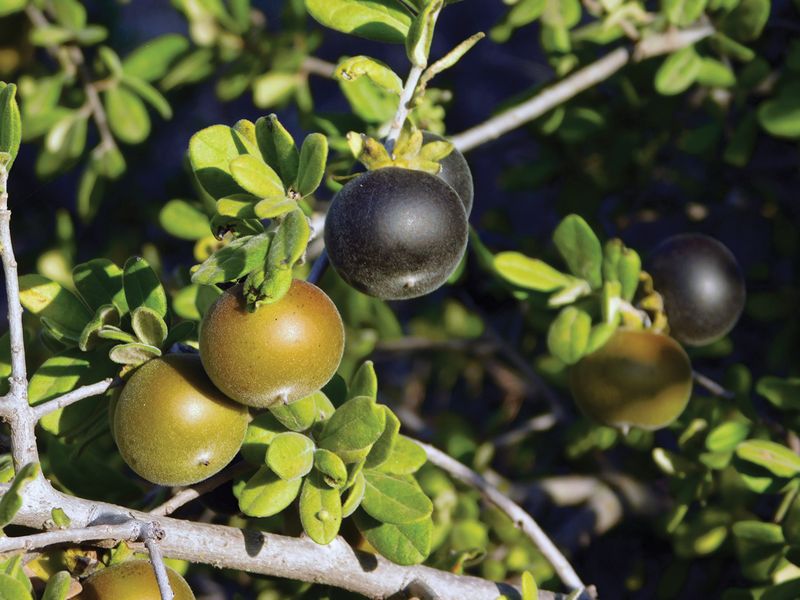
Native to the rocky brush country of South Texas, the Texas persimmon has spent thousands of years learning to laugh at drought. While fussier trees droop and drop leaves, this tough little tree keeps standing thanks to a deep root system that hunts for water far below the surface.
The fruit is small and turns nearly black when ripe, with a sweet flavor that local birds and mammals fight over. Because it belongs here, it asks almost nothing of you once it settles in, no constant watering and no coddling through a heat wave.
Fun fact: the smooth, peeling gray bark is so striking that some folks plant it just for looks and treat the fruit as a bonus. If you want a tree that already understands Texas soil and Texas sun, starting with a genuine native is hard to beat.
2. Fig
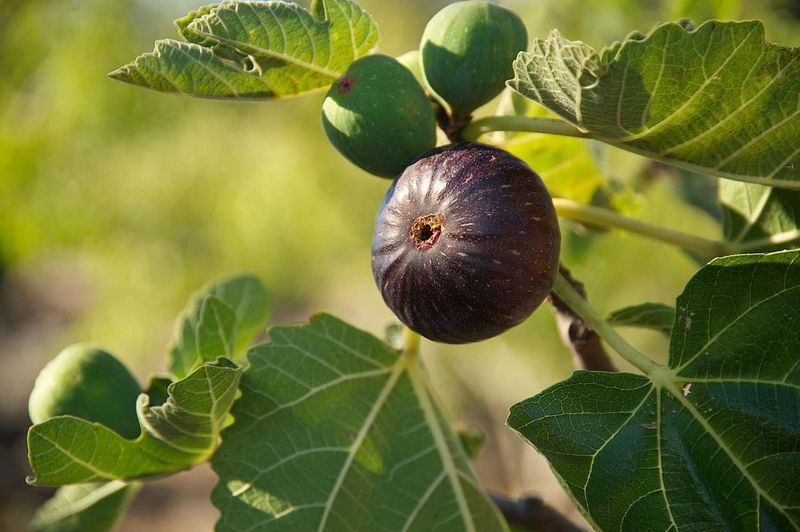
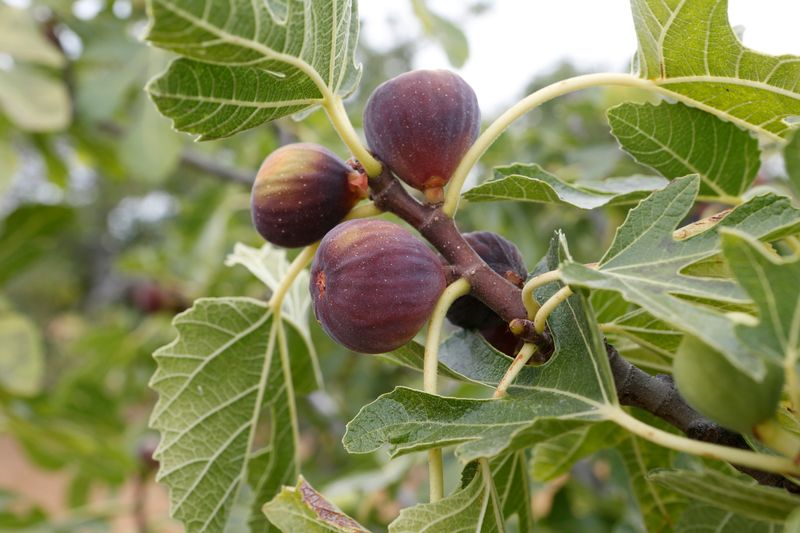
Ask an old-timer in the Rio Grande Valley about backyard fruit and figs usually come up first. Varieties like Celeste and Texas Everbearing handle triple-digit afternoons with an ease that surprises newcomers, soaking up heat that would scorch more delicate trees.
Their broad leaves shade the fruit from sunburn, and a mulched root zone helps them ride out water restrictions without sulking. Give a fig a warm, sunny spot and it will reward you with sweet, jammy fruit year after year.
Another perk worth mentioning: figs skip the whole chill-hours problem that trips up so many fruit trees down south. Cold winters barely register here, so a tree that does not need them fits right in. Plant one near a fence or wall and it will happily lean into the reflected warmth.
3. Pomegranate
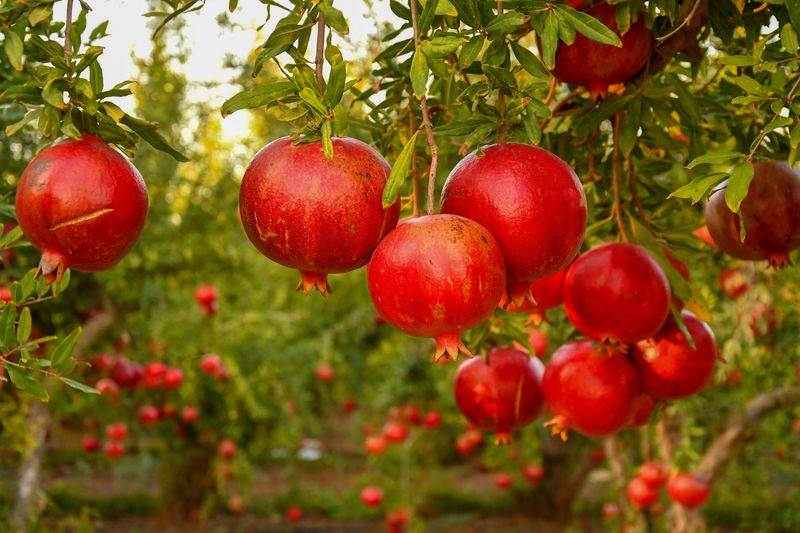
Few trees seem to actually enjoy the heat the way a pomegranate does. Originally from hot, dry regions across the globe, it treats a scorching South Texas summer as ideal growing weather rather than a threat.
The glossy leaves and fiery orange flowers hold up under relentless sun, and the tree tolerates sandy or clay soils that would stump pickier fruit. Once established, it gets by on remarkably little water, which makes it a smart pick when the city starts limiting the sprinkler.
Come fall, you get those famous ruby-red fruits packed with juicy seeds. Varieties like Wonderful and Salavatski do especially well in the region. A pomegranate can also double as a living hedge, giving you privacy, blooms, and dessert all from one thorny, sun-loving plant.
4. Jujube
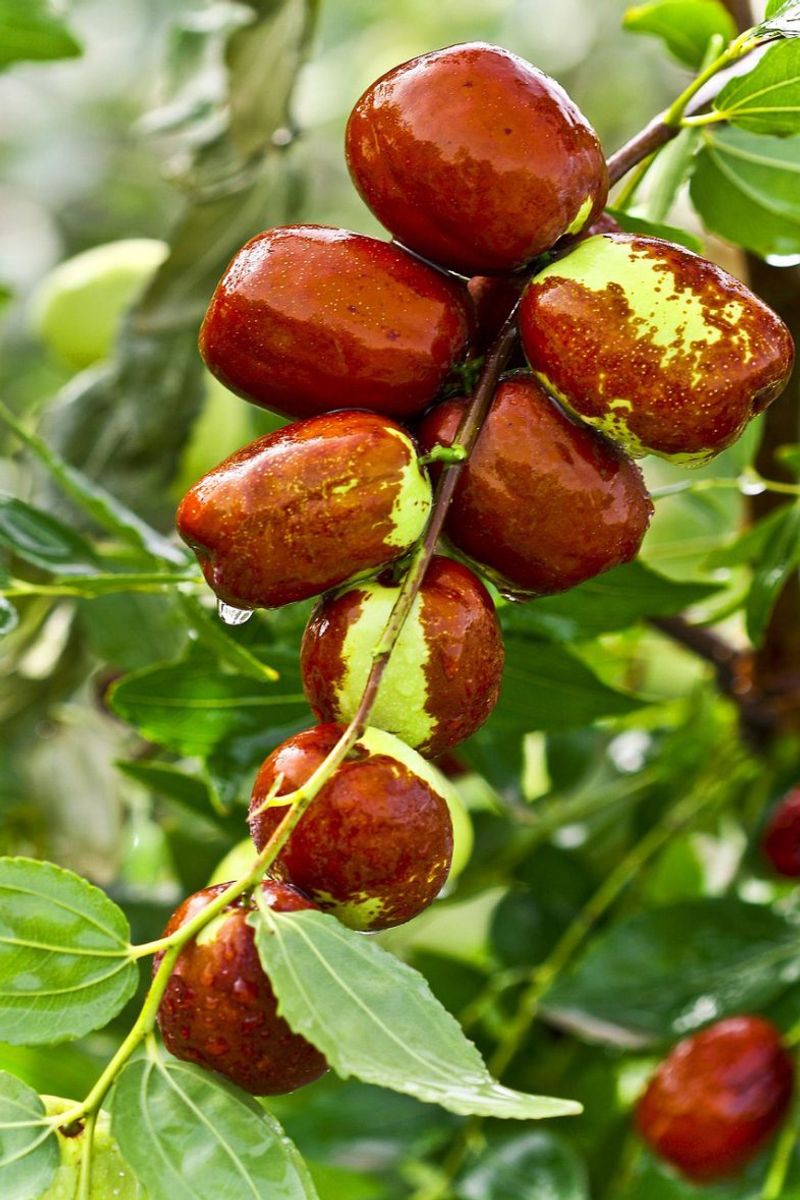
Meet the fruit tree that practically refuses to die. The jujube, sometimes called the Chinese date, has a reputation among Texas gardeners for surviving neglect, drought, and heat that flattens everything else in the yard.
Its small, crisp fruits taste like a cross between an apple and a date when eaten fresh, then turn chewy and sweet as they dry right on the branch. The tree pulls this off with deep roots and a tough constitution that shrugs off poor soil.
Li and Lang are two popular varieties that produce well in the southern half of the state. Because jujubes need very little care, they are perfect for anyone who wants fruit without a full-time gardening habit. Plant one, water it while it settles in, then mostly step back and let the Texas sun do the work.
5. Loquat
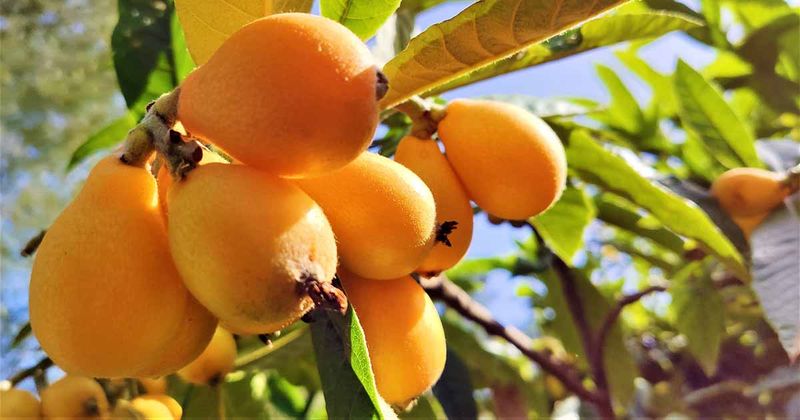
There is something charming about a fruit tree that flowers in winter and hands you breakfast in spring, right before the worst heat arrives. The loquat does exactly that, with fragrant blooms in the cool months and clusters of sweet-tart golden fruit early in the year.
Its thick, leathery evergreen leaves stand up to blazing sun and provide welcome shade in the yard all summer long. Even after the fruit is gone, the tree stays lush and green while the temperature soars.
Loquats handle the sandy, alkaline soils common across South Texas without complaint, and they need little supplemental water once rooted in. Plant one where you can enjoy the winter perfume, and you get an ornamental shade tree that also happens to feed you before summer turns brutal.
6. Citrus
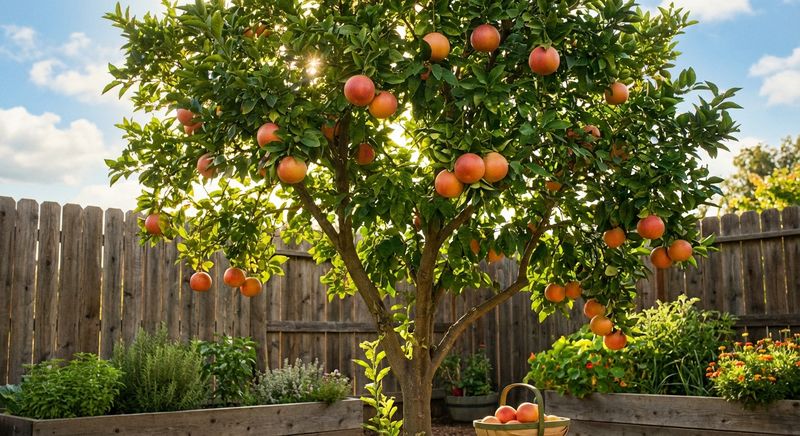
The Rio Grande Valley did not become citrus country by accident. Grapefruit, oranges, and lemons thrive in the long, hot growing season, turning South Texas sun into some of the sweetest fruit in the country.
Trees like the Rio Red grapefruit and Meyer lemon soak up heat and keep producing where northern citrus would freeze or fry. Their waxy, glossy leaves resist moisture loss, helping them cruise through a dry spell.
You do need to watch for cold snaps in winter, since a hard freeze can hurt young trees, so many gardeners plant on the south side of a house for protection. Beyond that, citrus rewards steady sun with fragrant blossoms in spring and heavy fruit in the cooler months. Homegrown Texas grapefruit off your own tree is a payoff worth the wait.
7. Mexican Plum
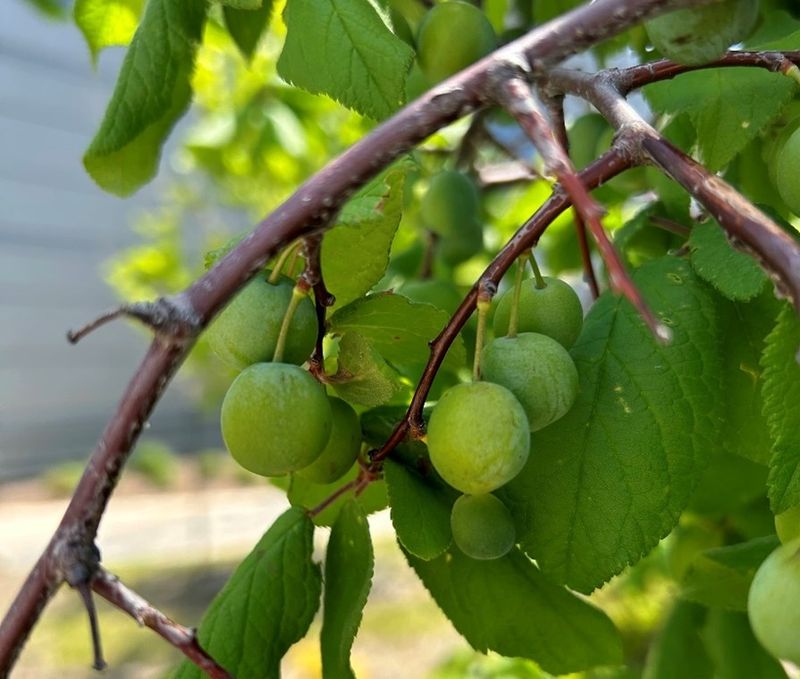
Delicate-looking flowers can hide a seriously tough tree, and the Mexican plum proves it every spring. A South Texas native, it bursts into fragrant white blooms early in the season and then settles in to endure whatever heat the summer throws at it.
The small, tart plums that follow are excellent for jelly and prized by wildlife, so your yard becomes a stop for birds and pollinators as well as a source of fruit. Being native means it already knows how to handle local soils, drought, and pests without much help from you.
Unlike commercial plum varieties that demand cold winters and constant babying, this one asks for little and gives back plenty. Its modest size fits smaller yards, and the spring flower show alone earns it a place. For a heat-proof tree that supports the whole backyard ecosystem, the Mexican plum quietly does it all.