
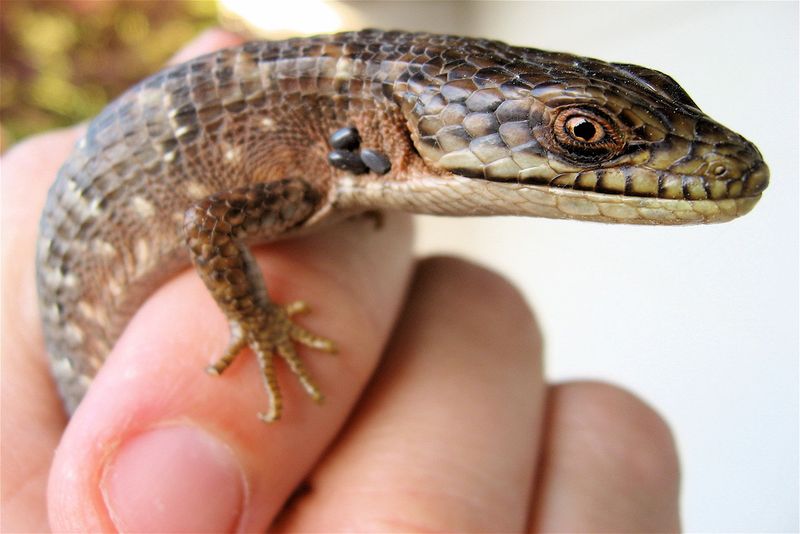
Most California homeowners who spot a scaly, strong-jawed lizard darting under a pot or log have no idea they may be looking at a native pest-eater. The southern alligator lizard is a widespread California native that may quietly eat snails, slugs, and a range of other invertebrates as it moves through your yard. Chasing it off or accidentally poisoning it could mean losing a free, low-effort helper. With a few simple choices, you can make your yard a friendlier place for this animal while still protecting your seedlings with proven pest-management steps.
The lizard under the mulch may be a southern alligator lizard
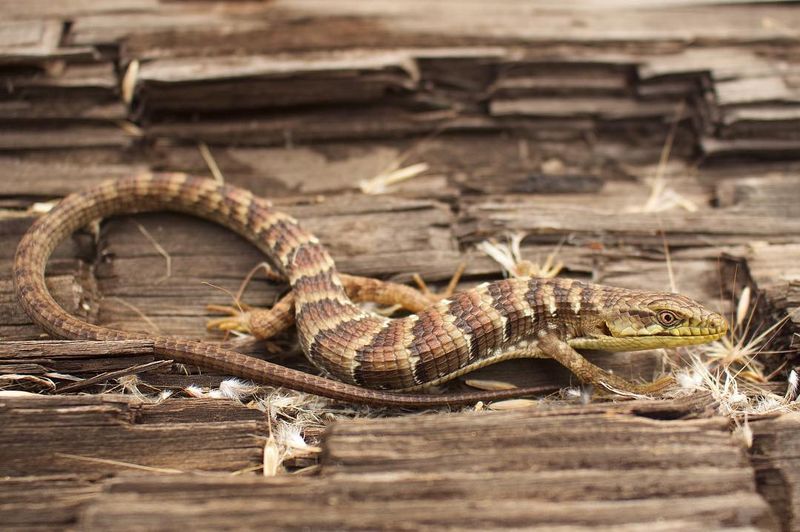
Plenty of California homeowners spot a large, rough-scaled lizard slipping under a board or disappearing into a flower bed and assume it is something exotic or even dangerous. More often than not, that lizard is a southern alligator lizard (Elgaria multicarinata), a native species found across much of California west of the desert regions, from coastal sage scrub and chaparral to valley floors and open foothill woodlands. the California Department of Fish and Wildlife life history account for the species notes that it occupies a wide range of habitats and commonly occurs near human settlements, which is why suburban yards are genuinely part of its territory.
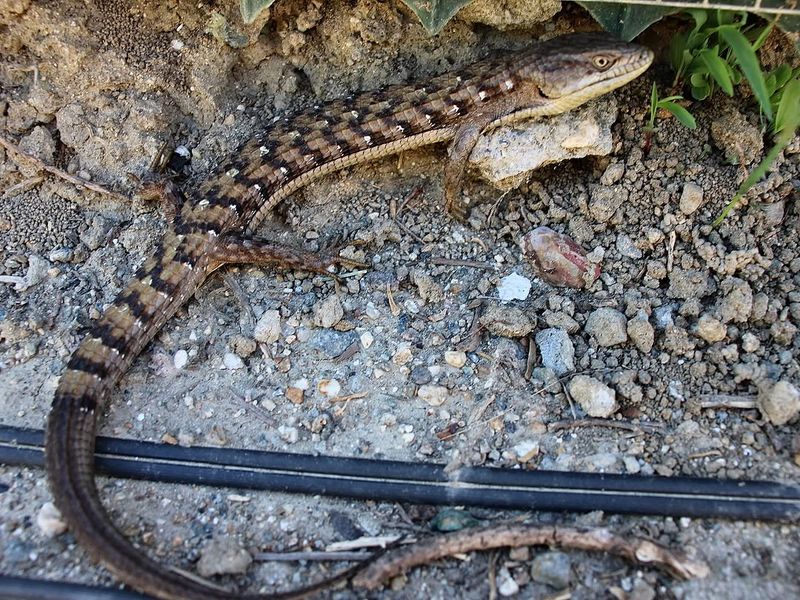
Visually, a southern alligator lizard is hard to mistake once you know what to look for. Adults typically measure seven to thirteen inches from snout to tail tip, carry strongly keeled scales arranged in rows that give the body an almost armored look, and display brownish or grayish coloring with irregular dark crossbands on the back and sides. The tail is notably long, sometimes longer than the body itself, and the legs are short relative to the trunk, giving the animal a low, sinuous crawl. the National Park Service species profile describes the head as large and triangular, which is one of the most reliable field marks.
California is home to multiple native lizard species, and not every large yard lizard is a southern alligator lizard. UC IPM’s lizard page and the California Department of Fish and Wildlife reptile resources are reliable starting points for confirming what you are seeing. Before reacting to any unfamiliar lizard, take a moment to observe it calmly: knowing the species helps you understand whether you have a native predator worth protecting or simply an animal passing through.
Its menu may include snails and slugs—but not only them
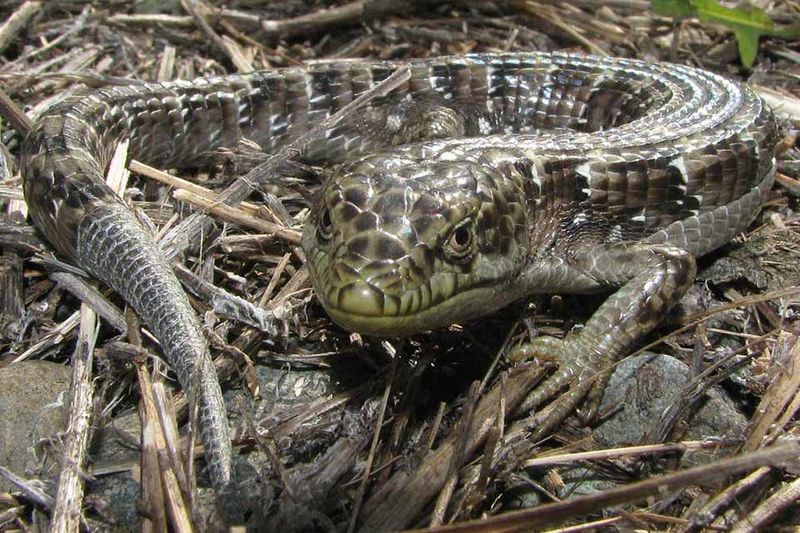
A southern alligator lizard is a carnivore with a broad appetite, and that breadth is both what makes it interesting to gardeners and what limits how much it can be counted on. the National Park Service’s species account lists insects, insect larvae, spiders, centipedes, scorpions, sow bugs, snails, and slugs among its documented prey, and notes that it may occasionally eat other lizards or small vertebrates as well. Yes, snails and slugs are on that list. That matters, but it is only part of the picture.
Insects and their larvae appear to be prominent prey items. the Burke Museum’s natural history account emphasizes the lizard’s generalist feeding habits, and the CDFW life history account supports a similarly wide prey base. Because the diet is so varied, the lizard may eat beetles, ground-dwelling spiders, or other arthropods that gardeners consider beneficial or neutral, alongside the pests they want gone. Calling it a specialist slug-control animal would simply be inaccurate.
The key distinction is between what a lizard eats and what it reliably controls. Documented prey records tell you that a southern alligator lizard living in your yard may consume some of the snails and slugs present there. They do not tell you that the lizard will reduce a serious infestation enough to protect your seedlings. UC IPM cautions that natural enemies of snails and slugs are often insufficient for satisfactory garden control, and that assessment applies here.
Supporting a resident lizard is a reasonable stewardship choice; expecting it to solve a pest problem by itself sets you up for disappointment.
Preserve shelter instead of trying to feed the lizards

Southern alligator lizards do not need you to put out food, bait, or water features designed specifically for them. What they need is shelter: places where they can hide from predators, regulate their body temperature, and hunt the invertebrates already living in your yard. Fortunately, many yards already have that, and the main job is simply not destroying it.
Flat rocks, low-lying logs, boards, stacked pavers, dense clumps of native grasses or shrubs, and areas of undisturbed leaf litter all serve as functional cover. the National Park Service notes that southern alligator lizards are secretive and spend significant time under vegetation and surface cover, so a yard that retains even a modest patch of undisturbed ground-level habitat is meaningfully more hospitable than one that is raked clean. The Natural History Museums of Los Angeles County urban lizard research found that habitat fragmentation in urban areas creates real challenges for resident populations, reinforcing why preserving existing cover matters.
Before you move a stack of pots, a garden board, or a pile of flagstones, take a few seconds to check underneath. UC ANR’s wildlife-refuge yard guidance encourages leaving useful cover objects undisturbed when practical, and that habit costs nothing. If an object must be moved, shift it slowly and give any resident lizard time to escape rather than scooping it up. The goal throughout is to preserve existing habitat, not to stock your yard with lizards or to create an elaborate structure the lizard did not ask for.
Fire safety sets the boundary for wildlife-friendly cover
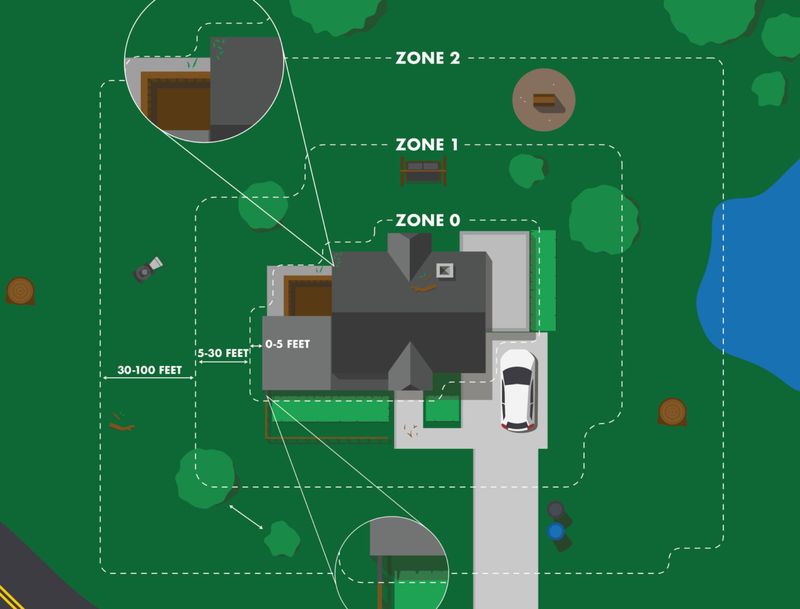
Habitat advice and fire safety are not automatically in conflict, but in California they have to be balanced deliberately. Leaf litter, bark mulch, brush, and dense vegetation are exactly the kinds of materials that support ground-dwelling lizards, and they are also the materials that fire authorities ask homeowners to manage carefully around structures. Getting that balance right starts with knowing where the rules apply.
CAL FIRE’s defensible space guidance establishes Zone 0 as the first five feet around any structure, where combustible bark or mulch should not be present at all. the California Board of Forestry and Fire Protection’s zone framework extends outward from there, requiring progressively thinned vegetation through Zones 1 and 2. Local fire authorities and some municipalities impose stricter rules than the state baseline, so checking with your local agency is always the right first step.
The practical principle for wildlife-friendly yards in fire-prone areas is: leave a suitable area undisturbed where it is already safe to do so, and do not add combustible cover inside required clearance zones. A flat rock, a native shrub, or an existing patch of leaf litter located outside the five-foot zone and maintained within local requirements can still function as lizard habitat. Recommending brush piles or heavy mulch indiscriminately would be unsafe advice for a large share of California homeowners. Placing habitat features thoughtfully, outside clearance zones, and keeping them tidy is how you support native wildlife without increasing your fire risk.
Let the lizard help while you manage snails and slugs directly
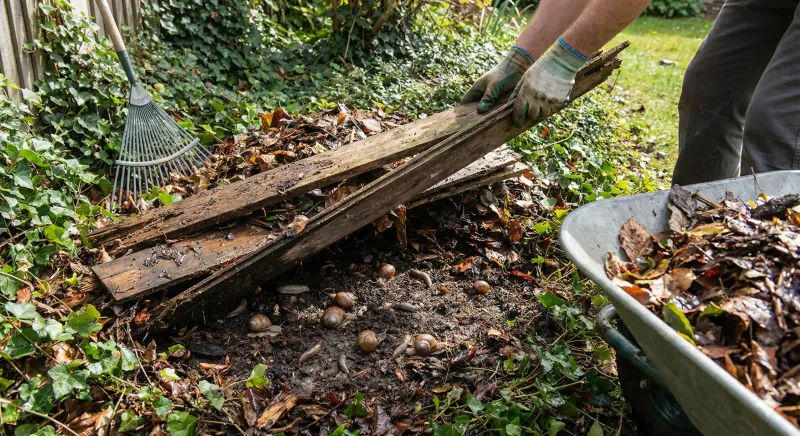
Even a healthy resident lizard population is unlikely to keep snail and slug numbers low enough to protect tender seedlings on its own. UC IPM states plainly that natural enemies of snails and slugs are often insufficient for satisfactory garden control, which means direct management by the homeowner remains necessary when seedlings are at stake. The lizard can be part of a healthy yard ecosystem, but it cannot substitute for the steps that actually work.
Start with the simplest methods. Go out after dark with a flashlight and hand-pick snails and slugs from your seedlings and the surrounding soil, dropping them into soapy water. Do this two or three nights in a row after rain or irrigation, when activity peaks, and you will remove a meaningful share of the local population quickly. Boards or pieces of burlap set near vulnerable beds overnight act as traps: snails and slugs shelter under them by morning and can be collected and disposed of.
Reducing the conditions snails and slugs prefer is equally effective over time. Water in the morning so soil surfaces dry out before evening, and clear away plant debris, weeds, and dense groundcover near seedlings that give pests a moist hiding place during the day. the UC IPM quick-tips card for snails and slugs notes that bait alone does not provide long-term control, because it addresses the animals already present without changing the habitat conditions that keep replenishing them. Physical barriers such as copper tape around raised beds or a ring of coarse diatomaceous earth around individual transplants add another layer of protection. Each of these steps works alongside any lizard activity in your yard rather than replacing it.
Choose any bait with pets, children, and wildlife in mind
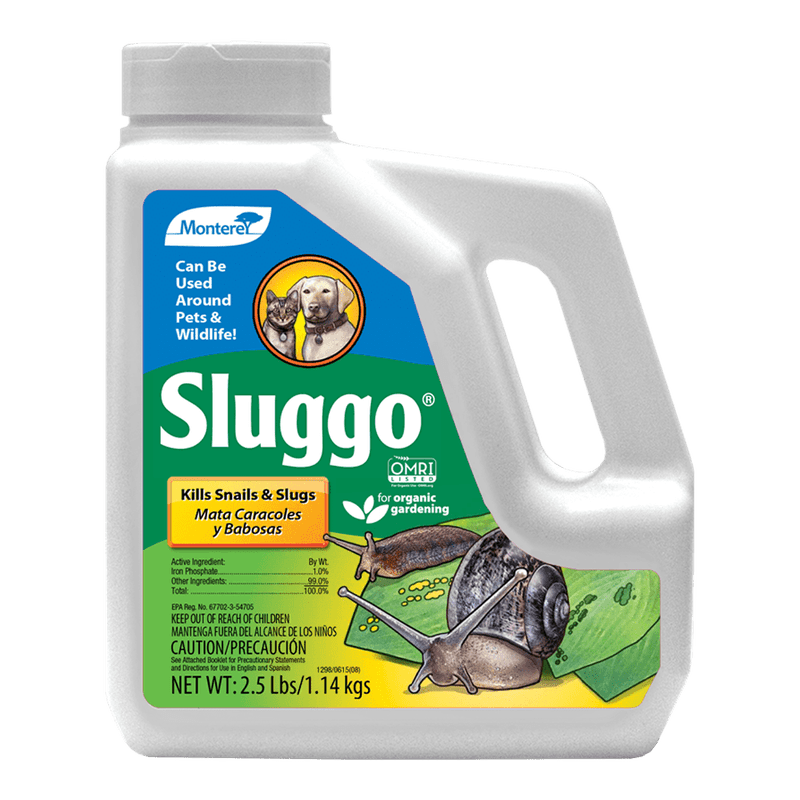
When hand-picking, trapping, and habitat adjustment are not enough to protect a planting, a commercial molluscicide bait may be a reasonable next step. Not all baits carry the same risks, and the choice matters especially in yards shared with pets, children, or the native wildlife you are trying to support.
UC IPM identifies iron-phosphate products as safer around children, domestic animals, birds, fish, and other wildlife than metaldehyde-based products. That word “safer” is deliberate: iron-phosphate bait still kills mollusks and must be used exactly as the current product label instructs. Calling it harmless, non-toxic, or wildlife-safe would overstate what the evidence supports. Read the label each time you use a product, because formulations and instructions can change.
Metaldehyde deserves a specific caution. the UC IPM quick-tips card notes that metaldehyde baits are particularly poisonous to dogs and cats and warns against using them anywhere children or pets can reach. If you have a dog, a cat that goes outside, or young children in the yard, metaldehyde is not a casual backyard option. Neither product should be scattered broadly around a yard as a general preventive measure; targeted application near affected plants, following label rates and timing, is always the safer and more effective approach. Using either bait in combination with the physical and cultural controls described in the previous section gives you a more complete response than bait alone.
Protect the predator from ordinary yard hazards
A southern alligator lizard that survives in your yard faces real pressure from choices you make every day, not just from dramatic events. Two of the most consequential are pesticide use and outdoor cats.
Broad-spectrum insecticides applied to soil or foliage kill many of the invertebrates that lizards depend on for food, and some pesticides are directly toxic to reptiles. UC IPM describes California lizards as potentially beneficial pest predators and reports no measurable plant damage from lizards generally, which is a practical argument for reducing unnecessary pesticide applications. Switching to targeted, least-toxic products when you do need to treat, and avoiding routine calendar-based spraying, gives resident lizards a better chance of surviving long enough to contribute to the yard ecosystem. That general finding about lizards does not mean southern alligator lizards have no possible garden impacts, since they are predators with a broad diet, but it does mean the default stance toward them should be one of tolerance.
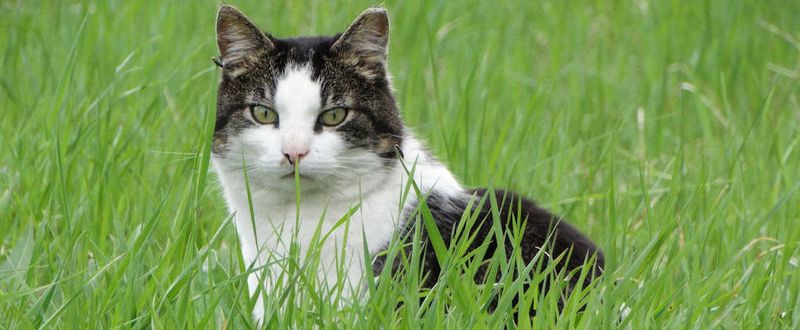
Cats are the other significant hazard. the Natural History Museums of Los Angeles County’s urban lizard research documented evidence of predator pressure on resident lizard populations and specifically recommended keeping cats indoors as a meaningful protective measure. Even a cat that rarely kills prey will stress and displace lizards through repeated pursuit, and tail loss from near-misses carries real costs for the animal. If a full-time indoor arrangement is not possible, limiting outdoor access during the early morning and evening hours when lizards are most active reduces the overlap considerably.
Observe it instead of capturing or relocating it
Coming face-to-face with a southern alligator lizard in the yard, or finding one inside the house, tends to provoke a strong urge to do something: pick it up, move it to the vegetable bed, or carry it outside. Resisting that urge is the right call for both you and the lizard.
Southern alligator lizards are not venomous, but they have powerful jaws and a willingness to use them. the National Park Service notes that the species will bite if grabbed, and UC IPM confirms that alligator lizards may bite, recommending gloves when handling is truly necessary. Rough handling also risks causing tail loss, which is a real physiological cost for the animal even though the tail eventually regrows. The best encounter is usually an observational one: watch it, note where it goes, and leave it alone.
If a lizard enters the house, a calm, methodical approach works well. Place a box or large container over the lizard, slide a piece of stiff cardboard underneath to create a floor, and carry the container outside to a shaded spot with cover nearby. Release it gently and step back. Gloves are a reasonable precaution during this process.
Do not move a wild lizard from one part of your yard to another, and do not attempt to keep one as a garden employee or a pet. California regulates the collection and possession of native reptiles. CDFW’s scientific collecting permit information and the state’s wildlife rehabilitation regulations both reflect the broader framework governing native reptile possession. A lizard that has found your yard on its own terms is far more likely to stay and contribute than one that has been stressed by capture and relocation.
Make room for a possible ally, not a guaranteed solution
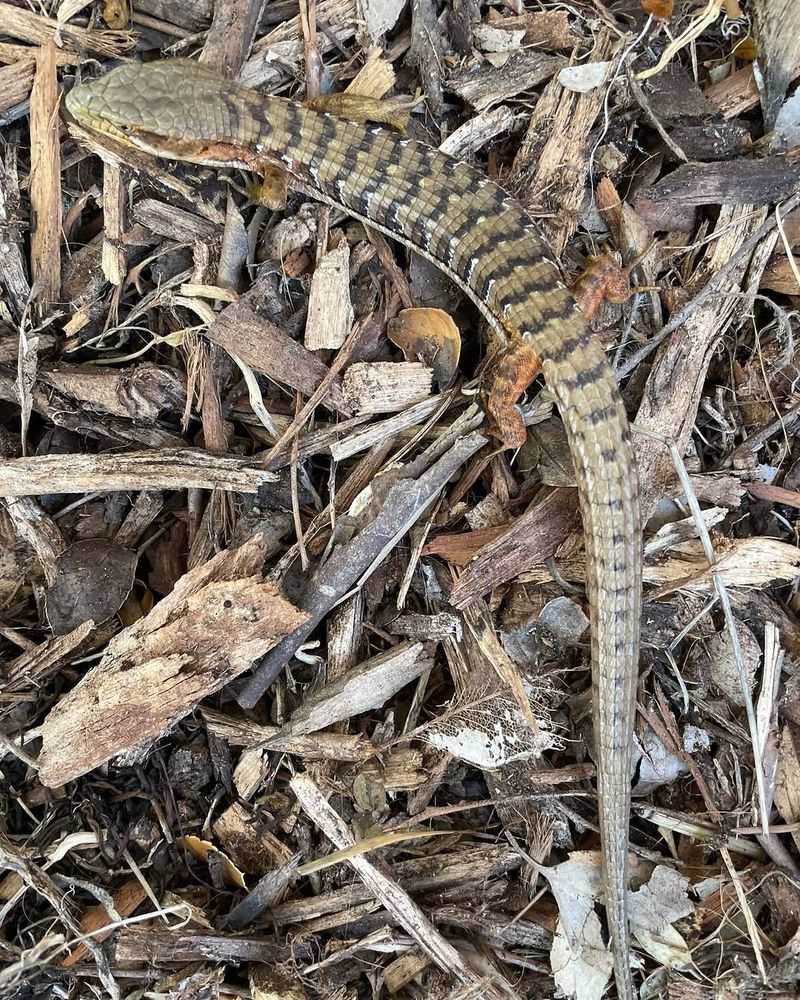
A southern alligator lizard living in your yard may eat snails, slugs, and other invertebrates as part of its wide-ranging diet. the National Park Service’s species account and UC IPM’s snail and slug management guidance together make clear that while the dietary connection is real, natural enemies alone are rarely sufficient to bring a pest population down to a level that protects seedlings reliably. Welcoming the lizard is worthwhile; counting on it to solve the problem is not.
The practical sequence is straightforward. Identify before reacting, so you know whether the animal in your yard is a native worth protecting. Preserve existing ground-level cover outside required CAL FIRE defensible-space zones. Reduce broad-spectrum pesticides and keep cats indoors.
Then manage snails and slugs directly with hand-picking, trapping, cultural controls, and targeted bait when needed, following UC IPM’s integrated approach. A yard that supports native predators while also using proven pest controls is simply a better-managed yard, and that combination does more for your seedlings than either strategy could do alone.