
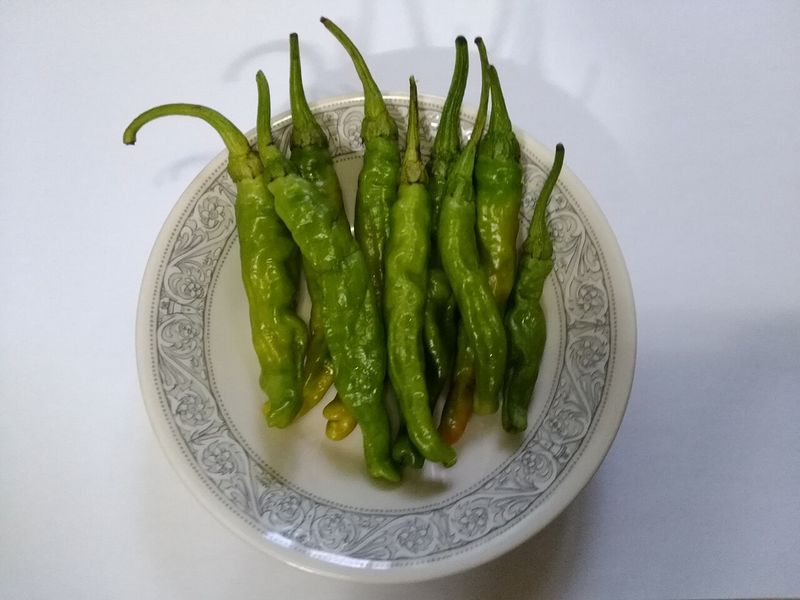
Pulling a pepper off the vine and finding it small, soft-walled, and disappointing is genuinely frustrating, especially after weeks of watering and waiting. The instinct to blame fertilizer is understandable, but the real picture is more complicated than one feeding mistake. Heat, uneven moisture, cultivar traits, and nutrient imbalance can all play a role, sometimes at the same time. Understanding which factor is actually at work in your garden is the first step toward protecting the next round of fruit.
Small fruit and thin walls tell different stories
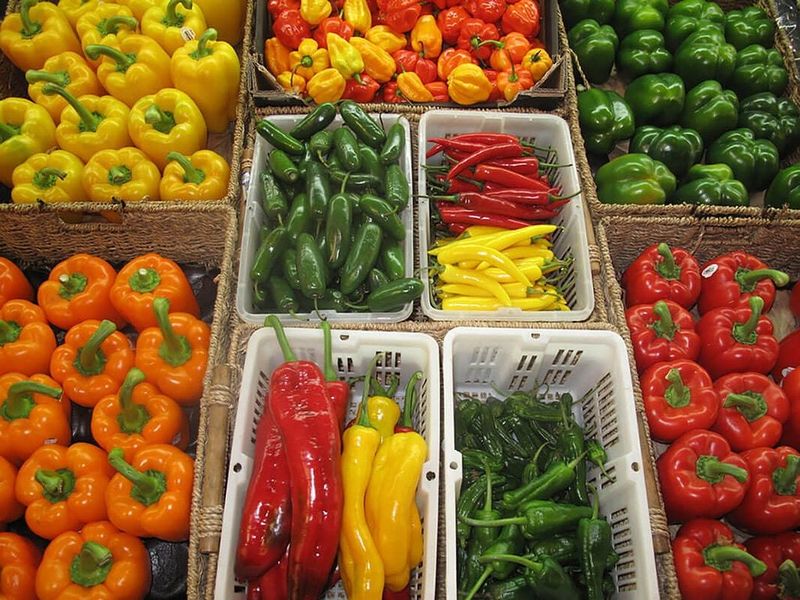
Not every undersized or thin-walled pepper signals a problem you need to fix. Wall thickness is tied closely to genetics and fruit type, so a cayenne, serrano, banana, or cubanelle pepper will always have a thinner, more delicate wall than a blocky bell pepper. Penn State Extension’s pepper-growing guidance notes that cultivar selection shapes the size, shape, and flesh characteristics of the fruit you harvest. Comparing a serrano to a bell pepper and concluding something went wrong is a bit like comparing a cherry tomato to a beefsteak.
Fruit size and wall thickness are also two separate symptoms that point to different causes. A pepper can be small because conditions during flowering or early fruit development were poor, while wall thickness reflects both genetics and the environment during the longer period of fruit filling. Research published in PLOS ONE on pepper fruit trait heritability confirms that wall thickness, fruit weight, and fruit dimensions are all strongly influenced by cultivar genetics.
Weather timing matters in a way that often catches gardeners off guard. A 2025 paper in the Journal of the American Society for Horticultural Science reports that air temperature during anthesis – the moment of flowering – affects sweet-pepper fruit size, with high temperatures associated with smaller fruit. That means the heat that set the stage for a small pepper may have arrived days or weeks before you noticed the undersized result.
Heat can limit fruit before the symptom appears
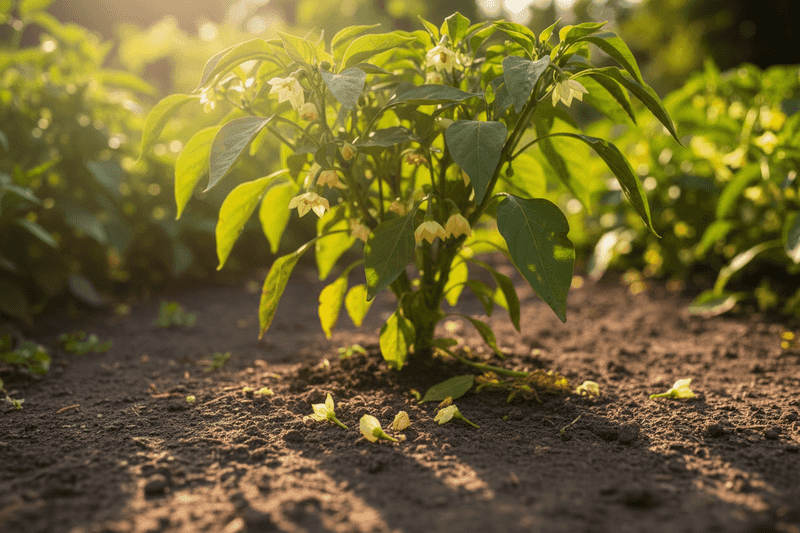
Pepper flowers are fragile, and heat can damage them before a single fruit has a chance to form properly. When daytime temperatures push into the roughly 90 to 95 degree Fahrenheit range, pollen can lose viability, flowers may drop without setting, and the young fruit that does develop may be smaller than normal. Utah State University Extension’s pepper guide describes how extreme heat can interfere with fruit set and reduce overall yield during a heat wave.
The tricky part is that the heat responsible for a small pepper often happened earlier than you think. A flower that was heat-stressed during pollination may still set a fruit, but that fruit starts out smaller and may not catch up. By the time you notice the undersized pepper hanging on the plant, the critical window has already passed. Treating it as a current fertilizer problem misses the actual timeline.
Water stress and heat almost always arrive together in a summer heat wave, and their effects on fruit size overlap. Oregon State University Extension’s pepper publication explains that moisture stress during flowering and fruit development can reduce both fruit set and fruit quality. When soil dries out unevenly between waterings while temperatures are already high, the combination is harder on developing fruit than either stress alone, which is why a fertilizer diagnosis made during a heat wave is rarely the full answer.
Lush foliage can reveal excess nitrogen
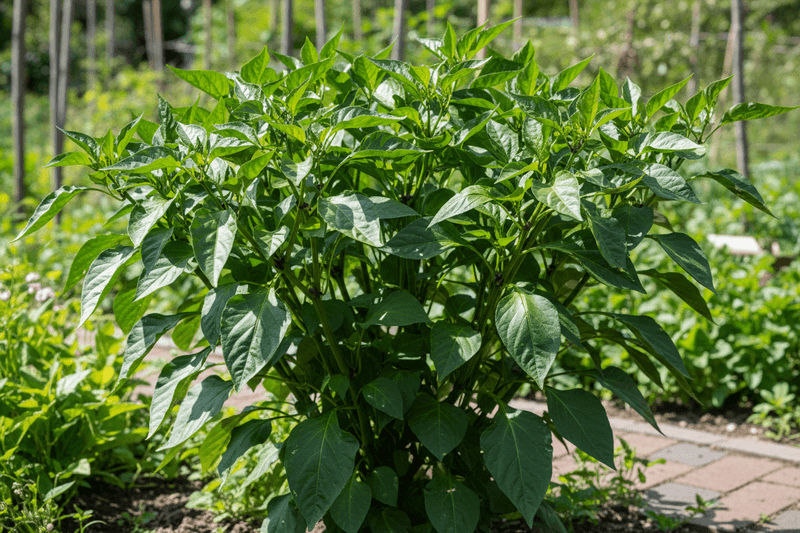
Among the feeding-related causes worth checking, excess nitrogen is the most reasonable one to investigate. The clue is not fruit size by itself but the overall look of the plant. A pepper that has received too much nitrogen tends to be unusually dark green, bushy, and full of leaves, while flowering is delayed and fruit set is slow. University of Minnesota Extension’s pepper-growing page explains that excess nitrogen encourages leafy growth at the expense of fruit production.
Utah State University Extension reinforces this point, noting that over-fertilizing with nitrogen can delay or reduce fruit set in peppers. The plant puts energy into building more stems and leaves rather than committing resources to flowers and developing fruit. If your pepper looks vigorous and leafy but is behind on blooming or setting fruit for its stage of the season, excess nitrogen deserves a closer look.
The immediate action is straightforward: do not respond to small fruit by adding more nitrogen or reaching for a general-purpose fertilizer booster. University of Georgia Extension guidance on nitrogen and water management cautions that applying extra nitrogen to already vigorous plants tends to push more vegetative growth rather than improving the harvest. If the foliage looks normal or pale rather than dark and lush, excess nitrogen is much less likely to be the issue, and other causes deserve more attention.
Potassium requires evidence before action
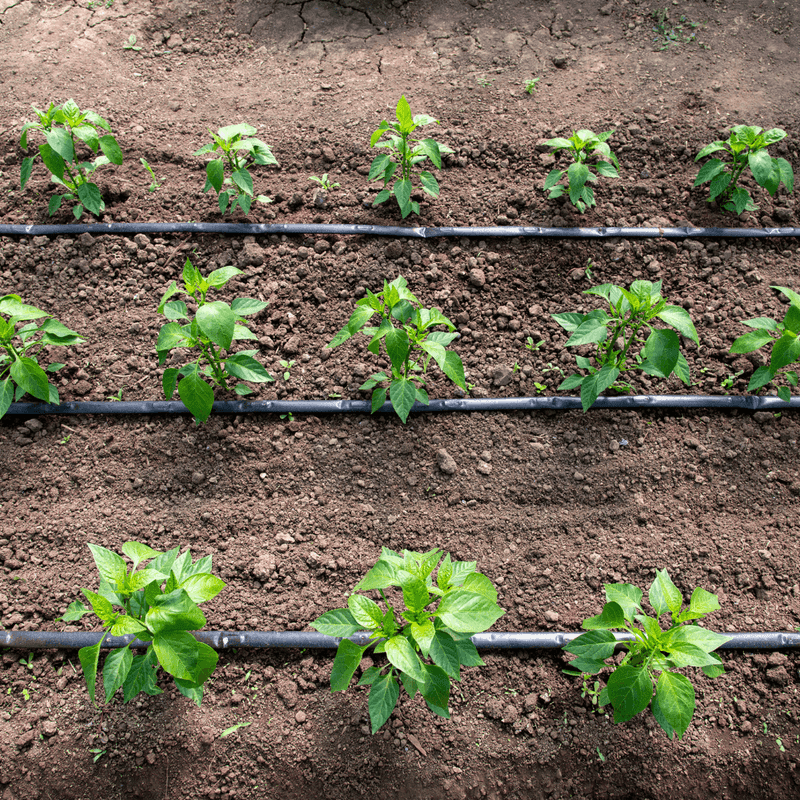
Potassium does play a real role in pepper yield and fruit quality. University of Florida IFAS research summarizing nitrogen, phosphorus, and potassium studies with pepper shows that adequate potassium supports healthy plant growth and fruit development. Some controlled experiments have also reported improvements in fruit size or flesh thickness when potassium was supplied to plants growing under deficient or heat-stressed conditions.
A study on potassium applications under high-temperature stress in pepper, published in the Journal of Plant and Soil Sciences, found that potassium can help offset some heat-related growth effects. Research published in a Turkish horticultural journal also reported improvements in pepper fruit quality with adjusted potassium levels. Those findings are worth knowing, but they come from controlled experimental conditions and do not prove that every backyard plant with thin or small fruit is running low on potassium.
Adding potassium without evidence is not a harmless shortcut. Utah State University Extension’s nutrient deficiency reference notes that excess potassium can interfere with plant uptake of calcium, magnesium, zinc, and iron, creating new imbalances while trying to address a suspected one. USU’s vegetable nutrient management guidance recommends basing potassium applications on a soil test rather than visual guesswork. A high-potassium fertilizer is not a universal fruit-thickening treatment.
Steady moisture protects the next fruit flush
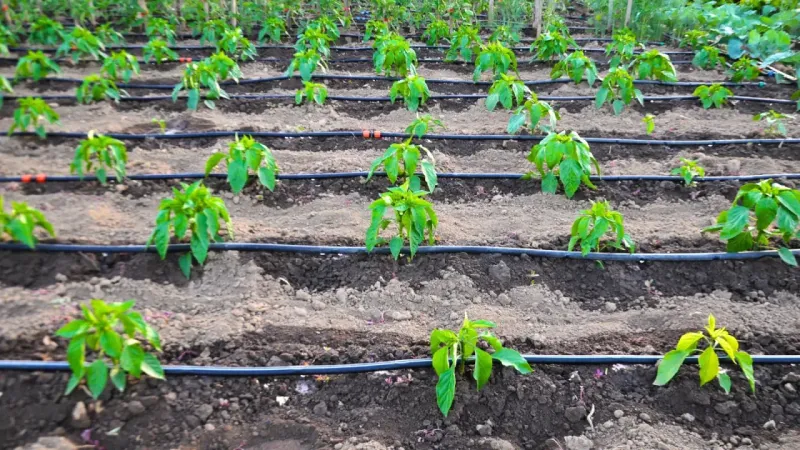
During a heat wave, how you manage water may matter more than anything you add to the soil. Peppers need consistent soil moisture, and swings between dry and waterlogged conditions put extra stress on flowers and developing fruit. University of Minnesota Extension recommends deep, even watering and mulching to stabilize soil moisture around pepper plants in hot weather.
Shallow, repeated sprinkling wets only the top inch or two of soil and encourages roots to stay near the surface, where they are most exposed to heat and rapid drying. Drip irrigation or soaker hoses deliver water slowly at the root zone and help maintain the steady supply that flowers and young fruit depend on. Oregon State University Extension’s pepper guide emphasizes that consistent moisture during fruit set and development is key to reducing stress-related losses.
Temporary afternoon shade can also reduce heat load on plants and exposed fruit during the hottest part of the day. A shade cloth or even a lightweight row cover draped over the plants for a few hours in the afternoon can take the edge off extreme heat without blocking all light. Utah State University Extension’s guide on using shade for fruit and vegetable production describes shade as a practical short-term tool for managing heat stress. Keep in mind that shade cannot enlarge fruit that has already finished developing and should not become a permanent substitute for the full sun peppers need to thrive.
Let the soil test set the fertilizer plan
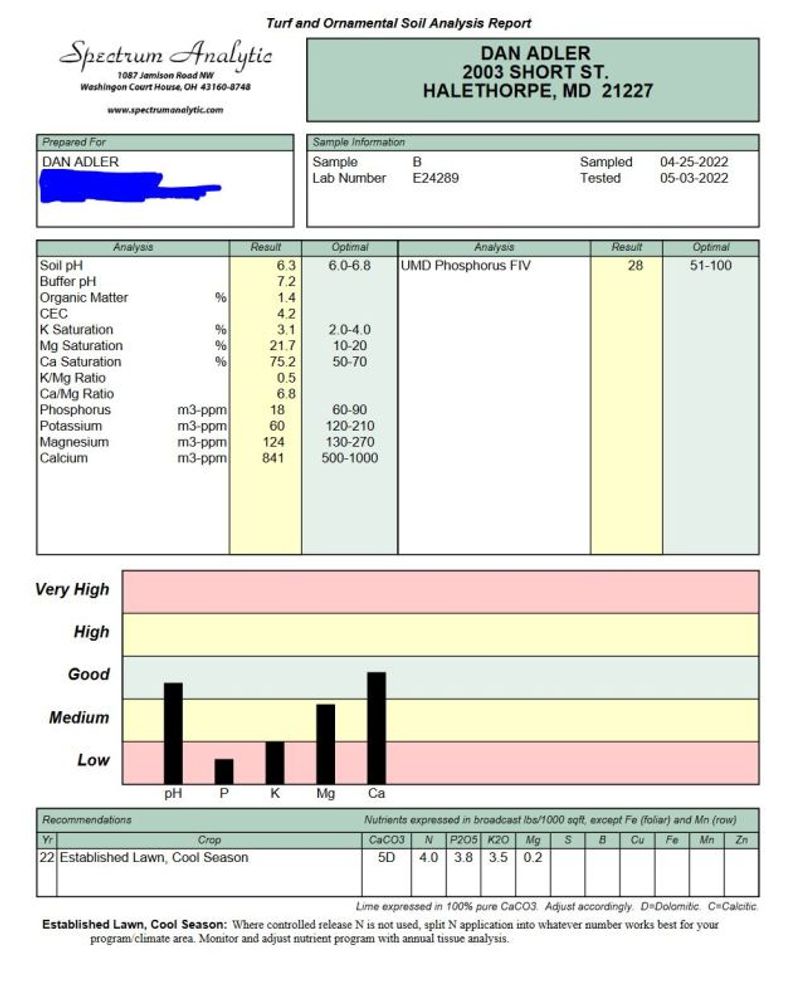
Before adding any fertilizer to address small or thin-walled peppers, a soil test gives you the clearest picture of what your garden actually needs. Penn State Extension’s soil testing resource explains that a standard test measures plant-available phosphorus and potassium and provides crop-specific fertilizer recommendations. Nitrogen is harder to measure because it changes quickly in soil, but the test results still help you avoid adding nutrients that are already adequate.
Penn State’s guide to reading a soil test report walks through how to interpret the numbers and match them to fertilizer rates for vegetables. Utah State University Extension’s vegetable nutrient management guidance reinforces that applying fertilizer without test results often leads to over-application, which can be as harmful as a deficiency. If a soil test does show that an amendment is warranted, follow the rate and timing it specifies rather than defaulting to a packaged product that may not match your soil’s actual needs.
When nitrogen applications are appropriate for peppers, splitting them across the season is more effective than a single large dose. Penn State Extension’s pepper nutrient recommendations and University of Maryland Extension’s pepper fertilizer guide both describe timing later nitrogen applications around fruit set and development rather than front-loading everything at planting. Automatic tomato fertilizers, bloom boosters, and high-potassium products should not be treated as universal fixes. USU’s soil fertility guidance for tomato, pepper, and eggplant consistently points back to the soil test and the product label as the appropriate guides for rate and timing decisions.
Blossom-end rot needs a separate check
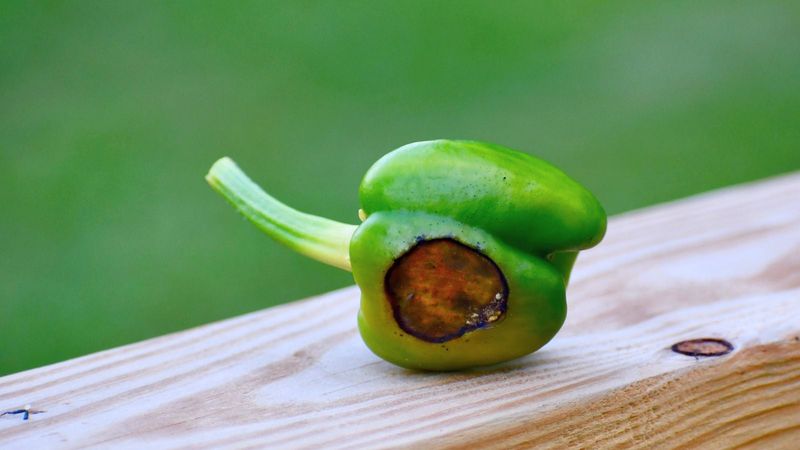
Before attributing every poorly developed pepper to a nutrient shortage, take a close look at the bottom of the fruit. Blossom-end rot produces a tan, brown, or black sunken area at the blossom end of the pepper, and it has its own specific cause that is separate from the general question of fruit size or wall thickness. University of Minnesota Extension’s pepper fruit diagnosis tool lists blossom-end rot as a distinct condition associated with disrupted calcium movement within the plant, not simply a lack of calcium in the soil.
Utah State University Extension explains that blossom-end rot is primarily a water-management problem. When soil moisture fluctuates sharply, the plant cannot move calcium into developing fruit tissue fast enough, and the blossom end breaks down. The soil itself may contain adequate calcium, making calcium fertilizer an unlikely solution for the affected fruit.
Consistent watering is the most effective protection for future fruit. Once tissue at the blossom end has already been damaged, no fertilizer application can reverse it. USU’s nutrient management guidance confirms that stable soil moisture is the practical safeguard against blossom-end rot, not a calcium supplement. If you see the characteristic sunken patch, focus on steadying your watering routine before the next flowers open rather than reaching for a spray or soil amendment.
Protect the next flush and reassess
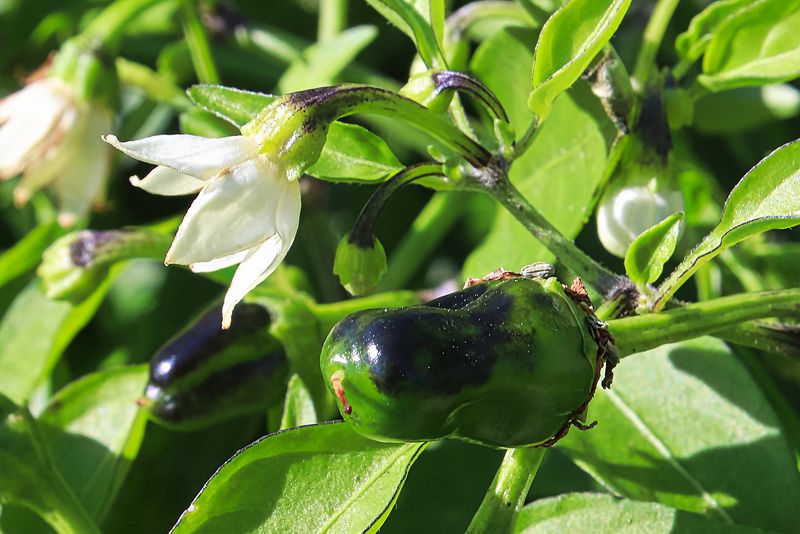
The most productive thing you can do right now is shift focus from the fruit already on the plant to the flowers and fruit that have not yet formed. Stop adding nitrogen if your plants already look dark green and lush. Stabilize watering with deep, consistent moisture and a layer of mulch to buffer temperature swings at the root zone. If heat is severe, try temporary afternoon shade for a few days while the worst of the weather passes.
University of Minnesota Extension and Utah State University Extension both point to moisture management and avoiding excess nitrogen as the most practical steps for home gardeners dealing with poor pepper performance in summer heat. Hold off on adding potassium or any other targeted nutrient until a soil test confirms a real deficiency.
When the next flush of flowers opens, watch the size and wall thickness of that fruit while keeping your cultivar’s natural traits in mind. If those peppers develop better under steadier moisture and cooler nights, heat and water stress were likely the main story all along. Excess nitrogen is worth checking on a lush, slow-to-flower plant, but good water management often does more for a struggling pepper than any fertilizer change. Sound nutrient management starts with knowing what your soil already has, not with adding what you hope it needs.