
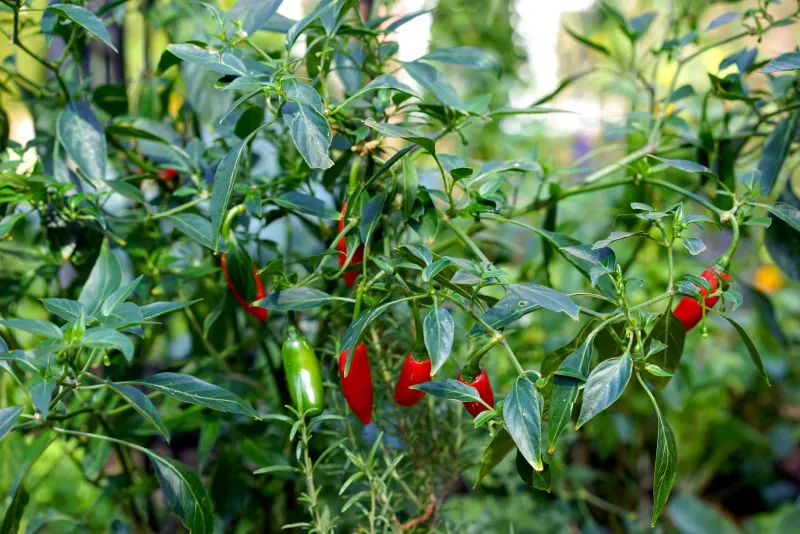
Watching pepper flowers dry up and fall off before a single fruit forms is one of the more frustrating things a summer garden can throw at you. The good news is that blossom drop often has an identifiable cause, and in many cases you can reduce the stress that is driving it. Inconsistent soil moisture is one factor that can push flowering peppers over the edge, but August heat, hot nights, wind, and poor pollination can do the same thing even when your watering is on point. Working through a quick diagnosis before reaching for a fix will save you time and protect your plants.
Confirm that the plant is dropping blossoms
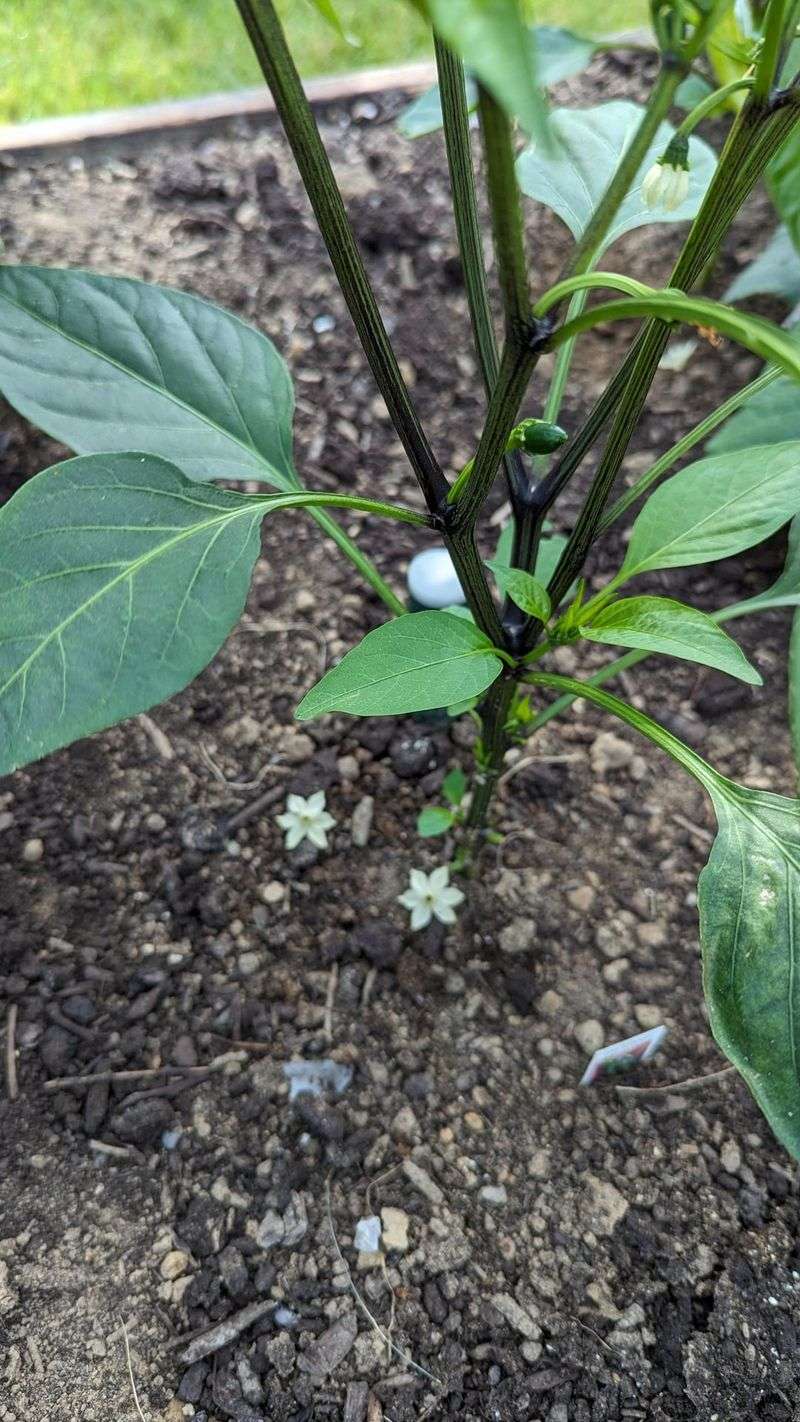
Before troubleshooting anything, make sure you are actually looking at blossom drop. A pepper flower that is dropping has dried up, failed to develop into fruit, and detached from the plant. You might notice the flowers shriveling while still attached, or you may find small dried blossoms scattered on the soil at the base of the plant. Either way, the key point is that no fruit ever started to form.
That detail matters because blossom drop is often confused with a different problem called blossom-end rot. Utah State University Extension’s blossom-end rot guide describes that disorder as a dark, sunken, leathery lesion that appears on the bottom of a pepper that is already developing. If you see a dark spot on an actual pepper, that is blossom-end rot. If the flower itself is falling off before any pepper forms, that is blossom drop.
The two problems look similar at first glance but call for different responses.
Flower loss also has more than one possible cause. Utah State’s pepper production guide lists heat, moisture stress, and unfavorable conditions among the reasons peppers drop flowers. Pinning the cause on watering before you have inspected the soil, the weather, and the plant itself can send you in the wrong direction entirely. Confirm the symptom first, then start working through possible explanations.
Dry-to-wet swings can stress flowering peppers
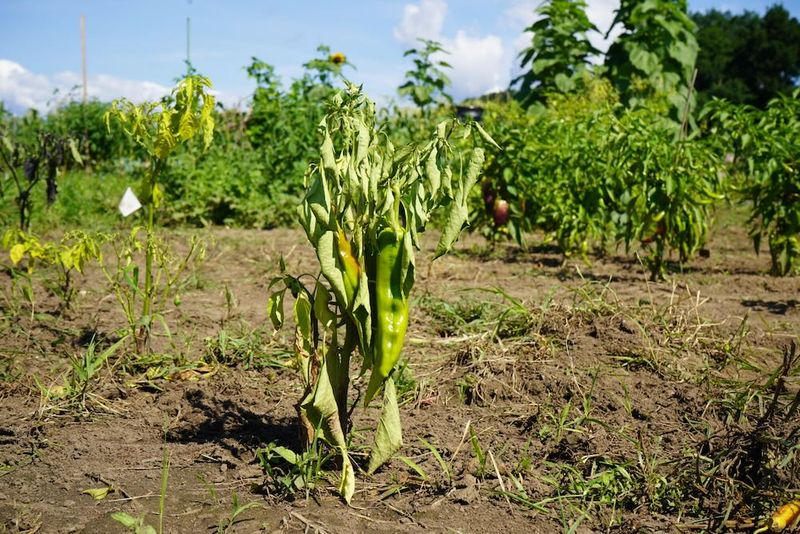
One moisture pattern that can stress flowering peppers is allowing the root zone to dry out substantially and then compensating with a heavy soak. Peppers are developing sensitive reproductive structures during bloom, and sharp swings between drought and saturation can interrupt that process. The result can be reduced fruit set and flowers that abort before they develop.
Utah State University Extension’s vegetable watering guide notes that irregular watering, whether too little or too much, can cause pepper flower drop, and recommends deep watering that delivers roughly 1 to 2 inches per week depending on conditions. That range is a general baseline, not a rigid prescription, and the right amount for your garden depends on soil type, plant size, and current weather.
The problem runs in both directions. Letting the soil get bone dry before watering is stressful for a blooming pepper, but so is keeping the root zone saturated. UC IPM’s guidance on watering peppers emphasizes keeping the deeper root zone consistently moist throughout the season, while Oklahoma State Extension’s pepper production fact sheet specifically warns that over-irrigation can promote Phytophthora and other root-rotting diseases. The goal is steady, even moisture in well-drained soil, not a cycle of extremes in either direction.
Check the soil before deciding what to do
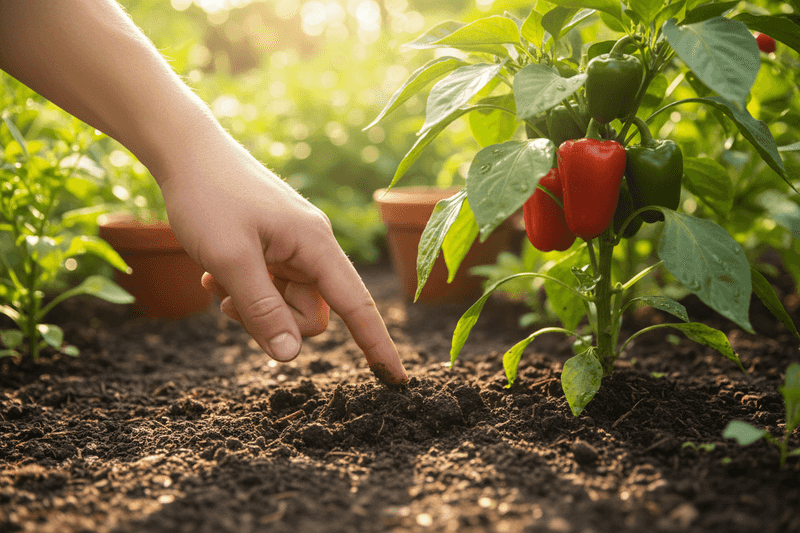
Reaching for the hose without first checking the soil is how gardeners accidentally make the problem worse. The most useful first step is a simple finger test: push your finger about 2 inches into the soil near the base of the plant. University of Minnesota Extension’s vegetable garden watering guide advises watering when the soil feels dry at roughly that depth, rather than on a set calendar schedule.
What you find at that depth should drive your decision. If the soil is still moist 2 inches down, adding more water will not help and may hurt. If it is dry, a thorough soak at the root zone is the right move. Sandy soils drain fast and may need more frequent checks; heavy clay holds moisture longer but can also stay waterlogged after rain.
Container peppers are a separate category entirely because limited soil volume means the pot can dry out far faster than an in-ground bed, sometimes within a single hot afternoon.
University of Minnesota’s pepper growing guide recommends thorough root-zone watering rather than frequent shallow sprinkles, which encourage roots to stay near the surface and make plants more vulnerable to heat and drought. The general vegetable-garden figure of about 1 inch of water per week, also referenced by Utah State Extension, is a reasonable starting point, but plant size, wind, and heat can push that number higher. Let soil moisture, not the calendar, be your guide.
Keep moisture steady without keeping roots soggy
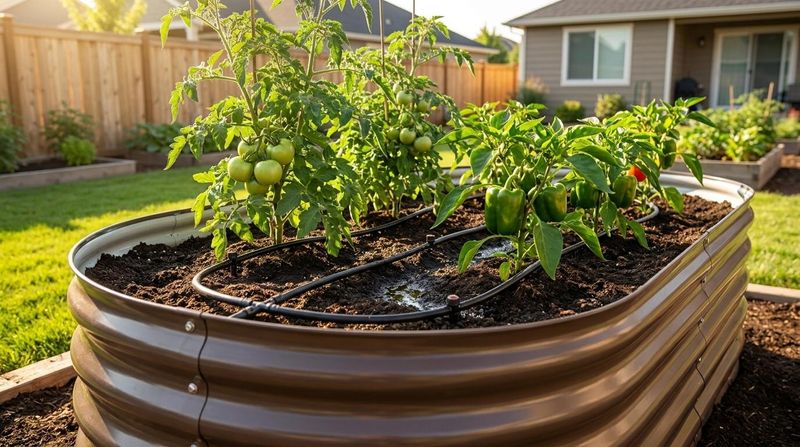
Once you know the soil needs attention, a few practical habits can reduce future moisture swings significantly. Mulch is one of the most effective tools available. A 2 to 3 inch layer of straw, wood chips, or another organic material placed around the base of your pepper plants slows evaporation, moderates soil temperature, and buffers the root zone against rapid drying between waterings. Utah State Extension’s irrigation guide for peppers and Oregon State Extension’s pepper guide both point to organic mulch as a way to conserve moisture and reduce compaction.
Watering method also matters. Applying water at soil level, through drip lines or furrow irrigation, keeps foliage dry and reduces the conditions that favor fungal and bacterial diseases. Overhead sprinklers wet the leaves, which can create problems during warm, humid weather. Early morning is the preferred time to water because soil and air temperatures are lower and any moisture that does reach leaves has time to dry before evening.
That said, if your soil check at noon shows the root zone is dangerously dry, water then rather than waiting until the next morning.
Container plants need special attention during August heat. University of Minnesota Extension’s heat management guidance notes that pots have limited soil volume and may need daily or even twice-daily watering during a heat wave. At the same time, Oklahoma State Extension reminds growers that saturated soil drives out oxygen and sets the stage for root disease, so drainage matters as much as frequency.
Heat can abort flowers even in moist soil
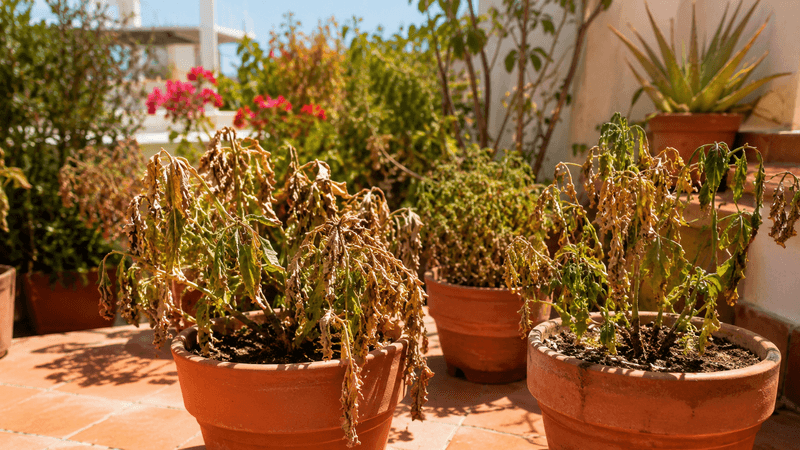
Adequate soil moisture is not a guarantee against blossom drop in August. Heat is an independent cause, and it can abort flowers even when the root zone is perfectly moist. University of Minnesota Extension’s irrigation strategies guide identifies heat stress as a major driver of blossom drop and fruit abortion in vegetables, separate from any watering issue.
The temperature ranges that put peppers at risk vary by source, cultivar, and growing conditions. Utah State Extension’s pepper guide describes stressful conditions as nights below 55 degrees F or days above 90 degrees F, while Iowa State Extension’s pepper guide places bell pepper flower abortion risk at nights below 60 degrees F or days above 85 degrees F. A peer-reviewed study on bell pepper heat response found that exposure around 33 degrees C (about 91 degrees F) can reduce fruit set at sensitive flower stages. No single temperature applies to every pepper type, every garden microclimate, or every stage of flower development.
Hot nights are a significant and often overlooked part of the equation. When nighttime temperatures stay elevated, peppers cannot recover from daytime heat stress, and pollen viability drops. Wind and low humidity compound the problem by pulling moisture out of flowers faster than the plant can replace it. New Mexico State University Extension lists high temperature, insufficient water, wind, humidity, insects, and nutrient problems as a combined set of possible causes, reinforcing that no single explanation covers every case of August blossom drop.
Protect plants during an extreme heat spell
When a heat wave arrives, the most useful response is a short checklist rather than a single action. Start by verifying soil moisture at the 2-inch depth. If the root zone is dry, water thoroughly. If it is already moist, adding more water will not protect flowers from heat-triggered abortion.
Container peppers should be checked more frequently than in-ground plants during extreme weather because their limited soil volume can go from adequate to dangerously dry within hours on a hot afternoon.
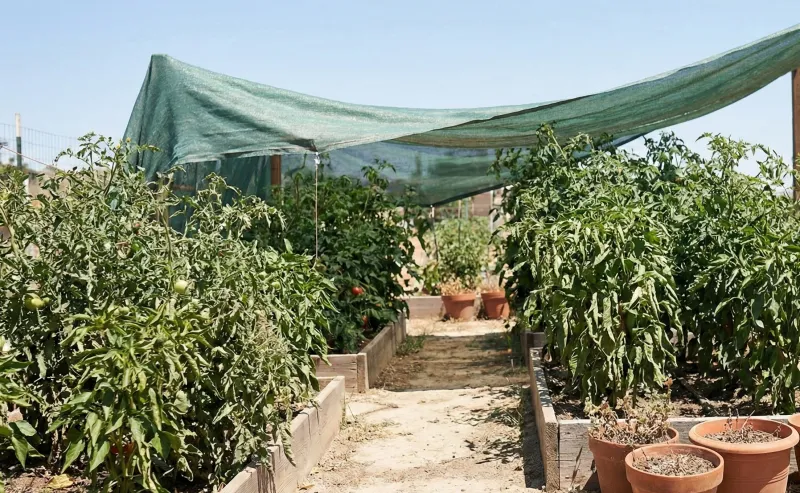
Temporary shade is a legitimate tool during severe heat. Delaware Cooperative Extension’s heat stress guide reports that approximately 30 percent shade cloth can cool peppers and tomatoes meaningfully without cutting off so much light that growth slows. The emphasis there is on temporary and moderate. Draping shade cloth during the hottest part of the afternoon and removing it in the morning or evening is a reasonable approach during a heat event.
Leaving plants in deep or permanent shade reduces photosynthesis, slows fruit development, and can create its own set of problems.
University of Minnesota Extension’s irrigation strategies resource underscores that consistent moisture during heat events supports the plant’s ability to cope, and their heat management guidance reinforces checking containers often. These steps can reduce stress on buds that have not yet opened, supporting future flower development. Flowers already damaged by pollen failure or extreme heat will not recover, but protecting the plant now gives later blooms a better chance.
Rule out disease, pests, and look-alike problems
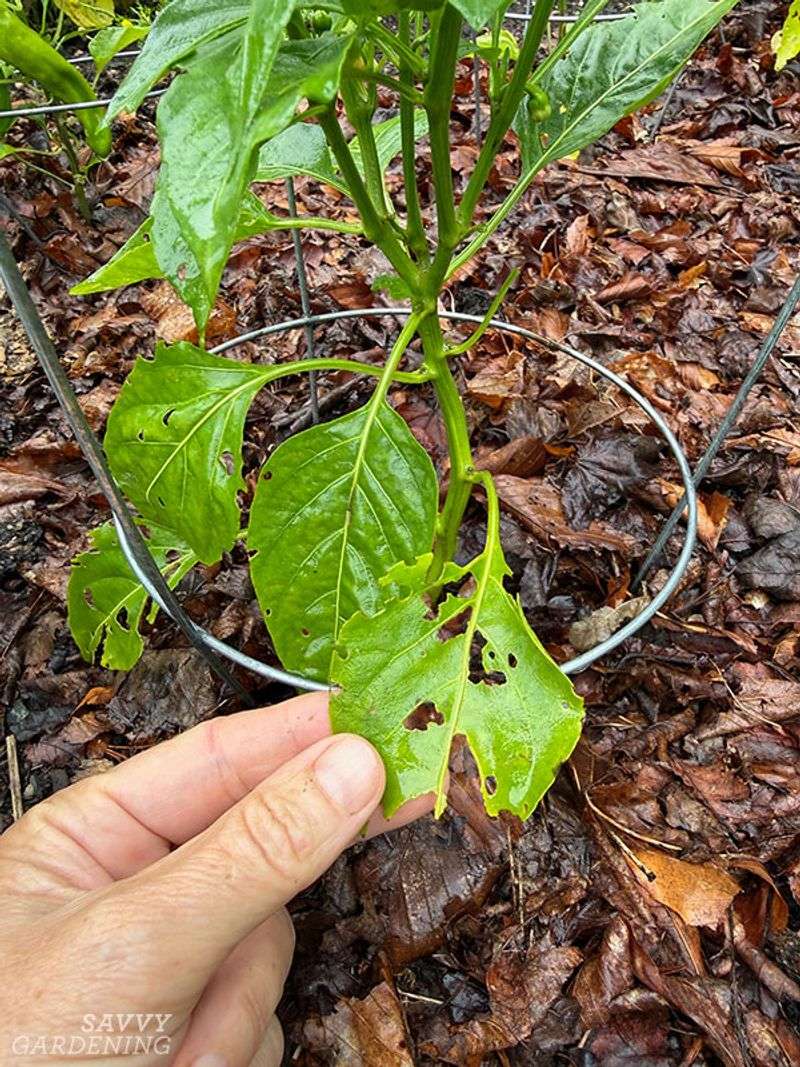
Moisture and heat explain many cases of August blossom drop, but not all of them. If flowers continue falling after you have corrected a genuine moisture problem and temperatures have moderated somewhat, a closer look at the plant itself is the next step. A visual inspection should cover leaves, stems, flowers, developing fruit, and the overall posture of the plant.
On the leaves, look for spots, streaks, mosaic patterns, unusual yellowing, or distorted new growth. Mosaic-pattern yellowing or crinkled leaves can indicate a viral infection. Dark, water-soaked spots on leaves or stems may point to bacterial spot. Wilting that does not recover after watering can suggest a wilt disease affecting the vascular tissue.
Very small, bronze-colored or stippled leaves, especially on new growth, may indicate broad mites, which are too small to see without magnification. University of Florida IFAS’s pepper disease and pest guide covers many of these possibilities and emphasizes the importance of inspecting the whole plant before drawing conclusions.
Utah State Extension’s pepper guide and New Mexico State University Extension both note that herbicide drift, insect feeding, and nutrient imbalances can also produce flower and fruit problems that resemble heat or moisture stress. Blossom drop by itself is not enough information to diagnose a pest or disease. Inspect the entire plant, note all unusual symptoms, and identify a specific problem before considering any treatment.
Skip unsupported nutrient fixes and follow pesticide labels
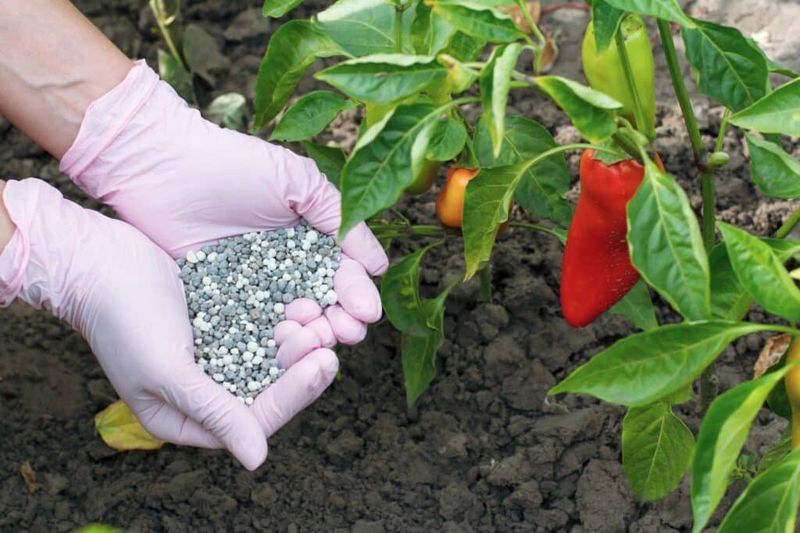
Blossom drop understandably makes gardeners want to do something, and that urgency sometimes leads to treatments that do not match the actual problem. Calcium sprays, crushed eggshells, Epsom salt, and extra fertilizer applications are commonly suggested online as remedies for dropped flowers, but none of these is a reliable or established fix. Clemson University Extension’s analysis of calcium spray myths explains that foliar calcium applications are not a dependable correction even for blossom-end rot, let alone for heat-triggered blossom abortion. A plant dropping flowers because of heat or moisture stress does not have a calcium deficiency, and treating it as if it does wastes time and money.
University of Georgia Extension similarly cautions against applying fertilizers as a response to symptoms that have not been properly diagnosed. Adding nitrogen to a heat-stressed plant can push leafy growth at the expense of flowers and fruit.
If your inspection in the previous section turns up a confirmed pest or disease, and a pesticide becomes part of your response, label compliance is non-negotiable. University of Florida IFAS recommends integrated pest management before reaching for any chemical treatment. EPA guidance on pesticide labels and EPA pesticide labeling requirements make clear that the label is a legal document. Use only products labeled specifically for edible peppers and follow every crop, rate, timing, reentry, and preharvest interval instruction on the label.
Expect possible recovery when conditions moderate
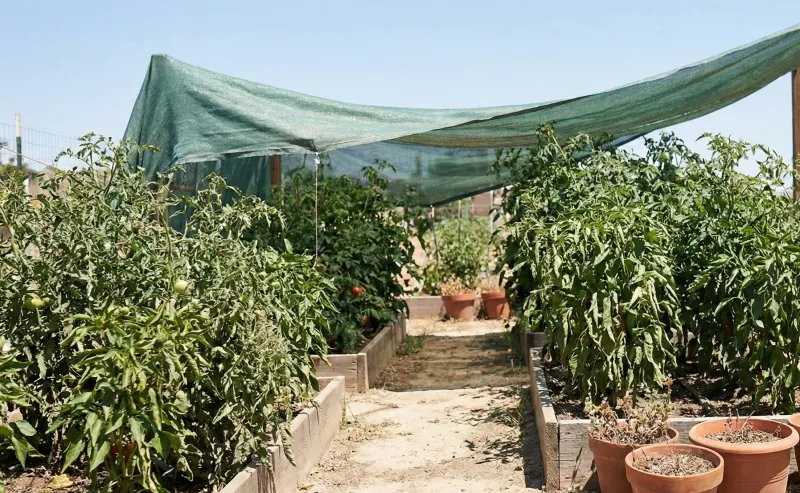
Pulling together everything covered above, a practical path forward looks like this: check soil moisture about 2 inches below the surface before making any watering decision. If the root zone is genuinely dry, water thoroughly at the base of the plant and apply or refresh mulch to slow the next drying cycle. If the soil is already moist and temperatures have been extreme, focus on temporary, moderate shade during the hottest afternoon hours rather than adding more water. Inspect containers daily during heat waves.
If flowers keep dropping after moisture and heat conditions improve, examine the whole plant carefully for disease or pest symptoms before considering any treatment.
University of Georgia Extension’s summer gardening tips describe heat-related blossom drop in peppers as a temporary condition, with flowering commonly resuming once temperatures ease. That is genuinely reassuring, though no individual plant’s recovery can be promised. A pepper that has been well-mulched, consistently watered according to actual soil conditions, and protected from the worst heat is in a far better position to produce a fall flush of fruit than one that was left to cycle between drought and flood all summer.
The most useful mindset is patience paired with observation. August heat eventually breaks, and a plant that has been supported through the stress often surprises gardeners with a late-season round of blossoms.